Leave A Message
If you are interested in our products and want to know more details,please leave a message here,we will reply you as soon as we can.



Hospital water treatment system
Hospital Wastewater Treatment Solution
Hospital wastewater (HWW) is a complex mixture of conventional pollutants (organic matter, suspended solids), pathogenic microorganisms (bacteria, viruses, parasites), pharmaceutical residues (antibiotics, hormones, contrast agents), disinfectants, heavy metals, and in some cases, radioactive substances. Its hazardous potential far exceeds that of domestic sewage, requiring robust treatment to prevent environmental .
A typical hospital wastewater treatment plant (WWTP) consists of three main stages:
Pretreatment + Biological+ MBR technology + Disinfection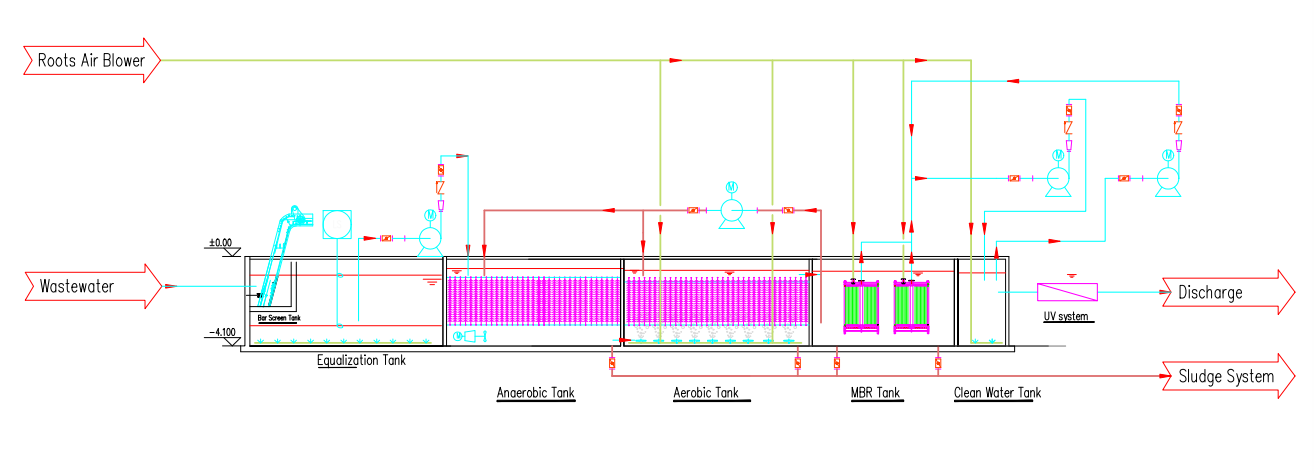
Pretreatment
Screening & Grit removal: Remove large solids, bandages, syringes, etc.
Equalization tank: Balance flow and composition; may include aeration to prevent anaerobic conditions.
Grease trap: Remove oils and fats.
Anaerobic tank, the main function is removed the phosphorus and bacteria, that low down the COD. The suggest tank size is 8—12 times volume of 1-hour treatment wastewater.
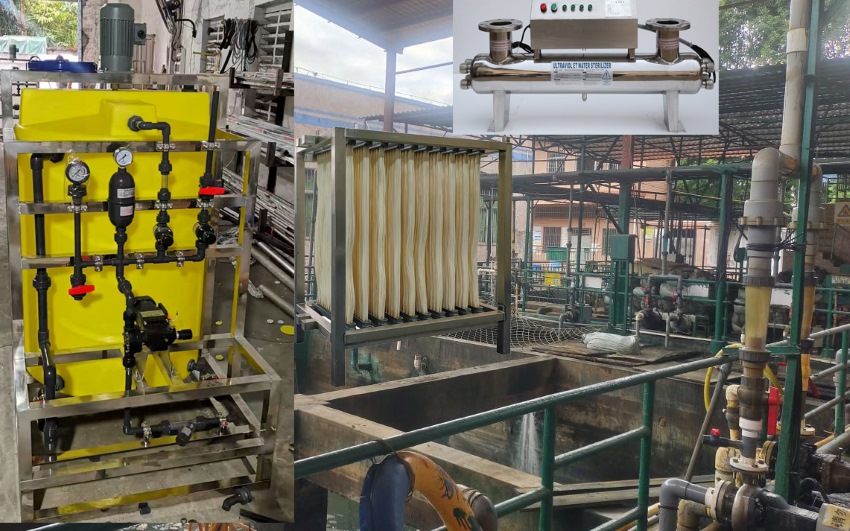
Biological treatment +MBR System
Aerobic Treatment & MBR System , the process involves air or oxygen being introduced into a mixture of screened, and primary treated sewage or industrial wastewater (wastewater) combined with organisms to develop a biological flock which reduces the organic content of the sewage.
The main function is removing the nitrifying bacteria and phosphorus bacteria, and low down the COD& BOD;
The tank size normal is about 8-12times per hours treated quantity waste water.
MBR Technology, Excellent effluent quality (suspended solids <5 mg/L), small footprint, produces reusable water
Disinfection
For the disinfection that can choose chlorine dioxide or ozonation or UV Disinfection.