Leave A Message
If you are interested in our products and want to know more details,please leave a message here,we will reply you as soon as we can.



Textile industry wastewater recycling solutions
Textile wastewater is complex, containing dyes, chemicals, suspended solids, and high COD/BOD. Effective recycling typically requires an integrated treatment system rather than a single technology. Below is a breakdown of the key technologies and a typical process flow.
Primary Treatment
Goal: Remove fibers, suspended solids, and color.
Methods: Screening, equalization tank,Chemical Coagulation and Flocculation, focuses on the removal of suspended solids and organic matter through physical and chemical processes
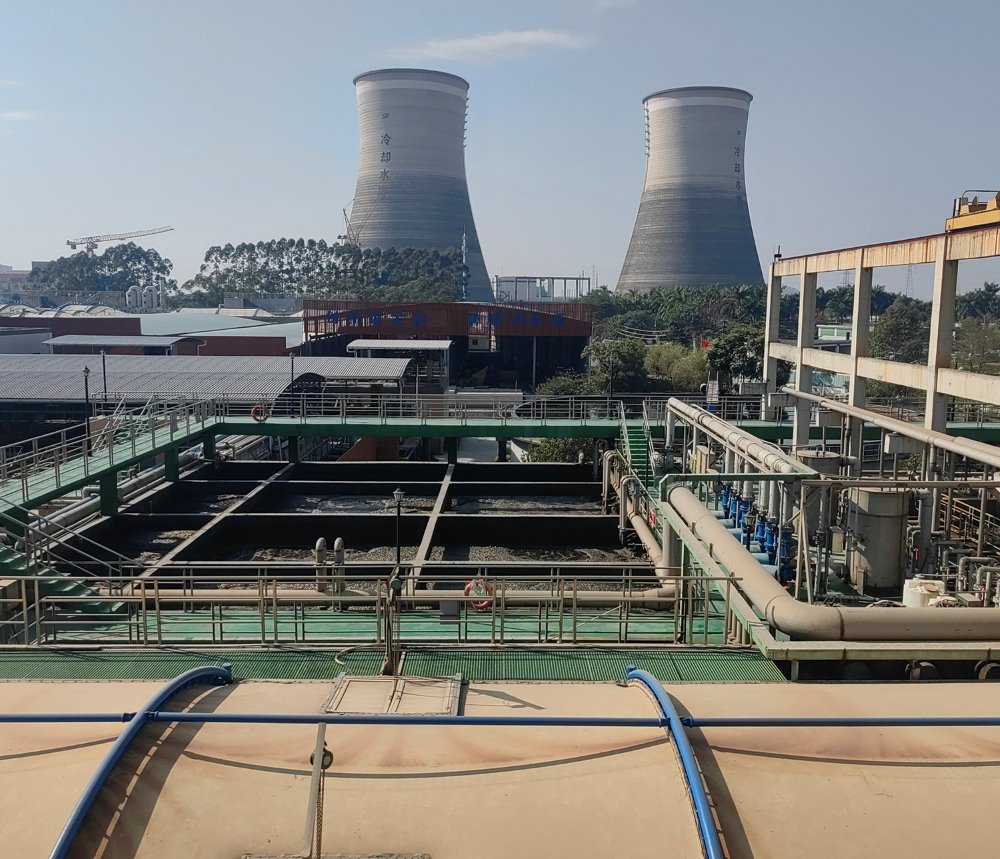
Biological Treatment
Goal: Degrade dissolved organic matter (BOD/COD).
Methods: Activated Sludge Process (ASP), Membrane Bioreactor (MBR) – preferred for recycling as it produces clearer effluent.
Anaerobic and Aerobic treatment, to degrade organic matter and remove dissolved pollutants using biological processes
MBR Filtration
MBR employed to remove specific contaminants that remain after secondary treatment, such as dyes, and residual organic compounds.
Output Treated wastewater can be reused for non-potable purposes such as irrigation, cooling, or even in the textile manufacturing process, reducing freshwater consumption