daf wastewater treatment Maintenance Tips for Steady Results
daf wastewater treatment Maintenance Tips for Steady Results
November 18, 2026
Author
Solution Provider, through a professional technical team, we provide customers with targeted equipment selection recommendations and comprehensive after-sales services, winning the trust and recognition of customers.
Sarah M.
This article provides a comprehensive guide to dissolved air flotation maintenance for steady wastewater treatment results. It explains the DAF process, why maintenance is strategic, and how daily, weekly, monthly, quarterly, and annual tasks keep performance stable. Detailed sections cover the air saturation system, recycle pumps, compressors, pressure vessels, air dissolving tubes, release valves, nozzles, skimmers, drive systems, chemical dosing, sludge handling, instrumentation, troubleshooting, spare parts, safety, training, and documentation. The article emphasizes that consistent effluent quality depends on maintaining proper hydraulic loading, air-to-solids ratio, chemical reaction conditions, and sludge removal. It also highlights the role of HINADA Water Treatment Tech Co., Ltd., a global manufacturer founded in 2012 in Guangzhou and expanded to Chenzhou, serving over 75 countries. HINADA supplies DAF systems, UF membranes, MBR modules, containerized MBR systems, packaged plants, UF systems, and industrial RO systems. Its integrated approach from design to commissioning and training helps clients achieve reliable, long-term DAF performance.
DAF Wastewater Treatment Maintenance Tips for Steady Results
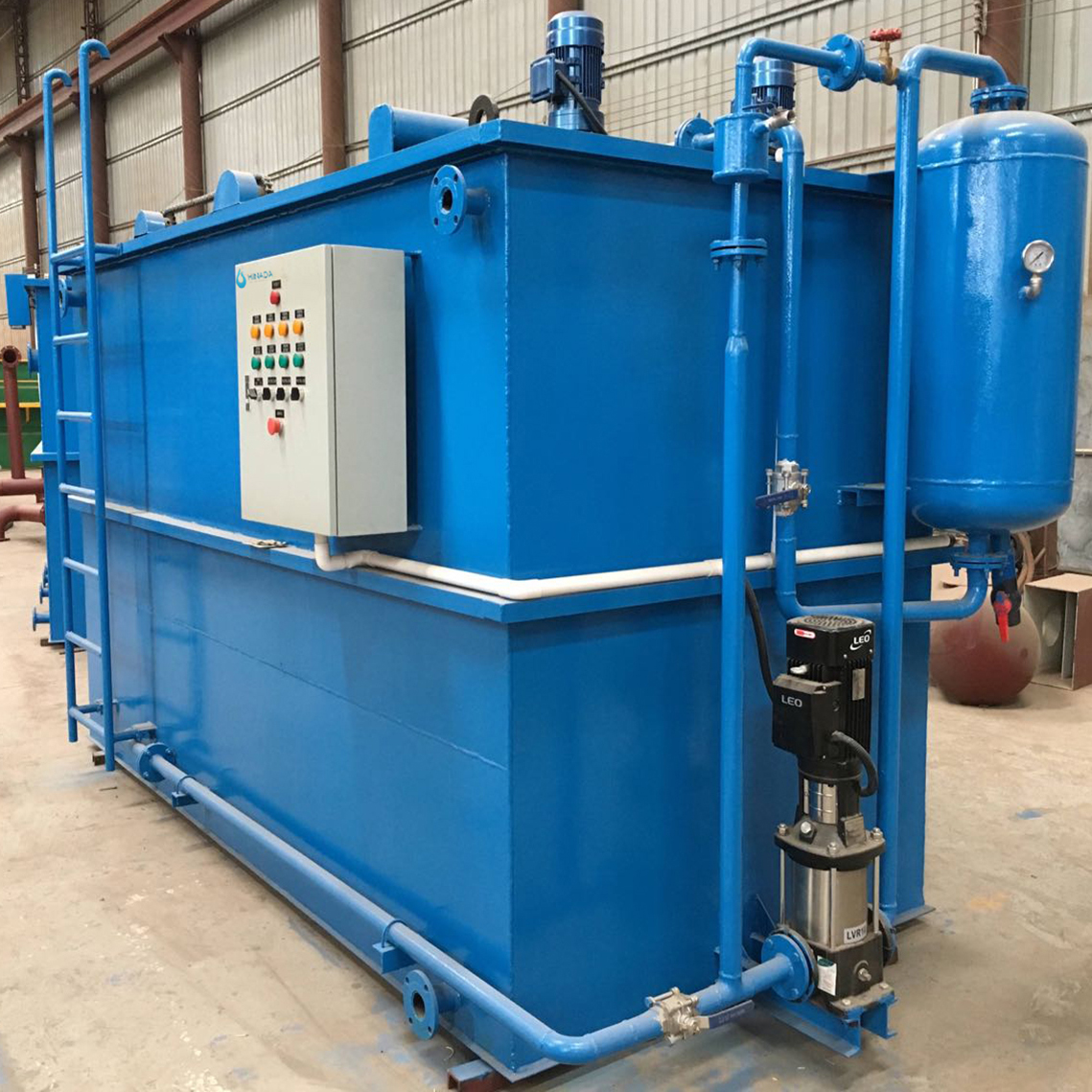
Dissolved air flotation, commonly called DAF, is a proven physical-chemical treatment process used to remove suspended solids, oils, grease, and other contaminants from wastewater. In a DAF system, air is dissolved into water under pressure and then released into a flotation tank. The sudden pressure drop creates millions of micro-bubbles. These bubbles attach to suspended particles and lift them to the surface, where a skimmer removes the concentrated sludge. The clarified water exits the tank for further treatment or discharge. Because DAF systems operate continuously and often sit at the heart of industrial and municipal treatment trains, their reliability directly affects effluent quality, operating cost, and compliance. Steady results do not happen by accident. They come from disciplined maintenance, careful observation, and a deep understanding of how each DAF component interacts with the others.
HINADA Water Treatment Tech Co., Ltd., a globally recognized manufacturer of wastewater treatment equipment, hollow fiber ultrafiltration membranes, submerged MBR membrane modules, integrated packaged wastewater treatment systems, and DAF systems, has seen how maintenance practices determine whether a DAF unit performs at its design potential. Founded in 2012 in Guangzhou, China, and later expanded to a manufacturing base in Chenzhou, Hunan Province, HINADA serves clients in more than 75 countries across Asia, Africa, Europe, and the Americas. That global experience reveals a consistent truth: the plants that achieve steady DAF results are the ones that treat maintenance as a core operational function, not as a reactive afterthought.
Why DAF Maintenance Deserves Strategic Attention
A DAF system is more than a tank with a skimmer. It is an integrated assembly of pumps, compressors, pressure vessels, saturation tubes, release valves, chemical dosing units, mixers, scrapers, conveyors, instruments, and controls. Each component has a specific duty. When one component drifts from its optimal condition, the entire process can lose efficiency. A partially clogged release valve may reduce bubble quality. A worn recycle pump impeller may lower the air dissolution rate. A misaligned skimmer may leave floating sludge behind. A faulty pH sensor may cause incorrect coagulant dosing. These small failures accumulate into visible performance losses: higher turbidity, higher chemical consumption, frequent carryover, and increased sludge volume.
Strategic maintenance focuses on preventing those losses. It uses scheduled inspections, condition monitoring, and early intervention to keep the DAF system within its operating envelope. The goal is not simply to avoid breakdowns. The goal is to maintain consistent hydraulic loading, consistent air-to-solids ratio, consistent chemical reaction conditions, and consistent sludge removal. When those four factors remain stable, the DAF unit produces steady effluent quality day after day. That stability reduces operating costs, protects downstream treatment stages, and gives operators confidence during regulatory inspections.
HINADA emphasizes that maintenance planning should begin during the design and commissioning phases. A DAF system that is properly sized, correctly installed, and thoroughly commissioned is easier to maintain. The company provides integrated solutions from design and equipment supply to installation support, commissioning, and training. That full-scope approach helps clients understand not only how to run the DAF system but also how to keep it running well over its entire service life.
Understanding the DAF Process Before Maintenance
Effective maintenance requires a clear mental model of the DAF process. Raw wastewater enters the system and receives chemical treatment, usually coagulation and flocculation. Coagulants neutralize the electrical charges that keep particles apart. Flocculants bind the neutralized particles into larger, stronger flocs. These flocs must be robust enough to survive the hydraulic turbulence inside the DAF tank. If chemical dosing is incorrect, the flocs may be too small, too fragile, or too dense. Even a perfectly maintained mechanical system cannot compensate for poor chemistry.
After chemical conditioning, the wastewater enters the flotation tank. A portion of clarified effluent is recycled, pressurized, and saturated with air. The pressurized recycle stream enters the tank through release valves or nozzles. The pressure drop causes dissolved air to come out of solution as micro-bubbles. These bubbles collide with flocs and attach to them. The bubble-floc agglomerates rise to the surface and form a floating sludge blanket. A skimmer or scraper system removes the blanket continuously or intermittently. Clarified water is drawn from the lower part of the tank, often through a collection header, and exits for downstream treatment.
Every maintenance task should support one or more of these process steps. Cleaning release valves supports bubble formation. Inspecting recycle pumps supports air saturation. Calibrating chemical pumps supports floc formation. Lubricating skimmer drives supports sludge removal. Checking level controls supports hydraulic stability. When maintenance teams understand the why behind each task, they perform the work with greater care and can detect subtle abnormalities before they become major failures.
Daily Maintenance Routines for DAF Systems
Daily maintenance is the first line of defense for steady DAF results. It does not require extensive disassembly. It requires disciplined observation and small corrective actions. Operators should begin each shift by walking the DAF system and looking for anything that has changed. Visual checks can reveal leaks, unusual noises, vibration, odors, foam, or sludge carryover. A simple daily routine can prevent many emergency repairs.
The following daily checks are recommended for most DAF installations. The exact list may vary with the system design, but the principles remain consistent.
Inspect the flotation tank surface. The floating sludge blanket should be uniform and move steadily toward the skimmer. Large clear patches may indicate poor bubble attachment or insufficient chemical dosing.
Check the clarity of the effluent. A sudden increase in turbidity or suspended solids may signal a problem in the DAF unit or upstream processes.
Observe the release valves or nozzles. The bubble pattern should be white and milky. Large bubbles or irregular sputtering may indicate wear or blockage.
Listen to the recycle pump and compressor. Unusual noises, cavitation, or rhythmic knocking require immediate attention.
Check pressure gauges on the air saturation system. The pressure should remain within the operating range specified by the manufacturer.
Inspect chemical dosing pumps and lines. Verify that dosing rates match the current flow and water quality.
Examine the skimmer and scraper operation. The blades or flights should move smoothly without jerking or scraping.
Look for leaks around pumps, valves, flanges, and tanks. Even small leaks can waste water, chemicals, and energy.
Confirm that the sludge collection and transfer system is functioning. The sludge hopper or conveyor should not overflow or clog.
Record all observations in the daily log. Trends are easier to detect when data is recorded consistently.
Daily maintenance also includes basic housekeeping. Keep the DAF area clean and dry. Remove debris that could block walkways or fall into tanks. Wipe sensors and sight glasses. Check that safety guards are in place. A clean, orderly environment makes abnormal conditions easier to spot. HINADA recommends that operators use a checklist and sign off on each item. The checklist becomes a training tool for new staff and a historical record for troubleshooting.
Weekly Maintenance Tasks
Weekly maintenance extends the daily routine with more detailed inspections and minor servicing. These tasks help detect wear before it affects performance. They also provide an opportunity to verify that the DAF system is responding correctly to changes in flow, load, and chemistry.
During weekly maintenance, the team should inspect the air saturation system more closely. Check the compressor oil level if the compressor is oil-lubricated. Drain any condensate from air receivers and filters. Inspect the air filter element and replace it if it is dirty. Verify that the pressure relief valve on the pressure vessel is not leaking. Test the pressure gauges against a known reference if calibration is uncertain. A stable air saturation pressure is essential for consistent bubble generation.
The recycle pump deserves weekly attention. Check the pump for vibration and temperature. Listen for cavitation, which sounds like marbles moving through the casing. Cavitation can damage the impeller and reduce air dissolution. Inspect the suction strainer and clean it if necessary. Verify that the pump discharge pressure and flow match the design values. If the pump has a mechanical seal, check for drips. A small drip may be normal for some seal types, but a steady stream indicates a worn seal that should be replaced.
Chemical dosing systems also require weekly checks. Inspect dosing pump tubing for cracks, stiffness, or chemical buildup. Verify that the suction and discharge valves are clean. Check the calibration of dosing pumps by measuring the actual volume delivered over a set time. Compare the result with the setpoint. If the pump is not delivering accurately, recalibrate it or replace worn parts. Inspect chemical storage tanks for level, temperature, and compatibility. Some chemicals degrade or crystallize over time. Mixing systems should be checked for proper agitation.
The flotation tank and skimmer system should be inspected weekly for mechanical issues. Check the skimmer chain or drive belt for proper tension. Lubricate the drive chain or bearings according to the manufacturer schedule. Inspect the scraper blades for wear or damage. Verify that the sludge discharge chute or pipe is not blocked. If the DAF unit has a bottom scraper, check that it removes settled solids effectively. Settled solids can accumulate and reduce tank volume, leading to hydraulic short-circuiting.
Monthly Maintenance Procedures
Monthly maintenance involves more thorough inspection and servicing of critical components. It is also a good time to review operating data and compare it with baseline performance. The maintenance team should look for trends in chemical consumption, power usage, effluent quality, and sludge production. A gradual increase in chemical usage may indicate that the DAF system is losing efficiency and needs adjustment or repair.
One important monthly task is cleaning the release valves and nozzles. Even well-designed DAF systems can accumulate scale, grease, or debris in these small openings. A partially blocked nozzle produces larger bubbles and uneven flow, which reduces flotation efficiency. The cleaning method depends on the nozzle design. Some nozzles can be cleaned in place with a soft brush or by backflushing. Others must be removed and soaked in a suitable cleaning solution. Always follow the manufacturer instructions and use compatible cleaning chemicals. Avoid abrasive tools that could scratch or deform the nozzle surfaces.
The pressure vessel and air dissolving tube should be inspected monthly. Check for corrosion, pitting, or leaks. Verify that the internal baffles or packing are intact. If the system uses a packed saturation tube, the packing may need to be cleaned or replaced periodically. A clogged or channeled packing reduces air dissolution efficiency. Inspect the vessel interior only when the system is depressurized, drained, and locked out. Never open a pressure vessel while it is under pressure.
Monthly maintenance should also include a detailed inspection of the skimmer and sludge removal system. Check the skimmer blades for wear, bending, or missing parts. Verify that the blade edges are parallel to the tank surface and that the clearance is correct. If the skimmer leaves a thin layer of sludge, the blade may be worn or misaligned. Inspect the sludge conveyor, pump, or auger for wear and blockage. Lubricate all bearings and drive components according to the schedule. Check the torque on drive fasteners. A loose fastener can cause vibration and premature failure.
Instruments and controls require monthly attention. Calibrate pH, ORP, turbidity, and suspended solids sensors if they are used for chemical dosing or process control. Clean sensor probes with appropriate solutions. Verify that flow meters read accurately. Check level switches and transmitters for correct operation. Test alarms and interlocks to ensure they function properly. Review the control system for any unusual alarms or trends. A sensor that drifts slowly can cause gradual process changes that are difficult to detect without calibration.
Quarterly and Semi-Annual Maintenance
Quarterly maintenance provides an opportunity to inspect components that are not easily accessed during daily or weekly routines. It also helps the team prepare for seasonal changes. For example, warmer temperatures can promote biological growth in tanks and pipes. Colder temperatures can increase viscosity and affect chemical reactions. Adjusting maintenance frequency and chemical dosing to match seasonal conditions can prevent performance swings.
During quarterly maintenance, inspect the flotation tank interior if it can be safely drained or entered. Look for corrosion, cracks, and sediment accumulation. Check the tank floor and walls for signs of wear. Inspect the collection header and effluent weirs. Ensure that the weirs are level and free of debris. A tilted weir can create uneven flow and reduce clarification efficiency. Clean the tank as needed. Remove accumulated sludge, grease, and biological growth. If the tank has lamella plates, inspect them for fouling or damage. Clean or replace plates according to the manufacturer recommendations.
Quarterly maintenance should include a thorough inspection of all pumps. Check impeller wear, clearance, and balance. Inspect bearings for noise, heat, and vibration. Verify coupling alignment. Check motor insulation resistance if the motor is critical. Replace worn seals and gaskets. For the recycle pump, verify that the pump curve still matches the system requirements. If the pump has been oversized or undersized, it may never achieve optimal DAF performance. In such cases, HINADA can help evaluate the system and recommend appropriate modifications or upgrades.
Air compressors require quarterly servicing as well. Change the oil and oil filter if required. Clean or replace the air intake filter. Check the belt tension and condition. Inspect the safety valves and pressure switches. Drain the air receiver and traps. Verify that the compressed air is clean and dry. Moisture or oil carryover can contaminate the air dissolving system and reduce bubble quality. If the compressor is oil-free, check the piston rings or scroll seals. Follow the manufacturer maintenance schedule precisely.
Semi-annual maintenance can include more extensive electrical inspections. Check motor control centers for loose connections, overheating, and corrosion. Test circuit breakers and overload relays. Inspect wiring for insulation damage. Clean electrical panels and ensure that cooling fans operate properly. Verify that emergency stops and safety interlocks work. Electrical faults can cause unexpected shutdowns and unsafe conditions. A qualified electrician should perform these tasks.
Annual Overhaul and Inspection
Annual maintenance is the most comprehensive service event for a DAF system. It typically requires a planned shutdown and may involve partial disassembly. The goal is to restore the system to like-new condition, replace worn parts, and verify that all components meet performance specifications. A well-planned annual overhaul can extend equipment life, reduce unplanned downtime, and maintain steady results for the coming year.
Before the annual shutdown, the maintenance team should review the year’s operating data. Identify recurring problems, high-maintenance components, and areas where performance has declined. Order spare parts in advance. Prepare a detailed work schedule. Coordinate with production or municipal operations to minimize disruption. If the DAF system is part of a larger treatment train, consider temporary treatment or storage options.
During the annual overhaul, inspect the pressure vessel thoroughly. Check the internal lining for corrosion or blistering. Verify that the air injection and distribution system is clean. Replace the air dissolving tube packing if necessary. Inspect all valves, including isolation valves, check valves, and pressure relief valves. Replace worn seats, seals, and diaphragms. Test the pressure relief valve to confirm it opens at the correct set pressure. A failed relief valve is a safety hazard and a compliance risk.
The recycle pump should be fully disassembled and inspected. Measure impeller wear ring clearance. Check shaft runout and bearing condition. Replace any parts that exceed the manufacturer tolerance. Reassemble the pump and verify alignment. Test the pump after reassembly. Record the flow, pressure, and power consumption. Compare these values with the original commissioning data. If performance has degraded significantly, the pump may need to be replaced or the system may need hydraulic adjustments.
The skimmer and sludge removal system should be overhauled annually. Replace worn chain, sprockets, bearings, and blades. Check the drive gearbox oil and replace it if necessary. Inspect the sludge conveyor or pump for wear. Verify that all safety guards are reinstalled. Test the system under load to ensure smooth operation. A skimmer that runs smoothly and removes sludge evenly is essential for consistent DAF performance.
Chemical dosing systems should be rebuilt annually. Replace pump tubing, check valves, diaphragms, and seals. Clean or replace injectors and mixing valves. Calibrate all dosing pumps after reassembly. Verify that chemical storage tanks are clean and free of sediment. Inspect secondary containment for cracks or leaks. Update chemical compatibility charts and safety data sheets. Train operators on any changes in chemical handling procedures.
Instrumentation and control systems should be calibrated and tested annually. Replace sensor electrodes that are near the end of their service life. Verify that all flow meters, level transmitters, and pressure transmitters are accurate. Test the control system logic and alarms. Update software if needed. Back up configuration files. Document all calibration results. A control system that is accurate and reliable gives operators the confidence to make timely process adjustments.
Air Saturation System Maintenance
The air saturation system is the heart of a DAF unit. It determines how much air can be dissolved into the recycle stream and therefore how many micro-bubbles are available for flotation. If the air saturation system is not maintained, the DAF unit may produce poor effluent even when all other components appear to be working. Maintenance should focus on air quality, pressure stability, and water flow.
Air quality is often overlooked. Compressed air can contain oil, water, dust, and other contaminants. These contaminants can coat the inside of the pressure vessel, clog the release valves, and reduce air dissolution. Install and maintain coalescing filters, dryers, and traps. Check filters regularly and replace elements when pressure drop increases. Drain moisture traps daily or automatically. If the compressor is oil-lubricated, ensure that the oil separator is working properly. Oil carryover can be difficult to remove and may require extensive cleaning.
Pressure stability is critical. The air saturation pressure should remain within the manufacturer specified range. Fluctuations can be caused by compressor cycling, pressure regulator failure, leaks, or changes in recycle flow. Install a pressure gauge or transmitter that is easy to read. Record pressure daily. Investigate any unexplained changes. A slowly declining pressure may indicate a leak or a failing compressor. A rapidly fluctuating pressure may indicate a control valve problem or a worn compressor unloader.
The recycle flow rate should also be stable. The air-to-solids ratio depends on both the amount of air dissolved and the volume of recycle water. If the recycle flow decreases, the DAF unit may not have enough bubbles to float the solids. If the recycle flow increases, the tank may become hydraulically overloaded. Use a flow meter to monitor recycle flow. Verify that the flow control valve is functioning correctly. Clean the flow meter sensor if it becomes fouled. HINADA recommends that operators record recycle flow and pressure together so they can quickly identify changes in air saturation performance.
Recycle Pump and Compressor Care
The recycle pump and air compressor are the primary energy consumers in a DAF system. They are also among the most maintenance-intensive components. Proper care can reduce energy consumption, extend equipment life, and prevent unplanned downtime.
Recycle pumps should be selected for the specific pressure and flow requirements of the DAF system. A pump that is too small cannot provide enough recycle flow. A pump that is too large may waste energy and cause hydraulic instability. Once installed, the pump should be maintained according to the manufacturer schedule. This includes checking oil levels, greasing bearings, inspecting seals, and monitoring vibration. Vibration analysis can detect early signs of bearing wear, misalignment, or cavitation. If vibration increases, the pump should be inspected promptly.
Cavitation is a common problem in recycle pumps. It occurs when the pump suction pressure drops below the vapor pressure of the liquid, causing vapor bubbles to form and collapse. Cavitation produces noise, vibration, and impeller damage. To prevent cavitation, ensure that the suction line is not blocked, the strainer is clean, the suction valve is fully open, and the pump is not operating beyond its design flow. If cavitation persists, the suction piping may need to be modified or the pump may need to be replaced.
Air compressors require regular maintenance to ensure reliable operation. Check the oil level daily. Change the oil and filter according to the manufacturer schedule. Clean the air intake filter. Check the belt tension and condition. Inspect the pressure switch and safety valve. Drain condensate from the receiver and traps. For oil-free compressors, check the piston rings, cylinder walls, and valves. Replace worn parts as needed. Keep a spare compressor or critical parts on hand if the DAF system cannot tolerate downtime.
Pressure Vessel and Air Dissolving Tube
The pressure vessel and air dissolving tube are where air and water mix under pressure. They must be kept clean, corrosion-free, and properly packed. If the internal surfaces become coated with scale or biological growth, air dissolution efficiency drops. If the packing becomes clogged or channeled, the water and air may not mix properly. This can lead to large bubbles, poor flotation, and higher chemical consumption.
Inspect the pressure vessel regularly for external corrosion. Check the supports, flanges, and nozzles. Look for signs of leakage around gaskets and fittings. If the vessel has a sight glass, verify that the water level and air interface are correct. Some DAF systems use a level control valve to maintain the correct water level in the vessel. Verify that this valve is functioning properly. If the water level is too low, air may enter the recycle line without being dissolved. If the water level is too high, the vessel may become waterlogged and lose air capacity.
The air dissolving tube, also called the saturation tube, may contain packing, baffles, or static mixers. These internals increase the contact time and surface area between air and water. Over time, they can become fouled with scale, grease, or debris. Clean or replace them according to the manufacturer recommendations. When cleaning, use chemicals that are compatible with the vessel material and the packing material. Rinse thoroughly before returning the system to service. After maintenance, verify that the air saturation pressure and recycle flow are within the normal range.
Release Valves and Nozzles
Release valves and nozzles are small components with a large impact on DAF performance. They control the pressure drop that creates micro-bubbles. If they are worn, clogged, or incorrectly adjusted, the bubble size distribution changes. Larger bubbles rise faster but provide less surface area for particle attachment. Smaller bubbles provide more surface area but may not rise quickly enough. The ideal bubble size is a balance that depends on the specific wastewater characteristics and DAF design.
Inspect release valves and nozzles weekly for signs of wear or blockage. Look for uneven flow, sputtering, or a change in the bubble pattern. Clean them as needed. If the valve or nozzle is worn, replace it with the exact replacement part specified by the manufacturer. Do not attempt to modify or drill out the opening. Small changes in orifice size can significantly affect performance. Keep spare valves and nozzles in stock so that replacements can be made quickly.
When cleaning nozzles, use soft brushes and compatible cleaning solutions. Avoid wire brushes or abrasive pads that could scratch the internal surfaces. If the nozzles are prone to scaling, consider installing a pretreatment system or using an antiscalant. If they are prone to grease buildup, improve upstream grease removal or adjust chemical dosing. HINADA can help evaluate the root cause of recurring nozzle fouling and recommend appropriate solutions.
Skimmer and Drive System Maintenance
The skimmer system removes the floating sludge blanket from the DAF tank. If the skimmer is not working properly, sludge accumulates on the surface, thickens, and eventually sinks. This can cause carryover, odors, and poor effluent quality. Skimmer maintenance should focus on alignment, tension, lubrication, and wear.
Check the skimmer blades or flights daily for smooth movement. Listen for unusual noises. Inspect the chain, belt, or drive shaft for wear. Lubricate the chain and bearings according to the manufacturer schedule. Check the tension of the chain or belt. If it is too loose, the skimmer may slip or jerk. If it is too tight, it may overload the drive motor and bearings. Adjust the tension as needed. Inspect the sprockets for worn teeth. Replace worn sprockets before they damage the chain.
Verify that the skimmer blade is parallel to the tank surface. If it is tilted, it may leave sludge on one side and dig into the other. Adjust the blade height and angle according to the manufacturer instructions. Check the clearance between the blade and the tank wall. If the clearance is too large, sludge can escape around the blade. If it is too small, the blade may scrape the wall and cause wear. Replace worn blades promptly.
The sludge discharge system should also be inspected regularly. This may include a chute, conveyor, pump, or auger. Check for blockage, wear, and corrosion. Lubricate bearings and drive components. Verify that the sludge is discharged smoothly and does not accumulate in the hopper. If the sludge is too thick or sticky, adjust the skimmer speed or chemical dosing. In some cases, a sludge conditioning system may be needed to improve flowability.
Chemical Dosing and Coagulation Maintenance
Chemical dosing is essential for DAF performance, but it is also a common source of operating problems. Incorrect dosing can cause poor floc formation, excessive chemical consumption, and higher sludge production. Maintenance of the chemical dosing system should ensure accurate, consistent, and safe delivery of coagulants, flocculants, and pH adjusters.
Calibrate dosing pumps regularly. Use a graduated cylinder and a stopwatch to measure the actual volume delivered per minute. Compare it with the setpoint. If the difference is greater than the acceptable tolerance, recalibrate the pump or replace worn parts. Check the suction and discharge valves for leaks or blockage. Inspect the tubing for cracks, stiffness, or chemical attack. Replace tubing according to the manufacturer schedule or whenever it shows signs of wear.
Chemical storage tanks should be inspected for level, temperature, and compatibility. Some chemicals crystallize at low temperatures. Others degrade at high temperatures. Use level indicators and alarms to prevent runout. Inspect secondary containment for cracks or leaks. Clean tanks periodically to remove sediment. If two chemicals are incompatible, store them in separate containment areas. Always follow the safety data sheet and local regulations.
Coagulation and flocculation mixers require maintenance as well. Check the mixer blades for wear, corrosion, and balance. Verify that the mixer speed is correct. If the speed is too high, it can shear the flocs. If it is too low, the chemicals may not mix properly. Lubricate the mixer bearings and gearbox. Inspect the drive coupling and motor. A well-maintained mixing system helps ensure that the DAF unit receives properly conditioned wastewater.
Sludge Handling and Disposal
DAF sludge is typically thicker than conventional sedimentation sludge, but it still requires proper handling. The sludge handling system may include pumps, conveyors, thickeners, dewatering equipment, and storage tanks. Maintenance of these components is often overlooked because they are downstream of the DAF unit, but problems there can back up into the DAF tank and cause performance loss.
Inspect sludge pumps regularly for wear, blockage, and seal leakage. Progressive cavity pumps, diaphragm pumps, and centrifugal pumps are common. Each type has specific maintenance needs. Check the pump suction and discharge pressures. Verify that the pump is not running dry. Clean or replace worn parts. If the sludge is abrasive, use wear-resistant materials. Keep spare parts on hand.
Sludge conveyors and augers should be checked for chain tension, bearing wear, and blockage. Lubricate bearings and drive components. Verify that the conveyor is not overloaded. If the sludge is too wet, it may stick and clog. If it is too dry, it may become dusty. Adjust the DAF skimmer speed or chemical dosing to achieve the desired sludge consistency. If the sludge is sent to dewatering, ensure that the dewatering equipment is operating correctly. A poorly operating dewatering unit can increase disposal costs and create environmental risks.
Instrumentation and Control Maintenance
Modern DAF systems rely on instrumentation and control systems to maintain steady results. Sensors measure flow, pressure, level, pH, ORP, turbidity, and suspended solids. Controllers adjust chemical dosing, recycle flow, and skimmer speed. Human-machine interfaces provide operators with real-time data and alarms. If the instrumentation is not accurate, the control system cannot make correct decisions.
Calibrate sensors regularly. The frequency depends on the sensor type and the process conditions. pH sensors may need weekly or monthly calibration. Turbidity and suspended solids sensors may need cleaning and calibration every few weeks. Flow meters may need annual calibration. Pressure and level transmitters may need annual verification. Keep calibration records and compare them with previous results. A sensor that drifts slowly can cause gradual process changes that are difficult to detect.
Check control valves, actuators, and positioners. Verify that they respond correctly to control signals. Lubricate moving parts. Inspect diaphragms and seals for wear. Test alarms and interlocks. Ensure that the control system has a reliable power supply and backup. Protect electronics from moisture, dust, and heat. Clean control panels and check cooling fans. Update software and back up configuration files. A well-maintained control system gives operators the tools they need to keep the DAF process stable.
Troubleshooting Common DAF Problems
Even with good maintenance, DAF systems can experience problems. Troubleshooting requires a systematic approach. Start by gathering data: flow rates, pressures, chemical dosages, pH, temperature, and effluent quality. Compare current values with baseline values. Identify what has changed. Then trace the problem through the system.
If effluent quality is poor, check the chemical dosing first. Verify that the coagulant and flocculant are being added at the correct rates. Check the mixing energy. If the flocs are small and weak, increase the coagulant dose or adjust the pH. If the flocs are large but fragile, reduce the mixing speed or change the flocculant. If the chemistry appears correct, inspect the air saturation system. Check the recycle flow, air pressure, and release valves. Clean or replace clogged nozzles. Verify that the pressure vessel is not waterlogged. Check the skimmer operation. If the skimmer is not removing sludge effectively, the sludge blanket may thicken and sink.
If the bubble pattern is poor, check the release valves and nozzles. They may be clogged or worn. Check the air saturation pressure. If it is too low, the air may not dissolve properly. Check the compressor and pressure regulator. Check the recycle pump. If the pump is cavitating or worn, the recycle flow may be insufficient. Check the air filters and dryers. Contaminated air can cause poor bubble formation. If the problem persists, the air dissolving tube packing may need cleaning or replacement.
If the skimmer is not removing sludge, check the drive system. The chain may be loose, the belt may be slipping, or the motor may be overloaded. Check the blade alignment and clearance. If the blade is worn or misaligned, it may leave sludge behind. Check the sludge discharge system for blockage. If the sludge is too thick, adjust the skimmer speed or chemical dosing. If the sludge is too thin, it may not float properly. Check the air-to-solids ratio and chemical conditioning.
If the DAF system is using too much chemical, check the dosing pump calibration. The pump may be delivering more chemical than the setpoint. Check the raw wastewater quality. If the load has increased, the chemical demand may be higher. Check the pH and alkalinity. If the pH is outside the optimal range, the coagulant may not work efficiently. Check the mixing system. Poor mixing can cause uneven chemical distribution and higher consumption. Check the sludge blanket. If the blanket is too thick, it may consume chemical and reduce efficiency.
Spare Parts and Inventory Management
Maintaining a well-stocked spare parts inventory is essential for steady DAF results. When a critical part fails, waiting for delivery can cause extended downtime and poor effluent quality. The spare parts inventory should include items that are prone to wear, items with long lead times, and items that are critical to safety or compliance.
Recommended spare parts for a DAF system include release valves and nozzles, pump seals and impellers, compressor filters and oil, chemical dosing tubing and check valves, skimmer chain and sprockets, bearings, gaskets, and sensors. The exact list depends on the system design and operating conditions. HINADA can help clients develop a spare parts plan based on their specific equipment and service history.
Inventory management should include regular stock checks, minimum and maximum levels, and expiration dates for chemicals and lubricants. Store spare parts in a clean, dry, and organized area. Protect sensitive components from moisture, dust, and temperature extremes. Label parts clearly. Keep a log of parts used and reorder promptly. A well-managed inventory reduces downtime and ensures that maintenance tasks can be completed on schedule.
Safety and Operator Training
DAF maintenance involves electrical, mechanical, chemical, and confined space hazards. Safety must be the first consideration in every maintenance task. Operators should receive proper training and follow established safety procedures. Personal protective equipment should be worn as required. Lockout and tagout procedures should be used when servicing equipment. Confined space entry should be performed only by trained personnel with proper permits and equipment.
Chemical safety is especially important. Coagulants and flocculants can be corrosive, irritating, or slippery. pH adjusters can cause severe burns. Operators should know the location of safety showers, eyewash stations, and spill kits. They should understand the safety data sheets and emergency response procedures. Chemical dosing systems should be inspected regularly for leaks. Spills should be cleaned up immediately using appropriate methods.
Operator training should cover the DAF process, equipment operation, maintenance procedures, troubleshooting, and safety. Training should be ongoing, not a one-time event. New operators should be mentored by experienced staff. Refresher training should be provided annually or whenever equipment or procedures change. HINADA provides training as part of its integrated solutions, helping clients build the skills needed to operate and maintain DAF systems effectively.
Documentation and Continuous Improvement
Documentation is the foundation of continuous improvement. Maintenance logs, operating data, calibration records, and repair histories provide valuable insights into system performance. They help identify recurring problems, evaluate the effectiveness of maintenance activities, and plan future improvements.
Keep a daily log of operating parameters: flow, pressure, pH, chemical dosage, effluent quality, and sludge production. Record maintenance activities, including inspections, cleaning, lubrication, and parts replacement. Note any abnormalities and the corrective actions taken. Review the logs regularly. Look for trends and patterns. If a particular component fails repeatedly, investigate the root cause. It may be a design issue, an operating issue, or a maintenance issue. Addressing the root cause prevents recurrence.
Use performance indicators to track DAF efficiency. Common indicators include effluent suspended solids, chemical consumption per unit of flow, energy consumption, sludge production, and uptime. Set targets and monitor progress. When performance declines, use the data to diagnose the problem. Continuous improvement is a cycle: measure, analyze, improve, and repeat. A disciplined approach to documentation and analysis helps maintain steady results over the long term.
HINADA's Role in DAF and Wastewater Treatment
HINADA Water Treatment Tech Co., Ltd. is a globally recognized manufacturer of wastewater treatment equipment, hollow fiber ultrafiltration membranes, submerged MBR membrane modules, integrated packaged wastewater treatment systems, and DAF systems. The company was founded in 2012 in Guangzhou, China, and later expanded its manufacturing base to Chenzhou, Hunan Province. Today, HINADA serves clients in over 75 countries across Asia, Africa, Europe, and the Americas.
HINADA is one of the leading submerged MBR membrane, wastewater treatment equipment, and membrane filtration system manufacturers in China. The company specializes as a wastewater treatment solution provider and equipment supplier. It offers a complete ecosystem from membrane research and development and component manufacturing to equipment fabrication and turnkey solution delivery. HINADA provides truly integrated solutions for water and wastewater projects, from design and equipment supply to installation support, commissioning, and training.
With more than 13 years of experience in the water treatment industry and 10 years of water treatment membrane and equipment manufacturing experience, HINADA has developed deep expertise in two core technology pillars. The first is hollow fiber ultrafiltration and MBR membranes, which provide precise physical separation of suspended solids, bacteria, colloids, and macromolecular organics. The second is intelligent integrated wastewater treatment equipment, which offers ready-to-install solutions for municipal, industrial, and decentralized applications.
HINADA's core products include PVDF and PVC hollow fiber UF membranes, submerged MBR membrane modules, containerized MBR systems, packaged wastewater treatment plants, dissolved air flotation systems, ultrafiltration systems, and industrial reverse osmosis systems. These products are used in industrial wastewater treatment and reuse, municipal sewage treatment and water recycling, rural decentralized water supply and sanitation, and drinking water purification from surface water and groundwater.
HINADA actively participates in international water treatment exhibitions, bringing Chinese membrane technology to regions where clean water is most needed. The company's DAF systems are designed for reliable performance and easy maintenance. HINADA works closely with clients to understand their wastewater characteristics, select the right equipment, and develop maintenance plans that support steady results. Whether the application is industrial, municipal, or decentralized, HINADA's integrated approach helps clients achieve their treatment goals.
Integration with MBR, UF, and RO Systems
DAF systems often operate as part of a larger treatment train. They may be used as pretreatment for membrane bioreactors, ultrafiltration, or reverse osmosis. In these configurations, DAF maintenance affects not only its own performance but also the performance of downstream membranes. Poor DAF performance can allow suspended solids, oil, and grease to pass through, causing membrane fouling, higher cleaning frequency, and shorter membrane life.
When a DAF unit is used before MBR or UF membranes, the maintenance focus should include ensuring that the DAF effluent meets the feed water quality requirements. This means monitoring turbidity, suspended solids, and oil and grease. If these parameters exceed the limits, the DAF system should be adjusted or repaired before the membranes are affected. HINADA manufactures both DAF systems and membrane products, so it understands the critical interface between pretreatment and membranes. This integrated knowledge helps clients optimize the entire treatment train.
In industrial reverse osmosis systems, DAF pretreatment can remove contaminants that would otherwise foul the RO membranes. Maintenance of the DAF system should include regular testing of the effluent quality and coordination with the RO cleaning schedule. If the DAF performance declines, the RO system may require more frequent cleaning. By keeping the DAF system in optimal condition, operators can extend RO membrane life and reduce operating costs.
Applications Across Industries
DAF systems are used in a wide range of industries. In the food and beverage industry, DAF removes fats, oils, grease, and suspended solids from processing wastewater. In the pulp and paper industry, it removes fibers and fillers. In the petroleum and chemical industry, it separates oil and suspended solids from refinery and petrochemical wastewater. In the textile industry, it removes dyes and finishing agents. In the municipal sector, DAF is used for primary treatment, tertiary treatment, and combined sewer overflow treatment. In rural and decentralized applications, packaged DAF systems provide reliable treatment where space and operator availability are limited.
Each application has unique maintenance requirements. Food industry wastewater may require more frequent cleaning of grease buildup. Chemical industry wastewater may require corrosion-resistant materials and specialized chemical dosing. Municipal wastewater may require compliance with strict discharge limits. Rural systems may require simple, robust maintenance procedures. HINADA's experience across these applications helps the company design DAF systems and maintenance programs that match the specific needs of each client.
Conclusion
Steady DAF results are achievable when maintenance is planned, systematic, and supported by good data. Daily observation, weekly checks, monthly servicing, quarterly inspections, and annual overhauls keep the system within its operating envelope. Attention to the air saturation system, recycle pump, compressor, pressure vessel, release valves, skimmer, chemical dosing, sludge handling, and instrumentation prevents small problems from becoming major failures. Safety, training, documentation, and spare parts management provide the foundation for long-term reliability.
HINADA Water Treatment Tech Co., Ltd. brings more than a decade of experience to every DAF and wastewater treatment project. Its integrated solutions, from membrane manufacturing to equipment fabrication and turnkey delivery, help clients achieve consistent performance. By following the maintenance tips outlined in this article and working with a knowledgeable partner, operators can protect their DAF investment, reduce operating costs, and maintain steady results for years to come.