Choosing an MBR Membrane Bioreactor factory for Long-Term Reliability
Choosing an MBR Membrane Bioreactor factory for Long-Term Reliability
September 30, 2026
Author
Solution Provider, through a professional technical team, we provide customers with targeted equipment selection recommendations and comprehensive after-sales services, winning the trust and recognition of customers.
Sarah M.
This article examines how to choose an MBR membrane bioreactor factory for long-term reliability. It explains why initial price should not dominate the decision, because membrane replacement, energy use, chemical cleaning, maintenance, and downtime often outweigh capital savings. The article outlines core criteria including manufacturing experience, membrane research and development, quality control, production capacity, customization, engineering support, spare parts, and project references. It highlights the importance of membrane technology, covering PVDF versus PVC hollow fiber membranes, pore size, mechanical strength, hydrophilicity, module design, and aeration efficiency. Factory audits, certifications, traceability, and production environment are discussed as reliability safeguards. Design and engineering support, including process design, hydraulic design, control systems, installation, and commissioning, are presented as essential. The article also reviews manufacturing capability, containerized and packaged systems, supply chain management, and long-term service such as warranties, maintenance programs, membrane cleaning, spare parts, training, and remote monitoring. Cost considerations versus long-term value are analyzed through capital cost, energy consumption, chemical usage, membrane replacement frequency, and maintenance labor. Application-specific selection covers industrial wastewater reuse, municipal sewage treatment, rural decentralized sanitation, and drinking water purification. Common pitfalls and a practical checklist help buyers avoid mistakes. The article references HINADA Water Treatment Tech Co., Ltd. as an example of an integrated manufacturer founded in 2012 in Guangzhou, expanded to Chenzhou, Hunan, serving over 75 countries, with more than 13 years of industry experience and 10 years of membrane manufacturing experience. It concludes that long-term reliability depends on selecting a factory that acts as a committed partner, not merely a supplier.
When a municipal utility, industrial facility, or decentralized community invests in a membrane bioreactor (MBR) system, the decision is rarely about a single piece of equipment. It is a commitment to a treatment process that must operate reliably for ten, fifteen, or even twenty years. The factory behind the MBR membrane modules, the submerged membrane bioreactor skids, and the integrated control systems becomes a long-term partner. Choosing the right MBR membrane bioreactor factory is therefore one of the most consequential decisions in any wastewater treatment project.
Long-term reliability does not happen by accident. It is the result of disciplined membrane research and development, consistent component manufacturing, rigorous quality control, thoughtful system design, and responsive after-sales support. A factory that excels in only one of these areas may deliver a low initial price, but it often struggles when the system faces real-world challenges such as variable influent, seasonal load changes, power interruptions, or aggressive industrial chemicals. This article explores the criteria that matter most when selecting an MBR membrane bioreactor factory for long-term reliability, and it examines how experienced manufacturers such as HINADA Water Treatment Tech Co., Ltd. approach the challenge.
Understanding the MBR Membrane Bioreactor Factory Landscape
The global MBR market includes dozens of manufacturers, from small regional fabricators to large multinational corporations. Some factories specialize only in membrane modules, while others produce complete packaged wastewater treatment plants. Some focus on hollow fiber ultrafiltration (UF) membranes, and others concentrate on flat sheet membranes or ceramic membranes. The factory landscape can be divided into several categories, each with different implications for long-term reliability.
undefined
Membrane Module Specialists
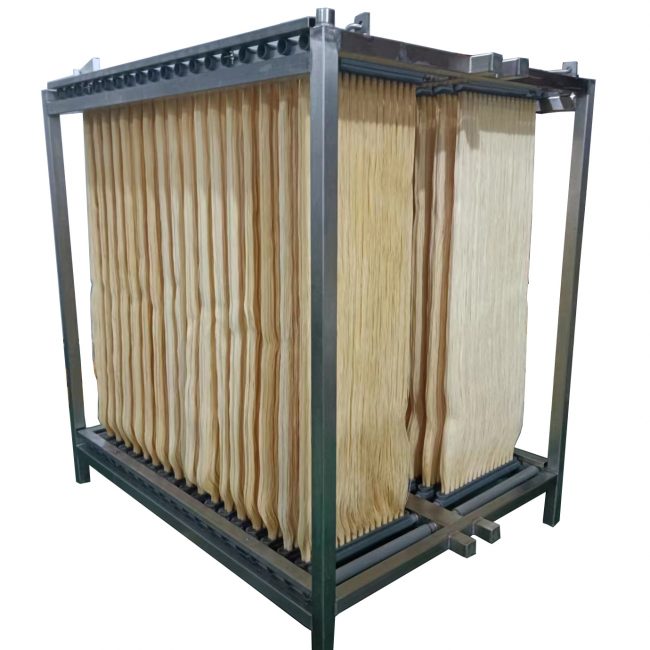
Membrane module specialists manufacture the hollow fiber or flat sheet membranes that sit at the heart of an MBR system. Their expertise lies in polymer chemistry, fiber spinning, module potting, and quality assurance. A strong membrane specialist can provide deep technical support on flux rates, permeability, chemical cleaning, and membrane life. However, they may not offer complete system integration, leaving the buyer to coordinate with separate tank fabricators, blower suppliers, and control system integrators.
Integrated Equipment Manufacturers
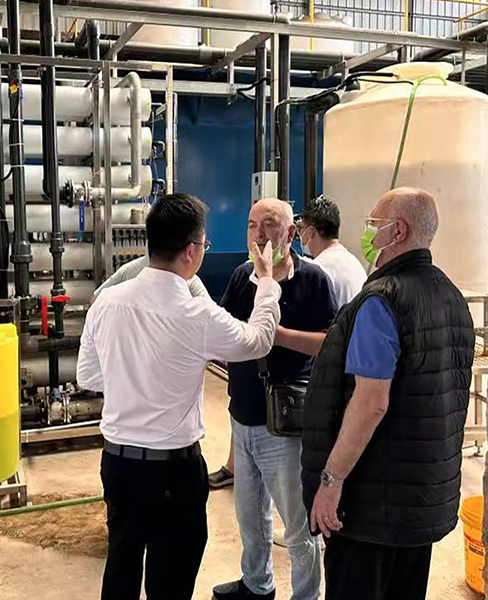
Integrated equipment manufacturers produce both membranes and the surrounding MBR equipment, including submerged membrane bioreactor skids, containerized MBR systems, and packaged wastewater treatment plants. This integration can reduce compatibility risks and simplify project delivery. HINADA Water Treatment Tech Co., Ltd., for example, is a globally recognized manufacturer of wastewater treatment equipment, hollow fiber ultrafiltration membranes, submerged MBR membrane modules, integrated packaged wastewater treatment systems, and DAF systems. Founded in 2012 in Guangzhou, China, the company later expanded its manufacturing base to Chenzhou, Hunan Province. Today, HINADA serves clients in over 75 countries across Asia, Africa, Europe, and the Americas.
Turnkey Solution Providers
Turnkey solution providers go beyond manufacturing to offer design, supply, installation support, commissioning, and training. This model is attractive for clients who lack in-house engineering resources or who want a single point of responsibility. HINADA provides a truly integrated solution to water and wastewater projects, from design and supplying to installation support, commissioning, and training. This integrated approach can be a major advantage when long-term reliability is the goal, because the factory that builds the membrane modules also understands how those modules perform within the complete treatment train.
Why Long-Term Reliability Matters More Than Initial Price
It is tempting to select an MBR membrane bioreactor factory based primarily on the lowest quotation. However, the initial capital cost is only one component of the total cost of ownership. Over a ten-year period, membrane replacement, energy consumption, chemical cleaning, maintenance labor, and downtime can dwarf the original purchase price. A factory that cuts corners on membrane quality or system design may save money upfront but create a legacy of operational headaches.
Long-term reliability affects several critical outcomes. First, it determines effluent quality consistency. A reliable MBR system consistently meets discharge standards or reuse requirements, protecting the environment and avoiding regulatory penalties. Second, it influences operational costs. Membranes with high permeability and low fouling rates require less energy for aeration and less frequent chemical cleaning. Third, it impacts asset life. Well-made membrane modules can last seven to ten years or more, while poorly made modules may fail within two or three years. Fourth, it affects maintenance workload. A factory that provides clear documentation, spare parts, and remote support reduces the burden on local operators.
Reliability also has a reputational dimension. Municipal utilities and industrial companies cannot afford public complaints about poor treatment performance or frequent equipment failures. Selecting a factory with a proven track record and a commitment to long-term support is a risk management strategy as much as a technical one.
Core Criteria for Selecting an MBR Membrane Bioreactor Factory
When evaluating potential factories, buyers should look beyond glossy brochures and examine the following criteria in detail. Each criterion contributes to long-term reliability in different ways.
Manufacturing Experience and Longevity
Experience matters. A factory that has been manufacturing MBR membranes and equipment for more than a decade has encountered a wide range of operational problems and has developed solutions. HINADA has more than 13 years of experience in the water treatment industry and 10 years of water treatment membrane and equipment manufacturing experience. This depth of experience translates into better material selection, improved module design, and more robust quality control.
Membrane Research and Development
Membrane performance depends on polymer formulation, spinning parameters, pore size distribution, hydrophilicity, and mechanical strength. A factory with in-house R&D can continuously improve these characteristics. HINADA maintains a complete ecosystem from membrane R&D and component manufacturing to equipment fabrication and turnkey solution delivery. From day one, the company focused on two core technology pillars: hollow fiber ultrafiltration (UF/MBR) membranes for precise physical separation of suspended solids, bacteria, colloids, and macromolecular organics, and intelligent integrated wastewater treatment equipment for municipal, industrial, and decentralized applications.
Quality Control and Testing
Quality control is the backbone of long-term reliability. Buyers should ask about incoming raw material inspection, in-process checks, and final product testing. Membrane modules should undergo leak testing, integrity testing, and performance testing before shipment. A factory that documents every test result and provides traceability from raw material to finished module is more likely to deliver consistent quality.
Production Capacity and Scalability
A factory must be able to handle both current and future project demands. If a utility plans to expand its treatment plant in five years, the factory should be able to supply additional membrane modules that are compatible with the existing system. Production capacity also affects lead times, which can be critical for projects with tight schedules.
Customization and Engineering Support
No two wastewater treatment projects are identical. Influent characteristics, site constraints, discharge standards, and operational preferences vary widely. A factory that offers customization and engineering support can tailor the MBR system to the specific application. This may include adjusting membrane surface area, tank configuration, aeration design, and control logic.
After-Sales Service and Spare Parts
Long-term reliability depends on timely access to spare parts, technical advice, and maintenance support. Factories that maintain regional service centers or partner with local distributors can respond quickly to issues. Remote monitoring and diagnostics are increasingly important, allowing factory engineers to troubleshoot problems without traveling to the site.
Project References and Case Studies
Past performance is one of the best predictors of future reliability. Buyers should request references from similar projects, including municipal, industrial, and decentralized applications. A factory that has successfully served clients in over 75 countries, as HINADA has, brings a broad perspective to problem-solving.
The HINADA Approach to Long-Term Reliability
HINADA Water Treatment Tech Co., Ltd. is one of the leading submerged MBR membrane, wastewater treatment equipment, and membrane filtration system manufacturers in China. Since its founding in 2012, the company has specialized as a wastewater treatment solution provider and equipment supplier in Guangzhou. Its growth from a local manufacturer to a global supplier reflects a consistent focus on quality, innovation, and customer support.
The company offers a comprehensive product portfolio that includes PVDF and PVC hollow fiber UF membranes, submerged MBR membrane modules, containerized MBR systems, packaged wastewater treatment plants, dissolved air flotation (DAF) systems, ultrafiltration (UF) systems, and industrial reverse osmosis (RO) systems. This breadth allows HINADA to serve as a single-source supplier for many water and wastewater projects.
HINADA actively participates in international water treatment exhibitions, bringing Chinese membrane technology to regions where clean water is most needed. Key application fields include industrial wastewater treatment and reuse, municipal sewage treatment and water recycling, rural decentralized water supply and sanitation, and drinking water purification from surface water or groundwater. By engaging with global customers at exhibitions and through direct projects, HINADA gains insights that feed back into product development.
Evaluating Membrane Technology and Materials
The membrane is the heart of any MBR system. Its material, pore size, configuration, and module design determine performance, fouling resistance, and lifespan. When comparing factories, buyers should ask detailed questions about membrane technology.
PVDF versus PVC Hollow Fiber Membranes
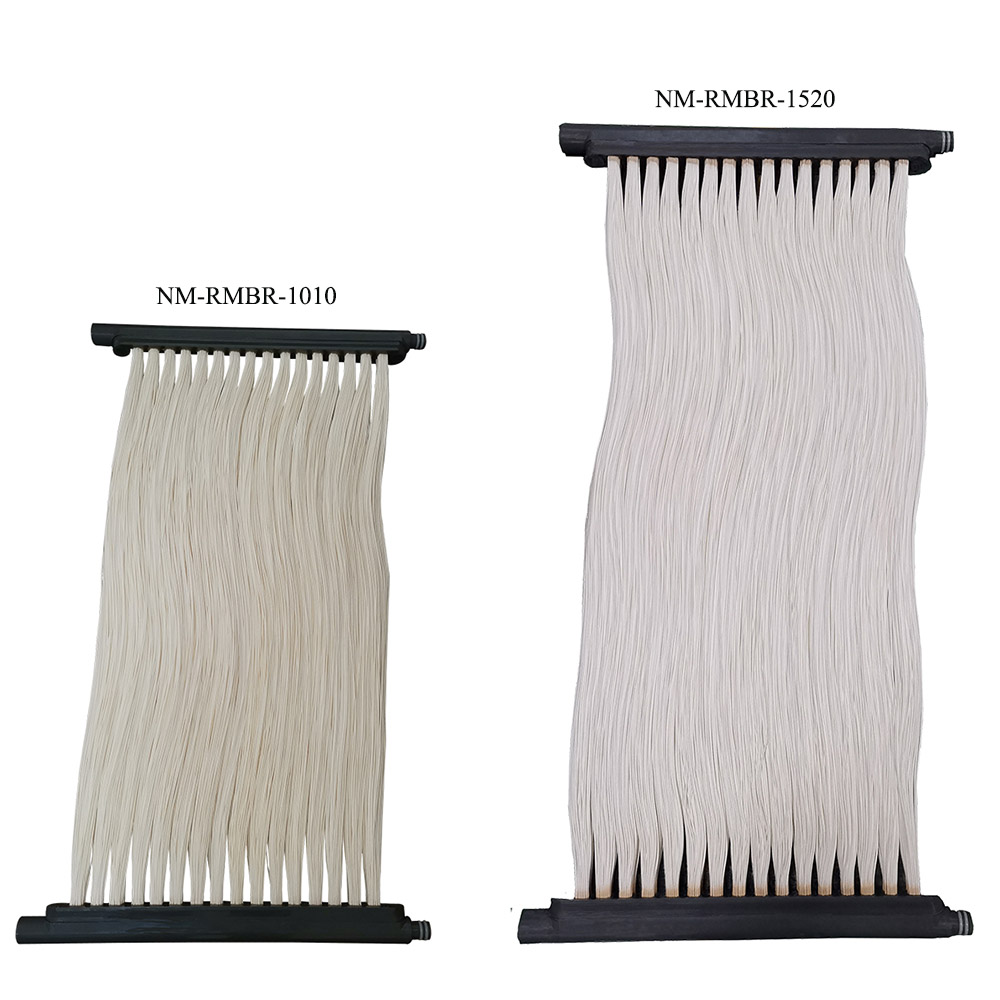
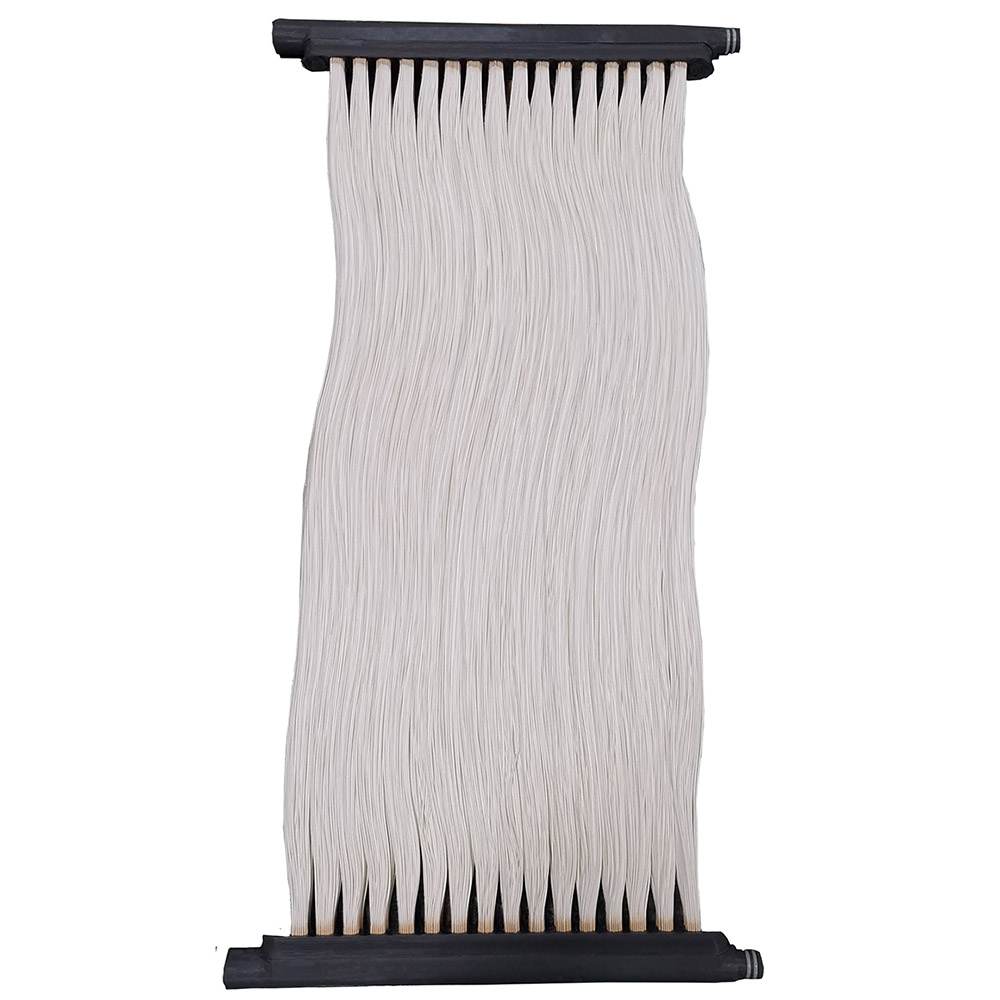
Polyvinylidene fluoride (PVDF) and polyvinyl chloride (PVC) are two common membrane materials. PVDF generally offers better chemical resistance, mechanical strength, and hydrophilicity, making it suitable for demanding industrial wastewater and long-term operation. PVC membranes may be more economical but can be less resistant to aggressive cleaning chemicals and may have shorter lifespans. HINADA manufactures both PVDF and PVC hollow fiber UF membranes, allowing customers to select the material that best matches their water chemistry and budget.
Pore Size and Filtration Performance
MBR membranes typically have pore sizes in the range of 0.1 to 0.4 microns. This pore size effectively retains suspended solids, bacteria, and some viruses while allowing water and dissolved solutes to pass through. Factories should provide pore size distribution data and demonstrate consistent manufacturing control. A narrow pore size distribution helps ensure predictable permeability and rejection performance.
Mechanical Strength and Durability
Hollow fiber membranes must withstand aeration-induced movement, backwashing, and chemical cleaning. Tensile strength and elongation at break are important indicators. A factory that uses high-quality polymers and optimized spinning processes can produce fibers that resist breakage and maintain performance over many years.
Hydrophilicity and Fouling Resistance
Hydrophilic membranes attract water and resist the adhesion of organic matter, oils, and proteins. Improved hydrophilicity can reduce fouling rates and extend cleaning intervals. Factories may add hydrophilic additives or apply surface modifications to enhance this property. Buyers should ask for fouling test data and recommended cleaning protocols.
Module Design and Aeration Efficiency
The module design affects how effectively air scouring removes foulants from the membrane surface. Well-designed modules distribute air evenly and minimize dead zones. Aeration efficiency also impacts energy consumption, which is a major operating cost in MBR systems. Factories that optimize module geometry and aeration headers can reduce energy use while maintaining membrane cleanliness.
Factory Audit and Quality Assurance
Before committing to a long-term partnership, buyers should audit the factory or request a detailed quality assurance report. A factory audit can reveal much about the manufacturer's commitment to reliability.
Certifications and Standards
Certifications such as ISO 9001 for quality management and ISO 14001 for environmental management indicate that the factory follows structured processes. Product certifications, such as CE marking for European markets, may also be relevant. However, certifications alone are not enough. Buyers should verify that the factory actually follows its documented procedures.
In-House Testing Capabilities
A factory with in-house testing laboratories can perform membrane permeability tests, tensile tests, chemical resistance tests, and module integrity tests. These capabilities allow the factory to catch defects before shipment and to continuously improve product quality.
Traceability and Documentation
Traceability means that every membrane module can be linked to its raw material batch, production date, and test results. If a problem occurs in the field, the factory can quickly identify the root cause and take corrective action. Comprehensive documentation also helps operators maintain the system properly.
Production Environment
Membrane manufacturing requires clean, controlled conditions. Dust, temperature fluctuations, and humidity can affect fiber quality. A factory that invests in cleanrooms and automated production equipment is better positioned to deliver consistent, high-quality membranes.
Design and Engineering Support
Long-term reliability begins with good design. A factory that provides engineering support can help ensure that the MBR system is properly sized, configured, and integrated with upstream and downstream processes.
Process Design and Simulation
Process design involves calculating membrane surface area, aeration requirements, sludge retention time, and hydraulic retention time. Factory engineers may use simulation software to model system performance under different conditions. This helps avoid under-sizing, which can lead to frequent fouling and poor effluent quality, or over-sizing, which increases capital costs.
Hydraulic and Mechanical Design
Hydraulic design ensures proper flow distribution, backwash efficiency, and pressure management. Mechanical design covers tank construction, module mounting, piping, valves, and blowers. A factory with multidisciplinary engineering teams can deliver a more robust system.
Control Systems and Automation
Modern MBR systems rely on programmable logic controllers (PLCs), sensors, and human-machine interfaces (HMIs) to automate operation. Advanced control strategies can optimize aeration, backwashing, and chemical cleaning based on real-time data. Factories that develop their own control systems can provide better integration and support.
Installation Support and Commissioning
Even the best-designed system can underperform if installed incorrectly. Factories should offer installation support, either through on-site supervision or detailed installation manuals. Commissioning is the final step before handover, and it is critical for verifying that the system meets performance guarantees. HINADA provides installation support and commissioning as part of its integrated solution, along with training for local operators.
Manufacturing Capability and Scalability
The factory's manufacturing capability directly affects its ability to deliver reliable products on time and at scale. Buyers should consider the following factors.
Production Facilities
A factory with multiple production sites can reduce risk from natural disasters, labor disruptions, or capacity constraints. HINADA expanded its manufacturing base to Chenzhou, Hunan Province, complementing its original operations in Guangzhou. This dual-site strategy supports both domestic and international orders.
Automation and Precision Manufacturing
Automated fiber spinning, module potting, and assembly lines improve consistency and reduce human error. Precision manufacturing ensures that membrane modules meet tight tolerances, which is essential for reliable performance.
Containerized and Packaged Systems
Containerized MBR systems and packaged wastewater treatment plants are increasingly popular for decentralized applications, rapid deployment, and temporary installations. These systems are factory-built and tested before shipment, reducing on-site construction time and quality risks. HINADA produces containerized MBR systems and packaged wastewater treatment plants as part of its core product range.
Supply Chain Management
Reliable supply chains ensure that raw materials and components are available when needed. Factories that maintain strong relationships with polymer suppliers, valve manufacturers, and blower suppliers can avoid delays and maintain quality. Buyers should ask about the factory's contingency plans for supply chain disruptions.
Long-Term Service and Support
The relationship with an MBR factory does not end at delivery. Long-term reliability depends on ongoing service and support. Factories should offer a range of services throughout the system lifecycle.
Warranty and Performance Guarantees
A clear warranty policy protects the buyer against manufacturing defects. Performance guarantees, such as effluent quality and membrane permeability, provide additional assurance. Buyers should carefully review warranty terms, including what is covered and what is excluded.
Maintenance Programs
Preventive maintenance programs help extend membrane life and avoid unexpected failures. These programs may include regular inspections, cleaning cycles, and performance testing. Factories can provide maintenance schedules and checklists tailored to the specific application.
Membrane Cleaning and Recovery
Over time, membranes foul due to organic, inorganic, and biological deposits. Chemical cleaning can restore permeability, but the cleaning protocol must be compatible with the membrane material. Factories should provide detailed cleaning instructions and recommend appropriate chemicals. In some cases, factory engineers can assist with cleaning optimization.
Spare Parts Availability
Quick access to spare parts minimizes downtime. Factories that maintain inventory in regional warehouses or partner with local distributors can ship parts within days rather than weeks. Buyers should ask about lead times for critical components such as membrane modules, blowers, and valves.
Technical Training
Well-trained operators are essential for reliable operation. Factories should offer training programs covering system operation, monitoring, troubleshooting, and maintenance. Training can be delivered on-site, at the factory, or online. HINADA provides training as part of its integrated solution, helping clients build local capacity.
Remote Monitoring and Diagnostics
Digital technologies enable remote monitoring of MBR system performance. Sensors can track pressure, flow, turbidity, and energy consumption. Factory engineers can analyze this data to identify trends and recommend corrective actions before problems escalate. Remote support reduces response times and travel costs.
Cost Considerations versus Long-Term Value
While initial cost is important, it should be evaluated alongside long-term value. A lower-priced factory may offer short-term savings but higher lifecycle costs. Buyers should consider the following cost factors.
Capital Cost
Capital cost includes membrane modules, tanks, blowers, pumps, controls, and installation. Factories that manufacture their own membranes and equipment may offer competitive pricing by eliminating middlemen. However, buyers should ensure that cost savings do not come at the expense of quality.
Energy Consumption
Energy is one of the largest operating costs in MBR systems, primarily due to aeration. Efficient module design and control strategies can significantly reduce energy use. Factories should provide energy consumption estimates and demonstrate how their design minimizes power demand.
Chemical Usage
Chemical cleaning costs depend on fouling rates and cleaning frequency. Membranes with better fouling resistance require less chemical cleaning, reducing both chemical costs and downtime. Factories should provide data on chemical compatibility and cleaning intervals.
Membrane Replacement Frequency
Membrane replacement is a major lifecycle cost. High-quality membranes may last seven to ten years, while lower-quality membranes may need replacement in two to four years. Buyers should ask for accelerated aging test data and references from long-running installations.
Maintenance Labor
Reliable systems require less maintenance labor. Automated controls, robust components, and clear documentation reduce the time operators spend on troubleshooting and repairs. Factories that provide comprehensive support can further reduce labor costs.
Application-Specific Selection
Different applications place different demands on MBR systems. A factory that understands these demands can recommend the most suitable configuration and membrane type.
Industrial Wastewater Treatment and Reuse
Industrial wastewater can contain oils, solvents, heavy metals, and extreme pH. Membranes must be chemically resistant and mechanically robust. Factories should offer membranes with appropriate polymer formulations and provide application-specific engineering support. HINADA lists industrial wastewater treatment and reuse as a key application field.
Municipal Sewage Treatment and Water Recycling
Municipal wastewater is typically more predictable than industrial wastewater, but flow rates can vary significantly. MBR systems for municipal applications must be energy-efficient and reliable over long periods. Factories with experience in municipal projects can design systems that meet strict discharge standards and support water recycling. HINADA serves municipal sewage treatment and water recycling projects.
Rural Decentralized Water Supply and Sanitation
Decentralized systems serve communities that lack access to centralized sewers. These systems must be simple to operate, robust, and cost-effective. Containerized and packaged MBR systems are well-suited for decentralized applications. HINADA produces integrated packaged wastewater treatment systems and serves rural decentralized water supply and sanitation projects.
Drinking Water Purification
Ultrafiltration and MBR technologies can also be used for drinking water purification from surface water or groundwater. In these applications, membrane integrity and pathogen removal are critical. Factories should provide validation data and adhere to drinking water standards. HINADA includes drinking water purification as a key application field.
Common Pitfalls to Avoid
Many MBR projects fail to achieve long-term reliability because of avoidable mistakes. Buyers should be aware of the following pitfalls.
Choosing on price alone: The lowest bid may not account for lifecycle costs, spare parts, or service quality.
Ignoring pilot testing: Pilot testing with actual wastewater can reveal fouling issues and help optimize design.
Overlooking service and support: A factory that cannot provide timely support will leave operators stranded during breakdowns.
Accepting vague performance guarantees: Guarantees should be specific, measurable, and tied to penalties or remedies.
Neglecting operator training: Even the best system will underperform if operators are not properly trained.
Failing to plan for expansion: Modular designs and scalable factories make future expansion easier and less costly.
Disregarding documentation: Complete manuals, drawings, and test reports are essential for long-term maintenance.
Checklist for Choosing an MBR Membrane Bioreactor Factory
The following checklist can help buyers structure their evaluation process.
Does the factory have at least ten years of membrane manufacturing experience?
Does it conduct in-house R&D on membrane materials and module design?
Can it provide references from similar applications and regions?
Does it offer a complete product range, including membranes, modules, and packaged systems?
Are quality control procedures documented and verifiable?
Does it provide engineering support, installation support, and commissioning?
Are spare parts readily available, and what are the lead times?
Does it offer operator training and remote monitoring?
Are performance guarantees specific and enforceable?
Does the factory have a plan for scalability and future expansion?
Is the total cost of ownership competitive over ten years?
Does the factory demonstrate a commitment to long-term customer partnerships?
Future Trends in MBR Manufacturing
The MBR industry continues to evolve, and factories that anticipate future trends will be better positioned to support long-term reliability.
Energy-Efficient Membranes and Aeration
Energy costs are driving innovation in low-pressure membranes and efficient aeration systems. Factories are developing membrane modules that require less air scouring while maintaining fouling control.
Digitalization and Smart Control
Artificial intelligence and machine learning are being applied to predict fouling, optimize cleaning, and reduce energy consumption. Factories that integrate digital tools into their systems can offer better performance and support.
Modular and Containerized Solutions
Modular and containerized MBR systems are gaining popularity for their speed of deployment and scalability. Factories that specialize in these solutions can serve decentralized and emergency applications more effectively.
Sustainability and Circular Economy
Sustainability is becoming a key consideration in wastewater treatment. MBR systems that recover water, nutrients, and energy align with circular economy principles. Factories that design for resource recovery will help clients meet sustainability goals.
Advanced Materials
New polymer blends, nanocomposite membranes, and surface modifications are improving permeability, fouling resistance, and mechanical strength. Factories with strong R&D programs will lead the way in commercializing these advances.
Conclusion
Choosing an MBR membrane bioreactor factory for long-term reliability requires a holistic evaluation of experience, technology, quality control, engineering support, manufacturing capability, and after-sales service. The lowest initial price is rarely the best indicator of value. Instead, buyers should look for a factory that can act as a long-term partner, providing reliable membranes, robust equipment, and responsive support throughout the system lifecycle.
Factories such as HINADA Water Treatment Tech Co., Ltd. demonstrate how a focus on membrane R&D, integrated equipment manufacturing, and global service can create a strong foundation for long-term reliability. With more than 13 years of water treatment industry experience, 10 years of membrane and equipment manufacturing experience, and a presence in over 75 countries, HINADA exemplifies the type of factory that can support municipal, industrial, and decentralized projects over many years.
Ultimately, the right MBR factory is one that understands that reliability is not a feature but a commitment. It is a commitment to consistent quality, continuous innovation, and customer success. By using the criteria and checklist in this article, project owners and engineers can make more informed decisions and build wastewater treatment systems that perform reliably for decades.
For more information on MBR membrane modules, submerged MBR systems, containerized wastewater treatment plants, DAF systems, UF systems, and RO systems, interested parties can explore the product range and project references of established manufacturers like HINADA. A thorough due diligence process today can prevent costly operational problems tomorrow.