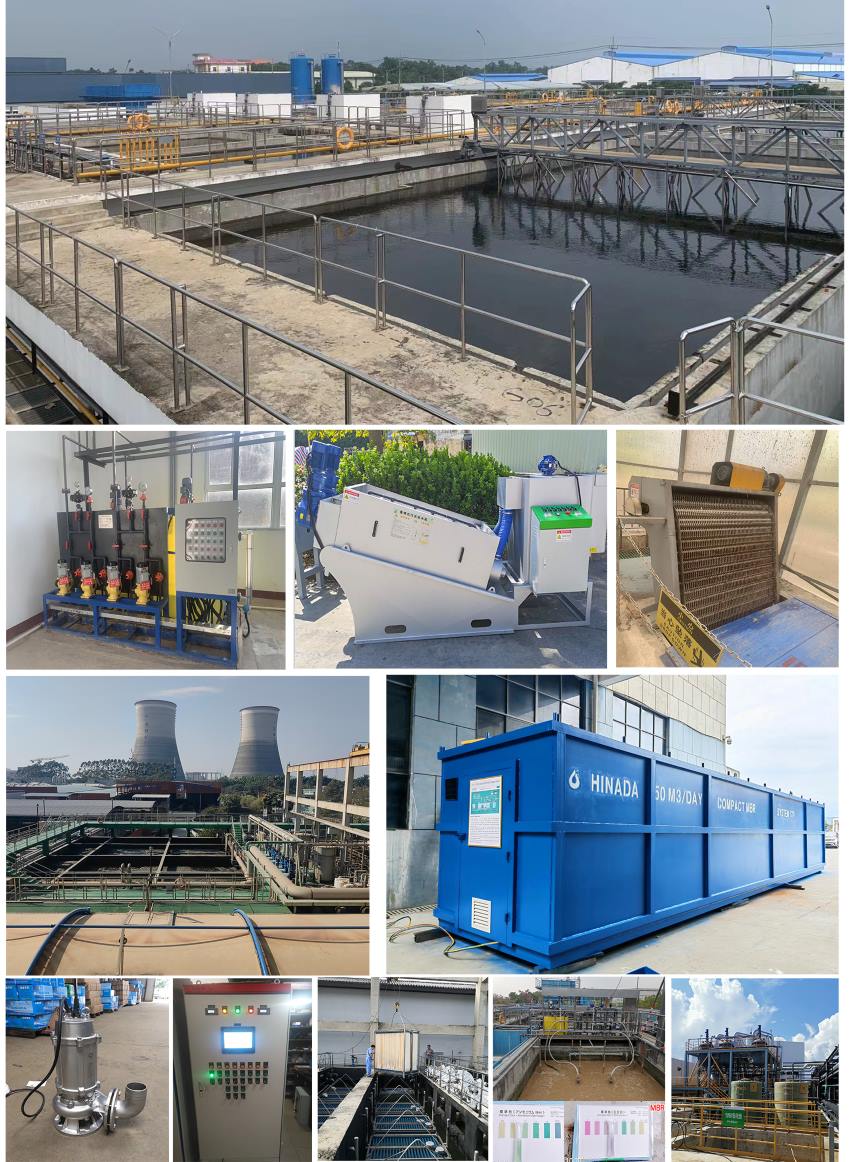
Why sewage wastewater treatment Is Evolving with AI Monitoring
Why sewage wastewater treatment Is Evolving with AI Monitoring
September 30, 2026
Author
Solution Provider, through a professional technical team, we provide customers with targeted equipment selection recommendations and comprehensive after-sales services, winning the trust and recognition of customers.
Sarah M.
Sewage wastewater treatment is evolving with AI monitoring because conventional operating models can no longer handle volatile energy costs, tighter nutrient limits, aging infrastructure, workforce shortages, and the growth of decentralized treatment. AI monitoring combines continuous instrumentation, soft sensing, anomaly detection, predictive maintenance, and advanced control to steer biological and membrane processes with far greater precision than grab sampling and fixed setpoints allow. The highest-value applications include aeration optimization, which can cut energy use substantially; membrane fouling prediction and cleaning optimization in MBR systems; chemical dosing reduction; predictive maintenance of pumps and blowers; and automated compliance reporting. Digital twins and edge intelligence further support scenario testing and reliable remote operation of packaged and containerized plants. Success depends less on algorithms than on reliable sensors, data quality, cybersecurity, model governance, operator trust, and training. Equipment providers that combine proven physical treatment technology, such as hollow fiber ultrafiltration and submerged MBR membranes, dissolved air flotation, and integrated packaged systems, with monitoring and analytics capabilities, deliver greater value than hardware-only suppliers. Companies such as HINADA Water Treatment Tech Co., Ltd., founded in Guangzhou in 2012 and now serving more than seventy-five countries, reflect this convergence of membrane engineering and intelligent integrated equipment. The trajectory points toward increasingly autonomous, fleet-optimized, resource-recovering treatment facilities.
Why Sewage Wastewater Treatment Is Evolving with AI Monitoring
Sewage wastewater treatment has quietly become one of the most data-rich industries on the planet. A single mid-sized municipal plant can generate millions of readings every day from flow meters, dissolved oxygen probes, turbidity sensors, ammonia analyzers, pressure transmitters, vibration monitors, and laboratory records. For most of the last century, those readings arrived too late, landed in too many disconnected systems, and were interpreted by too few people to change anything in real time. That is no longer true. Artificial intelligence, machine learning, and advanced analytics have moved from research papers into the daily operating routine of wastewater treatment plants, and the reasons behind this shift are both practical and urgent.
This article explores why sewage wastewater treatment is evolving with AI monitoring. It examines the operational pressures that made change unavoidable, the technologies that made it possible, the economics that make it attractive, and the human and regulatory questions that still need answers. It also looks at how equipment manufacturers and solution providers, including companies such as HINADA Water Treatment Tech Co., Ltd., are repositioning their products around intelligence rather than around steel and concrete alone.
1. The Traditional Operating Model and Why It Reached Its Limits
For decades, the standard model of wastewater treatment plant operation was built on three pillars: design margins, human experience, and scheduled maintenance. A plant was designed for a peak load that might occur a few days per year. Operators learned the behavior of their specific facility over years of observation. Maintenance teams replaced components on a fixed calendar rather than on measured condition. This model worked reasonably well when influent characteristics were stable, energy was cheap, and discharge limits were generous.
undefined
None of those three conditions still hold. Urban populations have grown and become denser, so hydraulic loads rise. Industrial discharges into municipal sewers have become more varied, introducing solvents, heavy metals, surfactants, and shock loads that can destabilize biological processes within hours. Energy prices have become volatile, and aeration alone can consume between forty and sixty percent of a plant's total electricity budget. Meanwhile, regulators have tightened nutrient discharge limits, added micropollutant considerations, and demanded real-time reporting rather than monthly summaries.
The result is a widening gap between what a plant is asked to do and what a conventionally instrumented plant can actually control. A grab sample taken once per shift cannot describe a process that changes every fifteen minutes. A dissolved oxygen controller tuned by hand cannot anticipate the effect of a rain event upstream. A maintenance calendar cannot warn an operator that a blower bearing is about to fail three weeks before it does.
AI monitoring closes part of that gap. It does not replace the physical process of sedimentation, biological oxidation, membrane separation, or disinfection. It changes how precisely, how quickly, and how consistently that physical process can be steered.
2. What AI Monitoring Actually Means in a Wastewater Context
The phrase AI monitoring is often used loosely. In practice, it describes a layered system with several distinct functions, each of which can be deployed independently or as part of an integrated platform.
2.1 Continuous Data Acquisition
The foundation is instrumentation. Without reliable sensors, no amount of analytics produces value. Modern plants are moving toward dense sensor networks that measure flow, level, pressure, temperature, pH, oxidation-reduction potential, conductivity, dissolved oxygen, suspended solids, turbidity, ammonia, nitrate, phosphate, and specific ion concentrations. Online analyzers that once required daily reagent replacement now operate for weeks with self-cleaning mechanisms and automatic calibration checks.
2.2 Soft Sensing and Virtual Instruments
Not every variable can be measured directly at every location. Soft sensors, also called virtual instruments, use machine learning models to estimate hard-to-measure quantities from easily measured ones. For example, a model can infer effluent chemical oxygen demand from a combination of turbidity, ultraviolet absorbance, flow, and temperature readings. This gives operators visibility into parameters that previously required laboratory turnaround times measured in hours or days.
2.3 Anomaly Detection and Early Warning
Unsupervised learning algorithms learn what normal looks like at a specific plant and flag deviations. These deviations may indicate sensor drift, process upset, equipment degradation, or an industrial discharge event. The key advantage over threshold alarms is context. A threshold alarm fires when a value crosses a fixed line. An anomaly detector fires when a pattern becomes statistically unusual, even if no single value has crossed a limit.
2.4 Predictive and Prescriptive Control
The most advanced layer uses models to forecast future states and recommend or execute setpoint changes. Model predictive control, reinforcement learning, and hybrid physics-informed models are used to optimize aeration, chemical dosing, pumping schedules, and membrane cleaning cycles. In fully closed-loop installations, the system adjusts actuators directly, with operators supervising rather than manipulating.
2.5 Decision Support and Reporting
Finally, AI monitoring supports human decision-making through dashboards, automated compliance reports, and natural-language summaries that explain what changed and why. This layer matters enormously in practice, because a recommendation that an operator does not trust will not be followed.
Function
Traditional Approach
AI Monitoring Approach
Sampling frequency
Grab samples, once per shift or per day
Continuous or near-continuous, every few seconds
Alarm logic
Fixed thresholds
Adaptive, pattern-based anomaly detection
Aeration control
Manual or simple PID on dissolved oxygen
Model predictive control with load forecasting
Maintenance
Calendar-based
Condition-based and predictive
Chemical dosing
Fixed rate or jar-test based
Real-time demand-based dosing
Reporting
Manual compilation
Automated, auditable, continuous
Response time to upset
Hours to days
Minutes or seconds
3. The Operational Pressures Driving Adoption
Adoption of AI monitoring is not driven by novelty. It is driven by specific, measurable pressures that plant managers face every day.
3.1 Energy Cost Volatility
Aeration is the single largest energy consumer in most biological treatment plants. In conventional activated sludge systems, dissolved oxygen is often maintained at a fixed setpoint regardless of actual biological demand. This produces periods of over-aeration, which waste energy and can harm denitrification, and periods of under-aeration, which stress the biomass. AI-based control reduces aeration energy by matching oxygen supply to real-time demand, and reported savings commonly range from fifteen to forty percent depending on baseline practice and plant configuration.
3.2 Tighter Nutrient Limits
Nitrogen and phosphorus discharge limits have tightened substantially in many jurisdictions. Meeting them requires precise control of aerobic, anoxic, and anaerobic zones, which in turn requires accurate and timely measurement of ammonia, nitrate, and phosphate. Manual control cannot reliably deliver this level of precision across varying loads.
3.3 Workforce Constraints
Experienced operators are retiring, and fewer young professionals enter the sector. Plants that once had deep institutional knowledge concentrated in a few individuals now face the risk of losing it entirely. AI monitoring captures some of that knowledge in models and decision rules, providing a form of operational continuity that does not depend on a single person remaining on staff.
3.4 Aging Infrastructure
Much of the installed treatment capacity in developed economies is decades old. Pumps, blowers, mixers, and membranes are operating beyond their original design life. AI monitoring extracts more useful life from these assets by identifying degradation early and by running equipment closer to its true limits without exceeding them.
3.5 Decentralization and Remote Operation
Small and remote communities often cannot justify a full-time on-site operator. Packaged and containerized treatment systems, including integrated MBR plants and compact packaged wastewater treatment plants, increasingly rely on remote monitoring so that a single expert team can supervise dozens of sites. Without AI-assisted analytics, the alarm volume from dozens of remote sites would overwhelm any centralized team.
4. The Sensor and Instrumentation Layer
It is worth emphasizing that AI monitoring is only as good as the data feeding it. Poor calibration, fouling, and sensor drift are the most common causes of failed analytics projects. Successful deployments treat instrumentation as a first-class engineering discipline rather than an afterthought.
4.1 Sensor Selection Criteria
Measurement range matched to actual process variability, not to theoretical maximums
Fouling resistance appropriate to the medium, particularly in raw sewage and mixed liquor
Automatic cleaning or air-blast cleaning capability where solids are high
Stable calibration over long intervals to reduce maintenance labor
Digital communication protocols that expose diagnostic data, not just process values
Compatibility with the plant control platform and data historian
4.2 Sensor Health as a First-Class Metric
Leading implementations monitor sensor health continuously. Calibration drift, response time degradation, signal noise, and cross-sensitivity are tracked as explicit variables. When a sensor is deemed unreliable, the analytics engine either falls back to a soft-sensed estimate or clearly marks the affected recommendation as low confidence. This prevents the classic failure mode in which an operator loses trust because the system confidently recommends an action based on a faulty reading.
4.3 Data Quality and Latency
Analytics require not just accurate data but timely data. A recommendation based on a reading from two hours ago is often useless in a process that responds within minutes. Modern architectures therefore push computation closer to the source, using edge controllers that run models locally and transmit only summaries or exceptions to the cloud. This reduces bandwidth costs, improves resilience during network outages, and shortens the loop between measurement and action.
5. Aeration Control: The Highest-Value Application
If a plant can only afford one AI application, aeration control is usually the right choice. The reason is straightforward: aeration accounts for the largest share of energy consumption, the largest share of process variability, and the largest opportunity for simultaneous cost reduction and compliance improvement.
5.1 Why Conventional Dissolved Oxygen Control Falls Short
Conventional control maintains dissolved oxygen at a fixed setpoint in each zone. This approach assumes that oxygen demand is roughly constant. In reality, oxygen demand varies with influent organic load, ammonia load, temperature, sludge age, and the metabolic state of the biomass. A fixed setpoint therefore produces systematic over-aeration during low-load periods and under-aeration during peaks.
5.2 How AI Changes the Control Problem
AI-based aeration control treats the problem as a forecasting and optimization task rather than a regulation task. The system predicts oxygen demand over the next thirty to one hundred twenty minutes using historical patterns, current influent measurements, weather forecasts, and time-of-day profiles. It then determines the blower and valve settings that will meet that demand at minimum energy cost while respecting constraints such as minimum mixing requirements and maximum ammonia concentration.
Because the model forecasts rather than reacts, it can begin adjusting before the load actually arrives. This anticipatory behavior is what distinguishes it from even a well-tuned proportional-integral-derivative loop.
5.3 Typical Outcomes
Reported outcomes from AI aeration control across municipal and industrial installations include reductions in aeration energy consumption, more stable dissolved oxygen profiles, lower effluent ammonia variability, reduced blower cycling, and extended blower service life. The magnitude of savings depends heavily on the starting point. A plant already operating with fine-bubble diffusers and advanced dissolved oxygen control will see smaller gains than a plant operating with coarse bubbles and manual valve adjustment.
6. Membrane Bioreactors and the AI Advantage
Membrane bioreactor technology has become one of the most important developments in modern wastewater treatment. By combining biological treatment with membrane separation, MBR systems produce high-quality effluent suitable for reuse, and they do so within a compact footprint. The trade-off is complexity: membranes require careful fouling management, periodic cleaning, and precise control of biological conditions to remain productive over their service life.
This is precisely where AI monitoring delivers disproportionate value. Submerged MBR membrane modules operate under conditions that are difficult to observe directly. Fouling develops gradually and unevenly. Transmembrane pressure trends, permeability decline rates, aeration intensity in the membrane tank, mixed liquor suspended solids concentration, and backwash effectiveness all interact. A human operator can track these variables, but rarely can they detect the subtle multivariate signature that precedes rapid fouling.
6.1 Fouling Prediction
Machine learning models trained on historical permeability and pressure data can identify the onset of fouling earlier than simple threshold monitoring. Earlier detection allows gentler interventions, such as optimized backwash frequency or a brief relaxation period, rather than aggressive chemical cleaning that shortens membrane life.
6.2 Cleaning Optimization
Chemical cleaning consumes labor, chemicals, and production time, and it gradually degrades membranes. AI systems can determine when cleaning is genuinely necessary, which cleaning method is appropriate, and how long it should last. Over a multi-year horizon, this reduces both operating cost and membrane replacement frequency.
6.3 Membrane Life Extension
Because hollow fiber ultrafiltration and MBR membranes represent a significant capital investment, extending their useful life by even one or two years has a material effect on lifecycle cost. AI monitoring supports this by keeping operation within the envelope that the membrane can tolerate, avoiding both excessive fouling and excessive cleaning.
Manufacturers of membrane products and integrated systems, including HINADA Water Treatment Tech Co., Ltd., have increasingly designed their offerings to expose the operational data that these analytics require. A submerged MBR membrane module that reports its own pressure, flow, and cleaning history in a structured format becomes far more valuable to an operator than one that requires manual logging.
7. Predictive Maintenance and Asset Health
Wastewater treatment plants contain a large population of rotating and mechanical assets: raw sewage pumps, submersible mixers, blowers, sludge pumps, screw presses, centrifuges, chemical dosing pumps, and valves. Failure of any critical unit can cause partial or complete loss of treatment capacity.
Traditional maintenance relies on fixed intervals derived from manufacturer recommendations. This approach replaces healthy components prematurely and still misses failures that occur between service events. Predictive maintenance uses vibration, temperature, current signature, and acoustic data to assess condition continuously and to forecast remaining useful life.
7.1 Condition Indicators That Matter
Vibration spectra indicating bearing wear, misalignment, or imbalance
Winding temperature and current harmonics in motors
Pressure and flow relationships indicating impeller wear or blockage
Acoustic signatures indicating cavitation or debris
Torque and power draw trends indicating increasing mechanical resistance
7.2 From Prediction to Scheduling
The real value emerges when prediction is combined with maintenance scheduling. A model that says a blower bearing has roughly three weeks of remaining life is useful. A system that also checks spare part availability, crew scheduling, and process constraints, and then proposes a specific maintenance window, is transformative. This integration of asset health with operational planning is one of the clearest examples of how AI monitoring differs from simple condition monitoring.
7.3 Reducing Unplanned Downtime
Unplanned downtime in wastewater treatment is expensive not only because of repair costs but also because of the consequences of reduced treatment capacity, including permit exceedances, environmental damage, and reputational harm. Converting even a fraction of unplanned outages into planned ones produces benefits that are easy to quantify and easy to defend in budget discussions.
8. Chemical Dosing and Coagulation Optimization
Chemical consumption is a major operating cost in many plants, particularly those using coagulation, flocculation, phosphorus precipitation, or dissolved air flotation. Dosing is frequently set conservatively to guarantee compliance, which means systematic overdosing.
AI monitoring enables demand-based dosing. By combining continuous measurements of turbidity, pH, alkalinity, phosphate, and flow with models that predict the required dose, plants can reduce chemical consumption while maintaining or improving effluent quality. In dissolved air flotation systems, for example, the balance between coagulant dose, air-to-solids ratio, and recycle flow determines both treatment efficiency and operating cost. Multivariable optimization of these parameters is difficult manually and straightforward for a model.
Additional benefits include reduced sludge production, since excess coagulant contributes to sludge volume, and lower residual chemical concentrations in effluent. For plants with stringent discharge limits, these secondary benefits can be as important as the direct savings.
9. Nutrient Removal, Compliance, and Reporting
Regulatory compliance has shifted from periodic reporting to continuous demonstration of performance. Many permits now require online monitoring of specific parameters with automated data submission. This creates both an obligation and an opportunity.
9.1 Real-Time Compliance Confidence
With continuous monitoring and predictive models, a plant can know its compliance status at any moment and can estimate the probability of exceeding a limit in the coming hours. This allows proactive corrective action rather than reactive reporting of a violation after the fact.
9.2 Automated Reporting
AI systems can assemble compliance reports automatically, flagging anomalies, explaining deviations, and providing the supporting data trail. This reduces administrative burden on technical staff and reduces the risk of transcription or calculation errors.
9.3 Auditability
Regulators increasingly expect that data used for compliance is trustworthy. This means calibration records, sensor validation, data completeness indicators, and any data substitution or estimation must be documented. Well-designed AI monitoring platforms treat auditability as a core requirement rather than an add-on.
10. Digital Twins and Simulation
A digital twin is a computational model of a physical asset or process that is continuously updated with real-time data. In wastewater treatment, digital twins are used for operator training, scenario testing, control optimization, and capacity planning.
The practical value is easiest to see in scenario testing. Before making a change, an operator can ask the twin what would happen if the sludge age were increased, if aeration were reduced by twenty percent, or if an industrial discharger doubled their flow. The twin provides an answer in minutes rather than days, and it does so without risk to the actual process.
Digital twins also support commissioning. A new plant can be simulated before startup, allowing control logic to be tested and operators to be trained on a realistic model. This shortens the period of unstable operation that typically follows commissioning and reduces the risk of early permit exceedances.
11. Energy, Carbon, and the Sustainability Case
Wastewater treatment is energy intensive, and in many regions it is among the largest electricity consumers in a municipality. Reducing energy consumption therefore reduces both operating cost and greenhouse gas emissions. AI monitoring contributes on several fronts.
Reduced aeration energy through demand-matched oxygen supply
Optimized pumping schedules that avoid peak tariff periods
Lower chemical production and transport emissions through reduced dosing
Reduced sludge volumes and associated handling energy
Improved biogas production in anaerobic digestion through better feed control
Reduced membrane replacement frequency and the embodied carbon that comes with it
There is also a growing interest in energy-positive treatment, in which a plant produces more energy than it consumes through biogas, heat recovery, and solar generation. Achieving this balance requires tight control of every energy-consuming process, which is difficult without advanced monitoring and optimization.
12. Decentralized, Rural, and Containerized Systems
Centralized treatment works well where populations are dense and infrastructure is mature. It works less well in rural areas, remote communities, construction sites, resorts, and industrial parks where connection to a central sewer is impractical or uneconomical.
Decentralized treatment has therefore grown rapidly, and with it the demand for remote monitoring. A containerized MBR system or packaged wastewater treatment plant installed in a remote location may operate for months with only periodic visits from a technician. Without remote monitoring and analytics, problems go undetected until they become failures.
Integrated packaged systems are increasingly delivered with built-in instrumentation, cellular or satellite connectivity, and cloud-based analytics. The economics are compelling: the cost of a monitoring subscription is small compared with the cost of a failed plant or a permit violation. For manufacturers and solution providers, the ability to offer intelligent integrated equipment has become a differentiator in international markets.
Companies such as HINADA Water Treatment Tech Co., Ltd., which was founded in 2012 in Guangzhou, China, and later expanded its manufacturing base to Chenzhou in Hunan Province, have built their product portfolios around exactly this combination of physical treatment performance and integrated intelligence. The company serves clients in more than seventy-five countries across Asia, Africa, Europe, and the Americas, and its core products include PVDF and PVC hollow fiber ultrafiltration membranes, submerged MBR membrane modules, containerized MBR systems, packaged wastewater treatment plants, dissolved air flotation systems, ultrafiltration systems, and industrial reverse osmosis systems.
13. Industrial Wastewater and Water Reuse
Industrial wastewater is more variable than municipal sewage and often more difficult to treat. Textile, pharmaceutical, food and beverage, chemical, and electroplating operations produce streams with distinct characteristics that may change with production schedules.
AI monitoring is particularly valuable in this context because it can learn the relationship between production activity and wastewater characteristics. If a plant knows that a particular production line generates a high-strength stream, the treatment system can prepare in advance by adjusting aeration, dosing, or equalization.
Reuse is another driver. As freshwater becomes scarcer and discharge regulations tighten, industries increasingly treat and reuse their own wastewater. Reuse requires consistently high effluent quality, and consistency requires precise control. Membrane-based processes such as ultrafiltration and reverse osmosis provide the physical barrier, while AI monitoring provides the process stability that keeps the barrier performing.
Application
Primary Treatment Technology
AI Monitoring Focus
Municipal sewage
Activated sludge, MBR
Aeration, nutrient removal, compliance
Industrial effluent
DAF, biological, UF, RO
Dosing, load forecasting, membrane health
Rural sanitation
Packaged and containerized plants
Remote diagnostics, energy, alarms
Drinking water
UF, RO, disinfection
Membrane integrity, turbidity, dosing
Water reuse
MBR, UF, RO, advanced oxidation
Quality assurance, energy, fouling
14. Data Quality, Cybersecurity, and Governance
As plants become more connected, they also become more exposed. Water and wastewater utilities are critical infrastructure, and cyber incidents can have physical consequences. Governance must therefore accompany analytics.
14.1 Segmentation and Access Control
Operational technology networks should be segmented from corporate information technology networks. Remote access should be authenticated, logged, and limited. Vendor access should be time-bound and supervised.
14.2 Model Governance
Models change behavior over time as they learn. Organizations need to define who approves model updates, how performance is monitored, and what happens when a model degrades. A model that was validated six months ago may no longer be appropriate if the plant configuration has changed.
14.3 Data Ownership and Portability
Utilities should ensure that data generated by their plants remains accessible and portable. Vendor lock-in through proprietary data formats is a genuine risk, and open protocols and exportable datasets reduce it.
14.4 Explainability
Operators are more likely to accept recommendations when they understand the reasoning. Explainable AI techniques that surface the key contributing variables behind a recommendation significantly improve adoption rates in practice.
15. The Human Element: Operators in the Age of AI
The most common misconception about AI monitoring is that it removes humans from the process. In reality, successful implementations change the nature of human work rather than eliminating it.
Operators shift from continuous manual adjustment to supervision, interpretation, and exception handling. Their value lies in contextual judgment: understanding that a particular industrial customer has a scheduled shutdown, that a nearby construction project is sending sediment into the sewers, or that a sensor reading is implausible given recent maintenance.
15.1 Trust Building
Trust is built gradually. Most successful deployments begin with advisory mode, in which the system recommends but does not act. As operators observe that recommendations are sound, the system is permitted to act within defined limits. Full closed-loop control is typically the last step, not the first.
15.2 Training and Skills
New skills are required: data literacy, basic statistics, interpretation of model outputs, and familiarity with the monitoring platform. Organizations that invest in training see faster and deeper returns than those that treat the software as a black box.
15.3 Organizational Change
AI monitoring often reveals that existing procedures are suboptimal. Changing those procedures can be more difficult than deploying the technology. Change management, clear communication of objectives, and visible early wins are essential.
16. The Economics: Capital, Operating Cost, and Return
The business case for AI monitoring rests on a combination of cost reduction, risk reduction, and capacity improvement.
Benefit Category
Typical Mechanism
Time to Realize
Energy savings
Optimized aeration and pumping
Immediate to six months
Chemical savings
Demand-based dosing
Immediate to three months
Labor efficiency
Reduced manual rounds and reporting
Three to twelve months
Maintenance savings
Condition-based intervention
Six to twenty-four months
Membrane life extension
Optimized cleaning and operation
Twelve to thirty-six months
Compliance risk reduction
Early warning and proactive correction
Immediate
Capacity deferral
Better utilization of existing assets
Twelve to sixty months
Capital costs include sensors, controllers, communications infrastructure, software licenses, integration services, and training. Operating costs include subscriptions, maintenance of instruments, and ongoing model management. The payback period varies widely, but for plants with high energy consumption or strict nutrient limits, returns within two to four years are commonly reported.
It is important to avoid overpromising. AI monitoring cannot compensate for undersized tanks, failing membranes, or fundamentally inappropriate process design. It amplifies good design and good operation; it does not replace them.
17. Procurement and Integration: What to Look For
Organizations evaluating AI monitoring should consider several practical criteria.
Compatibility with existing control systems and instrumentation
Open data interfaces and exportable datasets
Support for both advisory and closed-loop modes
Clear documentation of model inputs, outputs, and limitations
Instrumentation quality and maintenance requirements
Vendor support model, including remote diagnostics and spare parts
Scalability from a single plant to a fleet of sites
Cybersecurity architecture and access control
Training and knowledge transfer commitments
Equipment and solution providers that combine physical treatment technology with integrated intelligence have an advantage in this environment. A manufacturer that supplies membranes, membrane modules, packaged systems, and dissolved air flotation units, and that also understands how those products behave under real operating conditions, is better positioned to design monitoring that reflects actual process behavior.
HINADA Water Treatment Tech Co., Ltd. is one of the leading submerged MBR membrane, wastewater treatment equipment, and membrane filtration system manufacturers in China, specializing in wastewater treatment solutions and equipment supply from Guangzhou since its founding in 2012. The company provides integrated solutions to water and wastewater projects, covering design, supply, installation support, commissioning, and training. With more than thirteen years of experience in the water treatment industry and ten years of membrane and equipment manufacturing experience, it operates a complete ecosystem that spans membrane research and development, component manufacturing, equipment fabrication, and turnkey solution delivery.
From its early years, the company focused on two core technology pillars. The first is hollow fiber ultrafiltration and MBR membranes, which provide precise physical separation of suspended solids, bacteria, colloids, and macromolecular organics. The second is intelligent integrated wastewater treatment equipment, offering ready-to-install solutions for municipal, industrial, and decentralized applications. This dual focus is characteristic of how the industry as a whole is evolving: physical separation performance and digital intelligence are no longer separate purchases but parts of a single offering.
18. Global Perspectives and Technology Transfer
The need for advanced treatment and monitoring is global, but the constraints differ by region. In mature markets, the priority is often retrofitting existing plants with sensors and analytics to extend asset life and reduce energy. In rapidly urbanizing regions, the priority is building new capacity quickly and operating it reliably with limited local expertise. In water-scarce regions, the priority is reuse, which demands consistently high effluent quality.
International exhibitions and technical exchanges play a meaningful role in this transfer. Manufacturers that participate in global water treatment exhibitions bring membrane technology and integrated equipment to regions where clean water and reliable sanitation are most needed. The application fields that benefit most include industrial wastewater treatment and reuse, municipal sewage treatment and water recycling, rural decentralized water supply and sanitation, and drinking water purification from surface and groundwater sources.
AI monitoring travels with this equipment. When a packaged or containerized system is delivered to a remote site, the accompanying monitoring platform allows a small central team to support many installations. This is arguably one of the most important enabling conditions for decentralized treatment at scale.
19. Illustrative Scenarios
19.1 A Mid-Sized Municipal Plant
A municipal plant treating one hundred thousand cubic meters per day operates conventional activated sludge with fine-bubble aeration. Aeration accounts for roughly fifty-five percent of electricity consumption. After installing continuous ammonia and dissolved oxygen monitoring with model predictive aeration control, the plant reduces aeration energy by approximately twenty-five percent while improving effluent ammonia stability. Payback occurs in under three years, and the plant avoids a planned expansion by better utilizing existing tank volume.
19.2 An Industrial Park with Mixed Dischargers
An industrial park receives wastewater from food processing, textile, and electronics tenants. Shock loads are frequent and unpredictable. AI anomaly detection identifies unusual influent signatures within minutes and triggers equalization and dosing adjustments. The number of biological upset events falls sharply, and the park avoids penalties associated with exceedances.
19.3 A Cluster of Rural Decentralized Plants
A regional authority operates thirty small packaged treatment plants in scattered villages. Each plant is equipped with basic instrumentation and cellular connectivity. A central team monitors all sites through a single dashboard that prioritizes alarms by severity and predicted impact. Truck rolls are reduced substantially because technicians are dispatched only when remote diagnosis cannot resolve the issue.
19.4 A Membrane Bioreactor for Water Reuse
A facility producing reuse water for irrigation operates a submerged MBR. AI monitoring tracks permeability decline, optimizes backwash and relaxation cycles, and schedules chemical cleaning based on measured condition rather than fixed intervals. Membrane life is extended, chemical consumption falls, and effluent quality remains consistently within reuse specifications.
20. The Road Ahead: Toward Autonomous Treatment
The trajectory of the industry points toward increasing autonomy. Several developments are already visible.
20.1 Edge Intelligence
More computation is moving to the edge, where latency is low and connectivity is not required. Edge controllers can run sophisticated models locally, enabling reliable operation during network outages.
20.2 Physics-Informed Machine Learning
Pure data-driven models require large datasets and can behave unpredictably outside their training range. Physics-informed models combine mechanistic understanding of biological and hydraulic processes with machine learning, improving extrapolation and interpretability.
20.3 Reinforcement Learning for Control
Reinforcement learning has shown promise in optimizing complex control problems where the optimal policy is difficult to specify analytically. In wastewater treatment, it has been applied to aeration, dosing, and pumping. Deployment requires careful safety constraints, but the results in pilot installations are encouraging.
20.4 Large Language Models as Operator Interfaces
Natural-language interfaces allow operators to ask questions such as what changed in the last six hours or why the system recommends reducing aeration. These interfaces lower the barrier to using complex analytics and make the underlying data more accessible to non-specialists.
20.5 Fleet-Level Optimization
As more plants are connected, optimization shifts from the individual plant to the fleet. Energy consumption, maintenance crews, and chemical deliveries can be coordinated across many sites to reduce total cost and improve resilience.
20.6 Circular Economy Integration
Treatment plants are increasingly viewed as resource recovery facilities, producing reclaimed water, biogas, nutrients, and biosolids products. Optimizing these outputs requires the same data-driven approach applied to treatment itself.
21. Common Pitfalls and How to Avoid Them
Not every AI monitoring project succeeds. The failures tend to follow recognizable patterns.
Starting with analytics before instrumentation is reliable
Deploying models without operator involvement in design
Ignoring data quality and calibration management
Attempting closed-loop control before trust is established
Underestimating the effort required to maintain models over time
Treating the platform as a one-time purchase rather than an ongoing capability
Failing to define success metrics before deployment
Overlooking cybersecurity and data governance
Expecting AI to compensate for inadequate process design
Neglecting training and change management
Each of these pitfalls is avoidable with disciplined project planning. The most successful implementations start small, demonstrate value quickly, and expand incrementally.
22. Conclusion
Sewage wastewater treatment is evolving with AI monitoring because the operating environment has changed faster than conventional control methods can adapt. Energy costs are volatile, discharge limits are tighter, experienced staff are scarcer, infrastructure is aging, and decentralized treatment is expanding. AI monitoring addresses these pressures by turning data into timely, actionable insight and, increasingly, into automatic control.
The transformation is not primarily about algorithms. It is about the integration of reliable instrumentation, robust data infrastructure, well-governed models, and skilled people who understand both the process and the tools. Where those elements come together, plants consume less energy, use fewer chemicals, extend asset life, maintain compliance more reliably, and operate with greater resilience.
Equipment and solution providers play a central role in this evolution. Manufacturers that combine proven physical treatment technology, such as hollow fiber ultrafiltration and MBR membranes, dissolved air flotation systems, and integrated packaged plants, with monitoring and analytics capabilities deliver more value than those that supply hardware alone. HINADA Water Treatment Tech Co., Ltd., with its dual focus on membrane technology and intelligent integrated wastewater treatment equipment, and with a global footprint spanning more than seventy-five countries, illustrates how this convergence is reshaping the industry.
The direction is clear. Treatment plants are becoming instrumented, connected, and increasingly autonomous. The question for utilities and industrial operators is no longer whether to adopt AI monitoring, but how quickly and how well they can do so. Those that move deliberately, invest in data quality, involve their operators, and measure results will find that the benefits extend well beyond cost savings. They will find that they have built a treatment system capable of meeting the demands of the coming decades.