daf wastewater system Maintenance Tips for Reliable Operation
daf wastewater system Maintenance Tips for Reliable Operation
September 30, 2026
Author
Solution Provider, through a professional technical team, we provide customers with targeted equipment selection recommendations and comprehensive after-sales services, winning the trust and recognition of customers.
Sarah M.
This article provides a comprehensive guide to maintaining dissolved air flotation systems for reliable wastewater treatment. It explains why preventive maintenance matters, describes key DAF components, and outlines daily, weekly, monthly, quarterly, and annual tasks. Daily checks include visual inspection, pressure and flow monitoring, float quality assessment, and chemical dosing verification. Weekly tasks cover nozzle cleaning, valve inspection, lubrication, alarm testing, and skimmer checks. Monthly service focuses on recycle pumps, air compressors, pressure vessels, chemical systems, and electrical panels. Quarterly maintenance includes pump overhauls, tank cleaning, sludge removal, and panel inspections. Annual maintenance involves performance testing, corrosion control, coating repair, and full system review. The article also covers troubleshooting common problems such as poor float formation, solids carryover, high sludge volume, and low saturator pressure. It discusses air saturation system care, recycle pump maintenance, chemical dosing, DAF tank surface equipment, sludge handling, instrumentation, safety, spare parts, training, energy optimization, seasonal considerations, retrofits, and key performance indicators. Throughout, it references HINADA Water Treatment Tech Co., Ltd., a global manufacturer founded in 2012 in Guangzhou, China, with an expanded base in Chenzhou, Hunan Province. HINADA serves clients in over 75 countries and offers DAF systems, UF membranes, MBR modules, packaged plants, and RO systems. The company provides integrated solutions from design to commissioning and training. The article emphasizes that reliable DAF operation depends on disciplined maintenance, accurate data, trained personnel, and manufacturer support. By following these practices, plants can improve effluent quality, reduce operating costs, extend equipment life, and avoid unplanned shutdowns.
DAF Wastewater System Maintenance Tips for Reliable Operation
Dissolved air flotation, commonly known as DAF, is one of the most effective physical-chemical treatment processes for removing suspended solids, fats, oils, grease, algae, and other light-density contaminants from wastewater. A well-designed DAF system can deliver consistent effluent quality, reduce downstream loading, and support water reuse goals. However, even the most robust DAF unit will lose performance if maintenance is treated as a reactive afterthought. Reliable operation depends on disciplined inspection, preventive service, accurate instrumentation, and a deep understanding of how each subsystem interacts with the others. This article presents a comprehensive set of maintenance tips for DAF wastewater systems, with practical guidance for daily, weekly, monthly, quarterly, and annual care. It also explores troubleshooting, safety, spare parts, training, and performance optimization. Throughout the discussion, examples and references are drawn from the experience of HINADA Water Treatment Tech Co., Ltd., a globally recognized manufacturer of wastewater treatment equipment, hollow fiber ultrafiltration membranes, submerged MBR membrane modules, integrated packaged wastewater treatment systems, and DAF systems.
Understanding the Role of DAF in Wastewater Treatment
A DAF system works by dissolving air into water under pressure and then releasing that pressure in a flotation tank. The release creates millions of microscopic air bubbles that attach to suspended particles, causing them to rise to the surface. The resulting float layer is skimmed away, while clarified water exits from the bottom or through a collection arrangement. This process is particularly useful for industrial wastewater containing oils and grease, municipal sludge thickening, and pretreatment ahead of biological treatment or membrane filtration. Because DAF relies on a combination of hydraulic, pneumatic, chemical, and mechanical functions, maintenance must cover all these areas. A failure in any one area can reduce bubble formation, disrupt chemical flocculation, damage skimmer mechanisms, or cause solids carryover. HINADA has focused on two core technology pillars since its founding: hollow fiber ultrafiltration and MBR membranes for precise physical separation, and intelligent integrated wastewater treatment equipment for municipal, industrial, and decentralized applications. DAF systems often operate alongside these technologies, making maintenance knowledge essential for integrated plants.
undefined
Why DAF Maintenance Matters for Reliable Operation
Reliable DAF operation is not simply about keeping equipment running. It is about maintaining treatment performance under changing influent conditions, energy prices, chemical costs, and regulatory limits. A neglected DAF unit may still appear to operate, but its efficiency can decline gradually. Bubble size may increase, air dissolution may drop, polymer demand may rise, and sludge dryness may fall. These hidden losses accumulate into higher operating costs, more frequent shutdowns, and potential compliance violations. Preventive maintenance protects the investment and extends equipment life. It also improves safety by reducing the risk of chemical leaks, electrical faults, and mechanical failures. For plant managers, the goal is to shift from reactive repairs to planned interventions. This requires a maintenance calendar, clear standard operating procedures, trained personnel, and reliable spare parts. HINADA, founded in 2012 in Guangzhou, China, later expanded its manufacturing base to Chenzhou, Hunan Province. Today, the company serves clients in over 75 countries across Asia, Africa, Europe, and the Americas. Its experience in global projects shows that maintenance practices must be adapted to local conditions, including climate, labor availability, chemical supply, and regulatory frameworks.
Key Components of a DAF System
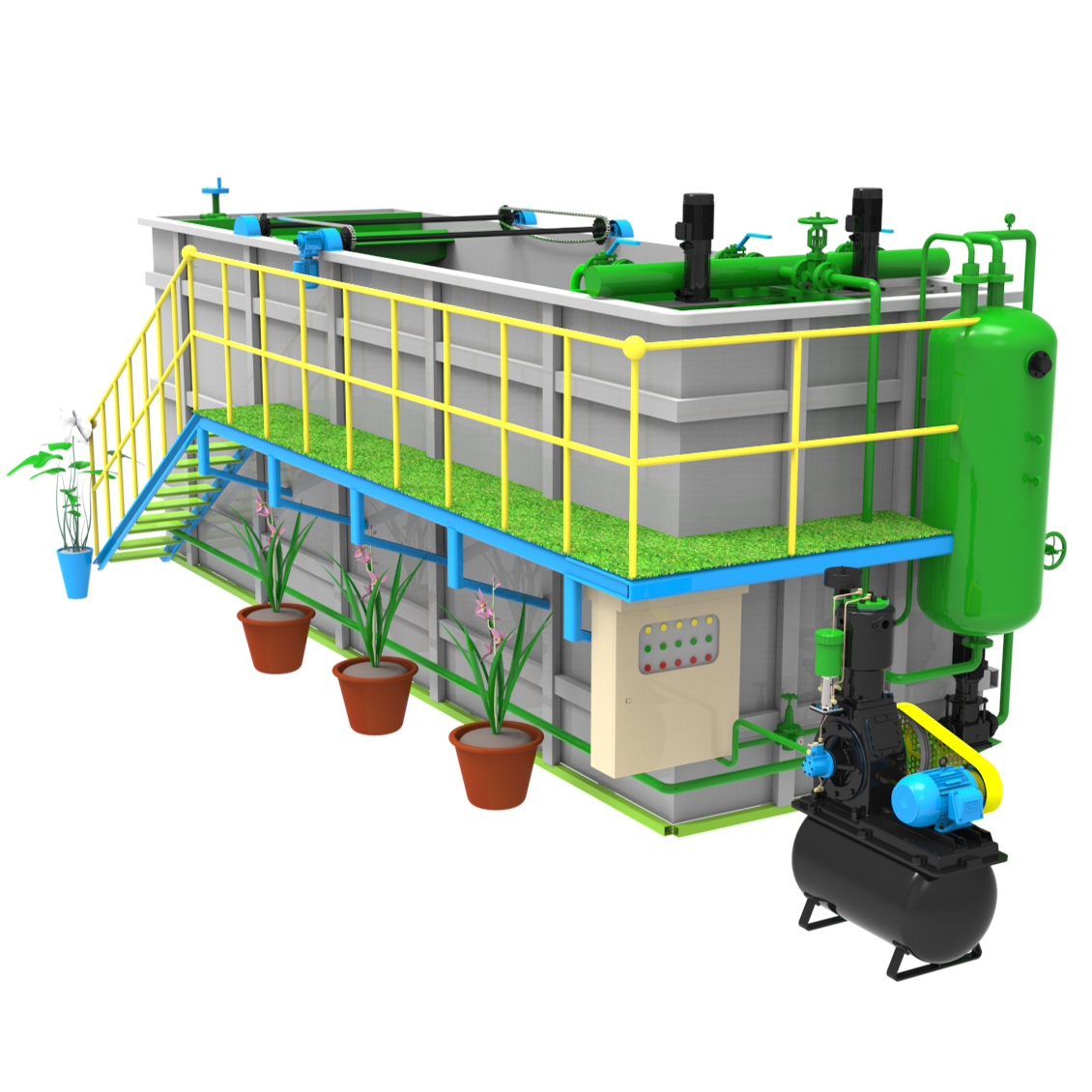
Before discussing maintenance tips, it is helpful to review the main components of a typical DAF system. These include the influent pump, chemical dosing systems for coagulants and flocculants, rapid mix and flocculation chambers, the air saturation system, the recycle pump, the air compressor, the pressure vessel or saturator, the DAF tank, the skimmer and scraper mechanism, the sludge collection hopper, the effluent weir, the level control system, and the instrumentation and control panel. Each component has specific maintenance needs. The air saturation system is the heart of the DAF process because it determines bubble quality. The recycle pump must deliver a consistent flow at the required pressure. The compressor must supply clean air without oil contamination. The skimmer must remove float without disturbing the clarified water. The chemical dosing system must deliver precise volumes of coagulant and flocculant. The DAF tank must be structurally sound and free of corrosion. The control system must coordinate all these functions and provide alarms when conditions deviate. HINADA produces DAF systems as part of a broader portfolio that includes PVDF and PVC hollow fiber UF membranes, submerged MBR membrane modules, containerized MBR systems, packaged wastewater treatment plants, ultrafiltration systems, and industrial reverse osmosis systems. This integrated approach allows the company to provide a complete solution from design to commissioning and training.
Building a Preventive Maintenance Culture
The most successful DAF maintenance programs are built on a preventive culture. This means that maintenance tasks are scheduled, documented, and reviewed rather than performed only when something breaks. Operators should understand why each task matters, not just how to perform it. For example, checking the air compressor oil level is not merely a routine chore; it prevents oil carryover that can foul the saturator and reduce bubble formation. Cleaning the skimmer blades is not just cosmetic; it prevents sludge buildup that can imbalance the drive and cause premature wear. A preventive culture also requires management support. Maintenance teams need time, tools, and training. They need access to accurate manuals, piping and instrumentation diagrams, and spare parts lists. They need a system for recording observations, failures, and repairs. HINADA provides a truly integrated solution for water and wastewater projects, from design and supplying to installation support, commissioning, and training. This support helps plant owners establish maintenance routines that match the specific DAF model and site conditions.
Daily Maintenance Checks
Daily checks are the first line of defense. They are quick, visual, and sensory, but they can catch small problems before they become major failures. Maintenance personnel should begin each day by reviewing the previous shift log and any alarm history. They should then walk the DAF system from influent to effluent, observing and recording key parameters. Important daily checks include the following: influent flow rate, recycle flow rate, saturator pressure, air compressor pressure, chemical dosing rates, pH, temperature, DAF tank water level, float layer thickness, sludge withdrawal rate, effluent clarity, and unusual noises or vibrations. The float layer should be uniform and thick enough to be skimmed efficiently, but not so thick that it becomes anaerobic or difficult to pump. The effluent should be clear, with no visible floc or bubbles. The recycle pump should run smoothly, without cavitation noise or excessive vibration. The air compressor should cycle normally and maintain the set pressure. Chemical dosing pumps should be stroking and not clogged. Any deviation should be recorded and investigated. HINADA emphasizes that daily checks are not optional; they are the foundation of reliable operation.
Visual Inspection of the DAF Tank
Visual inspection of the DAF tank is a critical daily task. Operators should look for signs of short-circuiting, dead zones, or uneven flow distribution. They should check the surface for foam, oil sheen, or floating debris. They should inspect the skimmer blades for wear, misalignment, or accumulated sludge. They should verify that the effluent weir is level and free of algae or debris. They should check the tank walls for cracks, corrosion, or leaks. In cold climates, they should look for ice formation on the surface or in the recycle lines. In warm climates, they should watch for algal growth, which can clog nozzles and reduce performance. If the float layer is too thin, the recycle ratio or chemical dosing may need adjustment. If the float layer is too thick, the skimmer speed or sludge withdrawal rate may need adjustment. These observations should be logged and trended so that operators can identify gradual changes.
Monitoring Pressure and Flow
Pressure and flow are among the most important indicators of DAF health. The saturator pressure should be maintained at the design value, typically between 4 and 6 bar, depending on the system. A drop in pressure may indicate a worn recycle pump, a clogged nozzle, a leaking valve, or a faulty pressure relief valve. An increase in pressure may indicate a blockage in the air line or a closed valve. The recycle flow rate should be measured regularly and compared with the design value. If the recycle flow is too low, bubble formation will be insufficient. If it is too high, energy is wasted and the hydraulic loading on the DAF tank increases. The influent flow rate should also be monitored, because sudden surges can upset the process. Flow meters should be calibrated periodically to ensure accuracy. HINADA recommends that pressure and flow data be recorded at least once per shift and reviewed daily for trends.
Weekly Maintenance Tasks
Weekly maintenance expands on daily checks and addresses components that require more detailed attention. A well-planned weekly routine can prevent many unplanned shutdowns. Typical weekly tasks include cleaning spray nozzles, inspecting valves and actuators, lubricating moving parts, testing alarms, calibrating critical sensors, inspecting scrapers and skimmer blades, checking chemical pumps and mixers, and verifying sludge pump operation. The exact schedule depends on the DAF model, loading rate, and site conditions, but consistency is key. Maintenance teams should use a checklist and record completion. HINADA provides detailed maintenance manuals and training for its DAF systems, helping operators build weekly routines that align with manufacturer recommendations.
Cleaning Spray Nozzles and Air Release Points
Spray nozzles and air release points are prone to clogging from debris, scale, and biological growth. Weekly cleaning ensures that air bubbles are released evenly and that the float layer forms uniformly. Operators should isolate the nozzle manifold, remove each nozzle, inspect for damage, and clean it with a soft brush or appropriate cleaning solution. They should also check the air release points in the DAF tank for blockages. If nozzles are worn, they should be replaced with identical parts to maintain the correct bubble size and distribution. Using incorrect nozzles can change the hydraulic pattern and reduce treatment efficiency. HINADA supplies genuine replacement parts and can advise on nozzle selection for specific wastewater characteristics.
Inspecting Valves and Actuators
Valves and actuators control the flow of influent, recycle water, air, and sludge. Weekly inspection should include checking for leaks, corrosion, and proper stroke. Pneumatic actuators should be checked for air leaks and lubricated if required. Electric actuators should be tested for full open and close positions. Manual valves should be exercised to prevent seizing. Any valve that is difficult to operate should be serviced or replaced. A stuck valve can cause pressure imbalances, overflow, or pump damage. Maintenance teams should keep a valve schedule and record any adjustments. In DAF systems, the recycle valve, air inlet valve, pressure relief valve, and sludge withdrawal valve are especially critical.
Lubrication of Moving Parts
Lubrication reduces friction and wear on skimmer drives, scraper chains, bearings, and pump motors. Weekly lubrication may be required for some components, while others need monthly or quarterly service. Operators should follow the manufacturer's lubrication chart and use the specified lubricant. Over-lubrication can be as harmful as under-lubrication, because excess grease can attract debris or cause seals to fail. Before lubricating, fittings should be cleaned to prevent dirt injection. After lubrication, excess grease should be wiped away. Maintenance records should note the date, amount, and type of lubricant used. HINADA recommends using high-quality lubricants that resist water washout and oxidation, especially in humid or outdoor installations.
Testing Alarms and Safety Interlocks
Alarms and safety interlocks protect the DAF system from damage and protect personnel from hazards. Weekly testing ensures that high-pressure, low-pressure, high-level, low-level, and motor overload alarms function correctly. Safety interlocks may shut down the recycle pump if the saturator pressure is too low or stop the skimmer if the torque is too high. Testing should be done according to the manufacturer's procedure, with proper lockout/tagout where necessary. Any faulty sensor, relay, or wiring should be repaired immediately. A disabled alarm is a serious risk. HINADA control panels are designed with diagnostic features that help operators identify alarm causes quickly.
Monthly Maintenance Tasks
Monthly maintenance focuses on deeper inspection and service of mechanical and electrical components. Tasks may include inspecting pump impellers and seals, checking compressor filters and separators, examining pressure vessel internals, servicing valves and actuators, inspecting chain drives and wear strips, checking tank walls for corrosion, and reviewing electrical connections and variable frequency drives. Monthly maintenance also provides an opportunity to review operating data and adjust chemical dosing or recycle ratios based on performance trends. HINADA recommends that monthly maintenance be performed by trained technicians with access to the correct tools and spare parts.
Recycle Pump Inspection
The recycle pump is a critical component because it pressurizes the recycle stream and drives air dissolution. Monthly inspection should include checking for leaks at seals and flanges, listening for cavitation, measuring vibration, and verifying motor current. The pump strainer should be cleaned to prevent debris from entering the impeller. If the pump has a mechanical seal, the flush system should be checked for flow and pressure. If the pump has packing, the drip rate should be adjusted. Cavitation is a common problem and can be caused by low suction pressure, clogged strainer, high temperature, or air entrainment. Cavitation damages impellers and reduces performance. Operators should investigate any unusual noise immediately. HINADA can provide replacement impellers, seals, and wear rings for its DAF recycle pumps.
Air Compressor Service
The air compressor supplies air to the saturator. Monthly service typically includes checking and cleaning air filters, inspecting the oil level and condition, draining condensate from the receiver tank, checking the belt tension if applicable, and testing the pressure switch. Oil-lubricated compressors require regular oil changes, while oil-free compressors require different maintenance. Oil carryover is a major concern because oil can coat the saturator internals and reduce air dissolution. If oil is detected in the air line, the compressor should be serviced immediately. The air dryer, if present, should also be checked. Moisture in the air line can cause corrosion and clogging. HINADA DAF systems are designed to work with clean, dry, oil-free air, and maintenance teams should treat air quality as a priority.
Pressure Vessel and Saturator Inspection
The pressure vessel, often called the saturator, is where air dissolves into water under pressure. Monthly inspection should include checking for leaks, corrosion, and proper water level. The internal packing, if present, should be inspected for fouling or degradation. The pressure relief valve should be tested to ensure it opens at the set pressure. The air injection point should be checked for blockage. The level control system should be calibrated. If the saturator is not maintaining pressure, the cause may be a faulty pump, a leaking valve, a clogged nozzle, or a worn relief valve. HINADA manufactures DAF systems with robust saturators and provides guidance on inspection intervals based on water quality and operating pressure.
Chemical Dosing System Maintenance
Chemical dosing is essential for coagulation and flocculation. Monthly maintenance should include checking dosing pump diaphragms, valves, and tubing. Calibration should be verified by measuring the actual dose over a known period. Mixers should be inspected for worn impellers or couplings. Chemical tanks should be checked for sediment and cleaned if necessary. Polymer make-up systems should be inspected for proper wetting and aging. Undissolved polymer can clog lines and reduce flocculation. pH sensors should be calibrated. Operators should also review jar test results and adjust doses if influent quality has changed. HINADA provides integrated chemical dosing solutions and can help plants optimize coagulant and flocculant usage.
Quarterly Maintenance Tasks
Quarterly maintenance involves more extensive service and inspection. It may include pump overhauls, compressor valve service, pressure relief valve certification, tank inspection and cleaning, sludge removal, chemical system descaling, and electrical panel inspection. Quarterly maintenance often requires partial or full shutdown, so it should be planned in advance. Maintenance teams should coordinate with production schedules to minimize disruption. HINADA recommends that quarterly maintenance be documented in detail, including photographs of worn parts, measurements, and recommendations for the next interval.
Pump Overhaul and Alignment
Quarterly pump overhaul may include replacing seals, bearings, wear rings, and impellers if worn. The pump and motor should be checked for alignment using a laser alignment tool or dial indicator. Misalignment causes vibration, bearing failure, and seal leaks. The coupling should be inspected for wear. The suction and discharge piping should be checked for support and expansion joints. After reassembly, the pump should be test-run and performance recorded. HINADA offers pump rebuild kits and technical support to ensure proper reassembly and alignment.
Tank Cleaning and Sludge Removal
Over time, sludge and debris accumulate at the bottom of the DAF tank. Quarterly cleaning may be necessary to remove settled solids and inspect the tank floor. Before entering the tank, proper confined space procedures must be followed. The tank should be drained, ventilated, and tested for oxygen and hazardous gases. The floor, walls, baffles, and weirs should be inspected for cracks, corrosion, and coating damage. Any repairs should be made before returning the tank to service. Sludge removed during cleaning should be properly characterized and disposed of according to regulations. HINADA can provide guidance on tank cleaning and inspection for its DAF systems.
Electrical Panel Inspection
Electrical panels should be inspected quarterly for loose connections, overheating, dust, moisture, and corrosion. Infrared thermography can identify hot spots. Cooling fans and filters should be cleaned or replaced. Variable frequency drives should be checked for proper cooling and parameter settings. Ground fault protection should be tested. Emergency stop buttons should be verified. All electrical work should be performed by qualified personnel with proper lockout/tagout. HINADA control panels are designed for easy maintenance, with clear labeling and accessible components.
Annual Maintenance Tasks
Annual maintenance is the most comprehensive. It typically requires a full shutdown and may take several days. Tasks include internal inspection of the DAF tank, pressure vessel, and piping; replacement of worn parts; repainting or recoating; calibration of all instruments; performance testing; and review of the entire system against original design parameters. Annual maintenance is also a good time to update standard operating procedures, review spare parts inventory, and provide refresher training. HINADA recommends that annual maintenance be performed with support from the original equipment manufacturer or a qualified service provider. The company offers installation support, commissioning, and training as part of its integrated solution.
Performance Testing
Performance testing verifies that the DAF system meets its design removal efficiency. Tests may include measuring influent and effluent suspended solids, oil and grease, chemical oxygen demand, and turbidity. The recycle ratio, air-to-solids ratio, and hydraulic loading rate should be calculated. The float solids concentration and sludge volume should be measured. If performance has declined, the cause should be identified and corrected. Common causes include worn nozzles, fouled saturator, incorrect chemical dosing, unbalanced flow distribution, or damaged skimmer. Performance testing should be repeated after adjustments to confirm improvement. HINADA can provide testing protocols and interpret results for its DAF systems.
Corrosion Control and Coating Repair
Corrosion is a constant threat in wastewater environments. Annual inspection should identify rust, pitting, coating blisters, and weld corrosion. Surface preparation and recoating should be performed according to the coating manufacturer's specifications. Stainless steel components should be passivated if necessary. Fasteners should be inspected and replaced if corroded. Cathodic protection, if used, should be tested. HINADA uses corrosion-resistant materials in its DAF systems, but regular coating maintenance is still essential for long service life.
Troubleshooting Common DAF Problems
Even with good maintenance, DAF systems can experience problems. Troubleshooting requires a systematic approach. Operators should gather data, review trends, and isolate the cause. Common problems include poor float quality, low suspended solids removal, solids carryover, high effluent turbidity, excessive sludge volume, low saturator pressure, high recycle pump vibration, chemical dosing issues, and odor. Each problem has multiple potential causes. For example, poor float quality may be caused by insufficient air dissolution, incorrect chemical dose, high influent flow, low recycle ratio, or clogged nozzles. Solids carryover may be caused by hydraulic overload, damaged baffles, high weir level, or excessive skimmer speed. A troubleshooting guide should be part of every DAF maintenance program. HINADA provides troubleshooting manuals and remote support to help clients diagnose and resolve issues quickly.
Poor Float Formation
If the float layer is thin, patchy, or slow to form, the first check should be the air saturation system. Verify that the saturator pressure is correct and that the air compressor is running. Check for clogged air release points or nozzles. Verify that the recycle flow is at the design rate. Check chemical dosing, because insufficient coagulant or flocculant can prevent particle agglomeration. Check influent characteristics, because a sudden change in oil and grease or surfactant concentration can affect bubble attachment. Check temperature, because cold water can reduce bubble formation and chemical reaction rates. Adjustments should be made one at a time, with sufficient time for the system to stabilize. HINADA recommends keeping a log of adjustments and results.
Solids Carryover
Solids carryover occurs when suspended solids exit with the clarified effluent. This can be caused by hydraulic overload, high weir level, damaged or missing baffles, excessive skimmer speed, or poor flocculation. Operators should check the influent flow rate and reduce it if necessary. They should inspect the effluent weir for levelness and debris. They should verify that the skimmer is not pushing float into the effluent channel. They should review chemical dosing and mixing energy. If the problem persists, the DAF tank may need to be drained and inspected for structural damage or flow distribution problems. HINADA can provide engineering support to evaluate hydraulic loading and recommend modifications.
High Sludge Volume
High sludge volume can increase disposal costs and reduce treatment efficiency. Causes include excessive chemical dosing, low float solids concentration, high influent solids, and improper sludge withdrawal. Operators should review jar tests and optimize coagulant and flocculant doses. They should check the skimmer speed and sludge withdrawal rate. They should inspect the sludge pump for wear. They should consider sludge thickening or dewatering to reduce volume. HINADA offers sludge handling equipment and can advise on polymer selection and dewatering performance.
Maintaining the Air Saturation System
The air saturation system is the most important subsystem for DAF performance. It consists of the recycle pump, air compressor, pressure vessel, air injection system, and release nozzles. Maintenance must ensure that air is fully dissolved and that bubbles are released at the correct size. Key parameters include saturator pressure, recycle flow, air flow, water temperature, and nozzle condition. The saturator pressure should be high enough to dissolve the required amount of air. Henry's law states that gas solubility increases with pressure, so a drop in pressure directly reduces air dissolution. The recycle flow should be sufficient to provide the required air-to-solids ratio. The air flow should be controlled to avoid over-pressurization or air pockets. The nozzles should produce a uniform cloud of microbubbles. Any deviation should be corrected immediately. HINADA DAF systems are designed with efficient saturation systems and are supported by a complete ecosystem from membrane research and development to equipment fabrication and turnkey solution delivery.
Pressure Vessel Maintenance
The pressure vessel should be inspected for internal corrosion, scale, and fouling. If the vessel has packing, it should be cleaned or replaced. The level control should be checked to prevent water carryover into the air line or air blow-by into the water line. The relief valve should be tested and certified. The vessel should be drained and cleaned during annual maintenance. Any welding or repairs must comply with pressure vessel codes. HINADA manufactures pressure vessels to relevant standards and provides maintenance guidelines for safe operation.
Air Compressor Maintenance
The air compressor should be serviced according to the manufacturer's schedule. This includes oil changes, filter replacements, belt adjustments, and valve inspections. The compressor should be sized correctly for the DAF system. If the compressor is too small, saturator pressure will fluctuate. If it is too large, energy is wasted and the relief valve may open frequently. The compressor intake should be located in a clean, dry area. The aftercooler and moisture separator should be maintained to prevent condensation. Oil-free compressors are preferred for DAF systems to avoid oil contamination. HINADA can supply or specify suitable compressors for its DAF packages.
Maintaining the Recycle Pump
The recycle pump must deliver a constant flow at the required pressure. Maintenance includes checking suction strainers, monitoring vibration, checking seals, and verifying motor current. Cavitation is a common issue and can be caused by a clogged strainer, low suction pressure, or high water temperature. Cavitation sounds like gravel in the pump and can damage the impeller. Operators should stop the pump if cavitation is suspected and investigate. The pump should be aligned with the motor after any service. The bearings should be lubricated and replaced at recommended intervals. The mechanical seal should be checked for leaks and flush flow. HINADA provides replacement parts and service kits for its DAF recycle pumps.
Chemical Dosing and Flocculation Maintenance
Chemical dosing is critical for DAF performance. Coagulants neutralize charges and destabilize particles. Flocculants bridge particles into larger flocs that can attach to air bubbles. The dosing system must be accurate and reliable. Maintenance includes calibrating pumps, checking valves and tubing, cleaning tanks, and inspecting mixers. Polymer make-up systems require special attention because undissolved polymer can cause severe fouling. The polymer should be wetted properly, aged for the recommended time, and diluted to the correct concentration. Dosing lines should be flushed regularly. pH should be controlled within the optimal range for the coagulant. Jar tests should be performed when influent quality changes. HINADA offers chemical dosing packages and can help plants optimize chemical consumption.
DAF Tank and Surface Equipment Maintenance
The DAF tank and surface equipment include the skimmer, scraper, chain, flights, wear strips, drive units, sludge hopper, baffles, weirs, and level control. Maintenance should focus on keeping these components clean, aligned, and lubricated. The skimmer should be adjusted to remove float without disturbing the clarified water. The scraper should move smoothly along the tank floor. The chain should be tensioned correctly. The wear strips should be replaced when worn. The drive unit should be checked for oil leaks and overload. The sludge hopper should be inspected for blockage. The baffles should be secure and free of damage. The weirs should be level and clean. The level control should maintain the correct water level. HINADA DAF systems are designed for reliable surface skimming and easy maintenance.
Skimmer and Scraper Maintenance
The skimmer and scraper are subject to wear and corrosion. They should be inspected weekly for damage and monthly for alignment. The skimmer blades should be replaced if worn or bent. The scraper flights should be checked for loose bolts and worn edges. The chain should be lubricated and adjusted. The drive sprockets should be inspected for wear. The torque limiter should be tested. If the skimmer or scraper jams, the cause should be identified and corrected before restarting. HINADA provides replacement skimmer and scraper components for its DAF systems.
Weir and Baffle Maintenance
The effluent weir and baffles control flow distribution and prevent short-circuiting. They should be inspected for levelness, damage, and debris. The weir should be adjusted to maintain uniform effluent collection. The baffles should be secure and free of holes. Any damage should be repaired promptly. In some systems, adjustable weirs allow operators to optimize the water level. HINADA recommends checking weir levelness with a surveyor's level or laser during annual maintenance.
Sludge Handling and Dewatering
Sludge handling is a major operational cost in DAF systems. The float layer must be withdrawn efficiently and dewatered to reduce volume. Maintenance of sludge pumps, thickeners, and dewatering equipment is essential. Sludge pumps should be checked for wear, clogging, and proper flow. Progressive cavity pumps require stator and rotor inspection. Centrifugal pumps may not handle thick sludge well. Dewatering equipment, such as belt presses, screw presses, or centrifuges, should be maintained according to manufacturer recommendations. Polymer dosing for dewatering should be optimized. HINADA offers integrated sludge handling solutions and can advise on the best dewatering method for specific sludge characteristics.
Instrumentation and Control System Maintenance
Instrumentation and control are the nervous system of the DAF unit. Flow meters, pressure transmitters, level sensors, pH sensors, turbidity meters, and TSS analyzers provide critical data. Programmable logic controllers and SCADA systems automate operation and alarm management. Maintenance includes calibration, cleaning, and verification of sensor accuracy. Pressure transmitters should be checked against a calibrated gauge. Flow meters should be verified by comparison with a known volume or by using a portable meter. pH sensors should be calibrated with fresh buffer solutions. Level sensors should be cleaned and tested. Control valves should be stroked. Alarm setpoints should be reviewed. HINADA control systems include diagnostic features and can be integrated with remote monitoring for predictive maintenance.
Safety Considerations in DAF Maintenance
Safety must be the first priority in all maintenance activities. DAF systems present hazards including confined spaces, chemicals, electrical energy, rotating equipment, and slippery surfaces. Maintenance personnel should follow lockout/tagout procedures before servicing any equipment. Confined space entry into the DAF tank requires permits, atmospheric testing, ventilation, and a standby attendant. Chemical handling requires personal protective equipment, eyewash stations, and spill kits. Electrical work should be performed by qualified electricians. Fall protection is required when working on platforms or tank edges. Good housekeeping reduces slip and trip hazards. HINADA provides safety guidelines and training as part of its commissioning and support services.
Spare Parts and Inventory Management
Reliable operation depends on having the right spare parts available when needed. Critical spares for DAF systems include recycle pump seals, impellers, bearings, air compressor filters and valves, saturator relief valves, nozzles, skimmer blades, chain links, wear strips, chemical dosing pump diaphragms, and sensors. Plants should maintain a minimum stock based on lead times and criticality. Long lead items should be ordered in advance. HINADA serves clients in over 75 countries and maintains a global spare parts network. The company can help clients develop a spare parts inventory tailored to their DAF system and operating conditions.
Training and Documentation
Even the best equipment will underperform without trained operators. Training should cover DAF theory, process control, chemical dosing, maintenance procedures, troubleshooting, and safety. Operators should understand how to interpret data and make adjustments. Documentation should include standard operating procedures, maintenance checklists, as-built drawings, equipment manuals, and spare parts lists. Records should be kept for at least one year, preferably longer, to support trend analysis and regulatory reporting. HINADA provides training and documentation as part of its integrated solution, from design and supplying to installation support and commissioning.
Energy and Cost Optimization
DAF systems consume energy through pumps, compressors, mixers, and skimmers. Chemical costs can be significant. Sludge disposal costs depend on volume and dryness. Maintenance can directly influence all these costs. A well-maintained system uses less energy because pumps and compressors operate at peak efficiency. It uses fewer chemicals because flocculation is optimized. It produces drier sludge because skimming and dewatering are effective. Operators should track energy consumption per cubic meter treated and chemical cost per kilogram of solids removed. Variable frequency drives on recycle pumps and compressors can save energy during low-flow periods. HINADA equipment is designed for efficiency, and the company can help plants identify optimization opportunities.
Seasonal and Environmental Considerations
DAF performance can vary with season and weather. In cold climates, freezing can damage pipes, nozzles, and pumps. Heat tracing and insulation may be required. In warm climates, algae and biological growth can clog nozzles and produce odor. In rainy seasons, stormwater infiltration can dilute influent and change loading. In dry seasons, higher temperatures can reduce air solubility. Maintenance schedules should be adjusted to address these seasonal challenges. HINADA has experience in diverse climates and can recommend appropriate materials and operating strategies.
Retrofit and Upgrade Opportunities
Older DAF systems can often be upgraded to improve performance and reliability. Retrofits may include high-efficiency recycle pumps, advanced air saturation systems, better nozzles, automated chemical dosing, improved skimmers, and modern control systems. In some cases, a DAF system can be integrated with membrane filtration, such as ultrafiltration or MBR, to achieve higher effluent quality and water reuse. HINADA provides a complete ecosystem from membrane research and development to component manufacturing, equipment fabrication, and turnkey solution delivery. The company core products include PVDF and PVC hollow fiber UF membranes, submerged MBR membrane modules, containerized MBR systems, packaged wastewater treatment plants, DAF systems, ultrafiltration systems, and industrial reverse osmosis systems. This breadth allows HINADA to support integrated upgrades that combine DAF with downstream membrane processes.
Key Performance Indicators for DAF Maintenance
Measuring performance is essential for continuous improvement. Key performance indicators for DAF maintenance include uptime, mean time between failures, mean time to repair, effluent suspended solids, oil and grease removal efficiency, chemical consumption per cubic meter, energy consumption per cubic meter, sludge volume, sludge dryness, and maintenance cost per cubic meter. These indicators should be tracked monthly and reviewed quarterly. Trends can reveal hidden problems before they cause failures. For example, a gradual increase in chemical consumption may indicate declining flocculation efficiency due to worn nozzles or changes in influent quality. A gradual increase in sludge volume may indicate over-dosing or poor skimming. HINADA can help plants establish meaningful KPIs and interpret trends.
Common Maintenance Mistakes to Avoid
Many DAF problems are caused by common maintenance mistakes. These include skipping daily checks, ignoring small leaks, over-lubricating bearings, using the wrong replacement parts, failing to calibrate sensors, not cleaning nozzles, neglecting chemical dosing pumps, delaying sludge removal, and operating with disabled alarms. Another common mistake is adjusting multiple parameters at once, which makes it impossible to identify the cause of improvement or deterioration. Maintenance teams should change one variable at a time and allow the system to stabilize. They should also avoid using compressed air to clean electrical panels, because it can drive dust into contacts. They should never enter a DAF tank without confined space procedures. HINADA training emphasizes these practical lessons.
Conclusion
DAF wastewater systems are valuable assets that require consistent, knowledgeable maintenance. Reliable operation does not happen by accident. It is the result of daily attention, weekly routines, monthly inspections, quarterly service, and annual overhauls. It depends on clean air, correct pressure, accurate chemical dosing, well-maintained pumps and skimmers, and a control system that provides early warning of problems. It also depends on safety, training, documentation, and spare parts availability. Plants that invest in maintenance are rewarded with better effluent quality, lower operating costs, longer equipment life, and fewer surprises. HINADA Water Treatment Tech Co., Ltd. has been serving the water treatment industry since 2012, with more than 13 years of experience and 10 years of water treatment membrane and equipment manufacturing experience. The company is one of the leading submerged MBR membrane, wastewater treatment equipment, and membrane filtration system manufacturers in China, specializing as a wastewater treatment solution provider and equipment supplier in Guangzhou. HINADA provides a truly integrated solution for water and wastewater projects, from design, supplying, installation support, and commissioning to training. Its DAF systems, UF membranes, MBR modules, packaged plants, and RO systems are used in industrial wastewater treatment and reuse, municipal sewage treatment and water recycling, rural decentralized water supply and sanitation, and drinking water purification. By following the maintenance tips outlined in this article and leveraging the support of experienced manufacturers like HINADA, plant owners can achieve reliable DAF operation for many years.