How a daf wastewater system Improves Clarification Performance
How a daf wastewater system Improves Clarification Performance
September 30, 2026
Author
Solution Provider, through a professional technical team, we provide customers with targeted equipment selection recommendations and comprehensive after-sales services, winning the trust and recognition of customers.
Sarah M.
Dissolved air flotation (DAF) wastewater systems improve clarification performance by using microbubbles to attach to suspended solids, oils, and colloids, causing them to float for removal. Unlike gravity sedimentation, DAF excels at removing low-density contaminants, FOG, and algae, achieving high TSS and COD removal in a compact footprint. Key factors include recycle ratio, air-to-solids ratio, coagulation and flocculation, hydraulic loading, and microbubble size. DAF is widely used in industrial wastewater, municipal treatment, decentralized sanitation, and drinking water purification. It integrates well with MBR, UF, and RO systems, protecting membranes and enabling water reuse. HINADA Water Treatment Tech Co., Ltd., founded in 2012 and serving over 75 countries, manufactures DAF systems, UF membranes, MBR modules, and packaged treatment plants. The company provides turnkey solutions from design to commissioning, ensuring optimized clarification performance for diverse applications. With more than 13 years of industry experience, HINADA continues to advance DAF and membrane technologies, helping clients meet strict discharge limits and reuse goals.
How a DAF Wastewater System Improves Clarification Performance
Dissolved air flotation (DAF) has become a cornerstone technology for wastewater clarification. Unlike conventional sedimentation, which relies on gravity to settle particles, DAF uses microscopic air bubbles to float suspended solids, oils, and greases to the surface. This inversion of the separation process delivers faster, more consistent, and more compact clarification. For industries and municipalities facing stringent discharge limits, a DAF wastewater system can be the difference between compliance and costly penalties.
HINADA Water Treatment Tech Co., Ltd., known as HINADA, is a globally recognized manufacturer of wastewater treatment equipment. Founded in 2012 in Guangzhou, China, the company expanded its manufacturing base to Chenzhou, Hunan Province. Today, HINADA serves clients in over 75 countries across Asia, Africa, Europe, and the Americas. Its portfolio includes hollow fiber ultrafiltration membranes, submerged MBR membrane modules, integrated packaged wastewater treatment systems, and DAF systems. This article examines how DAF systems improve clarification performance, the mechanisms involved, and the design factors that matter most.
Understanding Clarification Performance in Wastewater Treatment
Clarification performance refers to the ability of a treatment process to remove suspended solids, turbidity, color, oil, grease, and other pollutants from water. Key metrics include effluent total suspended solids (TSS), turbidity, chemical oxygen demand (COD), biological oxygen demand (BOD), and fats, oils, and grease (FOG). High clarification performance means low residual contaminants, stable operation, and reduced load on downstream processes.
Why Conventional Clarification Often Falls Short
Conventional clarifiers depend on gravity. Particles must be denser than water and large enough to settle within a reasonable time. But many industrial wastewaters contain low-density solids, emulsified oils, algae, and colloidal matter that resist settling. These materials can remain suspended for hours, requiring large tanks, long retention times, and frequent chemical addition. In cold weather, settling slows further. In shock loads, clarifiers can wash out solids, causing permit violations.
undefined
The Need for Faster, More Reliable Separation
Modern wastewater treatment demands compact footprints, rapid response to variable loads, and high-quality effluent for reuse. DAF addresses these needs by using buoyancy rather than gravity. The process can achieve clarification in minutes, not hours, and it excels at removing contaminants that sedimentation misses.
The Role of Dissolved Air Flotation in Wastewater Clarification
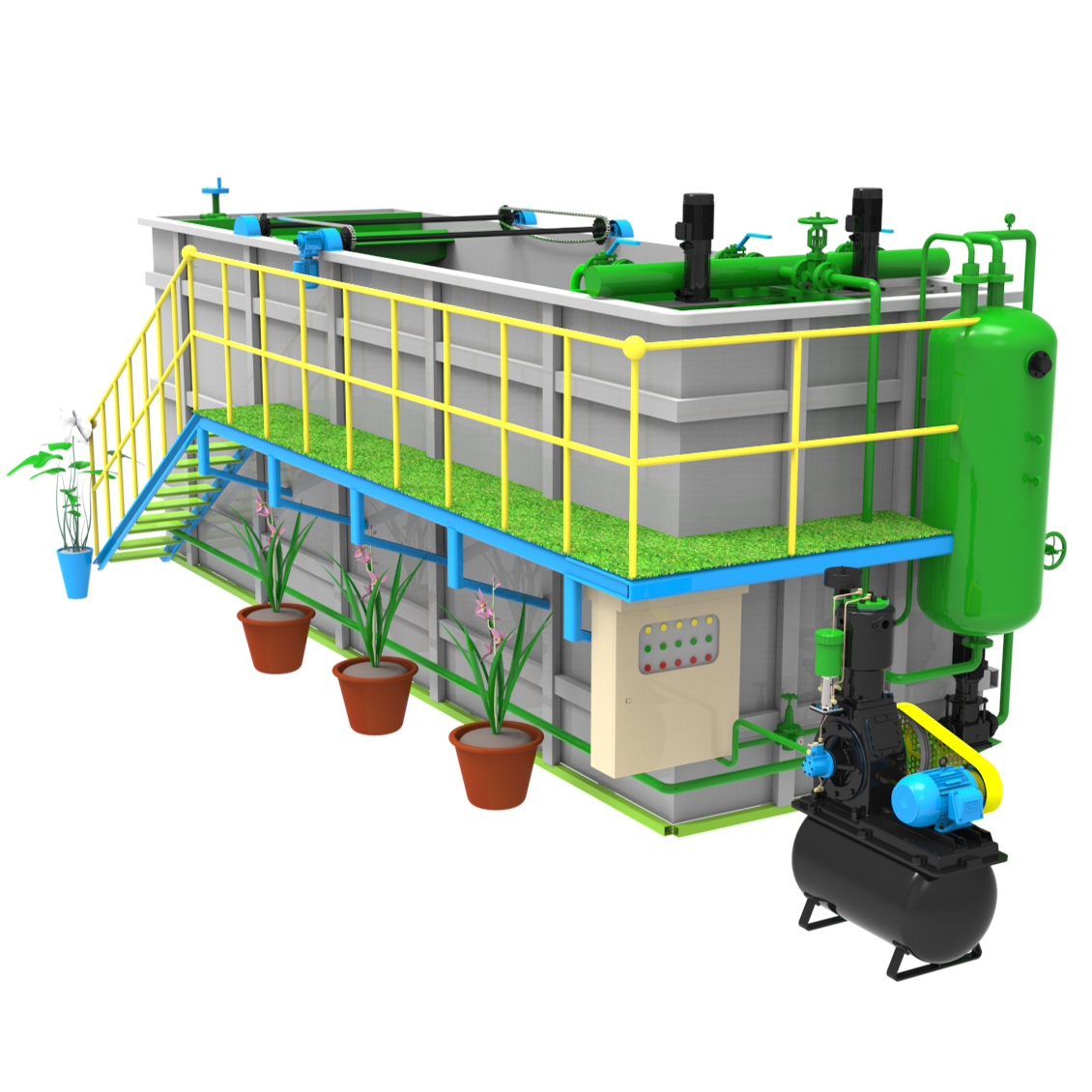
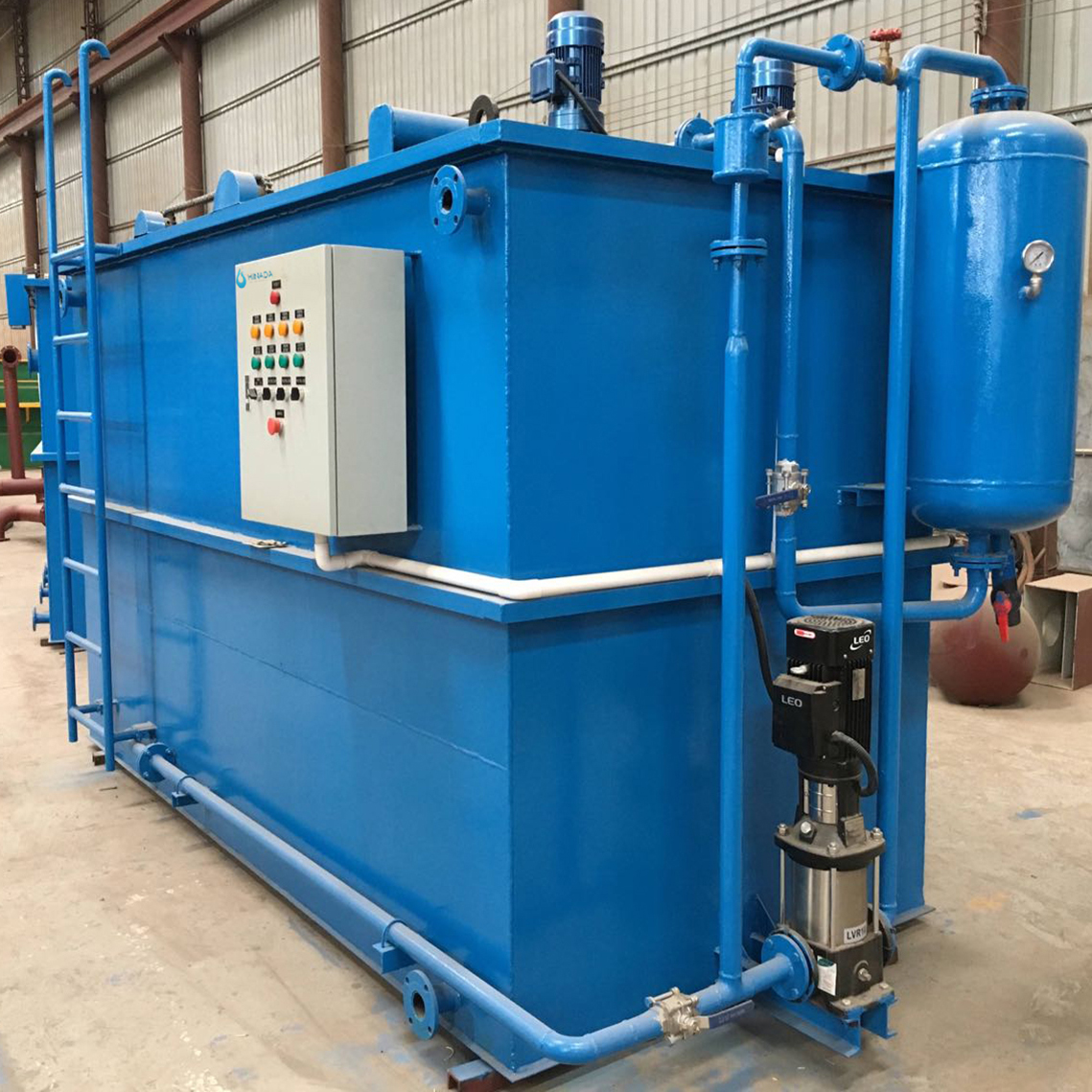
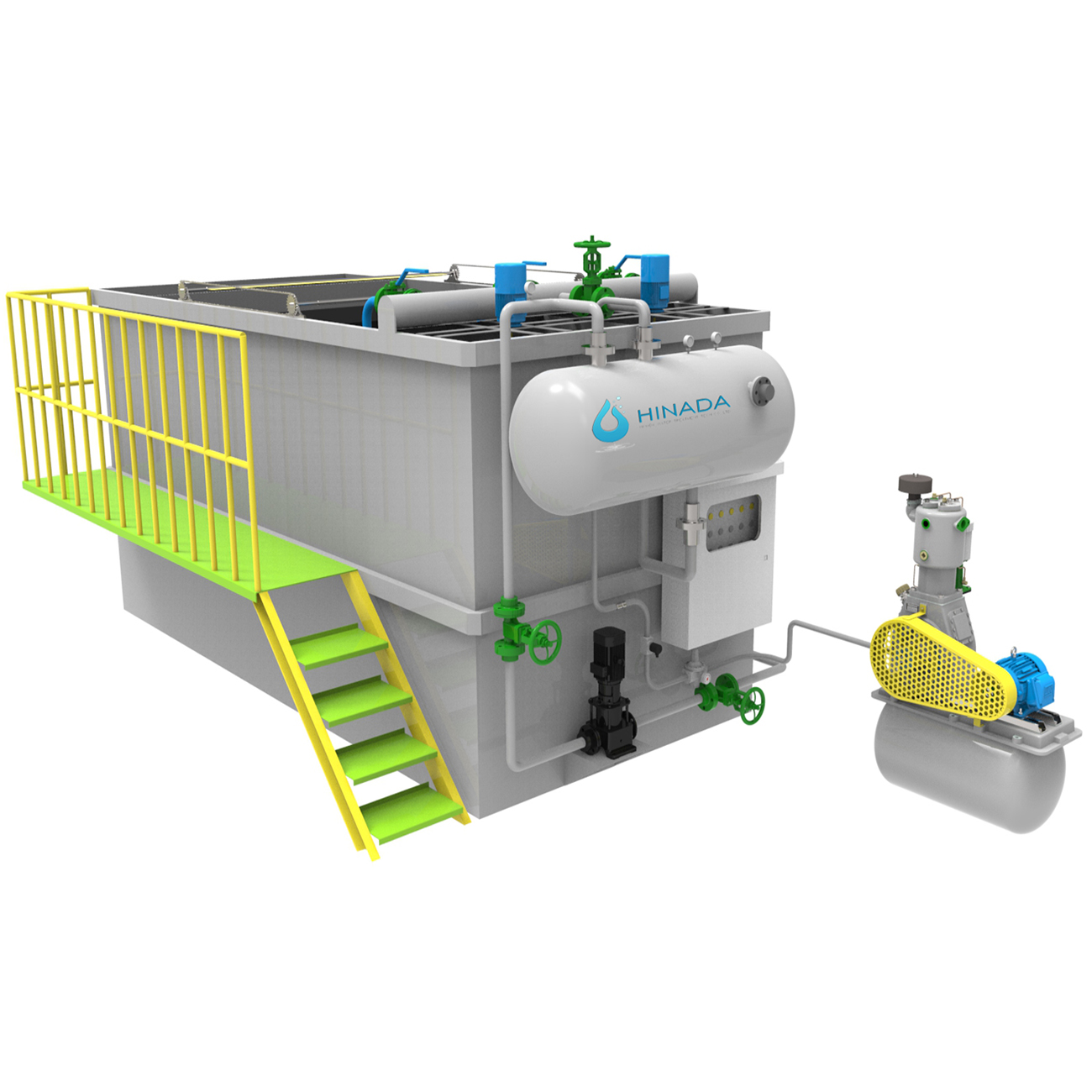
A DAF wastewater system dissolves air into water under pressure, then releases it into the wastewater stream. The pressure drop creates millions of microbubbles, typically 20 to 100 microns in diameter. These bubbles attach to suspended particles and oil droplets, forming agglomerates with a density lower than water. The agglomerates rise to the surface, where a mechanical skimmer removes them as sludge. Clarified water exits from the bottom or side of the DAF tank.
How DAF Works: Step by Step
Wastewater enters the DAF unit, often after coagulation and flocculation.
A recycle stream is saturated with air under pressure in a pressure vessel.
The pressurized recycle stream is injected into the DAF tank through special nozzles.
Microbubbles form and attach to particles, oils, and flocs.
Bubble-particle agglomerates float to the surface as a sludge blanket.
A skimmer removes the floated sludge, while clarified water is discharged.
This sequence is simple but highly effective. The key is the controlled generation of microbubbles and the chemistry that makes particles hydrophobic enough to attach to air.
Key Mechanisms by Which DAF Improves Clarification
Microbubble Attachment and Flotation
Microbubbles provide a large surface area for attachment. When bubbles collide with particles, they form stable agglomerates if the particle surface is hydrophobic. Coagulants and flocculants modify particle surfaces to enhance hydrophobicity and bridging. The result is rapid flotation of solids that would otherwise remain suspended.
Removal of Suspended Solids, FOG, and Colloids
DAF is particularly effective for removing low-density solids, fats, oils, grease, and colloidal matter. It can achieve TSS removal rates of 90 to 99 percent and FOG removal rates above 95 percent in well-designed systems. It also reduces COD and BOD by removing organic matter associated with these contaminants.
Reduction of Turbidity and Color
By removing fine particles and colloids, DAF lowers turbidity and color. This is critical for downstream disinfection, membrane filtration, and reuse applications. Lower turbidity also improves UV transmittance and reduces chlorine demand.
Minimization of Sludge Volume
DAF produces a concentrated sludge with higher solids content than many conventional clarifiers. This reduces sludge handling and dewatering costs. The floated sludge can often be thickened to 3 to 6 percent solids or more, depending on the application.
Design and Operational Factors That Enhance DAF Clarification
Recycle Ratio and Air-to-Solids Ratio
The recycle ratio determines how much pressurized water is returned to the DAF tank. It must be balanced with the air-to-solids (A/S) ratio, which is the mass of air available per mass of solids. Typical A/S ratios range from 0.01 to 0.1. Too little air results in poor flotation; too much air can create turbulence and break flocs.
Coagulation and Flocculation Pretreatment
Chemical pretreatment is often essential. Coagulants neutralize charges, while flocculants build larger, stronger flocs. The choice of chemistry depends on wastewater characteristics. Jar testing determines optimal doses and pH. Overdosing can cause charge reversal and poor flotation.
Hydraulic Loading and Surface Area
DAF tanks are designed with hydraulic loading rates that allow bubbles and flocs to rise without being swept out. Surface area, depth, and baffle configuration influence performance. A well-designed DAF unit provides quiescent conditions in the separation zone.
Microbubble Size and Distribution
Smaller bubbles provide more surface area and better attachment. However, extremely small bubbles may not rise fast enough. Nozzle design, pressure, and recycle water quality affect bubble size distribution. HINADA DAF systems are engineered to optimize bubble generation for each application.
Temperature and Wastewater Characteristics
Temperature affects viscosity, bubble formation, and chemical reaction rates. High salinity, surfactants, and extreme pH can also influence DAF performance. Pilot testing is recommended for complex industrial streams.
DAF vs. Conventional Clarification
Compared with sedimentation, DAF offers several advantages: faster separation, smaller footprint, better removal of low-density solids and oils, and greater tolerance to shock loads. Conventional clarifiers may be more economical for high-density, easily settleable solids. But for many industrial and municipal applications, DAF delivers superior clarification performance.
When DAF Is the Better Choice
Wastewater contains oils, grease, or low-density suspended solids.
Space is limited and a compact footprint is required.
Rapid startup and shutdown are needed.
High clarification is required for reuse or membrane protection.
Shock loads and variable influent quality are common.
Applications Where DAF Delivers Superior Clarification
Industrial Wastewater Treatment and Reuse
DAF is widely used in food and beverage, meat processing, dairy, textile, paper, petrochemical, and metal finishing industries. It removes FOG, TSS, and COD, preparing water for biological treatment, membrane filtration, or discharge.
Municipal Sewage Treatment and Water Recycling
In municipal plants, DAF can be used for primary clarification, tertiary treatment, and sludge thickening. It helps meet strict phosphorus and TSS limits. For water recycling, DAF protects downstream UF and RO membranes.
Rural Decentralized Water Supply and Sanitation
Packaged DAF systems are suitable for remote communities, resorts, and construction sites. They are easy to install and operate, requiring minimal civil works.
Drinking Water Purification
DAF is used in drinking water treatment for removing algae, color, and low-density particles. It is often paired with filtration and disinfection.
Integrating DAF with Membrane and Biological Systems
DAF + MBR
Combining DAF with membrane bioreactor (MBR) technology enhances overall treatment. DAF removes oils and solids that could foul membranes, while MBR provides biological treatment and ultrafiltration. HINADA manufactures submerged MBR membrane modules and integrated packaged systems, enabling seamless integration.
DAF + UF/RO
For reuse and high-purity applications, DAF pretreatment protects UF and RO membranes from fouling. This extends membrane life and reduces cleaning frequency. HINADA offers hollow fiber UF membranes, UF systems, and industrial RO systems.
How HINADA Approaches DAF and Clarification Performance
HINADA Water Treatment Tech Co., Ltd. has more than 13 years of experience in the water treatment industry and 10 years of membrane and equipment manufacturing experience. The company provides a complete ecosystem from membrane R&D and component manufacturing to equipment fabrication and turnkey solution delivery. Its DAF systems are designed to optimize clarification performance through advanced microbubble generation, robust construction, and intelligent controls.
HINADA focuses on two core technology pillars: hollow fiber ultrafiltration (UF/MBR) membranes for precise physical separation, and intelligent integrated wastewater treatment equipment for municipal, industrial, and decentralized applications. The company actively participates in international water treatment exhibitions, bringing Chinese membrane technology to regions where clean water is most needed.
Turnkey Solutions and Support
HINADA provides truly integrated solutions for water and wastewater projects, from design, supplying, installation support, and commissioning to training. This ensures that DAF systems are correctly sized, installed, and operated for maximum clarification performance.
Conclusion
A DAF wastewater system significantly improves clarification performance by using microbubbles to float suspended solids, oils, and colloids. It offers faster separation, smaller footprint, and better removal of challenging contaminants than conventional sedimentation. When combined with proper coagulation, flocculation, and operational control, DAF delivers reliable, high-quality effluent. Companies like HINADA continue to advance DAF and membrane technologies, helping industries and communities meet their water treatment goals.