MBR Membrane Bioreactor Maintenance Tips That Protect Membrane Life
MBR Membrane Bioreactor Maintenance Tips That Protect Membrane Life
September 30, 2026
Author
Solution Provider, through a professional technical team, we provide customers with targeted equipment selection recommendations and comprehensive after-sales services, winning the trust and recognition of customers.
Sarah M.
This article provides practical MBR membrane bioreactor maintenance tips that protect membrane life. It explains how fouling, scaling, biofouling, chemical attack, and physical damage shorten membrane life. Daily monitoring of TMP, permeability, airflow, dissolved oxygen, pH, temperature, and MLSS is essential for early detection. Pretreatment with fine screens, grit removal, and grease control prevents debris and oil from reaching the membrane. Proper aeration and diffuser maintenance ensure effective scouring without fiber damage. Chemical cleaning must follow manufacturer limits for concentration, temperature, and contact time, with maintenance cleaning used before irreversible fouling develops. Stable biology, controlled SRT, proper F/M ratio, and regular sludge wasting improve filterability. Instrument calibration, trend analysis, preventive maintenance schedules, integrity testing, operator training, and spare parts planning all contribute to longer membrane life. The article also highlights HINADA, a global manufacturer founded in 2012 in Guangzhou and expanded to Chenzhou, Hunan, serving over 75 countries with hollow fiber UF membranes, submerged MBR modules, packaged wastewater treatment systems, and DAF systems. HINADA provides integrated solutions from design and supply to installation support, commissioning, and training. By following these practices, plants can reduce operating costs, avoid premature membrane replacement, and maintain reliable effluent quality.
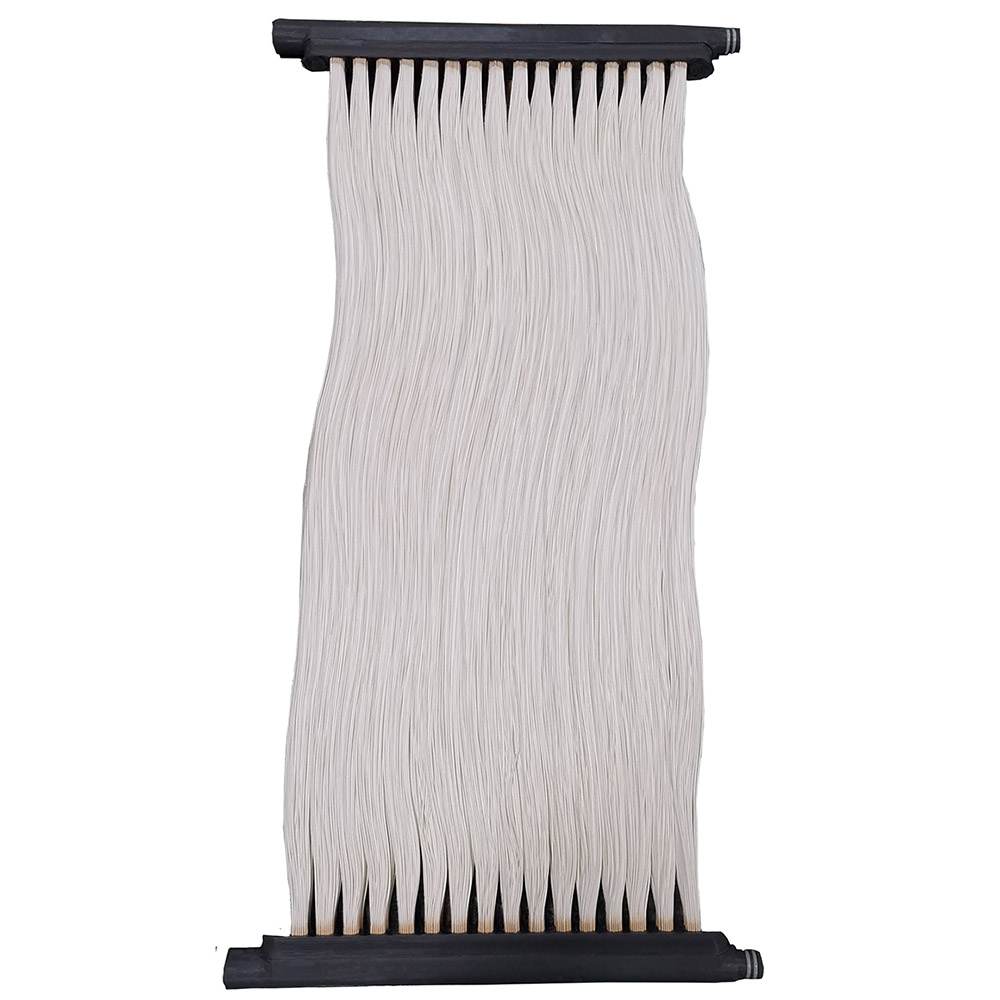
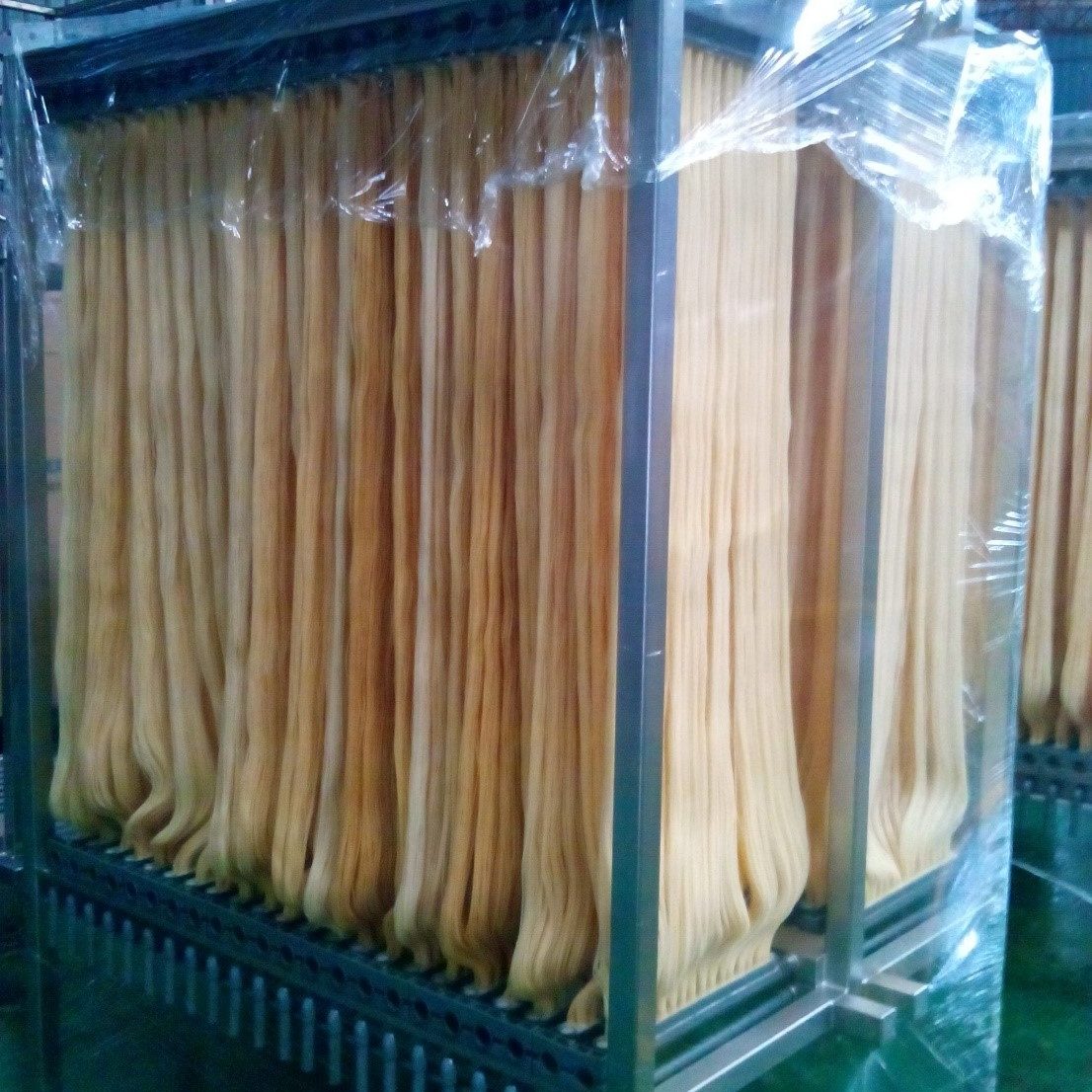
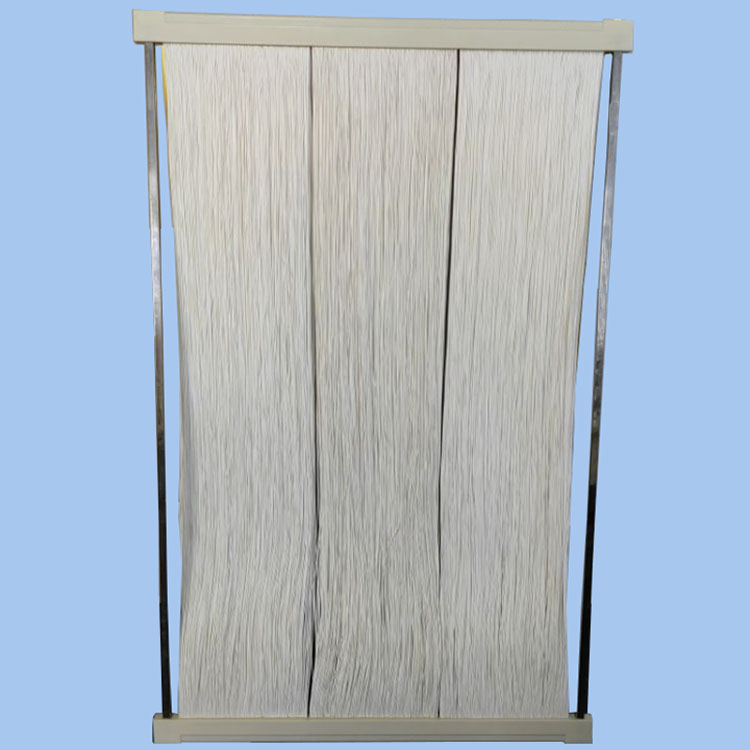
Membrane bioreactor systems have become a cornerstone of modern wastewater treatment because they combine biological treatment with membrane filtration in a single, compact process. The membrane barrier produces high-quality effluent, retains biomass, and supports water reuse. However, the membrane is also the most valuable and most sensitive component of the system. Its service life depends less on a single event and more on the cumulative effect of daily operating decisions, cleaning practices, and maintenance discipline. This article presents practical, field-tested maintenance tips that help protect MBR membrane life, improve reliability, and reduce total cost of ownership.
Hinada Water Treatment Tech Co., Ltd., known as HINADA, is a globally recognized manufacturer of wastewater treatment equipment, hollow fiber ultrafiltration membranes, submerged MBR membrane modules, integrated packaged wastewater treatment systems, and dissolved air flotation systems. Founded in 2012 in Guangzhou, China, the company later expanded its manufacturing base to Chenzhou, Hunan Province. Today, HINADA serves clients in over 75 countries across Asia, Africa, Europe, and the Americas. Its experience offers a useful reference for plants that want to protect membrane assets through better maintenance.
Membrane life is not guaranteed by a datasheet alone. It is protected by stable biology, proper pretreatment, controlled filtration, effective aeration, timely cleaning, accurate instrumentation, and a maintenance culture that treats trends as early warnings. The following sections outline the most important practices in detail.
undefined
Understanding What Shortens MBR Membrane Life
Before discussing maintenance tasks, it is important to understand the enemies of membrane life. Membranes fail or lose productivity for several reasons: fouling, scaling, biofouling, chemical attack, physical damage, excessive pressure, poor aeration, abrasive solids, and improper storage. In many cases, membrane replacement happens earlier than necessary because small operational deviations are allowed to become permanent conditions.
Fouling is the accumulation of organic and inorganic material on the membrane surface or inside the pores. Scaling occurs when inorganic salts precipitate on the membrane. Biofouling is the growth of a biofilm that blocks pores and increases resistance. Chemical attack can degrade membrane polymers when cleaning chemicals are too strong, too hot, or applied for too long. Physical damage can result from coarse debris, sharp objects, or careless maintenance. Each of these problems has a maintenance solution, but the solution must be applied before damage becomes irreversible.
The Difference Between Reversible and Irreversible Fouling
Reversible fouling can be removed by backwashing, relaxation, aeration, or maintenance cleaning. Irreversible fouling remains after cleaning and permanently reduces permeability. A membrane that experiences repeated irreversible fouling will eventually need replacement even if it has not been physically broken. Maintenance programs should therefore focus on preventing irreversible fouling by controlling the conditions that create it.
Why Stable Biology Protects the Membrane
The biological process and the membrane are partners. When the biology is unstable, the membrane suffers. Filamentous bulking, dispersed growth, extracellular polymeric substances, and incomplete degradation all produce mixed liquor that is difficult to filter. A stable biomass with good floc structure releases less soluble microbial product and deposits less material on the membrane. Therefore, biological control is membrane protection.
Daily Monitoring That Prevents Surprises
Daily monitoring is the first line of defense. Operators should record key parameters at the same time each day so that trends can be compared. Important values include permeate flow, transmembrane pressure, aeration airflow, dissolved oxygen, mixed liquor suspended solids, temperature, pH, conductivity, and cleaning history.
Transmembrane Pressure
Transmembrane pressure, or TMP, is one of the most useful indicators of membrane condition. A gradual increase in TMP at constant flow indicates fouling. A sudden increase may indicate a blockage, a closed valve, or a broken fiber. A sudden decrease may indicate a leak or a loss of vacuum. Daily TMP readings should be plotted against time and temperature. Temperature correction is important because water viscosity changes with temperature and affects TMP.
Permeability and Specific Flux
Permeability is calculated from flow divided by TMP and corrected for temperature. It provides a clearer picture than TMP alone. Specific flux normalizes permeability to membrane area. When permeability declines steadily, maintenance cleaning may be needed. When permeability does not recover after cleaning, irreversible fouling or membrane degradation may be occurring.
Aeration Airflow
Aeration serves two purposes in an MBR: it supplies oxygen to the biomass and scours the membrane surface. If airflow is too low, sludge accumulates on the membrane and fouling accelerates. If airflow is too high, energy is wasted and fibers may vibrate excessively, causing fatigue. Daily checks should confirm that airflow meters, blowers, and valves are functioning correctly.
Dissolved Oxygen and Oxidation-Reduction Potential
Dissolved oxygen should be maintained within the design range for the biological process. In aerobic MBRs, low dissolved oxygen can promote filamentous bacteria and poor settling, although settling is less critical because membranes retain solids. In anaerobic or anoxic zones, oxidation-reduction potential can indicate whether the desired biological reactions are occurring. Imbalances in these parameters can change sludge characteristics and increase fouling.
pH, Alkalinity, and Temperature
pH affects both biology and membrane chemistry. Extreme pH can damage membranes and promote scaling. Alkalinity helps buffer the system. Temperature affects biological kinetics, viscosity, and cleaning effectiveness. Sudden temperature changes can shock the biomass. All three parameters should be monitored and trended.
Pretreatment: The Cheapest Membrane Protection
Pretreatment is often the most cost-effective way to extend membrane life. Membranes are not designed to handle rags, plastics, grit, hair, oil, grease, or large debris. Fine screens, grit chambers, grease traps, and equalization tanks protect the membrane from physical damage and fouling.
Fine Screening
Fine screens, typically 1 to 3 mm, are essential for submerged MBR systems. Screen openings that are too large allow fibrous material to enter the membrane tank, where it can wrap around fibers and cause blockages. Screen maintenance includes regular cleaning, checking for tears, and verifying that bypasses are closed. Screenings should be removed promptly and not allowed to accumulate.
Grit Removal
Grit and sand can abrade membrane fibers and settle in the tank. Grit removal systems should be inspected and cleaned regularly. In smaller packaged plants, grit may need to be removed manually during tank cleaning. Abrasive particles are especially damaging because they can create pinholes and reduce membrane integrity.
Oil and Grease Control
Oil and grease coat membrane surfaces and interfere with biological activity. Sources include kitchens, restaurants, industrial processes, and vehicle maintenance. Grease traps and pretreatment must be maintained. If oil enters the MBR, it can be difficult to remove and may require specialized cleaning.
Equalization and Flow Control
Flow equalization protects the membrane from hydraulic surges. Sudden high flows can increase flux beyond design limits and cause rapid fouling. Equalization tanks, buffer capacity, and flow control valves help maintain stable operation. In industrial plants, batch discharges should be equalized and neutralized before entering the MBR.
Aeration and Scouring: Keeping the Membrane Clean
In submerged MBR systems, aeration is the primary physical cleaning mechanism. Coarse bubbles rise along the membrane surface and create shear that lifts solids away. Proper aeration design and maintenance are therefore critical.
Air Distribution Check
Air diffusers can become clogged, cracked, or misaligned. When airflow is uneven, some membrane modules receive too little scouring while others receive too much. Maintenance should include visual inspection of bubble patterns, checking for dead zones, and verifying that diffusers are securely attached. If bubble patterns change, diffusers may need cleaning or replacement.
Blower Maintenance
Blowers should be maintained according to manufacturer recommendations. Air filters must be clean, belts and couplings checked, and bearings lubricated. A failing blower can reduce airflow without triggering an immediate alarm, leading to silent fouling. Pressure and airflow readings should be trended to detect blower degradation.
Avoiding Over-Aeration
While sufficient aeration is essential, excessive aeration can damage fibers and waste energy. High air velocities can cause fibers to collide and fatigue. The design airflow range should be respected. If fouling is not controlled at the design airflow, the solution is usually better pretreatment or cleaning, not simply more air.
Relaxation and Backwashing
Most MBR systems alternate filtration with relaxation or backwashing. Relaxation allows the membrane to rest while aeration continues, which helps remove loosely attached solids. Backwashing pushes permeate backward through the membrane to dislodge foulants. The frequency and duration should follow the manufacturer's recommendations and be adjusted based on TMP trends. Backwash flow should be controlled to avoid membrane damage.
Chemical Cleaning: Powerful but Must Be Controlled
Chemical cleaning restores permeability when physical methods are no longer sufficient. However, cleaning chemicals can also shorten membrane life if used incorrectly. The goal is to use the mildest effective cleaning regime at the right frequency.
Maintenance Cleaning Versus Recovery Cleaning
Maintenance cleaning is a routine, low-concentration cleaning performed while the membrane remains in place, often weekly or biweekly. Recovery cleaning is a more intensive cleaning, sometimes with the membrane removed or isolated, performed when TMP remains high after maintenance cleaning. Maintenance cleaning helps delay recovery cleaning and protects membrane life by preventing severe fouling.
Common Cleaning Chemicals
Sodium hypochlorite is used to remove organic fouling and biofouling. Citric acid or oxalic acid is used to remove inorganic scaling and metal precipitates. Caustic soda may be used with hypochlorite for organic removal. Each membrane manufacturer specifies compatible chemicals, concentrations, temperatures, and contact times. These limits must be followed exactly.
Cleaning Temperature and Concentration
Higher temperature and concentration can improve cleaning speed but also increase the risk of membrane damage. Most PVDF membranes have specific limits, often below 40 degrees Celsius for cleaning and lower for repeated exposure. PVC membranes may have different limits. Operators should never guess. Cleaning solutions should be prepared accurately and tested before use.
Cleaning Frequency
Cleaning too often can expose membranes to unnecessary chemical stress. Cleaning too rarely allows fouling to become irreversible. The correct frequency is based on TMP, permeability, and manufacturer guidance. A common approach is to perform maintenance cleaning when TMP rises by a certain percentage or when permeability drops by a certain percentage. Data trends should guide the decision.
Rinsing After Cleaning
After chemical cleaning, membranes must be rinsed thoroughly to remove residual chemicals. Residual hypochlorite can damage membranes over time and affect biology when returned to the tank. Rinse water should be monitored for pH and residual chlorine. Proper rinsing is as important as the cleaning itself.
Sludge and Biomass Management
The mixed liquor is the environment in which the membrane operates. Its characteristics determine how quickly fouling occurs. Managing sludge means managing solids concentration, age, viscosity, and floc structure.
Mixed Liquor Suspended Solids
Mixed liquor suspended solids, or MLSS, should be maintained within the design range. Too low may reduce biological treatment capacity. Too high increases viscosity, reduces oxygen transfer, and makes filtration more difficult. High MLSS can also increase the load on aeration and cleaning systems. Regular MLSS and mixed liquor volatile suspended solids measurements help operators adjust wasting.
Sludge Retention Time
Sludge retention time, or SRT, affects biomass characteristics. Longer SRT reduces excess sludge but can increase soluble microbial products and viscosity. Shorter SRT may produce more sludge and less stable biology. The design SRT should be maintained, and changes should be made gradually.
Food to Microorganism Ratio
The food to microorganism ratio, or F/M, influences floc formation. Very low F/M can lead to dispersed growth and fouling. Very high F/M can cause incomplete treatment and bulking. Monitoring influent load and biomass concentration helps keep F/M in a healthy range.
Sludge Wasting
Sludge wasting removes excess biomass and controls SRT. Wasting should be performed regularly and measured accurately. Sudden or excessive wasting can shock the biomass. Wasting from the correct location and at the correct rate helps maintain stable operation.
Fouling Diagnosis and Response
Not all fouling is the same. The response depends on the type of foulant. Operators should use cleaning results, visual inspection, and water quality data to diagnose the cause.
Organic Fouling
Organic fouling appears as a slimy layer on the membrane. It is often caused by high organic loading, low aeration, or insufficient biological treatment. Sodium hypochlorite cleaning is usually effective. Preventive measures include maintaining dissolved oxygen, controlling F/M, and avoiding shock loads.
Inorganic Scaling
Scaling appears as hard deposits and is caused by high hardness, high pH, or high recovery. Acid cleaning is typically used. Prevention includes softening, pH control, and avoiding excessive concentration. In wastewater, struvite and calcium carbonate are common scales.
Biofouling
Biofouling is the growth of microorganisms on the membrane. It can occur even when biological treatment is working well. Chlorine cleaning and maintaining good aeration help control it. Nutrients such as nitrogen and phosphorus should be balanced so that biofilm growth is not excessive.
Colloidal Fouling
Colloidal particles are small and can plug membrane pores. They may come from industrial discharges or from biological activity. Coagulation and pretreatment can help remove colloids before they reach the membrane. Cleaning may require a combination of caustic and acid.
Fouling Diagnosis List
Rapid TMP rise with slimy deposit: suspect organic or biofouling.
Hard scale with high pH or hardness: suspect inorganic scaling.
Persistent TMP after hypochlorite: suspect scaling or irreversible fouling.
Fouling concentrated at the top or bottom of modules: suspect airflow imbalance.
Fouling on some modules only: suspect uneven flow or damaged diffusers.
Sudden loss of permeability after a shock load: suspect organic overload.
High pressure with normal biology: suspect pretreatment failure or colloidal fouling.
Instrumentation and Data Management
Good maintenance depends on good data. Instruments must be calibrated, cleaned, and replaced when necessary. Data must be recorded and reviewed. Without reliable data, operators are guessing.
Pressure and Flow Instruments
Pressure transmitters and flow meters should be calibrated regularly. Small errors can hide fouling trends. Flow meters should be checked for debris and zeroed when necessary. Differential pressure instruments should be purged and inspected.
Level and Temperature Sensors
Level sensors control tank operation and protect pumps. Temperature sensors affect biological and cleaning calculations. These instruments should be cleaned and calibrated. A faulty temperature reading can cause incorrect cleaning decisions.
Analytical Instruments
Dissolved oxygen, pH, and conductivity probes require regular calibration and cleaning. Membranes and reference junctions can foul. Calibration standards should be fresh. Operators should record calibration dates and results.
Trend Analysis
Trending turns data into insight. Permeability, TMP, airflow, MLSS, and cleaning recovery should be plotted over time. A slow decline may be normal, but a change in slope indicates a problem. Trend reviews should be part of weekly and monthly maintenance meetings.
Preventive Maintenance Schedule
A written preventive maintenance schedule ensures that important tasks are not forgotten. The schedule should be adapted to the specific plant, but the following categories are typical.
Daily Tasks
Record permeate flow, TMP, temperature, pH, dissolved oxygen, and MLSS.
Check aeration bubble patterns and airflow readings.
Inspect screens, grit systems, and grease traps.
Check for leaks, unusual noise, and vibration.
Verify chemical dosing systems and tank levels.
Weekly Tasks
Review permeability trends and cleaning history.
Inspect membrane tank for debris, foam, or abnormal color.
Check blower filters and diffuser condition.
Calibrate or verify key instruments.
Perform maintenance cleaning if indicated by trends.
Monthly Tasks
Inspect membranes for fiber damage, sludging, or hair accumulation.
Check valves, actuators, and control sequences.
Review sludge wasting and SRT calculations.
Inspect pumps, seals, and bearings.
Review chemical consumption and cleaning effectiveness.
Quarterly and Annual Tasks
Perform recovery cleaning if required.
Conduct membrane integrity testing.
Inspect tank linings, supports, and air headers.
Overhaul blowers and major pumps.
Review spare parts inventory and replacement planning.
Membrane Integrity Testing
Membrane integrity testing detects broken fibers, leaks, and compromised seals. Common methods include pressure decay testing, vacuum testing, and particle counting. Integrity tests should be performed at commissioning, after cleaning, after maintenance, and periodically during operation.
Pressure Decay Test
In a pressure decay test, the membrane module is pressurized and the pressure loss is measured. A rapid loss indicates a leak. The test should be performed according to the manufacturer's procedure. Temperature changes can affect results, so stabilization time is important.
Visual Inspection
Visual inspection can reveal damaged fibers, loose connections, and debris. Modules should be inspected during tank draining or maintenance. Any damaged fiber should be repaired or plugged according to the manufacturer's instructions. Too many plugged fibers reduce membrane area and increase flux on the remaining fibers.
Permeate Quality Monitoring
Permeate turbidity and suspended solids are indirect indicators of integrity. A sudden increase in turbidity may indicate a fiber break or seal failure. Online turbidity meters should be calibrated and alarmed.
Physical Damage Prevention
Physical damage is often avoidable. Careful operation and maintenance can prevent many membrane failures.
Debris Control
Rags, plastics, and hair are common causes of fiber entanglement. Fine screens and regular cleaning are essential. If debris enters the membrane tank, it should be removed promptly. Operators should never use sharp tools near membranes.
Handling and Installation
Membrane modules should be handled with care during installation and removal. Lifting equipment should be appropriate. Modules should not be dropped, dragged, or struck. Connections should be tightened to the correct torque.
Pump and Valve Operation
Pumps should not be started against closed valves. Sudden pressure surges can damage membranes. Valves should be operated smoothly. Check valves should be maintained to prevent backflow contamination.
Storage and Shutdown Protection
Membranes can be damaged during shutdown if they are not protected. Proper storage procedures preserve membrane life.
Short-Term Shutdown
For short shutdowns, membranes should remain submerged and aeration should continue at a reduced rate if possible. If aeration cannot continue, the tank should be monitored for oxygen depletion and odor. Permeate should not be allowed to stagnate in the membrane.
Long-Term Shutdown
For long-term shutdown, membranes may need to be cleaned and stored in a protective solution. The manufacturer's instructions should be followed. Storage temperature should be controlled, and the solution should be checked periodically. Membranes should not be allowed to dry out unless the manufacturer permits it.
Freeze Protection
In cold climates, freezing can damage membranes and piping. Tanks and lines should be insulated or heated. If the plant is shut down in winter, water should be drained from exposed lines and equipment.
Operator Training and Standard Procedures
Even the best equipment can be damaged by inconsistent operation. Training and standard operating procedures are essential for membrane protection.
Standard Operating Procedures
Written procedures should cover startup, normal operation, cleaning, backwashing, shutdown, and emergency response. Procedures should include specific setpoints, alarms, and record-keeping requirements. They should be reviewed and updated regularly.
Training Topics
Operators should understand membrane fundamentals, fouling mechanisms, cleaning chemistry, safety, instrumentation, and troubleshooting. Hands-on training with actual equipment is valuable. HINADA provides training as part of its integrated project delivery, from design and supply to installation support, commissioning, and training.
Shift Communication
Shift logs and handover meetings help ensure that problems are communicated. A small change noticed on one shift can prevent a major failure on the next. Operators should record unusual observations, even if they seem minor.
Energy and Chemical Optimization
Membrane protection and cost reduction can work together. Optimizing aeration, cleaning, and pumping can extend membrane life while reducing operating costs.
Aeration Optimization
Aeration is often the largest energy consumer in an MBR. It must be sufficient for scouring and biological needs, but not excessive. Dissolved oxygen control, variable frequency drives, and airflow balancing can optimize aeration. However, energy savings should never compromise membrane scouring.
Chemical Optimization
Chemical cleaning should be effective but not excessive. Using the correct chemical for the correct foulant reduces waste and membrane stress. Cleaning chemicals should be stored safely and used before expiry. Dosing systems should be calibrated.
Pump Optimization
Permeate pumps and backwash pumps should operate within design ranges. Variable frequency drives can reduce energy and pressure surges. Pump curves should be checked to ensure efficient operation.
Case Study Lessons from HINADA Installations
HINADA has more than 13 years of experience in the water treatment industry and 10 years of water treatment membrane and equipment manufacturing experience. Its projects span industrial wastewater treatment and reuse, municipal sewage treatment and water recycling, rural decentralized water supply and sanitation, and drinking water purification from surface water and groundwater. Across these applications, several maintenance lessons repeat.
Lesson One: Pretreatment Is Not Optional
Plants that invest in fine screening, grit removal, and equalization consistently report longer membrane life. Plants that bypass or neglect pretreatment often experience rapid fouling and fiber damage. The cost of pretreatment is small compared with membrane replacement.
Lesson Two: Data Trends Beat Crisis Response
Facilities that trend TMP and permeability detect fouling early. They perform maintenance cleaning before severe fouling develops. Facilities that wait for high TMP alarms often require aggressive recovery cleaning, which shortens membrane life.
Lesson Three: Cleaning Must Follow the Manufacturer
Cleaning chemicals that are too strong or too hot can damage membranes. HINADA and other manufacturers provide membrane-specific cleaning guidelines. Following these guidelines protects the warranty and the membrane.
Lesson Four: Aeration Must Be Balanced
Uneven airflow creates uneven fouling. Regular diffuser inspection and airflow balancing are simple tasks with large benefits. In several cases, TMP differences between modules were traced to clogged diffusers.
Spare Parts and Replacement Planning
Membrane life can be extended, but membranes will eventually need replacement. Planning for replacement avoids emergency purchases and allows budget preparation.
Critical Spares
Critical spares include pressure sensors, flow meters, valves, blower parts, pump seals, and membrane repair kits. Keeping these items in stock reduces downtime. Spare membrane modules may also be justified for large plants.
Membrane Replacement Strategy
Membranes can be replaced module by module or as a complete train. Partial replacement can be cost-effective if the remaining modules are in good condition. However, mixing old and new membranes can create uneven flux. A replacement strategy should consider membrane age, integrity, and performance.
Warranty and Documentation
Maintenance records, cleaning logs, and operating data are important for warranty claims. Good documentation demonstrates that the membrane was operated within design conditions. HINADA and other suppliers may require such records when evaluating performance issues.
Common Mistakes That Reduce Membrane Life
Many membrane problems are caused by avoidable mistakes. The following list summarizes frequent errors.
Operating at excessive flux to meet flow demands.
Ignoring slow TMP increases until cleaning is too late.
Using too much chlorine or acid during cleaning.
Cleaning at excessive temperature.
Failing to rinse membranes after chemical cleaning.
Allowing fine screens to tear or bypass.
Letting oil and grease enter the MBR.
Operating with low dissolved oxygen or poor aeration.
Maintaining MLSS outside the design range.
Neglecting instrument calibration.
Using sharp tools near membranes.
Storing membranes improperly during shutdown.
Ignoring uneven airflow between modules.
Failing to train new operators.
How HINADA Supports Membrane Life
HINADA is one of the leading submerged MBR membrane, wastewater treatment equipment, and membrane filtration system manufacturers in China. The company specializes as a wastewater treatment solution provider and equipment supplier in Guangzhou since 2012. It provides a truly integrated solution to water and wastewater projects, from design, supplying, installation support, and commissioning to training.
HINADA focuses on two core technology pillars. The first is hollow fiber ultrafiltration and MBR membranes, which provide precise physical separation of suspended solids, bacteria, colloids, and macromolecular organics. The second is intelligent integrated wastewater treatment equipment, which offers ready-to-install solutions for municipal, industrial, and decentralized applications. This complete ecosystem, from membrane research and development and component manufacturing to equipment fabrication and turnkey solution delivery, allows HINADA to support maintenance throughout the project lifecycle.
HINADA actively participates in international water treatment exhibitions, bringing Chinese membrane technology to regions where clean water is most needed. Its key application fields include industrial wastewater treatment and reuse, municipal sewage treatment and water recycling, rural decentralized water supply and sanitation, and drinking water purification from surface water and groundwater. For plant owners, working with an experienced manufacturer can simplify access to spare parts, cleaning guidance, and technical support.
Developing a Membrane Protection Culture
Technology alone does not protect membranes. People do. A membrane protection culture means that every operator understands why maintenance matters and feels responsible for early detection. It means that management invests in training, spares, and instrumentation. It means that data is reviewed, not just recorded. It means that cleaning is performed correctly, not just frequently.
Leadership Commitment
Leadership should provide resources for preventive maintenance. Budgets should include membranes, chemicals, instruments, and training. Maintenance should be scheduled, not postponed. When management prioritizes membrane life, operators follow.
Operator Ownership
Operators should be empowered to report problems and suggest improvements. They should understand the cost of membrane replacement and the value of early action. Recognition for good maintenance performance can reinforce positive behavior.
Continuous Improvement
Membrane maintenance is not static. New data, new cleaning methods, and new operating conditions require ongoing review. Regular meetings should examine trends and adjust procedures. Lessons learned should be documented and shared.
Emergency Response for Membrane Problems
Even with good maintenance, emergencies can occur. A rapid, correct response can prevent permanent damage.
Sudden TMP Increase
If TMP rises suddenly, operators should check for closed valves, pump issues, air supply problems, and flow surges. If no mechanical cause is found, a maintenance cleaning may be needed. The cause should be investigated before returning to normal operation.
Permeate Turbidity Increase
If permeate turbidity rises, membrane integrity may be compromised. The affected train should be isolated and tested. Fiber breaks should be repaired or plugged. Permeate should not be used until quality is restored.
Loss of Aeration
If aeration stops, membrane fouling can begin quickly. The permeate pump should be stopped to prevent filtration without scouring. Aeration should be restored as soon as possible. If the outage is long, the tank should be monitored and cleaned as needed.
Power Failure
Power failures can stop aeration, pumping, and control systems. Backup power or emergency procedures should be in place. On restart, membranes should be inspected and cleaned if necessary.
Long-Term Asset Management
Membrane life is part of a larger asset management strategy. Tracking membrane age, cleaning history, integrity tests, and performance helps predict replacement. Financial planning should include membrane replacement as a recurring cost, not a surprise.
Membrane Life Expectancy
Membrane life varies by application, operation, and maintenance. Some membranes last more than ten years, while others fail in a few years. Good maintenance, stable biology, and proper cleaning can push life toward the upper end of the range.
Performance Benchmarks
Benchmarks such as permeability, TMP, and cleaning recovery should be established after commissioning. These benchmarks become the reference for future performance. Deviations from benchmark indicate a need for investigation.
Replacement Triggers
Replacement triggers may include persistent low permeability, frequent integrity failures, high cleaning costs, or inability to meet effluent quality. These triggers should be defined in advance so that replacement is planned rather than reactive.
Final Recommendations
Protecting MBR membrane life requires a comprehensive approach. The most important recommendations can be summarized as follows.
Maintain stable biological treatment with controlled MLSS, SRT, and F/M.
Invest in and maintain pretreatment, especially fine screening and grit removal.
Monitor TMP, permeability, airflow, and water quality daily.
Trend data and respond to changes before they become severe.
Follow manufacturer guidelines for cleaning chemicals, concentration, temperature, and frequency.
Perform maintenance cleaning before irreversible fouling develops.
Balance aeration and inspect diffusers regularly.
Calibrate instruments and keep accurate records.
Train operators and use written standard procedures.
Plan for spares and membrane replacement.
Work with experienced suppliers such as HINADA for support.
Membrane bioreactor maintenance is not only about cleaning. It is about protecting the entire process from the influent to the effluent. When operators understand the relationship between biology, hydraulics, aeration, and membrane chemistry, they can make better decisions. Those decisions extend membrane life, reduce costs, and ensure reliable water treatment for years.
HINADA remains committed to advancing membrane technology and integrated wastewater treatment solutions. With a global presence and a complete ecosystem from membrane manufacturing to turnkey project delivery, the company supports clients in protecting their membrane assets and achieving sustainable operations.
Summary
MBR membrane life is protected through disciplined operation and maintenance. Daily monitoring of transmembrane pressure, permeability, airflow, dissolved oxygen, pH, temperature, and mixed liquor suspended solids provides early warning of fouling or biological instability. Pretreatment, including fine screening, grit removal, and oil and grease control, prevents physical damage and reduces the load on membranes. Aeration must be sufficient for scouring but not excessive, and diffusers must be inspected for even airflow. Chemical cleaning should follow manufacturer guidelines for concentration, temperature, contact time, and frequency. Maintenance cleaning should be performed before fouling becomes irreversible, and membranes must be rinsed thoroughly afterward. Stable biology, controlled sludge retention time, proper food to microorganism ratio, and regular sludge wasting improve mixed liquor filterability. Instrument calibration, data trending, operator training, spare parts planning, and integrity testing are essential for long-term protection. HINADA, a globally recognized manufacturer founded in 2012 in Guangzhou and expanded to Chenzhou, Hunan, serves clients in over 75 countries with hollow fiber UF membranes, submerged MBR modules, packaged wastewater treatment systems, and DAF systems. Its integrated approach, from design and supply to installation support, commissioning, and training, helps plant owners protect membrane assets. By following these maintenance tips, facilities can extend membrane life, reduce total cost of ownership, and maintain reliable, high-quality effluent.