MBR Membrane Bioreactor supplier Selection Guide for Engineering Teams
MBR Membrane Bioreactor supplier Selection Guide for Engineering Teams
September 30, 2026
Author
Solution Provider, through a professional technical team, we provide customers with targeted equipment selection recommendations and comprehensive after-sales services, winning the trust and recognition of customers.
Sarah M.
This guide provides engineering teams with a structured framework for selecting MBR membrane bioreactor suppliers. It emphasizes that supplier choice affects capital cost, operating expense, effluent quality, compliance, and long-term reliability. The article covers MBR technology configurations, supplier landscape, pre-selection criteria, technical evaluation, commercial and lifecycle cost analysis, manufacturing quality, factory acceptance testing, pilot testing, system integration, service and support, risk management, and compliance. It includes a comparison checklist and case study perspectives. A third-person profile of HINADA Water Treatment Tech Co., Ltd. is provided as an example of a supplier with in-house membrane manufacturing and integrated solution delivery. The guide concludes that disciplined selection, transparent data, pilot testing, and clear warranties are essential for successful MBR projects. Engineering teams should evaluate suppliers on evidence, references, and project-specific requirements rather than price alone.
Engineering teams responsible for municipal, industrial, and decentralized wastewater treatment projects increasingly face a critical decision: selecting the right supplier for membrane bioreactor (MBR) systems. The choice influences capital cost, operating expense, effluent quality, compliance risk, and long-term plant reliability. This guide provides a structured, third-person perspective on how engineering teams can evaluate MBR membrane bioreactor suppliers. It examines technical, commercial, logistical, and lifecycle factors, and it offers practical checklists, comparison criteria, and risk mitigation strategies. The content is designed for consulting engineers, EPC contractors, plant owners, and utility managers who need to make defensible supplier selections.
Why MBR Supplier Selection Is a Strategic Engineering Decision
An MBR is not a commodity product. It combines biological treatment, membrane filtration, physical separation, aeration, pumping, chemical cleaning, and automatic control into one integrated process. A supplier that only sells membrane modules may not understand biological nutrient removal. A supplier that only builds packaged plants may not control membrane quality. A supplier that only offers low prices may create decades of operating problems. Engineering teams therefore need to treat supplier selection as a multi-disciplinary risk assessment, not a procurement formality.
undefined
The consequences of a poor selection are measurable. Poor membrane chemistry can lead to fiber breakage, fouling, and premature replacement. Weak tank design can cause dead zones, foam, and unstable biology. Inadequate aeration can increase energy consumption by 30 percent or more. Incomplete documentation can delay permits and commissioning. Unclear warranty terms can shift millions of dollars of lifecycle cost onto the owner. A disciplined selection process reduces these risks before contracts are signed.
Third-person analysis of successful projects shows that the best outcomes occur when engineering teams define performance requirements first, then evaluate suppliers against those requirements. This order prevents suppliers from shaping the specification around their existing product catalog. It also creates a transparent basis for technical and commercial comparison. The sections that follow provide a framework for that process.
Understanding MBR Technology and Its Supplier Implications
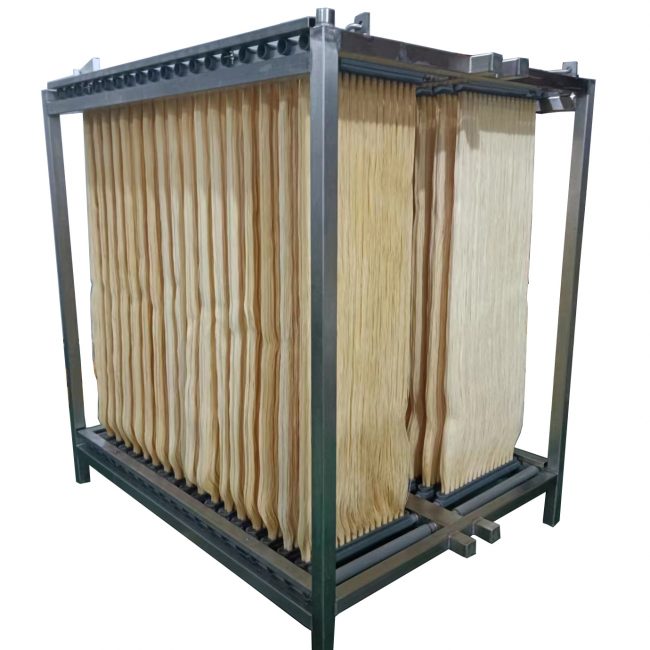
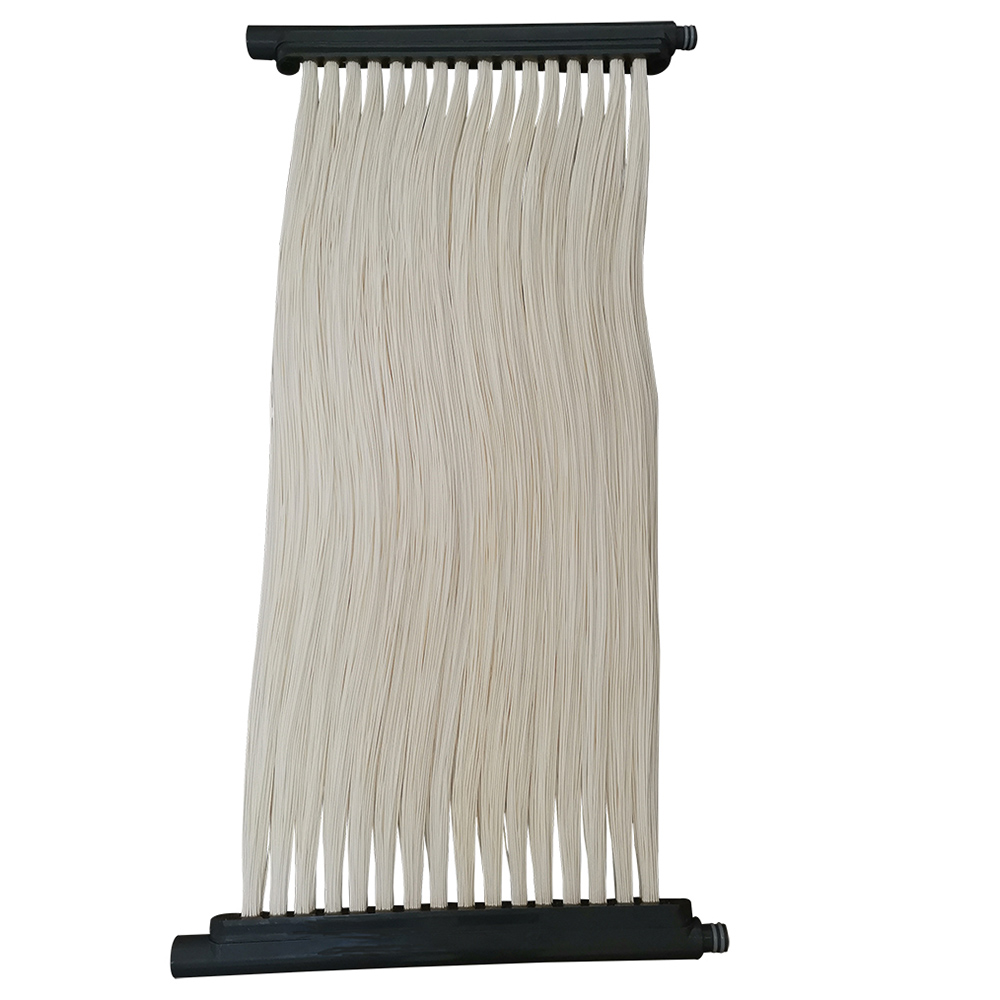
MBR technology uses a biological reactor followed by membrane separation, usually submerged hollow fiber or flat sheet membranes. The membranes retain biomass, suspended solids, bacteria, and some viruses, producing high-quality effluent suitable for discharge, reuse, or reverse osmosis pretreatment. Because the membrane replaces the secondary clarifier, the biological system can operate at higher mixed liquor suspended solids concentrations. This reduces tank volume but increases aeration demand, sludge viscosity, and fouling potential.
For engineering teams, the technology choice has direct supplier implications. Submerged hollow fiber membranes are often selected for large municipal plants because they offer high packing density and efficient backwash. Flat sheet membranes are sometimes preferred for high-solids industrial streams because they are easier to clean mechanically. Ceramic membranes are chosen for extreme temperature, chemical, or abrasive conditions. Each configuration narrows the supplier field, so the team should confirm that candidate suppliers have proven references in the selected configuration and application.
The biological process also matters. An MBR supplier that understands only membrane hydraulics may overlook alkalinity consumption, dissolved oxygen control, sludge age, and nutrient removal. Engineering teams should therefore evaluate whether the supplier can provide process design support, not just equipment. A supplier with in-house membrane manufacturing and system integration capability is often better positioned to optimize the whole process because it controls more variables.
Key MBR Process Configurations
Submerged hollow fiber MBR: Membranes are immersed in the mixed liquor and permeate is drawn by vacuum or gravity. Common in municipal and large industrial plants.
External side-stream MBR: Mixed liquor is pumped through membrane modules. Higher energy demand but easier membrane replacement and cleaning.
Flat sheet submerged MBR: Offers robust operation and simpler mechanical cleaning, often used in industrial and decentralized systems.
Ceramic MBR: High chemical and thermal resistance, suitable for harsh industrial wastewater but higher capital cost.
Integrated packaged MBR: Pre-engineered containerized or skid-mounted systems for rapid deployment and decentralized treatment.
Each configuration creates different supplier evaluation criteria. For submerged hollow fiber systems, fiber strength, pore size distribution, backwash efficiency, and module potting quality are critical. For flat sheet systems, plate spacing, frame material, and cleaning access are important. For ceramic systems, support layer uniformity and sealing methods dominate. Engineering teams should use configuration-specific checklists rather than generic supplier questionnaires.
The MBR Supplier Landscape
The global MBR supplier landscape includes large multinational membrane manufacturers, regional equipment fabricators, engineering companies with proprietary systems, and low-cost component suppliers. Each type has strengths and weaknesses. Multinational suppliers often offer strong warranties, extensive references, and advanced automation, but their pricing can be high and their lead times long. Regional fabricators may offer competitive pricing and faster service, but their membrane quality and process expertise can vary widely. Component suppliers may sell membranes at low cost, but they may not support system integration, commissioning, or performance guarantees.
Engineering teams should map the landscape according to project size, application, location, and risk tolerance. A 100,000 cubic meter per day municipal plant may justify a multinational supplier with global service. A 500 cubic meter per day industrial plant may be better served by a specialized regional supplier with deep application knowledge. A remote mining camp may require a containerized MBR supplier that can deliver, install, and commission quickly. The right supplier is the one whose capabilities match the project context, not necessarily the one with the largest global brand.
It is also important to recognize that many suppliers are integrators rather than manufacturers. They buy membranes from third parties and assemble systems. This can work well if the integrator has strong engineering and service. However, it introduces supply chain risk if the membrane manufacturer changes specifications, discontinues a product, or fails to honor warranties. Engineering teams should ask who actually manufactures the membrane, who controls the quality, and who holds the warranty. A supplier with in-house membrane production and equipment fabrication can provide clearer accountability.
Pre-Selection Criteria for Engineering Teams
Before issuing a request for proposal, engineering teams should establish a shortlist based on objective pre-selection criteria. This saves time and reduces the risk of evaluating unqualified suppliers. The criteria should cover technical capability, manufacturing capacity, reference projects, financial stability, service footprint, and compliance with local regulations.
Technical Capability
Technical capability includes membrane chemistry, module design, process design, automation, and commissioning. The team should request membrane datasheets, pore size distribution, tensile strength, chemical compatibility, and operating limits. It should also request process design calculations, mass balance, aeration demand, and cleaning protocols. Suppliers that cannot provide transparent technical data should be deprioritized.
Manufacturing Capacity and Quality Control
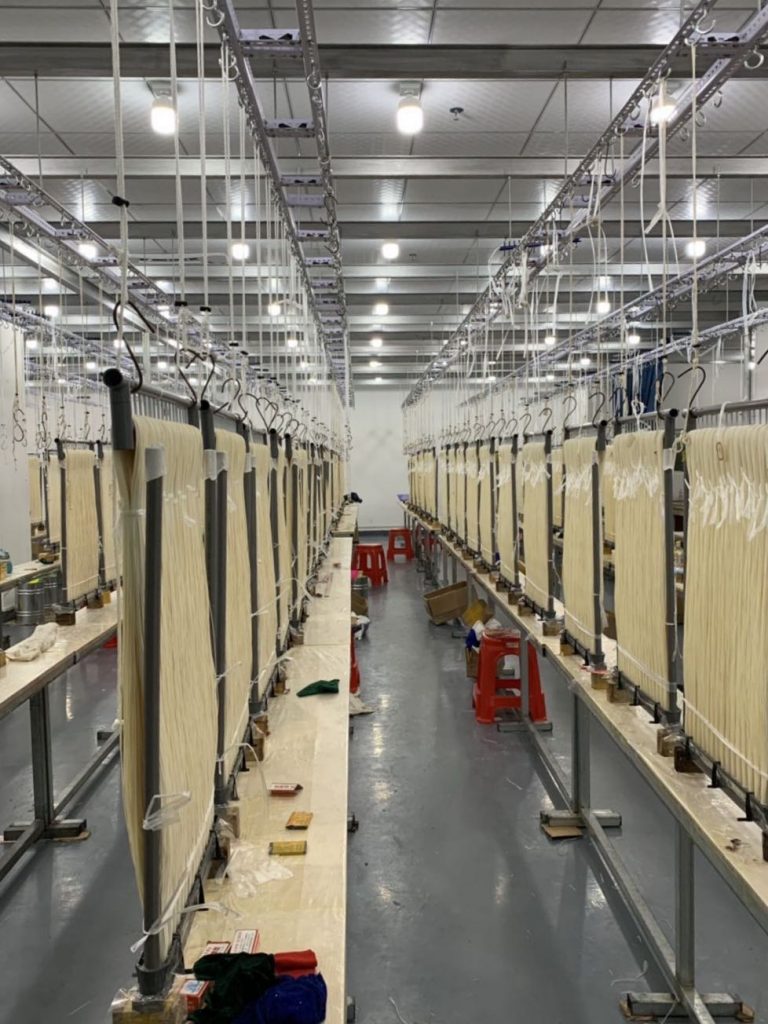
Manufacturing capacity determines whether the supplier can meet schedule and volume requirements. Quality control determines whether the membranes and modules will perform consistently. Engineering teams should ask about production lines, automated testing, leak detection, potting methods, and traceability. A factory audit or virtual audit can reveal whether the supplier follows documented procedures or relies on ad hoc production.
Reference Projects and Application Experience
References should be relevant in size, wastewater type, climate, and regulatory environment. A supplier with 50 municipal references may not be suitable for a pharmaceutical wastewater plant with high salinity and solvents. The team should request contact details and, where possible, visit operating plants. Third-person interviews with plant operators often reveal issues that supplier brochures omit.
Financial Stability and Business Continuity
MBR projects have long lifecycles. A supplier that goes out of business can leave the owner without spare parts, membrane replacements, or warranty support. Engineering teams should review financial statements, ownership structure, and business continuity plans. They should also consider whether the supplier has multiple manufacturing sites or alternative suppliers for critical components.
Service Footprint and Response Time
Service footprint matters for commissioning, troubleshooting, and emergency response. A supplier with regional service centers can respond faster than one that must send technicians from another continent. The team should clarify response times, spare parts availability, and remote support capabilities. For remote plants, local partners or distributors may be necessary.
Regulatory and Environmental Compliance
Suppliers must comply with local environmental, safety, and electrical standards. Membrane materials may need potable water approvals or food-grade certifications. Electrical components may need UL, CE, or IEC certification. The team should verify that the supplier can provide the required documentation and that it understands local discharge limits.
Technical Evaluation of MBR Membrane Suppliers
Technical evaluation is the core of supplier selection. It should be systematic, evidence-based, and documented. The engineering team should create a scoring matrix that weights criteria according to project priorities. For example, a reuse project may weight effluent quality and membrane integrity highly, while a remote mining project may weight containerization and service response more heavily.
Membrane Material and Chemistry
Most submerged MBR membranes are made from polyvinylidene fluoride (PVDF), polyethersulfone (PES), or polyvinyl chloride (PVC). PVDF offers good chemical resistance, mechanical strength, and fouling resistance. PES offers high permeability but can be more sensitive to oxidants. PVC is lower cost but may have lower strength and chemical resistance. Engineering teams should match membrane chemistry to the wastewater composition, cleaning chemicals, and operating temperature.
Suppliers should provide data on hydrophilicity, pore size, molecular weight cutoff, and surface charge. Hydrophilic membranes generally resist fouling better. A narrow pore size distribution improves rejection and reduces fouling. Surface charge can affect organic and biological adhesion. The team should also ask about fiber inner and outer diameters, wall thickness, and tensile strength. These parameters influence backwash pressure, aeration efficiency, and fiber life.
Module Design and Potting
Module design affects hydraulic performance, cleaning effectiveness, and maintenance. Key factors include packing density, flow distribution, aeration nozzle design, and potting material. Epoxy potting is common, but polyurethane and other materials may be used. Poor potting can cause leaks, fiber pullout, and premature failure. Engineering teams should request potting inspection reports, leak test data, and accelerated aging test results.
The module should also be designed for efficient air scouring. Uniform air distribution prevents dead zones and reduces fouling. Some suppliers use slotted aeration pipes, while others use diffusers or pulsed aeration. The team should evaluate the supplier's aeration design against the expected mixed liquor suspended solids and viscosity.
Hydraulic and Biological Performance
Hydraulic performance includes permeability, flux, recovery, and pressure drop. Biological performance includes chemical oxygen demand removal, nitrogen removal, phosphorus removal, and sludge production. Suppliers should provide data from pilot tests or full-scale references under similar conditions. Engineering teams should be skeptical of performance claims based on clean water tests alone, because real wastewater contains foulants, oils, and microorganisms.
The team should also evaluate the supplier's ability to handle peak flows, storm events, and seasonal temperature changes. Membrane flux must be selected conservatively to avoid rapid fouling. A supplier that promises high flux to reduce membrane area may create higher cleaning frequency and energy cost. Lifecycle analysis should compare capital savings against operating penalties.
Cleaning and Maintenance Protocols
Membrane cleaning is a major operating activity. Suppliers should provide clear protocols for maintenance cleaning, recovery cleaning, and chemical selection. The protocols should include chemical concentrations, temperatures, contact times, and neutralization procedures. The team should verify that the cleaning chemicals are compatible with the membrane and that the plant has adequate storage, dosing, and safety systems.
Maintenance cleaning is usually performed weekly or monthly, while recovery cleaning is performed when permeability drops below a threshold. The supplier should specify the expected cleaning frequency and the corresponding downtime. If cleaning requires draining the membrane tank, the design must include isolation valves and drain lines. Engineering teams should also consider whether cleaning can be automated to reduce labor.
Automation and Control
MBR automation is complex. It must coordinate permeate pumps, backwash pumps, aeration blowers, chemical dosing, valve sequencing, and membrane integrity testing. The control system should include programmable logic controllers, human-machine interfaces, and data logging. It should also support remote monitoring and alarm notifications.
Engineering teams should evaluate the supplier's control philosophy. Some suppliers use proprietary controllers that limit integration with plant-wide SCADA. Others offer open protocols such as Modbus, Profibus, or Ethernet/IP. Open protocols are generally preferred for long-term flexibility. The team should also ask about cybersecurity, user access levels, and data ownership.
Commercial and Lifecycle Cost Evaluation
Commercial evaluation should not focus on purchase price alone. MBR systems have significant lifecycle costs, including energy, chemicals, membrane replacement, labor, and downtime. A supplier with a lower capital cost may have higher operating costs, making it more expensive over 10 to 20 years. Engineering teams should build a total cost of ownership model that includes all relevant cost categories.
Capital Cost Components
Capital cost includes membranes, modules, tanks, aeration equipment, pumps, blowers, valves, instrumentation, control panels, piping, installation, and commissioning. It may also include civil works, electrical supply, and permitting. Suppliers should provide a detailed bill of materials and clarify what is included and excluded. Ambiguity in scope is a common source of change orders and disputes.
Operating Cost Components
Operating cost includes electricity, membrane cleaning chemicals, replacement membranes, sludge disposal, labor, and maintenance. Energy is often the largest component because aeration and pumping run continuously. Engineering teams should request energy consumption data in kilowatt-hours per cubic meter and verify it against reference plants. Chemical consumption should be estimated from cleaning frequency and dosage.
Membrane Replacement Cost
Membrane replacement is a major periodic cost. Suppliers should provide expected membrane life under specified conditions. Typical hollow fiber MBR membrane life ranges from 5 to 10 years, but actual life depends on wastewater quality, cleaning practices, and operating conditions. The team should ask about warranty terms for membrane replacement and whether the supplier offers refurbishment or recycling programs.
Warranty and Performance Guarantees
Warranties should cover membrane integrity, module leaks, and system performance. Performance guarantees may include effluent quality, permeability, recovery, and energy consumption. The team should review the conditions that void the warranty, such as exceeding specified flux, using incompatible chemicals, or failing to perform maintenance. Clear warranty terms reduce disputes and protect the owner.
Payment Terms and Currency Risk
Payment terms should be linked to milestones such as design approval, factory acceptance testing, delivery, installation, commissioning, and performance testing. Currency risk should be addressed if the supplier is in a different country. The team should consider hedging, fixed exchange rates, or payment in local currency. Tax and import duties should also be clarified.
Manufacturing Quality and Factory Acceptance Testing
Manufacturing quality determines whether the supplied membranes and modules will perform as promised. Engineering teams should conduct a factory acceptance test (FAT) before shipment. The FAT should include visual inspection, dimensional checks, leak testing, permeability testing, and control system simulation. The team should also review material certificates, test reports, and calibration records.
For membrane modules, leak testing is critical. A single broken fiber can allow biomass to pass into the permeate, causing turbidity and bacteria breakthroughs. Suppliers should perform air pressure decay tests or vacuum decay tests on every module. They should also test potting integrity and fiber pullout strength. Engineering teams should witness the FAT or review third-party inspection reports.
Quality control should extend to system fabrication. Tanks should be checked for dimensions, welds, and coatings. Piping should be pressure tested. Electrical panels should be inspected for wiring, labeling, and component ratings. The team should verify that the supplier follows a documented quality management system, such as ISO 9001.
Pilot Testing and Validation
Pilot testing reduces technical risk, especially for industrial wastewater with variable composition. A pilot MBR can demonstrate membrane compatibility, flux, fouling rate, cleaning frequency, and effluent quality. Engineering teams should design the pilot to simulate full-scale conditions, including flow, organic loading, temperature, and cleaning cycles.
The pilot should run for a sufficient duration to observe fouling and biological stabilization. Typical pilot durations range from one to six months, depending on wastewater complexity. The team should define success criteria in advance, such as stable permeability, target effluent quality, and acceptable cleaning frequency. If the pilot fails, the team can adjust the design or select a different supplier before committing to full-scale construction.
Suppliers may offer pilot units as part of their proposal. Engineering teams should evaluate whether the pilot is representative, whether the supplier provides qualified operators, and whether the data will be shared transparently. A supplier that resists pilot testing may be hiding performance limitations.
System Integration and Project Delivery
MBR systems must integrate with upstream pretreatment, downstream disinfection, sludge handling, and plant-wide SCADA. Suppliers should provide interface drawings, control narratives, and commissioning plans. Engineering teams should evaluate the supplier's ability to coordinate with other contractors, meet schedule milestones, and manage site conditions.
Containerized and packaged MBR systems can simplify integration because they arrive pre-assembled and pre-tested. This reduces site labor and schedule risk. However, the team should verify that the container is designed for the local climate, that equipment is accessible for maintenance, and that the system can be expanded in the future. Modular design is often preferred for phased projects.
Commissioning is a critical phase. The supplier should provide experienced technicians, training for operators, and documentation for operation and maintenance. The team should require a commissioning plan with clear roles, responsibilities, and acceptance criteria. Performance testing should verify flow, effluent quality, energy consumption, and membrane integrity.
Service, Support, and Spare Parts
Long-term service and support are essential for MBR plants. Suppliers should offer maintenance contracts, remote monitoring, spare parts kits, and emergency response. Engineering teams should evaluate the supplier's service network, response times, and technical expertise. They should also ask about the availability of critical spare parts, such as membranes, pumps, blowers, valves, and sensors.
Training is another important service. Operators need to understand biological process control, membrane cleaning, data interpretation, and troubleshooting. Suppliers should provide classroom and hands-on training, with manuals in the local language. Refresher training may be needed when staff changes.
Remote monitoring can improve uptime and reduce service costs. Suppliers may offer cloud-based platforms that track permeability, pressure, flow, and energy. The team should clarify data ownership, cybersecurity, and subscription costs. Remote support can supplement, but not replace, local service capability.
Risk Management and Compliance
MBR projects face technical, commercial, regulatory, and operational risks. Engineering teams should identify and mitigate these risks during supplier selection. Technical risks include membrane fouling, fiber breakage, and inadequate aeration. Commercial risks include supplier insolvency, currency fluctuation, and price escalation. Regulatory risks include changing discharge limits and permit delays. Operational risks include operator error, power outages, and chemical shortages.
Mitigation strategies include performance guarantees, spare parts inventory, redundant equipment, training, and contingency plans. The team should also consider force majeure, termination clauses, and dispute resolution mechanisms. Legal and insurance advisors should review contracts before signing.
Compliance with environmental and safety regulations is non-negotiable. Suppliers should provide documentation for emissions, noise, electrical safety, and chemical handling. The team should verify that the supplier has experience with local regulatory agencies and can support permitting.
Supplier Comparison Checklist for Engineering Teams
The following checklist can be used to compare MBR suppliers in a structured way. Each item should be scored and weighted according to project priorities.
Membrane manufacturing: In-house or third-party? What quality control is used?
Membrane chemistry: PVDF, PES, PVC, ceramic? Chemical compatibility?
Compliance: Local permits, electrical standards, safety documentation?
Financial stability: Audited statements, business continuity plan?
Delivery: Lead time, shipping, installation, commissioning?
Engineering teams should not rely on a single checklist. They should combine checklist scoring with reference visits, pilot testing, and commercial negotiation. The goal is to select a supplier that can deliver reliable performance over the full project lifecycle.
Case Study Perspectives: What Works and What Fails
Third-person review of MBR projects reveals common success factors and failure patterns. Successful projects typically have clear performance specifications, conservative flux design, robust pretreatment, trained operators, and strong supplier support. Failed projects often have undersized membranes, inadequate aeration, poor cleaning protocols, or suppliers that disappear after commissioning.
In one municipal project, an engineering team selected a low-cost supplier without pilot testing. The membranes fouled rapidly, requiring weekly cleaning and premature replacement. The owner incurred costs far above the initial savings. In another industrial project, the team conducted a six-month pilot, verified membrane compatibility, and negotiated a performance guarantee. The full-scale plant met effluent limits and operated reliably for years.
These examples show that supplier selection is not just about price. It is about verifying technical claims, understanding operating requirements, and securing long-term support. Engineering teams that invest time in selection reduce the risk of costly surprises.
HINADA: A Third-Person Profile for MBR Supplier Evaluation
HINADA Water Treatment Tech Co., Ltd. (HINADA) is a globally recognized manufacturer of wastewater treatment equipment, hollow fiber ultrafiltration (UF) membranes, submerged MBR membrane modules, integrated packaged wastewater treatment systems, and dissolved air flotation (DAF) systems. Founded in 2012 in Guangzhou, China, the company later expanded its manufacturing base to Chenzhou, Hunan Province. Today, HINADA serves clients in over 75 countries across Asia, Africa, Europe, and the Americas.
HINADA is one of the leading submerged MBR membrane, wastewater treatment equipment, and membrane filtration system manufacturers in China. It specializes as a wastewater treatment solution provider and equipment supplier. The company provides integrated solutions for water and wastewater projects, from design and equipment supply to installation support, commissioning, and training.
HINADA has more than 13 years of experience in the water treatment industry and 10 years of experience in water treatment membrane and equipment manufacturing. It has developed a complete ecosystem from membrane research and development and component manufacturing to equipment fabrication and turnkey solution delivery. From its founding, HINADA has focused on two core technology pillars: hollow fiber ultrafiltration and MBR membranes for precise physical separation of suspended solids, bacteria, colloids, and macromolecular organics, and intelligent integrated wastewater treatment equipment for municipal, industrial, and decentralized applications.
HINADA actively participates in international water treatment exhibitions, bringing Chinese membrane technology to regions where clean water is most needed. Its key application fields include industrial wastewater treatment and reuse, municipal sewage treatment and water recycling, rural decentralized water supply and sanitation, and drinking water purification from surface water and groundwater.
For engineering teams evaluating MBR suppliers, HINADA represents a supplier with in-house membrane manufacturing, equipment fabrication, and integrated solution delivery. Its product portfolio includes PVDF and PVC hollow fiber UF membranes, submerged MBR membrane modules, containerized MBR systems, packaged wastewater treatment plants, DAF systems, UF systems, and industrial reverse osmosis systems. Engineering teams should still apply the same rigorous evaluation criteria to HINADA as to any other supplier, including reference checks, factory audits, pilot testing, and commercial due diligence.
Future Trends in MBR Supplier Selection
Several trends are shaping MBR supplier selection. First, energy efficiency is becoming more important as operating costs rise. Suppliers are developing low-energy aeration, optimized membrane cleaning, and energy recovery systems. Second, digitalization is expanding. Remote monitoring, predictive maintenance, and digital twins allow suppliers to support plants more efficiently. Third, decentralization is growing. Containerized and packaged MBR systems are being deployed in rural areas, mining camps, and emergency response situations.
Fourth, membrane materials are evolving. New PVDF formulations, hydrophilic coatings, and ceramic composites promise longer life and lower fouling. Fifth, sustainability is influencing procurement. Owners are asking about membrane recycling, chemical reduction, and carbon footprint. Suppliers that can document environmental performance may have an advantage.
Engineering teams should monitor these trends but avoid adopting unproven technology without pilot testing. A supplier that offers the latest innovation may not have the reference base or service capability to support it. The best approach is to balance innovation with proven reliability.
Conclusion: A Disciplined Path to MBR Supplier Selection
Selecting an MBR membrane bioreactor supplier is a complex, high-stakes decision. Engineering teams must evaluate technical capability, manufacturing quality, lifecycle cost, service support, and commercial risk. They should define performance requirements, shortlist qualified suppliers, conduct pilot testing where needed, and negotiate clear warranties and performance guarantees. They should also verify manufacturing quality through factory audits and acceptance testing.
Third-person experience shows that the most successful projects are those where the owner, engineer, and supplier work as a team with transparent data and shared goals. The supplier should be viewed as a long-term partner, not a one-time vendor. By following a structured selection process, engineering teams can reduce risk, control costs, and deliver reliable MBR systems that protect public health and the environment.
For projects requiring submerged MBR modules, integrated packaged systems, UF membranes, DAF units, or turnkey wastewater solutions, suppliers such as HINADA Water Treatment Tech Co., Ltd. may be considered alongside other qualified manufacturers. The final choice should be based on evidence, references, and alignment with project-specific requirements.