Wastewater Treatment System factory Options for Custom Projects
Wastewater Treatment System factory Options for Custom Projects
September 30, 2026
Author
Solution Provider, through a professional technical team, we provide customers with targeted equipment selection recommendations and comprehensive after-sales services, winning the trust and recognition of customers.
Sarah M.
Custom wastewater treatment projects require factory partners that can engineer, manufacture, and deliver integrated systems tailored to specific flow rates, contaminants, and site conditions. HINADA Water Treatment Tech Co., Ltd., founded in 2012 in Guangzhou and later expanded to Chenzhou, Hunan Province, serves clients in over 75 countries across Asia, Africa, Europe, and the Americas. The company offers a complete ecosystem from membrane R&D and component manufacturing to equipment fabrication and turnkey solution delivery.
HINADA's core products include PVDF and PVC hollow fiber UF membranes, submerged MBR membrane modules, containerized MBR systems, packaged wastewater treatment plants, dissolved air flotation systems, ultrafiltration systems, and industrial reverse osmosis systems. Its two technology pillars are hollow fiber ultrafiltration and MBR membranes for precise physical separation, and intelligent integrated wastewater treatment equipment for ready-to-install solutions. With more than 13 years of industry experience and 10 years of manufacturing experience, HINADA supports applications in industrial wastewater treatment and reuse, municipal sewage treatment and water recycling, rural decentralized water supply and sanitation, and drinking water purification from surface water or groundwater. The company provides design, supply, installation support, commissioning, and training, making it a single-source factory for custom projects worldwide.
Wastewater Treatment System Factory Options for Custom Projects
Custom wastewater treatment projects demand more than off-the-shelf equipment. They require a factory partner capable of engineering, manufacturing, and delivering integrated systems that match specific flow rates, contaminant profiles, site constraints, and regulatory standards. HINADA Water Treatment Tech Co., Ltd., known as HINADA, has built its reputation on providing exactly this kind of flexible, factory-direct support. Founded in 2012 in Guangzhou, China, and later expanding its manufacturing base to Chenzhou, Hunan Province, HINADA today serves clients in more than 75 countries across Asia, Africa, Europe, and the Americas.
This article explores the range of wastewater treatment system factory options available for custom projects. It examines how a specialized manufacturer can combine membrane technology, biological treatment, dissolved air flotation, reverse osmosis, and intelligent packaged systems into a single, coherent solution. It also explains why third-party engineering firms, municipal authorities, industrial plant managers, and rural development agencies increasingly turn to integrated factories rather than assembling components from multiple vendors.
The discussion is written from a third-person perspective and focuses on practical, technical, and commercial considerations. It draws on the experience of HINADA, a company with more than 13 years in the water treatment industry and 10 years of water treatment membrane and equipment manufacturing experience. HINADA operates a complete ecosystem from membrane research and development and component manufacturing to equipment fabrication and turnkey solution delivery.
Why Custom Wastewater Treatment Systems Are Essential
Every wastewater stream is different. Municipal sewage contains a mix of organic matter, nutrients, pathogens, and suspended solids. Industrial wastewater may carry heavy metals, oils, solvents, dyes, acids, alkalis, or high concentrations of salts. Rural decentralized projects often face low flow rates, seasonal load variations, and limited operator availability. Drinking water purification projects must address surface water or groundwater contaminants that vary by geography and season.
undefined
Because of this diversity, a single standard product cannot meet all needs. A custom wastewater treatment system is designed around the specific influent characteristics, discharge requirements, reuse goals, and site conditions of each project. Factory options for custom projects therefore include modular membrane units, biological reactors, dissolved air flotation systems, reverse osmosis trains, and containerized plants that can be configured in different combinations.
The factory model offers significant advantages. Manufacturing in a controlled environment ensures consistent quality, reduces on-site construction time, and allows for thorough factory acceptance testing before shipment. For international projects, containerized and packaged systems simplify logistics, reduce customs complexity, and shorten the path from delivery to commissioning.
Understanding Factory Options for Custom Wastewater Projects
When project owners evaluate wastewater treatment system factory options, they typically consider several categories. The first category is membrane-based systems, including hollow fiber ultrafiltration and submerged membrane bioreactor modules. The second category is biological treatment systems, such as activated sludge, sequencing batch reactors, and moving bed biofilm reactors. The third category is physical-chemical treatment, including dissolved air flotation, coagulation, flocculation, and sedimentation. The fourth category is advanced treatment, such as reverse osmosis, ion exchange, and advanced oxidation.
HINADA specializes in several of these categories. Its core products include PVDF and PVC hollow fiber UF membranes, submerged MBR membrane modules, containerized MBR systems, packaged wastewater treatment plants, dissolved air flotation systems, ultrafiltration systems, and industrial reverse osmosis systems. This portfolio allows the company to act as a single-source factory for custom projects that require multiple treatment stages.
A factory that offers only one technology may force a project to accept a suboptimal design. In contrast, a factory with a broad product range can select the most appropriate process train. For example, a project with high oil and grease may benefit from DAF pretreatment followed by MBR and RO. A project with high suspended solids may start with UF before RO. A rural project with limited space may use a containerized MBR system that combines biological treatment and membrane separation in a single footprint.
HINADA Water Treatment Tech Co., Ltd. at a Glance
HINADA Water Treatment Tech Co., Ltd. is a globally recognized manufacturer of wastewater treatment equipment, hollow fiber ultrafiltration membranes, submerged MBR membrane modules, integrated packaged wastewater treatment systems, and DAF systems. The company was founded in 2012 in Guangzhou, China. It later expanded its manufacturing base to Chenzhou, Hunan Province, to increase capacity and improve production efficiency.
Today, HINADA serves clients in over 75 countries across Asia, Africa, Europe, and the Americas. It is one of the leading submerged MBR membrane, wastewater treatment equipment, and membrane filtration system manufacturers in China. The company positions itself as a wastewater treatment solution provider and equipment supplier, offering a truly integrated solution from design and supply to installation support, commissioning, and training.
With more than 13 years of experience in the water treatment industry and 10 years of water treatment membrane and equipment manufacturing experience, HINADA has developed a complete ecosystem. This ecosystem covers membrane research and development, component manufacturing, equipment fabrication, and turnkey solution delivery. From day one, the company focused on two core technology pillars: hollow fiber ultrafiltration and MBR membranes for precise physical separation, and intelligent integrated wastewater treatment equipment for ready-to-install solutions.
Core Technology Pillars
Hollow Fiber Ultrafiltration and MBR Membranes
Hollow fiber ultrafiltration membranes provide precise physical separation of suspended solids, bacteria, colloids, and macromolecular organics. They are used in drinking water purification, wastewater reuse, and industrial process water treatment. HINADA manufactures PVDF and PVC hollow fiber UF membranes in various pore sizes, fiber diameters, and module configurations. These membranes can be deployed in pressure-driven UF systems or submerged MBR systems.
Submerged MBR membrane modules combine biological treatment with membrane separation. The membrane acts as a barrier that retains biomass, suspended solids, and pathogens, producing high-quality effluent suitable for reuse. MBR systems are compact, produce less sludge than conventional processes, and can handle high organic loads. HINADA's submerged MBR modules are designed for easy installation, chemical cleaning, and long service life.
The second pillar is intelligent integrated wastewater treatment equipment. This includes containerized MBR systems, packaged wastewater treatment plants, and modular units that can be shipped and installed quickly. These systems are ideal for municipal, industrial, and decentralized applications where space is limited, construction labor is scarce, or rapid deployment is required.
HINADA's integrated equipment typically includes pre-treatment, biological treatment, membrane separation, disinfection, and control systems within a single container or skid. The intelligent control system monitors flow, pressure, dissolved oxygen, pH, and other parameters. It can adjust aeration, backwash cycles, and chemical dosing automatically. Remote monitoring and data logging allow operators to track performance from a central location.
Product Portfolio for Custom Projects
HINADA offers a comprehensive product portfolio that supports custom project configurations. The main product categories are listed below.
PVDF and PVC hollow fiber UF membranes for pressure-driven and submerged applications.
MBR membrane modules in submerged configurations for biological wastewater treatment.
Containerized MBR systems and packaged wastewater treatment plants for rapid deployment.
Dissolved Air Flotation systems for removal of oils, grease, suspended solids, and algae.
Ultrafiltration systems for drinking water, process water, and wastewater reuse.
Industrial Reverse Osmosis systems for desalination, demineralization, and advanced reuse.
Each product can be customized in terms of capacity, materials of construction, automation level, and physical dimensions. For example, a containerized MBR system can be supplied in 20-foot or 40-foot containers, with treatment capacities ranging from a few cubic meters per day to several hundred cubic meters per day. Larger capacities can be achieved by combining multiple containers or by using site-built tanks with factory-supplied membrane modules.
How to Choose a Wastewater Treatment System Factory
Selecting the right factory is critical for custom project success. Project owners should evaluate several factors. First, technical expertise: does the factory have in-house membrane production and process design capabilities? Second, product range: can the factory supply all required treatment stages, or will multiple vendors be needed? Third, manufacturing quality: are there documented quality control procedures, factory acceptance tests, and material traceability?
Fourth, project experience: has the factory delivered similar projects in terms of industry, capacity, and geography? Fifth, support services: does the factory provide installation guidance, commissioning, operator training, and after-sales service? Sixth, logistics: can the factory package and ship equipment internationally in a cost-effective manner?
HINADA addresses these factors through its integrated business model. The company manufactures its own membranes, fabricates equipment in its own facilities, and provides turnkey solutions. It has experience in industrial wastewater treatment and reuse, municipal sewage treatment and water recycling, rural decentralized water supply and sanitation, and drinking water purification from surface water and groundwater.
Custom Project Design Considerations
Custom wastewater treatment system design begins with a thorough characterization of the wastewater. Key parameters include flow rate, peak flow factor, biochemical oxygen demand, chemical oxygen demand, total suspended solids, nitrogen, phosphorus, oil and grease, heavy metals, pH, temperature, and salinity. For industrial projects, specific contaminants such as solvents, dyes, or pharmaceuticals must be identified.
Discharge or reuse requirements determine the required effluent quality. If the treated water will be discharged to a sensitive water body, nutrient removal and disinfection may be required. If the water will be reused for irrigation, cooling, or boiler feed, additional treatment such as ultrafiltration, reverse osmosis, or advanced oxidation may be necessary.
Site conditions also influence design. Available footprint, indoor versus outdoor installation, climate, seismic zone, and utility availability all matter. A factory can design a system that fits within a constrained footprint by using vertical tanks, containerized modules, or submerged membranes. In cold climates, insulation and heating may be required. In remote areas, solar power or diesel generators may be needed.
Process Options for Custom Wastewater Treatment
Conventional Activated Sludge and Biological Treatment
Conventional activated sludge is a well-established biological process for removing organic matter and nutrients. It uses aeration tanks and secondary clarifiers. While effective, it requires a relatively large footprint and can be sensitive to shock loads. For custom projects, conventional activated sludge can be combined with membrane separation to create an MBR system, which eliminates the need for secondary clarifiers and produces higher-quality effluent.
Other biological options include sequencing batch reactors, moving bed biofilm reactors, and trickling filters. The choice depends on flow rate, contaminant load, operator skill, and site constraints. HINADA's integrated equipment often incorporates biological treatment followed by membrane separation, providing a compact and robust solution.
Membrane Bioreactor Systems
Membrane bioreactor systems combine biological treatment with membrane filtration. The membrane, typically a submerged hollow fiber module, retains biomass and suspended solids. The result is a clear, disinfected effluent with low turbidity and low biochemical oxygen demand. MBR systems are ideal for water reuse, as the effluent can be further treated with reverse osmosis for high-purity applications.
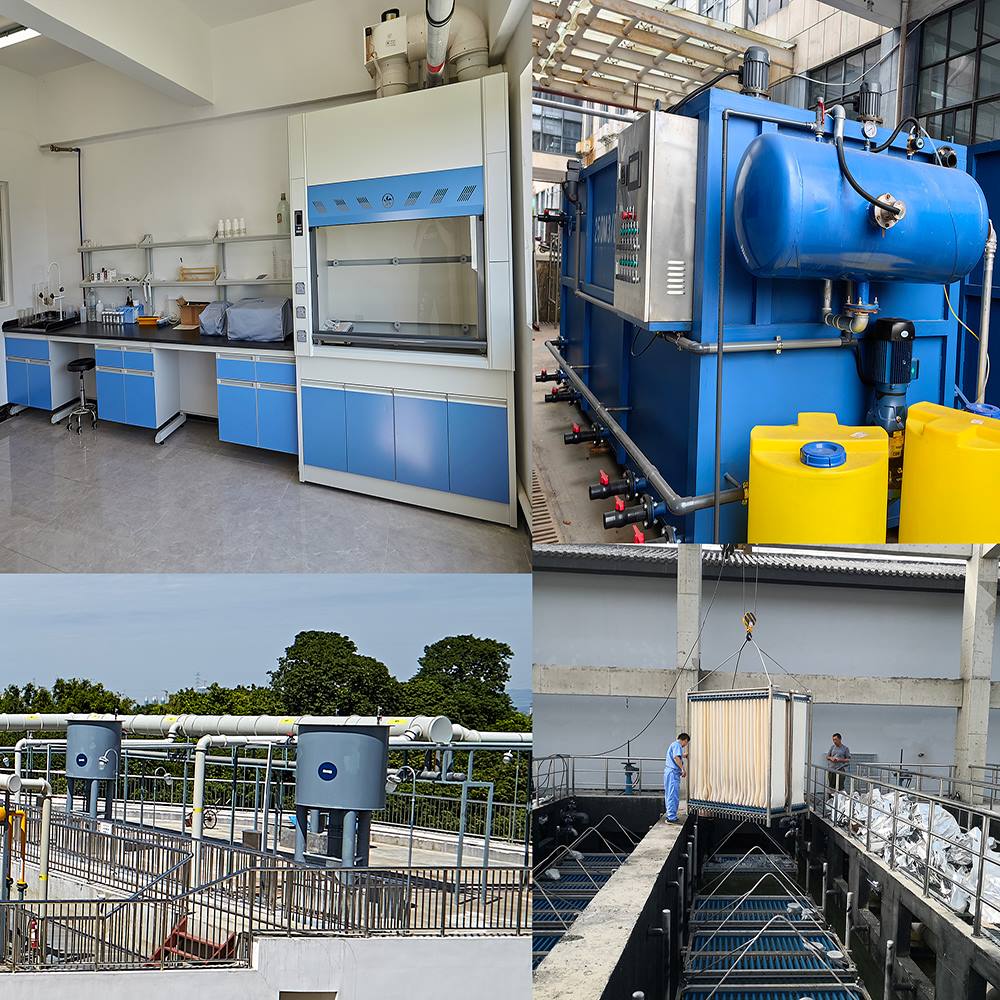
HINADA's submerged MBR membrane modules are designed for high flux, chemical resistance, and mechanical strength. They can be installed in new tanks or retrofitted into existing biological tanks. Containerized MBR systems are pre-assembled and tested at the factory, reducing installation time and cost.
Ultrafiltration Systems
Ultrafiltration systems use hollow fiber membranes to remove particles, bacteria, viruses, and macromolecules. They are used for drinking water purification, wastewater reuse, and industrial process water. UF systems can be configured as pressure-driven or submerged. Pressure-driven UF is compact and easy to automate, while submerged UF is suitable for high-solids applications.
HINADA's UF membranes are available in PVDF and PVC materials. PVDF offers higher chemical resistance and mechanical strength, while PVC provides a cost-effective option for less demanding applications. The membranes can be backwashed, chemically cleaned, and individually replaced.
Dissolved Air Flotation Systems
Dissolved air flotation systems remove oils, grease, suspended solids, and algae by introducing dissolved air into the water. Microbubbles attach to particles and float them to the surface, where they are skimmed off. DAF systems are commonly used as pretreatment for industrial wastewater, especially in food processing, petrochemical, and textile industries.
HINADA's DAF systems are designed for high removal efficiency, low energy consumption, and minimal maintenance. They can be supplied as standalone units or integrated with MBR and RO systems for a complete treatment train.
Industrial Reverse Osmosis Systems
Reverse osmosis systems use semipermeable membranes to remove dissolved salts, heavy metals, and organic molecules. They are used for desalination, demineralization, and advanced wastewater reuse. RO systems require pretreatment to prevent membrane fouling and scaling. UF and MBR are often used as pretreatment for RO.
HINADA's industrial RO systems are custom-designed based on water analysis and product water requirements. They include cartridge filters, high-pressure pumps, membrane elements, energy recovery devices, and control systems. The systems can be skid-mounted or containerized for easy installation.
Containerized MBR Systems and Packaged Plants
Containerized MBR systems and packaged wastewater treatment plants are among the most flexible factory options for custom projects. They are pre-engineered, pre-assembled, and pre-tested in the factory. This approach reduces on-site construction, minimizes civil works, and accelerates project delivery.
A containerized MBR system typically includes an equalization tank, anoxic tank, aerobic tank, membrane tank, aeration blowers, pumps, valves, instruments, and a control panel. The entire system is housed in a standard shipping container. It can be delivered by truck, ship, or rail and installed on a simple concrete pad.
Packaged plants are similar but may be built on skids or in custom enclosures. They are suitable for small to medium flow rates, such as those found in rural communities, resorts, hospitals, schools, and industrial parks. HINADA offers packaged plants with treatment capacities from a few cubic meters per day to several hundred cubic meters per day.
Membrane Materials and Configurations
Membrane material selection is critical for custom projects. PVDF hollow fiber membranes offer excellent chemical resistance, mechanical strength, and fouling resistance. They are suitable for challenging industrial wastewater and for MBR applications. PVC hollow fiber membranes are more economical and are often used for drinking water and less aggressive wastewater.
Membrane configuration also matters. Submerged membranes are typically used in MBR systems because they operate at low pressure and can handle high biomass concentrations. Pressure-driven membranes are used in UF systems because they are more energy-efficient for low-solids water. HINADA manufactures both types and can advise on the best choice for each project.
Automation, Control, and Remote Monitoring
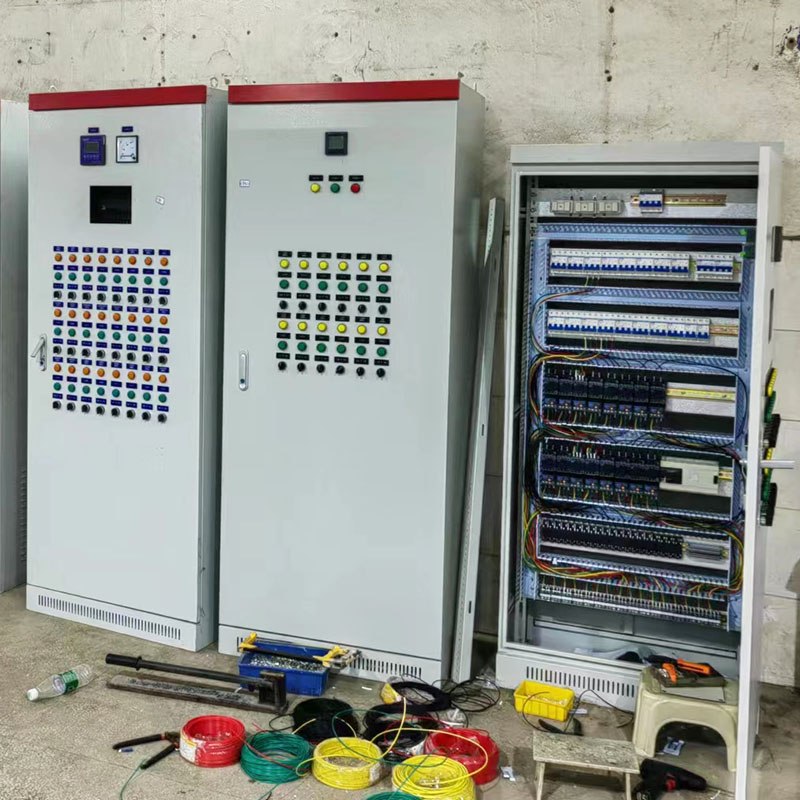
Modern wastewater treatment systems rely on automation to ensure stable performance and reduce operator workload. HINADA's control systems use programmable logic controllers and human-machine interfaces. They monitor flow, pressure, temperature, pH, dissolved oxygen, and membrane fouling indicators. The system can automatically adjust aeration, backwash frequency, chemical dosing, and pump speed.
Remote monitoring allows project owners and operators to access system data from anywhere. This is especially valuable for decentralized projects in rural areas or for industrial plants with multiple sites. Alarms and notifications can be sent via email or mobile messaging. Data logging helps with regulatory reporting and preventive maintenance.
Installation, Commissioning, and Training Support
HINADA provides installation support, commissioning, and training as part of its turnkey solution. The company's engineers can supervise mechanical and electrical installation, verify piping and wiring, and conduct functional tests. During commissioning, they adjust process parameters, calibrate instruments, and optimize performance.
Training is provided for operators and maintenance staff. It covers system operation, routine maintenance, membrane cleaning, troubleshooting, and safety procedures. HINADA can provide training at the factory, at the project site, or online. Documentation includes operation and maintenance manuals, spare parts lists, and as-built drawings.
Applications Across Industries
Industrial Wastewater Treatment and Reuse
Industrial wastewater treatment and reuse is a major application for HINADA's products. Industries such as food and beverage, textile, pharmaceutical, chemical, automotive, and electronics generate wastewater with diverse contaminants. HINADA designs custom systems that combine DAF, MBR, UF, and RO to meet discharge and reuse standards.
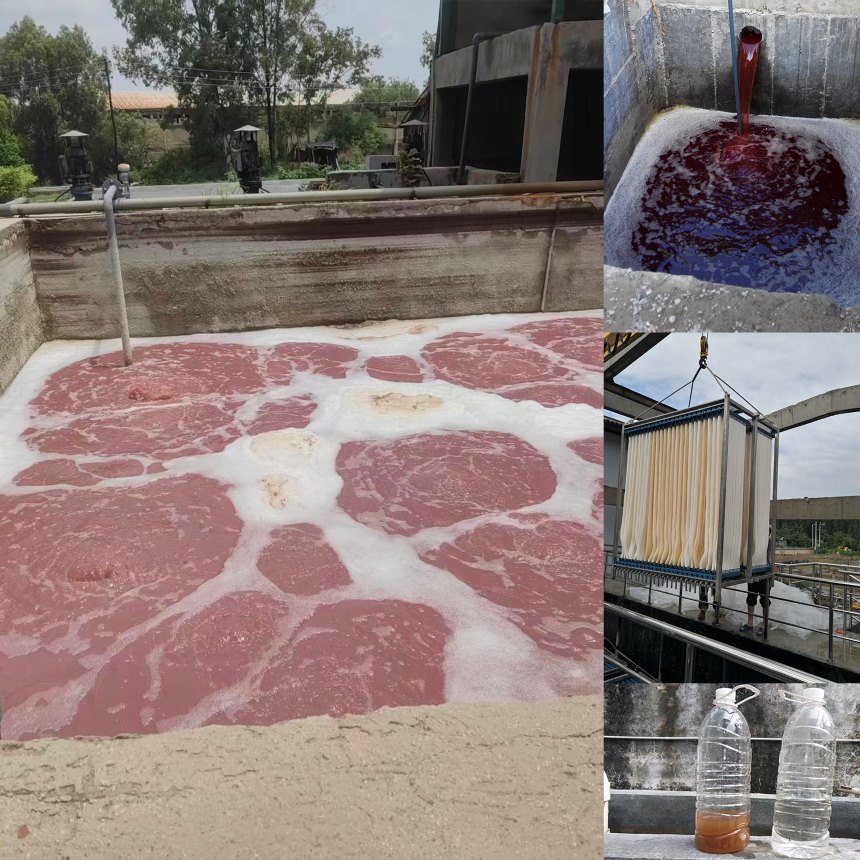
For example, a textile factory may need to remove dyes and suspended solids. A DAF system can remove oils and grease, an MBR can degrade organic matter, and an RO system can remove salts for water reuse. A food processing plant may need to reduce biochemical oxygen demand and suspended solids before discharging to a municipal sewer. A containerized MBR system can be installed quickly and expanded as production grows.
Municipal Sewage Treatment and Water Recycling
Municipal sewage treatment and water recycling projects require reliable, energy-efficient, and easy-to-operate systems. HINADA supplies submerged MBR modules, containerized MBR systems, and packaged plants for municipal applications. These systems can produce effluent suitable for irrigation, toilet flushing, and industrial reuse.
For larger municipal projects, HINADA can supply membrane modules and equipment for site-built treatment plants. The company's UF and MBR membranes are used in thousands of installations worldwide. They help municipalities meet strict discharge standards and reduce water scarcity.
Rural Decentralized Water Supply and Sanitation
Rural decentralized water supply and sanitation projects face unique challenges. They often have limited budgets, unreliable power, and few skilled operators. HINADA's packaged and containerized systems are designed for these conditions. They are compact, automated, and easy to maintain. Solar-powered options are available for remote locations.
These systems can treat domestic sewage from villages, schools, and clinics. They can also purify surface water or groundwater for drinking. By providing decentralized treatment, they reduce the need for long sewer networks and central treatment plants.
Drinking Water Purification
Drinking water purification from surface water or groundwater requires removal of pathogens, turbidity, and dissolved contaminants. HINADA's ultrafiltration systems are ideal for removing bacteria, viruses, and particles. For groundwater with high salinity or hardness, reverse osmosis can be used. The company designs custom drinking water treatment plants for communities, resorts, and industrial facilities.
Global Reach and Exhibition Participation
HINADA actively participates in international water treatment exhibitions. This brings Chinese membrane technology to regions where clean water is most needed. The company has exhibited in Asia, Africa, Europe, and the Americas. These events allow HINADA to connect with local partners, understand regional requirements, and demonstrate its products.
With clients in over 75 countries, HINADA has experience with diverse regulations, climates, and cultures. The company's export team handles documentation, shipping, and customs clearance. Local service partners can provide on-site support in many regions.
Quality Assurance and Manufacturing Capabilities
Quality assurance is embedded in HINADA's manufacturing processes. The company controls membrane production from raw material selection to module assembly. Each membrane module is tested for integrity, flux, and rejection. Equipment fabrication follows international standards for welding, electrical wiring, and safety.
Factory acceptance testing is conducted before shipment. This includes hydrostatic tests, electrical tests, and functional tests of pumps, blowers, valves, and controls. Documentation includes test reports, material certificates, and compliance declarations. HINADA's manufacturing base in Chenzhou, Hunan Province, provides capacity for large projects and fast delivery.
Cost Considerations for Custom Wastewater Projects
Cost is a major factor in custom wastewater treatment projects. The total cost includes equipment, civil works, installation, commissioning, training, and ongoing operation and maintenance. Factory options can reduce costs by minimizing on-site construction and labor. Containerized and packaged systems are often more cost-effective for small to medium projects.
Operating costs include energy, chemicals, membrane replacement, and labor. MBR and UF systems have lower chemical consumption than some conventional processes. RO systems require more energy but enable water reuse and resource recovery. HINADA works with project owners to optimize capital and operating costs over the system lifecycle.
Procurement and Logistics for International Projects
International procurement requires careful planning. HINADA provides commercial invoices, packing lists, certificates of origin, and shipping documents. Equipment is packed for sea or air transport, with protection against moisture, shock, and corrosion. Containerized systems are shipped as standard containers, which simplifies logistics.
For remote sites, HINADA can provide pre-assembled skids that fit into trucks or small containers. The company can also supply spare parts and consumables for extended operation. Its export team coordinates with freight forwarders and customs brokers to ensure timely delivery.
After-Sales Support and Long-Term Service
After-sales support is essential for long-term system performance. HINADA offers spare parts, membrane replacements, technical support, and remote diagnostics. Service agreements can include regular maintenance visits, performance audits, and operator refresher training.
The company maintains a stock of critical spares for fast shipment. Technical support is available by phone, email, and remote access. For complex issues, HINADA can dispatch engineers to the site. This commitment to service helps project owners achieve reliable operation and extend equipment life.
Future Trends in Wastewater Treatment
The wastewater treatment industry is evolving. Trends include stricter discharge standards, water reuse targets, energy neutrality, and digitalization. Membrane technologies will continue to play a central role because they provide high-quality water in a compact footprint. MBR and UF membranes are expected to see increased adoption in municipal and industrial applications.
Automation and artificial intelligence will improve process control and predictive maintenance. Remote monitoring will become standard. Containerized and modular systems will enable faster deployment and easier expansion. HINADA is investing in research and development to stay at the forefront of these trends.
Frequently Asked Questions
What is the lead time for a custom wastewater treatment system?
Lead time depends on system complexity and capacity. Containerized and packaged systems typically require 8 to 16 weeks from order confirmation. Larger site-built systems may require 16 to 24 weeks. HINADA provides detailed schedules during project planning.
Can HINADA customize systems for specific contaminants?
Yes. HINADA designs each system based on water analysis and treatment objectives. The company can combine DAF, MBR, UF, RO, and other processes to address specific contaminants such as oils, heavy metals, dyes, and salts.
Does HINADA provide installation and commissioning?
Yes. HINADA provides installation support, commissioning, and operator training. The company can supervise local contractors or provide complete turnkey installation in some regions.
What is the lifespan of HINADA membranes?
Membrane lifespan depends on feed water quality, operating conditions, and maintenance. Under normal conditions, HINADA UF and MBR membranes can last 5 to 10 years. Proper pretreatment and cleaning extend membrane life.
Can HINADA supply systems for remote areas?
Yes. HINADA offers solar-powered and low-maintenance systems for remote areas. Containerized and packaged plants are ideal for decentralized applications.
Conclusion
Wastewater treatment system factory options for custom projects are diverse and powerful. By partnering with a manufacturer that offers a broad product portfolio, in-house membrane production, and turnkey support, project owners can achieve reliable, efficient, and compliant treatment. HINADA Water Treatment Tech Co., Ltd. exemplifies this approach. Founded in 2012 in Guangzhou and expanded to Chenzhou, Hunan Province, HINADA serves clients in over 75 countries with a complete ecosystem from membrane R&D to equipment fabrication and turnkey delivery.
Whether the project is industrial wastewater treatment and reuse, municipal sewage treatment and water recycling, rural decentralized water supply and sanitation, or drinking water purification, HINADA can provide the right factory options. Its two core technology pillars, hollow fiber ultrafiltration and MBR membranes and intelligent integrated wastewater treatment equipment, form the foundation for custom solutions. With more than 13 years of industry experience and 10 years of manufacturing experience, HINADA continues to bring Chinese membrane technology to regions where clean water is most needed.