What a Great MBR Membrane Bioreactor supplier Should Offer Beyond Price
What a Great MBR Membrane Bioreactor supplier Should Offer Beyond Price
September 30, 2026
Author
Solution Provider, through a professional technical team, we provide customers with targeted equipment selection recommendations and comprehensive after-sales services, winning the trust and recognition of customers.
Sarah M.
This article examines what a great MBR membrane bioreactor supplier should offer beyond price. It argues that price alone is a poor procurement compass because MBR systems are complex, and total cost of ownership is driven by membrane life, energy efficiency, service, and reliability. The article outlines key criteria: proven membrane technology and material science, including PVDF and PVC hollow fiber membranes; manufacturing depth and vertical integration; system design and process integration; customization for municipal, industrial, and decentralized applications; quality assurance and testing; global project experience; installation, commissioning, and training; after-sales service and spare parts; total cost of ownership; documentation and compliance; and continuous innovation.
It uses HINADA Water Treatment Tech Co., Ltd. as an illustrative example. Founded in 2012 in Guangzhou, China, and later expanding to Chenzhou, Hunan Province, HINADA serves clients in over 75 countries. The company manufactures PVDF and PVC hollow fiber UF membranes, submerged MBR modules, containerized MBR systems, packaged wastewater treatment plants, DAF systems, UF systems, and industrial RO systems. With more than 13 years in the water treatment industry and 10 years of membrane and equipment manufacturing experience, HINADA offers integrated solutions from design and supply to installation support, commissioning, and training. The article also provides a practical checklist for evaluating suppliers and lists red flags that suggest a supplier may not be a long-term partner. It concludes that the best MBR suppliers sell outcomes, not just modules, and that looking beyond price leads to better project success, lower lifecycle costs, and a reliable partnership for clean water.
In the world of wastewater treatment, membrane bioreactor (MBR) technology has become a cornerstone for projects that demand high-quality effluent, small footprint, and reliable operation. When procurement teams begin the search for an MBR membrane bioreactor supplier, price is often the first metric that appears on a spreadsheet. However, a great supplier offers far more than a competitive quotation. The true value of an MBR partner lies in membrane science, manufacturing depth, process design, project experience, lifecycle support, and the ability to stand behind the technology for years of continuous operation. This article explores what a great MBR membrane bioreactor supplier should offer beyond price, using real-world capabilities and examples from the industry, including the practices of HINADA Water Treatment Tech Co., Ltd.
Why Price Alone Is a Poor Compass in MBR Procurement
MBR systems are not commodity products. They combine biological treatment with membrane filtration, and their performance depends on the harmony between membrane material, module design, aeration strategy, chemical cleaning protocols, and process control. A low-priced membrane module may save capital expenditure in the short term, but it can lead to frequent membrane replacement, higher energy consumption, and costly downtime. A great supplier understands that the total cost of ownership is driven by membrane life, cleaning frequency, energy efficiency, and service responsiveness.
Moreover, MBR projects often operate in demanding environments: municipal sewage with variable flows, industrial wastewater with aggressive chemicals, or rural decentralized systems with limited operator attention. In these settings, the supplier's engineering support and after-sales service become as important as the membrane itself. Price is a single data point; reliability, technical support, and long-term partnership are the true differentiators.
The Foundation: Proven Membrane Technology and Material Science
A great MBR supplier must demonstrate mastery over membrane materials. The two most common polymers for submerged MBR modules are polyvinylidene fluoride (PVDF) and polyvinyl chloride (PVC). PVDF offers excellent chemical resistance, mechanical strength, and hydrophilicity, making it suitable for harsh industrial wastewater and long-term operation. PVC is more economical and can perform well in less aggressive municipal applications. A supplier should be able to explain the trade-offs and recommend the right material based on the specific wastewater characteristics, not simply push the cheapest option.
undefined
Hollow Fiber Membrane Engineering
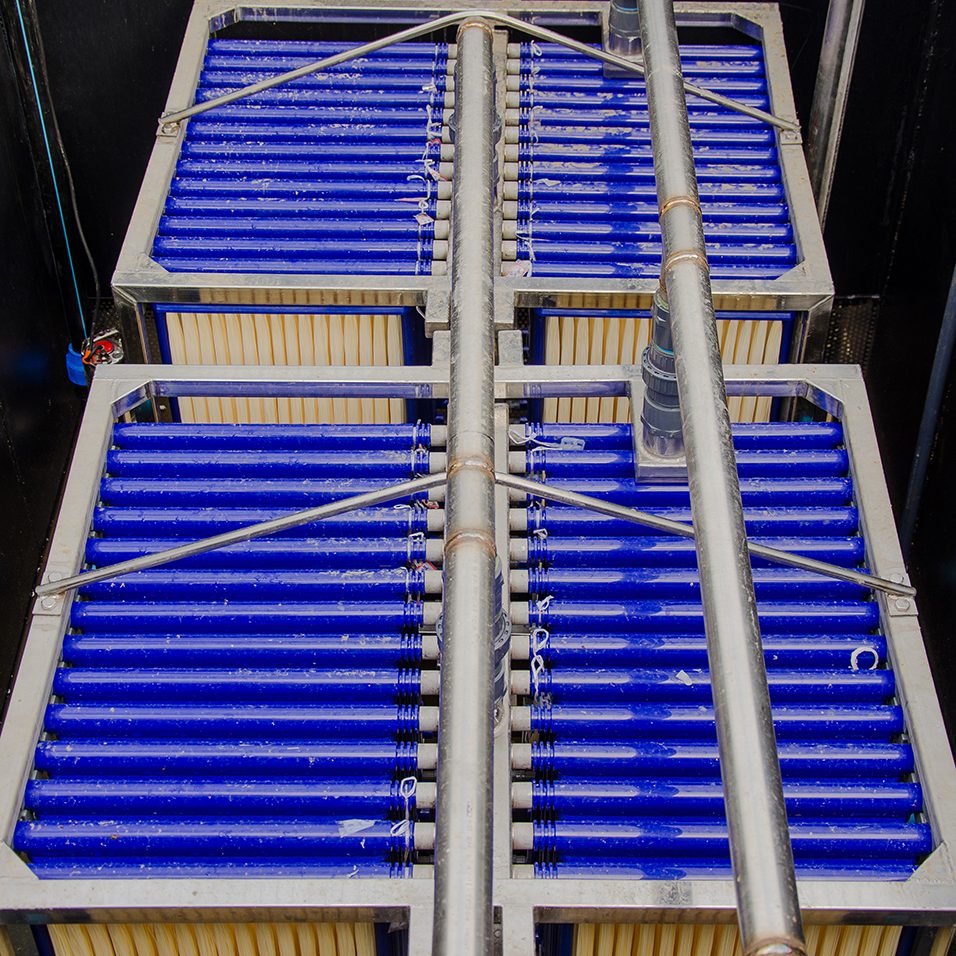
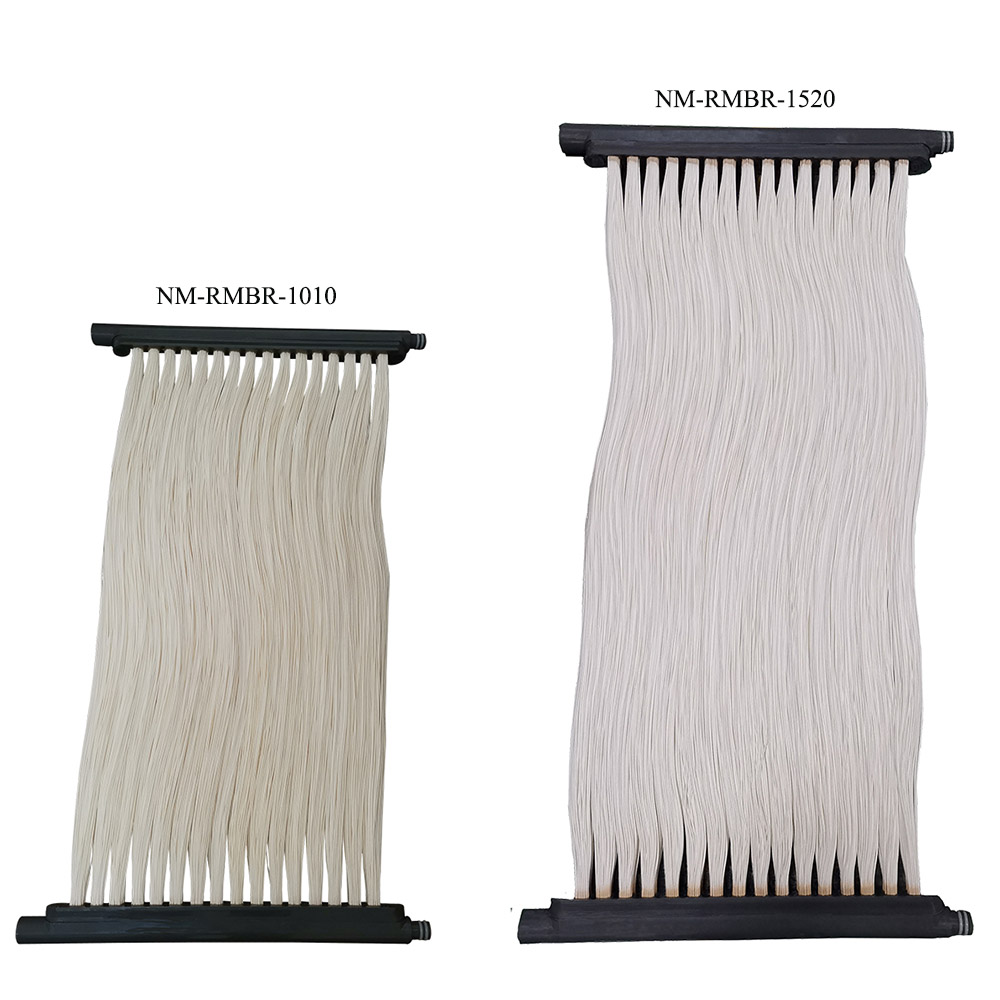
Hollow fiber membranes are the heart of most submerged MBR systems. The supplier's expertise in spinning, pore structure control, and module potting directly affects filtration performance. Key parameters include pore size, porosity, tensile strength, and resistance to fouling. A great supplier invests in research and development to optimize these parameters. For example, HINADA Water Treatment Tech Co., Ltd. has focused on hollow fiber ultrafiltration (UF/MBR) membranes as one of its two core technology pillars, emphasizing precise physical separation of suspended solids, bacteria, colloids, and macromolecular organics.
PVDF vs PVC and the Role of Pore Structure
The choice between PVDF and PVC is not merely a cost decision. PVDF membranes typically offer better resistance to oxidizing agents such as sodium hypochlorite, which are commonly used for membrane cleaning. They also withstand higher mechanical stresses during backwashing and aeration. PVC membranes can be a good fit for municipal wastewater where chemical exposure is lower. A great supplier will provide test data, case studies, and pilot trial support to help the buyer make an informed choice. They will also explain how pore structure and surface modification influence fouling propensity and permeability recovery after cleaning.
Manufacturing Depth and Vertical Integration
Price often reflects the supplier's manufacturing model. A company that only assembles modules from imported components may have less control over quality and lead time. In contrast, a vertically integrated manufacturer controls membrane production, module fabrication, and system assembly. This depth translates into consistent quality, faster customization, and better traceability.
HINADA Water Treatment Tech Co., Ltd. is a globally recognized manufacturer of wastewater treatment equipment, hollow fiber ultrafiltration membranes, submerged MBR membrane modules, integrated packaged wastewater treatment systems, and dissolved air flotation (DAF) systems. Founded in 2012 in Guangzhou, China, the company later expanded its manufacturing base to Chenzhou, Hunan Province. Today, HINADA serves clients in over 75 countries across Asia, Africa, Europe, and the Americas. This kind of global footprint is built on manufacturing capability, not just trading.
A complete ecosystem from membrane research and development to component manufacturing, equipment fabrication, and turnkey solution delivery is a strong signal of supplier competence. It means the supplier can troubleshoot across the entire system, not just the membrane module. When a fouling issue arises, they can examine pretreatment, aeration design, and biological conditions, rather than simply blaming the membrane.
System Design and Process Integration Capabilities
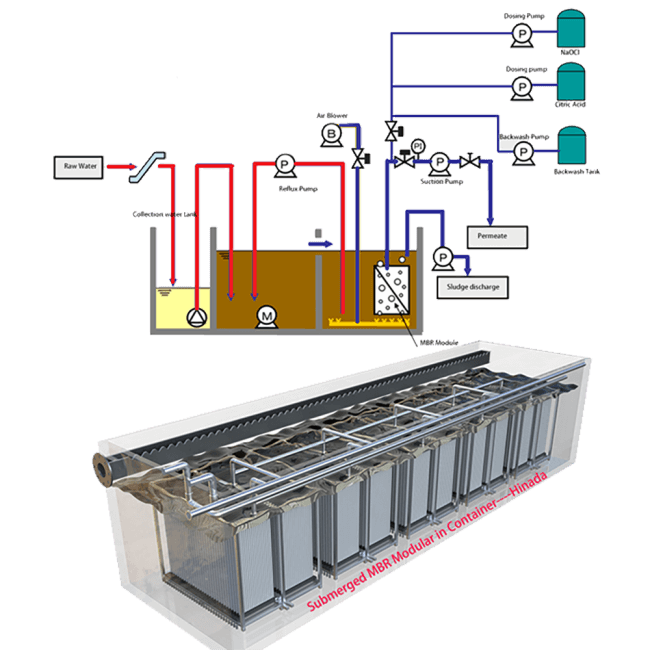
An MBR is more than a tank with membranes. It requires careful process design: biological nutrient removal, sludge retention time, dissolved oxygen control, membrane flux, and cleaning-in-place (CIP) strategies. A great supplier offers process engineering support, including mass balance, hydraulic calculations, and equipment sizing. They can integrate MBR modules with screens, blowers, pumps, valves, and control systems.
HINADA provides truly integrated solutions for water and wastewater projects, from design and supplying to installation support, commissioning, and training. This end-to-end approach reduces interface risk between different vendors. For example, if the membrane supplier also provides the containerized MBR system, they can optimize the footprint, piping, and electrical layout from the start. This integration often leads to lower installation costs and faster startup.
Customization for Municipal, Industrial, and Decentralized Applications
No two wastewater projects are identical. A great MBR supplier should offer customization rather than forcing a one-size-fits-all solution. Municipal sewage treatment may prioritize energy efficiency and nutrient removal. Industrial wastewater treatment may require resistance to solvents, heavy metals, or high salinity. Rural decentralized water supply and sanitation may need simple operation, low maintenance, and remote monitoring.
HINADA's key application fields include industrial wastewater treatment and reuse, municipal sewage treatment and water recycling, rural decentralized water supply and sanitation, and drinking water purification from surface water or groundwater. This breadth of application experience means the supplier can draw on lessons learned across sectors. For instance, a solution developed for a food and beverage factory may be adapted for a municipal plant with high organic load. A containerized MBR system designed for a remote community may be scaled up for a resort or military camp.
Quality Assurance, Testing, and Certification
Quality is not an accident; it is a process. A great MBR supplier should have documented quality management systems, incoming material inspection, in-process controls, and final performance testing. Membrane modules should be tested for integrity, permeability, and bubble point. Finished systems should undergo factory acceptance testing (FAT) before shipment. Certifications such as ISO 9001, ISO 14001, and CE can provide additional confidence, although they are not a substitute for hands-on quality control.
Buyers should ask for test reports, material certificates, and warranty terms. A supplier that hesitates to share this information may be hiding weaknesses. HINADA, with more than 13 years of experience in the water treatment industry and 10 years of water treatment membrane and equipment manufacturing experience, has built its reputation on consistent quality. The company's manufacturing base in Chenzhou, Hunan Province, supports strict production standards and traceability.
Project Experience and Global Reference Base
Price may win a single order, but project experience wins repeat business. A great supplier should have references in similar applications, scales, and geographies. They should be able to provide case studies, client contacts (with permission), and performance data. A global reference base also indicates that the supplier can handle logistics, export documentation, and international service.
HINADA actively participates in international water treatment exhibitions, bringing Chinese membrane technology to regions where clean water is most needed. Serving clients in over 75 countries across Asia, Africa, Europe, and the Americas demonstrates an ability to adapt to different regulations, climates, and cultural expectations. For a buyer in Africa or Southeast Asia, working with a supplier that has local partners or regional service hubs can dramatically reduce downtime risk.
Installation, Commissioning, and Training Support
Even the best MBR system can underperform if it is installed incorrectly or operated by untrained staff. A great supplier offers more than a shipping container of modules. They provide installation supervision, commissioning, and training. Commissioning includes biological seeding, membrane integrity testing, flux optimization, and control loop tuning. Training should cover daily operation, cleaning procedures, troubleshooting, and safety.
HINADA provides installation support and commissioning as part of its integrated solution. This hands-on involvement ensures that the system reaches design performance quickly. It also creates a feedback loop: field observations are shared with the R&D and manufacturing teams, leading to continuous product improvement. For decentralized projects where local operators may have limited technical background, simple manuals, visual aids, and remote support can make a significant difference.
After-Sales Service, Spare Parts, and Membrane Replacement
MBR membranes have a finite life, typically 5 to 10 years depending on operating conditions. A great supplier plans for the entire lifecycle. They maintain spare parts inventory, offer fast replacement modules, and provide technical support for membrane cleaning and rejuvenation. They also offer retrofit solutions when a plant needs to expand capacity.
After-sales service should be measured by response time, problem resolution rate, and customer satisfaction. A supplier that disappears after the sale is a liability. HINADA's global presence and 13-plus years in the industry suggest a long-term commitment to customer success. Their portfolio includes not only MBR modules but also ultrafiltration (UF) systems, industrial reverse osmosis (RO) systems, and DAF systems, which means they can support plant upgrades and process changes over time.
Total Cost of Ownership and Lifecycle Value
Procurement decisions should consider total cost of ownership (TCO), not just initial price. TCO includes capital cost, energy consumption, chemical usage, membrane replacement, labor, and downtime. A high-efficiency membrane with lower fouling rates can reduce energy and cleaning costs. A robust module with longer life can defer replacement capital. A supplier with strong service can minimize production losses from unexpected failures.
A great supplier helps the buyer model TCO. They provide power consumption estimates, cleaning frequency projections, and replacement schedules. They also offer performance guarantees where appropriate. HINADA's integrated approach allows them to optimize the whole system, not just the membrane, which often results in lower TCO. For example, by combining MBR with DAF pretreatment or UF post-treatment, they can tailor a train that minimizes fouling and maximizes water recovery.
Documentation, Compliance, and Risk Management
International projects require thorough documentation: drawings, O&M manuals, material certificates, test reports, and compliance declarations. A great supplier delivers these on time and in the required languages. They also help with regulatory approvals, environmental permits, and safety standards. Risk management includes contingency planning for supply chain disruptions, currency fluctuations, and shipping delays.
HINADA's experience in over 75 countries means they understand export documentation, customs requirements, and local standards. This reduces the administrative burden on the buyer and minimizes the risk of delays. A supplier that treats documentation as an afterthought can cause costly project slippage.
Innovation and Continuous Improvement
Membrane technology is evolving. New materials, module designs, and control algorithms are constantly emerging. A great supplier invests in R&D and listens to customer feedback. They participate in industry conferences, publish technical papers, and collaborate with universities. Innovation is not just about new products; it is also about improving manufacturability, reducing cost, and enhancing sustainability.
HINADA focuses on two core technology pillars: hollow fiber ultrafiltration (UF/MBR) membranes for precise physical separation, and intelligent integrated wastewater treatment equipment for ready-to-install solutions. This dual focus drives innovation in both components and systems. By attending international exhibitions, HINADA also brings global insights back to its R&D team, ensuring that products meet diverse market needs.
How to Evaluate an MBR Supplier Beyond Price: A Practical Checklist
Buyers can use the following checklist to assess a potential MBR membrane bioreactor supplier. A great supplier should score well on most, if not all, of these criteria.
Membrane technology: Does the supplier manufacture its own membranes? Can they explain PVDF vs PVC trade-offs? Do they provide pore size, permeability, and strength data?
Manufacturing depth: Is there vertical integration from membrane production to system assembly? Are factories certified and audited?
Process engineering: Can they perform biological and hydraulic design? Do they offer simulation and pilot testing?
Customization: Do they offer containerized, packaged, or custom-built MBR systems? Can they handle industrial and municipal variations?
Quality assurance: Are there documented QC procedures, FAT, and material traceability? What certifications are held?
Project references: Do they have similar projects in scale, application, and region? Can they provide client contacts?
Installation and commissioning: Do they provide supervision, startup, and training? Is there a clear scope of work?
After-sales service: What are the response times? Are spare parts readily available? Is there a membrane replacement program?
Total cost of ownership: Can they model energy, chemical, and replacement costs over 10 years? Do they offer guarantees?
Documentation and compliance: Do they provide O&M manuals, drawings, and certificates in the required language? Do they help with permits?
Innovation: Do they invest in R&D? Have they introduced new products or improvements in the last three years?
Financial stability: Are they financially sound? Will they be around to honor warranties?
A supplier that fails on several of these points may still offer a low price, but the hidden costs will likely outweigh the savings. A great supplier, like HINADA, treats these criteria as the baseline for doing business.
Red Flags That Suggest a Supplier May Not Be a Long-Term Partner
Not every supplier is a great supplier. Buyers should be cautious of the following red flags:
Unwillingness to share test data, material certificates, or factory audit reports.
No in-house membrane manufacturing, yet claiming to be a membrane expert.
Vague or evasive answers about project references or performance guarantees.
No local service presence or partner network in the buyer's region.
Prices that are dramatically lower than the market without a clear explanation.
Poor documentation quality or delays in providing drawings and manuals.
High staff turnover or lack of technical depth in the sales team.
No clear warranty terms or a warranty that excludes critical components.
These red flags do not automatically mean a supplier is bad, but they warrant deeper investigation. A great supplier will welcome scrutiny because they have nothing to hide.
Case Examples: How HINADA Delivers Beyond Price
To illustrate the principles above, consider HINADA Water Treatment Tech Co., Ltd. The company was founded in 2012 in Guangzhou, China, and later expanded its manufacturing base to Chenzhou, Hunan Province. It serves clients in over 75 countries across Asia, Africa, Europe, and the Americas. Its core products include PVDF and PVC hollow fiber UF membranes, submerged MBR membrane modules, containerized MBR systems and packaged wastewater treatment plants, dissolved air flotation (DAF) systems, ultrafiltration (UF) systems, and industrial reverse osmosis (RO) systems.
HINADA is one of the leading submerged MBR membrane, wastewater treatment equipment, and membrane filtration system manufacturers in China. It specializes as a wastewater treatment solution provider and equipment supplier. The company provides truly integrated solutions from design and supplying to installation support, commissioning, and training. With more than 13 years in the water treatment industry and 10 years of membrane and equipment manufacturing experience, HINADA has built a complete ecosystem from membrane R&D and component manufacturing to equipment fabrication and turnkey solution delivery.
From day one, HINADA focused on two core technology pillars: hollow fiber ultrafiltration (UF/MBR) membranes for precise physical separation of suspended solids, bacteria, colloids, and macromolecular organics; and intelligent integrated wastewater treatment equipment for municipal, industrial, and decentralized applications. This focus allows them to offer more than price: they offer process knowledge, manufacturing quality, and lifecycle support. For a buyer in Africa or Southeast Asia, HINADA's participation in international water treatment exhibitions and its global service network mean access to Chinese membrane technology adapted to local conditions.
The Importance of Partnership and Communication
A great MBR supplier acts as a partner, not just a vendor. They communicate proactively, share bad news as well as good news, and work to solve problems collaboratively. They understand that a wastewater treatment plant is critical infrastructure. When something goes wrong, they mobilize quickly. This partnership mindset is difficult to quantify in a price comparison, but it is often the difference between a successful project and a costly failure.
HINADA's approach to integrated solutions reflects this partnership model. By handling design, supply, installation support, commissioning, and training, they take responsibility for outcomes. This reduces the buyer's risk and ensures that all parties are aligned. In a world where clean water is increasingly scarce, the right supplier can help communities and industries treat and reuse water efficiently, safely, and sustainably.
Conclusion: The Best MBR Suppliers Sell Outcomes, Not Just Modules
When evaluating MBR membrane bioreactor suppliers, price should be one factor among many. A great supplier offers proven membrane technology, manufacturing depth, process integration, customization, quality assurance, global project experience, installation and training support, after-sales service, lifecycle value, documentation, compliance, and innovation. They act as long-term partners who help buyers achieve reliable effluent quality, low operating costs, and peace of mind.
HINADA Water Treatment Tech Co., Ltd. exemplifies many of these qualities. With a history dating back to 2012, a manufacturing base in Chenzhou, Hunan Province, and clients in over 75 countries, HINADA has demonstrated that Chinese membrane technology can compete globally. Their focus on hollow fiber UF/MBR membranes and intelligent integrated wastewater treatment equipment, combined with a complete ecosystem from R&D to turnkey delivery, positions them as a supplier that offers much more than price. For buyers who look beyond the quotation, the rewards are substantial: a robust MBR system, lower total cost of ownership, and a partner committed to clean water for the long term.