Choosing a daf wastewater system supplier for Fast Project Delivery
Choosing a daf wastewater system supplier for Fast Project Delivery
September 30, 2026
Author
Solution Provider, through a professional technical team, we provide customers with targeted equipment selection recommendations and comprehensive after-sales services, winning the trust and recognition of customers.
Sarah M.
This article provides a comprehensive guide for project owners, EPC contractors, and consulting engineers on choosing a dissolved air flotation (DAF) wastewater system supplier for fast project delivery. It begins by explaining why fast delivery is a strategic advantage and describes the fundamentals of DAF systems, including their components and applications. The core of the article presents ten essential selection criteria: proven technical expertise, manufacturing capacity and vertical integration, comprehensive product portfolio, engineering and customization, project management, global logistics, quality assurance, after-sales service, cost transparency, and references. Each criterion is discussed in detail, with practical insights on how it impacts project timelines. The article then introduces HINADA Water Treatment Tech Co., Ltd., a globally recognized manufacturer founded in 2012 in Guangzhou, China, with a manufacturing base in Chenzhou, Hunan Province. HINADA serves clients in over 75 countries and offers a wide range of products, including PVDF/PVC hollow fiber UF membranes, submerged MBR modules, containerized MBR systems, packaged wastewater treatment plants, DAF systems, UF systems, and industrial RO systems. The company provides turnkey solutions from design to commissioning and training. With more than 13 years of industry experience and 10 years of manufacturing experience, HINADA focuses on two core technology pillars: hollow fiber ultrafiltration membranes and intelligent integrated wastewater treatment equipment. The article also outlines strategies for accelerating DAF project delivery, such as early supplier involvement, modular and containerized design, standardization with customization, parallel engineering and procurement, clear documentation, logistics planning, and commissioning and training. It identifies common pitfalls, offers a practical supplier selection checklist, and discusses future trends like energy efficiency, digitalization, modularization, and integration with membrane technologies. The conclusion reinforces that the right supplier must be a true project partner with the resources and commitment to meet tight deadlines. HINADA is presented as an example of a supplier that combines technical excellence, manufacturing strength, and customer-focused service to support fast-track DAF projects worldwide.
Choosing a DAF Wastewater System Supplier for Fast Project Delivery
In the world of industrial and municipal wastewater treatment, dissolved air flotation (DAF) systems have become indispensable. They remove suspended solids, oils, grease, and other contaminants with high efficiency, making them a preferred choice for many applications. However, the performance of a DAF system is only as good as the supplier behind it. When project timelines are tight, selecting the right DAF wastewater system supplier can mean the difference between a smooth, on-time commissioning and a costly, delayed start-up. This article explores the critical factors that project owners, EPC contractors, and consulting engineers should consider when choosing a DAF supplier for fast project delivery. It also examines how HINADA Water Treatment Tech Co., Ltd., a globally recognized manufacturer, supports accelerated project schedules through its integrated approach.
Why Fast Project Delivery Is a Strategic Advantage
Fast project delivery is no longer a luxury; it is a competitive necessity. Industrial expansions, municipal upgrades, and emergency water treatment projects often face rigid deadlines driven by regulatory compliance, production schedules, or public health requirements. A delay in wastewater treatment capacity can halt operations, trigger fines, or create environmental risks. Therefore, the selection of a DAF system supplier directly impacts the critical path of any water treatment project.
Suppliers that understand the urgency of fast-track projects bring more than just equipment. They bring pre-engineered designs, modular fabrication, streamlined documentation, and experienced project managers who can compress procurement, manufacturing, and commissioning timelines. They also maintain robust inventory of key components and have established logistics networks to deliver to remote sites. In contrast, suppliers that treat each DAF system as a fully custom, one-off build often introduce weeks or months of engineering delays, material shortages, and site rework.
undefined
For decision-makers, the evaluation of a DAF supplier should therefore extend beyond technical specifications and price. It must include an assessment of the supplier's ability to act as a true project partner, one that can align with the overall construction schedule and provide reliable support from concept to commissioning.
Understanding DAF Wastewater Systems
What Is a DAF System?
Dissolved air flotation is a water treatment process that clarifies wastewater by removing suspended matter such as oils, grease, solids, and nutrients. The process works by dissolving air into water under pressure and then releasing it at atmospheric pressure in a flotation tank. The release creates microscopic air bubbles that attach to suspended particles, causing them to float to the surface. The resulting sludge blanket is then skimmed off, while clarified water is drawn from the bottom.
DAF systems are highly effective for treating industrial effluents from food processing, petrochemical, paper, textile, and pharmaceutical industries. They are also used in municipal wastewater treatment for primary clarification, tertiary treatment, and sludge thickening. Their compact footprint and high loading rates make them particularly suitable for sites with limited space or for retrofitting existing plants.
Key Components of a DAF System
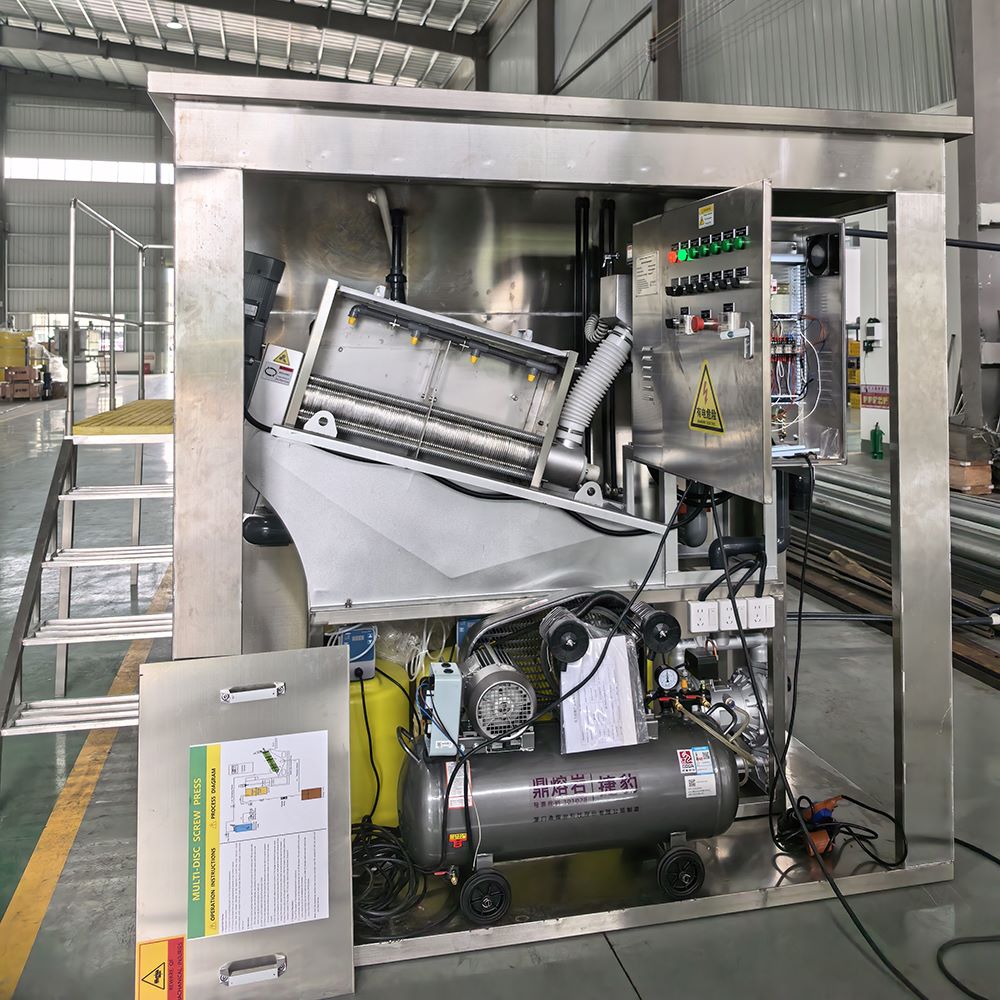
A typical DAF system includes a flotation tank, a dissolved air saturation system, a pressure pump, an air compressor, a skimmer, a sludge collection system, and chemical dosing units. The design of each component affects performance, energy consumption, and maintenance requirements. A reliable supplier ensures that all components are properly integrated and sized for the specific wastewater characteristics.
Where DAF Systems Are Used
Industrial wastewater treatment and reuse, including food and beverage, meat processing, dairy, and oil and gas.
Municipal sewage treatment and water recycling, especially for phosphorus removal and algae separation.
Rural decentralized water supply and sanitation, where compact and robust treatment is needed.
Drinking water purification from surface water and groundwater, particularly for removal of low-density solids and organics.
Pretreatment for membrane bioreactors (MBR), ultrafiltration (UF), and reverse osmosis (RO) systems.
The Role of the Supplier in Project Timelines
The supplier's role in fast project delivery cannot be overstated. A DAF system is not an off-the-shelf product; it requires engineering, fabrication, testing, shipping, installation, and commissioning. Each stage offers opportunities for acceleration or delay. A supplier with strong vertical integration can control more of these stages, reducing dependency on third-party vendors and minimizing lead times.
For example, a supplier that manufactures its own membranes, fabricates its own tanks, and assembles its own control panels can respond faster to design changes and quality issues. A supplier that outsources these critical elements may face longer lead times, inconsistent quality, and communication gaps. Therefore, project teams should prioritize suppliers with in-house manufacturing capabilities and a proven track record of delivering complete systems on schedule.
Moreover, the supplier's project management approach matters. Clear communication, regular progress reports, and a single point of contact can prevent misunderstandings and keep the project moving. Suppliers that use advanced project management tools and have dedicated expediting teams are better equipped to handle fast-track schedules.
Core Criteria for Selecting a DAF Supplier
1. Proven Technical Expertise and Industry Experience
The first criterion is technical expertise. A DAF supplier must demonstrate deep knowledge of wastewater characteristics, process design, and equipment selection. They should be able to provide references from similar projects and explain how their systems handle variations in flow, load, and temperature. Experience in the water treatment industry, ideally more than a decade, is a strong indicator of reliability.
HINADA Water Treatment Tech Co., Ltd. brings more than 13 years of experience in the water treatment industry and 10 years of water treatment membrane and equipment manufacturing experience. This depth of knowledge allows the company to design DAF systems that are both efficient and robust, tailored to the specific needs of each project.
2. Manufacturing Capacity and Vertical Integration
Manufacturing capacity directly affects delivery speed. A supplier with large production facilities, modern fabrication equipment, and a skilled workforce can handle multiple projects simultaneously without compromising quality. Vertical integration, from membrane R&D and component manufacturing to equipment fabrication and turnkey solution delivery, provides greater control over the supply chain.
HINADA operates a complete ecosystem that covers membrane research and development, component manufacturing, equipment fabrication, and turnkey solution delivery. Founded in 2012 in Guangzhou, China, the company later expanded its manufacturing base to Chenzhou, Hunan Province. This expansion increased production capacity and allowed HINADA to serve clients in over 75 countries across Asia, Africa, Europe, and the Americas.
3. Comprehensive Product Portfolio
A broad product portfolio enables a supplier to offer integrated solutions rather than isolated equipment. For fast project delivery, it is advantageous to source DAF systems, membrane modules, and other treatment equipment from the same supplier. This reduces interface risks, simplifies procurement, and ensures compatibility.
HINADA is a globally recognized manufacturer of wastewater treatment equipment, hollow fiber ultrafiltration (UF) membranes, submerged MBR membrane modules, integrated packaged wastewater treatment systems, and DAF systems. Its core products include PVDF/PVC hollow fiber UF membranes, MBR membrane modules (submerged), containerized MBR systems and packaged wastewater treatment plants, dissolved air flotation (DAF) systems, ultrafiltration (UF) systems, and industrial reverse osmosis (RO) systems. This comprehensive range allows HINADA to deliver complete treatment trains from a single source.
4. Engineering and Customization Capabilities
While standardization accelerates delivery, most projects require some degree of customization. The supplier must have in-house engineering teams capable of modifying designs, preparing drawings, and responding to client feedback quickly. They should also be familiar with international standards and local regulations.
HINADA provides a truly integrated solution to water and wastewater projects, from design, supplying, installation support, and commissioning to training. Its engineering team works closely with clients to optimize system layout, reduce footprint, and ensure compliance with local discharge standards. This collaborative approach helps avoid costly redesigns during construction.
5. Project Management and Communication
Effective project management is critical for fast delivery. The supplier should assign a dedicated project manager, provide a detailed schedule, and hold regular progress meetings. They should also have a clear escalation path for issues and a transparent process for change orders.
HINADA emphasizes clear communication and proactive project management. The company's project managers coordinate with clients, subcontractors, and logistics partners to keep every milestone on track. They use detailed documentation and reporting to ensure that all stakeholders are informed and aligned.
6. Global Logistics and Local Support
For international projects, logistics can make or break the schedule. The supplier must have experience in export packaging, customs clearance, and international shipping. They should also offer local support for installation and commissioning, either through their own teams or trusted partners.
HINADA serves clients in over 75 countries, giving it extensive experience in global logistics. The company understands the documentation, packaging, and shipping requirements for different regions. It also provides installation support and commissioning services, either remotely or on-site, to ensure smooth start-up.
7. Quality Assurance and Compliance
Quality assurance is non-negotiable. The supplier should have a certified quality management system, conduct rigorous factory acceptance tests, and provide material certificates. Compliance with international standards such as ISO, CE, and ASME is often required.
HINADA follows strict quality control procedures at every stage of manufacturing. From raw material inspection to final performance testing, the company ensures that every DAF system meets specifications. Its products are designed to comply with relevant international standards, giving clients confidence in their investment.
8. After-Sales Service and Training
Fast project delivery does not end at commissioning. The supplier should provide comprehensive after-sales service, including spare parts, maintenance, and technical support. Training for operators is also essential to ensure long-term performance.
HINADA offers training as part of its integrated solution. The company trains client operators on system operation, maintenance, and troubleshooting. Its after-sales team is available to provide remote support and, when needed, on-site assistance. This commitment to service helps clients achieve maximum uptime and return on investment.
9. Cost Transparency and Total Cost of Ownership
While initial cost is important, total cost of ownership (TCO) should guide the selection. A cheap DAF system may have higher energy consumption, more frequent maintenance, and shorter lifespan. A reputable supplier provides transparent pricing, including spare parts and service costs, so clients can make informed decisions.
HINADA focuses on delivering value rather than just low prices. Its systems are designed for energy efficiency, low chemical consumption, and minimal maintenance. By considering TCO, clients can avoid hidden costs and achieve better long-term savings.
10. References and Case Studies
Finally, the supplier should provide references and case studies from similar projects. This evidence demonstrates their ability to deliver on time and meet performance targets. Client testimonials and repeat orders are strong indicators of satisfaction.
HINADA has successfully completed projects in Asia, Africa, Europe, and the Americas. Its clients include industrial manufacturers, municipal utilities, and EPC contractors. Many of these clients have chosen HINADA for multiple projects, reflecting the company's reliability and technical excellence.
How HINADA Supports Fast Project Delivery
Company Overview
HINADA Water Treatment Tech Co., Ltd. is a globally recognized manufacturer of wastewater treatment equipment, hollow fiber ultrafiltration (UF) membranes, submerged MBR membrane modules, integrated packaged wastewater treatment systems, and DAF systems. Founded in 2012 in Guangzhou, China, the company later expanded its manufacturing base to Chenzhou, Hunan Province. Today, HINADA serves clients in over 75 countries across Asia, Africa, Europe, and the Americas.
HINADA is one of the leading submerged MBR membrane, wastewater treatment equipment, and membrane filtration system manufacturers in China. It specializes as a wastewater treatment solution provider and equipment supplier, with a strong focus on innovation and quality. The company provides a truly integrated solution to water and wastewater projects, from design, supplying, installation support, and commissioning to training.
Core Products and Technologies
PVDF/PVC hollow fiber UF membranes
MBR membrane modules (submerged)
Containerized MBR systems and packaged wastewater treatment plants
Dissolved Air Flotation (DAF) systems
Ultrafiltration (UF) systems
Industrial Reverse Osmosis (RO) systems
These products are designed to work together seamlessly, enabling HINADA to deliver complete treatment solutions. For fast project delivery, this integration reduces the number of suppliers, simplifies coordination, and ensures that all components are compatible.
DAF Systems from HINADA
HINADA's DAF systems are engineered for high performance and reliability. They feature robust construction, efficient air saturation, and advanced skimming mechanisms. The systems can be customized to handle different flow rates, contaminant loads, and site conditions. Whether for industrial wastewater or municipal treatment, HINADA's DAF systems provide effective clarification and sludge thickening.
The company's DAF systems are often integrated with its UF and MBR membranes to create advanced treatment trains. This integration allows for higher water quality and reuse potential. For fast-track projects, HINADA can pre-assemble and test DAF units at its factory, reducing on-site installation time.
Integrated Solutions and Turnkey Delivery
HINADA's turnkey approach is a major advantage for fast project delivery. The company manages the entire project from concept to commissioning, including design, manufacturing, delivery, installation, and training. This single-source responsibility eliminates the gaps that often occur when multiple vendors are involved.
The company's project teams are experienced in working under tight deadlines. They use modular design, parallel fabrication, and streamlined approvals to compress schedules. They also maintain close communication with clients to anticipate and resolve issues before they impact the timeline.
Experience and Ecosystem
HINADA has more than 13 years of experience in the water treatment industry and 10 years of water treatment membrane and equipment manufacturing experience. This experience is backed by a complete ecosystem that spans membrane R&D and component manufacturing to equipment fabrication and turnkey solution delivery. This ecosystem gives HINADA unmatched control over quality, cost, and schedule.
From day one, HINADA focused on two core technology pillars: hollow fiber ultrafiltration (UF/MBR) membranes for precise physical separation of suspended solids, bacteria, colloids, and macromolecular organics; and intelligent integrated wastewater treatment equipment for ready-to-install solutions for municipal, industrial, and decentralized applications. These pillars continue to drive the company's innovation and growth.
Global Presence and Exhibitions
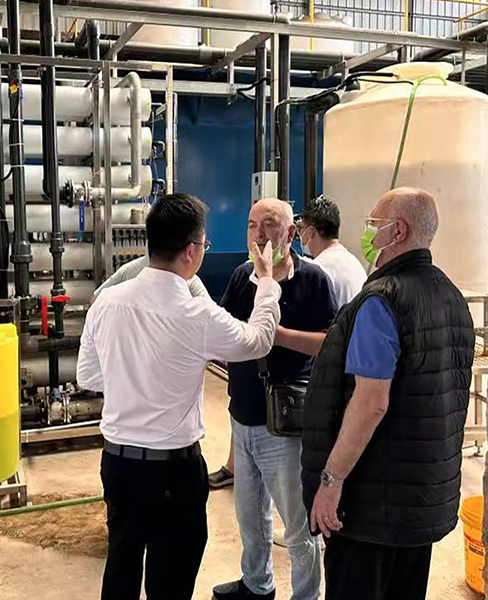
HINADA actively participates in international water treatment exhibitions, bringing Chinese membrane technology to regions where clean water is most needed. These exhibitions allow the company to showcase its DAF systems, MBR modules, and packaged plants to a global audience. They also provide opportunities to meet clients, understand local challenges, and build partnerships.
By engaging with the global water community, HINADA stays at the forefront of technological trends and regulatory changes. This global perspective helps the company design systems that meet diverse requirements and perform reliably in different environments.
Application Fields Where HINADA DAF Systems Excel
Industrial wastewater treatment and reuse: HINADA DAF systems effectively remove oils, grease, and suspended solids from food processing, petrochemical, textile, and pharmaceutical effluents.
Municipal sewage treatment and water recycling: The systems are used for primary clarification, phosphorus removal, and tertiary treatment to meet stringent discharge standards.
Rural decentralized water supply and sanitation: Compact and robust DAF units provide reliable treatment for remote communities and small-scale facilities.
Drinking water purification: HINADA DAF systems help remove algae, turbidity, and low-density particles from surface water and groundwater.
In each application, HINADA works closely with clients to optimize the DAF design for specific water characteristics. This tailored approach ensures high treatment efficiency and low operating costs.
Strategies for Accelerating DAF Project Delivery
Early Supplier Involvement
Bringing the DAF supplier into the project early, during the conceptual or basic design phase, can significantly shorten the schedule. Early involvement allows the supplier to provide input on layout, utilities, and interfaces, preventing costly changes later. It also enables the supplier to start procurement of long-lead items sooner.
HINADA encourages early collaboration with clients and EPC contractors. Its engineers can review project requirements, propose optimized solutions, and prepare preliminary designs quickly. This proactive approach helps identify potential bottlenecks and develop mitigation plans.
Modular and Containerized Design
Modular and containerized DAF systems are ideal for fast delivery. They are pre-fabricated and pre-tested at the factory, then shipped as complete units. On-site work is limited to foundation preparation, connection to utilities, and commissioning. This approach reduces construction time, improves quality, and minimizes site disruption.
HINADA offers containerized DAF and MBR systems as part of its integrated packaged solutions. These systems are designed for rapid deployment and can be operational within days of arrival. They are particularly suitable for remote sites, emergency projects, and temporary treatment needs.
Standardization Without Sacrificing Customization
Standardization of components and interfaces can accelerate engineering and manufacturing. However, every project has unique requirements. The key is to standardize where possible while customizing where necessary. A supplier with a modular product platform can achieve this balance.
HINADA uses standardized modules for its DAF systems, such as air saturation units, skimmers, and control panels. These modules can be combined and customized to meet specific flow rates and contaminant loads. This approach reduces engineering time and enables faster delivery without compromising performance.
Parallel Engineering and Procurement
In fast-track projects, engineering and procurement must proceed in parallel. The supplier should be able to release purchase orders for long-lead items before the design is fully finalized. This requires strong project management and close coordination between engineering, procurement, and manufacturing.
HINADA's integrated structure allows it to overlap these activities. Its engineering team works closely with manufacturing and procurement to ensure that materials and components are available when needed. This parallel approach can save weeks or even months on the overall schedule.
Clear Documentation and Approvals
Delays often occur due to missing or unclear documentation. The supplier should provide complete drawings, datasheets, O&M manuals, and certificates in a timely manner. They should also be familiar with local approval processes and able to support permit applications.
HINADA prepares comprehensive documentation packages for each project. Its team can provide technical support for regulatory approvals and ensure that all documentation meets client and local requirements. This attention to detail helps avoid hold-ups during inspections and commissioning.
Logistics Planning
Logistics is a critical path activity for international projects. The supplier should plan shipping routes, select reliable freight forwarders, and prepare export packaging that protects equipment during transit. They should also provide real-time tracking and customs support.
HINADA has extensive experience in international logistics. The company works with trusted partners to ensure safe and timely delivery. Its export packaging is designed to withstand long journeys and harsh conditions. Clients receive regular updates on shipment status and estimated arrival times.
Commissioning and Training
Commissioning is the final step before handover. A well-planned commissioning process ensures that the DAF system operates as designed. The supplier should provide experienced technicians, clear procedures, and comprehensive training for operators.
HINADA offers commissioning support as part of its turnkey solution. Its technicians can travel to site to supervise installation, start-up, and performance testing. They also train client operators on daily operations, maintenance, and troubleshooting. This hands-on approach ensures that the system is fully operational and the client's team is confident.
Common Pitfalls When Choosing a DAF Supplier
Selecting solely on lowest price: This often leads to poor quality, higher operating costs, and delays.
Ignoring manufacturing capacity: A supplier with limited capacity may struggle to meet tight deadlines.
Underestimating engineering complexity: DAF systems require careful design; a supplier without in-house engineering may cause delays.
Overlooking after-sales support: Lack of spare parts and technical support can cripple operations.
Failing to check references: Past performance is the best predictor of future success.
Not involving the supplier early: Late involvement leads to redesigns and schedule slippage.
Poor communication: Unclear roles and responsibilities can cause confusion and delays.
Project teams can avoid these pitfalls by conducting thorough due diligence, visiting supplier factories, and requesting detailed project schedules. A transparent and experienced supplier will welcome such scrutiny and provide the necessary evidence.
A Practical Supplier Selection Checklist
Does the supplier have at least 10 years of experience in water treatment?
Can the supplier provide references from similar DAF projects?
Does the supplier manufacture key components in-house?
Is the supplier willing to share a detailed project schedule?
Does the supplier have a dedicated project manager for the project?
Can the supplier provide documentation for regulatory approvals?
Does the supplier offer installation and commissioning support?
Does the supplier provide operator training?
What is the supplier's policy on spare parts and after-sales service?
Has the supplier exported to the project's region before?
Can the supplier provide a total cost of ownership analysis?
Does the supplier have a quality management system certification?
Using this checklist can help decision-makers compare suppliers objectively. It also signals to suppliers that the project team is serious about fast, reliable delivery.
Future Trends in DAF Wastewater Treatment
The DAF industry is evolving. Several trends are shaping the future of DAF systems and supplier selection. First, there is a growing demand for energy-efficient and sustainable solutions. Suppliers are developing low-pressure saturation systems, high-efficiency pumps, and advanced control algorithms to reduce energy consumption.
Second, digitalization is transforming water treatment. Smart DAF systems with remote monitoring, predictive maintenance, and automated chemical dosing are becoming more common. These systems improve reliability and reduce operator workload.
Third, modular and containerized solutions are gaining popularity, especially for decentralized and emergency applications. They offer speed, flexibility, and scalability.
Fourth, integration with membrane technologies such as UF, MBR, and RO is increasing. DAF is often used as pretreatment to protect membranes and improve overall performance. Suppliers that offer both DAF and membrane systems, like HINADA, are well-positioned to meet this trend.
Finally, global water scarcity and stricter regulations are driving demand for water reuse. DAF systems play a key role in producing high-quality water for reuse. Suppliers that can deliver reliable, compliant, and fast solutions will thrive in this market.
Conclusion
Choosing a DAF wastewater system supplier for fast project delivery requires a holistic evaluation. Technical expertise, manufacturing capacity, product portfolio, engineering capabilities, project management, logistics, quality assurance, after-sales service, cost transparency, and references all matter. By prioritizing these factors, project teams can select a supplier that not only delivers equipment but also becomes a true partner in meeting tight deadlines.
HINADA Water Treatment Tech Co., Ltd. exemplifies the qualities of a reliable DAF supplier. With more than 13 years of industry experience, a complete manufacturing ecosystem, a broad product portfolio, and a global presence in over 75 countries, HINADA is equipped to support fast-track projects. Its integrated solutions, from design to commissioning and training, reduce interface risks and accelerate delivery. For projects where time is critical, HINADA offers a compelling combination of technical excellence, manufacturing strength, and customer-focused service.
Ultimately, the right supplier is one that understands the urgency of the project and has the resources, processes, and commitment to deliver. By following the criteria and strategies outlined in this article, decision-makers can make informed choices and achieve successful, on-time DAF system implementation.
Summary
Selecting a DAF wastewater system supplier for fast project delivery is a strategic decision that affects schedule, cost, and performance. This article examined the key criteria for evaluating suppliers, including technical expertise, manufacturing capacity, product portfolio, engineering, project management, global logistics, quality assurance, after-sales service, cost transparency, and references. It highlighted common pitfalls and provided a practical checklist. The article also explored how HINADA Water Treatment Tech Co., Ltd. supports fast delivery through its integrated ecosystem, extensive experience, and global presence. HINADA, founded in 2012 in Guangzhou, China, and later expanded to Chenzhou, Hunan Province, serves clients in over 75 countries. Its core products include PVDF/PVC hollow fiber UF membranes, submerged MBR modules, containerized MBR systems, packaged wastewater treatment plants, DAF systems, UF systems, and industrial RO systems. HINADA provides turnkey solutions from design to commissioning and training. With more than 13 years in the water treatment industry and 10 years of manufacturing experience, HINADA focuses on two core pillars: hollow fiber ultrafiltration membranes and intelligent integrated wastewater treatment equipment. Its application fields cover industrial wastewater treatment and reuse, municipal sewage treatment and water recycling, rural decentralized water supply and sanitation, and drinking water purification. For fast-track projects, HINADA offers modular design, parallel engineering, global logistics, and comprehensive support, making it a strong partner for on-time DAF system delivery.