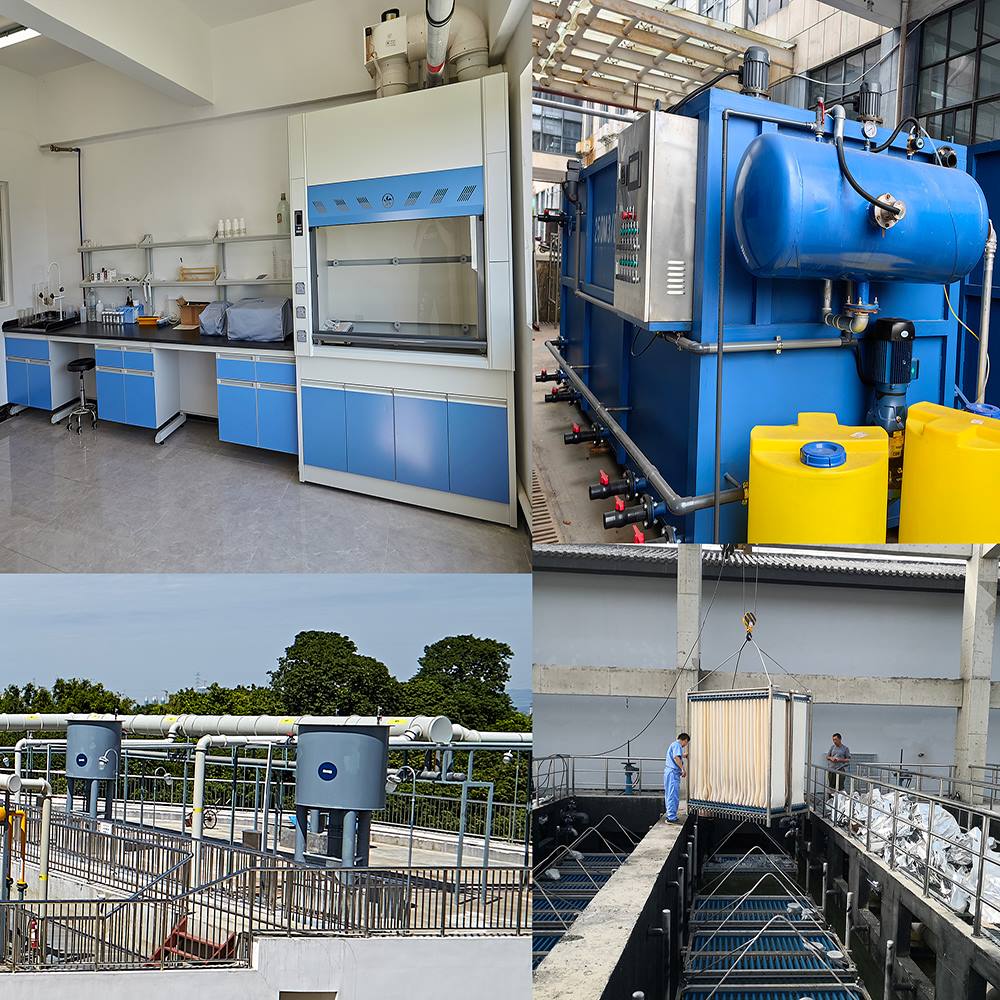
Choosing Food Wastewater Treatment for Meat and Dairy Plants
Choosing Food Wastewater Treatment for Meat and Dairy Plants
September 30, 2026
Author
Solution Provider, through a professional technical team, we provide customers with targeted equipment selection recommendations and comprehensive after-sales services, winning the trust and recognition of customers.
Sarah M.
Choosing the right wastewater treatment system for meat and dairy plants is critical for regulatory compliance, environmental protection, and operational efficiency. Meat and dairy wastewater is characterized by high organic loads, fats, oils, grease (FOG), suspended solids, nutrients, and variable flow. Treatment typically involves a multi-stage approach: preliminary (screening, grit removal, FOG separation, equalization), primary (DAF, sedimentation), secondary (aerobic, anaerobic, or hybrid biological processes), and tertiary (filtration, ultrafiltration, reverse osmosis, disinfection). Key selection criteria include influent characteristics, discharge limits, reuse goals, space constraints, energy costs, sludge handling, operational complexity, and vendor support. Technologies such as dissolved air flotation (DAF), membrane bioreactors (MBR), moving bed biofilm reactors (MBBR), upflow anaerobic sludge blanket (UASB) reactors, and reverse osmosis (RO) each offer distinct advantages. Integrated packaged and containerized systems provide compact, fast-to-deploy solutions. HINADA Water Treatment Tech Co., Ltd., a global manufacturer with over 13 years of experience, offers a complete range of products including UF membranes, MBR modules, DAF systems, and containerized MBR systems. Their solutions help meat and dairy plants achieve high effluent quality, water reuse, energy recovery, and cost savings. Real-world case studies demonstrate successful implementations in beef, dairy, and mixed processing facilities. Emerging trends include resource recovery, energy neutrality, digitalization, and membrane innovation. By partnering with an experienced vendor like HINADA, plants can navigate the complexities of wastewater treatment and contribute to a sustainable food industry.
Choosing Food Wastewater Treatment for Meat and Dairy Plants: A Comprehensive Guide
The meat and dairy processing industries are vital components of the global food supply chain, but they also generate some of the most challenging wastewater streams. From slaughterhouses to cheese factories, the effluent produced is laden with organic matter, fats, oils, grease (FOG), suspended solids, nutrients, and pathogens. If not properly treated, this wastewater can cause severe environmental damage, overwhelm municipal treatment systems, and lead to hefty fines and reputational damage. Choosing the right wastewater treatment solution is therefore a critical decision for plant managers, environmental engineers, and business owners. This comprehensive guide explores the key considerations, technologies, and best practices for selecting a food wastewater treatment system tailored to meat and dairy operations.
Understanding the Unique Characteristics of Meat and Dairy Wastewater
Meat and dairy processing wastewater differs significantly from domestic sewage or other industrial effluents. The composition varies depending on the specific product, processing methods, and seasonality. However, several common traits make treatment particularly demanding.
High Organic Load
Blood, fat, protein, and lactose contribute to extremely high biochemical oxygen demand (BOD) and chemical oxygen demand (COD). BOD levels can range from 1,000 to 5,000 mg/L, while COD can exceed 10,000 mg/L. This organic richness requires robust biological treatment to prevent oxygen depletion in receiving waters.
Fats, Oils, and Grease (FOG)
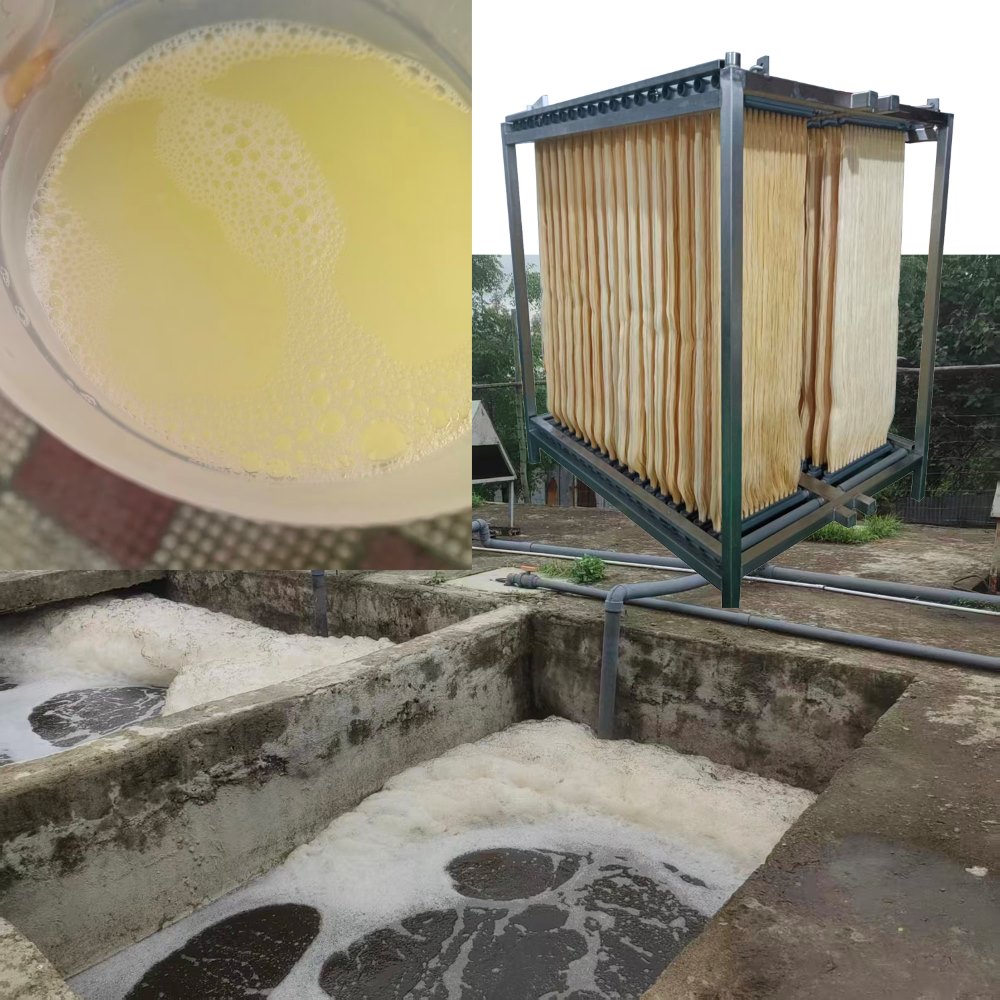
Dairy plants produce milk fats, while meat processing generates animal tallow and grease. FOG can solidify at lower temperatures, clogging pipes, pumps, and membranes. It also reduces the efficiency of biological treatment by coating biomass and limiting oxygen transfer.
undefined
Suspended Solids and Colloids
Meat and dairy wastewater contains high levels of suspended solids (TSS) from animal tissue, hair, and curds. These solids can be abrasive and contribute to sludge formation. Colloidal particles, such as proteins and emulsified fats, are difficult to settle without chemical or physical pre-treatment.
Nutrients: Nitrogen and Phosphorus
Proteins and cleaning agents introduce significant nitrogen (ammonia, organic nitrogen) and phosphorus loads. Discharging these nutrients without treatment leads to eutrophication in water bodies, causing algal blooms and aquatic dead zones.
Pathogens and Variable Flow
Meat processing wastewater may contain pathogens like Salmonella, E. coli, and Listeria. Dairy wastewater can harbor spoilage organisms. Additionally, flow rates and pollutant concentrations fluctuate widely based on production schedules, cleaning cycles, and seasonal demand.
Regulatory and Environmental Drivers
Before selecting a treatment technology, it is essential to understand the regulatory framework governing effluent discharge. In many countries, meat and dairy plants must obtain discharge permits that specify limits for BOD, COD, TSS, FOG, pH, nitrogen, phosphorus, and sometimes pathogens. Exceeding these limits can result in fines, permit revocation, or mandated upgrades.
Beyond compliance, sustainability goals are pushing processors to adopt water reuse and resource recovery. Treating wastewater to a high standard allows for reuse in cooling towers, boiler feed, or even irrigation, reducing freshwater withdrawal and discharge volumes. Some plants recover biogas from anaerobic digestion to offset energy costs, while others sell sludge as fertilizer or animal feed.
Overview of Treatment Train Options
A typical food wastewater treatment system for meat and dairy plants consists of multiple stages: preliminary, primary, secondary, and tertiary treatment. The choice of technologies within each stage depends on the influent characteristics, discharge requirements, available space, budget, and operational expertise.
Preliminary Treatment
Preliminary treatment removes large solids, grit, and FOG to protect downstream equipment. Common units include:
Screening: Bar screens, rotary drum screens, or fine screens capture hair, meat particles, and other debris.
Grit Removal: Vortex or aerated grit chambers settle sand, gravel, and other inorganic solids.
Grease Traps and FOG Removal: API separators, dissolved air flotation (DAF), or grease interceptors float and skim off fats, oils, and grease.
Primary treatment targets suspended solids and FOG that remain after preliminary steps. Chemical coagulation and flocculation followed by sedimentation or DAF can achieve 70–90% TSS removal and 50–70% FOG removal. Dissolved air flotation is particularly effective for meat and dairy wastewater because it uses micro-bubbles to attach to fats and solids, floating them to the surface for removal.
HINADA Water Treatment Tech Co., Ltd., a globally recognized manufacturer of wastewater treatment equipment, offers high-performance DAF systems designed to handle high FOG loads. Their DAF units combine coagulation, flocculation, and dissolved air flotation in a compact footprint, making them ideal for space-constrained meat and dairy plants.
Secondary Treatment
Secondary treatment is the biological heart of the system, where microorganisms consume dissolved and colloidal organic matter. Options include aerobic, anaerobic, and hybrid processes.
Aerobic Treatment
Aerobic processes use oxygen to oxidize organic matter, producing carbon dioxide, water, and biomass. Common configurations:
Activated Sludge: A suspended-growth system with aeration tanks and clarifiers. Effective but requires careful sludge management and can be prone to bulking.
Sequencing Batch Reactors (SBR): Fill-and-draw systems that combine equalization, aeration, and settling in one tank. Flexible and suitable for variable flows.
Moving Bed Biofilm Reactors (MBBR): Uses plastic carriers to support biofilm growth, offering high treatment capacity in a small footprint.
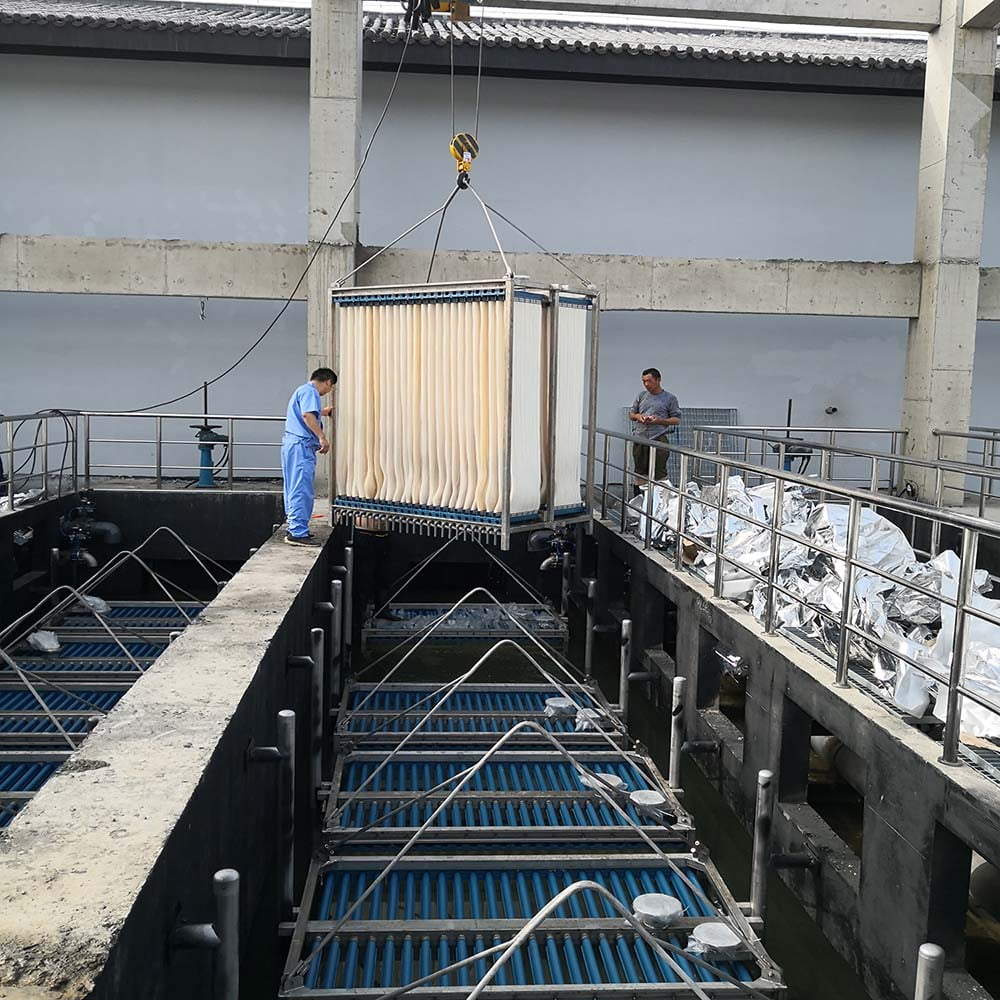
Membrane Bioreactors (MBR): Combines activated sludge with membrane filtration (ultrafiltration or microfiltration) to produce high-quality effluent free of suspended solids and pathogens. MBRs are increasingly popular for meat and dairy plants due to their compactness, high effluent quality, and ability to handle high organic loads.
HINADA's submerged MBR membrane modules are engineered for robust performance in demanding food wastewater applications. Their hollow fiber ultrafiltration membranes provide precise physical separation of suspended solids, bacteria, colloids, and macromolecular organics, ensuring a consistently high effluent quality suitable for reuse.
Anaerobic Treatment
Anaerobic digestion converts organic matter into biogas (methane and carbon dioxide) in the absence of oxygen. It is ideal for high-strength wastewater, as it reduces sludge production and generates renewable energy. Common anaerobic technologies:
Upflow Anaerobic Sludge Blanket (UASB): Wastewater flows upward through a sludge blanket, where anaerobic bacteria degrade organics. Suitable for high COD loads.
Anaerobic Digesters: Completely mixed or plug-flow reactors for slurries and high-solids waste.
Anaerobic Membrane Bioreactors (AnMBR): Combines anaerobic digestion with membrane filtration, retaining biomass and producing high-quality effluent.
Anaerobic treatment is particularly attractive for meat and dairy plants because it reduces energy costs, minimizes sludge disposal, and produces biogas that can be used for heating or electricity generation. However, it requires careful pH, temperature, and nutrient control.
Tertiary Treatment
Tertiary treatment polishes effluent to meet stringent discharge limits or enable reuse. Technologies include:
Ultrafiltration (UF): Hollow fiber UF membranes remove bacteria, viruses, and macromolecules, producing water suitable for reverse osmosis (RO) pre-treatment.
Reverse Osmosis (RO): High-pressure membranes remove dissolved salts, nutrients, and trace organics, enabling water reuse in boilers or cooling towers.
Disinfection: UV, ozone, or chlorination inactivates pathogens.
Nutrient Removal: Chemical precipitation, biological nutrient removal (BNR), or ion exchange for nitrogen and phosphorus.
HINADA's industrial RO systems and ultrafiltration systems are designed to integrate seamlessly with upstream biological treatment, providing a complete solution for water reuse and zero liquid discharge (ZLD) goals.
Key Selection Criteria for Meat and Dairy Plants
Choosing the right treatment system requires a systematic evaluation of technical, economic, and operational factors. Below are the most critical criteria.
1. Influent Characteristics and Flow Rate
Conduct a thorough wastewater characterization study. Measure BOD, COD, TSS, FOG, nitrogen, phosphorus, pH, temperature, and flow variations. Peak flows can be several times the average, so equalization is essential. The design must handle worst-case loads without failure.
2. Discharge Requirements and Reuse Goals
Determine whether the effluent will be discharged to a municipal sewer, surface water, or reused onsite. Municipal sewers often have lower fees for lower-strength waste, but surcharges for high BOD, TSS, and FOG can be substantial. If reuse is a goal, advanced treatment like MBR, UF, and RO may be necessary.
3. Available Space and Footprint
Meat and dairy plants are often land-constrained. Compact technologies like MBR, DAF, and containerized systems save space. HINADA's integrated packaged wastewater treatment systems and containerized MBR systems are pre-assembled and ready to install, minimizing civil works and footprint.
4. Energy Consumption and Operational Costs
Aerobic treatment is energy-intensive due to aeration. Anaerobic treatment produces biogas, offsetting energy costs. MBRs have higher energy demands than conventional activated sludge but produce superior effluent and reduce downstream disinfection needs. Evaluate lifecycle costs, including chemicals, membranes, sludge disposal, and labor.
5. Sludge Handling and Disposal
Meat and dairy wastewater generates significant sludge. Anaerobic digestion reduces sludge volume and produces biogas. Aerobic systems produce excess biomass that requires thickening, dewatering, and disposal. DAF sludge contains high FOG and requires specialized handling. Choose technologies that minimize sludge and enable beneficial reuse.
6. Operational Complexity and Staffing
Some technologies, like MBR and anaerobic digesters, require skilled operators. Others, like SBR and MBBR, are more forgiving. Consider the availability of trained personnel and the level of automation. HINADA provides comprehensive training and commissioning support, ensuring smooth technology transfer.
7. Scalability and Modularity
Production volumes may grow, so choose a system that can be expanded. Modular MBR and packaged plants allow incremental capacity additions. Containerized systems can be duplicated as needed.
8. Regulatory Compliance and Permitting
Ensure the selected technology can consistently meet current and anticipated future regulations. Some regions require nutrient removal, while others focus on FOG and TSS. Design with a safety margin.
9. Vendor Support and Reputation
Choose a vendor with proven experience in meat and dairy wastewater. HINADA Water Treatment Tech Co., Ltd., founded in 2012 in Guangzhou, China, has over 13 years of experience in the water treatment industry and 10 years of membrane and equipment manufacturing. The company serves clients in over 75 countries across Asia, Africa, Europe, and the Americas. Their complete ecosystem from membrane R&D to turnkey solution delivery ensures reliable support.
Technology Comparison Table
The following table summarizes key technologies for meat and dairy wastewater treatment.
Technology
Target Pollutants
Advantages
Disadvantages
Typical Footprint
DAF
FOG, TSS
High removal efficiency, compact
Chemical use, sludge handling
Small
Activated Sludge
BOD, COD
Proven, flexible
Large footprint, sludge bulking
Large
SBR
BOD, COD, nutrients
Flexible, single tank
Cyclic operation, requires control
Medium
MBBR
BOD, COD, nutrients
Compact, high capacity
Carrier management
Medium
MBR
BOD, COD, TSS, pathogens
High effluent quality, compact
Higher energy, membrane fouling
Small
UASB
High COD
Biogas production, low sludge
Long startup, sensitive to toxics
Medium
AnMBR
High COD, TSS
High quality effluent, biogas
Complex, membrane fouling
Small
UF
TSS, bacteria, macromolecules
High removal, compact
Membrane fouling, pre-treatment needed
Small
RO
Dissolved salts, nutrients
High purity, reuse
High energy, concentrate disposal
Medium
Integrating Technologies: The Case for Packaged and Containerized Systems
For many meat and dairy plants, a customized treatment train is necessary. However, prefabricated and containerized systems offer significant advantages: reduced engineering time, faster installation, lower civil costs, and consistent quality. HINADA's integrated packaged wastewater treatment systems combine equalization, biological treatment, membrane filtration, and disinfection into a single, skid-mounted unit. Their containerized MBR systems are ready to plug and play, ideal for remote locations or temporary processing sites.
These systems are particularly beneficial for small to medium-sized plants that lack the space or capital for conventional concrete structures. They can also serve as decentralized treatment units, treating wastewater at the source before discharge or reuse.
Case Studies: Real-World Applications
Case Study 1: Large Beef Processing Plant in South America
A beef processing plant with a flow of 2,000 m³/day faced high BOD (4,500 mg/L), FOG (800 mg/L), and TSS (1,200 mg/L). The existing lagoon system was overloaded, causing odor and permit violations. The solution included:
Preliminary screening and equalization
DAF unit for FOG and TSS removal
Anaerobic UASB reactor for high COD reduction and biogas production
Aerobic MBR for polishing and nutrient removal
UV disinfection for reuse in cooling towers
The plant achieved 99% BOD removal, 98% COD removal, and 95% FOG removal. Biogas generated 30% of the plant's thermal energy, and treated water reduced freshwater intake by 40%.
Case Study 2: Dairy Processing Facility in Europe
A cheese and yogurt factory producing 1,500 m³/day of wastewater with high lactose and protein content required strict nitrogen and phosphorus limits. The treatment train included:
Fine screening and grease trap
Equalization and pH adjustment
Activated sludge with biological nutrient removal (BNR)
Ultrafiltration and reverse osmosis for water reuse
Sludge anaerobic digestion for biogas
The facility met EU discharge standards, reused 60% of water, and reduced sludge disposal costs by 50%. HINADA supplied the UF and RO membranes, which operated reliably for over five years.
Case Study 3: Mixed Meat and Dairy Plant in Southeast Asia
A combined facility processing pork and milk products discharged 800 m³/day with variable flow and high FOG. Space was limited. The chosen solution was a containerized MBR system from HINADA, preceded by DAF. The system fit into a 20-foot container footprint, was commissioned in six weeks, and produced effluent suitable for irrigation. The plant saved 35% on water costs and eliminated sewer surcharges.
Emerging Trends and Future Directions
The food industry is moving toward circular economy principles. Wastewater is increasingly seen as a resource for water, energy, and nutrients. Key trends include:
Resource Recovery: Extraction of proteins, fats, and lactose from wastewater for animal feed or bioplastics.
Energy Neutrality: Anaerobic digestion coupled with combined heat and power (CHP) to achieve net-zero energy.
Digitalization: IoT sensors, AI-based control, and remote monitoring optimize treatment performance and reduce downtime.
Membrane Innovation: Fouling-resistant membranes, lower-pressure RO, and forward osmosis reduce energy and chemical use.
Decentralized Treatment: Modular, containerized systems enable treatment at the point of generation.
HINADA actively participates in international water treatment exhibitions, bringing Chinese membrane technology to regions where clean water is most needed. Their R&D focuses on advancing hollow fiber UF and MBR membranes for challenging industrial effluents.
How to Select the Right Partner
Choosing a wastewater treatment partner is as important as choosing the technology. Look for a vendor with:
Proven experience in meat and dairy wastewater
A complete product portfolio (membranes, DAF, MBR, RO)
In-house manufacturing for quality control
Global project references
Comprehensive support: design, installation, commissioning, training
Financial stability and long-term commitment
HINADA Water Treatment Tech Co., Ltd. exemplifies these qualities. With a manufacturing base in Chenzhou, Hunan Province, and headquarters in Guangzhou, they have delivered thousands of installations worldwide. Their core products include PVDF/PVC hollow fiber UF membranes, submerged MBR membrane modules, containerized MBR systems, packaged wastewater treatment plants, DAF systems, UF systems, and industrial RO systems.
From day one, HINADA focused on two core technology pillars: hollow fiber ultrafiltration (UF/MBR) membranes for precise physical separation, and intelligent integrated wastewater treatment equipment for ready-to-install solutions. This dual focus ensures they can tailor a system to any meat or dairy plant's specific needs.
Conclusion
Selecting a food wastewater treatment system for a meat or dairy plant is a complex but manageable task. By understanding wastewater characteristics, regulatory requirements, and available technologies, plant managers can make informed decisions. Key takeaways include:
Characterize wastewater thoroughly before design.
Combine preliminary, primary, secondary, and tertiary treatment as needed.
Consider anaerobic digestion for energy recovery and sludge reduction.
Use MBR, UF, and RO for high-quality effluent and reuse.
Evaluate footprint, energy, sludge, and operational complexity.
Partner with an experienced vendor like HINADA for reliable support.
With the right treatment train, meat and dairy plants can achieve compliance, reduce costs, and contribute to a more sustainable food industry. The technology exists today—the key is choosing wisely.
About HINADA Water Treatment Tech Co., Ltd.
HINADA is a globally recognized manufacturer of wastewater treatment equipment, hollow fiber ultrafiltration (UF) membranes, submerged MBR membrane modules, integrated packaged wastewater treatment systems, and DAF systems. Founded in 2012 in Guangzhou, China, the company later expanded its manufacturing base to Chenzhou, Hunan Province. Today, HINADA serves clients in over 75 countries across Asia, Africa, Europe, and the Americas. They provide truly integrated solutions for water and wastewater projects, from design, supplying, installation support, and commissioning to training. With more than 13 years of industry experience and 10 years of membrane and equipment manufacturing, HINADA offers a complete ecosystem from membrane R&D to turnkey solution delivery.
Their key application fields include industrial wastewater treatment and reuse, municipal sewage treatment and water recycling, rural decentralized water supply and sanitation, and drinking water purification. For meat and dairy plants seeking reliable, efficient, and sustainable wastewater treatment, HINADA is a partner worth considering.