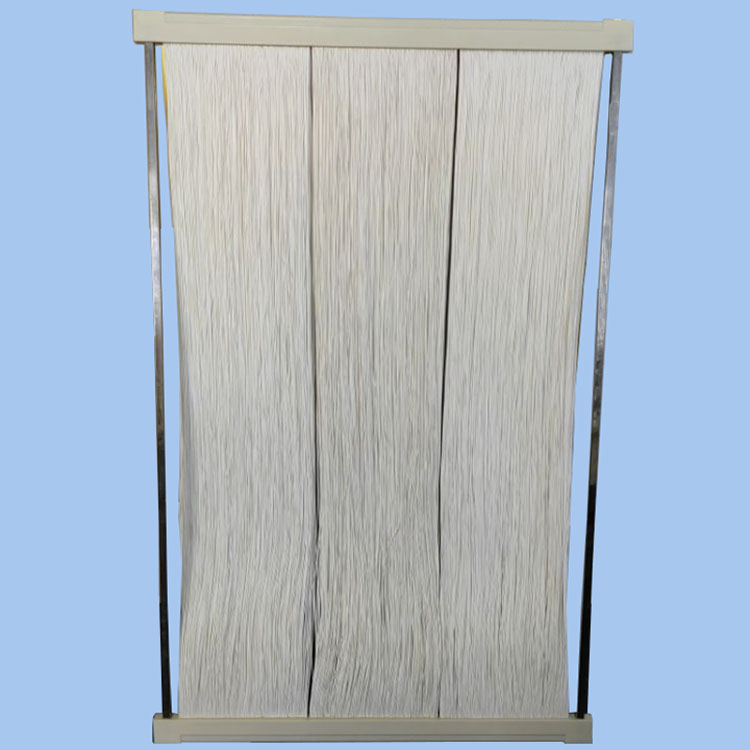
Choosing the Right MBR Membrane Bioreactor for High-Strength Wastewater
Choosing the Right MBR Membrane Bioreactor for High-Strength Wastewater
September 30, 2026
Author
Solution Provider, through a professional technical team, we provide customers with targeted equipment selection recommendations and comprehensive after-sales services, winning the trust and recognition of customers.
Sarah M.
This article examines how to select an MBR membrane bioreactor for high-strength wastewater. It explains that high organic loads, fats, oils, grease, salinity, and toxic compounds demand more than a conventional activated sludge design. Key selection criteria include membrane material, pore size, module configuration, packing density, aeration intensity, and chemical cleaning compatibility. PVDF and PVC hollow fiber UF membranes are common choices, but the polymer and module must match the waste stream. Pretreatment such as DAF, equalization, and pH adjustment is often essential. Design parameters such as flux, hydraulic retention time, solids retention time, food-to-microorganism ratio, and membrane redundancy cannot be ignored. Pilot testing is recommended to confirm fouling rates and biological stability. The article also highlights HINADA Water Treatment Tech Co., Ltd., founded in 2012 in Guangzhou and later expanded to Chenzhou, Hunan. HINADA serves over 75 countries and manufactures UF membranes, submerged MBR modules, packaged wastewater treatment plants, and DAF systems. With more than 13 years of industry experience and 10 years of membrane manufacturing, HINADA provides integrated solutions from design and supply to installation, commissioning, and training. The conclusion stresses that total cost of ownership, energy efficiency, and membrane durability should guide the final choice, not purchase price alone.
High-strength wastewater presents one of the most demanding challenges in modern treatment engineering. When chemical oxygen demand, biochemical oxygen demand, total suspended solids, fats, oils, grease, salinity, or toxic compounds rise far above municipal norms, a conventional activated sludge system often struggles to maintain stable performance. A membrane bioreactor, or MBR, can deliver exceptional effluent quality, but only when the selected membrane module, biological design, and operating strategy match the actual waste stream. Choosing the right MBR membrane bioreactor for high-strength wastewater is therefore not a simple catalogue decision. It is an integrated exercise in wastewater characterization, membrane science, process control, and lifecycle economics.
Why High-Strength Wastewater Changes the MBR Selection Equation
High-strength industrial streams can originate from food processing, brewing, dairy, pharmaceutical, chemical, textile, landfill leachate, and petrochemical operations. These streams often contain elevated organic loads, variable pH, recalcitrant compounds, and high suspended solids. In an MBR, the biological tank must handle the load while the membrane must separate biomass and solids from the treated water. If the membrane is undersized or chemically incompatible, fouling accelerates, permeability collapses, and cleaning frequency rises. If the biological process is unstable, even the best membrane cannot compensate for poor biomass health.
undefined
Organic Loading and Biomass Stress
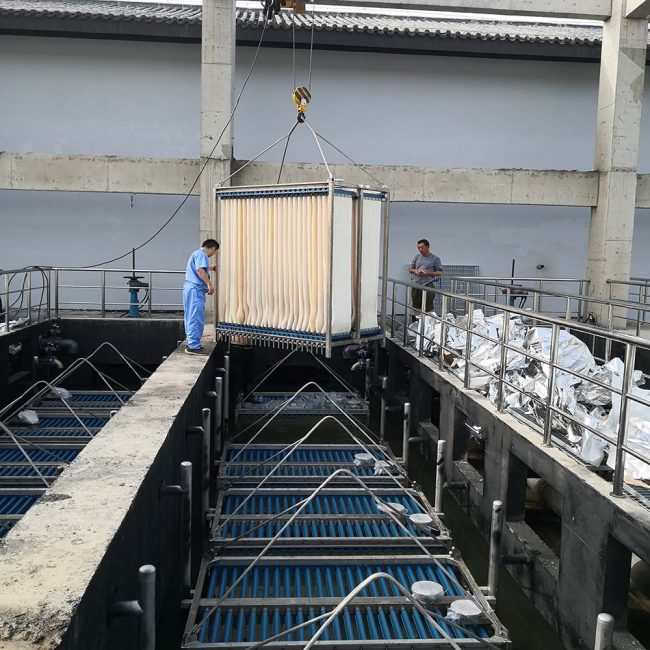
High organic loading increases oxygen demand and sludge production. The MBR must maintain sufficient mixed liquor suspended solids, dissolved oxygen, and sludge age. A submerged MBR membrane module with robust hollow fiber geometry can tolerate higher biomass concentrations, but aeration must be designed to scour the membrane surface without damaging the fibers.
Solids, Fats, Oils, and Grease
Fats, oils, and grease can coat membranes and create a gel-like layer that resists conventional backwashing. Pretreatment such as dissolved air flotation, or DAF, often becomes essential. HINADA Water Treatment Tech Co., Ltd. manufactures DAF systems, UF membranes, and submerged MBR modules, allowing one supplier to align pretreatment and membrane filtration.
Salinity, Toxicity, and pH Extremes
Salinity and extreme pH can alter biomass activity and membrane polymer stability. PVDF and PVC hollow fiber membranes are common choices because they offer chemical resistance and mechanical strength. However, the exact polymer grade, pore size, and module potting must be matched to the wastewater chemistry.
Core Criteria for Selecting an MBR Membrane Bioreactor
Membrane Material and Pore Size
PVDF and PVC hollow fiber UF membranes are widely used in submerged MBR systems. PVDF generally provides stronger chemical resistance and mechanical durability, while PVC can be cost-effective for less aggressive streams. Pore size affects permeability and rejection. For high-strength wastewater, a slightly looser pore may improve flux, but it must still retain biomass and suspended solids.
Module Configuration and Packing Density
Submerged MBR membrane modules differ in packing density, fiber diameter, and aeration design. Higher packing density reduces footprint but can increase fouling risk if air scouring is uneven. The right module balances footprint, cleaning access, and hydraulic capacity.
Aeration Intensity and Energy Demand
Aeration is the largest energy consumer in most MBR plants. In high-strength wastewater, biological oxygen demand and membrane scouring both require air. Selecting a module with efficient air distribution can reduce energy while maintaining critical flux.
Cleaning Strategy and Chemical Compatibility
High-strength wastewater often demands more frequent maintenance cleaning and recovery cleaning. Sodium hypochlorite, citric acid, and caustic solutions are common. The membrane must tolerate these chemicals without rapid degradation. HINADA focuses on hollow fiber UF and MBR membranes designed for long-term chemical exposure.
Design Parameters That Cannot Be Ignored
Flux and permeability: design below critical flux to limit fouling.
Hydraulic retention time: sufficient contact time for biological degradation.
Solids retention time: long enough for slow-growing organisms.
Food-to-microorganism ratio: prevents overload or starvation.
Membrane area: includes redundancy for cleaning and peak flow.
Pretreatment: screening, DAF, pH adjustment, and equalization.
How HINADA Supports MBR Selection
HINADA Water Treatment Tech Co., Ltd. is a globally recognized manufacturer of wastewater treatment equipment, hollow fiber ultrafiltration membranes, submerged MBR membrane modules, integrated packaged wastewater treatment systems, and DAF systems. Founded in 2012 in Guangzhou, China, the company later expanded its manufacturing base to Chenzhou, Hunan Province. Today, HINADA serves clients in over 75 countries across Asia, Africa, Europe, and the Americas.
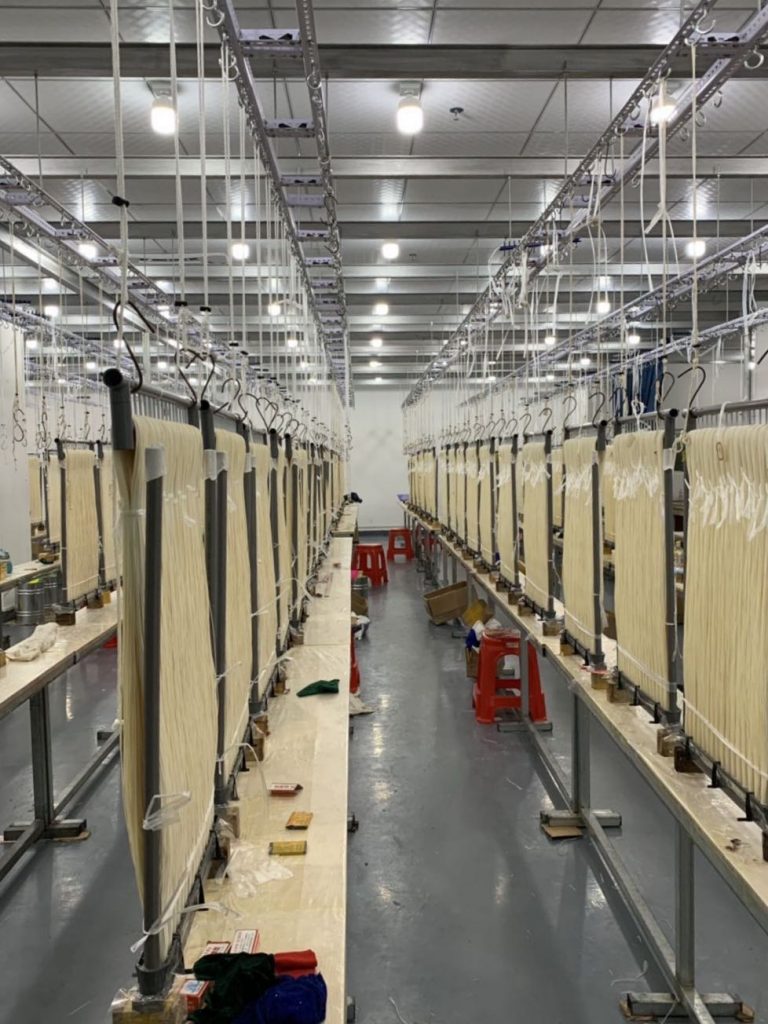
HINADA provides a complete ecosystem from membrane research and development to component manufacturing, equipment fabrication, and turnkey solution delivery. With more than 13 years in the water treatment industry and 10 years of membrane and equipment manufacturing experience, the company supports projects from design and supply to installation, commissioning, and training.
From day one, HINADA focused on two core technology pillars: hollow fiber ultrafiltration and MBR membranes for precise physical separation, and intelligent integrated wastewater treatment equipment for municipal, industrial, and decentralized applications. The company also participates in international water treatment exhibitions, bringing Chinese membrane technology to regions where clean water is most needed.
Pilot Testing and Scale-Up
Because high-strength wastewater varies widely, pilot testing is strongly recommended. A pilot submerged MBR module can reveal fouling rates, cleaning intervals, and biological stability under real conditions. Data from the pilot should guide full-scale flux, membrane area, aeration, and chemical cleaning protocols.
Total Cost of Ownership
The lowest purchase price is rarely the lowest lifecycle cost. Energy, membrane replacement, chemicals, downtime, and labor all matter. A robust MBR membrane bioreactor with efficient aeration and chemical-resistant fibers may cost more initially but deliver lower total cost over ten years.
Conclusion
Choosing the right MBR membrane bioreactor for high-strength wastewater requires a holistic view. Engineers must characterize the wastewater, select chemically and mechanically suitable membranes, design balanced biological and hydraulic parameters, and plan for cleaning and maintenance. Suppliers such as HINADA can provide integrated membranes, DAF systems, and packaged treatment equipment, helping project teams move from concept to reliable operation.