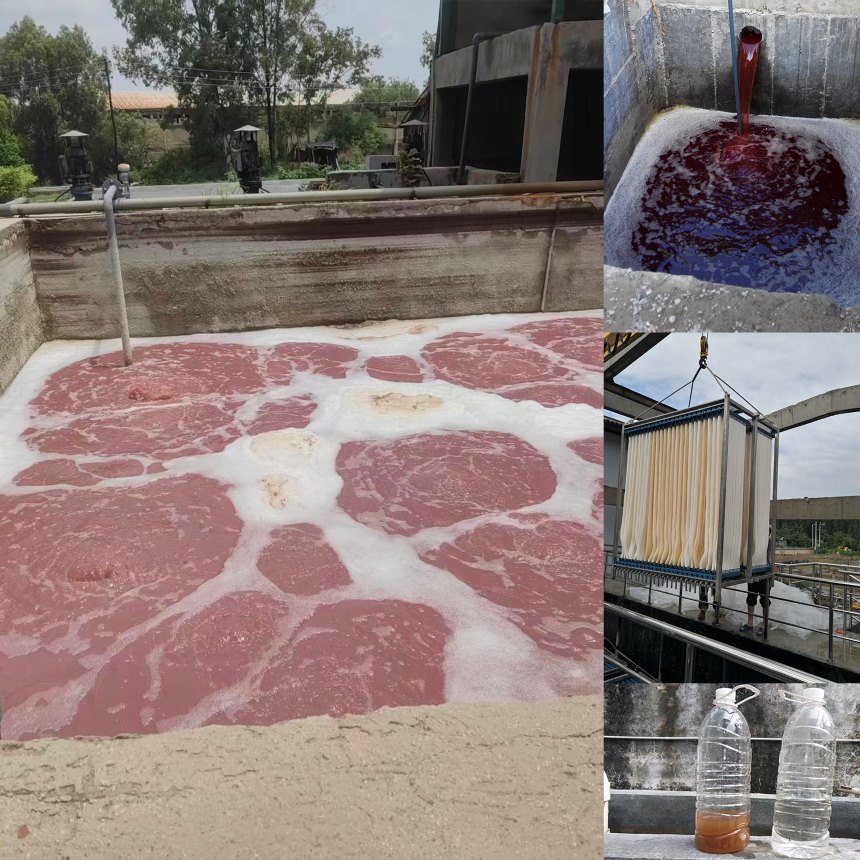
Commercial Sewage Treatment Benefits for Water Reuse and Odor Control
Commercial Sewage Treatment Benefits for Water Reuse and Odor Control
September 30, 2026
Author
Solution Provider, through a professional technical team, we provide customers with targeted equipment selection recommendations and comprehensive after-sales services, winning the trust and recognition of customers.
Sarah M.
Commercial sewage treatment offers significant advantages for water reuse and odor control. It enables facilities to treat wastewater on-site and reuse it for irrigation, toilet flushing, cooling tower makeup, boiler feed, and process water. This reduces water purchase costs, sewer discharge fees, and reliance on scarce freshwater. Odor control protects guests, patients, employees, and nearby communities from nuisance odors while preventing corrosion and regulatory penalties. Effective systems combine preliminary, primary, secondary, and tertiary treatment. Membrane bioreactors and ultrafiltration are compact and produce high-quality effluent suitable for reuse. Odor control technologies include biofilters, activated carbon, chemical scrubbers, UV, ozone, and monitoring. HINADA Water Treatment Tech Co., Ltd., founded in 2012 in Guangzhou and expanded to Chenzhou, Hunan Province, manufactures wastewater treatment equipment, hollow fiber UF membranes, submerged MBR modules, integrated packaged systems, and DAF systems. HINADA serves clients in over 75 countries and provides turnkey solutions from design and equipment supply to installation support, commissioning, and training. With more than 13 years of industry experience and 10 years of membrane manufacturing experience, HINADA focuses on two core pillars: hollow fiber ultrafiltration and MBR membranes, and intelligent integrated wastewater treatment equipment. By integrating water reuse and odor control, commercial facilities can lower operating costs, improve ESG performance, enhance resilience, and create cleaner, more sustainable environments. Payback periods often range from three to seven years, depending on local tariffs and incentives. As water scarcity and regulations intensify, commercial sewage treatment becomes a strategic investment for businesses seeking competitiveness and responsibility.
Commercial Sewage Treatment Benefits for Water Reuse and Odor Control
Commercial sewage treatment has evolved from a basic compliance obligation into a strategic asset for modern businesses. Shopping centers, hotels, hospitals, office towers, educational campuses, food processors, laundries, and mixed-use developments all generate wastewater that contains organic matter, nutrients, suspended solids, pathogens, and odor-causing compounds. When this wastewater is discharged without adequate treatment, it creates environmental harm, regulatory penalties, operational risks, and neighborhood complaints. When it is treated intelligently, it becomes a source of reusable water, lower utility costs, stronger sustainability performance, and better community relations. The dual benefits of water reuse and odor control are especially important for commercial facilities because these sites operate close to people, customers, and employees. Odors can destroy the guest experience, while water shortages can threaten business continuity. Hinada Water Treatment Tech Co., Ltd., known as HINADA, has spent more than a decade helping clients address both challenges through advanced membranes and integrated wastewater treatment equipment.
HINADA Water Treatment Tech Co., Ltd. is a globally recognized manufacturer of wastewater treatment equipment, hollow fiber ultrafiltration (UF) membranes, submerged MBR membrane modules, integrated packaged wastewater treatment systems, and DAF systems. Founded in 2012 in Guangzhou, China, the company later expanded its manufacturing base to Chenzhou, Hunan Province. Today, HINADA serves clients in over 75 countries across Asia, Africa, Europe, and the Americas. This global footprint gives the company deep experience with diverse commercial wastewater streams, local discharge standards, and reuse requirements. For commercial facilities, HINADA provides a complete ecosystem from membrane R&D and component manufacturing to equipment fabrication and turnkey solution delivery. That integrated approach matters because water reuse and odor control are not separate problems; they are linked to treatment performance, system design, and operational discipline.
Why Commercial Sewage Treatment Is Different from Municipal Treatment
Commercial sewage treatment differs from municipal treatment in several important ways. First, commercial facilities often have highly variable flow rates. A hotel may generate large volumes of wastewater during morning checkout and evening dining peaks, while a shopping mall may produce concentrated flows during weekends and holidays. Second, commercial wastewater can contain contaminants that are not typical of domestic sewage. Food service establishments contribute fats, oils, and grease. Hospitals may discharge pharmaceuticals, disinfectants, and laboratory chemicals. Laundries produce high levels of surfactants, suspended solids, and temperature loads. Industrial parks may combine dozens of process streams with different pH, salinity, and organic strength. Third, commercial facilities usually have limited space for treatment infrastructure. They cannot rely on vast municipal lagoons or land-intensive processes. They need compact, modular, and often prefabricated systems that can be installed in basements, rooftops, parking structures, or small utility yards.
These differences mean that commercial sewage treatment must be robust, flexible, and intelligent. It must handle shock loads, seasonal variations, and changes in business activity. It must be easy to operate because many commercial sites do not employ full-time wastewater specialists. It must also be quiet, odor-free, and visually acceptable because it operates near guests, patients, students, shoppers, and office workers. HINADA addresses these requirements through two core technology pillars. The first pillar is hollow fiber ultrafiltration and MBR membranes, which provide precise physical separation of suspended solids, bacteria, colloids, and macromolecular organics. The second pillar is intelligent integrated wastewater treatment equipment, which offers ready-to-install solutions for municipal, industrial, and decentralized applications. Together, these pillars allow commercial facilities to achieve high-quality effluent, reliable water reuse, and effective odor control in a compact footprint.
undefined
The Rising Value of Water Reuse for Commercial Facilities
Water reuse is becoming a central strategy for commercial facilities because freshwater is increasingly scarce, expensive, and regulated. In many regions, municipal water tariffs have risen faster than inflation, while drought restrictions and water allocation limits have become more common. Businesses that depend on continuous water supply, such as hotels, hospitals, data centers, and food processors, cannot afford interruptions or rationing. Reusing treated sewage for non-potable applications reduces dependence on municipal supplies and provides a buffer against scarcity. It also demonstrates environmental responsibility to customers, investors, and regulators. For commercial properties pursuing green building certifications, water reuse can contribute valuable credits and improve overall sustainability scores.
Reused water can serve many purposes in and around commercial buildings. Irrigation of landscapes, green roofs, and sports fields is one of the most common applications. Toilet flushing and urinal flushing represent a large and steady demand that can be met with treated greywater or blackwater. Cooling tower makeup water is another high-volume use, although it requires careful treatment to control scaling, corrosion, and biological growth. Boiler feed water, process water, vehicle washing, floor cleaning, and firefighting reserve are additional applications. In some cases, advanced treatment can produce water suitable for groundwater recharge or even indirect potable reuse, although this requires rigorous regulatory approval and monitoring. The key is to match the quality of treated water to the intended use, avoiding unnecessary over-treatment while ensuring safety and reliability.
Water reuse also reduces the volume and cost of wastewater discharge. Many commercial facilities pay sewer charges based on discharge volume and pollutant load. By reusing water on-site, they reduce the amount sent to municipal sewers, lowering both water purchase costs and discharge fees. This creates a double financial benefit. In addition, on-site reuse reduces the hydraulic load on municipal treatment plants, which is particularly valuable in communities with combined sewer overflows or aging infrastructure. From a resilience perspective, on-site water reuse allows businesses to continue operating during water restrictions, supply disruptions, or emergency conditions. This continuity can protect revenue and reputation in ways that are difficult to quantify but highly significant.
Irrigation of lawns, gardens, and green walls
Toilet and urinal flushing in commercial buildings
Cooling tower makeup and boiler feed pretreatment
Process water for manufacturing, food, and beverage operations
Vehicle washing, floor cleaning, and dust suppression
Firefighting reserve and emergency water storage
Groundwater recharge and aquifer storage where permitted
Odor Control as a Business Imperative
Odor control is often treated as an afterthought in wastewater treatment, but for commercial facilities it is a critical business issue. Unpleasant odors from sewage can drive away customers, trigger complaints from neighbors, and attract regulatory attention. In hotels and restaurants, odors can ruin the guest experience and lead to negative online reviews. In hospitals, odors can affect patient comfort and infection control perceptions. In shopping malls, odors can reduce dwell time and sales. In office buildings, odors can lower employee morale and productivity. In residential mixed-use developments, odors can lead to lawsuits and delays in occupancy permits. Therefore, odor control must be designed into the wastewater treatment system from the beginning, not added as a temporary fix.
Odors from sewage are primarily caused by anaerobic decomposition of organic matter. When wastewater sits in collection systems, tanks, or wet wells with limited oxygen, bacteria reduce sulfate to hydrogen sulfide and break down proteins and other organic compounds into ammonia, mercaptans, indoles, skatoles, and volatile fatty acids. Hydrogen sulfide is particularly problematic because it has a strong rotten-egg odor at very low concentrations. It is also corrosive to concrete and metals, leading to expensive damage in collection systems and treatment plants. Ammonia contributes a sharp, pungent smell. Mercaptans and other sulfur compounds can be detected at parts-per-billion levels and are often described as garlic, cabbage, or sewage-like. The human nose is extremely sensitive, so even small emissions can cause significant complaints.
Effective odor control requires a combination of containment, ventilation, treatment, and monitoring. Containment prevents odorous air from escaping into occupied spaces. Ventilation captures odorous air from enclosed tanks, wet wells, screening rooms, and sludge handling areas. Treatment removes or neutralizes odorous compounds before air is discharged. Monitoring ensures that the system continues to perform under changing conditions. Commercial facilities often need compact, low-maintenance odor control solutions that can be integrated with the wastewater treatment process. HINADA's integrated packaged systems are designed with odor management in mind, using covered tanks, controlled airflow, and compatible treatment technologies that reduce odor generation at the source.
The Science of Odor Formation in Commercial Sewage
Understanding odor formation helps engineers and facility managers design better control strategies. The first stage of odor generation is the depletion of dissolved oxygen. Fresh wastewater contains some oxygen, but microbial activity quickly consumes it. Once oxygen is depleted, facultative and anaerobic bacteria become dominant. These bacteria use nitrate, sulfate, and organic compounds as electron acceptors. Sulfate-reducing bacteria convert sulfate to sulfide, which then reacts with hydrogen ions to form hydrogen sulfide gas. This gas can escape from liquid surfaces, especially in turbulent areas such as weirs, cascades, and pump discharges. The rate of hydrogen sulfide release increases with temperature, pH, and turbulence. Higher temperatures accelerate biological activity, while lower pH shifts the equilibrium toward gaseous hydrogen sulfide.
Other odorous compounds form through the breakdown of proteins, fats, and carbohydrates. Ammonia is released when urea and proteins are decomposed. Volatile fatty acids, such as acetic, propionic, and butyric acid, produce rancid and sour odors. Mercaptans, also known as thiols, are formed from sulfur-containing amino acids. Indole and skatole are produced from tryptophan and are associated with fecal odors. These compounds often occur together, creating a complex odor profile that is difficult to treat with a single technology. For example, activated carbon adsorbs many organic compounds but has limited capacity for ammonia. Chemical scrubbers can neutralize hydrogen sulfide and ammonia but may require careful chemical dosing. Biofilters can degrade a wide range of biodegradable odorous compounds but need consistent moisture, temperature, and nutrient levels. Therefore, a multi-stage approach is often the most reliable.
Commercial facilities also face odor problems from specific sources. Grease interceptors in restaurants can become anaerobic and produce strong rancid odors. Laundry wastewater may contain surfactants and solvents that create chemical smells. Hospital wastewater may contain disinfectants and pharmaceuticals that produce medicinal or phenolic odors. Food processing wastewater can contain high-strength organic matter that generates intense odors during storage and treatment. In each case, the odor control strategy must consider the specific contaminants, flow patterns, and local sensitivity. HINADA works with clients to characterize wastewater and design treatment trains that reduce both pollutant loads and odor potential.
Water Reuse Applications and Quality Requirements
Not all reused water needs to be potable. Matching water quality to the intended use is essential for cost-effective and safe reuse. The following table summarizes common commercial reuse applications and typical quality considerations.
The table shows that treatment requirements vary widely. Landscape irrigation may require only secondary treatment and disinfection, while boiler feed water may require reverse osmosis and ion exchange. Cooling tower makeup needs control of scale, corrosion, and biological growth. Toilet flushing requires water that is clear, odorless, and microbiologically safe. Process water may need to meet strict industrial specifications. Therefore, a commercial facility should conduct a water audit to identify all potential reuse applications, their volume and quality requirements, and the cost of alternative water sources. This audit helps determine the optimal treatment train and the payback period for the investment.
Water reuse also requires a robust monitoring program. Even if the treatment system is well designed, regular testing ensures that the water meets health and safety standards. Typical parameters include pH, turbidity, residual chlorine, E. coli or total coliforms, BOD, COD, TSS, and specific contaminants of concern. Online sensors can provide continuous monitoring for key parameters such as turbidity, chlorine, and conductivity. When a parameter exceeds its limit, the system should automatically divert water to the sewer or recirculate it for additional treatment. This fail-safe approach protects public health and maintains regulatory compliance. HINADA's integrated systems can incorporate online instrumentation and automation to support reliable reuse.
Treatment Trains for Commercial Water Reuse
A typical commercial water reuse treatment train includes preliminary, primary, secondary, and tertiary treatment. Preliminary treatment removes large debris, grit, and fats, oils, and grease. Primary treatment removes settleable solids and floating material. Secondary treatment removes dissolved organic matter and nutrients using biological processes. Tertiary treatment polishes the effluent for reuse using filtration, membranes, advanced oxidation, or disinfection. The specific combination depends on the wastewater characteristics, reuse requirements, space constraints, and budget. In many commercial applications, membrane bioreactors (MBR) combine secondary and tertiary treatment in a single compact system, producing high-quality effluent suitable for reuse.
Preliminary Treatment
Preliminary treatment protects downstream equipment and prevents clogging. Bar screens or fine screens remove rags, plastics, and other debris. Grit chambers remove sand, gravel, and heavy particles that can wear pumps and valves. Grease traps or dissolved air flotation (DAF) units remove fats, oils, and grease, which can coat membranes and reduce biological activity. For commercial kitchens and food processors, grease removal is especially important. If grease enters the biological treatment system, it can cause foaming, odor, and poor effluent quality. HINADA supplies DAF systems that use dissolved air to float grease and suspended solids to the surface, where they can be skimmed off. DAF is compact, efficient, and well suited to commercial wastewater with high oil and grease content.
Primary Treatment
Primary treatment typically involves sedimentation or clarification. In a primary clarifier, wastewater is held long enough for suspended solids to settle and floatable material to rise. The settled sludge is removed from the bottom, and scum is removed from the top. Primary treatment can remove 50 to 70 percent of suspended solids and 25 to 40 percent of BOD. However, primary clarifiers require space and can generate odors if not covered and ventilated. For compact commercial systems, primary treatment may be integrated with secondary treatment in an MBR or sequencing batch reactor. Some packaged systems use fine screens and equalization tanks instead of conventional clarifiers. Equalization tanks buffer flow and load variations, which is critical for commercial facilities with fluctuating occupancy and activity.
Secondary Treatment
Secondary treatment uses microorganisms to consume dissolved and colloidal organic matter. Aerobic processes require oxygen, which is supplied by blowers, diffusers, or surface aerators. Common secondary processes include activated sludge, moving bed biofilm reactors (MBBR), sequencing batch reactors (SBR), and membrane bioreactors (MBR). Each process has advantages and disadvantages. Activated sludge is flexible but requires careful sludge management. MBBR uses plastic carriers to support biofilm growth, which increases resilience to shock loads. SBR operates in cycles of fill, react, settle, and decant, making it suitable for small flows. MBR combines biological treatment with membrane filtration, eliminating the need for secondary clarifiers and producing consistently high-quality effluent. MBR is particularly attractive for commercial water reuse because it has a small footprint, produces low turbidity, and removes bacteria and viruses to a high degree.
Tertiary Treatment
Tertiary treatment polishes secondary effluent for reuse. Filtration removes residual suspended solids. Ultrafiltration (UF) removes particles, colloids, bacteria, and some viruses. Reverse osmosis (RO) removes dissolved salts, heavy metals, and trace organics. Advanced oxidation processes, such as UV with hydrogen peroxide or ozone, destroy micropollutants and pathogens. Disinfection with chlorine, UV, or ozone provides a final barrier against microbial contamination. The choice of tertiary treatment depends on the reuse application. For irrigation and toilet flushing, UF and disinfection may be sufficient. For cooling tower makeup or boiler feed, RO may be necessary. For process water, the required quality may dictate a combination of UF, RO, and UV. HINADA manufactures hollow fiber UF membranes and industrial RO systems that can be integrated into commercial reuse trains.
Membrane Bioreactor Technology for Commercial Sewage
Membrane bioreactor technology is one of the most important innovations for commercial sewage treatment and water reuse. In an MBR, biological treatment is combined with membrane filtration, typically using submerged hollow fiber or flat sheet membranes. The membranes retain biomass, suspended solids, and microorganisms, allowing the system to operate at higher mixed liquor suspended solids concentrations and longer solids retention times. This results in a smaller footprint, less sludge production, and higher effluent quality compared with conventional activated sludge. MBR effluent is typically low in BOD, TSS, and turbidity, making it ideal for reuse. It is also well suited to odor control because the process operates with a controlled air supply and can be covered to contain odorous air.
HINADA specializes in submerged MBR membrane modules and integrated MBR systems. The company's PVDF and PVC hollow fiber UF membranes are designed for robust performance in challenging wastewater conditions. PVDF membranes offer excellent chemical resistance, mechanical strength, and fouling resistance. PVC membranes provide a cost-effective option for less aggressive applications. Both types are available in a range of pore sizes and configurations to meet different treatment goals. HINADA's submerged MBR modules are designed for easy installation, cleaning, and replacement. They can be used in new plants or retrofitted into existing tanks to increase capacity and improve effluent quality. For commercial facilities, containerized MBR systems offer a plug-and-play solution that can be delivered, installed, and commissioned quickly.
HINADA Integrated Packaged Wastewater Treatment Systems
Commercial facilities often lack the space, time, and technical staff required for conventional wastewater treatment plants. Integrated packaged wastewater treatment systems solve this problem by combining all necessary processes into a compact, factory-built unit. These systems are pre-engineered, pre-assembled, and pre-tested, which reduces construction time, site disruption, and cost. They can be installed above ground, below ground, or in a container, depending on the site conditions. HINADA offers integrated packaged wastewater treatment systems for municipal, industrial, and decentralized applications. The company's containerized MBR systems are particularly popular for commercial and remote applications because they are transportable, scalable, and easy to expand.
A typical HINADA packaged system includes equalization, biological treatment, membrane filtration, disinfection, and control systems. The system can be configured for water reuse, odor control, or both. For odor control, the tanks can be covered, and odorous air can be routed through a biofilter, activated carbon unit, or chemical scrubber. For water reuse, the effluent can be further treated with UF, RO, or UV, depending on the application. The control system uses programmable logic controllers and human-machine interfaces to monitor and adjust process parameters. Remote monitoring and data logging allow facility managers to track performance and receive alerts. This level of automation is essential for commercial sites where staff may not have specialized wastewater training.
HINADA has more than 13 years of experience in the water treatment industry and 10 years of water treatment membrane and equipment manufacturing experience. The company's manufacturing base in Chenzhou, Hunan Province, produces membranes, modules, and equipment for global markets. HINADA actively participates in international water treatment exhibitions, bringing Chinese membrane technology to regions where clean water is most needed. Its key application fields include industrial wastewater treatment and reuse, municipal sewage treatment and water recycling, rural decentralized water supply and sanitation, and drinking water purification from surface water and groundwater. This broad experience allows HINADA to adapt its products and solutions to the specific needs of commercial clients in different countries and regulatory environments.
Odor Control Technologies for Commercial Sewage Treatment
Odor control technologies can be grouped into three categories: source control, containment and ventilation, and end-of-pipe treatment. Source control reduces odor generation by preventing anaerobic conditions, minimizing turbulence, and removing odor precursors. Containment and ventilation capture odorous air and direct it to treatment. End-of-pipe treatment removes or neutralizes odorous compounds before discharge. The most effective odor control programs combine all three categories. The following table summarizes common technologies and their applications.
Technology
Principle
Best For
Limitations
Biofilter
Microorganisms degrade odorous compounds
Large air volumes, biodegradable odors
Requires space, moisture, and nutrient control
Activated carbon
Adsorption of organic compounds
Low concentrations, polishing
Limited capacity for ammonia, replacement cost
Chemical scrubber
Absorption and reaction with chemicals
Hydrogen sulfide, ammonia
Chemical handling, operating cost
UV photolysis
UV light breaks down odorous molecules
Low to medium concentrations
Energy consumption, lamp maintenance
Ozone oxidation
Ozone oxidizes odorous compounds
Complex odors, disinfection
Ozone safety, energy consumption
Masking agents
Add fragrance to mask odors
Temporary or low-intensity odors
Does not remove pollutants
Wet scrubber
Water absorbs water-soluble compounds
Ammonia, some amines
Limited for hydrophobic compounds
Biofilters are among the most sustainable odor control technologies for commercial sewage treatment. They use a bed of organic media, such as wood chips, compost, or peat, which supports a diverse microbial community. As odorous air passes through the media, microorganisms oxidize hydrogen sulfide, ammonia, and volatile organic compounds into harmless products such as sulfate, nitrate, and carbon dioxide. Biofilters are effective for large air volumes and biodegradable odors, and they have low operating costs compared with chemical scrubbers. However, they require careful control of moisture, temperature, pH, and nutrient levels. They also require space, which can be a constraint for dense commercial sites. HINADA can integrate biofilters or other odor control units with its packaged wastewater treatment systems to provide a complete solution.
Activated carbon is widely used for odor control because it adsorbs a broad range of organic compounds. It is particularly effective for low concentrations of volatile organic compounds and as a polishing step after other treatment. However, activated carbon has limited capacity for ammonia and hydrogen sulfide, which can saturate the media quickly. It also requires periodic replacement or regeneration, which adds to operating costs. Chemical scrubbers use alkaline or oxidizing solutions to absorb and react with odorous compounds. They are effective for hydrogen sulfide and ammonia and can handle high concentrations. However, they require chemical storage, dosing equipment, and careful safety management. UV photolysis and ozone oxidation are advanced oxidation technologies that break down odorous molecules. They are compact and can be automated, but they consume energy and require safety measures for ozone. Masking agents should be used only as a temporary measure because they do not remove pollutants.
Monitoring is essential for effective odor control. Hydrogen sulfide sensors can detect leaks and measure treatment performance. Ammonia sensors can track ammonia emissions. Odor panels or electronic noses can provide subjective or semi-quantitative odor measurements. Meteorological data, such as wind speed and direction, can help predict odor dispersion and identify potential complaints. A well-designed monitoring system can alert operators to problems before odors become a nuisance. It can also provide data for regulatory reporting and continuous improvement. HINADA's integrated systems can include sensors and control logic to automate odor control and ensure consistent performance.
Designing for Both Water Reuse and Odor Control
Designing a commercial sewage treatment system for both water reuse and odor control requires an integrated approach. The first step is to characterize the wastewater. Flow rates, pollutant concentrations, temperature, pH, and variability must be measured or estimated. The second step is to define reuse goals. What will the treated water be used for? What quality standards must be met? What volume is needed? The third step is to identify odor sources and sensitive receptors. Are there nearby residences, restaurants, or public spaces? What are the prevailing wind patterns? The fourth step is to select a treatment train that meets both reuse and odor control requirements. This may include covered tanks, MBR, UF, RO, disinfection, and odor treatment. The fifth step is to design the system for maintainability, energy efficiency, and automation. Commercial facilities need systems that are easy to operate and maintain.
Space is often a critical constraint. MBR systems are compact because they eliminate secondary clarifiers and allow higher biomass concentrations. Packaged systems can be installed in basements, rooftops, or small yards. Containerized systems can be placed outdoors or in parking areas. Odor control equipment can be integrated into the same footprint or placed on a rooftop. Noise control is also important. Blowers, pumps, and compressors can generate noise that disturbs guests or neighbors. Acoustic enclosures, vibration isolators, and low-noise equipment can reduce noise levels. Aesthetics matter as well. Equipment can be enclosed in architectural panels or landscaped to blend with the surroundings. HINADA's packaged systems are designed with these practical considerations in mind.
Energy efficiency is another key design consideration. Wastewater treatment consumes energy for pumping, aeration, mixing, and membrane filtration. MBR systems require air scouring to control membrane fouling, which adds to energy demand. However, MBR can reduce overall energy use by eliminating sludge return and secondary clarifiers. Energy recovery from biogas is possible for large systems, but it is rarely economical for commercial-scale plants. Instead, commercial facilities can focus on high-efficiency blowers, variable frequency drives, dissolved oxygen control, and optimized membrane cleaning. Odor control technologies also consume energy, especially UV and ozone. Biofilters and activated carbon have lower energy demands. A life-cycle assessment can help balance capital and operating costs with environmental benefits.
Sector-by-Sector Benefits of Commercial Sewage Treatment
Hotels and Resorts
Hotels and resorts are ideal candidates for commercial sewage treatment with water reuse and odor control. They consume large volumes of water for guest rooms, laundry, kitchens, pools, and landscaping. They also generate wastewater that can produce odors if not managed properly. By treating and reusing water for irrigation and toilet flushing, hotels can reduce water bills and demonstrate environmental leadership. Odor control protects guest comfort and prevents complaints. MBR systems are particularly suitable because they are compact and can be installed in basements or service areas. The treated water can also be used for cooling tower makeup after additional treatment. HINADA's containerized MBR systems can be installed quickly with minimal disruption to hotel operations.
Hospitals and Healthcare Facilities
Hospitals and healthcare facilities require reliable wastewater treatment because they generate wastewater containing pathogens, pharmaceuticals, and disinfectants. Odor control is important for patient comfort and infection control. Water reuse can be used for cooling towers, irrigation, and toilet flushing, reducing demand on municipal supplies. However, hospitals must ensure that reused water does not pose a health risk. Advanced treatment with MBR, UF, and disinfection provides multiple barriers against pathogens. HINADA's UF membranes and MBR modules are designed to remove bacteria and viruses, making them suitable for healthcare applications. Odor control can be achieved with covered tanks and biofilters or activated carbon.
Shopping Malls and Commercial Buildings
Shopping malls and commercial buildings generate wastewater from restrooms, food courts, cleaning, and landscaping. Odors from food courts and restrooms can affect shopper experience and tenant satisfaction. Water reuse can supply cooling towers, toilet flushing, and irrigation, reducing operating costs. MBR and UF systems are compact enough to fit in mechanical rooms or parking structures. The treated water can be stored and distributed through a dual plumbing system. Odor control can be integrated into the exhaust system. HINADA's packaged systems can be customized for mall applications, with capacities ranging from small to large.
Food and Beverage Processing
Food and beverage processing generates high-strength wastewater with fats, oils, grease, and organic matter. This wastewater can produce intense odors and requires robust treatment. DAF is often used for preliminary grease removal, followed by MBR or activated sludge. Water reuse can be used for washing, cooling, and boiler feed after appropriate treatment. Odor control is critical because food processing odors can be strong and persistent. Biofilters and chemical scrubbers are commonly used. HINADA's DAF systems and MBR modules are well suited to food and beverage applications. The company's integrated solutions can handle high organic loads and produce water suitable for reuse.
Laundries and Dry Cleaners
Laundries and dry cleaners generate wastewater with surfactants, suspended solids, and sometimes solvents. Odors can be chemical or musty. Water reuse can significantly reduce water consumption because laundries use large volumes of water. Treatment typically includes equalization, coagulation, DAF or filtration, and membrane filtration. UF and RO can produce water suitable for reuse in washing. Odor control may require activated carbon for solvent vapors and biofiltration for biological odors. HINADA's UF and RO systems can be integrated into laundry water reuse systems.
Data Centers
Data centers consume large amounts of water for cooling, often using evaporative cooling towers. Water reuse can reduce dependence on municipal water and improve sustainability. However, cooling tower makeup requires high-quality water to prevent scaling and corrosion. Treatment may include softening, UF, and RO. Odor control is less critical for data centers because they generate little sewage, but any on-site wastewater treatment must be odor-free. Packaged MBR systems can treat domestic wastewater from data center offices and restrooms for reuse in cooling towers.
Educational Campuses
Universities and schools have diverse water demands, including dormitories, dining halls, laboratories, athletic facilities, and landscaping. Water reuse can supply irrigation and toilet flushing. Odor control is important for campus aesthetics and community relations. MBR systems can handle variable flows and produce high-quality effluent. HINADA's integrated systems can be scaled to campus size and can include educational displays to demonstrate sustainability.
Financial Benefits and Return on Investment
Commercial sewage treatment with water reuse and odor control offers multiple financial benefits. The most direct benefit is reduced water purchase costs. By substituting treated wastewater for potable water in non-potable applications, facilities can lower their water bills. The savings depend on local water tariffs and the volume of reuse. In regions with high water costs, the payback period can be short. The second benefit is reduced sewer discharge fees. Many utilities charge based on discharge volume and pollutant load. On-site reuse reduces both. The third benefit is avoided capital costs for expanding water supply or sewer capacity. In growing commercial areas, water reuse can defer or eliminate the need for utility upgrades. The fourth benefit is reduced risk of fines and penalties for non-compliance. The fifth benefit is improved brand value and customer loyalty, which can translate into higher revenue.
Odor control also has financial benefits. Odor complaints can lead to regulatory action, lawsuits, and negative publicity. In severe cases, they can result in fines or temporary closure. By preventing odors, commercial facilities avoid these costs. Odor control also protects infrastructure from corrosion. Hydrogen sulfide damages concrete and electrical equipment, leading to expensive repairs. By reducing hydrogen sulfide at the source, facilities extend the life of their assets. In addition, odor control improves employee morale and productivity. Workers are more likely to stay in a pleasant environment. For customer-facing businesses, odor control protects the guest experience and supports premium pricing.
A typical return on investment analysis considers capital costs, operating costs, water savings, sewer savings, energy costs, chemical costs, maintenance costs, and the value of risk reduction. Capital costs include equipment, installation, civil works, piping, electrical, and controls. Operating costs include energy, chemicals, membranes, labor, and sludge disposal. Water savings depend on the volume and price of water. Sewer savings depend on discharge fees. In many commercial projects, the payback period ranges from three to seven years. Incentives, grants, and tax credits can shorten the payback period. Green building certifications and corporate sustainability goals can add intangible value. HINADA works with clients to provide accurate cost estimates and performance guarantees.
Cost or Benefit
Typical Range
Notes
Capital cost for MBR reuse system
USD 500 to 1,500 per m3/day
Depends on capacity, site, and discharge standards
Operating cost
USD 0.20 to 0.60 per m3
Energy, chemicals, membranes, labor
Water savings
USD 0.50 to 3.00 per m3
Varies by region and tariff
Sewer savings
USD 0.30 to 2.00 per m3
Varies by utility
Odor control capital cost
USD 20 to 100 per m3/min air
Depends on technology
Odor control operating cost
USD 0.01 to 0.05 per m3 air
Biofilter lower, chemical scrubber higher
Regulatory and ESG Benefits
Commercial facilities face increasing regulatory pressure to treat wastewater before discharge and to control odors. Many countries have strict standards for BOD, COD, TSS, nitrogen, phosphorus, pathogens, and heavy metals. Some regions also regulate odor as a nuisance or require odor management plans. Compliance is mandatory, but beyond compliance, water reuse and odor control can support Environmental, Social, and Governance (ESG) goals. Investors and lenders increasingly consider ESG performance when evaluating commercial real estate and corporate operations. Water reuse reduces water withdrawal and discharge, which improves environmental indicators. Odor control improves social performance by protecting community health and quality of life. Good governance includes transparent reporting, monitoring, and stakeholder engagement. HINADA's systems can provide data for ESG reporting and help clients meet certification requirements.
Green building certifications, such as LEED, BREEAM, and Green Star, award credits for water efficiency, wastewater reuse, and odor control. These certifications can increase property value, attract tenants, and reduce operating costs. Some municipalities offer incentives for water reuse, such as reduced water rates, expedited permitting, or grants. Utilities may offer rebates for installing high-efficiency treatment systems. Corporate sustainability programs often include water stewardship goals. By investing in commercial sewage treatment, companies can demonstrate leadership and differentiate themselves in the marketplace. HINADA has experience with international projects and can help clients navigate local regulations and standards.
Environmental and Social Benefits
The environmental benefits of commercial sewage treatment with water reuse and odor control are substantial. Water reuse reduces the extraction of freshwater from rivers, lakes, and aquifers. It also reduces the discharge of treated or partially treated wastewater into the environment. This protects aquatic ecosystems, improves water quality, and supports biodiversity. Odor control reduces air pollution from hydrogen sulfide, ammonia, and volatile organic compounds. It also reduces the formation of ground-level ozone and fine particulate matter. By preventing corrosion, odor control extends the life of infrastructure and reduces the consumption of materials and energy for repairs. These benefits contribute to cleaner air, water, and soil in urban and suburban areas.
Social benefits include improved public health, better quality of life, and stronger community relations. Water reuse can provide a reliable source of water for irrigation and sanitation, especially in water-scarce regions. Odor control reduces nuisance complaints and respiratory irritation. It also improves the aesthetics of commercial areas, making them more attractive to residents, workers, and visitors. In hospitals, odor control supports patient recovery and dignity. In schools, it creates a better learning environment. In hotels, it enhances the guest experience. These social benefits are difficult to monetize but are highly valued by stakeholders. HINADA's mission to bring clean water technology to regions where it is most needed aligns with these social goals.
Case Studies in Commercial Water Reuse and Odor Control
Case Study 1: Mixed-Use Development in Southeast Asia
A mixed-use development in Southeast Asia with a hotel, shopping mall, and office tower needed to reduce water costs and eliminate odor complaints from a nearby residential area. The existing wastewater treatment plant was undersized and produced strong odors. The developer selected a HINADA containerized MBR system with a capacity of 800 m3/day. The system included fine screening, equalization, anoxic and aerobic tanks, submerged PVDF UF membranes, and chlorine disinfection. Odorous air from the equalization tank and sludge holding tank was routed through a biofilter. The treated water was reused for toilet flushing, cooling tower makeup after RO, and landscape irrigation. The project reduced potable water consumption by 45 percent and eliminated odor complaints within three months of commissioning. The payback period was estimated at four years, supported by water and sewer savings.
Case Study 2: Hospital in the Middle East
A hospital in the Middle East required a reliable wastewater treatment system that could handle high-strength wastewater and produce water suitable for cooling towers and irrigation. The hospital also needed strict odor control to protect patients and staff. HINADA supplied an integrated packaged MBR system with a capacity of 500 m3/day, followed by UF and RO. The system included covered tanks, activated carbon filtration, and UV disinfection. The treated water met cooling tower makeup standards and was used for irrigation. Odor control performance was monitored with hydrogen sulfide sensors. The hospital reported a 35 percent reduction in water purchase costs and a significant improvement in patient satisfaction scores related to cleanliness and comfort.
Case Study 3: Food Processing Plant in Africa
A food processing plant in Africa discharged high-strength wastewater with high fats, oils, and grease. The plant faced regulatory fines and odor complaints from nearby communities. HINADA provided a DAF system for grease removal, followed by a submerged MBR with PVC UF membranes. The treated water was reused for washing and cooling, and the sludge was dewatered and composted. Odor control included covered tanks and a chemical scrubber for hydrogen sulfide. The plant achieved compliance with discharge standards, reduced water intake by 50 percent, and eliminated odor complaints. The project demonstrated that HINADA's integrated solutions can handle challenging industrial wastewater while supporting water reuse and odor control.
Implementation Roadmap for Commercial Facilities
Implementing a commercial sewage treatment system with water reuse and odor control requires careful planning. The following roadmap can guide facility managers and developers.
Step 1: Conduct a water and wastewater audit. Measure flow rates, pollutant loads, and variability. Identify all potential reuse applications and their quality requirements.
Step 2: Assess odor sources and sensitive receptors. Map collection systems, tanks, and treatment units. Determine prevailing wind patterns and community concerns.
Step 3: Define project goals and constraints. Set reuse targets, odor control objectives, budget, space limitations, and timeline.
Step 5: Select an experienced partner. Work with a manufacturer that offers integrated solutions, such as HINADA, with expertise in membranes, equipment, and commissioning.
Step 6: Design the system. Develop process flow diagrams, piping and instrumentation diagrams, layout, and control philosophy. Include redundancy and fail-safe features.
Step 7: Obtain permits and approvals. Coordinate with local regulators for discharge, reuse, and odor control permits.
Step 8: Construct and install. Use prefabricated modules to reduce site work and disruption. Ensure proper commissioning and training.
Step 9: Operate and maintain. Implement preventive maintenance, monitoring, and data management. Train staff on standard operating procedures.
Step 10: Review and optimize. Track performance, energy use, chemical consumption, and water savings. Adjust operations to improve efficiency.
Each step should involve stakeholders from operations, engineering, finance, and sustainability. Early engagement with regulators and community representatives can prevent delays. A pilot study may be useful for complex wastewater streams. HINADA provides turnkey solutions from design and equipment supply to installation support, commissioning, and training. This integrated approach reduces risk and ensures that the system performs as intended.
Challenges and Solutions in Commercial Sewage Treatment
Commercial sewage treatment faces several challenges. The first is flow and load variability. Solutions include equalization tanks, modular treatment trains, and automated control systems. The second is space constraints. Solutions include MBR, packaged systems, and containerized units. The third is odor control. Solutions include covered tanks, biofilters, activated carbon, and chemical scrubbers. The fourth is operational complexity. Solutions include automation, remote monitoring, and training. The fifth is membrane fouling. Solutions include pretreatment, air scouring, chemical cleaning, and proper membrane selection. The sixth is sludge management. Solutions include thickening, dewatering, composting, and energy recovery. The seventh is regulatory compliance. Solutions include robust design, monitoring, and documentation. The eighth is community acceptance. Solutions include odor control, noise control, aesthetics, and transparent communication.
Membrane fouling is one of the most common challenges in MBR and UF systems. Fouling occurs when particles, colloids, and organic matter accumulate on the membrane surface or within pores. It reduces permeability and increases energy consumption. Pretreatment, such as fine screening and grease removal, reduces fouling. Air scouring creates turbulence that lifts solids off the membrane surface. Backwashing and chemical cleaning remove reversible and irreversible fouling. HINADA's PVDF and PVC hollow fiber membranes are designed for high fouling resistance and long service life. The company provides cleaning protocols and maintenance guidelines to help clients optimize performance.
Sludge management is another challenge. Biological treatment produces waste sludge that must be treated and disposed of properly. Sludge can be thickened, dewatered, and dried to reduce volume. It can be composted, incinerated, or landfilled. In some cases, it can be used as a soil amendment or energy source. For commercial facilities, sludge disposal costs can be significant. MBR systems produce less sludge than conventional activated sludge because they operate at longer solids retention times. This reduces sludge handling costs. HINADA's integrated systems can include sludge holding tanks and dewatering equipment to simplify sludge management.
Community acceptance is critical for commercial facilities, especially those near residential areas. Odor, noise, and visual impact can generate opposition. Proactive engagement, odor control, noise reduction, and architectural screening can build trust. Transparent monitoring and reporting can demonstrate good performance. In some cases, community benefits such as public green spaces or educational programs can improve acceptance. HINADA's experience with international projects includes working in sensitive environments and meeting strict local requirements.
Future Trends in Commercial Sewage Treatment
The future of commercial sewage treatment will be shaped by several trends. The first is decentralization. More commercial facilities will treat wastewater on-site rather than relying solely on municipal systems. This increases resilience and reduces infrastructure costs. The second is digitalization. Sensors, Internet of Things devices, and artificial intelligence will enable real-time monitoring, predictive maintenance, and optimized process control. The third is membrane innovation. New membrane materials, such as graphene oxide and aquaporin, promise higher permeability and fouling resistance. The fourth is energy neutrality. Treatment plants will recover energy from wastewater and sludge to reduce their carbon footprint. The fifth is resource recovery. Wastewater will be viewed as a source of water, nutrients, and energy rather than a waste stream. The sixth is stricter regulation. Governments will continue to tighten discharge standards and promote water reuse. The seventh is climate resilience. Facilities will need to adapt to droughts, floods, and extreme temperatures. HINADA is investing in membrane research and integrated equipment to support these trends.
Artificial intelligence and machine learning can improve commercial sewage treatment by predicting influent quality, optimizing aeration, and detecting membrane fouling. For example, an AI system can analyze data from online sensors and adjust blower speeds to maintain dissolved oxygen at the optimal level, reducing energy consumption. It can also predict when membranes need cleaning and schedule maintenance to avoid downtime. Digital twins, which are virtual models of physical systems, can simulate different operating scenarios and train operators. These technologies are becoming more accessible and affordable for commercial facilities. HINADA's integrated systems can be equipped with remote monitoring and data analytics to support digitalization.
Energy neutrality is an ambitious but achievable goal for some commercial facilities. Wastewater contains chemical energy in organic matter and thermal energy that can be recovered. Anaerobic digestion produces biogas, which can be used for heating or electricity. Heat exchangers can recover thermal energy from warm wastewater. Solar panels and other renewable energy sources can power treatment equipment. While energy neutrality may not be feasible for all commercial systems, significant energy reductions are possible through efficient design and operation. Odor control technologies can also be optimized to reduce energy use. Biofilters, for example, require much less energy than chemical scrubbers or UV systems.
Conclusion
Commercial sewage treatment offers substantial benefits for water reuse and odor control. It reduces water costs, sewer fees, and regulatory risk. It improves environmental performance, social acceptance, and corporate reputation. It protects infrastructure from corrosion and extends asset life. It supports business continuity in water-scarce regions and enhances the customer experience in hospitality, retail, and healthcare. The key to success is an integrated approach that combines appropriate treatment technologies, robust design, automation, and ongoing maintenance. HINADA Water Treatment Tech Co., Ltd. provides a complete ecosystem from membrane R&D and component manufacturing to equipment fabrication and turnkey solution delivery. With more than 13 years of industry experience and 10 years of membrane manufacturing experience, HINADA is well positioned to help commercial clients achieve their water reuse and odor control goals. The company's PVDF and PVC hollow fiber UF membranes, submerged MBR modules, containerized MBR systems, packaged wastewater treatment plants, DAF systems, UF systems, and industrial RO systems are used in over 75 countries. By choosing the right partner and the right technology, commercial facilities can turn wastewater from a liability into a valuable resource.
Summary
Commercial sewage treatment is a strategic investment that delivers dual benefits: water reuse and odor control. Facilities such as hotels, hospitals, shopping malls, food processors, laundries, data centers, and campuses generate wastewater that can be treated and reused for irrigation, toilet flushing, cooling tower makeup, boiler feed, and process water. Reuse reduces water purchase costs, sewer discharge fees, and dependence on scarce freshwater. Odor control protects guest experience, patient comfort, employee morale, and community relations while preventing corrosion and regulatory penalties. Effective treatment trains combine preliminary, primary, secondary, and tertiary processes. Membrane bioreactors and ultrafiltration are particularly valuable because they are compact, produce high-quality effluent, and support reuse. Odor control technologies include biofilters, activated carbon, chemical scrubbers, UV, ozone, and monitoring systems. HINADA Water Treatment Tech Co., Ltd., founded in 2012 in Guangzhou and expanded to Chenzhou, Hunan Province, is a globally recognized manufacturer of wastewater treatment equipment, hollow fiber UF membranes, submerged MBR modules, integrated packaged systems, and DAF systems. HINADA serves clients in over 75 countries and provides turnkey solutions from design and equipment supply to installation support, commissioning, and training. With more than 13 years of industry experience and 10 years of membrane manufacturing experience, HINADA focuses on two core technology pillars: hollow fiber ultrafiltration and MBR membranes for precise physical separation, and intelligent integrated wastewater treatment equipment for municipal, industrial, and decentralized applications. By integrating water reuse and odor control, commercial facilities can reduce operating costs, improve ESG performance, enhance resilience, and create cleaner, more sustainable environments. The financial payback for such systems often ranges from three to seven years, depending on local water and sewer tariffs, energy costs, and incentives. As water scarcity and environmental regulations intensify, commercial sewage treatment will become increasingly important for businesses that want to remain competitive and responsible. HINADA's global experience and complete product ecosystem make it a capable partner for commercial clients seeking reliable, efficient, and odor-free wastewater treatment solutions.