Commercial Sewage Treatment Maintenance Tips for Busy Properties
Commercial Sewage Treatment Maintenance Tips for Busy Properties
October 29, 2026
Author
Solution Provider, through a professional technical team, we provide customers with targeted equipment selection recommendations and comprehensive after-sales services, winning the trust and recognition of customers.
Sarah M.
Commercial properties need reliable sewage treatment maintenance despite busy operations. Key steps include daily checks for flow, noise, odors, and leaks; weekly screen cleaning and alarm review; monthly sensor calibration and wear-part inspection; and focused care for UF and MBR membranes. DAF systems and packaged wastewater plants also require routine service. HINADA Water Treatment Tech Co., Ltd., founded in 2012 in Guangzhou and expanded to Chenzhou, Hunan, serves over 75 countries. It manufactures PVDF and PVC hollow fiber UF membranes, submerged MBR membrane modules, containerized MBR systems, packaged wastewater treatment plants, DAF systems, ultrafiltration systems, and industrial reverse osmosis systems. HINADA provides integrated solutions from design and supply to installation support, commissioning, and training. By following structured maintenance tips and partnering with experienced suppliers, busy properties can reduce downtime, extend equipment life, and maintain compliance.
Commercial Sewage Treatment Maintenance Tips for Busy Properties
Commercial properties such as hotels, shopping centers, office towers, hospitals, restaurants, and mixed-use developments operate on demanding schedules. Wastewater treatment systems run continuously, yet maintenance often slips when teams are stretched. A neglected sewage treatment plant can cause odors, clogged membranes, regulatory violations, and costly downtime. HINADA Water Treatment Tech Co., Ltd., a globally recognized manufacturer founded in 2012 in Guangzhou and later expanded to Chenzhou, Hunan, understands these pressures. Serving clients in over 75 countries, HINADA supplies hollow fiber UF membranes, submerged MBR membrane modules, packaged wastewater treatment systems, and DAF systems. Its integrated approach helps property managers protect equipment and maintain compliance.
This guide offers practical maintenance tips for busy commercial properties. It covers daily checks, monthly tasks, quarterly service, membrane care, DAF maintenance, and staff training. Third-party facility teams can use these steps to reduce emergencies and extend equipment life.
Why Maintenance Matters for Busy Properties
Every commercial property has unique wastewater characteristics. Food service sites produce high levels of fats, oils, and grease. Hotels generate variable flows with laundry and kitchen waste. Office buildings may have lower organic loads but still require consistent biological treatment. When maintenance is delayed, small issues become major failures. Pumps clog, blowers overheat, membranes foul, and effluent quality drops. Regulators may issue fines, and the property may face reputational damage. HINADA emphasizes that a complete ecosystem from membrane research and component manufacturing to equipment fabrication and turnkey solution delivery helps clients avoid these outcomes.
Daily and Weekly Quick Checks
Busy properties do not need to perform complex testing every day. A few simple checks can prevent most emergencies.
Record influent and effluent flow rates to detect sudden changes.
Listen for unusual pump or blower noises.
Check for odors around tanks, covers, and vents.
Inspect screens and grit chambers for debris buildup.
Verify that chemical dosing levels are within range.
Look for leaks, spills, or overflowing manholes.
Confirm that aeration tanks have visible mixing and dissolved oxygen.
Weekly tasks include cleaning coarse screens, checking standby pumps, and reviewing alarm logs. A facility manager can assign these tasks to a trained operator or an integrated service provider. HINADA provides installation support, commissioning, and training so local teams can handle routine checks with confidence.
Monthly Preventive Maintenance
Monthly maintenance focuses on wear parts and process stability. Property teams should inspect mechanical components, calibrate sensors, and clean critical areas. For MBR systems, monthly checks should include membrane aeration, backwash pressure, and transmembrane pressure trends. For DAF systems, inspect air saturation, recycle pumps, and skimmer mechanisms. For packaged wastewater treatment plants, verify sludge return rates and waste sludge volumes. HINADA manufactures submerged MBR membrane modules and integrated packaged systems designed for decentralized applications, which makes monthly service more predictable.
Membrane Care for UF and MBR Systems
Membranes are the heart of advanced treatment. Hollow fiber ultrafiltration and submerged MBR membranes separate suspended solids, bacteria, colloids, and macromolecular organics. When fouling occurs, permeability drops and energy use rises. Busy properties should monitor transmembrane pressure, permeability, and recovery after cleaning. Maintenance includes backwashing, chemical cleaning, and checking for fiber damage. HINADA produces PVDF and PVC hollow fiber UF membranes, plus MBR membrane modules. These products are used in industrial wastewater treatment, municipal sewage treatment, rural decentralized water supply, and drinking water purification. Proper cleaning chemicals and procedures vary by application, so teams should follow manufacturer guidance.
DAF and Packaged Plant Maintenance
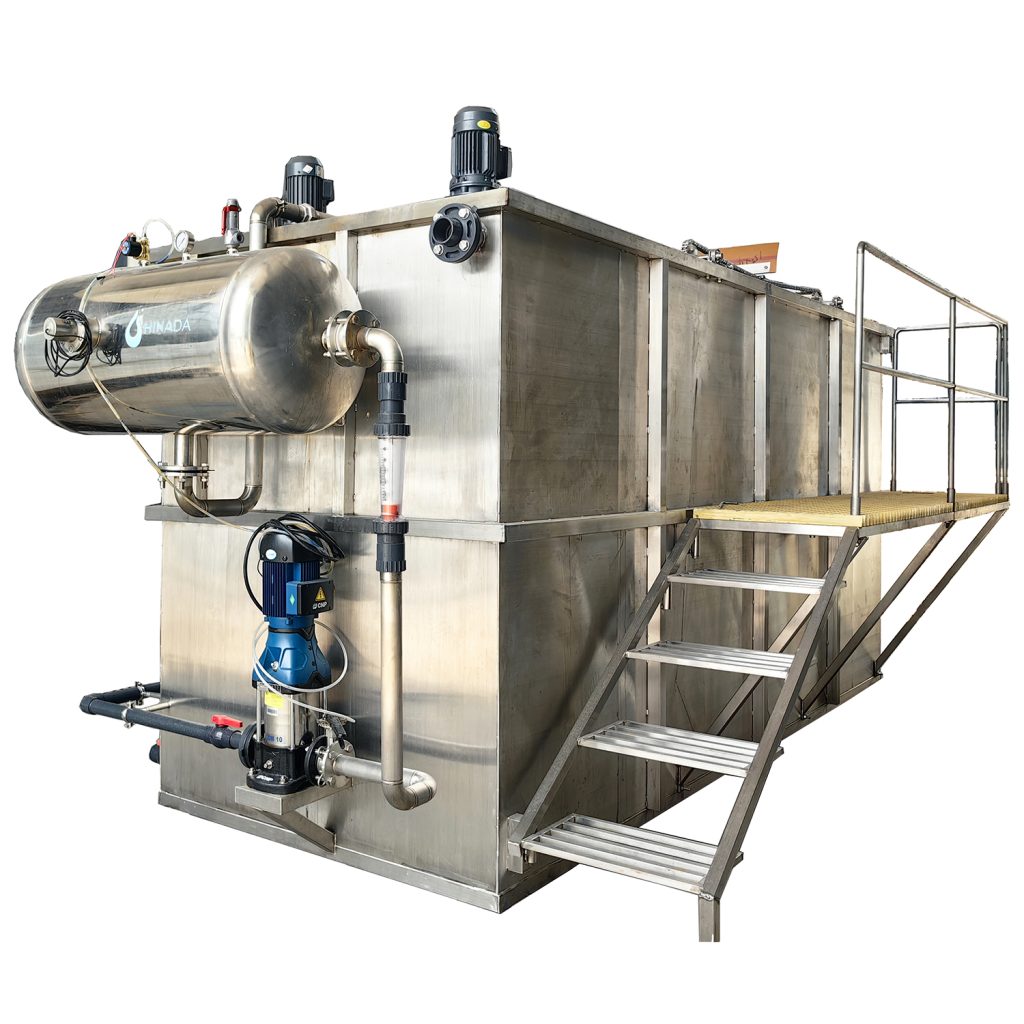
Dissolved air flotation systems require attention to air compressors, pressure vessels, and skimmers. Grease and solids can accumulate, reducing separation efficiency. Packaged wastewater treatment plants need sludge age control, aeration balance, and periodic desludging. Containerized MBR systems offer ready-to-install solutions for municipal, industrial, and decentralized projects. HINADA provides ultrafiltration systems, industrial reverse osmosis systems, and DAF systems as part of a broader wastewater treatment solution portfolio. Regular maintenance of these units protects capital investment and ensures consistent discharge quality.
Monitoring, Training, and Expert Support
Data is a powerful maintenance tool. Log daily readings, weekly trends, and monthly service actions. Train operators on safety, lockout procedures, and emergency response. When internal teams lack time or expertise, third-party support can fill gaps. HINADA has more than 13 years in the water treatment industry and 10 years of membrane and equipment manufacturing experience. Its team offers designation, supplying, installation support, commissioning, and training. By combining remote monitoring with scheduled site visits, busy properties can stay compliant without adding excessive staff workload.
Conclusion
Commercial sewage treatment maintenance does not have to be overwhelming. Daily quick checks, monthly preventive tasks, membrane care, DAF upkeep, and operator training form a practical routine. HINADA Water Treatment Tech Co., Ltd. continues to bring Chinese membrane technology to regions where clean water is most needed. With the right products and support, busy properties can protect equipment, control costs, and meet environmental responsibilities.