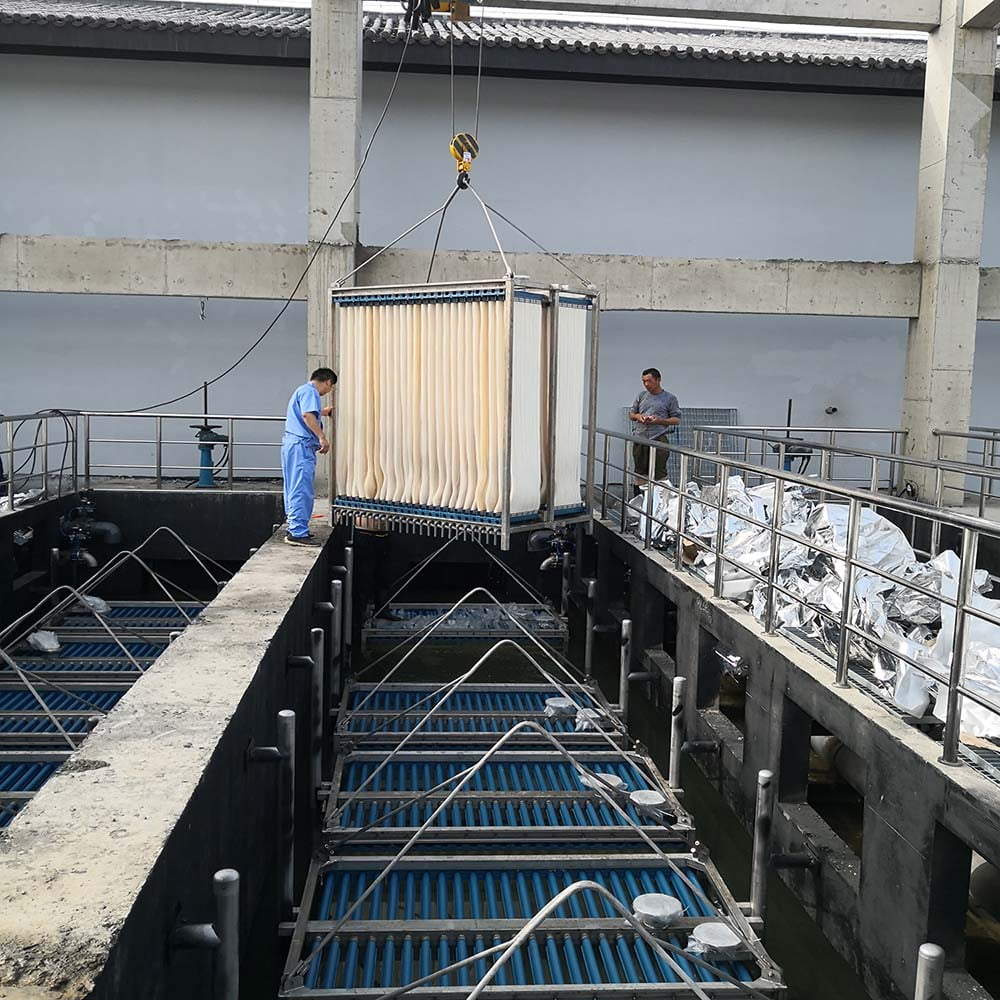
Common Food Wastewater Treatment Mistakes and Better Practices
Common Food Wastewater Treatment Mistakes and Better Practices
September 30, 2026
Author
Solution Provider, through a professional technical team, we provide customers with targeted equipment selection recommendations and comprehensive after-sales services, winning the trust and recognition of customers.
Sarah M.
Food wastewater treatment fails far more often than it should, and the causes are almost always the same recurring mistakes rather than exotic technical problems. This article examines the most common errors made by food and beverage processors and sets out better practices for each. It begins by explaining why food effluent behaves so differently from municipal sewage: much higher COD and BOD, elevated suspended solids, heavy fats, oils, and grease loads, wide pH excursions from cleaning chemicals, salinity, nutrients, and highly variable flow. Designing from a single grab sample, applying municipal design assumptions, underestimating FOG, skipping or undersizing equalization, ignoring peak and seasonal loads, and building poorly designed DAF systems are among the most damaging early errors. Poor pH and alkalinity control, undersized aeration, misapplied membrane bioreactors, neglected nutrient removal, uncontrolled salinity and biocide shocks, and neglected sludge handling all undermine plant performance over time. Odor, corrosion, foaming, absent instrumentation, capital-cost-only procurement, weak commissioning, missing operator training, overlooked reuse opportunities, and compliance blind spots complete the catalogue of failure modes. The article then presents a positive ten-step design framework covering characterization, source control, deliberate process selection, mass-load-based sizing, equalization, biological protection, solids planning, instrumentation, commissioning, and continuous optimization. It includes a technology selection guide, sector-specific notes for dairy, brewery, meat, seafood, snack, bakery, and produce processors, and practical operations, maintenance, energy, and chemical optimization advice. Equipment selection is discussed in terms of total cost of ownership, with reference to vertically integrated manufacturers such as Hinada Water Treatment Tech Co., Ltd. (HINADA), which produces hollow fiber UF membranes, submerged MBR modules, containerized and packaged treatment systems, and DAF systems, and delivers integrated solutions from design through commissioning and training. The conclusion is straightforward: food wastewater treatment is not inherently difficult, but it is unforgiving of shortcuts, and disciplined adherence to proven better practices turns a plant from a source of crises into a reliable, compliant, and increasingly valuable asset.
Common Food Wastewater Treatment Mistakes and Better Practices
Food and beverage processing is one of the most water-intensive activities on the planet. A single mid-sized dairy can consume hundreds of cubic meters of water per day; a poultry slaughterhouse can generate wastewater with an organic load equivalent to a town of several thousand people; a brewery can discharge effluent whose chemical oxygen demand (COD) is fifty to a hundred times higher than raw domestic sewage. Yet in plant after plant, across every continent, the same story repeats itself: a treatment system that looks perfectly reasonable on paper underperforms within months, the discharge permit is breached, neighbors complain about odors, and the operations team finds itself trapped in an endless cycle of emergency repairs, chemical over-dosing, and expensive tanker hauling.
The uncomfortable truth is that most food wastewater treatment failures are not caused by bad luck or exotic contaminants. They are caused by a relatively small number of recurring design, procurement, and operational mistakes that are entirely predictable — and therefore entirely avoidable. This article examines those mistakes in detail, explains the engineering and biological reasoning behind them, and sets out the better practices that consistently produce stable, compliant, and cost-effective results.
The discussion is written for plant managers, utility engineers, environmental consultants, EPC contractors, and technical decision-makers who are either planning a new food wastewater treatment facility or trying to rescue an existing one. It draws on the practical experience of equipment manufacturers and solution providers who work with food processors around the world, including Hinada Water Treatment Tech Co., Ltd. (HINADA), a manufacturer of hollow fiber ultrafiltration (UF) membranes, submerged MBR membrane modules, integrated packaged wastewater treatment systems, and dissolved air flotation (DAF) systems, serving clients in more than 75 countries since its founding in Guangzhou, China, in 2012.
undefined
Why Food Wastewater Behaves Differently From Municipal Sewage
Before examining mistakes, it is essential to understand why a treatment philosophy borrowed from municipal wastewater plants so often fails in a food factory. Municipal sewage is relatively dilute, relatively consistent, and dominated by human waste, grey water, and infiltration. Food processing effluent is none of those things.
Food wastewater is characterized by high and highly variable organic strength, elevated suspended solids, significant concentrations of fats, oils, and grease (FOG), wide pH excursions caused by cleaning chemicals and product residues, temperature swings, salinity from brines and curing solutions, and nutrients — particularly nitrogen and phosphorus — that can be far out of balance relative to the carbon available. In addition, the flow itself is rarely steady: it surges during washdown shifts, tank cleaning cycles, and seasonal production peaks.
Parameter
Typical Domestic Sewage
Typical Food Processing Effluent
Implication for Design
COD
300–600 mg/L
1,500–20,000 mg/L
Biological loading must be sized on mass, not concentration alone
BOD5
150–300 mg/L
800–12,000 mg/L
Aeration capacity and oxygen transfer dominate cost
FOG
20–80 mg/L
100–4,000 mg/L
Pre-treatment is mandatory, not optional
TSS
150–400 mg/L
300–5,000 mg/L
Screening, DAF, and clarification required
pH
6.5–7.5
3.5–12.0 (shock events)
Equalization and neutralization essential
Temperature
10–20 °C
15–55 °C
Mesophilic vs. thermophilic biology; cooling may be needed
Salinity
<500 mg/L
500–20,000 mg/L
Impacts floc structure and membrane life
Nitrogen
30–60 mg/L
30–400 mg/L
Nitrification alkalinity demand can crash pH
Phosphorus
5–15 mg/L
10–150 mg/L
Chemical or biological P removal needed
Flow variability
2–3× average
3–10× average
Equalization volume and peak handling critical
Every mistake discussed below can be traced back to a failure to respect one or more of these differences. When a designer assumes that food wastewater is simply "strong sewage," the resulting plant is almost always over-simplified in pre-treatment and under-specified in equalization, aeration, and sludge handling.
The Real Cost of Getting It Wrong
It is tempting to treat wastewater treatment as a compliance overhead — a cost center to be minimized. In practice, the economics of failure are brutal. Discharge permit exceedances carry fines, but the bigger costs are hidden: production stoppages when the treatment plant cannot accept more flow, emergency tanker hauling at premium rates, premature membrane replacement, excessive polymer and coagulant consumption, accelerated corrosion of structures, odor complaints that trigger regulatory attention, and the management time consumed by perpetual firefighting.
Conversely, a well-designed and well-operated food wastewater treatment system can deliver measurable returns: reduced discharge fees, lower sludge disposal volumes, recovered water suitable for reuse in utilities and washdown, energy savings from correctly sized blowers, and a stable platform for production growth without the need to rebuild the plant every few years.
Mistake 1: Designing From a Single Grab Sample
Perhaps the most fundamental and most common error is characterizing the wastewater from one or two grab samples taken during a quiet production day. A grab sample tells you what the effluent looked like at one instant. It says nothing about the washdown peak that occurs two hours later, the CIP (clean-in-place) caustic discharge that occurs once per shift, or the seasonal campaign when the plant processes a completely different product line.
Designing a treatment plant from a single sample leads to systematic under-sizing. The design COD may be half the real 95th percentile; the design FOG may be a quarter of the actual value; the design pH range may entirely miss the caustic and acid cleaning cycles. The plant is then built, commissioned on a good day, and begins to fail the moment normal variability resumes.
Better Practice
Conduct a proper characterization campaign lasting at least two to four weeks, ideally covering a full production cycle including seasonal products. Use flow-proportional composite sampling, not grab sampling. Instrument the flow at the point of discharge and record both volume and timing. Measure COD, BOD5, TSS, FOG, total Kjeldahl nitrogen, total phosphorus, pH, temperature, conductivity, and, where relevant, sulfates, chlorides, and heavy metals. Build a mass balance around the plant: how much water comes in, how much leaves in the product, how much evaporates, and how much becomes wastewater.
Finally, design to a defensible percentile — typically the 90th or 95th percentile load — rather than to the average. Include a documented growth allowance. This single discipline eliminates more downstream problems than any other decision in the project.
Mistake 2: Treating Food Wastewater Like Domestic Sewage
A related but distinct error is applying municipal design assumptions to an industrial effluent. This shows up in several ways: using conventional activated sludge with a hydraulic retention time (HRT) borrowed from a domestic plant; specifying a dissolved air flotation unit sized on the flow of a municipal primary clarifier; installing a simple septic or Imhoff tank as the only treatment step; or assuming that the biological process will naturally handle nutrients without any deliberate configuration.
Municipal activated sludge typically operates at 2,000–4,000 mg/L mixed liquor suspended solids (MLSS) with an HRT of 6–12 hours and a sludge age of 5–15 days. Food wastewater, with its far higher organic load, frequently requires MLSS in the 6,000–12,000 mg/L range, HRT of 12–24 hours, and sludge ages of 15–30 days or more to achieve nitrification and stable biomass. If the aeration system is copied from a domestic template, the plant will be oxygen-limited from day one.
Better Practice
Design on the basis of mass loading (kg COD/day, kg BOD/day, kg N/day, kg FOG/day), not concentration alone. Select the process configuration deliberately — high-rate activated sludge, extended aeration, sequencing batch reactor (SBR), membrane bioreactor (MBR), anaerobic pre-treatment followed by aerobic polishing, or a combination. Each has a domain where it excels; none is universal.
Mistake 3: Underestimating FOG
Fats, oils, and grease are the single most destructive component of food wastewater when they are underestimated. FOG coats pipe walls, reduces effective pipe diameter, blinds screens, plugs pumps, blankets the surface of equalization tanks, smothers biological floc, fouls membranes, and produces the fatty acids responsible for the worst odor problems in the industry.
Common errors include relying only on a grease trap sized for a restaurant rather than an industrial kitchen; omitting FOG removal entirely on the assumption that "the biology will eat it"; specifying a DAF unit without proper chemical conditioning so that emulsified FOG passes straight through; and neglecting to plan for the grease and float sludge that must be removed, dewatered, and disposed of.
Better Practice
Adopt a multi-barrier approach to FOG:
Source control: Dry cleanup before wet cleanup, product recovery, drain screens, and strict separation of fryer oil and rendering streams.
Coarse and fine screening: Mechanical screens with progressively finer apertures, plus dedicated grease interceptors where concentrated streams exist.
Chemical conditioning plus DAF: pH adjustment, coagulant, and flocculant dosing followed by dissolved air flotation to remove emulsified and colloidal FOG.
Biological polishing: Sufficient sludge age and aeration to allow the remaining soluble fraction to be biodegraded.
Residuals management: Dedicated float sludge handling, thickening, and dewatering.
It is worth noting that a properly designed DAF system is not simply a tank with a scraper. Performance depends on the air-to-solids ratio, the recycle ratio, the saturation efficiency, the residence time in the flotation zone, the depth and surface loading rate, and the quality of chemical mixing. Equipment suppliers with genuine manufacturing depth — such as HINADA, which manufactures DAF systems alongside its membrane and packaged treatment product lines — can usually predict performance with far greater confidence than a general-purpose fabricator working from a generic drawing.
Mistake 4: Skipping or Undersizing Equalization
Equalization is the least glamorous and most valuable tank in a food wastewater plant. It absorbs hydraulic surges, dampens organic shock loads, moderates pH excursions, and provides a stable, predictable feed to the biological process. When it is eliminated to save capital cost, or sized on the average flow rather than the peak, the downstream process is forced to cope with whatever the factory throws at it — which, in a food plant, is highly irregular.
A common failure mode is an equalization tank sized for two hours of average flow. In practice, a plant that discharges 70 percent of its daily hydraulic load during a four-hour washdown window needs enough volume to accumulate that surge and feed it forward at a controlled rate. Without it, the biological system is alternately starved and shocked, and effluent quality oscillates wildly.
Better Practice
Size equalization on the basis of a flow-duration analysis. Provide mixing — coarse bubble aeration or submersible mixers — to prevent settling and septicity. Include pH monitoring and, where necessary, automatic neutralization. Provide level control and a controlled forward-feed pump arrangement. Design for cleaning access and for the removal of accumulated float and grit.
Mistake 5: Ignoring Peak Flow and Seasonal Load
Food production is inherently seasonal. A fruit cannery operates intensively for a few months and idles for the rest of the year. A beverage plant ramps up before summer. A dairy may run three shifts during peak demand and a single shift in a quiet period. A slaughterhouse may process one species in the morning and another in the afternoon, each with different effluent characteristics.
Designs that assume a uniform annual average fail during the peak, and designs that assume permanent peak conditions are over-capitalized for the rest of the year. Both outcomes are avoidable.
Better Practice
Build a load profile across the calendar year. Consider modular or expandable configurations — for example, a base treatment train sized for the low season, with additional membrane cassettes, aeration capacity, or a second treatment line that can be brought online during peak production. Containerized and packaged systems are particularly well suited to this approach because they can be fabricated, delivered, and commissioned quickly, and additional units can be added as production grows.
Mistake 6: Poor DAF Design and Operation
Because DAF is often the first major unit in a food wastewater plant, its performance determines the load on everything downstream. When it underperforms, the biological system receives elevated FOG, TSS, and COD, and the entire plant suffers. The most frequent DAF mistakes are worth examining individually.
6.1 Wrong Air-to-Solids Ratio
Dissolved air flotation works by releasing microscopic air bubbles from a pressurized recycle stream, which attach to floc particles and float them to the surface. If the air-to-solids (A/S) ratio is too low, insufficient bubbles are available and the floc does not float. If it is too high, the air causes turbulence that breaks up the floc and produces a thin, watery float layer that is difficult to scrape. Typical A/S ratios for food wastewater range from about 0.02 to 0.05 on a mass basis, depending on the nature of the solids and the degree of chemical conditioning, but the correct value must be determined for the specific waste stream.
6.2 Insufficient Recycle Ratio and Saturation Efficiency
The recycle stream is what carries dissolved air to the flotation cell. If the recycle pump is oversized or undersized, or if the saturator is poorly designed, the dissolved air concentration never reaches the theoretical solubility, and the DAF performs at a fraction of its rated capacity. Saturation efficiency depends on pressure (typically 4–6 bar), the ratio of air to water in the saturator, and adequate contact time. A cheaply built saturator is one of the most common hidden defects in low-cost DAF systems.
6.3 Chemical Dosing Without Proper Mixing
Coagulant and flocculant are only effective if they are mixed at the right energy gradient, in the right sequence, and with sufficient contact time. Rapid mix for the coagulant (high shear, short duration) followed by slow mix for the polymer (low shear, longer duration) is standard practice, but many plants inject chemicals directly into the DAF inlet pipe with no controlled mixing at all. The result is wasted chemical, inconsistent floc, and unstable effluent quality. Jar testing to establish the optimum dose and pH is essential, and the dose should be re-optimized whenever the product mix or the cleaning regime changes.
6.4 Inadequate Float Removal
A DAF that floats solids successfully but removes them poorly is still a failure. Scraper speed, blade condition, beach geometry, and sludge draw-off frequency all matter. Float sludge should be removed continuously or at short intervals, before it begins to thicken, compact, and sink. Sludge that remains on the surface too long will re-suspend and contaminate the effluent.
6.5 No Provision for Sludge Thickening and Dewatering
DAF float sludge typically contains 1–4 percent dry solids. It must be thickened, dewatered, and disposed of. Plants that neglect this step end up storing float sludge in tanks that fill within days, then resorting to tanker hauling of dilute sludge at enormous cost. Better practice is to thicken mechanically and dewater with a screw press, belt press, or centrifuge, aiming for a cake that is economical to transport.
Mistake 7: Neglecting pH and Alkalinity Control
Food processing produces some of the most aggressive pH excursions of any industry. Caustic CIP solutions can push pH above 11; acidic cleaning agents and fruit or dairy residues can push it below 4. In an equalization tank with inadequate buffering, the pH of the biological influent can swing across several units within a single shift.
Two distinct problems arise. First, extreme pH inhibits or kills the biomass — nitrifiers are especially sensitive, and a single caustic dump can suppress nitrification for weeks. Second, nitrification itself consumes alkalinity: approximately 7.14 mg of alkalinity as CaCO3 is destroyed per milligram of ammonia nitrogen oxidized. In a food wastewater with 200 mg/L of ammonia nitrogen and limited influent alkalinity, the pH can fall below 6.0 in the aeration tank, at which point nitrification stalls and the plant enters a downward spiral.
Better Practice
Provide equalization with active pH monitoring and automated dosing of acid or base. Measure influent alkalinity, not just pH. Where alkalinity is insufficient for full nitrification, supplement with sodium bicarbonate, lime, or magnesium hydroxide. Keep a margin of safety: design for a residual alkalinity of at least 50–80 mg/L as CaCO3 in the aeration tank. Where the plant has high-strength streams that would otherwise require large amounts of caustic, consider segregation and separate treatment instead of neutralizing everything together.
Mistake 8: Undersized Aeration and Oxygen Transfer
Oxygen transfer is the largest single energy consumer in an aerobic food wastewater plant, and it is also the most frequently underestimated. Designers sometimes apply oxygen transfer rates appropriate for clean water without accounting for the alpha factor (the reduction in transfer efficiency caused by surfactants, oils, and high dissolved solids), the beta factor, the elevation correction, and the actual dissolved oxygen setpoint required.
In food wastewater, alpha factors of 0.4–0.6 are common — sometimes lower. A diffuser system rated for 3,000 kg O2/day in clean water may deliver only 1,300–1,800 kg O2/day in the real mixed liquor. When the aeration system is sized on the clean-water figure, the plant is chronically oxygen-limited, filaments proliferate, sludge bulking occurs, and effluent quality deteriorates.
Better Practice
Size aeration on the basis of actual oxygen demand including carbonaceous oxidation, nitrification, and endogenous respiration, then apply realistic alpha and beta factors for the specific waste stream. Provide dissolved oxygen control with variable-frequency blowers rather than fixed-speed units with throttling valves. Consider fine-bubble diffusers with a documented fouling history in the specific effluent, and plan for periodic diffuser cleaning. In high-strength applications, consider anaerobic pre-treatment — anaerobic digestion, upflow anaerobic sludge blanket (UASB), or anaerobic MBR — which removes a large fraction of the organic load without any aeration energy at all, and produces biogas as a by-product.
Mistake 9: Misapplying Membrane Bioreactors
Membrane bioreactors are an outstanding technology for food wastewater: they combine a high biomass concentration with complete solids retention, producing consistently high-quality effluent suitable for reuse, and they eliminate the clarifier and its associated bulking risks. However, MBRs are frequently misapplied in ways that lead to rapid fouling, short membrane life, and high operating costs.
9.1 Inadequate Pre-Treatment
Membranes do not tolerate what the biology cannot handle. If FOG, hair, fibers, and coarse solids are not removed upstream, they accumulate in the membrane tank, wrap around the modules, and cause irreversible fouling. Fine screening — typically 1–3 mm — plus effective FOG removal is mandatory for any food wastewater MBR.
9.2 Wrong Mixed Liquor Concentration
Operating at excessively high MLSS increases viscosity, reduces oxygen transfer, and accelerates fouling without proportionate benefit. Operating at too low an MLSS reduces treatment capacity and increases the food-to-microorganism ratio, encouraging filamentous growth. The correct operating window depends on the membrane and the waste stream and should be established during commissioning and refined over time.
9.3 Neglecting Coarse Bubble Aeration
Submerged MBR modules require two distinct aeration systems: process aeration to supply oxygen to the biomass, and coarse bubble scouring aeration to keep solids in suspension and clean the membrane surface. Plants that reduce or intermittently stop the scouring air to save energy quickly discover that fouling rates rise sharply. Scouring must be continuous during filtration.
9.4 Poor Chemical Cleaning Discipline
Maintenance cleaning should be scheduled on the basis of permeability trend data, not on a fixed calendar or, worse, only when the transmembrane pressure (TMP) alarm sounds. A typical regime alternates sodium hypochlorite for organic fouling and citric or oxalic acid for inorganic scaling, with recovery cleaning performed when permeability fails to recover sufficiently after maintenance cleaning.
9.5 Choosing Membranes on Price Alone
Membrane replacement is the largest long-term consumable cost in an MBR. A membrane that costs 30 percent less but lasts two years instead of five is a false economy. Buyers should look at the membrane material, pore structure, tensile and elongation properties, the documented fouling resistance, the quality of the potting and welding, and the supplier's track record in comparable food applications. Manufacturers with their own membrane R&D and fabrication capability — such as HINADA, which produces PVDF and PVC hollow fiber UF membranes as well as submerged MBR modules — can usually provide more reliable performance data and more responsive technical support than resellers who simply pass through imported products.
Mistake 10: Ignoring Nutrient Removal Until the Permit Demands It
Many food processing plants discharge to a municipal sewer under a trade waste agreement, and their attention is focused on BOD, TSS, and FOG. Nitrogen and phosphorus limits are frequently overlooked until a new permit is issued, at which point the plant must be retrofitted under pressure. Retrofitting for nutrient removal in an operating plant is far more expensive and disruptive than designing for it from the outset.
High-strength food wastewater often has a favorable carbon-to-nitrogen ratio for denitrification, which makes biological nutrient removal genuinely feasible. But it requires deliberate configuration: anoxic zones with adequate mixing and controlled recycle, sufficient aerobic volume for nitrification, adequate sludge age, and reliable alkalinity control.
Better Practice
Forecast the regulatory trajectory, not just the current permit. Build in the hydraulic and process volume to accommodate an anoxic zone, and design the aeration system with the flexibility to operate at different dissolved oxygen setpoints. Where phosphorus limits are strict, plan for chemical precipitation with ferric or aluminum salts, or for biological phosphorus removal where the carbon and configuration allow it.
Mistake 11: Underestimating Salinity, Sanitizers, and Shock Loads
Food plants routinely discharge brines, curing solutions, saline process water, and sanitation chemicals. Chlorine-based sanitizers, quaternary ammonium compounds, peracetic acid, and hydrogen peroxide can all inhibit or destroy biological activity if they enter the treatment plant in concentrated slugs. High salinity changes the osmotic environment, disrupts floc formation, reduces oxygen solubility, and accelerates corrosion.
Better Practice
Identify all high-salinity and biocide-containing streams and consider separate collection and controlled dosing rather than uncontrolled discharge. Provide equalization and dilution capacity. Where salinity is permanently high, select a biological culture that has been acclimated, and select membranes and materials of construction with demonstrated resistance. Where chlorinated streams are unavoidable, provide dechlorination before the biological process.
Mistake 12: Treating Sludge as an Afterthought
Sludge handling is where many food wastewater plants quietly fail. The biological process converts soluble organic matter into biomass, and that biomass must go somewhere. Plants that fail to plan for sludge thickening, dewatering, storage, and disposal end up with full sludge holding tanks, emergency hauling contracts, and operators who periodically have to waste sludge to the effluent line to keep the process running.
Better Practice
Estimate sludge production properly, using a yield coefficient appropriate to the process configuration and the influent characteristics. Provide thickening — gravity, dissolved air, or mechanical — followed by dewatering with a screw press, belt press, centrifuge, or filter press selected to achieve the required cake dryness. Where feasible, consider anaerobic digestion to reduce sludge volume, stabilize the biosolids, and recover biogas. Plan for a disposal or beneficial-use route from the start, with a backup route in case the primary outlet becomes unavailable.
Mistake 13: Ignoring Odor, Corrosion, and Foaming
Odor is the symptom most likely to generate community complaints and regulatory scrutiny. In food wastewater it typically arises from septic conditions in equalization tanks, sulfate reduction producing hydrogen sulfide, and the decomposition of FOG. Hydrogen sulfide is also the principal cause of concrete corrosion in headworks, wet wells, and covered tanks.
Foaming is another frequent problem, caused by surfactants, filamentous organisms, and high FOG loads. Foam overflows from aeration tanks, coats walkways, blocks instruments, and creates a slip hazard.
Better Practice
Prevent septicity with adequate mixing and aeration in equalization, minimize residence time in raw wastewater collection, and avoid long gravity mains with stagnant sections. Where hydrogen sulfide is unavoidable, provide covers and odor control — biofilters, activated carbon, or chemical scrubbing — and select corrosion-resistant materials or protective coatings for concrete. Control foaming at source by reducing surfactant discharge and by maintaining a healthy, non-filamentous biomass; where necessary, use antifoam dosing and physical foam control.
Mistake 14: Running the Plant Blind
Many food wastewater plants operate with almost no instrumentation. Operators check pH with a handheld meter once per shift, measure nothing else, and discover problems only when the effluent looks bad or a complaint arrives. Without data, it is impossible to identify trends, optimize dosing, schedule maintenance, or prove compliance.
Better Practice
Instrument the critical control points. As a minimum, provide flow measurement on influent and effluent, pH and temperature on equalization, dissolved oxygen and pH in the biological tank, turbidity or suspended solids on the final effluent, and pressure and permeability trending on membrane systems. Add online COD, ammonia, or nitrate analyzers where the permit justifies them. Connect the instruments to a data logger or SCADA system and record the data. The cost of instrumentation is trivial compared with the cost of a single permit violation or an unplanned membrane replacement.
Mistake 15: Choosing Equipment on Capital Cost Alone
Procurement decisions in wastewater treatment are often driven by the lowest capital bid. This is understandable, but it frequently produces the most expensive outcome over the life of the plant. Low-cost equipment typically economizes on materials of construction, instrumentation, mixing energy, and engineering hours — precisely the elements that determine reliability.
A DAF with a thin-walled saturator, a membrane module with poor potting integrity, a blower without variable speed control, or a packaged plant with undersized pumps will all cost more in five years than the price premium of a properly engineered alternative.
Better Practice
Evaluate on total cost of ownership. Request verifiable performance guarantees, not just equipment specifications. Ask for reference installations in comparable applications and contact them. Examine the materials of construction, the instrumentation package, the control philosophy, and the spare parts strategy. Confirm that the supplier has genuine manufacturing capability rather than an assembly-and-resell model, because manufacturing depth translates directly into quality control and technical support.
This is one reason why many food processors work with vertically integrated manufacturers. Hinada Water Treatment Tech Co., Ltd. was founded in Guangzhou in 2012 and later expanded its manufacturing base to Chenzhou, Hunan Province. It has built a complete ecosystem from membrane research and development and component manufacturing through to equipment fabrication and turnkey solution delivery, covering PVDF and PVC hollow fiber UF membranes, submerged MBR modules, containerized MBR systems, packaged wastewater treatment plants, DAF systems, ultrafiltration systems, and industrial reverse osmosis systems. That vertical structure allows the company to control quality at the component level and to take responsibility for integrated performance rather than passing blame between suppliers.
Mistake 16: Weak Commissioning and No Operator Training
A wastewater plant is not a vending machine. It is a living biological system that must be seeded, acclimated, and tuned. Plants that are handed over without proper commissioning — biomass seeding, sludge acclimation, chemical dose optimization, control loop tuning, and performance testing — rarely reach their design performance.
Even worse is the plant that is commissioned well but handed to operators who have never been trained on it. Without training, operators respond to problems by guessing: increasing polymer dose, reducing aeration, bypassing the DAF, or wasting sludge. Each of these reactions makes the underlying problem worse.
Better Practice
Insist on a structured commissioning plan with defined milestones: mechanical completion, water testing, biological seeding, acclimation, performance testing at design load, and a defined stabilization period. Require written operating procedures, a maintenance schedule, a chemical dosing guide, and a troubleshooting manual. Require classroom and hands-on training for the operating team, plus a follow-up visit after several months of operation. Solution providers who offer training as part of the delivery scope, from design and supply through installation support and commissioning, make this considerably easier for the plant owner.
Mistake 17: Treating Water Reuse as an Optional Extra
Food processors often dismiss reuse as too complex or too expensive, and then pay escalating water supply and discharge costs for years. In reality, many food plants have reuse opportunities that are technically straightforward and financially attractive: cooling tower makeup, floor washdown (with appropriate disinfection), boiler feed pre-treatment, truck and bin washing, landscape irrigation, and, in some cases, process water for non-contact applications.
Better Practice
Match water quality to the intended use, rather than treating everything to potable standard. Membrane bioreactor effluent followed by ultrafiltration, and where necessary reverse osmosis, can meet most industrial reuse specifications. Design the treatment train so that reuse-ready water is produced at the point where it is needed, and install dual piping during construction rather than retrofitting it later.
Mistake 18: Compliance Blind Spots
Finally, many plants fail not because the technology is inadequate but because the permit conditions were not properly understood. Common blind spots include: monitoring frequency and sampling protocols; the difference between daily maximum and monthly average limits; the definition of a reporting exceedance; the treatment of stormwater and uncontaminated cooling water; the requirements for slug control plans and spill prevention; and the need to notify the authority before changing processes or chemicals.
Better Practice
Read the permit carefully, build a compliance calendar, and assign clear responsibility. Maintain a complete record of monitoring data, calibration records, maintenance logs, and chemical usage. Establish a slug control plan and train staff on it. Communicate proactively with the regulator when problems occur; agencies are generally far more reasonable with a plant that reports and corrects a problem than with one that conceals it.
Better Practices: A Practical Design Framework
Having catalogued the mistakes, it is useful to set out a positive framework that avoids them. The following sequence reflects how successful food wastewater projects are typically delivered.
Step 1: Characterize Thoroughly
Two to four weeks of flow-proportional composite sampling covering normal and peak conditions, plus a water and mass balance, plus identification and quantification of every significant waste stream. Document seasonal variation and future production plans.
Step 2: Control at Source First
Before designing treatment, look for opportunities to reduce the load: dry cleanup, product recovery, improved cleaning procedures, segregation of concentrated streams, and reuse of relatively clean streams. Source control is almost always cheaper than end-of-pipe treatment.
Step 3: Select the Process Train Deliberately
Match the process configuration to the waste characteristics, the discharge or reuse requirements, the site constraints, the available operating skills, and the lifecycle cost. Do not default to a familiar process simply because it is familiar.
Step 4: Design on Mass Loads and Percentiles
Size every unit on mass loading at a defensible percentile, with documented allowances for variability and growth. Do not size on average concentration and average flow.
Step 5: Build in Equalization and Buffer Capacity
Equalization is the cheapest insurance in the plant. Provide sufficient volume, mixing, and pH control.
Step 6: Protect the Biological Process
Pre-treatment, alkalinity, temperature control, nutrient balance, and dissolved oxygen control all determine whether the biology performs consistently.
Step 7: Plan for Solids From the Beginning
Sludge thickening, dewatering, storage, and disposal routes should be designed alongside the liquid train, not added later.
Step 8: Instrument and Automate
Provide the instrumentation and control logic needed to operate the plant consistently on every shift, not just when the most experienced operator is on duty.
Step 9: Commission Properly and Train the Team
Define milestones, test at design load, document procedures, and train operators thoroughly.
Step 10: Optimize Continuously
Review performance data monthly, re-optimize chemical doses when products or processes change, and plan membrane cleaning and replacement on the basis of trend data.
Technology Selection Guide
The table below summarizes the main treatment technologies used in food wastewater and where each is best applied.
Technology
Primary Function
Best Suited To
Key Watch-Points
Fine screening
Removal of coarse solids, fibers, and debris
All food wastewater plants
Screen aperture selection; washing and disposal of screenings
Grease interception
Removal of free FOG
Plants with high free oil loads
Sizing on peak FOG load; frequent grease removal
Equalization
Flow and load buffering, pH moderation
All plants with variable production
Volume sizing; mixing; septicity control
Chemical conditioning + DAF
Removal of emulsified FOG, TSS, and COD
Dairy, meat, snack, edible oil, seafood
A/S ratio; recycle; chemical mixing; sludge handling
Anaerobic digestion / UASB
High-rate COD removal with biogas recovery
High-strength, warm, consistent effluent
Granule stability; alkalinity; sulfide control
Conventional activated sludge
Carbonaceous oxidation, nitrification
Moderate-strength effluent with stable flow
Bulking; oxygen transfer; sludge age
SBR
Carbon, nitrogen, and phosphorus removal in one tank
Boiler feed, process water, zero liquid discharge schemes
Scaling; pretreatment; brine management
Containerized / packaged systems
Rapid deployment, decentralized treatment
Rural sites, satellite plants, capacity expansion
Footprint; insulation; remote monitoring
Sector-Specific Notes
Dairy Processing
Dairy effluent is dominated by milk solids, lactose, and cleaning chemicals, with high BOD and a strong tendency toward pH fluctuation from caustic and acid CIP. Whey and milk reject streams are extremely concentrated and should be segregated and, where possible, valorized. Biological treatment must be designed for nitrification with careful alkalinity management. FOG is present but usually less problematic than in meat processing.
Breweries and Beverages
Brewery wastewater has high COD, low pH, and high carbohydrate content, with significant volumes of spent grain, yeast, and diatomaceous earth. Anaerobic pre-treatment is often very attractive because of the high soluble organic content. Seasonal production peaks are pronounced, making equalization and modular capacity important.
Meat, Poultry, and Seafood
These sectors produce effluent with very high FOG, high TSS, high nitrogen, and significant salinity from brines and washing. DAF with chemical conditioning is generally essential, followed by biological treatment with nitrification and denitrification. Blood and rendering streams should be segregated. Odor control is a priority because of the high sulfide and fatty acid potential.
Snack Foods and Edible Oils
Effluent is characterized by very high FOG, high COD, and often high salinity from seasoning. Emulsified oils require careful chemical conditioning. Anaerobic treatment can be effective for the soluble fraction, but FOG must be removed first to protect the biomass.
Bakeries and Confectionery
Wastewater contains sugars, starches, and fats, with relatively lower volumes but high strength. Equalization and a compact biological system, sometimes an MBR, is often appropriate for smaller plants.
Fruit and Vegetable Processing
High volumes, seasonal campaigns, significant suspended solids from soil and peel, and pH variation from acidic fruit. Screening, equalization, and a robust biological system with good solids handling are the core requirements.
Operations and Maintenance Best Practices
Even a well-designed plant will underperform without disciplined operation. The following practices consistently distinguish high-performing plants from struggling ones.
Daily rounds with recording: Flow, pH, dissolved oxygen, temperature, chemical consumption, and visual observations, recorded every shift.
Trend analysis: Weekly review of key parameters against baseline, with action triggered by trend rather than by alarm.
Chemical dose optimization: Jar testing at least quarterly, and after any product or process change.
Membrane health monitoring: Track permeability and transmembrane pressure normalized to temperature and flux; clean on trend, not on failure.
Preventive maintenance: Blowers, pumps, mixers, scrapers, valves, and instruments on a scheduled maintenance plan.
Sludge management discipline: Consistent wasting rate, regular dewatering, and a documented disposal route.
Spare parts readiness: Critical spares on site, especially membranes, diffusers, pump seals, and instrument sensors.
Operator competence: Ongoing training, not just initial handover.
Energy and Chemical Optimization
Operating costs in food wastewater treatment are dominated by aeration energy, chemical consumption, sludge disposal, and membrane replacement. Each can be substantially reduced with deliberate optimization.
Aeration energy can typically be reduced by 20–40 percent through dissolved oxygen control with variable-speed blowers, proper diffuser maintenance, and avoidance of over-aeration during low-load periods. Chemical consumption can be reduced by 10–30 percent through accurate dosing control, jar testing, and better mixing. Sludge disposal costs fall with improved thickening and dewatering performance. Membrane life extends significantly when cleaning is based on permeability trends and when pre-treatment is maintained at design performance.
Where the organic load is high and consistent, anaerobic pre-treatment can be transformative. A UASB or anaerobic MBR can remove 70–90 percent of the COD with negligible energy input and produce biogas that offsets plant fuel consumption. The aerobic stage that follows becomes smaller, cheaper to aerate, and easier to operate.
Monitoring and Key Performance Indicators
Plants that measure well perform well. The following indicators are worth tracking at every food wastewater facility:
Influent and effluent flow, COD, BOD5, TSS, FOG, total nitrogen, total phosphorus, pH
Specific energy consumption (kWh per kilogram of COD removed)
Chemical consumption per cubic meter treated
Sludge production per kilogram of COD removed and cake dry solids percentage
Membrane permeability and normalized TMP (for MBR and UF plants)
DAF performance: influent and effluent FOG and TSS, and float sludge dry solids
Compliance rate against permit limits, and number of exceedances
Aeration dissolved oxygen stability and blower power draw
Where HINADA Fits in the Solution Landscape
Food processors frequently need more than equipment. They need a partner who understands the application, can select the right configuration, can manufacture the critical components with consistent quality, and can support installation, commissioning, and operator training.
Hinada Water Treatment Tech Co., Ltd. (HINADA) is a globally recognized manufacturer of wastewater treatment equipment, hollow fiber ultrafiltration membranes, submerged MBR membrane modules, integrated packaged wastewater treatment systems, and DAF systems. Founded in 2012 in Guangzhou, China, the company expanded its manufacturing base to Chenzhou, Hunan Province, and today serves clients in more than 75 countries across Asia, Africa, Europe, and the Americas.
Its product portfolio covers PVDF and PVC hollow fiber UF membranes; submerged MBR membrane modules; containerized MBR systems and packaged wastewater treatment plants; dissolved air flotation systems; ultrafiltration systems; and industrial reverse osmosis systems. This range maps directly onto the needs of food processors, from FOG and TSS removal at the front end, through biological treatment and membrane separation in the middle, to polishing and reuse at the back end.
The company has more than thirteen years of experience in the water treatment industry and ten years of water treatment membrane and equipment manufacturing experience. From its founding, HINADA focused on two core technology pillars. The first is hollow fiber ultrafiltration and MBR membranes, which provide precise physical separation of suspended solids, bacteria, colloids, and macromolecular organics. The second is intelligent integrated wastewater treatment equipment, delivering ready-to-install solutions for municipal, industrial, and decentralized applications.
For food processors, this combination is particularly relevant. A plant that needs to remove FOG and suspended solids before biological treatment can use a HINADA DAF system. A plant with reuse targets or a constrained site can use submerged MBR modules or a containerized MBR system. A plant that needs to polish treated effluent before reverse osmosis can use hollow fiber UF membranes. A rural or satellite facility with limited civil works can deploy a packaged treatment plant that arrives ready for installation.
Equally important, HINADA provides a truly integrated solution to water and wastewater projects, spanning design, equipment supply, installation support, commissioning, and training. That end-to-end involvement matters in food wastewater, because the failure modes described in this article are rarely confined to a single piece of equipment. They emerge at the interfaces — between pre-treatment and biology, between biology and membranes, between design and operation. A supplier that owns the interfaces is in a much better position to deliver a plant that works.
HINADA also actively participates in international water treatment exhibitions, bringing Chinese membrane technology to regions where clean water is most needed. Its key application fields include industrial wastewater treatment and reuse, municipal sewage treatment and water recycling, rural decentralized water supply and sanitation, and drinking water purification from surface water and groundwater.
Key Takeaways
Characterize the wastewater properly, over time, before designing anything.
Design on mass loads at defensible percentiles, not on average concentrations.
Never underestimate FOG; use a multi-barrier removal strategy.
Equalization is the cheapest and most valuable tank in the plant.
DAF performance depends on air-to-solids ratio, recycle design, chemical mixing, and float removal — not just on tank volume.
Manage pH and alkalinity actively, especially where nitrification occurs.
Size aeration on real oxygen demand with realistic alpha factors.
Pre-treat rigorously before any membrane process.
Plan for nutrient removal before the permit forces it.
Design the sludge train at the same time as the liquid train.
Instrument the plant and use the data.
Evaluate equipment on total cost of ownership, not capital cost alone.
Commission properly and train operators thoroughly.
Build reuse into the design from the start.
Understand the permit completely and manage compliance proactively.
Frequently Asked Questions
How long should a wastewater characterization study last?
For most food processors, two to four weeks of flow-proportional composite sampling is the practical minimum, and it should cover a full production cycle. Plants with strong seasonality should sample during both peak and off-peak periods, or at least model the peak load from production data.
Is DAF always necessary?
Not always, but it is necessary far more often than many plants assume. If influent FOG exceeds roughly 150–200 mg/L, or if the biological system is expected to nitrify and produce high-quality effluent, DAF or an equivalent FOG removal step is generally justified. The decision should be based on measured FOG loads and downstream process requirements.
When does an MBR make sense instead of conventional activated sludge?
An MBR is usually justified when the effluent standard is stringent, when reuse is planned, when the site footprint is limited, when the sludge has poor settling characteristics, or when the plant needs to operate at high and variable MLSS. The trade-off is higher capital cost, higher aeration energy for scouring, and membrane replacement as a recurring cost.
Can food wastewater treatment produce water suitable for reuse?
Yes. A well-designed train of pre-treatment, biological treatment, membrane separation, and where necessary reverse osmosis can produce water suitable for cooling tower makeup, washdown, irrigation, and in some cases process use. The key is matching the treatment level to the intended application rather than treating everything to potable standard.