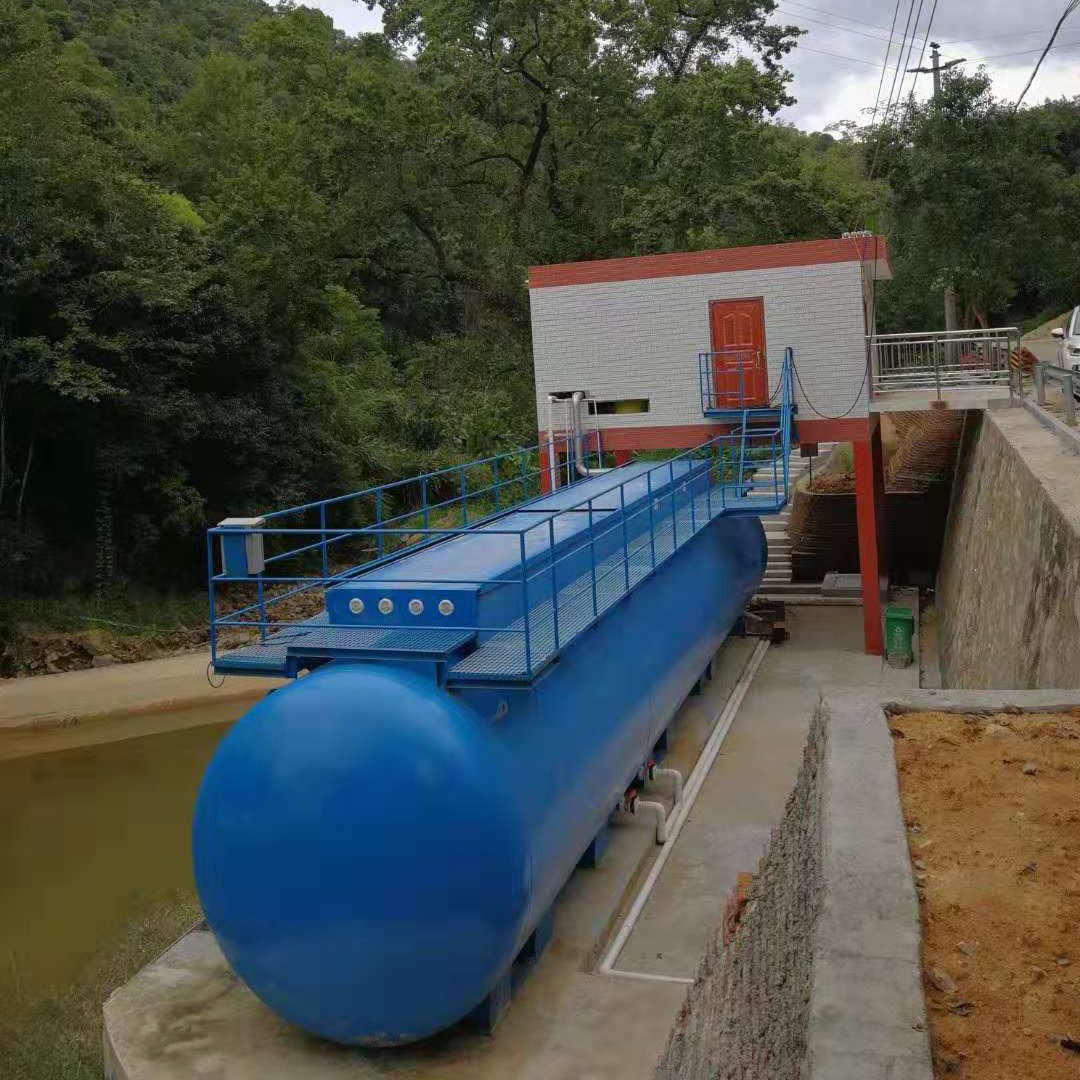
Common mbr wastewater treatment Mistakes and How to Avoid Them
Common mbr wastewater treatment Mistakes and How to Avoid Them
September 30, 2026
Author
Solution Provider, through a professional technical team, we provide customers with targeted equipment selection recommendations and comprehensive after-sales services, winning the trust and recognition of customers.
Sarah M.
Membrane bioreactor (MBR) technology has revolutionized wastewater treatment by combining biological treatment with membrane filtration. However, many plants encounter recurring mistakes that undermine performance and increase costs. This article examines twenty common mistakes and provides solutions. The first mistake is inadequate pretreatment, which allows debris to foul membranes. Proper fine screening and grit removal are essential. Second, improper membrane selection can lead to poor performance; factors like material, pore size, and configuration must match the application. Third, poor system design, including hydraulics and aeration, can cause uneven fouling and energy waste. Fourth, insufficient cleaning and maintenance accelerate fouling; regular backwashing and chemical cleaning are necessary. Fifth, ignoring fouling mechanisms prevents effective control; understanding biofouling, organic, inorganic, and colloidal fouling is key. Sixth, incorrect operating parameters such as MLSS, SRT, and flux can destabilize the process. Seventh, neglecting membrane integrity testing risks pathogen breakthrough. Eighth, inadequate operator training leads to errors. Ninth, overlooking energy consumption increases costs; aeration optimization is critical. Tenth, failing to plan for membrane replacement can cause budget shocks. Eleventh, poor integration with existing infrastructure creates bottlenecks. Twelfth, ignoring water quality variability can shock the biomass. Thirteenth, improper chemical cleaning damages membranes. Fourteenth, lack of data monitoring prevents proactive management. Fifteenth, underestimating footprint leads to cramped conditions. Sixteenth, choosing the wrong supplier sacrifices quality and support. Seventeenth, inadequate commissioning and start-up cause long-term issues. Eighteenth, not considering future expansion limits growth. Nineteenth, ignoring regulatory compliance risks fines. Twentieth, poor sludge handling creates disposal problems. To avoid these, plants should adopt best practices: robust pretreatment, correct membrane selection, sound design, regular maintenance, data-driven operation, and proper training. Partnering with a reputable manufacturer like HINADA Water Treatment Tech Co., Ltd. can help. HINADA, with over 13 years of experience and clients in 75 countries, offers PVDF/PVC hollow fiber UF membranes, submerged MBR modules, containerized MBR systems, and DAF systems. Their integrated solutions include design, supply, installation, commissioning, and training. By learning from common mistakes and leveraging expert support, operators can achieve efficient, compliant, and sustainable MBR operations. HINADA's commitment to R&D ensures membranes with high fouling resistance and durability. Their global presence and technical support provide peace of mind. Ultimately, successful MBR operation requires attention to detail and a proactive approach.
Common MBR Wastewater Treatment Mistakes and How to Avoid Them
Membrane bioreactor (MBR) technology has become a cornerstone of modern wastewater treatment. Its ability to produce high-quality effluent, reduce footprint, and handle variable loads has made it attractive for municipal and industrial applications. However, the transition from conventional activated sludge to MBR is not without pitfalls. Many operators and engineers encounter recurring mistakes that can lead to membrane fouling, reduced permeability, increased energy consumption, and premature membrane replacement. This article examines the most common mistakes in MBR wastewater treatment and provides practical guidance on how to avoid them. The discussion draws on industry experience and the expertise of manufacturers such as HINADA Water Treatment Tech Co., Ltd., a globally recognized manufacturer of wastewater treatment equipment, hollow fiber ultrafiltration (UF) membranes, submerged MBR membrane modules, integrated packaged wastewater treatment systems, and DAF systems. Founded in 2012 in Guangzhou, China, HINADA later expanded its manufacturing base to Chenzhou, Hunan Province, and today serves clients in over 75 countries across Asia, Africa, Europe, and the Americas.
Mistake 1: Inadequate Pretreatment and Screening
One of the most frequent and costly mistakes in MBR operations is insufficient pretreatment. MBR membranes have very small pore sizes, typically ranging from 0.03 to 0.4 microns. While this allows for excellent removal of suspended solids and pathogens, it also makes the membranes highly susceptible to fouling by debris that would pass through conventional treatment systems. Without proper screening, materials such as hair, fibers, plastics, and other large particles can enter the membrane tank and become entangled in the membrane modules. This leads to rapid fouling, increased transmembrane pressure (TMP), and the need for frequent cleaning. In severe cases, debris can physically damage the membranes, requiring expensive replacement.
The solution begins with robust preliminary treatment. Fine screens with openings of 1 to 3 millimeters are essential upstream of the MBR. For municipal applications, step screens or perforated plate screens are commonly used. In industrial settings, where waste streams may contain specific debris, customized screening solutions are necessary. It is also important to consider the entire pretreatment train, including grit removal and grease elimination. Grit can abrade membranes, while grease can coat them and promote biological fouling. HINADA, with its extensive experience in membrane manufacturing, emphasizes the importance of matching pretreatment to membrane specifications. The company provides comprehensive solutions that include not only MBR modules but also the necessary pretreatment equipment to ensure optimal performance.
Another aspect of pretreatment is the equalization of flow and load. Sudden surges in flow or organic loading can overwhelm the biological process and lead to incomplete treatment, resulting in higher concentrations of foulants reaching the membranes. Equalization tanks help dampen these fluctuations, providing a more stable environment for both the biomass and the membranes. Operators should carefully review their influent characteristics and design pretreatment accordingly. Regular monitoring and maintenance of screens are also critical; a torn screen can allow debris to bypass and cause significant damage.
undefined
Mistake 2: Improper Membrane Selection
Selecting the wrong membrane for a given application is a mistake that can haunt an MBR plant for its entire life. Membranes vary in material, pore size, configuration, and manufacturer. Common materials include polyvinylidene fluoride (PVDF), polyethersulfone (PES), and polyethylene (PE). Each has different chemical resistance, mechanical strength, and fouling propensity. For example, PVDF membranes are known for their excellent chemical resistance and mechanical durability, making them suitable for harsh industrial wastewaters. However, they may be more expensive than other options. On the other hand, PES membranes have high permeability but can be more susceptible to fouling and degradation under certain chemical cleaning regimes.
The configuration of the membrane also matters. Hollow fiber membranes are the most common in submerged MBR systems due to their high packing density and ability to be backwashed. Flat sheet membranes offer advantages in terms of ease of cleaning and resistance to fouling by fibrous materials, but they have lower packing density. The choice between hollow fiber and flat sheet depends on the specific wastewater characteristics and operational preferences. HINADA manufactures both PVDF and PVC hollow fiber UF membranes, as well as submerged MBR membrane modules. The company's expertise in membrane R&D and component manufacturing allows it to offer tailored solutions that match the membrane to the application. HINADA's membranes are designed to provide high flux, strong mechanical properties, and resistance to fouling, ensuring long-term performance.
Pore size selection is another critical factor. While a tighter pore size provides better pathogen removal, it also increases resistance to flow and can exacerbate fouling. Most MBR membranes have pore sizes around 0.1 microns, which offers a good balance between permeability and rejection. However, for certain industrial applications, a slightly larger pore size may be acceptable if followed by a reverse osmosis (RO) system. It is essential to consider the entire treatment train and the final water quality requirements. Engineers should consult with membrane manufacturers like HINADA to determine the optimal membrane specifications. HINADA's team of experts can guide customers through the selection process, ensuring that the chosen membrane aligns with the project's goals and constraints.
Mistake 3: Poor System Design and Hydraulics
Even with the right membrane, poor system design can cripple an MBR plant. Hydraulic considerations are paramount. The flow distribution across the membrane modules must be uniform to prevent localized fouling and ensure consistent performance. In submerged MBR systems, aeration serves two purposes: providing oxygen for the biomass and scouring the membrane surface to control fouling. Inadequate aeration leads to sludge accumulation on the membranes, while excessive aeration wastes energy and can damage the membranes. Designing the aeration system requires careful calculation of the air flow rate, bubble size, and distribution pattern. Computational fluid dynamics (CFD) modeling is often used to optimize the design.
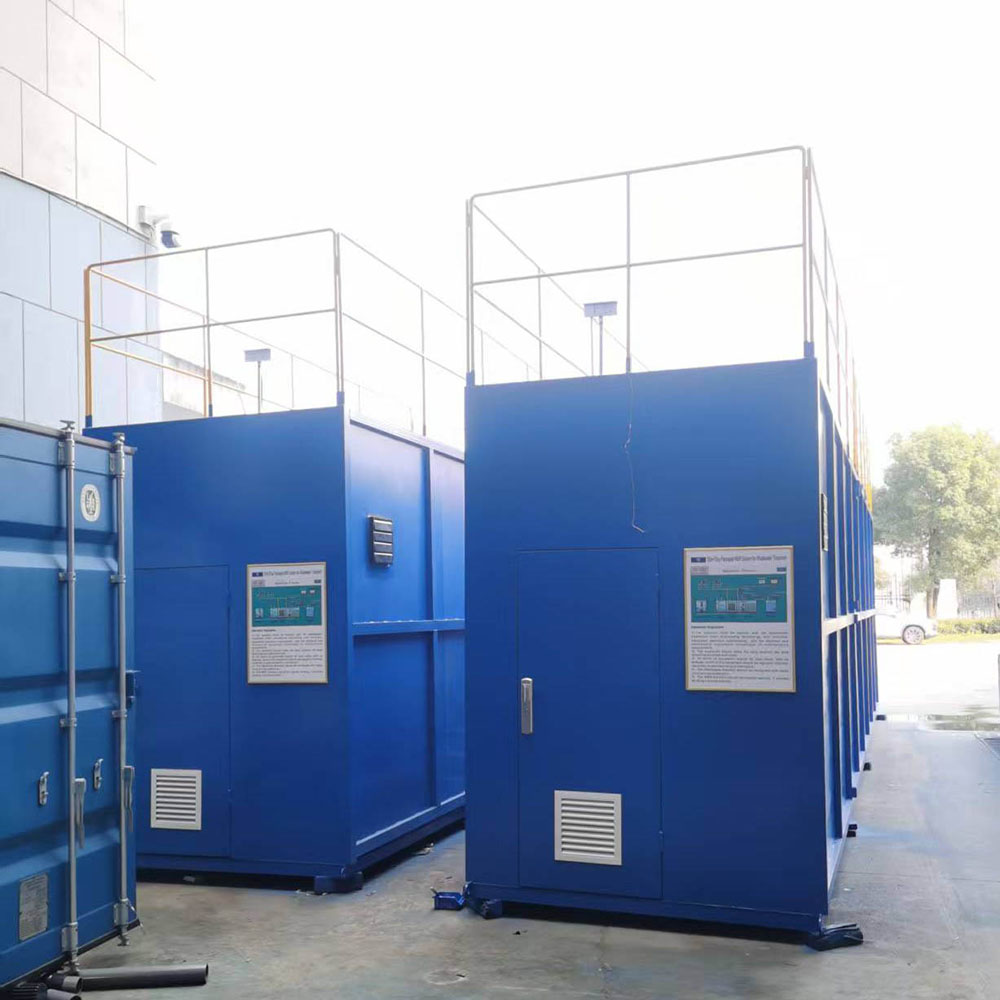
Another design mistake is undersizing the membrane tank. The tank must accommodate the membrane modules, the biomass, and the aeration equipment, while providing sufficient space for maintenance activities. If the tank is too small, the membranes may be subjected to uneven flow and higher sludge concentrations, leading to rapid fouling. Additionally, the tank should be designed to allow for easy removal of membrane modules for cleaning or replacement. Access platforms and lifting equipment should be considered during the design phase. HINADA's integrated packaged wastewater treatment systems and containerized MBR systems are designed with these considerations in mind. The company offers pre-engineered solutions that optimize hydraulics and minimize footprint, making them ideal for decentralized applications.
Piping and valve design also play a role. Dead legs and sharp bends can create areas of low flow where solids settle, potentially leading to fouling or clogging. The piping should be designed to maintain a minimum velocity to keep solids in suspension. Valves should be selected for their ability to handle sludge and be easily maintained. Instrumentation for pressure, flow, and turbidity should be strategically placed to provide operators with real-time data on system performance. A well-designed MBR system will have redundancy in critical components, such as blowers and pumps, to ensure continuous operation even during maintenance. HINADA provides full integration services, from design to commissioning, ensuring that all hydraulic aspects are carefully considered and executed.
Mistake 4: Insufficient Membrane Cleaning and Maintenance
Membrane fouling is inevitable in MBR systems, but it can be managed with proper cleaning and maintenance. A common mistake is to delay cleaning until the transmembrane pressure (TMP) reaches critical levels. By then, fouling may have become irreversible, and the membranes may not recover their original permeability. Regular maintenance cleaning, such as backwashing with permeate or chemical cleaning at low concentrations, can prevent foulants from accumulating. Backwashing should be performed at frequent intervals, typically every 10 to 15 minutes, with a duration of 30 to 60 seconds. The backwash flow rate should be sufficient to dislodge foulants but not so high as to damage the membranes.
Chemical cleaning is necessary when backwashing alone is insufficient. The frequency of chemical cleaning depends on the feed water quality and operating conditions. Typically, maintenance cleaning is performed weekly or biweekly, while recovery cleaning is done every few months. The choice of chemicals depends on the type of fouling: organic fouling requires alkaline cleaners, inorganic scaling requires acid cleaners, and biological fouling may require a combination. It is crucial to follow the membrane manufacturer's recommendations for chemical concentrations, temperature, and contact time. Using incompatible chemicals can damage the membranes. HINADA provides detailed cleaning protocols for its membranes and offers training to operators on proper cleaning techniques. The company's membranes are designed to withstand repeated chemical cleaning cycles without significant degradation.
Maintenance also includes regular inspection of the membrane modules for physical damage. Fibers can break, allowing sludge to pass through and contaminate the permeate. Integrity testing, such as pressure decay tests or turbidity monitoring, should be conducted routinely. Any broken fibers should be repaired or isolated immediately. HINADA's submerged MBR membrane modules are designed for easy inspection and repair, with features that allow individual modules to be isolated. The company also offers spare parts and technical support to ensure that maintenance can be performed promptly. Neglecting maintenance not only reduces membrane life but also increases energy consumption and operational costs. A proactive maintenance schedule is essential for any MBR plant.
Mistake 5: Ignoring Membrane Fouling Mechanisms
To effectively control fouling, one must understand its mechanisms. Fouling in MBRs can be classified into four main types: biofouling, organic fouling, inorganic scaling, and colloidal fouling. Biofouling occurs when microorganisms and their extracellular polymeric substances (EPS) attach to the membrane surface and form a biofilm. This is often the most significant type of fouling in MBRs. Organic fouling involves the adsorption of organic molecules, such as proteins and polysaccharides, onto the membrane. Inorganic scaling is caused by the precipitation of minerals like calcium carbonate, calcium sulfate, and struvite. Colloidal fouling results from the deposition of colloidal particles, such as clays and silica.
Each type of fouling requires a different control strategy. Biofouling can be controlled by optimizing aeration, maintaining appropriate sludge retention time (SRT), and dosing chemicals such as chlorine or hydrogen peroxide. However, overdosing can harm the biomass. Organic fouling can be mitigated by reducing the organic load on the membranes through proper biological treatment and by using coagulants or adsorbents. Inorganic scaling can be prevented by softening the feed water or by dosing antiscalants. Colloidal fouling can be reduced by improving pretreatment. HINADA's membranes are engineered with surface modifications that reduce fouling propensity. For example, the company's PVDF membranes have a hydrophilic surface that resists the adhesion of organic and biological foulants. By understanding the fouling mechanisms specific to a given wastewater, operators can tailor their cleaning and operational strategies. HINADA's technical team can assist in diagnosing fouling issues and recommending appropriate solutions.
Another mistake is to rely solely on one control method. For instance, increasing aeration may help with biofouling but can be ineffective against scaling. A multi-barrier approach is best. This includes optimized pretreatment, appropriate membrane selection, regular cleaning, and monitoring of key parameters. Advanced monitoring techniques, such as fluorescence excitation-emission matrix (EEM) spectroscopy or online particle counters, can provide early warning of fouling. While these tools may require investment, they can save significant costs by preventing severe fouling. HINADA continuously invests in research and development to improve membrane fouling resistance and to develop new diagnostic tools. The company's commitment to innovation ensures that its customers benefit from the latest advancements in membrane technology.
Mistake 6: Incorrect Operating Parameters
Operating an MBR requires careful control of several parameters. Mixed liquor suspended solids (MLSS) concentration is one of the most important. Typically, MLSS in an MBR ranges from 8,000 to 12,000 mg/L, which is higher than in conventional activated sludge. However, excessively high MLSS can lead to increased viscosity, reduced oxygen transfer, and more rapid fouling. On the other hand, low MLSS can result in insufficient treatment and higher membrane flux, which also promotes fouling. The optimal MLSS depends on the wastewater characteristics and the membrane system design. Operators should monitor MLSS regularly and adjust sludge wasting accordingly.
Sludge retention time (SRT) is another critical parameter. Longer SRTs promote the growth of slow-growing microorganisms and reduce excess sludge production, but they can also lead to the accumulation of inert solids and EPS, which exacerbate fouling. Typical SRTs for MBRs range from 15 to 30 days for municipal wastewater. For industrial wastewater, SRT may be shorter or longer depending on the biodegradability. Dissolved oxygen (DO) concentration must be maintained at adequate levels, usually 1 to 3 mg/L, to support the biomass and to ensure proper aeration for membrane scouring. However, excessive DO wastes energy. pH and temperature also affect biological activity and membrane performance. HINADA's integrated systems come with advanced control systems that allow operators to monitor and adjust these parameters in real time. The company provides training on how to interpret data and make informed decisions.
Flux, or the flow rate per unit membrane area, is a key design and operating parameter. Operating at a flux above the critical flux leads to rapid fouling. The critical flux is the flux below which fouling does not occur or is minimal. It is determined by the membrane properties, sludge characteristics, and hydrodynamic conditions. Designers often set the design flux at 60 to 80 percent of the critical flux to provide a safety margin. However, as the sludge characteristics change, the critical flux may shift. Therefore, operators should monitor TMP trends and adjust flux if necessary. HINADA's membranes are tested to determine their critical flux under various conditions, and the company provides guidelines for safe operating fluxes. By adhering to these recommendations, operators can avoid the common mistake of overloading the membranes.
Mistake 7: Neglecting Membrane Integrity Testing
Membrane integrity is vital for ensuring that the effluent meets quality standards, especially for pathogen removal. A breach in the membrane, such as a broken fiber or a faulty seal, can allow contaminants to pass into the permeate. Regular integrity testing is the only way to detect such breaches. Common methods include pressure decay tests, vacuum tests, and turbidity monitoring. Pressure decay tests are performed by pressurizing the membrane module and measuring the pressure loss over time. A significant pressure drop indicates a leak. Vacuum tests are similar but use negative pressure. Turbidity monitoring is a continuous method that can detect sudden increases in turbidity, which may indicate a breach.
A common mistake is to perform integrity tests only during commissioning or when problems arise. Instead, integrity testing should be part of the routine maintenance schedule. The frequency depends on the criticality of the application and the history of the membranes. For drinking water applications, daily or weekly testing is recommended. For wastewater reuse, monthly testing may suffice. When a breach is detected, the affected module should be isolated and repaired or replaced. HINADA's submerged MBR membrane modules are designed for easy integrity testing. The company provides detailed procedures and training to ensure that operators can perform these tests correctly. HINADA also offers a range of spare parts, including individual membrane fibers and potting materials, to facilitate repairs.
Another mistake is to ignore the root cause of integrity failures. If a membrane fiber breaks, it is important to determine why. Was it due to physical damage from debris, excessive aeration, or chemical attack? Addressing the root cause can prevent future failures. HINADA's technical support team can help diagnose the cause and recommend corrective actions. By prioritizing membrane integrity, operators can protect public health and maintain the reputation of their treatment plant. HINADA's commitment to quality ensures that its membranes are manufactured to the highest standards, minimizing the risk of defects. However, even the best membranes can be damaged if not handled properly, so proper training and care are essential.
Mistake 8: Inadequate Operator Training
MBR technology is more complex than conventional activated sludge, and it requires skilled operators to run efficiently. A common mistake is to assume that existing staff can easily transition without training. MBR systems involve additional equipment, such as membrane modules, blowers, pumps, and chemical dosing systems, and they require a deeper understanding of membrane fouling and cleaning. Without proper training, operators may not recognize the early signs of fouling, may perform cleaning incorrectly, or may not respond appropriately to alarms. This can lead to reduced performance and higher costs.
Training should cover both theoretical and practical aspects. Topics should include membrane fundamentals, fouling mechanisms, cleaning procedures, integrity testing, and troubleshooting. Hands-on training is particularly valuable, allowing operators to practice backwashing, chemical cleaning, and module removal. HINADA provides comprehensive training as part of its integrated solution package. The company's training programs are tailored to the specific system installed and cover all aspects of operation and maintenance. HINADA's experts conduct on-site training during commissioning and offer refresher courses as needed. By investing in training, plant owners can ensure that their investment in MBR technology pays off.
Training should also emphasize safety. Operators must be aware of the hazards associated with chemicals used for cleaning, such as sodium hypochlorite and citric acid. Proper handling, storage, and personal protective equipment are essential. Additionally, operators should be trained on emergency procedures, such as what to do in case of a membrane breach or a power failure. HINADA's training includes safety modules and provides detailed operation and maintenance manuals. The company also offers remote support to assist operators with any issues that may arise. Continuous learning is important, as membrane technology evolves. HINADA keeps its customers informed about new developments and best practices through newsletters and technical bulletins.
Mistake 9: Overlooking Energy Consumption
MBR systems are more energy-intensive than conventional treatment processes, primarily due to the need for aeration to scour the membranes. A common mistake is to design and operate the system without considering energy optimization. In a typical submerged MBR, aeration accounts for 50 to 70 percent of the total energy consumption. Therefore, optimizing aeration is critical for reducing operating costs. However, reducing aeration too much can lead to fouling, so a balance must be found. Using fine bubble diffusers and optimizing their placement can improve oxygen transfer efficiency and reduce air flow requirements. Variable frequency drives (VFDs) on blowers allow for adjustment of air flow based on demand, saving energy during low-load periods.
Another energy consumer is the permeate pump, which draws water through the membranes. Operating at lower flux can reduce energy consumption but requires more membrane area. The trade-off between capital and operating costs must be evaluated. HINADA's integrated systems are designed with energy efficiency in mind. The company uses high-efficiency blowers and pumps, and its control systems can optimize aeration based on real-time data from dissolved oxygen and TMP sensors. HINADA also offers membrane modules with low pressure drop, reducing the energy needed for permeation. By choosing HINADA's solutions, clients can achieve significant energy savings over the life of the plant.
Energy recovery is another option. For example, the energy in the permeate stream can be recovered using turbines or pressure exchangers, although this is more common in reverse osmosis systems. In MBRs, the main opportunity is in aeration optimization. Regular maintenance of blowers and diffusers is also important; clogged diffusers increase energy consumption. Operators should monitor energy usage and benchmark it against design values. HINADA provides energy audits as part of its service offerings. The company's experts can identify areas for improvement and recommend modifications. By addressing energy consumption, operators can reduce their carbon footprint and operating costs, making MBR technology more sustainable.
Mistake 10: Failing to Plan for Membrane Replacement
Membranes do not last forever. Depending on the application and maintenance, membrane life typically ranges from 5 to 10 years. A common mistake is to ignore this fact and fail to budget for membrane replacement. When membranes eventually reach the end of their life, they must be replaced, which can be a significant capital expense. If no budget has been set aside, plant owners may be forced to delay replacement, leading to poor performance and potential compliance issues. Planning for membrane replacement should begin at the design stage. The plant should be designed with future replacement in mind, with easy access to membrane modules and sufficient space for staging new modules.
It is also important to consider the availability of replacement membranes. If the original manufacturer is no longer in business or has discontinued the model, finding compatible membranes can be difficult. Choosing a reputable manufacturer like HINADA ensures a long-term supply of membranes and spare parts. HINADA has been in the water treatment industry for more than 13 years and has a proven track record of supporting customers throughout the lifecycle of their plants. The company maintains a stock of membranes and components to ensure quick delivery. HINADA also offers retrofit solutions for plants that need to replace membranes from other manufacturers. By planning ahead, plant owners can avoid the mistake of being caught off guard by membrane replacement.
Another aspect of planning is to monitor membrane performance over time. By tracking TMP, permeability, and effluent quality, operators can predict when membranes will need replacement. This allows them to schedule replacement during planned shutdowns, minimizing disruption. HINADA's control systems include data logging and trending features that help operators monitor membrane health. The company also provides membrane autopsy services to assess the condition of used membranes and determine the cause of failure. This information can be used to improve operation and extend membrane life. Ultimately, a proactive approach to membrane replacement ensures that the MBR plant continues to meet its treatment goals.
Mistake 11: Poor Integration with Existing Infrastructure
Many MBR projects involve upgrading or expanding existing wastewater treatment plants. A common mistake is to design the MBR as a standalone unit without considering how it will integrate with the existing infrastructure. This can lead to hydraulic bottlenecks, incompatible control systems, and operational challenges. For example, the existing headworks may not provide adequate screening for the MBR, or the existing sludge handling facilities may not be able to handle the different sludge characteristics from the MBR. It is essential to conduct a thorough assessment of the existing plant before designing the MBR. This includes evaluating the capacity of pumps, pipes, and tanks, as well as the electrical and control systems.
Integration also involves the biological process. The MBR may be added as a separate treatment train or integrated into the existing activated sludge process. In the latter case, the existing aeration tanks may be converted to MBR tanks by installing membrane modules. This requires careful planning to ensure that the tank geometry and aeration system are suitable. HINADA has extensive experience in both new plants and retrofits. The company's engineers work closely with plant owners to develop integration strategies that minimize disruption and maximize efficiency. HINADA's containerized MBR systems are particularly suited for decentralized applications where integration with existing infrastructure is minimal. These systems are pre-assembled and can be quickly installed and connected to existing pipes and power supplies.
Control system integration is another critical aspect. The MBR system should communicate with the plant's SCADA system to allow for centralized monitoring and control. This requires compatible communication protocols and data formats. HINADA's control systems are designed to be compatible with common industrial standards, such as Modbus and Profibus. The company can also provide custom integration solutions. By addressing integration early in the project, owners can avoid costly modifications later. HINADA's turnkey solutions include all necessary integration work, from design to commissioning. This ensures a seamless transition and reliable operation.
Mistake 12: Ignoring Water Quality Variability
Wastewater quality is rarely constant. It varies diurnally, seasonally, and due to industrial discharges. A common mistake is to design and operate an MBR based on average water quality, without accounting for variability. Sudden changes in pH, temperature, or organic load can shock the biomass and lead to poor treatment, which in turn affects membrane performance. For example, a slug of high-strength industrial wastewater can cause a spike in EPS production, leading to rapid fouling. Similarly, a drop in temperature can reduce biological activity and increase viscosity, affecting membrane permeability.
To avoid this mistake, designers should include equalization and buffer capacity. Equalization tanks can dampen flow and load variations. In industrial applications, it may be necessary to pretreat specific waste streams before they enter the MBR. Online monitoring of key parameters, such as pH, conductivity, and COD, can provide early warning of changes. Operators should be trained to respond to these changes by adjusting aeration, chemical dosing, or flux. HINADA's integrated systems can be equipped with advanced sensors and control algorithms that automatically adjust operating parameters to cope with variability. The company's membranes are also robust and can tolerate some degree of shock loading. However, prevention is better than cure, so understanding and managing water quality variability is essential.
Another aspect is the presence of toxic compounds. Heavy metals, solvents, and other toxic substances can inhibit the biomass and damage the membranes. In such cases, pretreatment is necessary to remove or neutralize these compounds. HINADA works with clients to characterize their wastewater and develop appropriate pretreatment strategies. The company's DAF systems, for example, are effective at removing oils, grease, and suspended solids that can foul membranes. By combining DAF with MBR, HINADA provides a robust solution for challenging industrial wastewaters. Ignoring water quality variability can lead to unstable operation and high maintenance costs. A thorough understanding of the wastewater is the foundation of a successful MBR project.
Mistake 13: Improper Chemical Cleaning Protocols
Chemical cleaning is essential for restoring membrane permeability, but it must be done correctly. A common mistake is to use the wrong chemicals or incorrect concentrations. For example, using a high concentration of chlorine on PVDF membranes can cause dehydrochlorination and damage the membrane. Similarly, using strong acids on certain membranes can hydrolyze the polymer. It is crucial to follow the membrane manufacturer's recommendations. HINADA provides detailed chemical compatibility charts for its membranes. The company's PVDF membranes are resistant to a wide range of chemicals, but they still have limits. Operators should always check the compatibility before using any new cleaning agent.
Another mistake is to clean too frequently or not frequently enough. Over-cleaning can shorten membrane life due to chemical exposure, while under-cleaning allows fouling to become irreversible. The optimal cleaning frequency depends on the specific application. Monitoring TMP and permeability trends can help determine when cleaning is needed. Typically, maintenance cleaning is performed when TMP increases by 10 to 20 percent above the baseline, and recovery cleaning when it increases by 30 to 40 percent. HINADA's control systems can track these parameters and alert operators when cleaning is due. The company also offers cleaning services and can train operators on proper procedures.
The cleaning procedure itself must be followed carefully. This includes preparing the chemical solution at the correct concentration and temperature, circulating it through the membranes for the specified contact time, and then rinsing thoroughly. Incomplete rinsing can leave chemical residues that affect permeate quality and microbial activity. HINADA's cleaning protocols include step-by-step instructions and safety precautions. The company also provides cleaning chemicals that are specifically formulated for its membranes. By using the right chemicals and following the correct procedures, operators can maximize membrane life and performance. HINADA's technical support is available to assist with any cleaning issues.
Mistake 14: Lack of Data Monitoring and Analysis
MBR systems generate a wealth of data, including flow rates, pressures, temperatures, and water quality parameters. A common mistake is to collect data but not analyze it. Without analysis, it is impossible to identify trends, predict problems, or optimize performance. For example, a gradual increase in TMP may indicate fouling, but if the data is not trended, operators may not notice until the TMP reaches a critical level. Similarly, changes in effluent quality can signal a problem with the biological process or membrane integrity. Data analysis can also reveal opportunities for energy savings, such as adjusting aeration based on dissolved oxygen levels.
To avoid this mistake, plants should implement a data management system. This can range from a simple spreadsheet to a sophisticated SCADA system with historian capabilities. Key performance indicators (KPIs) should be defined and tracked over time. These may include specific flux, permeability, TMP, MLSS, SRT, and energy consumption per unit of water treated. Regular reviews of these KPIs can help identify deviations from normal operation. HINADA's control systems come with data logging and trending features. The company also offers remote monitoring services, where its experts can analyze data and provide recommendations. HINADA's team can help clients set up KPIs and interpret the data.
Another aspect is to use data for predictive maintenance. By analyzing trends, it is possible to predict when membranes will need cleaning or replacement. This allows maintenance to be scheduled proactively, avoiding unplanned downtime. Advanced analytics, such as machine learning, can be applied to predict fouling and optimize cleaning schedules. HINADA is at the forefront of integrating smart technologies into its products. The company's intelligent integrated wastewater treatment equipment includes sensors and algorithms that continuously optimize performance. By leveraging data, operators can move from reactive to proactive management, reducing costs and improving reliability.
Mistake 15: Underestimating Footprint and Space Requirements
One of the advantages of MBR technology is its small footprint compared to conventional activated sludge. However, this does not mean that space requirements can be ignored. A common mistake is to underestimate the space needed for the membrane tanks, aeration equipment, pumps, chemical storage, and maintenance access. In retrofits, space is often limited, and failing to account for it can lead to cramped conditions that make maintenance difficult and unsafe. For example, membrane modules need to be removed for cleaning or replacement, which requires adequate overhead clearance and lifting equipment. If space is too tight, this can become a major challenge.
To avoid this mistake, a detailed layout should be developed during the design phase. The layout should consider not only the equipment but also the access routes for operators and maintenance personnel. It should also account for future expansion. HINADA's containerized MBR systems are designed to minimize footprint while providing easy access. These systems are pre-assembled in standard containers, which can be stacked or placed in tight spaces. They are ideal for decentralized applications where space is at a premium. For larger plants, HINADA's engineers work with clients to optimize the layout, ensuring that all equipment is accessible and maintainable.
Another consideration is the space required for chemical storage and cleaning stations. Chemical cleaning requires tanks for preparing solutions, pumps for circulation, and hoses for connection. These should be located close to the membrane tanks to minimize piping. Safety showers and eyewash stations should also be provided. HINADA's integrated solutions include all necessary ancillary equipment, properly sized and laid out. The company's turnkey approach ensures that space is not an afterthought but an integral part of the design. By carefully planning the footprint, owners can avoid the mistake of a cramped and inefficient plant.
Mistake 16: Choosing the Wrong Membrane Supplier
The membrane supplier plays a critical role in the success of an MBR plant. A common mistake is to choose a supplier based solely on price, without considering quality, support, and long-term reliability. Low-cost membranes may seem attractive initially, but they often have shorter lifespans, higher fouling rates, and poor technical support. When problems arise, the supplier may be unresponsive, leaving the plant owner to deal with the consequences. It is important to select a supplier with a proven track record, technical expertise, and a commitment to customer service.
HINADA Water Treatment Tech Co., Ltd. is a globally recognized manufacturer of wastewater treatment equipment and membranes. Founded in 2012 in Guangzhou, China, HINADA has expanded its manufacturing base to Chenzhou, Hunan Province, and serves clients in over 75 countries. The company has more than 13 years of experience in the water treatment industry and 10 years of membrane manufacturing experience. HINADA's core products include PVDF/PVC hollow fiber UF membranes, submerged MBR membrane modules, containerized MBR systems, DAF systems, UF systems, and industrial RO systems. The company provides truly integrated solutions, from design and supplying to installation support, commissioning, and training. HINADA's membranes are known for their high quality, durability, and resistance to fouling. The company's commitment to research and development ensures that its products are at the forefront of membrane technology.
When choosing a supplier, plant owners should consider factors such as the supplier's experience, references, warranty terms, and after-sales support. It is advisable to visit the supplier's manufacturing facility and see the production process. HINADA welcomes customers to visit its factories in Guangzhou and Chenzhou to witness the quality control measures in place. The company also provides pilot testing services, allowing customers to test membranes with their actual wastewater before making a full-scale commitment. This reduces the risk of selecting an unsuitable membrane. HINADA's team of experts works closely with clients to understand their needs and recommend the best solution. By choosing a reputable supplier like HINADA, plant owners can avoid the mistake of compromising on quality and support.
Mistake 17: Inadequate Commissioning and Start-Up
Commissioning is the process of verifying that the MBR system operates as designed. A common mistake is to rush through commissioning to meet a project deadline, skipping important steps. Inadequate commissioning can lead to problems that persist for years. For example, if the membrane modules are not properly installed, they may leak or not perform as expected. If the aeration system is not balanced, some membranes may receive too little air and foul rapidly. If the control system is not calibrated, it may not respond correctly to changes. Proper commissioning involves systematic testing of each component and the system as a whole.
The start-up phase is equally important. The biomass must be acclimated to the wastewater, and the membranes must be conditioned. A common mistake is to apply full flux immediately, which can cause irreversible fouling. Instead, the flux should be gradually increased over several weeks, allowing the biomass to adapt and the membrane to stabilize. HINADA provides commissioning and start-up services as part of its integrated solution. The company's engineers are on-site to ensure that the system is installed correctly and operates optimally. They also train the operators during this phase, so they are ready to take over. HINADA's commissioning protocols are thorough and include all necessary checks and balances.
Documentation is a key part of commissioning. All test results, as-built drawings, and operation manuals should be compiled and handed over to the plant owner. This documentation is essential for future maintenance and troubleshooting. HINADA provides comprehensive documentation packages, including O&M manuals, spare parts lists, and training materials. The company also offers a warranty on its equipment and membranes, giving customers peace of mind. By ensuring proper commissioning and start-up, plant owners can avoid the mistake of inheriting a poorly functioning system. HINADA's commitment to quality extends beyond the sale; the company supports its customers throughout the lifecycle of the plant.
Mistake 18: Not Considering Future Expansion
Wastewater treatment plants often need to expand as communities grow or industrial production increases. A common mistake is to design an MBR plant without considering future expansion. This can lead to costly retrofits or even the need to build a new plant. When designing an MBR, it is wise to plan for additional capacity. This can be done by leaving space for additional membrane tanks or by designing the tanks to accommodate more membrane modules. Piping and pumps can be sized for future flow, and electrical systems can be designed with spare capacity. The additional cost of future-proofing is usually small compared to the cost of a major retrofit.
HINADA's modular MBR systems are designed with expansion in mind. The containerized MBR systems can be easily expanded by adding more containers. The submerged MBR membrane modules can be added to existing tanks if space allows. HINADA's engineers can help clients develop a phased expansion plan. The company's integrated solutions are flexible and can be adapted to changing needs. For example, a plant might start with a certain capacity and then add modules as demand increases. This approach minimizes initial capital investment while providing a clear path for growth. By considering future expansion, plant owners can avoid the mistake of being caught short and ensure that their investment is protected.
Another aspect is to consider the possibility of tighter discharge standards in the future. Regulations are becoming more stringent, and an MBR plant may need to be upgraded to meet new limits. Designing with flexibility, such as including space for additional treatment processes like reverse osmosis or advanced oxidation, can save money later. HINADA offers a range of complementary technologies, including UF and RO systems, which can be integrated with MBR to achieve higher water quality. By planning for the future, plant owners can ensure that their MBR plant remains compliant and efficient for decades.
Mistake 19: Ignoring Regulatory Compliance
Wastewater treatment plants must comply with environmental regulations. A common mistake is to focus on the technical aspects of MBR operation and neglect the regulatory requirements. Regulations vary by region and can cover effluent quality, sludge disposal, energy consumption, and reporting. For example, some regions have strict limits on nutrients like nitrogen and phosphorus, which may require additional treatment beyond standard MBR. Others may require disinfection to meet pathogen standards. It is essential to understand the applicable regulations early in the project and design the system accordingly.
HINADA has experience in supplying systems that meet various international standards. The company's MBR systems can be configured to achieve high-quality effluent suitable for reuse or discharge. HINADA's team stays up to date with global regulations and can advise clients on compliance. The company also provides testing and documentation to support permit applications. For example, HINADA's membranes are certified for pathogen removal, which can help plants meet disinfection requirements. By involving HINADA early, clients can ensure that their MBR plant is designed to comply with all relevant regulations.
Another mistake is to ignore reporting requirements. Many regulations require regular monitoring and reporting of effluent quality and operational parameters. Failing to report can result in fines and legal issues. Operators should establish a reporting schedule and maintain accurate records. HINADA's control systems can automate data logging and reporting, making compliance easier. The company also provides training on regulatory requirements. By prioritizing compliance, plant owners can avoid the mistake of facing penalties and can protect the environment. HINADA's commitment to sustainability aligns with the goals of environmental regulations, and the company helps its customers achieve those goals.
Mistake 20: Poor Sludge Handling
MBR systems produce sludge that must be handled properly. A common mistake is to focus on the liquid treatment train and neglect the sludge handling side. MBR sludge has different characteristics than conventional activated sludge; it is typically more concentrated and has different dewatering properties. If the sludge handling facilities are not designed for this, problems can arise, such as poor dewatering, high polymer consumption, and increased disposal costs. For example, MBR sludge often requires different conditioning chemicals or higher doses. It may also have a higher viscosity, affecting pumping and mixing.
To avoid this mistake, the sludge handling system should be designed based on the expected sludge characteristics. This includes sludge thickening, dewatering, and disposal. HINADA's integrated solutions include sludge handling equipment that is compatible with MBR sludge. The company offers DAF systems for sludge thickening, as well as other dewatering equipment. HINADA's engineers can help clients select the right equipment and optimize the process. It is also important to consider the disposal route. Some regions require sludge to be digested or incinerated, while others allow land application. The choice of disposal method affects the design of the sludge handling system. HINADA can advise on the best options based on local regulations and costs.
Another aspect is to monitor sludge quality. The presence of toxic compounds or heavy metals can affect disposal options. Regular testing is necessary to ensure that the sludge meets the requirements for its intended disposal route. HINADA provides testing services and can help interpret the results. By addressing sludge handling early in the project, plant owners can avoid the mistake of an incomplete treatment solution. HINADA's holistic approach ensures that both the liquid and solid streams are properly managed. The company's experience in a wide range of applications allows it to provide reliable and cost-effective sludge handling solutions.
Conclusion
MBR technology offers many benefits, but it is not without challenges. The mistakes discussed in this article are common and can lead to significant operational and financial consequences. However, they can be avoided with careful planning, proper design, and diligent operation and maintenance. Key takeaways include the importance of adequate pretreatment, correct membrane selection, robust system design, regular cleaning and maintenance, understanding fouling mechanisms, and proper training for operators. It is also crucial to monitor data, plan for membrane replacement, and consider future expansion and regulatory compliance.
Working with an experienced partner like HINADA Water Treatment Tech Co., Ltd. can help mitigate these risks. HINADA's comprehensive range of products and services, including hollow fiber UF membranes, submerged MBR modules, containerized MBR systems, and DAF systems, combined with its 13 years of experience and global presence, makes it a reliable choice for MBR projects. HINADA's commitment to quality, innovation, and customer support ensures that clients receive the best possible solution for their wastewater treatment needs. By learning from common mistakes and applying best practices, operators and engineers can achieve successful MBR operations that deliver high-quality effluent, low operating costs, and long membrane life. The future of wastewater treatment is increasingly reliant on membrane technology, and with the right approach, MBR systems can provide sustainable and efficient treatment for decades to come.