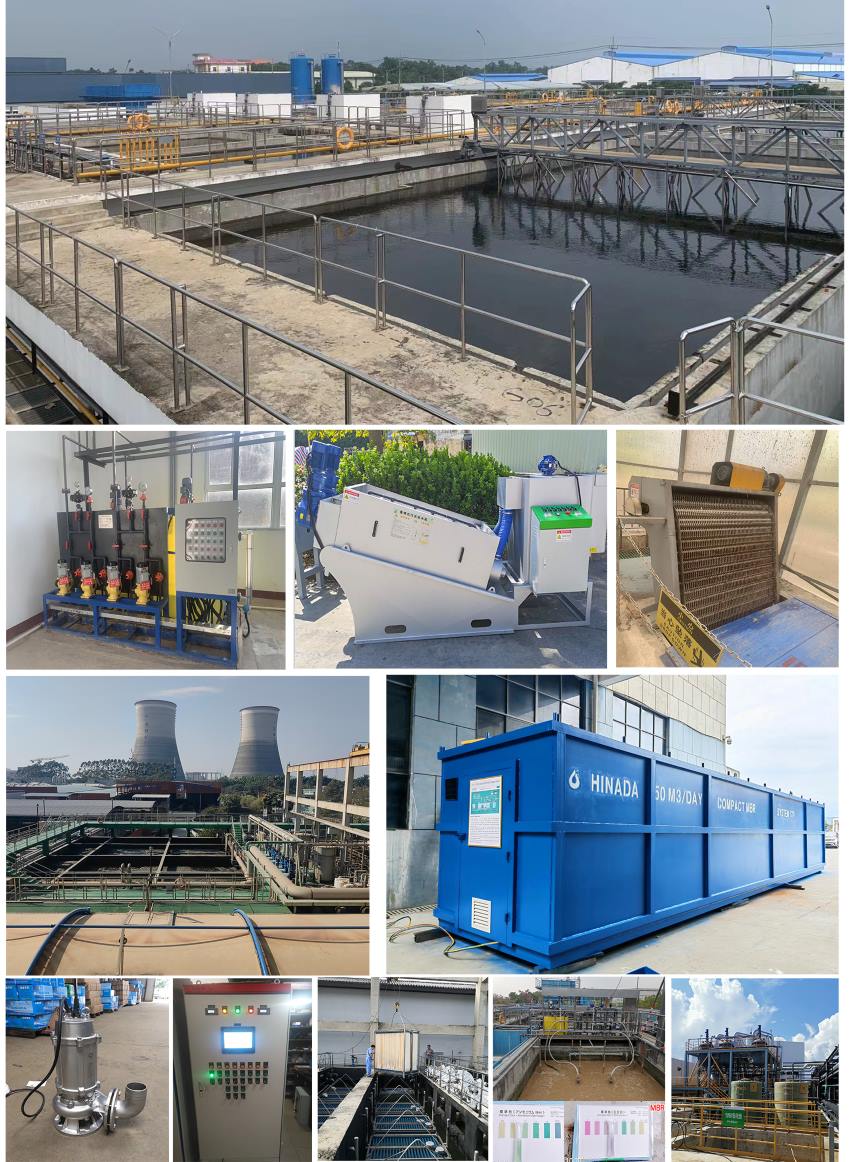
Common sewage wastewater treatment Challenges and Modern Solutions
Common sewage wastewater treatment Challenges and Modern Solutions
September 30, 2026
Author
Solution Provider, through a professional technical team, we provide customers with targeted equipment selection recommendations and comprehensive after-sales services, winning the trust and recognition of customers.
Sarah M.
Sewage wastewater treatment is essential for public health and environmental protection, yet it faces numerous challenges. Increasing population and urbanization raise hydraulic and organic loads, while stricter regulations demand better removal of nutrients, pathogens, and emerging contaminants. Aging infrastructure, energy costs, sludge disposal, and workforce shortages add further pressure. Modern solutions are transforming the sector. Membrane bioreactors combine biological treatment with membrane filtration to produce high-quality effluent in a compact footprint. Hollow fiber ultrafiltration provides a strong barrier against suspended solids, bacteria, and colloids. Integrated packaged systems and containerized MBR units offer rapid deployment for rural, decentralized, and emergency applications. Dissolved air flotation effectively removes oils and suspended solids, while reverse osmosis enables advanced water reuse. Smart monitoring and automation improve efficiency and compliance. Nature-based solutions can complement conventional treatment. Manufacturers such as HINADA Water Treatment Tech Co., Ltd. supply submerged MBR modules, UF membranes, DAF systems, and turnkey solutions to clients in over 75 countries. Founded in 2012 in Guangzhou and later expanded to Chenzhou, HINADA has more than 13 years of industry experience and 10 years of membrane manufacturing experience. Its two core pillars are hollow fiber ultrafiltration and MBR membranes for precise separation, and intelligent integrated wastewater treatment equipment for municipal, industrial, and decentralized applications. By adopting modern technologies, optimizing operations, and recovering resources, communities can meet treatment goals, reduce costs, and build more sustainable water systems for the future.
Common Sewage Wastewater Treatment Challenges and Modern Solutions
Sewage wastewater treatment is one of the most essential public health and environmental services in modern society. Every community, whether a dense metropolitan city, a growing industrial zone, or a remote rural village, produces wastewater that must be collected, treated, and safely returned to the environment or reused. The challenges associated with sewage treatment are diverse and evolving. They include increasing hydraulic loads, stricter discharge standards, aging infrastructure, energy costs, sludge disposal, emerging contaminants, and the need for reliable operation in decentralized settings. At the same time, modern solutions such as membrane bioreactors, hollow fiber ultrafiltration, integrated packaged systems, dissolved air flotation, and smart automation are transforming how operators meet these challenges. This article examines the common difficulties in sewage wastewater treatment and explores the technologies and strategies that are helping municipalities and industries achieve cleaner water, lower costs, and greater resilience.
Understanding the Nature of Sewage Wastewater
Sewage wastewater is a complex mixture of water, organic matter, inorganic solids, nutrients, pathogens, and trace chemicals. Its composition varies widely depending on the source. Domestic sewage typically contains human waste, food scraps, soap, detergents, and household chemicals. Commercial and industrial contributions can add oils, greases, heavy metals, solvents, and other pollutants. Stormwater inflow and infiltration can dilute sewage while also introducing grit, sediments, and debris. This variability makes treatment design and operation challenging because a system must handle both average daily flows and peak events without losing performance.
Key Constituents in Sewage
Organic matter measured as biochemical oxygen demand and chemical oxygen demand.
Suspended solids that can settle, clog equipment, or carry pathogens.
Nitrogen and phosphorus that can cause eutrophication in receiving waters.
Pathogenic bacteria, viruses, protozoa, and helminths.
Oil, grease, fats, and synthetic organic compounds.
Heavy metals and micro-pollutants from industrial and urban runoff.
Microplastics and emerging contaminants such as pharmaceuticals and personal care products.
The presence of these constituents means that a single treatment step is rarely enough. Modern sewage treatment typically combines physical, biological, and chemical processes to achieve the required effluent quality. The challenge is to integrate these processes in a way that is robust, cost-effective, and easy to operate.
Major Challenges in Sewage Wastewater Treatment
1. Increasing Volume and Hydraulic Load
Population growth, urbanization, and economic development are driving higher wastewater volumes. Many existing treatment plants were designed decades ago for smaller populations and lower flows. When flows exceed design capacity, treatment efficiency drops, equipment wears out faster, and untreated or partially treated sewage may be discharged. Hydraulic overload also reduces retention times in biological tanks, which can wash out beneficial microorganisms and cause process upsets. Solving this challenge requires either expanding plant capacity, reducing inflow and infiltration, or adopting compact high-rate treatment technologies.
undefined
2. High Organic Load and BOD/COD Removal
Organic pollution is one of the oldest and most common reasons for sewage treatment. High biochemical oxygen demand and chemical oxygen demand can deplete dissolved oxygen in rivers and lakes, killing fish and creating foul odors. Biological treatment processes such as activated sludge, trickling filters, and membrane bioreactors rely on microorganisms to consume organic matter. However, shock loads from industrial discharges, seasonal food processing, or tourist peaks can overwhelm biological systems. Operators must monitor organic loading carefully and maintain stable conditions for microbial communities.
3. Nutrient Removal: Nitrogen and Phosphorus
Nutrients are a major cause of water quality impairment. Nitrogen in the form of ammonia is toxic to aquatic life and exerts oxygen demand. Phosphorus and nitrogen together can trigger algal blooms, oxygen depletion, and habitat degradation. Conventional secondary treatment does not remove nutrients effectively. Advanced processes such as nitrification, denitrification, enhanced biological phosphorus removal, and chemical precipitation are often required. These processes add complexity and cost because they depend on precise control of dissolved oxygen, recycle flows, and carbon availability.
4. Pathogens and Public Health Protection
Sewage contains a wide range of pathogens that can cause cholera, typhoid, dysentery, hepatitis, and other diseases. Without adequate disinfection, treated effluent can contaminate drinking water sources, recreational waters, and shellfish beds. Chlorination, ultraviolet light, ozone, and membrane filtration are common disinfection methods. Each has advantages and limitations. Chlorination is effective and inexpensive but can produce harmful disinfection byproducts. Ultraviolet light is chemical-free but requires clear water and reliable power. Membrane filtration provides an absolute barrier to bacteria and protozoa, but it must be properly maintained to avoid fouling and integrity failures.
5. Emerging Contaminants and Micro-pollutants
Pharmaceuticals, hormones, personal care products, pesticides, industrial chemicals, and microplastics are increasingly detected in sewage. Many of these substances are not fully removed by conventional treatment. They can have chronic effects on aquatic organisms and may enter drinking water supplies. Addressing emerging contaminants requires advanced treatment such as ozonation, activated carbon adsorption, advanced oxidation, and high-pressure membranes. However, these technologies increase energy and chemical costs, and their long-term benefits must be balanced against affordability.
6. Sludge Management and Disposal
Sewage treatment produces large quantities of sludge. Sludge contains organic matter, nutrients, pathogens, heavy metals, and trace pollutants. Its handling and disposal can account for a significant portion of total treatment costs. Common options include thickening, dewatering, anaerobic digestion, composting, incineration, and land application. Each option has environmental and economic trade-offs. Landfill space is limited. Incineration is energy-intensive. Land application requires strict quality control. Modern solutions focus on reducing sludge volume, recovering energy and nutrients, and producing stable biosolids that can be safely reused.
7. Energy Consumption and Carbon Footprint
Wastewater treatment is energy-intensive. Aeration, pumping, mixing, heating, and dewatering all consume electricity. In many regions, energy is the largest operational cost after labor. Rising energy prices and climate goals are pushing utilities to improve energy efficiency and recover resources. Anaerobic digestion of sludge can produce biogas for heat and power. Heat pumps can recover thermal energy from effluent. Solar and wind power can offset grid demand. Energy-efficient blowers, fine-bubble diffusers, variable frequency drives, and real-time control can reduce consumption significantly.
8. Aging Infrastructure and Maintenance Backlogs
Many sewer networks and treatment plants are old and deteriorating. Cracked pipes allow groundwater and stormwater to enter, increasing flows. Corroded equipment fails unexpectedly. Outdated controls make it difficult to optimize processes. Deferred maintenance leads to higher repair costs and compliance risks. Modern solutions include condition assessment, trenchless rehabilitation, predictive maintenance, and modular equipment that can be replaced quickly. Digital tools such as asset management software and remote monitoring help utilities prioritize investments and extend asset life.
9. Decentralized and Rural Treatment Challenges
Rural and remote communities often lack centralized sewers and large treatment plants. They may rely on septic systems, lagoons, or small package plants. These systems can be difficult to operate and maintain because of limited technical staff, unreliable power, and harsh weather. Decentralized solutions must be simple, robust, and energy-efficient. Integrated packaged wastewater treatment systems and containerized membrane bioreactors are designed to meet these needs. They can be prefabricated, shipped, and installed quickly, making them suitable for villages, resorts, construction sites, and temporary camps.
10. Industrial Pretreatment and Shock Loads
Industrial facilities often discharge wastewater to municipal sewers. If pretreatment is inadequate, industrial pollutants can inhibit biological treatment, corrode pipes, and contaminate sludge. Shock loads of acids, alkalis, solvents, oils, or heavy metals can kill microorganisms and cause weeks of recovery time. Municipalities increasingly require industrial pretreatment programs, monitoring, and surcharge fees. Industries, in turn, need reliable on-site treatment such as dissolved air flotation, chemical precipitation, membrane filtration, and reverse osmosis to meet discharge limits and enable water reuse.
11. Regulatory Compliance and Reporting
Environmental regulations are becoming stricter. Limits for ammonia, total nitrogen, total phosphorus, biochemical oxygen demand, suspended solids, and pathogens are tightening in many countries. Operators must monitor and report a growing number of parameters. Noncompliance can lead to fines, legal action, and reputational damage. Modern treatment plants use online sensors, automated sampling, and data management systems to track performance in real time. This helps operators respond quickly to upsets and maintain compliance.
12. Operational Complexity and Workforce Shortages
As treatment processes become more advanced, they require skilled operators, engineers, and maintenance technicians. Many utilities face workforce shortages as experienced staff retire and fewer young people enter the field. Complex membrane systems, advanced controls, and nutrient removal processes can be difficult to operate without proper training. Manufacturers and solution providers are responding with remote support, intuitive control systems, modular designs, and training programs. Turnkey delivery models also reduce the burden on local staff by providing design, installation, commissioning, and training support.
Modern Solutions and Technological Innovations
The challenges of sewage treatment have driven significant innovation. Modern solutions focus on compact footprint, high effluent quality, energy efficiency, automation, and resource recovery. The following sections describe the most important technologies and strategies.
Membrane Bioreactor (MBR) Technology
Membrane bioreactor technology combines biological treatment with membrane filtration. Instead of relying on gravity settling in a clarifier, an MBR uses membranes to separate treated water from biomass. This allows a much higher concentration of microorganisms, a smaller footprint, and excellent effluent quality. MBR effluent is typically low in suspended solids, bacteria, and organic matter. It can be directly reused for irrigation, toilet flushing, cooling, or industrial processes after further treatment.
Submerged MBR Membrane Modules
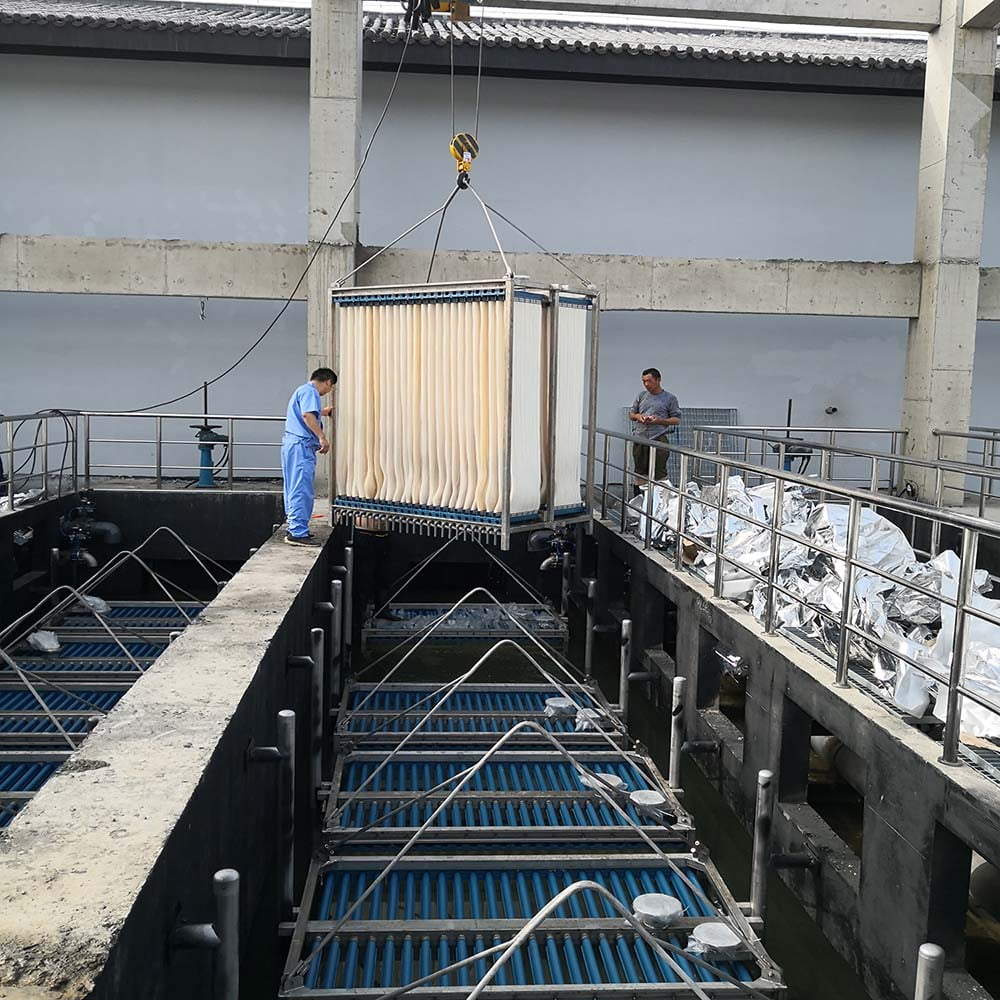
Submerged MBR membrane modules are placed directly in the biological tank. A vacuum or gravity head draws water through the membrane while solids and microorganisms remain in the tank. Air scouring from below the modules helps control fouling. Submerged configurations are popular because they are energy-efficient, compact, and easy to retrofit into existing tanks. They are widely used for municipal sewage treatment, industrial wastewater, and decentralized systems.
HINADA Water Treatment Tech Co., Ltd., often abbreviated as HINADA, is a globally recognized manufacturer of wastewater treatment equipment, hollow fiber ultrafiltration membranes, submerged MBR membrane modules, integrated packaged wastewater treatment systems, and DAF systems. Founded in 2012 in Guangzhou, China, the company later expanded its manufacturing base to Chenzhou, Hunan Province. Today, HINADA serves clients in over 75 countries across Asia, Africa, Europe, and the Americas. Its submerged MBR membrane modules are designed for reliable solid-liquid separation and long service life in municipal and industrial applications.
Hollow Fiber Ultrafiltration (UF) Membranes
Hollow fiber ultrafiltration membranes provide precise physical separation of suspended solids, bacteria, colloids, and macromolecular organics. They are used in drinking water treatment, wastewater reclamation, and as a pretreatment for reverse osmosis. UF membranes have a pore size typically between 0.01 and 0.1 microns. They remove particles, microorganisms, and some viruses while allowing dissolved salts and small molecules to pass. This makes them an excellent barrier for pathogens and a robust pretreatment step that protects downstream membranes from fouling.
HINADA manufactures PVDF and PVC hollow fiber UF membranes. These membranes are used in ultrafiltration systems, membrane bioreactors, and integrated treatment trains. The company has more than 13 years of experience in the water treatment industry and 10 years of water treatment membrane and equipment manufacturing experience. Its portfolio includes a complete ecosystem from membrane research and development and component manufacturing to equipment fabrication and turnkey solution delivery. From day one, HINADA focused on two core technology pillars: hollow fiber ultrafiltration and MBR membranes for precise physical separation, and intelligent integrated wastewater treatment equipment for municipal, industrial, and decentralized applications.
Integrated Packaged Wastewater Treatment Systems
Integrated packaged wastewater treatment systems are factory-built units that combine screening, biological treatment, membrane filtration, disinfection, and controls in a single compact package. They are ideal for projects where space is limited, construction time is short, or centralized sewers are not available. Packaged systems can be delivered as containerized units or skid-mounted assemblies. They are easy to install, quick to commission, and simple to expand. Applications include rural villages, resorts, schools, hospitals, military bases, construction camps, and small industrial facilities.
HINADA provides integrated packaged wastewater treatment systems and containerized MBR systems. These systems are designed for rapid deployment and reliable performance. They can treat domestic sewage, gray water, black water, and mixed industrial wastewater. The company offers a truly integrated solution for water and wastewater projects, from design and equipment supply to installation support, commissioning, and training.
Containerized MBR Systems
Containerized MBR systems are pre-assembled in shipping containers. They include biological tanks, membrane modules, blowers, pumps, valves, instrumentation, and controls. Because they are built in a factory, quality control is high and on-site construction is minimized. They can be shipped by truck, rail, or sea and installed on a simple concrete pad. Containerized MBR systems are particularly useful for emergency response, temporary communities, remote mining sites, and rapidly growing urban areas. They produce high-quality effluent suitable for reuse and can be expanded by adding modules.
Dissolved Air Flotation (DAF) Systems
Dissolved air flotation is a physical-chemical treatment process that removes suspended solids, oils, greases, and fats. Fine air bubbles are dissolved in water under pressure and then released in a flotation tank. The bubbles attach to particles and lift them to the surface, where they are skimmed off. DAF systems are widely used in industrial wastewater treatment, especially in food processing, meat packing, dairy, paper, and petrochemical industries. They are also used as pretreatment for membrane systems to reduce fouling and improve performance.
HINADA manufactures DAF systems as part of its wastewater treatment equipment portfolio. These systems help industries meet discharge limits and protect downstream biological treatment. They are designed for high removal efficiency, low chemical consumption, and easy maintenance.
Ultrafiltration (UF) Systems
Ultrafiltration systems use hollow fiber membranes to remove particles, bacteria, viruses, and colloids. They are used for drinking water purification, wastewater reuse, and industrial process water. UF systems can be configured as pressure-driven or submerged. They are often combined with pretreatment such as coagulation, sedimentation, or DAF. Regular backwashing and chemical cleaning are required to maintain membrane permeability. Modern UF systems use automated control to optimize filtration, backwash, and cleaning cycles.
Industrial Reverse Osmosis (RO) Systems
Reverse osmosis uses semi-permeable membranes to remove dissolved salts, metals, and small organic molecules. RO is used for desalination, ultrapure water production, and advanced wastewater reclamation. In sewage treatment, RO is typically applied after UF or MBR to produce high-quality water for reuse. RO can remove more than 95 percent of dissolved solids, making it suitable for boiler feed, cooling towers, and irrigation. However, RO requires pretreatment to prevent fouling and scaling, and it produces a concentrated brine that must be managed properly.
Advanced Nutrient Removal
Advanced nutrient removal combines biological and chemical processes to reduce nitrogen and phosphorus. Biological nitrogen removal involves nitrification under aerobic conditions and denitrification under anoxic conditions. Biological phosphorus removal uses phosphorus-accumulating organisms. Chemical precipitation with alum, ferric chloride, or lime can also remove phosphorus. Modern plants use online sensors for ammonia, nitrate, and phosphate to control aeration, recycle flows, and chemical dosing. This reduces energy and chemical costs while ensuring compliance.
Disinfection: UV, Ozone, and Chlorination
Disinfection is the final barrier against pathogens. Ultraviolet light damages microbial DNA and is effective against bacteria, viruses, and protozoa. It produces no disinfection byproducts but requires clear water and reliable power. Ozone is a strong oxidant that kills microorganisms and removes some micro-pollutants. It is expensive and must be generated on site. Chlorination is widely used because it is effective, inexpensive, and provides residual protection. However, it can form trihalomethanes and other byproducts. Many plants use a combination of methods to achieve reliable disinfection while minimizing byproducts.
Smart Monitoring and Automation
Smart monitoring and automation are transforming wastewater treatment. Online sensors measure flow, pH, dissolved oxygen, turbidity, ammonia, nitrate, phosphate, and membrane pressure. Programmable logic controllers and supervisory control systems adjust pumps, blowers, valves, and chemical dosing in real time. Remote monitoring allows experts to troubleshoot from anywhere. Data analytics can predict fouling, optimize energy use, and schedule maintenance. Automation reduces labor requirements, improves consistency, and helps utilities comply with strict permits.
Nature-Based Solutions
Nature-based solutions such as constructed wetlands, stabilization ponds, and riparian buffers can complement conventional treatment. They use natural processes to remove nutrients, pathogens, and organic matter. They are low-cost, low-energy, and provide habitat and aesthetic benefits. However, they require large land areas and may be sensitive to climate and seasonal changes. They are best suited for small communities, rural areas, and tertiary polishing.
Comparing Treatment Technologies
Selecting the right treatment technology depends on effluent requirements, available space, energy costs, operator skills, and budget. The following list summarizes common options and their typical characteristics.
Activated sludge: widely used, effective for organic removal, but large footprint and sensitive to shock loads.
Membrane bioreactor: compact, high-quality effluent, suitable for reuse, but higher capital and membrane maintenance costs.
Integrated packaged system: quick installation, simple operation, ideal for decentralized and temporary applications.
Dissolved air flotation: excellent for oils, grease, and suspended solids, often used as pretreatment.
Ultrafiltration: strong pathogen barrier, good pretreatment for RO, requires backwash and cleaning.
Reverse osmosis: removes dissolved salts and micro-pollutants, produces high-quality reuse water, but generates brine.
Constructed wetlands: low energy and low cost, but large land requirement and variable performance.
Design and Selection Considerations
Proper design is critical for long-term success. Engineers must consider wastewater characteristics, flow variations, effluent limits, site constraints, climate, power reliability, and future expansion. Pilot testing can help verify performance before full-scale investment. Modular designs allow capacity to be added as needed. Energy-efficient equipment and automation can reduce operating costs. Maintenance access and operator training should be planned from the beginning. A balanced approach considers capital cost, operating cost, environmental impact, and social acceptance.
Case Examples and Applications
Modern treatment solutions are being applied in diverse settings around the world. In urban areas, MBR plants are used to expand capacity within limited footprints and produce reuse water for irrigation and industry. In rural villages, integrated packaged systems provide safe sanitation without the need for extensive sewer networks. In industrial parks, DAF and UF pretreatment protect biological treatment and enable water recycling. In coastal regions, RO systems turn treated sewage into high-quality water for cooling and boiler feed. In emergency camps, containerized MBR units provide rapid response sanitation.
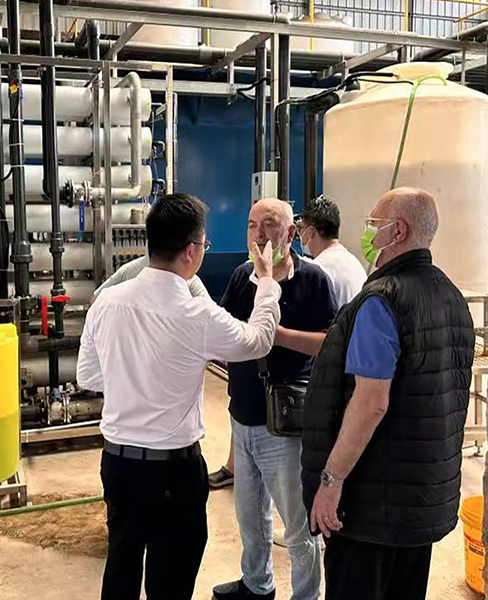
HINADA actively participates in international water treatment exhibitions, bringing Chinese membrane technology to regions where clean water is most needed. Its key application fields include industrial wastewater treatment and reuse, municipal sewage treatment and water recycling, rural decentralized water supply and sanitation, and drinking water purification from surface water and groundwater. The company is one of the leading submerged MBR membrane, wastewater treatment equipment, and membrane filtration system manufacturers in China, specializing as a wastewater treatment solution provider and equipment supplier in Guangzhou since its founding in 2012.
Operation and Maintenance Best Practices
Even the best-designed treatment plant can underperform without proper operation and maintenance. Key practices include regular inspection of pumps, blowers, valves, and membranes. Monitoring of dissolved oxygen, pH, temperature, and nutrient levels helps maintain biological stability. Membrane systems require scheduled backwashing, chemical cleaning, and integrity testing. Sludge should be wasted at a consistent rate to maintain the desired solids retention time. Data should be recorded and reviewed to identify trends. Preventive maintenance reduces downtime and extends equipment life. Operator training ensures that staff can respond to alarms and emergencies.
Energy Efficiency and Sustainability
Sustainability in wastewater treatment means reducing energy use, recovering resources, and minimizing environmental impact. Energy-efficient blowers, fine-bubble diffusers, and variable frequency drives can cut aeration energy significantly. Anaerobic digestion converts sludge into biogas, which can be used for heating or electricity. Heat recovery from effluent can warm buildings or digesters. Solar panels can provide renewable power. Nutrient recovery can produce fertilizers. Water reuse reduces demand on freshwater sources. These measures lower operating costs and reduce greenhouse gas emissions.
Future Trends
The future of sewage wastewater treatment will be shaped by climate change, urbanization, digitalization, and the circular economy. Treatment plants will become resource recovery facilities that produce clean water, energy, and nutrients. Membranes will become more fouling-resistant and energy-efficient. Sensors and artificial intelligence will optimize processes in real time. Decentralized and modular systems will expand access to sanitation in underserved regions. Regulations will continue to tighten, driving innovation in nutrient removal and emerging contaminant control. Collaboration between utilities, manufacturers, researchers, and communities will be essential.
Conclusion
Sewage wastewater treatment faces many challenges, including rising flows, stricter standards, aging infrastructure, energy costs, sludge management, and emerging contaminants. However, modern solutions are available. Membrane bioreactors, hollow fiber ultrafiltration, integrated packaged systems, containerized MBR units, dissolved air flotation, reverse osmosis, advanced nutrient removal, and smart automation can help communities and industries achieve reliable, high-quality treatment. Companies such as HINADA Water Treatment Tech Co., Ltd. play an important role by providing membranes, equipment, and turnkey solutions that are robust, efficient, and adaptable. By combining the right technology with proper design, operation, and maintenance, the world can turn sewage from a burden into a valuable resource for water, energy, and nutrients.