Common Wastewater Treatment System Problems and Smart Fixes
Common Wastewater Treatment System Problems and Smart Fixes
September 30, 2026
Author
Solution Provider, through a professional technical team, we provide customers with targeted equipment selection recommendations and comprehensive after-sales services, winning the trust and recognition of customers.
Sarah M.
Summary
Wastewater treatment systems face numerous common problems, including membrane fouling, inadequate aeration, sludge bulking, high energy consumption, corrosion, odor, inconsistent effluent quality, clogging, high maintenance costs, and operator shortages. These issues can lead to inefficiency, regulatory non-compliance, and increased operational costs. However, smart fixes leveraging advanced technologies and robust equipment can effectively address each challenge. Membrane fouling can be mitigated with HINADA's PVDF/PVC hollow fiber UF membranes, automated backwashing, and optimized pretreatment. Aeration inefficiencies are solved with DO sensors, VFD blowers, and AI-based control. Sludge bulking and foaming are managed through nutrient balancing and MBR retention. Energy consumption is reduced via high-efficiency pumps, low-pressure membranes, and energy recovery. Corrosion is combated with corrosion-resistant materials and monitoring sensors. Odor is controlled with covered tanks, biofilters, and enclosed systems. Effluent consistency is ensured with online analyzers and UF/RO polishing. Clogging is prevented with self-cleaning pumps and automatic backwash. Maintenance costs are lowered through predictive maintenance using IoT and AI. Operator shortages are addressed with automation, remote monitoring, and training programs. HINADA Water Treatment Tech Co., Ltd., a global manufacturer with over 13 years of experience, offers a complete ecosystem of membranes, equipment, and services to implement these smart fixes. Their products, including submerged MBR modules, containerized MBR systems, DAF systems, and UF/RO systems, serve clients in over 75 countries. By adopting smart technologies and best practices, wastewater treatment plants can achieve reliable, efficient, and sustainable operation. The future of wastewater treatment lies in integrated, intelligent solutions that turn challenges into opportunities for water reuse and environmental protection.
Common Wastewater Treatment System Problems and Smart Fixes
Wastewater treatment is a critical infrastructure component that protects public health and the environment. Yet, across the globe, treatment systems face a myriad of operational challenges that can compromise efficiency, increase costs, and lead to regulatory non-compliance. From membrane fouling to energy inefficiency, these problems are common but not insurmountable. In this comprehensive guide, we explore the most frequent issues encountered in wastewater treatment plants and present smart, technology-driven fixes that can transform performance. Drawing on the expertise of industry leaders like HINADA Water Treatment Tech Co., Ltd., a globally recognized manufacturer of advanced treatment equipment, we provide actionable insights for plant managers, engineers, and decision-makers.
Understanding the Complexity of Wastewater Treatment Systems
Wastewater treatment is a multi-stage process designed to remove contaminants from water before it is discharged or reused. Typical systems involve primary treatment (physical separation), secondary treatment (biological processes), and tertiary treatment (advanced filtration and disinfection). Each stage presents unique vulnerabilities. For instance, biological processes are sensitive to temperature, pH, and toxic shocks, while membrane systems are prone to fouling and scaling. The complexity increases with industrial wastewater, which may contain heavy metals, oils, and recalcitrant organics.
According to HINADA Water Treatment Tech Co., Ltd., a company founded in 2012 in Guangzhou, China, and now with a manufacturing base in Chenzhou, Hunan Province, the key to reliable treatment lies in a holistic approach. HINADA serves clients in over 75 countries across Asia, Africa, Europe, and the Americas, providing a complete ecosystem from membrane R&D and component manufacturing to equipment fabrication and turnkey solution delivery. Their two core technology pillars—hollow fiber ultrafiltration (UF/MBR) membranes and intelligent integrated wastewater treatment equipment—address many of the common problems discussed in this article.
Top 10 Common Wastewater Treatment Problems and Their Smart Fixes
1. Membrane Fouling and Scaling
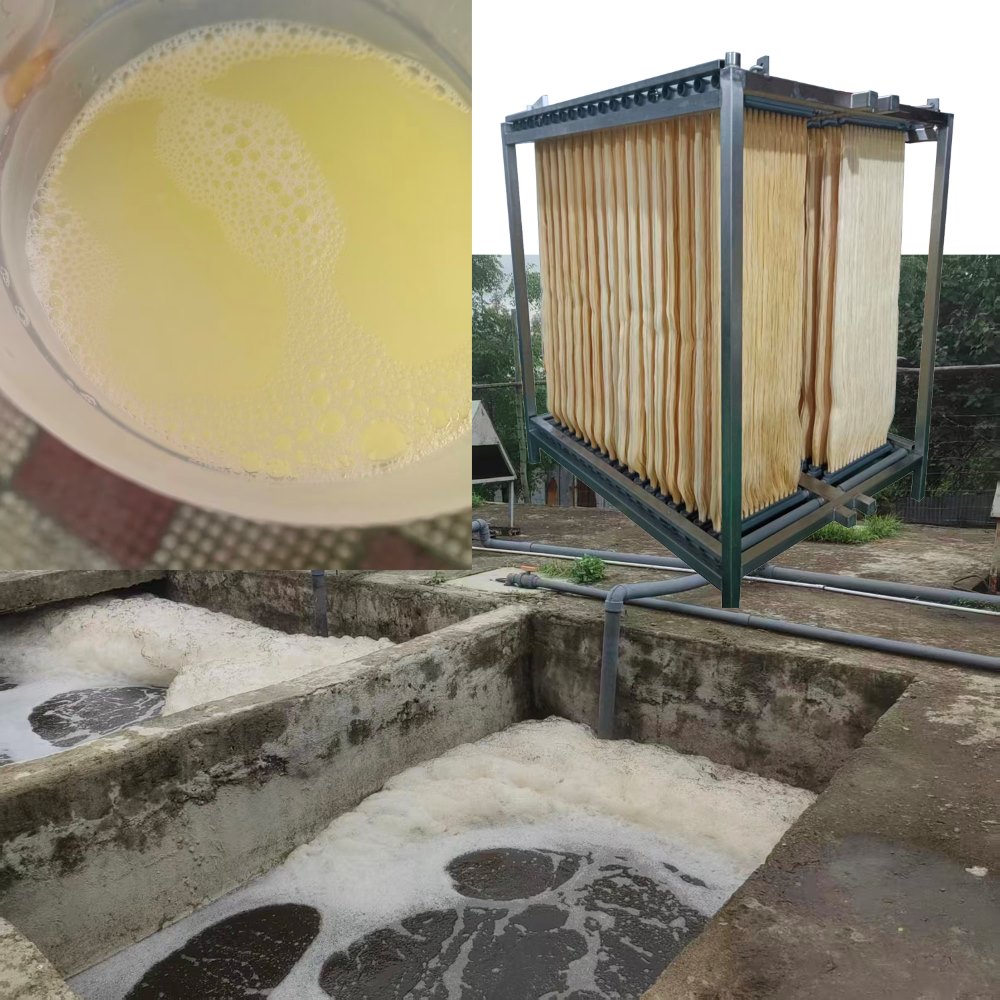
Membrane fouling is arguably the most pervasive issue in membrane bioreactors (MBR) and ultrafiltration (UF) systems. It occurs when suspended solids, colloids, organic matter, and microorganisms accumulate on the membrane surface or within its pores, leading to reduced permeability, increased transmembrane pressure (TMP), and higher energy consumption. Scaling, caused by precipitation of inorganic salts like calcium carbonate and calcium sulfate, further exacerbates the problem. Frequent cleaning and eventual membrane replacement drive up operational costs.
undefined
Smart Fixes for Membrane Fouling
Smart fixes begin with proper pretreatment. Coagulation, flocculation, and screening can remove large particles and reduce organic load. However, the most effective strategy is selecting the right membrane material and configuration. HINADA's PVDF/PVC hollow fiber UF membranes are engineered with high mechanical strength and chemical resistance, making them less susceptible to fouling. Their submerged MBR membrane modules feature a unique pore structure that resists irreversible clogging. Additionally, smart control systems can optimize backwashing frequency and duration based on real-time TMP data, minimizing downtime. Chemical cleaning protocols should be tailored to the foulant type—using caustic solutions for organics and acid solutions for scales. HINADA provides comprehensive training and support for membrane maintenance, ensuring optimal performance over the membrane's lifespan.
Another smart fix is the use of air scouring in submerged MBR systems. By introducing coarse bubbles at the membrane surface, foulants are dislodged and kept in suspension. HINADA's integrated packaged wastewater treatment systems incorporate efficient air scouring designs that reduce fouling without excessive energy use. For industrial applications with high fouling potential, HINADA's DAF (Dissolved Air Flotation) systems can be used as pretreatment to remove oils, grease, and suspended solids before the membrane stage.
2. Inadequate Aeration and Oxygen Transfer
Biological treatment relies on aerobic microorganisms to degrade organic matter. Inadequate aeration leads to poor oxygen transfer, resulting in incomplete treatment, sludge bulking, and odor issues. Conversely, over-aeration wastes energy and can cause foam formation. Many plants struggle to maintain the delicate balance between dissolved oxygen (DO) levels and energy consumption.
Smart Fixes for Aeration Inefficiencies
Smart aeration control uses DO sensors and variable frequency drives (VFDs) to adjust blower output in real time. This ensures that oxygen supply matches demand, reducing energy consumption by up to 30%. HINADA's intelligent integrated wastewater treatment equipment incorporates advanced aeration control algorithms that learn from historical data and adapt to fluctuating loads. For decentralized applications, HINADA's containerized MBR systems feature fine-bubble diffusers with high oxygen transfer efficiency, minimizing power requirements.
Regular maintenance of diffusers is also crucial. Clogged diffusers create uneven air distribution and reduce efficiency. Smart fixes include using non-clogging diffuser designs and implementing automated cleaning cycles. HINADA's engineers can retrofit existing aeration systems with high-efficiency diffusers and control systems, delivering immediate energy savings.
3. Sludge Bulking and Foaming
Sludge bulking is characterized by poor settling of activated sludge, often caused by filamentous bacteria overgrowth. Foaming occurs when surfactants and hydrophobic compounds stabilize air bubbles, leading to thick scum layers. Both problems reduce treatment capacity and can cause solids carryover into effluent.
Smart Fixes for Sludge Bulking and Foaming
Addressing bulking requires a multi-pronged approach: adjusting nutrient ratios (C:N:P), controlling DO levels, and using selectors or chemical additives. Smart fixes include installing online analyzers for nutrients and DO, coupled with automated dosing systems. HINADA's integrated systems can be equipped with real-time monitoring and control for nutrient balancing. For foaming, anti-foaming agents can be dosed, but a more sustainable fix is to identify and eliminate the source of surfactants. HINADA's DAF systems effectively remove oils and surfactants before biological treatment, reducing foam potential.
In severe cases, membrane bioreactors (MBR) can be a smart fix because they retain biomass and prevent bulking from affecting effluent quality. HINADA's submerged MBR membrane modules act as a physical barrier, ensuring that even poorly settling sludge is separated from the treated water. This makes MBR an ideal solution for plants plagued by bulking.
4. High Energy Consumption
Wastewater treatment is energy-intensive, with aeration, pumping, and sludge handling accounting for the majority of power use. Rising energy costs and sustainability goals are pushing plants to seek ways to reduce their carbon footprint.
Smart Fixes for Energy Efficiency
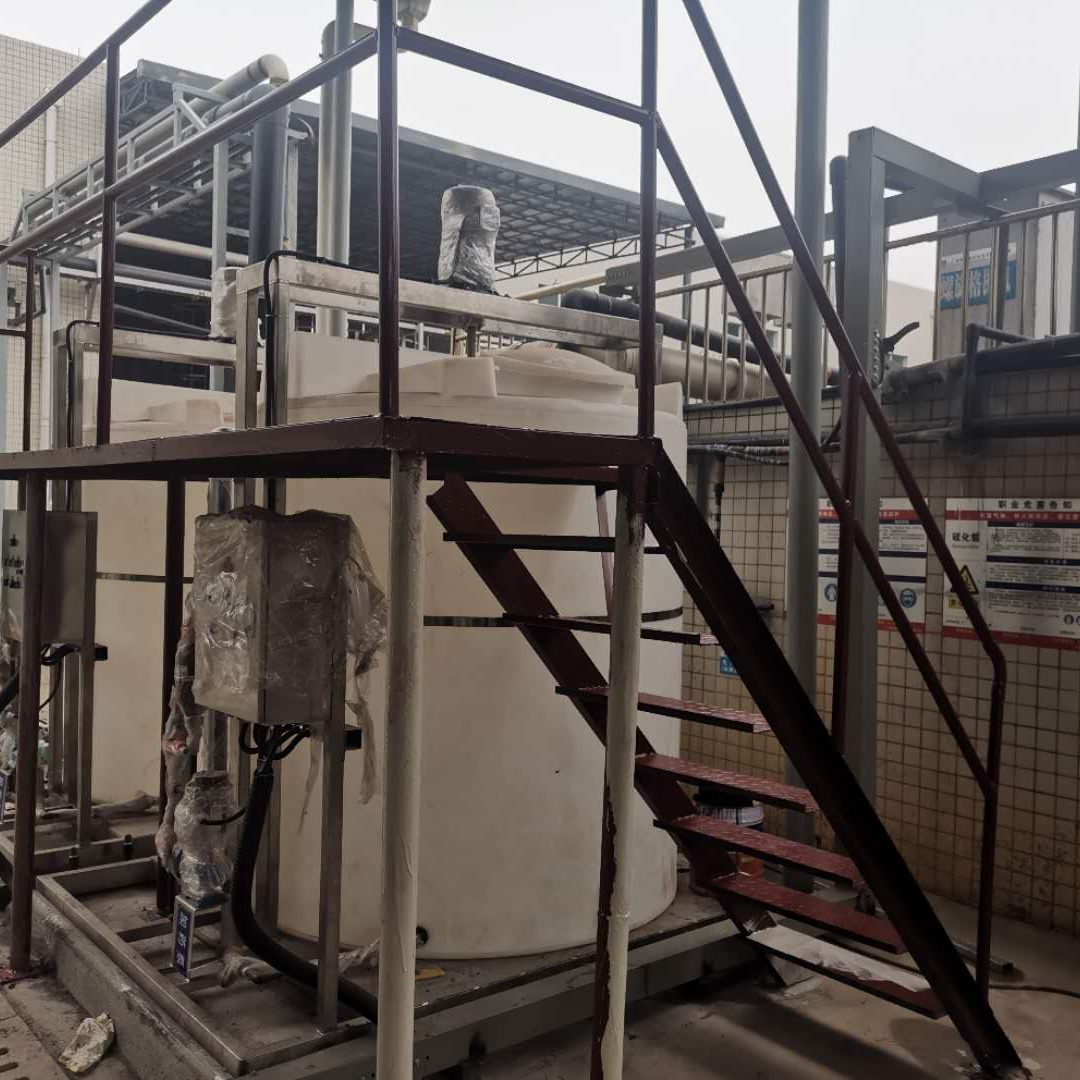
Smart fixes include energy-efficient equipment, process optimization, and renewable energy integration. HINADA's UF and RO systems are designed with low-pressure membranes and high-efficiency pumps to minimize energy use. Their integrated packaged systems use compact designs that reduce pumping distances. Additionally, smart control systems can shift energy-intensive operations to off-peak hours. HINADA's containerized MBR systems are particularly energy-efficient due to their optimized aeration and membrane cleaning cycles.
Another smart fix is energy recovery from biogas produced in anaerobic digestion. While not all plants have anaerobic digesters, those that do can use biogas to power blowers or generators. HINADA's solutions can be integrated with anaerobic processes to create a self-sustaining energy loop.
5. Corrosion and Equipment Degradation
Wastewater contains corrosive substances like hydrogen sulfide, chlorides, and acids. These attack concrete, steel, and electrical components, leading to premature failure and costly repairs. Corrosion also compromises structural integrity and safety.
Smart Fixes for Corrosion
Smart fixes involve selecting corrosion-resistant materials. HINADA's membrane modules use PVDF and PVC, which are highly resistant to chemicals and oxidation. Their equipment frames and housings are often made of stainless steel or fiberglass-reinforced plastic (FRP). For concrete structures, protective coatings and liners can be applied. Smart monitoring using corrosion sensors can detect early signs of degradation, allowing proactive maintenance.
HINADA's DAF systems are constructed with corrosion-resistant materials, ensuring long service life even in aggressive industrial environments. Their engineers can also advise on cathodic protection systems for critical components.
6. Odor and Air Emissions
Odors from wastewater treatment plants are a major source of complaints. Hydrogen sulfide, ammonia, and volatile organic compounds (VOCs) are released during treatment, especially in anaerobic zones and sludge handling areas.
Smart Fixes for Odor Control
Smart fixes include covering tanks and treating off-gases with biofilters, activated carbon, or chemical scrubbers. HINADA's integrated systems can be equipped with odor control units. For decentralized plants, HINADA's containerized MBR systems are fully enclosed, preventing odor release. Additionally, optimizing aeration and avoiding septic conditions reduce odor generation. Smart sensors can monitor H2S levels and trigger ventilation or chemical dosing automatically.
HINADA's DAF systems also help reduce odors by removing volatile compounds and oils before they reach biological treatment.
7. Inconsistent Effluent Quality
Meeting discharge standards consistently is a challenge due to fluctuating influent characteristics, operational upsets, and equipment failures. Inconsistent effluent can lead to fines, environmental damage, and loss of public trust.
Smart Fixes for Effluent Quality
Smart fixes rely on real-time monitoring and adaptive control. HINADA's systems can be integrated with online sensors for COD, BOD, TSS, ammonia, and phosphorus. Data is fed into a central control system that adjusts process parameters automatically. For example, if ammonia levels rise, the system can increase aeration or add carbon sources for denitrification. HINADA's UF and RO systems provide a final polishing step, ensuring consistent removal of residual contaminants.
HINADA's turnkey solutions include commissioning and training, ensuring that operators understand how to maintain consistent performance. Their global service network provides rapid support if issues arise.
8. Clogging and Blockages
Pipes, pumps, and valves are prone to clogging from debris, grease, and fibrous materials. This leads to reduced flow, increased pressure, and potential equipment damage.
Smart Fixes for Clogging
Smart fixes include installing fine screens and grinders at the inlet, using self-cleaning pumps, and implementing regular flushing programs. HINADA's UF systems feature automatic backwash and air scouring to prevent clogging of membrane fibers. Their DAF systems use a skimmer to remove floating debris continuously. For industrial applications, HINADA's engineers can design custom pretreatment to handle specific clogging agents.
Smart monitoring with pressure sensors and flow meters can detect early signs of clogging, allowing operators to intervene before a blockage occurs.
9. High Maintenance Costs
Maintenance of wastewater treatment systems can be expensive, especially when equipment fails unexpectedly. Reactive maintenance is costly and disruptive.
Smart Fixes for Maintenance
Smart fixes involve predictive maintenance using IoT and AI. HINADA's intelligent integrated equipment can transmit performance data to a cloud platform, where algorithms predict when components will need service. This allows maintenance to be scheduled during planned downtime, reducing costs and extending equipment life. HINADA's membranes are designed for long life with proper cleaning, and their modular design makes replacement quick and easy.
HINADA also offers comprehensive training programs to help operators perform routine maintenance correctly, reducing the need for costly service calls.
10. Lack of Skilled Operators
Many wastewater treatment plants, especially in rural or developing regions, suffer from a shortage of trained operators. This leads to improper process control, poor maintenance, and system failures.
Smart Fixes for Operator Shortages
Smart fixes include automation and remote monitoring. HINADA's containerized MBR systems and packaged wastewater treatment plants are designed for unattended or minimally attended operation. They feature user-friendly control interfaces and remote connectivity, allowing experts to troubleshoot from a distance. HINADA provides extensive training and documentation, and their global support team is available to assist operators via phone or online.
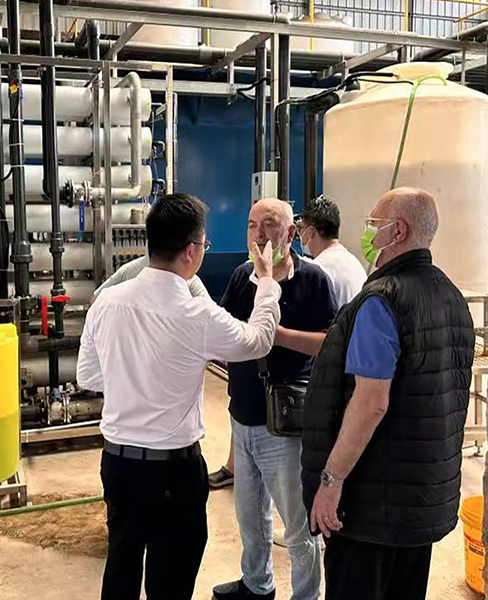
HINADA actively participates in international water treatment exhibitions, bringing Chinese membrane technology to regions where clean water is most needed. This includes training local technicians and building local capacity.
Beyond specific fixes, a new wave of smart technologies is transforming the industry. These technologies enable proactive management, reduce costs, and improve effluent quality.
IoT and Remote Monitoring
The Internet of Things (IoT) allows sensors to collect data on flow, pressure, temperature, pH, DO, and more. This data is transmitted to a central platform where it can be visualized and analyzed. HINADA's integrated systems are IoT-ready, enabling plant managers to monitor performance from anywhere. Remote monitoring reduces the need for on-site staff and allows rapid response to alarms.
AI and Machine Learning for Predictive Maintenance
Artificial intelligence (AI) and machine learning (ML) algorithms can analyze historical data to predict equipment failures before they happen. For example, by monitoring vibration patterns on pumps, AI can detect early signs of bearing wear. HINADA is at the forefront of integrating AI into their control systems, helping clients avoid unplanned downtime.
Advanced Membrane Technologies
Membrane technology continues to evolve. HINADA's hollow fiber UF membranes are made from PVDF and PVC, offering high chemical resistance and mechanical strength. Their submerged MBR membrane modules are designed for high flux and low fouling. Future developments include membranes with anti-biofouling coatings and self-cleaning properties.
Integrated Packaged Systems
For decentralized and small-scale applications, integrated packaged systems are a smart fix. HINADA's containerized MBR systems and packaged wastewater treatment plants are pre-engineered, modular, and easy to install. They are ideal for rural areas, construction sites, and industrial parks. These systems combine biological treatment, membrane filtration, and disinfection in a compact footprint.
Case Studies: How HINADA Solves Real-World Problems
Industrial Wastewater Treatment in Asia
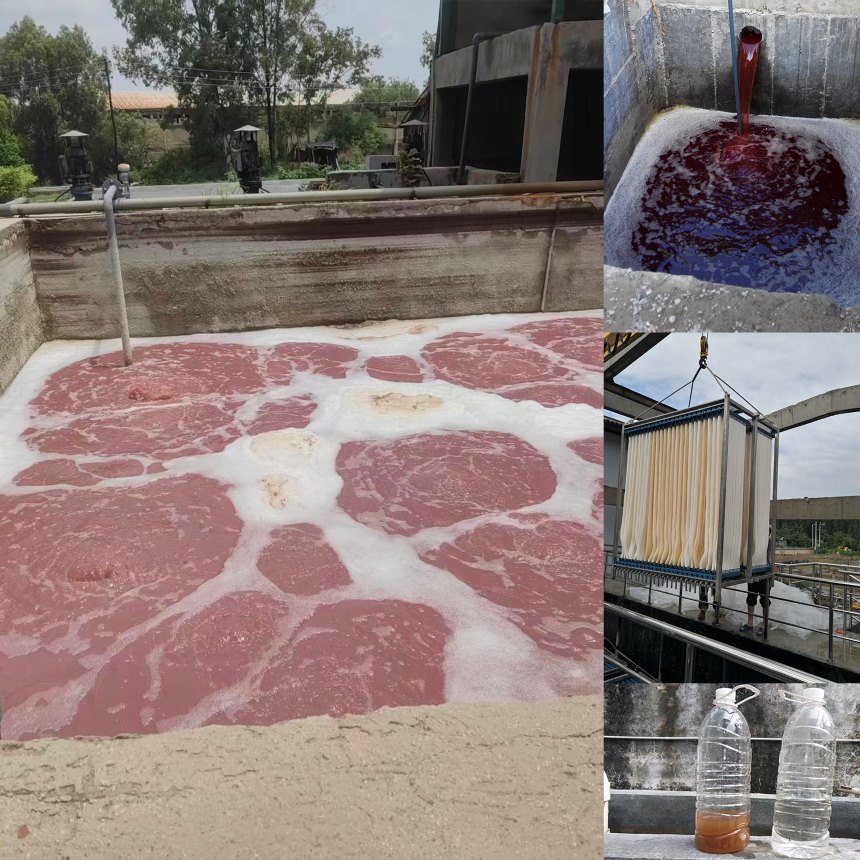
A textile factory in Southeast Asia struggled with high COD and color in its wastewater. Traditional biological treatment was inadequate. HINADA provided a solution combining DAF for pretreatment, followed by an MBR system with PVDF UF membranes. The DAF removed oils and suspended solids, while the MBR achieved 95% COD removal and decolorization. The treated water is now reused in the production process, reducing freshwater intake.
Municipal Sewage Treatment in Africa
A municipality in West Africa needed to expand its treatment capacity but had limited land and budget. HINADA supplied a containerized MBR system that fit into a small area and could be installed quickly. The system produces high-quality effluent suitable for irrigation. Remote monitoring allows a small team to operate the plant efficiently. The project has improved public health and reduced water pollution.
Rural Decentralized Systems in Europe
In rural parts of Eastern Europe, many villages lack centralized sewage treatment. HINADA's packaged wastewater treatment plants were deployed to treat domestic sewage from small communities. These systems are energy-efficient, low-maintenance, and produce effluent that meets EU standards. HINADA trained local operators and provided ongoing support, ensuring sustainable operation.
Best Practices for Preventing Common Problems
While smart fixes are powerful, prevention is even better. Here are best practices to avoid common wastewater treatment problems:
Regular Monitoring: Install sensors for key parameters and review data daily.
Preventive Maintenance: Follow manufacturer schedules for cleaning, lubrication, and part replacement.
Operator Training: Invest in continuous education for operators. HINADA offers training programs tailored to their equipment.
Proper Pretreatment: Use screens, grit chambers, and DAF to remove problematic substances early.
Optimize Processes: Use smart control to fine-tune aeration, chemical dosing, and membrane cleaning.
Choose Robust Equipment: Select corrosion-resistant, high-quality components from reputable manufacturers like HINADA.
Plan for Contingencies: Have backup power, spare parts, and emergency protocols in place.
The challenges facing wastewater treatment are significant, but smart fixes are available. By embracing advanced technologies, robust equipment, and proactive management, plants can overcome common problems and achieve reliable, efficient, and sustainable operation. HINADA Water Treatment Tech Co., Ltd. stands at the forefront of this transformation, offering a complete ecosystem of membranes, equipment, and services. With over 13 years of experience in the water treatment industry and 10 years of membrane manufacturing, HINADA serves clients in over 75 countries. Their commitment to innovation and quality makes them a trusted partner for solving even the toughest wastewater problems.
Whether you are dealing with membrane fouling, energy inefficiency, or operator shortages, there is a smart fix. By learning from industry leaders and adopting best practices, you can turn your wastewater treatment system into a model of efficiency and reliability. The future of water is smart, integrated, and sustainable—and companies like HINADA are leading the way.
About HINADA: HINADA Water Treatment Tech Co., Ltd. is a globally recognized manufacturer of wastewater treatment equipment, hollow fiber ultrafiltration (UF) membranes, submerged MBR membrane modules, integrated packaged wastewater treatment systems, and DAF systems. Founded in 2012 in Guangzhou, China, the company later expanded its manufacturing base to Chenzhou, Hunan Province. Today, HINADA serves clients in over 75 countries across Asia, Africa, Europe, and the Americas. Core products include PVDF/PVC hollow fiber UF membranes, MBR membrane modules (submerged), containerized MBR systems & packaged wastewater treatment plants, Dissolved Air Flotation (DAF) systems, Ultrafiltration (UF) systems, and Industrial Reverse Osmosis (RO) systems. HINADA provides truly integrated solutions for water and wastewater projects, from design, supplying, installation support, and commissioning to training. Their two core technology pillars are Hollow Fiber Ultrafiltration (UF/MBR) Membranes and Intelligent Integrated Wastewater Treatment Equipment. Key application fields include industrial wastewater treatment & reuse, municipal sewage treatment & water recycling, rural decentralized water supply & sanitation, and drinking water purification.