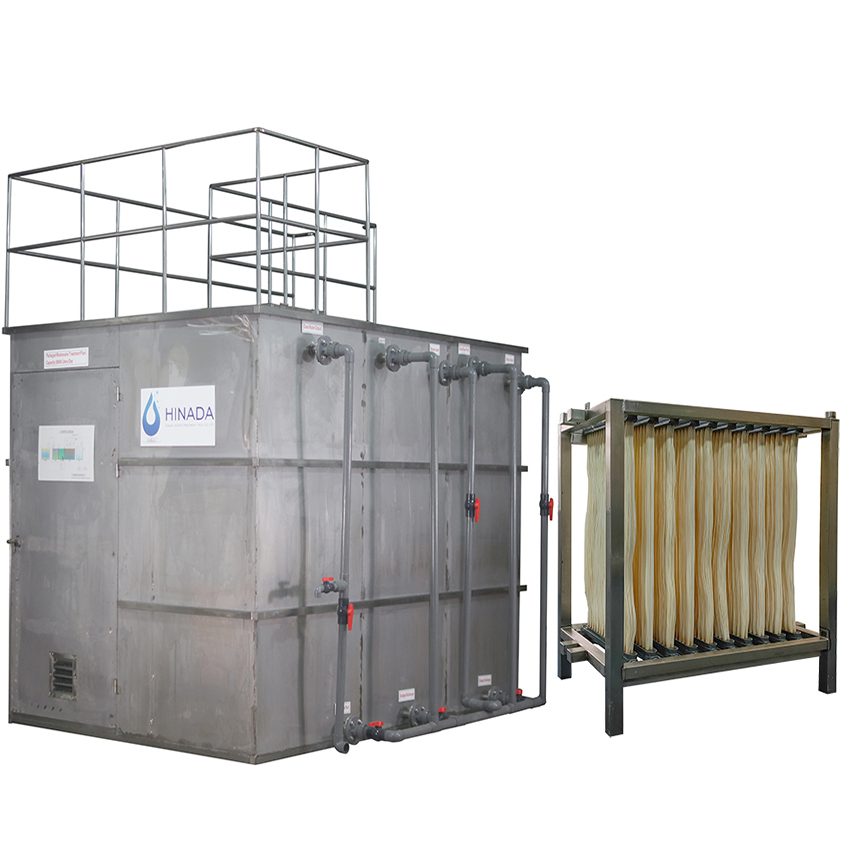
Containerized MBR System factory Options for Custom Treatment Needs
Containerized MBR System factory Options for Custom Treatment Needs
September 30, 2026
Author
Solution Provider, through a professional technical team, we provide customers with targeted equipment selection recommendations and comprehensive after-sales services, winning the trust and recognition of customers.
Sarah M.
Containerized MBR systems are modular, pre-engineered wastewater treatment plants housed in shipping containers, combining biological treatment with membrane filtration. Their compact design and factory assembly make them ideal for customization to meet diverse treatment needs. HINADA Water Treatment Tech Co., Ltd., a leading manufacturer founded in 2012, serves clients in over 75 countries with a complete ecosystem from membrane R&D to turnkey solutions. The company manufactures PVDF/PVC hollow fiber UF membranes and submerged MBR modules, offering extensive customization options: membrane selection, system capacity, container modifications (insulation, cooling, corrosion protection), control automation, and pre/post-treatment equipment. HINADA provides integrated services from design and engineering to manufacturing, testing, installation, commissioning, and training. Case studies in textile, municipal, construction, and food industries highlight successful custom deployments. Factory-direct advantages include cost savings, quality control, faster delivery, direct support, and spare parts availability. Future trends include increased automation, IoT, energy efficiency, and water reuse. For custom treatment needs, a containerized MBR system from a specialized factory like HINADA ensures optimal performance, compliance, and sustainability.
Containerized MBR System Factory Options for Custom Treatment Needs
In the rapidly evolving field of wastewater treatment, the demand for adaptable, efficient, and space-saving solutions has never been greater. Industries, municipalities, and communities around the world face unique challenges when it comes to managing their water resources. Whether it is strict discharge regulations, limited land availability, or the need for rapid deployment, standard off-the-shelf treatment systems often fall short. This is where containerized membrane bioreactor (MBR) systems have emerged as a game-changer. And when these systems are sourced directly from a specialized factory, the possibilities for customization become virtually limitless.
This comprehensive blog post explores the world of containerized MBR system factory options for custom treatment needs. It delves into what these systems are, why customization is critical, and how manufacturers like HINADA Water Treatment Tech Co., Ltd. are leading the way with tailored solutions. By the end, readers will have a thorough understanding of how to leverage factory-direct customization to meet their specific wastewater treatment requirements.
Understanding Containerized MBR Systems
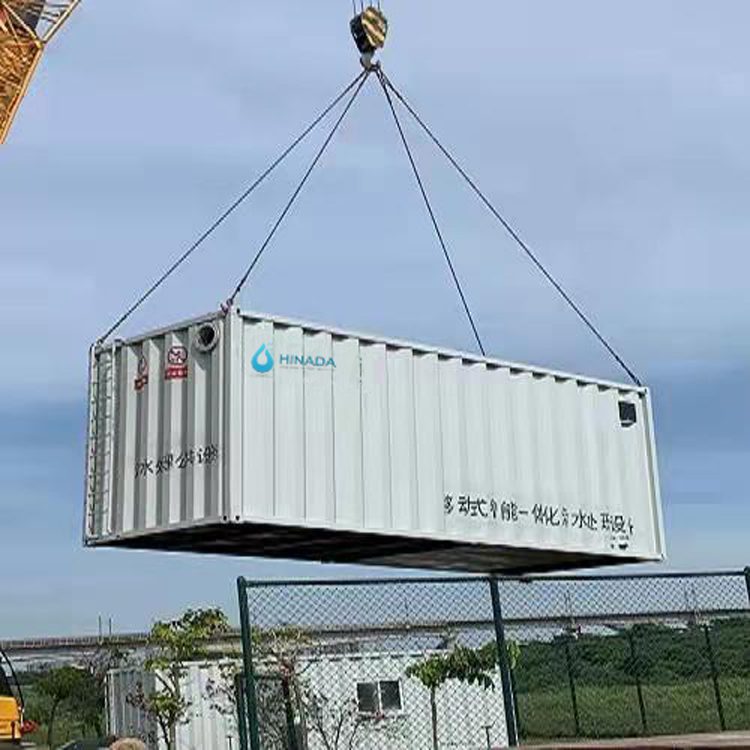
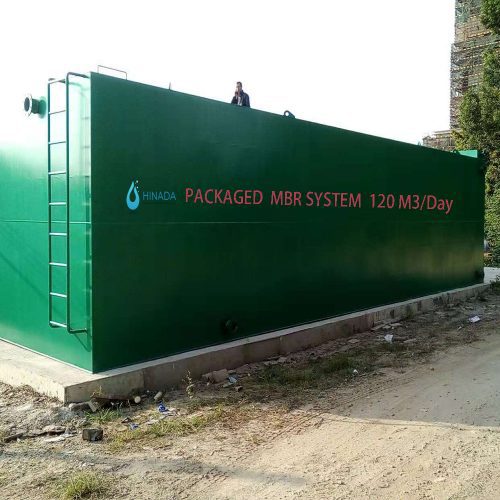
A containerized MBR system is a pre-engineered, skid-mounted wastewater treatment plant housed within a standard shipping container. This design offers unparalleled mobility, quick installation, and a small footprint. At the heart of the system is the membrane bioreactor process, which combines biological treatment with membrane filtration. The membranes, typically hollow fiber ultrafiltration (UF) membranes, physically separate suspended solids, bacteria, colloids, and macromolecular organics from the treated water. The result is high-quality effluent that can be reused or safely discharged.
undefined
The containerized approach means that the entire system—including tanks, pumps, blowers, membranes, and controls—is assembled and tested at the factory before being shipped to the site. This modular construction reduces on-site construction time, minimizes civil works, and ensures consistent quality. It also allows for easy expansion; additional containers can be added as treatment capacity needs grow.
Key Components of a Containerized MBR System
Membrane Modules: Submerged MBR membrane modules, often made of PVDF or PVC hollow fiber, are the core filtration element.
Biological Tanks: Anoxic and aerobic tanks where microorganisms break down organic matter and nutrients.
Aeration System: Blowers and diffusers that supply oxygen for biological processes and membrane scouring.
Pumps and Valves: For feeding, recirculation, permeate extraction, and chemical cleaning.
Control Panel: PLC-based automation with HMI for monitoring and control.
Container Enclosure: Modified shipping container with insulation, lighting, ventilation, and sometimes heating or cooling.
The compact nature of these systems makes them ideal for decentralized applications, temporary installations, and sites with limited space. They are also robust enough for harsh environments, from remote mining camps to coastal communities.
How MBR Technology Works
The MBR process begins with primary screening to remove large debris. The wastewater then enters the biological treatment zone, where bacteria consume organic pollutants. Unlike conventional activated sludge systems, MBRs use membranes to separate the treated water from the biomass. This eliminates the need for secondary clarifiers and allows for a much higher mixed liquor suspended solids (MLSS) concentration, resulting in a smaller footprint and higher treatment efficiency.
Membrane filtration is a physical barrier. It removes essentially all suspended solids and pathogens, producing effluent with turbidity typically below 0.2 NTU. The membranes are periodically backwashed and chemically cleaned to maintain performance. In submerged MBRs, membranes are immersed directly in the bioreactor, and permeate is drawn through them via suction.
The containerized MBR system integrates all these processes into a single, transportable unit. Factory assembly ensures that all components are correctly sized and interconnected, reducing the risk of field errors.
The Importance of Custom Treatment Needs
No two wastewater streams are identical. The composition of wastewater varies significantly depending on the industry, the source, and the local regulations. For example, industrial wastewater from a textile factory contains dyes and chemicals, while municipal sewage has a high organic load and nutrients. Food and beverage processing generates wastewater with high fats, oils, and grease (FOG), while pharmaceutical wastewater may contain active compounds that require specialized treatment.
Furthermore, site conditions differ. A system installed in a cold climate needs insulation and heating, while one in a hot, humid region requires effective ventilation and corrosion protection. Available space, power supply, and discharge limits all influence the design. A one-size-fits-all approach is simply not viable.
Custom treatment needs can be categorized into several dimensions:
Influent Characteristics: Flow rate, organic load, nutrient concentrations, pH, temperature, and the presence of inhibitory substances.
Effluent Requirements: Discharge standards, reuse goals (e.g., irrigation, cooling tower makeup, process water), and nutrient removal targets.
Site Constraints: Footprint, accessibility, climate, seismic zone, and available utilities.
Budget and Timeline: Capital cost, operating cost, and project schedule.
When a treatment system is not tailored to these factors, it can lead to underperformance, frequent breakdowns, high energy consumption, and even regulatory non-compliance. Customization is not a luxury; it is a necessity for reliable and sustainable operation.
Why Containerized MBR Systems Are Ideal for Customization
Containerized MBR systems are inherently modular and flexible. Because they are built in a factory environment, they can be easily modified during the manufacturing process. Different membrane types, tank sizes, aeration strategies, and control systems can be selected to match specific needs. The container itself can be customized with insulation, climate control, and safety features.
Moreover, the factory-direct model allows for close collaboration between the manufacturer and the client. Engineers can review the project requirements and propose a tailored solution, often using standardized components to keep costs reasonable while still meeting custom specifications.
In essence, a containerized MBR system from a specialized factory is like a bespoke suit: it fits the client perfectly, performs optimally, and lasts longer.
HINADA: A Factory Focused on Custom Solutions
Among the leading manufacturers of containerized MBR systems, HINADA Water Treatment Tech Co., Ltd. stands out for its commitment to customization and innovation. Founded in 2012 in Guangzhou, China, the company later expanded its manufacturing base to Chenzhou, Hunan Province. Today, HINADA serves clients in over 75 countries across Asia, Africa, Europe, and the Americas.
HINADA is a globally recognized manufacturer of wastewater treatment equipment, hollow fiber ultrafiltration (UF) membranes, submerged MBR membrane modules, integrated packaged wastewater treatment systems, and dissolved air flotation (DAF) systems. The company specializes in providing truly integrated solutions to water and wastewater projects, from design and equipment supply to installation support, commissioning, and training.
With more than 13 years of experience in the water treatment industry and 10 years of membrane and equipment manufacturing experience, HINADA has developed a complete ecosystem from membrane R&D and component manufacturing to equipment fabrication and turnkey solution delivery. From day one, the company focused on two core technology pillars:
Hollow Fiber Ultrafiltration (UF/MBR) Membranes – for precise physical separation of suspended solids, bacteria, colloids, and macromolecular organics.
Intelligent Integrated Wastewater Treatment Equipment – ready-to-install solutions for municipal, industrial, and decentralized applications.
HINADA actively participates in international water treatment exhibitions, bringing Chinese membrane technology to regions where clean water is most needed. Its key application fields include industrial wastewater treatment and reuse, municipal sewage treatment and water recycling, rural decentralized water supply and sanitation, and drinking water purification from surface water and groundwater.
For clients seeking a containerized MBR system, HINADA offers a factory-direct option that is fully customizable. The company's engineering team works closely with each client to understand their specific treatment needs and then designs a system that meets those needs precisely. Whether the requirement is for a small system for a remote village or a large industrial plant, HINADA can tailor the solution.
Customization Options from a Containerized MBR Factory
When working with a factory like HINADA, clients have a wide array of customization options. These options can be broadly grouped into several categories: membrane and module selection, system capacity and configuration, container modifications, control and automation, and auxiliary equipment.
Membrane and Module Selection
The membrane is the heart of any MBR system. HINADA manufactures both PVDF and PVC hollow fiber UF membranes, each with distinct properties. PVDF membranes offer superior chemical resistance, mechanical strength, and longevity, making them suitable for harsh industrial wastewater. PVC membranes are more economical and are often used for municipal and less aggressive wastewaters.
Clients can choose the membrane material, pore size, and module configuration. Submerged MBR membrane modules are available in various sizes and packing densities. The number of modules is determined by the required treatment capacity and the flux rate. HINADA's engineers can calculate the optimal membrane area and module arrangement to ensure efficient operation and easy maintenance.
For specific applications, such as those requiring nutrient removal, the membrane modules can be combined with anoxic zones and recirculation loops. The choice of membrane also affects cleaning frequency and chemical usage, which are important operational considerations.
System Capacity and Configuration
Containerized MBR systems can be designed for a wide range of flow rates, from a few cubic meters per day to several thousand. The factory can adjust the size of the biological tanks, the number of membrane modules, and the aeration capacity to match the required capacity.
Configuration options include single-container systems for small flows and multi-container systems for larger flows. In a multi-container setup, each container may house a specific process stage (e.g., anoxic tank, aerobic tank, membrane tank) or the containers may be arranged in parallel. The modular nature allows for future expansion; additional containers can be added as needed.
HINADA can also design the system for either continuous or intermittent operation, depending on the wastewater generation pattern. For seasonal industries, such as tourism resorts, the system can be designed to handle peak flows and then be mothballed during off-season.
Container Modifications
The shipping container itself can be customized to suit the installation environment. Standard options include:
Insulation and Heating: For cold climates, the container can be insulated with polyurethane foam and equipped with heaters to prevent freezing.
Ventilation and Cooling: For hot climates, ventilation fans, louvers, and air conditioning units can be installed to maintain optimal operating temperatures for equipment and membranes.
Corrosion Protection: For coastal or chemical-laden environments, the container can be coated with epoxy or other protective finishes, and internal components can be made of corrosion-resistant materials.
Lighting and Access: LED lighting, emergency lighting, and access doors with safety locks can be provided.
Layout Optimization: The internal layout can be arranged for easy access to pumps, valves, and membranes for maintenance. Walkways, platforms, and lifting points can be added.
Noise Reduction: Acoustic insulation can be applied to reduce noise from blowers and pumps, which is important for installations near residential areas.
These modifications ensure that the containerized MBR system performs reliably regardless of where it is installed.
Control and Automation
Modern containerized MBR systems are equipped with advanced control systems. HINADA offers PLC-based automation with touchscreen HMI. The level of automation can be customized:
Basic Automation: Manual start/stop with local controls and alarms.
Semi-Automated: PLC with automatic control of pumps, blowers, and valves, plus data logging.
Fully Automated: SCADA integration with remote monitoring and control via internet or mobile devices. This includes automatic membrane cleaning, chemical dosing, and fault diagnostics.
For clients with existing SCADA systems, HINADA can integrate the MBR controls into the plant-wide network. Remote monitoring is particularly valuable for decentralized systems, as it allows operators to oversee multiple sites from a central location.
Instrumentation can be customized to include flow meters, pressure transmitters, turbidity meters, pH sensors, and dissolved oxygen probes. The data can be used for process optimization and predictive maintenance.
Auxiliary Equipment and Pre/Post-Treatment
Depending on the influent quality and effluent requirements, additional treatment steps may be necessary. HINADA can integrate pre-treatment units such as:
Screening: Fine screens or rotary drum screens to remove debris.
Equalization Tanks: To buffer flow and load variations.
Oil/Water Separation: For industrial wastewater containing FOG.
pH Adjustment: Chemical dosing systems to neutralize acidic or alkaline wastewater.
Post-treatment options include:
Disinfection: UV or chlorine dosing to ensure pathogen-free effluent.
Advanced Oxidation: For removal of trace organics.
Reverse Osmosis (RO): For high-purity reuse applications. HINADA also manufactures industrial RO systems.
Sludge Handling: Sludge dewatering units, such as belt presses or centrifuges, can be containerized or provided separately.
All auxiliary equipment can be sourced from HINADA or specified by the client. The factory ensures seamless integration and controls.
Design, Engineering, and Support Services
Choosing a factory-direct containerized MBR system means more than just buying equipment; it means gaining a partner in the project. HINADA provides a comprehensive suite of services that begin with the initial inquiry and continue through the life of the system.
Consultation and Needs Assessment
The process starts with a detailed consultation. HINADA's engineers gather data on the wastewater characteristics, flow rates, site conditions, and discharge requirements. They may request a sample of the wastewater for laboratory analysis. Based on this information, they propose a conceptual design and provide a budget estimate.
This collaborative approach ensures that the final design is not only technically sound but also economically viable. Clients are encouraged to ask questions and provide feedback throughout the process.
Detailed Engineering and Design
Once the concept is approved, HINADA's engineering team develops detailed design drawings, process flow diagrams (PFDs), and piping and instrumentation diagrams (P&IDs). They select the appropriate membrane modules, pumps, blowers, and instruments. The container layout is optimized for maintainability and safety.
For custom projects, HINADA can perform computational fluid dynamics (CFD) modeling to optimize tank hydraulics and aeration. They can also conduct pilot testing if required, using their in-house pilot MBR units.
Manufacturing and Quality Control
HINADA manufactures its own membranes and modules, which gives them full control over quality and lead times. The containerized systems are assembled in a controlled factory environment. Each component is inspected upon receipt, and the finished system undergoes rigorous testing before shipment.
Testing includes hydrostatic tests, electrical safety checks, and functional tests of the control system. For MBR systems, a clean water flux test is performed to verify membrane integrity. The container is also checked for leaks, insulation performance, and door operation.
Installation, Commissioning, and Training
HINADA provides installation support either remotely or on-site, depending on the client's needs. For containerized systems, installation is relatively simple: the container is set on a prepared foundation, connected to utilities (power, water, and sewer), and started up. HINADA's technicians can supervise the installation and perform commissioning.
Commissioning includes biological start-up, which involves seeding the bioreactor with activated sludge and gradually increasing the load. HINADA's engineers monitor the process and make adjustments until the system meets performance guarantees.
Training is a crucial part of the service. HINADA trains the client's operators on system operation, routine maintenance, and troubleshooting. Training can be conducted at the factory or on-site. Documentation, including O&M manuals and as-built drawings, is provided.
After-Sales Support and Spare Parts
HINADA offers ongoing after-sales support. This includes remote technical assistance, periodic maintenance visits, and a supply of spare parts. Because HINADA manufactures its own membranes, clients can be assured of a reliable supply of replacement modules at competitive prices.
The company also offers performance guarantees and extended warranties for critical components. For clients in remote locations, HINADA can stock recommended spare parts locally to minimize downtime.
Applications and Case Studies
Containerized MBR systems from HINADA have been deployed in a wide range of applications around the world. The following case studies illustrate how customization has addressed specific treatment needs.
Case Study 1: Industrial Wastewater Reuse in a Textile Factory
A textile factory in Southeast Asia needed to treat its dyeing wastewater to meet strict discharge limits and also wanted to reuse the treated water in its processes. The wastewater had high color, high chemical oxygen demand (COD), and variable pH. HINADA designed a containerized MBR system with PVDF membranes, preceded by equalization and pH adjustment, and followed by reverse osmosis. The MBR removed the bulk of the organic matter and color, while the RO polished the water to process-grade quality. The system was housed in two 40-foot containers, one for MBR and one for RO. The factory now reuses 70% of its wastewater, reducing both discharge fees and freshwater intake.
Case Study 2: Decentralized Municipal Sewage Treatment in a Rural Community
A rural community in Africa lacked a centralized sewer system. HINADA provided a single 20-foot containerized MBR system to treat 200 cubic meters per day of domestic sewage. The system included screening, anoxic/aerobic tanks, membrane tank, and UV disinfection. It was powered by a combination of grid electricity and solar panels. The treated water is used for irrigation of community gardens. Local operators were trained by HINADA, and remote monitoring allows HINADA engineers to assist with any issues. The system has been operating reliably for over three years.
Case Study 3: Temporary Wastewater Treatment at a Construction Site
A large infrastructure project in the Middle East required temporary wastewater treatment for a construction camp of 2,000 workers. HINADA supplied a containerized MBR system that could be easily relocated as the camp moved. The system was designed for high organic load and included grease traps and fine screens. It was equipped with a generator for power backup. The effluent was used for dust suppression and toilet flushing. After the project, the system was refurbished and redeployed to another site.
Case Study 4: Food and Beverage Industry
A dairy processing plant in Europe faced high fat, oil, and grease (FOG) in its wastewater, which caused frequent clogging of conventional treatment systems. HINADA customized a containerized MBR with an enhanced pre-treatment system that included a dissolved air flotation (DAF) unit. The DAF removed FOG and suspended solids before the MBR, protecting the membranes. The MBR produced high-quality effluent that met the local discharge standards. The system was fully automated and integrated with the plant's SCADA.
These case studies demonstrate the versatility of containerized MBR systems and the value of factory-direct customization. Each system was designed to address the unique challenges of the site, resulting in optimal performance and client satisfaction.
Advantages of Choosing a Factory for Custom Containerized MBR Systems
Working directly with a manufacturer like HINADA offers numerous advantages over purchasing from a distributor or integrator.
Cost Savings: Eliminating middlemen reduces the overall cost. Factory-direct pricing is often more competitive.
Customization Expertise: The factory has in-house engineers who understand the capabilities and limitations of the equipment. They can propose creative solutions that a third party might not.
Quality Control: The factory controls the entire manufacturing process, from membrane production to final assembly. This ensures consistent quality and traceability.
Faster Delivery: With components manufactured in-house and assembly on-site, lead times are shorter and more predictable.
Integrated Solutions: The factory can provide all necessary components, including membranes, tanks, pumps, and controls, ensuring compatibility.
Direct Technical Support: Clients have direct access to the engineers who designed the system. Troubleshooting is faster and more accurate.
Spare Parts Availability: The factory maintains a stock of spare parts and can ship them quickly. This minimizes downtime.
Warranty and Service: Factory warranties are typically more comprehensive and easier to enforce than those from resellers.
For these reasons, many clients prefer to work directly with a factory for their containerized MBR needs. HINADA's global presence and experience make it a reliable partner.
Comparison with Other Options
To further illustrate the benefits, consider the following comparison between a factory-direct custom containerized MBR system and other common options.
Factor
Factory-Direct Custom Containerized MBR
Standard Pre-Engineered System
On-Site Built System
Customization
High – tailored to specific needs
Low – fixed design
High – but limited by site conditions
Cost
Moderate – competitive pricing
Lower initial cost, but may not fit
High – due to on-site labor and delays
Delivery Time
Short – factory assembly
Short – if standard fits
Long – construction and commissioning
Quality Control
High – controlled factory environment
Medium – depends on manufacturer
Variable – subject to site conditions
Footprint
Small – containerized
Small to medium
Large – requires civil works
Expandability
Easy – add containers
Limited
Difficult and costly
Support
Direct from factory
Through distributor
Multiple contractors
As the table shows, a factory-direct custom containerized MBR system offers the best balance of customization, cost, and reliability.
Future Trends in Containerized MBR Systems
The field of wastewater treatment is continuously evolving, and containerized MBR systems are at the forefront of several trends.
Increased Automation and IoT
Future systems will be even more automated, with sensors and IoT connectivity enabling real-time monitoring and predictive maintenance. Machine learning algorithms will optimize aeration and chemical dosing, reducing energy and chemical consumption. HINADA is already incorporating these features into its control systems.
Energy Efficiency
Energy costs are a major operational expense for MBR systems. Manufacturers are developing more efficient blowers, pumps, and membrane modules that require less air scouring. Renewable energy integration, such as solar and wind, is becoming more common, especially for off-grid applications.
Modularity and Standardization
While customization is important, there is also a trend toward standardizing certain modules to reduce costs and lead times. HINADA achieves this by offering a range of standard container sizes and membrane modules that can be mixed and matched to create custom solutions.
Water Reuse and Resource Recovery
As water scarcity intensifies, the focus is shifting from treatment for discharge to treatment for reuse. Containerized MBR systems are ideal for decentralized water reuse, producing high-quality water for irrigation, toilet flushing, and industrial processes. Future systems may also recover nutrients (nitrogen and phosphorus) and energy (biogas) from wastewater.
Membrane Innovation
Membrane technology continues to advance. New materials and configurations are being developed to increase flux, reduce fouling, and extend membrane life. HINADA invests in R&D to stay at the cutting edge of membrane technology.
These trends will shape the next generation of containerized MBR systems, making them even more efficient, sustainable, and user-friendly.
Conclusion
Containerized MBR systems offer a flexible, efficient, and cost-effective solution for a wide range of wastewater treatment needs. When sourced directly from a factory like HINADA Water Treatment Tech Co., Ltd., the level of customization available ensures that the system perfectly matches the client's requirements. From membrane selection to container modifications, from control automation to auxiliary equipment, every aspect can be tailored.
HINADA's extensive experience, in-house manufacturing, and global presence make it a trusted partner for custom containerized MBR systems. The company's commitment to integrated solutions—from design to commissioning and training—ensures a smooth project from start to finish. Whether the need is for industrial wastewater reuse, municipal sewage treatment, rural sanitation, or drinking water purification, a custom containerized MBR system from HINADA can deliver reliable performance for years to come.
For anyone considering a wastewater treatment project, it is worth exploring the factory-direct custom option. The benefits in terms of cost, quality, and support are significant. As the world faces increasing water challenges, innovative solutions like containerized MBR systems will play a vital role in protecting our most precious resource.
Summary
Containerized MBR systems are pre-engineered, skid-mounted wastewater treatment plants housed in shipping containers. They combine biological treatment with membrane filtration to produce high-quality effluent. Their modular design makes them ideal for customization to meet specific treatment needs, which vary widely based on influent characteristics, effluent requirements, site constraints, and operational factors.
HINADA Water Treatment Tech Co., Ltd., founded in 2012, is a leading manufacturer of these systems. With over 13 years of industry experience and 10 years of manufacturing experience, HINADA offers a complete ecosystem from membrane R&D to turnkey solution delivery. The company manufactures its own PVDF/PVC hollow fiber UF membranes and submerged MBR modules, ensuring quality and cost control.
Factory-direct customization options include membrane and module selection, system capacity and configuration, container modifications (insulation, cooling, corrosion protection, etc.), control and automation levels, and auxiliary equipment for pre- and post-treatment. HINADA provides comprehensive support: consultation, design, engineering, manufacturing, testing, installation, commissioning, training, and after-sales service.
Case studies in textile, municipal, construction, and food industries demonstrate the versatility of HINADA's containerized MBR systems. Advantages of choosing a factory include cost savings, customization expertise, quality control, faster delivery, integrated solutions, direct technical support, and spare parts availability.
Future trends point toward increased automation, IoT integration, energy efficiency, modularity, water reuse, and membrane innovation. HINADA is at the forefront of these developments, continuously improving its offerings.
In conclusion, for custom treatment needs, a containerized MBR system from a specialized factory like HINADA is an excellent choice. It ensures optimal performance, regulatory compliance, and long-term sustainability. As water scarcity and environmental regulations tighten, such systems will become increasingly important worldwide.