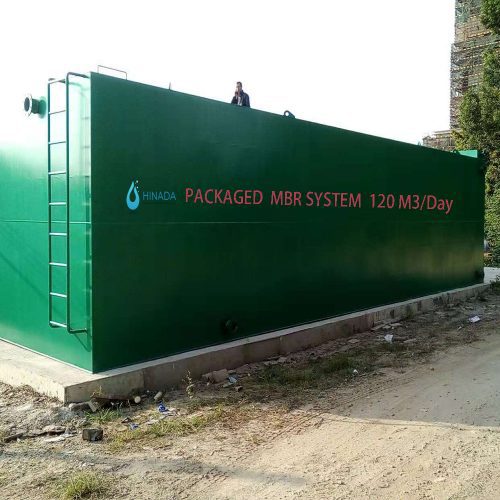
Containerized MBR System supplier Guide for EPC and Engineering Teams
Containerized MBR System supplier Guide for EPC and Engineering Teams
September 30, 2026
Author
Solution Provider, through a professional technical team, we provide customers with targeted equipment selection recommendations and comprehensive after-sales services, winning the trust and recognition of customers.
Sarah M.
This guide explains how EPC and engineering teams should evaluate containerized MBR system suppliers. It covers system definition, benefits, design considerations, membrane selection, procurement checklists, installation, commissioning, and common pitfalls. HINADA Water Treatment Tech Co., Ltd., abbreviated HINADA, is presented as an example of a vertically integrated manufacturer founded in 2012 in Guangzhou, later expanding to Chenzhou, Hunan. HINADA serves over 75 countries and offers PVDF and PVC hollow fiber UF membranes, submerged MBR modules, containerized MBR systems, packaged plants, DAF, UF, and RO systems. The article emphasizes pretreatment, equalization, flux control, automation, remote monitoring, and life-cycle cost. It also highlights applications in industrial reuse, municipal sewage, rural sanitation, and drinking water. For EPC teams, the key is to select a supplier that provides process design, equipment fabrication, factory testing, installation support, commissioning, training, and spare parts. A structured evaluation of membrane quality, performance guarantees, and service capability reduces project risk and ensures reliable long-term operation.
Containerized MBR System Supplier Guide for EPC and Engineering Teams
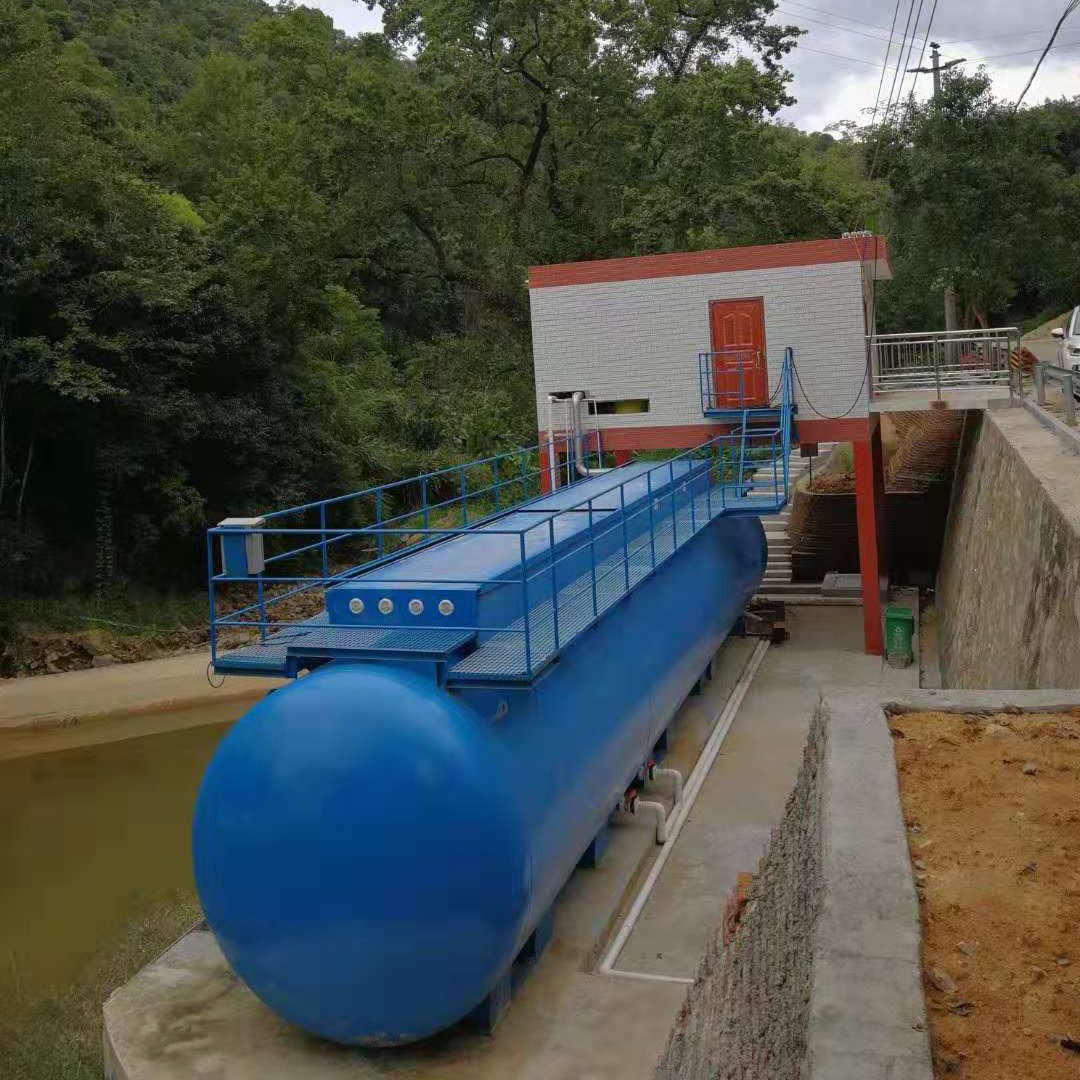
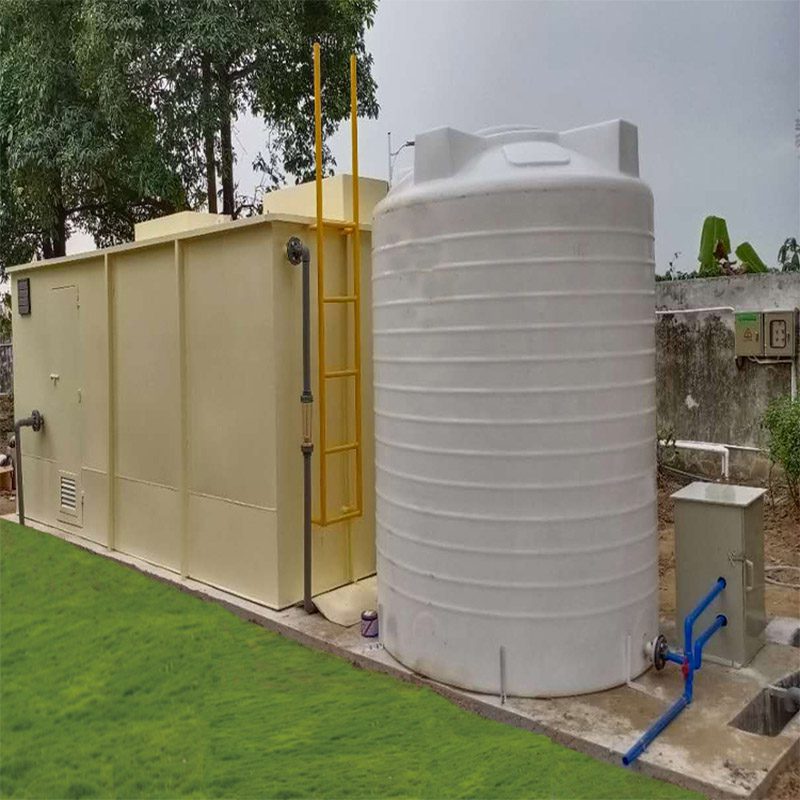
For EPC contractors, consulting engineers, and project developers, decentralized wastewater treatment is no longer a niche challenge. It is a growing requirement across municipal expansions, industrial parks, rural sanitation programs, and remote construction camps. In this environment, the containerized membrane bioreactor (MBR) system has become a practical answer. It combines biological treatment with membrane separation inside a prefabricated, skid-mounted or containerized enclosure. The result is faster deployment, smaller civil footprint, predictable effluent quality, and easier expansion. However, the success of any containerized MBR project depends heavily on the supplier selected. This guide is written for EPC and engineering teams who must evaluate, specify, and integrate containerized MBR systems into larger water and wastewater projects.
A containerized MBR system is not simply a tank in a box. It is an integrated process train that typically includes equalization, biological treatment, submerged MBR membrane modules, aeration blowers, permeate pumps, chemical dosing, sludge handling, and a programmable logic controller with remote monitoring. The membrane bioreactor replaces the conventional secondary clarifier with hollow fiber ultrafiltration membranes. These membranes provide precise physical separation of suspended solids, bacteria, colloids, and macromolecular organics. The treated water is often suitable for reuse, irrigation, toilet flushing, cooling tower makeup, or discharge to sensitive receiving waters.
Why EPC Teams Choose Containerized MBR Systems
EPC teams operate under schedule pressure, budget constraints, and strict performance guarantees. A containerized MBR system addresses these pressures in several ways. First, factory fabrication reduces site construction time. While civil works proceed, the treatment system can be assembled and tested at the manufacturer's facility. Second, the modular design allows phased capacity expansion. Third, the compact footprint is ideal for space-constrained sites. Fourth, the process is robust against fluctuations in influent quality when properly designed. Fifth, remote monitoring and automation reduce the need for permanent on-site operators. For projects in remote areas, this combination can be decisive.
What to Look for in a Containerized MBR Supplier
Supplier selection should go beyond price per cubic meter. EPC and engineering teams should evaluate membrane manufacturing capability, process design experience, fabrication quality, automation philosophy, documentation, and global service support. A supplier that only assembles purchased membranes may struggle to provide performance guarantees or long-term membrane replacement. A vertically integrated manufacturer, by contrast, can control membrane production, module assembly, equipment fabrication, and commissioning support.
undefined
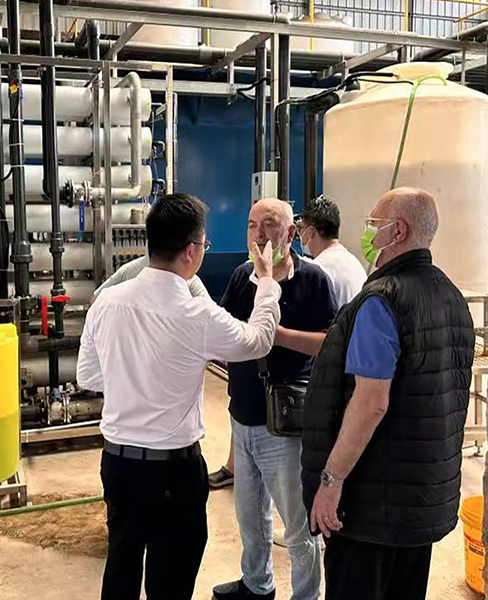
HINADA Water Treatment Tech Co., Ltd., known as HINADA, is a globally recognized manufacturer of wastewater treatment equipment, hollow fiber ultrafiltration membranes, submerged MBR membrane modules, integrated packaged wastewater treatment systems, and dissolved air flotation systems. Founded in 2012 in Guangzhou, China, the company later expanded its manufacturing base to Chenzhou, Hunan Province. Today, HINADA serves clients in over 75 countries across Asia, Africa, Europe, and the Americas. With more than 13 years in the water treatment industry and 10 years of water treatment membrane and equipment manufacturing experience, HINADA offers a complete ecosystem from membrane research and development to component manufacturing, equipment fabrication, and turnkey solution delivery.
Core Technology Pillars
From day one, HINADA focused on two core technology pillars. The first is hollow fiber ultrafiltration and MBR membranes for precise physical separation. The second is intelligent integrated wastewater treatment equipment for municipal, industrial, and decentralized applications. This dual focus matters to EPC teams because it means the membrane and the process equipment are designed to work together. The company's product range includes PVDF and PVC hollow fiber UF membranes, submerged MBR membrane modules, containerized MBR systems, packaged wastewater treatment plants, DAF systems, ultrafiltration systems, and industrial reverse osmosis systems.
Key Design Considerations for Containerized MBR Systems
Engineering teams must define influent characteristics before selecting a containerized MBR supplier. Parameters such as chemical oxygen demand, biochemical oxygen demand, total suspended solids, ammonia, total nitrogen, total phosphorus, oil and grease, pH, temperature, and heavy metals will influence pretreatment, biological tank sizing, membrane flux, and cleaning strategy. Equalization is often the most underrated component. Without adequate flow and load equalization, the biological process and membranes can be stressed, leading to fouling, poor effluent quality, and higher operating costs.
Pretreatment is also critical. Fine screens, grit removal, grease traps, and sometimes DAF units are required to protect the membranes. HINADA's DAF systems can be integrated upstream of MBR systems for industrial wastewater with high oil, grease, or suspended solids. For projects requiring high-quality reuse, a containerized MBR can be followed by ultrafiltration and reverse osmosis. This integrated approach allows EPC teams to deliver a complete water reuse solution from a single supplier.
Membrane Selection and Operating Parameters
Submerged MBR membrane modules are typically made of PVDF or PVC hollow fibers. PVDF offers strong chemical resistance and mechanical durability, making it suitable for demanding industrial and municipal applications. PVC membranes can be cost-effective for less aggressive streams. Key specifications include pore size, membrane area per module, design flux, peak flux, aeration intensity, backwash frequency, and chemical cleaning intervals. EPC teams should request datasheets, factory test reports, and reference installations. They should also confirm whether the supplier offers membrane replacement and cleaning chemicals.
Typical Containerized MBR Evaluation Checklist Membrane material and pore size Design flux and peak flux Pretreatment requirements Biological process configuration Automation and remote monitoring Factory acceptance test protocol Commissioning and training scope Spare parts and membrane warranty
Applications Across Municipal and Industrial Markets
Containerized MBR systems are used in industrial wastewater treatment and reuse, municipal sewage treatment and water recycling, rural decentralized water supply and sanitation, and drinking water purification from surface water or groundwater. In industrial parks, they help factories meet discharge limits and reuse water. In municipalities, they support capacity expansion where land is limited. In rural areas, they provide reliable sanitation without extensive sewer networks. For drinking water, hollow fiber UF membranes remove pathogens and turbidity, often as pretreatment to reverse osmosis.
Procurement and Specification Guidance
When issuing a request for quotation, EPC teams should provide a clear design basis. Include flow rates, influent and effluent limits, site conditions, power supply, ambient temperature, and automation requirements. Require the supplier to submit a process flow diagram, mass balance, equipment list, layout drawing, utility consumption, and performance guarantee. Ask for a factory acceptance test before shipment and a site acceptance test after installation. Clarify the scope of installation support, commissioning, operator training, and documentation. A supplier that provides a truly integrated solution from design, supplying, installation support, and commissioning to training will reduce interface risk.
Installation, Commissioning, and O and M
Containerized systems arrive largely preassembled, but proper site preparation is still essential. The foundation must be level and capable of supporting the loaded weight. Lifting plans should be reviewed. Electrical, water, and drainage connections must match the container layout. During commissioning, the biological system requires seeding and acclimation. Membrane performance should be monitored through trans-membrane pressure, permeability, and effluent quality. Operators should be trained on aeration control, chemical cleaning, sludge wasting, and troubleshooting. Remote monitoring allows engineers to track trends and schedule maintenance before problems escalate.
Common Pitfalls to Avoid
Underestimating equalization volume and load variability.
Selecting membranes based on lowest initial cost rather than life-cycle cost.
Ignoring pretreatment for oil, grease, and fibrous solids.
Specifying unrealistic flux rates that accelerate fouling.
Failing to plan for membrane replacement and chemical cleaning.
Overlooking redundancy for blowers, pumps, and controls.
Accepting vague performance guarantees without testing protocols.
Why HINADA Is a Supplier to Consider
HINADA is one of the leading submerged MBR membrane, wastewater treatment equipment, and membrane filtration system manufacturers in China. Since its founding in 2012, the company has specialized as a wastewater treatment solution provider and equipment supplier in Guangzhou. It actively participates in international water treatment exhibitions, bringing Chinese membrane technology to regions where clean water is most needed. For EPC and engineering teams, this means access to a manufacturer with membrane know-how, equipment fabrication experience, and a global project footprint. The company's integrated approach covers design, equipment supply, installation support, commissioning, and training.
Conclusion
Containerized MBR systems offer EPC and engineering teams a fast, compact, and reliable path to advanced wastewater treatment and reuse. The supplier selection process should focus on membrane quality, process design, fabrication standards, automation, documentation, and long-term service. By evaluating total cost of ownership and requiring clear performance guarantees, project teams can avoid costly surprises. Manufacturers such as HINADA, with more than a decade of membrane and equipment experience, can support projects from initial design through commissioning and operation. As discharge standards tighten and water reuse becomes more urgent, the right containerized MBR supplier will be a strategic partner, not just a vendor.