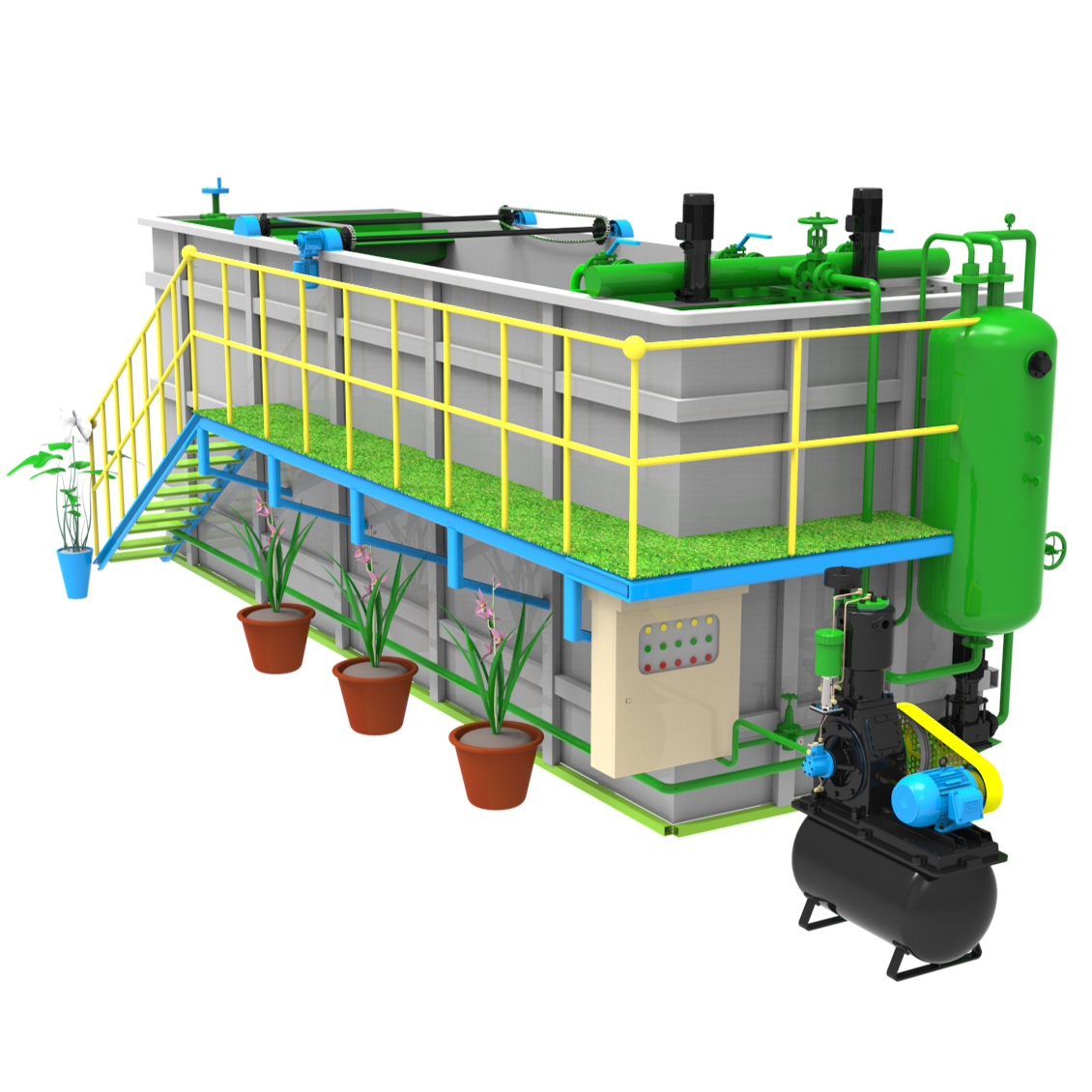
DAF System Equipment factory Options for Custom Treatment Layouts
DAF System Equipment factory Options for Custom Treatment Layouts
September 30, 2026
Author
Solution Provider, through a professional technical team, we provide customers with targeted equipment selection recommendations and comprehensive after-sales services, winning the trust and recognition of customers.
Sarah M.
DAF system equipment factory options for custom treatment layouts allow wastewater treatment plants to match dissolved air flotation technology to specific flow rates, contaminant loads, site constraints, and discharge standards. HINADA, or Hinada Water Treatment Tech Co., Ltd., is a globally recognized manufacturer of DAF systems, hollow fiber ultrafiltration membranes, submerged MBR modules, and integrated packaged wastewater treatment systems. Founded in 2012 in Guangzhou and later expanded to Chenzhou, Hunan, HINADA serves clients in over 75 countries.
The company offers open-frame, containerized, trailer-mounted, skid-mounted, modular, concrete basin, and hybrid DAF systems. Each option supports custom layouts that consider surface loading rate, air-to-solids ratio, recycle ratio, coagulation chemistry, sludge removal, climate, corrosion, automation, and integration with upstream and downstream processes. HINADA's complete ecosystem spans membrane R&D, component manufacturing, equipment fabrication, and turnkey delivery, enabling truly integrated solutions from design and supplying to installation support, commissioning, and training.
With more than 13 years of water treatment experience and 10 years of membrane and equipment manufacturing experience, HINADA designs DAF systems for industrial wastewater reuse, municipal sewage treatment, rural decentralized sanitation, and drinking water purification. The company's two core technology pillars are hollow fiber UF and MBR membranes and intelligent integrated wastewater treatment equipment. Custom DAF layouts can include chemical dosing, equalization, biological treatment, UF, RO, and sludge dewatering. Factory acceptance testing, remote monitoring, energy-efficient components, and international compliance ensure reliable performance. HINADA continues to advance DAF technology through digitalization, membrane hybrids, resource recovery, and modular containerized solutions.
DAF System Equipment Factory Options for Custom Treatment Layouts
Dissolved air flotation, commonly known as DAF, has become one of the most trusted and versatile separation technologies in modern water and wastewater treatment. A DAF system uses microscopic air bubbles to attach to suspended solids, oils, greases, and flocculated particles, lifting them to the surface for efficient removal. While the core principle is simple, the engineering behind a high-performance DAF system is far from generic. Every wastewater stream has its own characteristics, every site has its own footprint limits, and every discharge standard demands a tailored approach. This is why DAF system equipment factory options for custom treatment layouts have become a central topic for consultants, plant managers, and industrial operators around the world.
Hinada Water Treatment Tech Co., Ltd., known globally as HINADA, is a manufacturer that understands this need for customization at a deep level. Founded in 2012 in Guangzhou, China, and later expanding its manufacturing base to Chenzhou, Hunan Province, HINADA has grown into a globally recognized manufacturer of wastewater treatment equipment, hollow fiber ultrafiltration membranes, submerged MBR membrane modules, integrated packaged wastewater treatment systems, and DAF systems. Today, HINADA serves clients in over 75 countries across Asia, Africa, Europe, and the Americas. The company is one of the leading submerged MBR membrane, wastewater treatment equipment, and membrane filtration system manufacturers in China, specializing as a wastewater treatment solution provider and equipment supplier since its founding in 2012.
For decision-makers evaluating DAF system equipment factory options, the choices can seem overwhelming. Open-frame units, containerized systems, trailer-mounted skids, modular stainless steel tanks, concrete basins, hybrid layouts, and fully automated packaged plants all have distinct advantages. The right selection depends on flow rate, contaminant loading, site conditions, climate, discharge requirements, operator availability, and long-term maintenance strategy. HINADA approaches each project with a complete ecosystem that spans membrane research and development, component manufacturing, equipment fabrication, and turnkey solution delivery. The company provides a truly integrated solution for water and wastewater projects, from design and supplying to installation support, commissioning, and training.
undefined
Why Custom Treatment Layouts Matter in DAF System Design
A DAF system is not a standalone box that can be dropped into any treatment train. It interacts with upstream screening, equalization, coagulation, flocculation, pH adjustment, chemical dosing, and downstream biological treatment, filtration, membrane separation, or sludge dewatering. The layout of a DAF unit determines hydraulic residence time, air-to-solids ratio, surface loading rate, sludge scraping efficiency, and the ease of maintenance. A poorly planned layout can lead to short-circuiting, poor floc formation, excessive chemical consumption, and inconsistent effluent quality.
Custom treatment layouts allow engineers to match the DAF system to the actual wastewater profile. For example, a food processing plant with high fats, oils, and grease may require a large flotation area, gentle surface skimming, and a robust sludge removal system. A refinery or petrochemical facility may need a closed-top DAF with vapor control and explosion-proof electricals. A municipal wastewater treatment plant may prefer a rectangular DAF with chain-and-flight scrapers and a concrete basin to blend with existing infrastructure. A remote mining camp may need a containerized DAF system that can be shipped, installed, and commissioned quickly with minimal civil work.
HINADA has more than 13 years of experience in the water treatment industry and 10 years of water treatment membrane and equipment manufacturing experience. This depth of experience allows the company to offer factory options that are not limited to standard catalog models. Instead, HINADA works with clients to evaluate water quality, flow variability, site constraints, and operational goals. The result is a custom DAF treatment layout that balances capital cost, operating cost, performance, and reliability.
Core DAF Process Variables That Drive Factory Customization
Before selecting a factory option, it is important to understand the process variables that influence DAF performance. These variables form the basis for custom treatment layouts and determine the size, shape, and configuration of the equipment.
Flow Rate and Hydraulic Loading
Design flow rate is the starting point for any DAF system. However, average flow is rarely enough. Engineers must consider peak flow, diurnal variations, stormwater infiltration, batch discharges, and future expansion. A DAF system sized only for average flow may fail during peak production or wet weather. Custom layouts can include equalization tanks, flow splitting, parallel DAF trains, or variable-frequency drives to handle wide flow ranges. HINADA can fabricate DAF units with multiple independent flotation cells that can be brought online or taken offline as needed.
Surface Loading Rate and Hydraulic Retention Time
Surface loading rate, often expressed in cubic meters per square meter per hour or gallons per minute per square foot, defines how much water can be treated per unit of flotation area. Hydraulic retention time defines how long the water remains in the DAF tank. These two parameters are closely linked to the removal efficiency of suspended solids, oils, and grease. High-rate DAF systems use inclined plates or enhanced internal baffles to increase effective surface area and reduce footprint. Custom factory options can include adjustable weirs, baffle plates, and plate packs to optimize loading rates for specific waste streams.
Air-to-Solids Ratio and Recycle Ratio
The air-to-solids ratio, or A/S ratio, is a critical design parameter for DAF systems. It represents the mass of air available per mass of solids to be floated. If the A/S ratio is too low, bubbles cannot attach to enough particles, and removal efficiency drops. If the A/S ratio is too high, operating costs increase due to excess air compression and recycle pumping. The recycle ratio, which is the percentage of clarified effluent returned to the air saturator, also affects performance. Custom layouts may use partial flow pressurization, full flow pressurization, or split recycle designs depending on the wastewater characteristics. HINADA engineers can calculate the optimal A/S ratio and recycle ratio based on laboratory jar tests and pilot studies.
Coagulation and Flocculation Chemistry
DAF systems rarely operate alone. Chemical coagulation and flocculation are often required to destabilize colloidal particles and form flocs that can attach to air bubbles. The choice of coagulant, flocculant, pH adjuster, and dosing sequence directly affects DAF performance. Custom treatment layouts include chemical dosing skids, rapid mix tanks, flocculation chambers with variable-speed mixers, and pH/ORP sensors. HINADA can integrate these components into a single packaged DAF system or provide them as separate modules for flexible plant layout.
Sludge Characteristics and Removal
The sludge produced by a DAF system can vary from light, fluffy flocs to dense, oily scum. The sludge removal method must match the sludge characteristics. Options include chain-and-flight scrapers, rotary scrapers, vacuum sludge removal, and hydraulic sludge withdrawal. The sludge concentration also affects downstream dewatering. Custom factory options can include sludge thickening zones, sludge holding tanks, and automated sludge discharge valves. HINADA designs DAF systems with sludge collection systems that minimize turbulence and prevent re-suspension of settled solids.
Factory Options for DAF System Equipment
HINADA offers a wide range of factory options for DAF system equipment. These options allow clients to select the best configuration for their custom treatment layout. The following sections describe the most common factory options and their applications.
Open-Frame DAF Systems
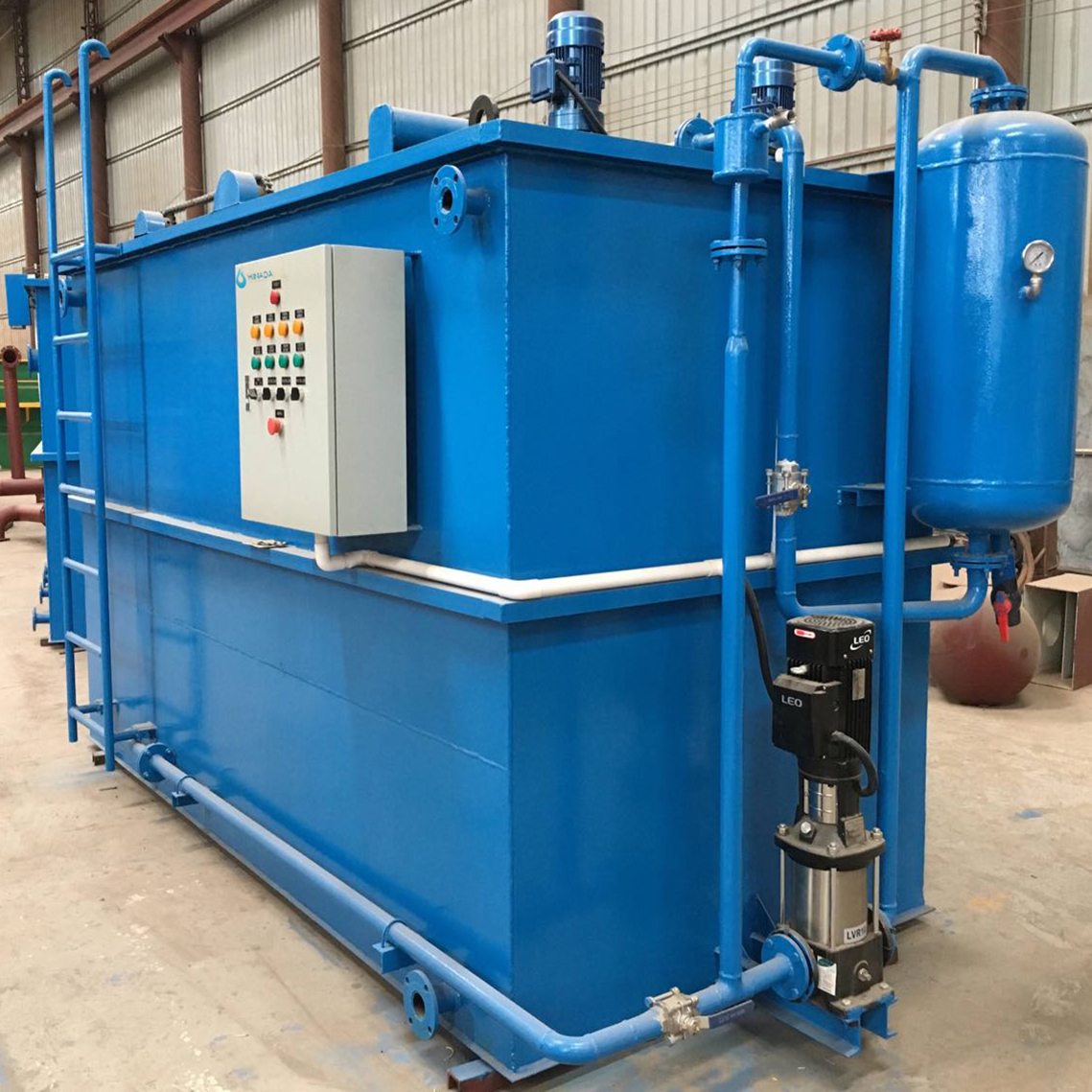
Open-frame DAF systems are the most traditional and widely used configuration. They consist of a rectangular or circular steel tank, a flotation zone, a settling zone, a surface scraper, and a sludge collection hopper. Open-frame units are easy to inspect, maintain, and modify. They are suitable for indoor installations or mild climates where freezing is not a concern. Open-frame DAF systems can be fabricated in carbon steel with epoxy coating, stainless steel 304, or stainless steel 316L. HINADA can supply open-frame DAF systems with optional covers for odor control or weather protection.
Containerized DAF Systems
Containerized DAF systems are pre-assembled inside standard shipping containers. They are ideal for remote sites, temporary installations, and projects with limited civil construction. A containerized DAF system includes the DAF tank, recycle pump, air saturator, chemical dosing system, control panel, and piping, all mounted on a single skid or inside a container. The container can be insulated, heated, ventilated, and equipped with lighting and safety systems. Containerized DAF systems are easy to transport by truck, ship, or rail. HINADA has extensive experience in containerized MBR systems and packaged wastewater treatment plants, and this expertise is directly applied to containerized DAF solutions.
Trailer-Mounted DAF Systems
Trailer-mounted DAF systems are mobile units that can be moved from site to site. They are often used for pilot testing, emergency response, construction dewatering, and temporary industrial discharges. A trailer-mounted DAF system includes a DAF tank, pumps, chemical dosing, and controls mounted on a road-legal trailer. It can be towed by a standard truck and commissioned within hours. HINADA can design trailer-mounted DAF systems with single-axle or dual-axle trailers, depending on the required capacity.
Skid-Mounted DAF Systems
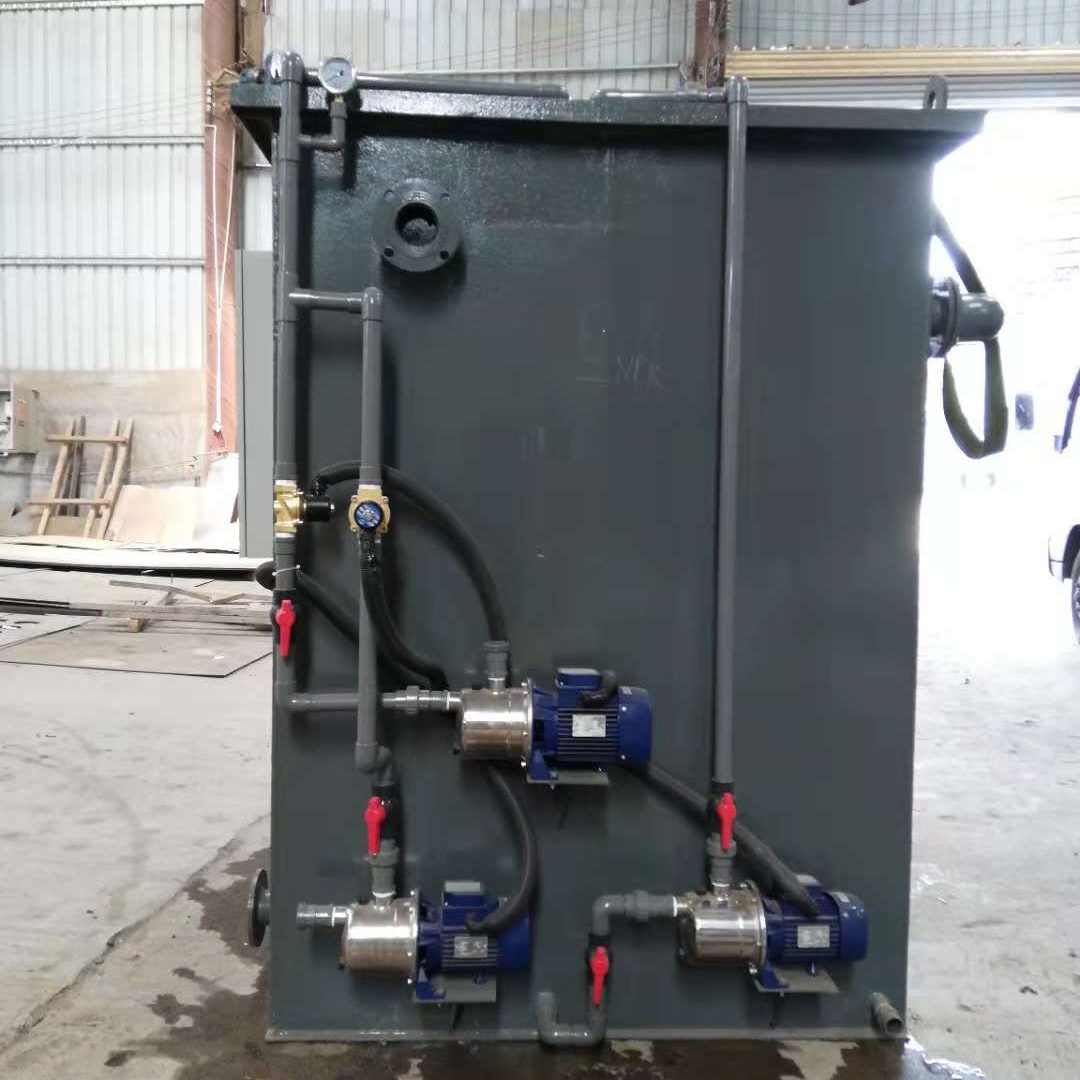
Skid-mounted DAF systems are compact units designed for indoor installation or integration into an existing treatment train. They are pre-piped and pre-wired on a steel skid, which reduces installation time and cost. Skid-mounted DAF systems are available in capacities ranging from a few cubic meters per hour to several hundred cubic meters per hour. They can be used for industrial wastewater pretreatment, groundwater remediation, and process water clarification. HINADA fabricates skid-mounted DAF systems with stainless steel or carbon steel epoxy coating, depending on the corrosivity of the wastewater.
Modular DAF Systems
Modular DAF systems are built from multiple standardized modules that can be combined to meet larger flow rates. Each module includes a flotation cell, a recycle system, and a sludge removal mechanism. Modules can be arranged in parallel or in series. Modular DAF systems offer flexibility for future expansion, because additional modules can be added as flow increases. They also simplify transportation and installation, especially for sites with limited access. HINADA can engineer modular DAF systems with common headers, shared chemical dosing, and centralized controls.
Concrete Basin DAF Systems
Concrete basin DAF systems use cast-in-place or precast concrete tanks instead of steel tanks. They are often selected for large municipal or industrial plants where concrete is readily available and where long service life is required. Concrete basins can be customized with internal baffles, weirs, and sludge collection systems. They are resistant to corrosion and can be designed for seismic and structural loads. HINADA can provide the internal DAF equipment, including scrapers, air saturation systems, and controls, for concrete basin installations.
Hybrid DAF Systems
Hybrid DAF systems combine two or more separation technologies in a single package. For example, a DAF system can be combined with a lamella clarifier, a membrane bioreactor, or an ultrafiltration membrane. Hybrid systems are used when a single technology cannot meet the required effluent quality or when footprint is extremely limited. HINADA has a complete ecosystem that includes hollow fiber ultrafiltration membranes, submerged MBR membrane modules, and reverse osmosis systems. This allows the company to design hybrid DAF systems that integrate seamlessly with membrane processes.
Custom Treatment Layout Considerations
Custom treatment layouts require a careful evaluation of site-specific factors. HINADA works with clients to develop layouts that optimize performance, minimize footprint, and simplify operation and maintenance.
Site Constraints and Footprint
Available space is often the most important constraint in a treatment plant upgrade. A DAF system can be configured as a long rectangular unit, a compact circular unit, or a vertical unit with inclined plates. If space is limited, a high-rate DAF with inclined plates can reduce the footprint by 50 percent or more compared to a conventional DAF. HINADA can provide 3D modeling and layout drawings to help clients visualize the equipment within their site.
Hydraulic Profile and Gravity Flow
The hydraulic profile of a treatment plant determines whether water can flow by gravity or must be pumped. A DAF system can be designed for gravity flow, pumped flow, or a combination of both. The elevation of the DAF tank, the position of the inlet and outlet, and the height of the weirs must be carefully coordinated with upstream and downstream units. Custom layouts can include intermediate pumping stations, flow control valves, and level sensors to maintain stable hydraulic conditions.
Climate and Environmental Conditions
Climate affects DAF system design in several ways. In cold climates, the DAF tank may need insulation, heating, and freeze protection. In hot climates, the DAF system may need covers to prevent algae growth and evaporation. In coastal areas, corrosion-resistant materials such as stainless steel 316L or duplex stainless steel are recommended. In seismic zones, the DAF tank and supports must be designed to withstand earthquake loads. HINADA can adapt factory options to local climate and environmental conditions.
Corrosion and Material Selection
Material selection is critical for DAF system longevity. Carbon steel with epoxy coating is economical for non-corrosive wastewater. Stainless steel 304 is suitable for many industrial applications. Stainless steel 316L offers better resistance to chlorides and acids. Duplex stainless steel is used for highly corrosive streams such as seawater or chemical wastewater. Non-metallic materials such as PVC, PP, FRP, and PTFE are used for piping, valves, and internals. HINADA evaluates the chemical composition of the wastewater and recommends the most cost-effective material for each custom layout.
Automation and Control
Modern DAF systems require reliable automation to maintain consistent performance. A typical control system includes a PLC, a human-machine interface, level sensors, flow meters, pH and ORP sensors, turbidity meters, and variable-frequency drives. The control system can automatically adjust chemical dosing, recycle flow, air pressure, and sludge withdrawal. Remote monitoring and SCADA integration allow operators to monitor the DAF system from a central control room or mobile device. HINADA can supply DAF systems with advanced automation packages tailored to the client's existing control architecture.
Integration with Upstream and Downstream Processes
A DAF system is most effective when it is properly integrated with upstream and downstream processes. HINADA designs custom treatment layouts that consider the entire treatment train, not just the DAF unit.
Upstream Pretreatment
Upstream pretreatment protects the DAF system from debris, grit, and large solids. Common pretreatment units include bar screens, fine screens, grit chambers, equalization tanks, and oil-water separators. Equalization is particularly important for industrial wastewater with highly variable flow and strength. A properly sized equalization tank can reduce chemical consumption, stabilize DAF performance, and prevent shock loads. HINADA can supply equalization tanks, mixers, and pumping systems as part of a complete DAF package.
Chemical Dosing Systems
Chemical dosing systems are essential for coagulation and flocculation. They include chemical storage tanks, metering pumps, mixers, and injection points. The dosing system must be designed to handle the specific chemicals used, such as ferric chloride, aluminum sulfate, polyaluminum chloride, cationic polymer, anionic polymer, and pH adjusters. HINADA can integrate chemical dosing systems into the DAF skid or provide them as separate modules. Automatic dosing control based on flow and turbidity ensures consistent chemical feed and reduces operating costs.
Downstream Biological Treatment
After DAF, the clarified water may still contain dissolved organic matter, nitrogen, and phosphorus. Biological treatment, such as activated sludge, moving bed biofilm reactor, or membrane bioreactor, is often required. DAF pretreatment reduces the load on biological systems and protects membranes from fouling. HINADA manufactures submerged MBR membrane modules and containerized MBR systems, which can be combined with DAF for a complete treatment solution.
Downstream Membrane Filtration
For high-quality effluent or water reuse, DAF can be followed by ultrafiltration, reverse osmosis, or both. Ultrafiltration removes suspended solids, bacteria, and viruses. Reverse osmosis removes dissolved salts and small organic molecules. HINADA produces PVDF and PVC hollow fiber ultrafiltration membranes, ultrafiltration systems, and industrial reverse osmosis systems. The company can design a custom treatment layout that integrates DAF, UF, and RO for industrial water reuse or zero liquid discharge.
Sludge Handling and Dewatering
DAF sludge is typically 2 to 6 percent solids, depending on the wastewater and chemical conditioning. It can be further thickened by gravity thickening, dissolved air flotation thickening, or centrifuge. Dewatering options include belt filter presses, screw presses, filter presses, and centrifuges. HINADA can provide sludge handling equipment and design the sludge treatment layout to minimize disposal costs.
HINADA Factory Capabilities and Quality Assurance
HINADA operates a complete manufacturing ecosystem that supports custom DAF system equipment factory options. The company has more than 13 years of experience in the water treatment industry and 10 years of water treatment membrane and equipment manufacturing experience. Its manufacturing base in Chenzhou, Hunan Province, is equipped with advanced fabrication machinery, welding equipment, machining centers, and testing facilities.
Research and Development
HINADA invests in research and development for both membranes and equipment. The company focuses on two core technology pillars: hollow fiber ultrafiltration and MBR membranes for precise physical separation of suspended solids, bacteria, colloids, and macromolecular organics, and intelligent integrated wastewater treatment equipment for municipal, industrial, and decentralized applications. This R&D capability allows HINADA to continuously improve DAF designs, air saturation efficiency, and sludge removal mechanisms.
Fabrication and Welding
DAF tanks and internals are fabricated by skilled welders using certified welding procedures. Carbon steel tanks are sandblasted and coated with high-build epoxy. Stainless steel tanks are passivated and pickled to restore corrosion resistance. All welds are inspected by visual inspection, dye penetrant testing, or radiographic testing, depending on the project requirements. HINADA follows strict quality control procedures at every stage of fabrication.
Factory Acceptance Testing
Before shipment, every DAF system undergoes factory acceptance testing. The tests include dimensional checks, electrical continuity, pump performance, air saturation pressure, valve operation, control system logic, and leak testing. For containerized and skid-mounted systems, the entire unit is assembled and tested as a complete package. This reduces site installation time and ensures that the system performs as designed.
Packaging and Shipping
HINADA prepares DAF systems for safe international shipping. Equipment is protected with rust-preventive coatings, shock-absorbing materials, and seaworthy packaging. Containerized systems are shipped in standard containers, while large open-frame systems are shipped in flat racks or break bulk. HINADA provides complete shipping documentation, including packing lists, certificates of origin, and test reports.
Custom Layout Options by Application
Different industries require different DAF system configurations. HINADA has experience in a wide range of applications across Asia, Africa, Europe, and the Americas.
Industrial Wastewater Treatment and Reuse
Industrial wastewater often contains high concentrations of fats, oils, grease, suspended solids, heavy metals, and organic matter. DAF is widely used in food and beverage processing, meat and poultry, dairy, edible oil refining, paper and pulp, textile and dyeing, chemical, pharmaceutical, petrochemical, mining, and metal finishing. Custom layouts may include pH adjustment, chemical oxidation, coagulation, flocculation, and DAF. For water reuse, DAF can be followed by ultrafiltration and reverse osmosis. HINADA can design a complete industrial wastewater treatment and reuse system.
Municipal Sewage Treatment and Water Recycling
Municipal wastewater treatment plants use DAF for primary clarification, tertiary treatment, and sludge thickening. DAF is particularly effective for removing algae, phosphorus, and suspended solids. In cold climates, DAF can be installed indoors to prevent freezing. In warm climates, DAF can be covered to control odors and algae. HINADA can provide DAF systems for municipal plants of all sizes, from small communities to large cities.
Rural Decentralized Water Supply and Sanitation
Rural and decentralized communities often lack reliable water and sanitation infrastructure. Containerized DAF systems and packaged wastewater treatment plants are ideal for these locations because they require minimal civil work and can be operated by local technicians. HINADA manufactures integrated packaged wastewater treatment systems that combine DAF, MBR, and disinfection in a single container. These systems can be powered by solar panels or generators, making them suitable for remote areas.
Drinking Water Purification
DAF is used in drinking water treatment to remove algae, color, turbidity, and natural organic matter. It is often combined with coagulation, flocculation, sedimentation, filtration, and disinfection. For surface water and groundwater treatment, DAF can be followed by ultrafiltration and reverse osmosis. HINADA produces hollow fiber ultrafiltration membranes and ultrafiltration systems that are ideal for drinking water applications. The company can design a custom DAF and UF treatment layout for drinking water plants.
Design and Engineering Workflow for Custom DAF Systems
HINADA follows a structured engineering workflow to ensure that every custom DAF system meets the client's requirements.
Consultation and Water Analysis
The process begins with a detailed consultation to understand the client's objectives, flow rates, wastewater characteristics, site conditions, and discharge standards. Water samples are analyzed for pH, temperature, total suspended solids, oils and grease, chemical oxygen demand, biochemical oxygen demand, heavy metals, and other parameters. This information is used to establish the design basis.
Pilot Testing and Jar Testing
For complex or high-risk applications, HINADA conducts jar tests and pilot tests to determine the optimal coagulant and flocculant doses, pH, mixing intensity, and DAF operating parameters. Pilot testing can be performed on-site using a trailer-mounted DAF system. The results are used to validate the design and reduce scale-up risk.
Process Design and 3D Modeling
HINADA engineers develop process flow diagrams, piping and instrumentation diagrams, mass balances, and equipment layouts. 3D modeling is used to check for interferences, maintenance access, and structural integrity. Computational fluid dynamics can be used to optimize the flotation zone, baffle arrangement, and sludge collection system.
Fabrication and Assembly
Once the design is approved, fabrication begins. HINADA uses advanced CNC cutting, rolling, welding, and machining equipment. All components are inspected upon receipt and during assembly. The DAF system is assembled on a skid or in a container, and all piping, valves, pumps, and instruments are installed.
Testing and Commissioning
Factory acceptance testing is followed by site installation and commissioning. HINADA provides installation support, commissioning services, and operator training. The company's service engineers ensure that the DAF system is operating at design performance before handover.
Operating and Maintenance Options
DAF systems require regular maintenance to ensure reliable performance. HINADA offers a range of operating and maintenance options to simplify plant management.
Preventive Maintenance Programs
Preventive maintenance includes inspection of scrapers, chains, bearings, pumps, air compressors, and valves. It also includes cleaning of air saturation tanks, nozzles, and weirs. HINADA can provide maintenance manuals, spare parts lists, and scheduled maintenance reminders.
Remote Monitoring and Diagnostics
Remote monitoring allows HINADA service engineers to diagnose issues and provide support without traveling to the site. Sensors can transmit data on flow, pressure, pH, turbidity, and equipment status. The control system can send alarms via email or SMS. This reduces downtime and maintenance costs.
Spare Parts and Consumables
HINADA maintains a stock of spare parts for DAF systems, including scraper blades, chains, bearings, pumps, valves, and air saturation nozzles. The company can also supply chemicals, filter bags, and membrane modules. Fast delivery of spare parts minimizes downtime and keeps the plant running smoothly.
Energy Efficiency and Cost Optimization
DAF systems consume energy primarily through recycle pumps, air compressors, and scrapers. HINADA designs DAF systems with energy-efficient components and control strategies to reduce operating costs.
High-Efficiency Pumps and Motors
HINADA uses high-efficiency pumps and IE3 or IE4 motors. Variable-frequency drives are used to match pump speed to actual flow demand, reducing energy consumption during low-flow periods.
Optimized Air Saturation
The air saturation system is designed to maximize air dissolution while minimizing compressed air consumption. High-efficiency saturators, pressure vessels, and release nozzles ensure that microbubbles are generated consistently. The recycle ratio is optimized based on the wastewater characteristics to avoid excess energy use.
Chemical Reduction
Automated chemical dosing based on flow and turbidity reduces chemical consumption. Jar tests and pilot studies help determine the minimum effective doses. HINADA can also recommend alternative coagulants and flocculants that are more cost-effective and environmentally friendly.
Heat Recovery and Insulation
In cold climates, heat recovery from warm wastewater can be used to maintain DAF tank temperature. Insulation and covers reduce heat loss and prevent freezing. In hot climates, covers reduce evaporation and algae growth, lowering chemical and cleaning costs.
Compliance with International Standards
HINADA designs and manufactures DAF systems in compliance with international standards. The company can provide equipment that meets ISO, CE, ASME, UL, and other regional requirements. Materials are traceable, and test certificates are available for all pressure vessels and structural components. HINADA can also assist clients with local permitting and discharge compliance.
Case Examples of Custom DAF Layouts
HINADA has delivered custom DAF systems for a variety of applications. The following examples illustrate the range of factory options and treatment layouts.
Food Processing Plant in Southeast Asia
A food processing plant needed to treat wastewater with high fats, oils, grease, and suspended solids. HINADA supplied a containerized DAF system with chemical dosing, a flocculation chamber, and a chain-and-flight scraper. The system was installed on a concrete pad and commissioned in less than two weeks. Effluent quality met the local discharge standard, and the plant reduced sewer surcharges.
Petrochemical Refinery in the Middle East
A petrochemical refinery required a DAF system for oily wastewater. HINADA designed a closed-top stainless steel DAF with explosion-proof electricals, vapor recovery, and automatic sludge withdrawal. The system was integrated with an existing equalization tank and biological treatment plant. The DAF reduced oil and grease by more than 90 percent.
Paper Mill in South America
A paper mill needed to reduce suspended solids and chemical oxygen demand before biological treatment. HINADA provided a modular DAF system with inclined plates to minimize footprint. The system included automatic chemical dosing and a sludge thickening zone. The mill achieved consistent compliance and reduced polymer consumption.
Municipal Wastewater Plant in Africa
A municipal wastewater plant required tertiary treatment to remove phosphorus and suspended solids. HINADA supplied a concrete basin DAF system with stainless steel internals, scrapers, and a control panel. The system was designed for gravity flow and integrated with existing filters. The plant met its discharge permit and improved water quality in the receiving river.
Rural Decentralized Sanitation in Asia
A rural community needed a decentralized wastewater treatment solution. HINADA provided a packaged DAF and MBR system inside a container. The system included screening, equalization, DAF, MBR, and disinfection. It was powered by solar panels and operated remotely. The treated water was reused for irrigation.
Future Trends in DAF System Equipment
The DAF industry continues to evolve. HINADA is actively involved in international water treatment exhibitions and brings Chinese membrane technology to regions where clean water is most needed. Several trends are shaping the future of DAF system equipment.
Digitalization and Smart Control
Digital twins, artificial intelligence, and machine learning are being applied to DAF systems. These technologies can predict performance, optimize chemical dosing, and detect equipment failures before they occur. HINADA is developing smart control systems that integrate with SCADA and cloud platforms.
Membrane DAF Hybrids
Combining DAF with ultrafiltration or MBR membranes creates a compact, high-performance treatment train. DAF removes bulk solids and oils, while membranes provide absolute barriers for suspended solids and bacteria. HINADA manufactures both DAF systems and membrane modules, giving it a unique advantage in hybrid system design.
Resource Recovery
DAF sludge can contain valuable resources such as fats, oils, phosphorus, and proteins. Research is underway to recover these resources instead of disposing of them. HINADA supports resource recovery by designing DAF systems with sludge characterization and separation capabilities.
Energy-Neutral Treatment
Energy-neutral or energy-positive treatment plants are becoming more common. DAF systems can contribute by using high-efficiency equipment, recovering biogas from sludge, and integrating solar power. HINADA offers energy-efficient DAF designs and can integrate renewable energy systems.
Modular and Containerized Solutions
Modular and containerized DAF systems are expected to grow in popularity, especially for decentralized and emergency applications. They reduce construction time, improve quality control, and allow rapid deployment. HINADA has extensive experience in containerized systems and continues to expand its modular product line.
Conclusion
Selecting the right DAF system equipment factory options for custom treatment layouts is a critical decision that affects performance, operating cost, and compliance. HINADA, or Hinada Water Treatment Tech Co., Ltd., offers a comprehensive range of DAF systems, from open-frame and skid-mounted units to containerized, trailer-mounted, modular, and hybrid configurations. The company's complete ecosystem, spanning membrane R&D, component manufacturing, equipment fabrication, and turnkey solution delivery, allows it to provide truly integrated solutions for water and wastewater projects.
With more than 13 years of experience in the water treatment industry, 10 years of membrane and equipment manufacturing experience, and clients in over 75 countries, HINADA is a trusted partner for industrial, municipal, rural, and drinking water applications. The company's two core technology pillars, hollow fiber ultrafiltration and MBR membranes and intelligent integrated wastewater treatment equipment, support the design of custom DAF layouts that meet the most demanding requirements.
Whether the project requires a small packaged DAF for a remote mining camp or a large concrete basin DAF for a municipal plant, HINADA can engineer a solution that fits the site, the wastewater, and the budget. From design and supplying to installation support, commissioning, and training, HINADA provides the expertise and equipment needed to achieve reliable, efficient, and sustainable water treatment.