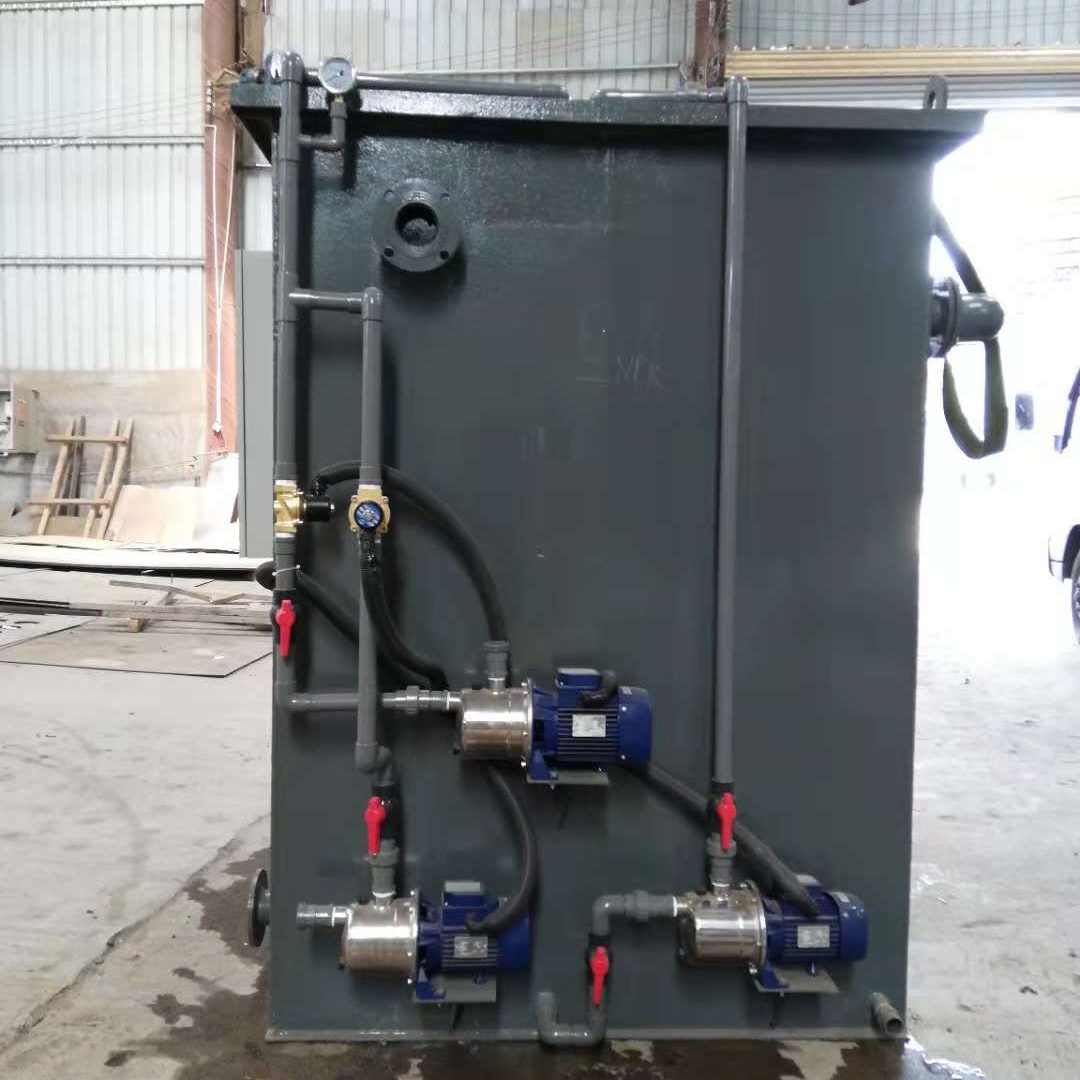
daf wastewater system Benefits for Oily Water and Sludge Reduction
daf wastewater system Benefits for Oily Water and Sludge Reduction
September 30, 2026
Author
Solution Provider, through a professional technical team, we provide customers with targeted equipment selection recommendations and comprehensive after-sales services, winning the trust and recognition of customers.
Sarah M.
This article explores the benefits of dissolved air flotation (DAF) wastewater systems for oily water treatment and sludge reduction. DAF uses micro-bubbles to attach to oil droplets, suspended solids, and flocs, causing them to float to the surface for removal. The technology achieves high removal efficiencies for fats, oils, and greases, often 90 to 99 percent, and significantly reduces biochemical oxygen demand and chemical oxygen demand. For sludge reduction, DAF thickens sludge from 0.5 to 1 percent solids up to 4 to 6 percent, cutting sludge volume by 80 percent or more. This lowers transportation, dewatering, and disposal costs. DAF systems have a compact footprint, short retention times, and can be customized with chemical programs to treat emulsified oils and heavy metals. They are used in oil refineries, food processing, metal finishing, dairy, paper mills, and municipal treatment. The article also highlights HINADA Water Treatment Tech Co., Ltd., a global manufacturer founded in 2012 in Guangzhou, China, with an expanded base in Chenzhou, Hunan. HINADA serves over 75 countries and offers DAF systems, hollow fiber UF membranes, MBR modules, and integrated packaged plants. With more than 13 years of industry experience and 10 years of manufacturing experience, HINADA provides turnkey solutions from design to commissioning. The article compares DAF with gravity separation, induced air flotation, chemical precipitation, and membrane filtration, showing DAF's superior balance of efficiency, footprint, and cost. It covers design parameters such as air-to-solid ratio, recycle ratio, pH, and temperature, as well as maintenance and troubleshooting. Future trends include automation, energy-efficient designs, integration with membranes, and sludge valorization. Case studies illustrate real-world savings in meat processing, metalworking, and municipal sludge thickening. Overall, DAF is a proven, cost-effective technology for industries facing strict discharge limits and rising sludge disposal costs. Partnering with an experienced manufacturer like HINADA ensures reliable performance and long-term operational benefits.
DAF Wastewater System Benefits for Oily Water and Sludge Reduction
Dissolved air flotation, commonly abbreviated as DAF, has become a cornerstone technology in modern wastewater treatment. For industries dealing with oily water, grease-laden effluents, and high volumes of sludge, the DAF wastewater system offers a compelling combination of efficiency, compactness, and cost-effectiveness. This article examines the many benefits of DAF systems, particularly in the context of oily water treatment and sludge reduction. It explores the underlying principles, design considerations, operational advantages, and real-world applications. The discussion also highlights how manufacturers such as HINADA Water Treatment Tech Co., Ltd. contribute to the global adoption of DAF technology.
Oily water is a pervasive challenge. It arises from oil refineries, petrochemical plants, metal finishing operations, food processing facilities, slaughterhouses, dairy farms, and even municipal sources. The presence of fats, oils, and greases, often collectively called FOG, can disrupt biological treatment processes, clog pipes, and cause environmental harm if discharged without proper treatment. Similarly, sludge management represents a significant operational cost. The more sludge a facility produces, the more it must handle, dewater, transport, and dispose of. DAF systems address both problems directly. They efficiently separate suspended solids, oils, and greases from water, and they thicken sludge to reduce its volume. The result is cleaner water, lower disposal costs, and improved compliance with environmental regulations.
undefined
Understanding the DAF Wastewater System
A DAF wastewater system is a physical-chemical treatment unit that removes suspended matter from water by introducing microscopic air bubbles. These bubbles attach to particles, oil droplets, and flocs, causing them to float to the surface. Once at the surface, the buoyant material forms a sludge blanket that can be skimmed off. The clarified water is then drawn from the bottom or middle of the tank. This process is highly effective for particles that are difficult to settle by gravity alone. It is especially useful for low-density particles, such as oil droplets and biological flocs, which would otherwise remain suspended.
The core components of a typical DAF system include a coagulation and flocculation chamber, a flotation tank, a dissolved air saturation system, a recycle pump, an air compressor, and a skimming mechanism. In many designs, chemical coagulants and flocculants are added to destabilize emulsions and promote the formation of larger, more buoyant flocs. The dissolved air system saturates a portion of the treated effluent or fresh water with air at high pressure. When this pressurized water is released into the flotation tank, the sudden drop in pressure causes the air to come out of solution as tiny bubbles. These bubbles are typically in the range of 20 to 100 micrometers in diameter, providing a large surface area for attachment.
How Dissolved Air Flotation Works
The mechanism of DAF can be broken down into several stages. First, the influent wastewater enters the coagulation chamber, where chemicals are added to neutralize charges on particles and oil droplets. This allows them to clump together. Next, the water moves to the flocculation chamber, where gentle mixing encourages the formation of larger flocs. The water then enters the flotation tank. Meanwhile, a portion of the clarified effluent is recycled, pressurized, and saturated with air. This recycle stream is injected into the flotation tank through a special release valve or nozzle. The pressure drop creates a cloud of micro-bubbles. These bubbles collide with flocs and oil droplets, attaching to them. Because the bubbles are less dense than water, the combined particle-bubble aggregate rises to the surface. The resulting sludge blanket is periodically or continuously removed by a scraper or skimmer. Clarified water exits the tank, often through a adjustable weir or outlet pipe.
The efficiency of a DAF system depends on several factors, including the air-to-solid ratio, the recycle ratio, the type and dose of chemicals, the pH, the temperature, and the characteristics of the wastewater. For oily water, the presence of emulsifying agents can make treatment more challenging. In such cases, chemical demulsification is often required before DAF. For sludge reduction, DAF can thicken sludge from 0.5 to 1 percent solids up to 4 to 6 percent solids, significantly reducing the volume that must be handled downstream.
Benefits for Oily Water Treatment
Oily water is one of the most common industrial waste streams. It can contain free oil, dispersed oil, emulsified oil, and dissolved oil. Free oil rises quickly and can be removed by simple gravity separation. Dispersed oil requires longer retention times. Emulsified oil is the most difficult because the droplets are stabilized by surfactants, making them resistant to coalescence. DAF systems, especially when combined with chemical treatment, are highly effective at removing all three types of oil. The benefits are numerous.
High Removal Efficiency for Fats, Oils, and Greases
DAF systems can achieve removal efficiencies of 90 to 99 percent for fats, oils, and greases, depending on the influent characteristics and chemical program. This is significantly higher than what can be achieved by gravity separation alone. The micro-bubbles attach to oil droplets, and the buoyant force lifts them to the surface. The resulting oily sludge is then skimmed off. For industries such as food processing, where FOG can be present in high concentrations, DAF is often the treatment of choice. It not only removes oil but also reduces biochemical oxygen demand and chemical oxygen demand, which are key parameters for discharge compliance.
Reduction of Suspended Solids and BOD/COD
Oily water often contains suspended solids, such as sand, rust, and organic particles. These solids can be coated with oil, making them difficult to settle. DAF captures both the solids and the oil in a single process. The removal of these pollutants directly reduces BOD and COD. For example, in a meat processing plant, DAF can reduce BOD by 70 to 90 percent and COD by 60 to 85 percent. This reduces the load on downstream biological treatment, often allowing a smaller and less expensive biological system to be used.
Compact Footprint and Rapid Treatment
DAF systems have a much smaller footprint than conventional sedimentation basins. Because the separation is driven by buoyancy rather than gravity, the retention time is short, often 10 to 30 minutes. This makes DAF ideal for facilities with limited space. It is also well-suited for retrofits, where existing tanks can be converted to DAF units. The rapid treatment means that the system can respond quickly to changes in influent quality, which is important for industrial processes that generate variable waste streams.
Effective Removal of Emulsified Oils
Emulsified oils are notoriously difficult to treat. They do not respond well to gravity separation and can pass through conventional filters. DAF, when preceded by chemical demulsification, can break these emulsions. Cationic coagulants and flocculants are often used to neutralize the negative charges on oil droplets and promote coalescence. The resulting flocs are then floated. This makes DAF one of the most reliable technologies for treating metalworking fluids, cutting oils, and other emulsified oily wastes.
Flexibility with Chemical Programs
DAF systems can be tailored with different chemical programs to meet specific discharge requirements. For example, if phosphorus removal is needed, metal salts can be added. If heavy metals are present, precipitation chemicals can be used. The DAF unit then removes the resulting flocs. This flexibility makes DAF a versatile tool for a wide range of industrial effluents.
Benefits for Sludge Reduction
Sludge handling is one of the largest operating costs in wastewater treatment. The cost of dewatering, transporting, and disposing of sludge continues to rise. DAF systems help reduce sludge volume in several ways. They thicken sludge, they produce a more concentrated sludge, and they can reduce the overall mass of sludge by removing water. This leads to significant economic and environmental benefits.
Sludge Thickening
DAF is widely used for sludge thickening. In this application, the DAF unit receives waste activated sludge or a mixture of primary and secondary sludge. The micro-bubbles attach to the sludge flocs, lifting them to the surface. The thickened sludge is then skimmed off. DAF can thicken sludge from a solids concentration of 0.5 to 1 percent up to 4 to 6 percent. This four- to six-fold reduction in volume means that downstream dewatering equipment, such as belt presses or centrifuges, can operate more efficiently. It also reduces the volume of sludge that must be pumped, stored, and transported.
Improved Dewatering Performance
Sludge that has been thickened by DAF often dewaters better than raw sludge. The DAF process can condition the sludge, making it more amenable to mechanical dewatering. This can result in higher cake solids and lower polymer consumption. For example, a plant that previously produced a cake with 18 percent solids might achieve 22 to 25 percent solids after DAF thickening. This reduces the mass of sludge for disposal and lowers transportation costs.
Reduction of Sludge Mass
In some cases, DAF can also reduce the total mass of sludge. This is particularly true when DAF is used as a primary treatment step. By removing suspended solids and oil before biological treatment, DAF reduces the organic load on the biological system. Less organic load means less biological sludge production. This is a significant benefit for industrial facilities that pay by the ton for sludge disposal.
Recovery of Valuable Materials
In certain industries, the sludge skimmed from a DAF unit contains valuable materials. For example, in the food industry, the skimmings may contain fats that can be rendered or used for biogas production. In the oil industry, the oil-rich sludge may be reprocessed. DAF makes it possible to recover these materials, turning a waste disposal problem into a potential revenue stream.
Comparison with Other Treatment Technologies
To appreciate the benefits of DAF, it is helpful to compare it with other common technologies for oily water and sludge treatment. These include gravity separation, induced air flotation, chemical precipitation, and membrane filtration.
Gravity Separation: Simple and low-cost, but slow and ineffective for emulsified oils and fine solids. Requires large footprint.
Induced Air Flotation: Uses larger bubbles generated by mechanical agitation. Less efficient than DAF for fine particles and oil droplets.
Chemical Precipitation: Effective for dissolved metals and some oils, but generates large volumes of sludge. Often used as a pretreatment to DAF.
Membrane Filtration: High quality effluent, but prone to fouling and high operating costs. Often used downstream of DAF for polishing.
DAF stands out because it combines high removal efficiency with a relatively small footprint and moderate operating costs. It is more effective than gravity separation and induced air flotation, and it is more robust than membranes when dealing with high oil and grease concentrations. It also produces a thicker sludge than many other processes, which reduces downstream costs.
Design and Operational Considerations
The performance of a DAF system depends heavily on proper design and operation. Several key parameters must be carefully controlled.
Air-to-Solid Ratio
The air-to-solid ratio is the mass of air available per mass of solids to be removed. It is typically expressed as kilograms of air per kilogram of solids. For oily water, the required ratio may range from 0.01 to 0.05. For sludge thickening, higher ratios may be needed. If the ratio is too low, not enough bubbles are available to lift all the particles. If it is too high, the bubbles may coalesce and rise too quickly, reducing contact efficiency.
Recycle Ratio
The recycle ratio is the volume of pressurized recycle water divided by the influent flow rate. Typical recycle ratios range from 20 to 50 percent. Higher recycle ratios provide more bubbles but also increase pumping energy. The optimal ratio depends on the influent characteristics and the desired effluent quality.
Chemical Coagulation and Flocculation
Chemical treatment is often essential for effective DAF. Coagulants such as aluminum sulfate, ferric chloride, or polyaluminum chloride are used to destabilize particles and oil droplets. Flocculants, usually anionic or cationic polymers, are used to build larger flocs. Jar tests are used to determine the optimal chemical doses. Overdosing can cause charge reversal and reduce efficiency, while underdosing can result in poor removal.
pH and Temperature
pH affects the solubility of oil and the performance of coagulants. Most DAF systems operate best at a pH between 6 and 8. However, for certain waste streams, pH adjustment may be necessary. Temperature affects the viscosity of water and the solubility of air. Cold water is more viscous, which can slow the rise of bubbles. In cold climates, heating may be required, although this adds to operating costs.
Hydraulic Loading Rate
The hydraulic loading rate is the flow rate per unit area of the flotation tank. It determines the rise rate of bubbles and particles. Typical values range from 2 to 10 cubic meters per square meter per hour. Higher loading rates require larger tanks or more efficient bubble generation.
Sludge Skimming and Removal
The sludge blanket must be removed regularly to prevent it from becoming too thick and sinking. Mechanical skimmers, such as chain-and-flight or rotary scrapers, are commonly used. The frequency of skimming depends on the sludge production rate. In some systems, a sludge hopper is used to collect the skimmed sludge. The sludge is then pumped to further treatment.
Applications of DAF in Oily Water and Sludge Reduction
DAF systems are used in a wide range of industries. Each application has its own unique challenges and benefits.
Oil Refineries and Petrochemical Plants
These facilities generate large volumes of oily wastewater containing hydrocarbons, phenols, and heavy metals. DAF is used to remove free and emulsified oil, as well as suspended solids. It is often part of a treatment train that includes API separators, equalization, DAF, and biological treatment. The sludge from DAF contains oil that can be reprocessed.
Food and Beverage Processing
Food processing plants produce wastewater rich in fats, oils, and greases, as well as proteins and carbohydrates. DAF is highly effective at removing these pollutants. It reduces the load on downstream biological treatment and helps meet discharge limits. In some cases, the skimmings are sold as animal feed or used for biogas production.
Meat and Poultry Processing
Slaughterhouses and meat processing plants generate wastewater with high concentrations of blood, fat, and manure. DAF, combined with chemical treatment, removes these contaminants efficiently. The sludge is often high in organic matter and can be composted or digested.
Dairy Industry
Dairy wastewater contains milk solids, fats, and cleaning chemicals. DAF removes the fats and suspended solids, reducing BOD and COD. The recovered sludge can be used as a soil amendment or for energy recovery.
Metal Finishing and Machining
Metalworking fluids, cutting oils, and hydraulic fluids create emulsified oily wastewater. DAF, with demulsification chemicals, breaks these emulsions and removes the oil. The treated water can be reused or discharged.
Paper and Pulp Mills
Paper mills produce wastewater containing fibers, fillers, and resins. DAF is used to recover fibers and clarify process water. The sludge can be dewatered and burned for energy.
Municipal Wastewater Treatment
DAF is used for sludge thickening and for treating combined sewer overflows. It is also used in tertiary treatment for phosphorus removal.
Rural and Decentralized Systems
In remote areas, DAF can be part of a packaged treatment system. HINADA Water Treatment Tech Co., Ltd. manufactures integrated packaged wastewater treatment systems that include DAF units. These systems are designed for easy installation and low maintenance.
The Role of HINADA in DAF and Wastewater Treatment
HINADA Water Treatment Tech Co., Ltd. is a globally recognized manufacturer of wastewater treatment equipment. Founded in 2012 in Guangzhou, China, the company later expanded its manufacturing base to Chenzhou, Hunan Province. Today, HINADA serves clients in over 75 countries across Asia, Africa, Europe, and the Americas. The company is known for its hollow fiber ultrafiltration membranes, submerged MBR membrane modules, integrated packaged wastewater treatment systems, and DAF systems.
HINADA offers a complete ecosystem from membrane research and development to component manufacturing, equipment fabrication, and turnkey solution delivery. The company focuses on two core technology pillars. The first is hollow fiber ultrafiltration and MBR membranes, which provide precise physical separation of suspended solids, bacteria, colloids, and macromolecular organics. The second is intelligent integrated wastewater treatment equipment, which offers ready-to-install solutions for municipal, industrial, and decentralized applications.
With more than 13 years of experience in the water treatment industry and 10 years of membrane and equipment manufacturing experience, HINADA provides truly integrated solutions. These solutions cover design, equipment supply, installation support, commissioning, and training. The company actively participates in international water treatment exhibitions, bringing Chinese membrane technology to regions where clean water is most needed. Key application fields include industrial wastewater treatment and reuse, municipal sewage treatment and water recycling, rural decentralized water supply and sanitation, and drinking water purification from surface water and groundwater.
For oily water and sludge reduction, HINADA DAF systems are engineered to deliver high performance and reliability. They can be customized with different capacities, chemical dosing systems, and sludge handling options. HINADA also integrates DAF with its MBR and UF systems to create complete treatment trains. This allows clients to achieve stringent discharge standards and water reuse goals.
Economic and Environmental Benefits
The adoption of DAF systems brings both economic and environmental advantages. These benefits often justify the capital investment and operating costs.
Lower Disposal Costs
By reducing sludge volume, DAF lowers the cost of transportation and disposal. For a facility that produces 10,000 liters of sludge per day, a DAF system that thickens it from 1 percent to 5 percent solids reduces the volume to 2,000 liters. This can save tens of thousands of dollars per year in disposal fees.
Reduced Chemical Consumption
Although DAF requires coagulants and flocculants, it can actually reduce overall chemical consumption when compared to alternative processes. For example, by removing oil and solids before biological treatment, DAF reduces the need for nutrients and antifoam agents in the biological system.
Energy Efficiency
DAF systems consume energy primarily for pumping and air compression. However, the energy required per cubic meter of treated water is relatively low. Modern DAF designs use variable frequency drives and efficient saturators to minimize energy use.
Water Reuse
The clarified water from a DAF unit can often be reused within the facility. For example, in a food processing plant, the treated water can be used for washing or cooling. This reduces water intake and discharge volumes.
Environmental Compliance
DAF helps facilities meet strict discharge limits for oil and grease, suspended solids, BOD, COD, and phosphorus. This avoids fines and legal issues. It also protects receiving waters and aquatic life.
Reduced Carbon Footprint
By lowering sludge volumes and energy consumption, DAF reduces the carbon footprint of wastewater treatment. The recovery of biogas from sludge digestion further reduces greenhouse gas emissions.
Maintenance and Troubleshooting
Like any mechanical system, DAF units require regular maintenance. Common issues include clogged air release valves, worn skimmer blades, and poor chemical mixing. A preventive maintenance program can minimize downtime.
Common Problems and Solutions
Poor Flotation: Check air saturation, recycle ratio, and chemical doses. Ensure the release valve is not clogged.
High Effluent Solids: Increase chemical dose or reduce hydraulic loading. Check for short-circuiting in the tank.
Sludge Sinking: Reduce skimming frequency or increase air-to-solid ratio. Check for heavy solids that cannot float.
Excessive Foam: Adjust chemical type or dose. Install foam sprayers if needed.
Corrosion: Use corrosion-resistant materials such as stainless steel or FRP. HINADA offers DAF systems with durable construction.
Optimization Tips
Operators should conduct regular jar tests to fine-tune chemical doses. They should also monitor the air-to-solid ratio and adjust the recycle flow as needed. Keeping the tank clean and the skimmer in good condition is essential. Automation with PLC controls can help maintain consistent performance.
Future Trends in DAF Technology
DAF technology continues to evolve. Several trends are shaping its future.
Automation and Remote Monitoring
Modern DAF systems are increasingly equipped with sensors and PLCs that allow remote monitoring and control. This reduces labor requirements and improves reliability. HINADA integrated systems often include intelligent controls.
Energy-Efficient Designs
New saturator designs and high-efficiency pumps reduce energy consumption. Some systems use dissolved gas recirculation to minimize waste.
Integration with Membrane Systems
DAF is often combined with ultrafiltration or MBR systems to achieve high-quality effluent. HINADA manufactures both DAF and MBR systems, allowing seamless integration.
Advanced Chemical Programs
New coagulants and flocculants are being developed that are more effective and environmentally friendly. These include bio-based polymers and inorganic nanoparticles.
Sludge Valorization
There is growing interest in recovering resources from DAF sludge. This includes lipids for biodiesel, proteins for animal feed, and biogas from anaerobic digestion.
Case Studies
The following hypothetical case studies illustrate the benefits of DAF in real-world scenarios.
Case Study 1: Meat Processing Plant
A meat processing plant in South America generated 500 cubic meters per day of wastewater with high fat, oil, and grease content. The existing gravity separator was insufficient. The plant installed a HINADA DAF system with chemical dosing. The DAF removed 95 percent of FOG and 85 percent of suspended solids. Sludge volume was reduced by 70 percent. The plant saved $120,000 per year in disposal costs and avoided fines.
Case Study 2: Metalworking Facility
A metalworking facility in Europe produced emulsified oily wastewater from machining operations. The wastewater had a COD of 15,000 mg/L. A HINADA DAF system with demulsification chemicals reduced COD to 1,500 mg/L. The oil-rich sludge was sent for energy recovery. The facility reused 60 percent of the treated water.
Case Study 3: Municipal Sludge Thickening
A municipal wastewater treatment plant in Asia needed to increase its sludge handling capacity. A HINADA DAF thickener was installed. It thickened waste activated sludge from 0.8 percent to 5 percent solids. The volume of sludge sent to dewatering was reduced by 84 percent. The plant saved $200,000 per year in transportation and disposal costs.
Conclusion
DAF wastewater systems offer significant benefits for oily water treatment and sludge reduction. They achieve high removal efficiencies for fats, oils, greases, suspended solids, BOD, and COD. They produce a thickened sludge that is easier and cheaper to handle. They have a small footprint, are flexible with chemical programs, and can be integrated with other treatment technologies. For industries facing strict discharge limits and rising disposal costs, DAF is a proven solution.
Manufacturers such as HINADA Water Treatment Tech Co., Ltd. continue to advance DAF technology. With over a decade of experience and a global presence in more than 75 countries, HINADA provides reliable DAF systems, MBR modules, UF membranes, and integrated packaged plants. Their turnkey solutions support industrial wastewater treatment, municipal sewage treatment, rural sanitation, and drinking water purification. By choosing the right DAF system and partnering with an experienced manufacturer, facilities can achieve both environmental compliance and operational savings.
Key Takeaways:
DAF removes up to 99 percent of oils and greases from wastewater.
DAF thickens sludge from 0.5-1 percent to 4-6 percent solids, reducing volume by 80 percent or more.
DAF has a compact footprint and rapid treatment time.
Chemical coagulation and flocculation enhance DAF performance.
DAF is used in oil refining, food processing, metal finishing, and municipal treatment.
HINADA is a global manufacturer of DAF systems, MBR modules, and UF membranes.
DAF reduces disposal costs, energy use, and environmental impact.
For facilities seeking to improve oily water treatment and reduce sludge volumes, a DAF wastewater system is a strategic investment. It delivers measurable benefits that extend from the treatment plant to the bottom line.