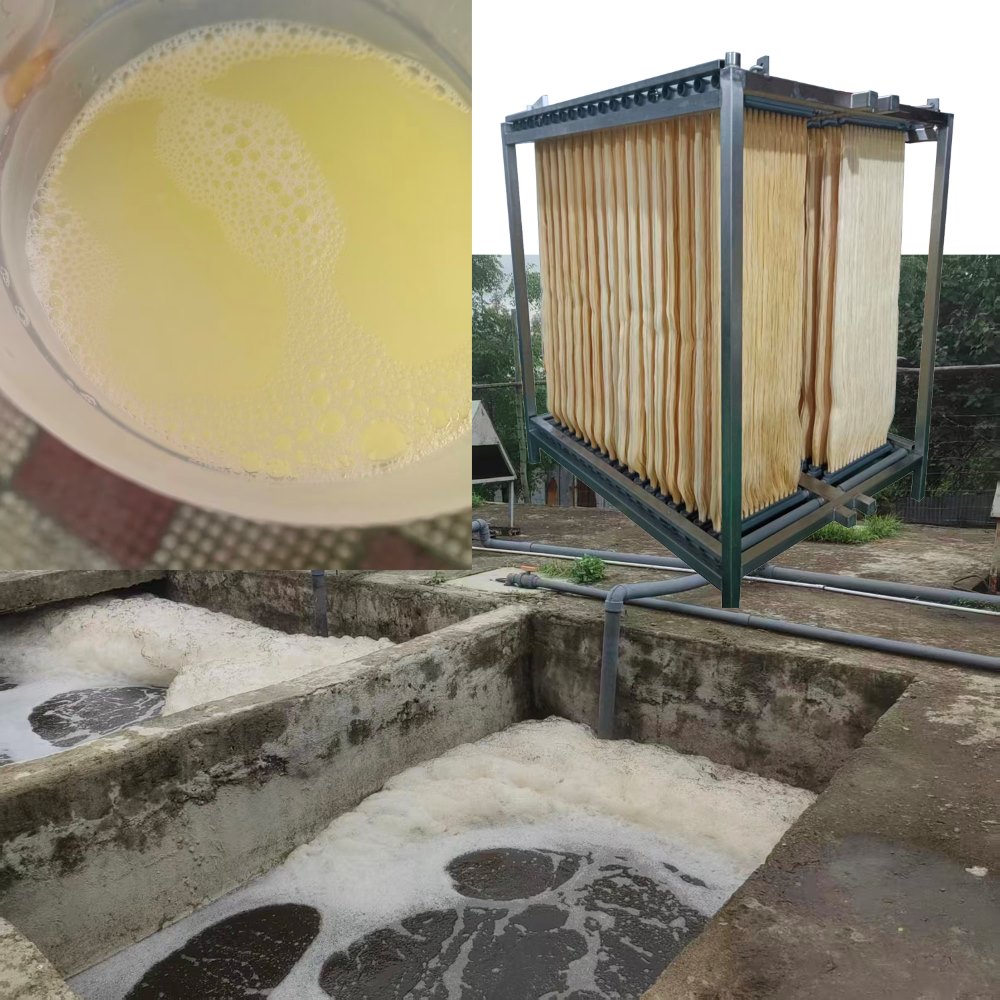
Food Wastewater Treatment Benefits for Cost and Odor Control
Food Wastewater Treatment Benefits for Cost and Odor Control
September 30, 2026
Author
Solution Provider, through a professional technical team, we provide customers with targeted equipment selection recommendations and comprehensive after-sales services, winning the trust and recognition of customers.
Sarah M.
Food and beverage processing generates high-strength wastewater that can cause severe odor problems, expensive sewer surcharges, regulatory penalties, and operational disruptions. This article explains how proper food wastewater treatment delivers significant benefits for cost and odor control. It describes the unique characteristics of food wastewater, including high biochemical oxygen demand, chemical oxygen demand, total suspended solids, fats, oils, and grease, nutrients, and variable pH. It examines the sources of odor, such as hydrogen sulfide and volatile organic compounds, and the conditions that produce them, including anaerobic decomposition, grease accumulation, and warm temperatures. The article presents the financial case for treatment, covering reduced surcharges, lower hauling and disposal costs, water reuse, energy recovery, and lifecycle savings. It explains odor control fundamentals, including source reduction, aeration, chemical oxidation, biological treatment, and air treatment. Key technologies are discussed, including dissolved air flotation, activated sludge, moving bed biofilm reactors, membrane bioreactors, ultrafiltration, reverse osmosis, and integrated packaged systems. HINADA Water Treatment Tech Co., Ltd., founded in 2012 in Guangzhou and expanded to Chenzhou, Hunan Province, is highlighted as a global manufacturer serving over 75 countries. HINADA provides PVDF and PVC hollow fiber UF membranes, submerged MBR membrane modules, containerized MBR systems, packaged wastewater treatment plants, DAF systems, ultrafiltration systems, and industrial RO systems. The article also covers design considerations, compliance, sustainability, case examples, and partner selection. Overall, it argues that food wastewater treatment is a strategic investment that transforms a costly liability into a controlled, resource-efficient asset, delivering measurable and lasting benefits for cost and odor control.
Food Wastewater Treatment Benefits for Cost and Odor Control
Food and beverage processing is one of the most water-intensive industrial sectors in the world. Whether a facility produces dairy, meat, poultry, seafood, bakery goods, snacks, sauces, beverages, or prepared meals, its operations generate wastewater loaded with organic matter, suspended solids, fats, oils, and grease, nutrients, and cleaning chemicals. When this water is discharged without adequate treatment, it can create severe odor problems, overload municipal sewers, trigger expensive surcharges, and expose the business to regulatory penalties. A properly designed food wastewater treatment system changes that equation. It protects the plant from cost volatility, reduces nuisance odors, supports environmental compliance, and can even recover water and energy for reuse. This article explores the benefits of food wastewater treatment for cost and odor control, with practical guidance for processors, engineers, and facility managers who need reliable, scalable solutions.
Understanding Food Wastewater and Its Unique Challenges
Food wastewater is not a single, uniform stream. It varies dramatically by product, process, shift, season, and cleaning schedule. A dairy plant may produce whey, milk solids, and acidic cleaning agents. A meat processor may generate blood, fat, and high-strength organic matter. A brewery may discharge sugars, yeast, and spent grains. A snack factory may release starch, oil, and seasoning residues. These streams share several characteristics that make treatment difficult: high biochemical oxygen demand, high chemical oxygen demand, high total suspended solids, high fats, oils, and grease, and variable pH. They also often contain nitrogen and phosphorus from proteins and cleaning chemicals. Without treatment, these pollutants decompose in sewers and receiving waters, consume oxygen, create hydrogen sulfide, and produce persistent odors.
undefined
Sources of Food Wastewater
Food wastewater originates from many points in a plant. Raw material washing, peeling, trimming, and blanching produce particulate matter and organic load. Cooking, frying, and cooling generate fats and oils. Equipment cleaning, floor washing, and sanitation introduce detergents, sanitizers, and caustic or acidic chemicals. Product changeovers and CIP systems create concentrated slugs of sugars, proteins, and starches. Boiler blowdown, cooling tower bleed, and condensate may add dissolved solids and heat. Stormwater and yard runoff can also carry food residues if outdoor storage and loading areas are not properly contained. Effective treatment begins with source identification and segregation, because capturing strong waste at its origin is almost always cheaper than treating diluted waste at the end of pipe.
Why Odor Occurs in Food Wastewater
Odor is a symptom of biological and chemical activity. When food wastewater sits in collection sumps, equalization tanks, or sewer lines, anaerobic bacteria begin to break down organic matter in the absence of oxygen. This process produces hydrogen sulfide, mercaptans, volatile fatty acids, ammonia, and other odorous compounds. Hydrogen sulfide is particularly problematic because it smells like rotten eggs, corrodes concrete and metal, and can be toxic at high concentrations. Fats, oils, and grease float to the surface and form mats that trap solids and create septic conditions. Warm temperatures accelerate microbial activity, which is why food plants often experience stronger odors in summer. High organic loads also deplete dissolved oxygen quickly, shifting biological activity toward odor-producing pathways. The result is a nuisance for neighbors, a safety concern for workers, and a compliance risk for the facility.
Cost Drivers in Food Wastewater Management
Food processors face several direct and indirect costs related to wastewater. Municipal treatment authorities often charge sewer surcharges based on biochemical oxygen demand, total suspended solids, fats, oils, and grease, and sometimes nitrogen and phosphorus. These surcharges can be unpredictable and can escalate with new regulations. Hauling and disposal of grease trap waste, sludge, and concentrated residuals add significant expense. Poor treatment can cause sewer blockages, pump failures, and equipment corrosion, leading to maintenance and downtime costs. Odor complaints can result in fines, legal action, and damaged community relations. In extreme cases, a plant may be forced to reduce production or shut down until wastewater issues are resolved. These costs are not isolated to the utility bill; they affect operations, maintenance, compliance, and brand reputation.
The Financial Case for Food Wastewater Treatment
Investing in food wastewater treatment is often framed as a compliance expense, but it is more accurately a cost-control strategy. Treatment reduces the pollutant load that triggers surcharges and penalties. It stabilizes operations by preventing sewer blockages and equipment damage. It can recover water for reuse, reducing freshwater purchase and discharge volumes. It can capture biogas or heat for energy recovery. It reduces sludge hauling through better solids management. It also lowers labor costs by automating monitoring, dosing, and maintenance. When evaluated over the life of the asset, a well-designed treatment system can deliver a strong return on investment.
Reducing Surcharges and Penalties
Municipal sewer use ordinances typically set limits for biochemical oxygen demand, total suspended solids, fats, oils, and grease, pH, and sometimes heavy metals and nutrients. Food processors that exceed these limits pay surcharges or face enforcement actions. By pretreating high-strength waste, a plant can bring its discharge within limits and reduce or eliminate surcharges. For example, dissolved air flotation can remove a large percentage of fats, oils, and grease and suspended solids. Biological treatment can reduce biochemical oxygen demand and chemical oxygen demand. Membrane bioreactors can produce very high-quality effluent that meets strict limits and supports water reuse. These reductions translate directly into lower monthly bills and fewer compliance headaches.
Lower Hauling and Disposal Costs
Grease trap waste, sludge, and concentrated residuals are expensive to haul and dispose. Treatment technologies that thicken, dewater, or digest sludge can reduce volume and frequency of hauling. Anaerobic digestion can stabilize sludge and produce biogas, turning a disposal cost into an energy resource. Dissolved air flotation can concentrate fats and solids into a smaller stream, reducing downstream loading. Membrane bioreactors operate at higher mixed liquor concentrations, which can reduce sludge production compared with conventional activated sludge. When combined with efficient dewatering, these processes can cut hauling costs substantially. The savings compound over time and improve the plant's environmental footprint.
Water Reuse and Energy Recovery
Food processing requires large volumes of water for washing, cooking, cooling, and cleaning. Treating wastewater to a high standard allows the plant to reuse it for non-potable applications such as floor washing, cooling tower makeup, boiler feed, and irrigation. Reuse reduces freshwater purchase, sewer discharge fees, and the energy used to pump and heat water. Membrane filtration, including ultrafiltration and reverse osmosis, can produce reuse-quality water from biologically treated effluent. Anaerobic digestion of high-strength waste can generate biogas for boilers or combined heat and power units. Heat exchangers can recover thermal energy from warm process water. These circular economy approaches turn wastewater from a cost center into a resource recovery opportunity.
Odor Control Fundamentals in Food Wastewater Treatment
Odor control is not merely a matter of masking smells. It requires preventing the conditions that produce odorous compounds. The most effective odor control strategies combine source reduction, physical containment, biological treatment, chemical oxidation, and proper ventilation. Each food plant has unique odor sources, but the underlying principles are consistent. Keep organic matter out of collection systems as much as possible. Prevent septic conditions by maintaining dissolved oxygen or by minimizing residence time. Capture and treat foul air before it reaches the community. Monitor key parameters such as pH, oxidation-reduction potential, and sulfide concentration. By addressing odor at its source, plants can reduce complaints, protect infrastructure, and improve worker safety.
Hydrogen Sulfide and Volatile Organic Compounds
Hydrogen sulfide is the most common odorant in food wastewater. It forms when sulfate-reducing bacteria use sulfate as an electron acceptor in anaerobic conditions. The result is a gas with a low odor threshold, corrosive properties, and significant health risks. Other odorous compounds include mercaptans, which smell like skunk or garlic, volatile fatty acids, which smell rancid or sour, ammonia, which smells sharp and pungent, and aldehydes and ketones from fat oxidation. These compounds can travel long distances and affect nearby residents, schools, and businesses. Odor control must therefore target both sulfide and volatile organic compounds, often through a combination of biological and chemical processes.
Common Odor Sources in Food Plants
Odor sources include grease interceptors, lift stations, equalization tanks, primary clarifiers, sludge holding tanks, dewatering areas, and discharge outfalls. Floor drains and trench drains can become septic if they are not cleaned and maintained. Outdoor grease bins and waste storage areas attract pests and produce strong odors. Cooking exhaust and rendering operations can release volatile organic compounds and particulate matter. Wastewater treatment tanks, especially those with high organic loads and low dissolved oxygen, can emit hydrogen sulfide and other gases. Identifying these sources is the first step in designing an effective odor control program.
Treatment Strategies for Odor Reduction
Odor reduction strategies begin with pretreatment. Grease traps and dissolved air flotation remove fats, oils, and grease before they can decompose. Fine screens remove solids that would otherwise settle and anaerobically degrade. Flow equalization prevents shock loads and reduces septic conditions. Aeration keeps biological activity aerobic and minimizes sulfide production. Chemical dosing with oxidants such as hydrogen peroxide, sodium hypochlorite, or potassium permanganate can control sulfide in collection systems. Biological odor control, including biofilters and biotrickling filters, uses microorganisms to oxidize odorous compounds. Activated carbon adsorption polishes residual odors. Covering tanks and treating headspace air with scrubbers or biofilters prevents fugitive emissions. The best solution often combines several of these methods.
Key Treatment Technologies for Food Wastewater
Food wastewater treatment typically involves a series of unit processes, each targeting specific pollutants. Pretreatment removes gross solids, fats, and grit. Primary treatment reduces suspended solids and organic load. Secondary treatment uses biological processes to remove dissolved organic matter and nutrients. Tertiary treatment polishes effluent for discharge or reuse. Sludge treatment stabilizes and dewaters residuals. The exact configuration depends on flow rate, pollutant concentrations, discharge limits, reuse goals, available space, and budget. Modular and packaged systems allow plants to expand capacity as production grows.
Pretreatment: Screening, Grease Traps, and DAF
Pretreatment is essential for protecting downstream equipment and reducing odor. Fine screens capture fibers, food particles, and other solids. Grit chambers remove sand, glass, and heavy debris. Grease traps and interceptors separate fats, oils, and grease by flotation. Dissolved air flotation systems use microscopic air bubbles to float fats, oils, grease, and suspended solids to the surface, where they are skimmed off. DAF is particularly effective for food wastewater because it removes a high percentage of fats, oils, and grease, biochemical oxygen demand, and total suspended solids in a compact footprint. It also reduces odor potential by removing the organic material that would otherwise decompose anaerobically. HINADA Water Treatment Tech Co., Ltd., a globally recognized manufacturer of wastewater treatment equipment, offers dissolved air flotation systems designed for food and beverage applications. These systems help plants reduce sewer surcharges and improve downstream biological treatment performance.
Biological Treatment: Activated Sludge, MBBR, and MBR
Biological treatment uses microorganisms to consume dissolved and colloidal organic matter. Conventional activated sludge systems use aeration tanks and clarifiers to separate biomass from treated water. Moving bed biofilm reactors use plastic carriers to support biofilm growth, which can handle shock loads and high organic concentrations. Membrane bioreactors combine biological treatment with membrane filtration, replacing clarifiers with ultrafiltration or microfiltration membranes. MBR systems produce high-quality effluent with low suspended solids and pathogens, making them suitable for water reuse. They also operate at higher mixed liquor concentrations, which reduces tank volume and sludge production. For food processors with limited space or strict discharge limits, MBR is often the technology of choice.
Membrane Filtration: UF, MBR, and RO
Membrane filtration is a cornerstone of advanced food wastewater treatment. Hollow fiber ultrafiltration membranes remove suspended solids, bacteria, colloids, and macromolecular organics. Submerged MBR membrane modules integrate biological treatment and membrane separation in a single tank. Reverse osmosis systems remove dissolved salts, organic matter, and other contaminants, producing high-purity water for reuse. HINADA manufactures PVDF and PVC hollow fiber UF membranes, submerged MBR membrane modules, and industrial RO systems. These products support food plants in achieving consistent effluent quality, reducing fouling, and lowering operating costs. The company's membrane technology is used in over 75 countries across Asia, Africa, Europe, and the Americas.
Integrated Packaged Wastewater Treatment Systems
Packaged and containerized treatment systems offer a fast, flexible solution for food processors. These systems arrive pre-engineered, pre-assembled, and pre-tested, reducing site work and commissioning time. They are ideal for decentralized plants, seasonal operations, and facilities with limited space. Containerized MBR systems combine screening, biological treatment, membrane filtration, and disinfection in a compact footprint. They can be expanded by adding modules as production increases. HINADA provides integrated packaged wastewater treatment systems and containerized MBR systems for municipal, industrial, and decentralized applications. The company offers a complete ecosystem from membrane research and development to component manufacturing, equipment fabrication, and turnkey solution delivery.
HINADA Water Treatment Tech Co., Ltd. in Food Wastewater Treatment
HINADA Water Treatment Tech Co., Ltd., abbreviated HINADA, is a globally recognized manufacturer of wastewater treatment equipment, hollow fiber ultrafiltration membranes, submerged MBR membrane modules, integrated packaged wastewater treatment systems, and DAF systems. Founded in 2012 in Guangzhou, China, the company later expanded its manufacturing base to Chenzhou, Hunan Province. Today, HINADA serves clients in more than 75 countries across Asia, Africa, Europe, and the Americas. With more than 13 years of experience in the water treatment industry and 10 years of membrane and equipment manufacturing experience, HINADA has built a reputation for reliable products and responsive service. The company focuses on two core technology pillars: hollow fiber ultrafiltration and MBR membranes for precise physical separation, and intelligent integrated wastewater treatment equipment for municipal, industrial, and decentralized applications. HINADA provides truly integrated solutions from design and equipment supply to installation support, commissioning, and training.
Food processors working with HINADA can access a broad portfolio of products, including PVDF and PVC hollow fiber UF membranes, submerged MBR membrane modules, containerized MBR systems, packaged wastewater treatment plants, dissolved air flotation systems, ultrafiltration systems, and industrial reverse osmosis systems. These technologies address the full range of food wastewater challenges, from high fats, oils, and grease to high biochemical oxygen demand, suspended solids, and nutrients. HINADA actively participates in international water treatment exhibitions, bringing Chinese membrane technology to regions where clean water and effective wastewater treatment are most needed. Key application fields include industrial wastewater treatment and reuse, municipal sewage treatment and water recycling, rural decentralized water supply and sanitation, and drinking water purification from surface water and groundwater.
Benefits for Cost Control
Cost control is one of the most compelling reasons to invest in food wastewater treatment. The benefits extend beyond the utility bill to include maintenance, labor, compliance, and risk management. A well-designed system reduces the pollutant load that drives surcharges, minimizes the volume of waste that must be hauled away, and recovers resources that would otherwise be lost. It also stabilizes operations, preventing the unexpected expenses that arise from sewer blockages, equipment failures, and production interruptions. When these savings are quantified over time, the business case becomes clear.
Direct Cost Savings
Lower sewer surcharges due to reduced biochemical oxygen demand, chemical oxygen demand, total suspended solids, and fats, oils, and grease.
Reduced hauling and disposal costs for grease trap waste, sludge, and concentrated residuals.
Lower freshwater purchase and discharge fees through water reuse.
Energy savings from biogas recovery, heat recovery, and more efficient aeration.
Reduced chemical consumption through optimized dosing and biological treatment.
Lower maintenance costs due to fewer blockages, corrosion, and pump failures.
Indirect Cost Savings
Fewer production interruptions caused by wastewater system upsets.
Lower labor costs through automation and remote monitoring.
Reduced risk of fines, penalties, and legal action.
Improved community relations and brand reputation.
Better worker safety due to reduced hydrogen sulfide exposure.
Increased operational flexibility to handle seasonal or product changeover loads.
Lifecycle Cost Analysis
A lifecycle cost analysis considers capital expenditure, operating costs, maintenance, replacement, and disposal over the life of the treatment system. While advanced technologies such as MBR and RO may have higher upfront costs, they often deliver lower total costs through reduced surcharges, water reuse, energy recovery, and smaller footprint. Packaged systems can reduce engineering and installation costs. Modular designs allow capacity to be added incrementally, avoiding overbuilding. HINADA's integrated approach helps food processors evaluate these trade-offs and select a solution that balances performance, reliability, and budget. By treating wastewater as a resource rather than a waste, plants can achieve predictable costs and long-term savings.
Benefits for Odor Control
Odor control protects the plant, its workers, and its neighbors. Persistent odors can lead to complaints, fines, and even lawsuits. They can also indicate underlying operational problems, such as septic conditions, inadequate aeration, or grease accumulation. Effective odor control improves working conditions, reduces corrosion, and enhances community acceptance. It also supports compliance with air quality and nuisance regulations. The benefits are both immediate and long-term.
Immediate Odor Reduction
Removal of fats, oils, and grease before they decompose anaerobically.
Fine screening and grit removal to prevent solids from settling and rotting.
Aeration and mixing to maintain aerobic conditions and suppress sulfide production.
Chemical oxidation of sulfide in collection systems and equalization tanks.
Covering and ventilating odorous tanks and treatment units.
Biofilters, biotrickling filters, and activated carbon for foul air treatment.
Long-Term Odor Prevention
Source segregation of high-strength waste streams.
Flow equalization to prevent shock loads and septic conditions.
Regular maintenance of grease traps, screens, and pumps.
Sludge digestion and dewatering to stabilize residuals.
Automated monitoring of pH, oxidation-reduction potential, and dissolved oxygen.
Training and standard operating procedures for sanitation and wastewater staff.
Community and Regulatory Relations
Odor complaints can damage relationships with neighbors and attract regulatory scrutiny. By investing in odor control, food processors demonstrate good citizenship and environmental responsibility. They reduce the likelihood of enforcement actions and build goodwill with local communities. This is especially important for plants located near residential areas, schools, or businesses. Odor control also improves the plant's ability to expand or modify operations without triggering opposition. A proactive approach to odor management is therefore both a compliance strategy and a public relations asset.
Case Examples in Food Wastewater Treatment
Different food sectors face different wastewater challenges. The following examples illustrate how treatment technologies can be tailored to specific needs. While every plant is unique, these cases highlight common patterns and solutions.
Dairy Processing
Dairy wastewater contains high levels of lactose, proteins, fats, and cleaning chemicals. It has high biochemical oxygen demand and can become acidic or alkaline depending on CIP cycles. Treatment typically includes flow equalization, pH adjustment, dissolved air flotation for fats and oils, and biological treatment. Membrane bioreactors are often used to achieve high-quality effluent for reuse. Anaerobic digestion can treat high-strength whey streams and produce biogas. Odor control focuses on preventing septic conditions in equalization tanks and grease interceptors. HINADA's UF and MBR membranes help dairy plants produce consistent effluent quality and reduce surcharges.
Meat and Poultry Processing
Meat and poultry wastewater contains blood, fat, protein, and high suspended solids. It has very high biochemical oxygen demand and chemical oxygen demand and can create severe odors if not treated quickly. Pretreatment with fine screens, grease traps, and dissolved air flotation is essential. Biological treatment with activated sludge or MBR reduces organic load. Disinfection may be required before discharge or reuse. Odor control includes covering rendering areas, aerating collection sumps, and treating foul air with biofilters. HINADA's DAF systems and submerged MBR modules are designed to handle high organic loads and fats, oils, and grease, helping meat processors control costs and odors.
Beverage and Brewery
Beverage and brewery wastewater is often high in sugars, starches, and alcohol, with variable pH and flow. It can be treated with anaerobic digestion, which converts organic matter to biogas, followed by aerobic polishing. Membrane bioreactors produce high-quality water for reuse in cleaning and cooling. Odor is usually less severe than in meat processing, but septic conditions can occur in equalization tanks and sewer lines. HINADA's integrated packaged systems and containerized MBR units provide flexible treatment for breweries and beverage plants with limited space.
Snack and Prepared Foods
Snack and prepared food plants generate wastewater with oils, starches, seasonings, and cleaning chemicals. Flow and load can vary widely by product changeover. Flow equalization and DAF pretreatment are important for removing fats, oils, and grease. Biological treatment with MBR or MBBR handles dissolved organics. Water reuse for floor washing and irrigation can reduce freshwater demand. Odor control focuses on grease management and aerobic conditions. HINADA's DAF and MBR systems help snack and prepared food manufacturers meet discharge limits and reduce operating costs.
Design Considerations for Food Wastewater Treatment
Designing a food wastewater treatment system requires a thorough understanding of the plant's processes, wastewater characteristics, discharge requirements, and business goals. A one-size-fits-all approach rarely works. The following considerations help ensure a successful project.
Wastewater Characterization
The first step is to characterize the wastewater. This includes flow rate, peak flow, pH, temperature, biochemical oxygen demand, chemical oxygen demand, total suspended solids, fats, oils, and grease, nitrogen, phosphorus, and other parameters. Sampling should occur over multiple days and shifts to capture variability. Production schedules, cleaning cycles, and seasonal changes should be documented. Accurate characterization informs technology selection, sizing, and permitting. Underestimating loads can lead to undersized equipment and poor performance. Overestimating loads can increase capital and operating costs unnecessarily.
Flow Equalization
Flow equalization is critical for food wastewater because flows and loads vary significantly. An equalization tank buffers peak flows, blends high-strength and low-strength streams, and provides consistent feed to downstream treatment. It also allows pH adjustment and preliminary aeration to prevent septic conditions. Proper mixing and aeration in the equalization tank reduce odor and improve biological treatment performance. Tank size depends on flow variability, retention time, and available space. HINADA's integrated systems often include equalization as part of a packaged solution.
Nutrient Removal
Food wastewater can contain significant nitrogen and phosphorus from proteins, cleaning chemicals, and ingredients. Nutrients can cause eutrophication in receiving waters and are increasingly regulated. Biological nutrient removal uses alternating aerobic, anoxic, and anaerobic zones to convert nitrogen to nitrogen gas and incorporate phosphorus into biomass. Membrane bioreactors can be configured for nutrient removal and produce high-quality effluent. Chemical precipitation can also remove phosphorus. The choice depends on discharge limits, reuse goals, and cost.
Sludge Management
Sludge management is a major cost and operational challenge. Primary sludge from DAF and clarifiers, secondary sludge from biological treatment, and grease trap waste must be thickened, dewatered, stabilized, and disposed of or reused. Anaerobic digestion reduces sludge volume and produces biogas. Aerobic digestion stabilizes sludge but consumes energy. Dewatering with belt presses, centrifuges, or screw presses reduces volume and hauling costs. Composting or land application may be options where permitted. HINADA's treatment systems are designed to minimize sludge production and simplify handling.
Automation and Monitoring
Automation improves reliability and reduces labor costs. Programmable logic controllers, sensors, and remote monitoring allow operators to track flow, pH, dissolved oxygen, oxidation-reduction potential, turbidity, and membrane performance. Automated dosing systems optimize chemical use. Membrane cleaning can be triggered based on pressure and permeability trends. Data logging supports compliance reporting and troubleshooting. HINADA provides intelligent integrated wastewater treatment equipment with advanced controls and remote monitoring capabilities.
Compliance and Sustainability
Food processors must comply with discharge permits, pretreatment standards, and environmental regulations. They also face growing pressure from customers, investors, and communities to operate sustainably. Wastewater treatment supports both compliance and sustainability by reducing pollution, conserving water, recovering energy, and lowering carbon emissions.
Discharge Permits
Discharge permits specify limits for pollutants such as biochemical oxygen demand, total suspended solids, fats, oils, and grease, pH, nitrogen, phosphorus, and sometimes metals and toxicity. Compliance requires consistent treatment performance and accurate monitoring. Treatment systems must be designed with redundancy and flexibility to handle upsets. HINADA's membrane and DAF systems help food plants meet strict permit limits and avoid penalties.
Water Reuse
Water reuse reduces freshwater withdrawal and discharge volumes. Treated wastewater can be reused for cooling tower makeup, boiler feed, floor washing, irrigation, and even process water in some cases. Reuse requires advanced treatment such as ultrafiltration, reverse osmosis, and disinfection. HINADA's UF and RO systems produce high-quality water suitable for reuse. Reuse also reduces thermal pollution and helps plants adapt to water scarcity.
Energy and Carbon
Wastewater treatment consumes energy, but it can also produce energy. Anaerobic digestion of high-strength food waste generates biogas for boilers or combined heat and power. Heat exchangers recover thermal energy from warm wastewater. Efficient aeration and pumping reduce electricity use. Membrane bioreactors can reduce sludge production, lowering transportation emissions. By recovering resources, food processors can reduce their carbon footprint and operating costs. HINADA's solutions support energy-efficient treatment and resource recovery.
Selecting a Treatment Partner
Choosing the right treatment partner is as important as choosing the right technology. The partner should have experience in food wastewater, a broad product portfolio, engineering expertise, and a commitment to service. HINADA Water Treatment Tech Co., Ltd. meets these criteria. Founded in 2012 in Guangzhou, China, and with a manufacturing base in Chenzhou, Hunan Province, HINADA serves clients in over 75 countries. The company offers PVDF and PVC hollow fiber UF membranes, submerged MBR membrane modules, containerized MBR systems, packaged wastewater treatment plants, DAF systems, ultrafiltration systems, and industrial RO systems. HINADA provides integrated solutions from design and equipment supply to installation support, commissioning, and training. With more than 13 years of industry experience and 10 years of membrane and equipment manufacturing experience, HINADA helps food processors achieve cost control, odor control, compliance, and sustainability.
Conclusion
Food wastewater treatment is not just an environmental obligation. It is a strategic investment in cost control, odor management, operational reliability, and brand reputation. By understanding the characteristics of food wastewater, selecting appropriate technologies, and partnering with an experienced manufacturer, food processors can transform a costly liability into a controlled and resource-efficient asset. Technologies such as dissolved air flotation, membrane bioreactors, ultrafiltration, and reverse osmosis reduce surcharges, lower hauling costs, conserve water, recover energy, and eliminate odors. HINADA Water Treatment Tech Co., Ltd. provides the membranes, equipment, and integrated solutions that make these benefits achievable. As regulations tighten and communities demand cleaner operations, food processors that invest in wastewater treatment today will be better positioned for tomorrow. The benefits for cost and odor control are clear, measurable, and lasting.
Frequently Asked Questions
What is the most effective pretreatment for food wastewater?
Dissolved air flotation is often the most effective pretreatment for food wastewater because it removes fats, oils, grease, and suspended solids in a compact footprint. Fine screens and grease traps are also important for protecting downstream equipment. The best combination depends on the specific waste stream.
How does a membrane bioreactor control odor?
A membrane bioreactor maintains aerobic conditions and high biomass concentrations, which suppress anaerobic bacteria that produce hydrogen sulfide. It also produces high-quality effluent and reduces sludge production. Covering tanks and treating headspace air further reduces odors.
Can food wastewater be reused?
Yes. With advanced treatment such as ultrafiltration, reverse osmosis, and disinfection, food wastewater can be reused for cooling tower makeup, boiler feed, floor washing, irrigation, and some process applications. Reuse reduces freshwater purchase and discharge fees.
What are the main cost benefits of food wastewater treatment?
The main cost benefits include lower sewer surcharges, reduced hauling and disposal costs, water reuse savings, energy recovery, lower maintenance costs, and fewer compliance penalties. A lifecycle cost analysis usually shows a strong return on investment.
How does HINADA support food wastewater projects?
HINADA provides a complete ecosystem from membrane research and development to component manufacturing, equipment fabrication, and turnkey solution delivery. The company offers UF membranes, MBR modules, DAF systems, RO systems, containerized MBR systems, and packaged wastewater treatment plants. HINADA supports clients from design and supply to installation, commissioning, and training.