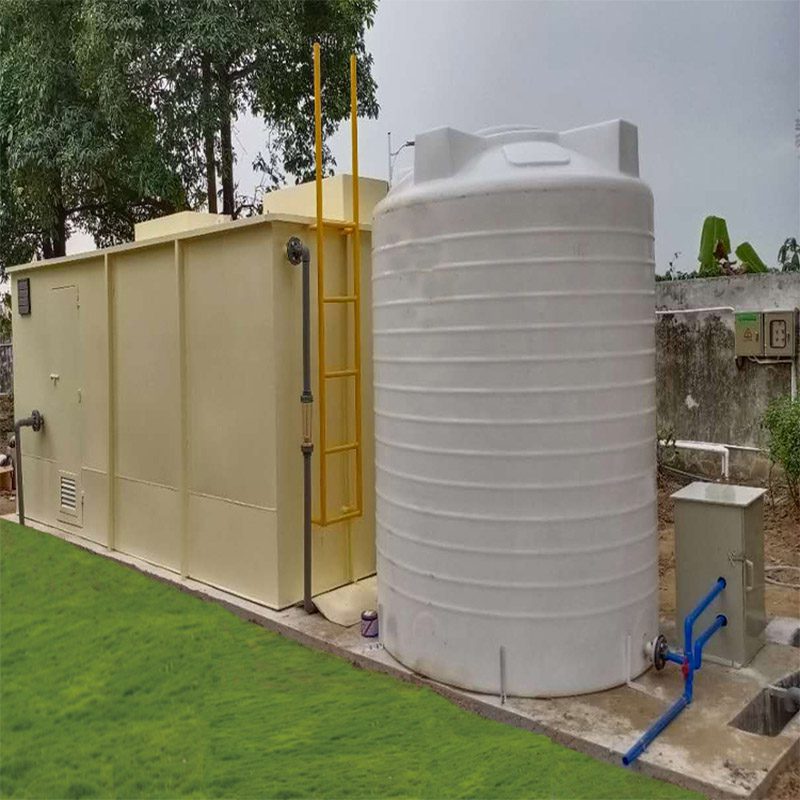
From Fabrication to Testing at a Containerized MBR System factory
From Fabrication to Testing at a Containerized MBR System factory
September 30, 2026
Author
Solution Provider, through a professional technical team, we provide customers with targeted equipment selection recommendations and comprehensive after-sales services, winning the trust and recognition of customers.
Sarah M.
HINADA Water Treatment Tech Co., Ltd. (HINADA) is a globally recognized manufacturer of wastewater treatment equipment, hollow fiber ultrafiltration (UF) membranes, submerged MBR membrane modules, containerized MBR systems, packaged wastewater treatment plants, and DAF systems. Founded in 2012 in Guangzhou, China, and later expanded to Chenzhou, Hunan Province, HINADA serves clients in over 75 countries. This article explored the complete journey of a containerized MBR system inside the HINADA factory, from design and membrane fabrication to structural assembly, electrical integration, and rigorous factory acceptance testing. It highlighted HINADA's two core technology pillars: hollow fiber UF/MBR membranes for precise physical separation and intelligent integrated wastewater treatment equipment for ready-to-install solutions. The article described key fabrication stages, including membrane spinning and potting, container and tank fabrication, piping and valve installation, PLC and SCADA integration, and MBR module assembly. It then detailed the factory acceptance test, covering hydrostatic and leak testing, membrane integrity testing, performance testing with real or simulated wastewater, control system verification, and documentation. The importance of factory testing was emphasized as a way to reduce site risks, ensure performance guarantees, and provide clients with confidence. Applications in industrial wastewater reuse, municipal sewage treatment, rural decentralized sanitation, and drinking water purification were discussed, along with case examples from Asia, Africa, Europe, and the Americas. The article concluded that HINADA's complete ecosystem, from membrane R&D to turnkey delivery, enables the company to build reliable containerized MBR systems that deliver high-quality effluent, rapid deployment, and long-term performance.
From Fabrication to Testing at a Containerized MBR System Factory
HINADA Water Treatment Tech Co., Ltd. (HINADA) is a globally recognized manufacturer of wastewater treatment equipment, hollow fiber ultrafiltration (UF) membranes, submerged MBR membrane modules, integrated packaged wastewater treatment systems, and DAF systems. Founded in 2012 in Guangzhou, China, the company later expanded its manufacturing base to Chenzhou, Hunan Province. Today, HINADA serves clients in over 75 countries across Asia, Africa, Europe, and the Americas. This blog article explores the complete journey of a containerized MBR system inside the HINADA factory, from initial fabrication to rigorous testing before shipment.
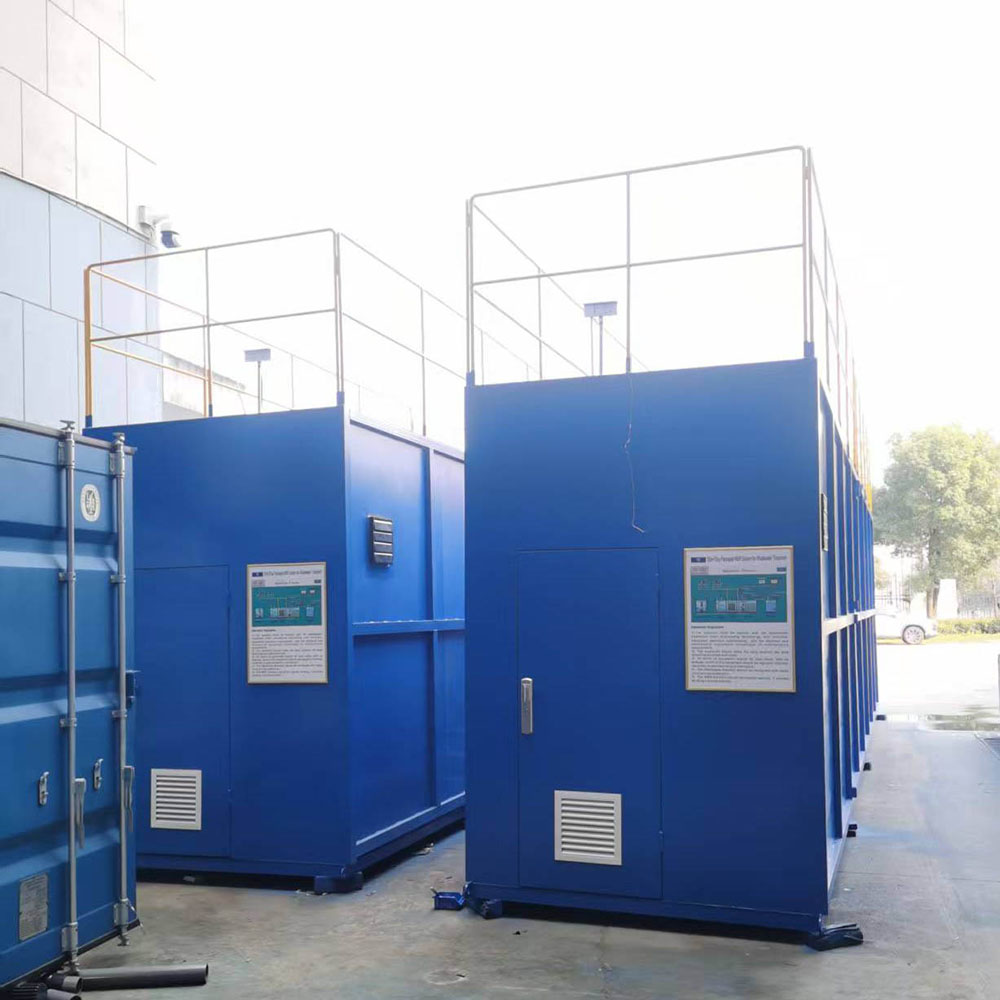
A containerized MBR system is not simply a membrane bioreactor placed inside a shipping container. It is an integrated, factory-built wastewater treatment plant that combines biological treatment, membrane separation, aeration, pumping, chemical dosing, automation, and remote monitoring within a compact, mobile, and pre-engineered structure. For HINADA, every containerized MBR system represents a convergence of membrane science, mechanical fabrication, electrical integration, and quality assurance. The factory floor becomes a proving ground where each component is assembled, tested, and validated before the system travels to its destination.
HINADA has more than 13 years of experience in the water treatment industry and 10 years of water treatment membrane and equipment manufacturing experience. This depth of expertise allows the company to operate a complete ecosystem from membrane R&D and component manufacturing to equipment fabrication and turnkey solution delivery. The containerized MBR system is one of the most visible expressions of that ecosystem. It requires the coordination of multiple production cells, including membrane spinning, module potting, steel fabrication, piping, electrical assembly, and performance testing.
The Role of Containerized MBR Systems in Modern Wastewater Treatment
Water scarcity, stricter discharge regulations, and the need for decentralized treatment have pushed containerized MBR systems into the spotlight. Municipalities, industrial parks, resorts, remote communities, and construction sites all need reliable wastewater treatment that can be deployed quickly and operated with minimal civil works. A containerized MBR system meets these needs by delivering high-quality effluent, a small footprint, and the ability to reuse treated water for irrigation, toilet flushing, cooling tower makeup, or process water.
undefined
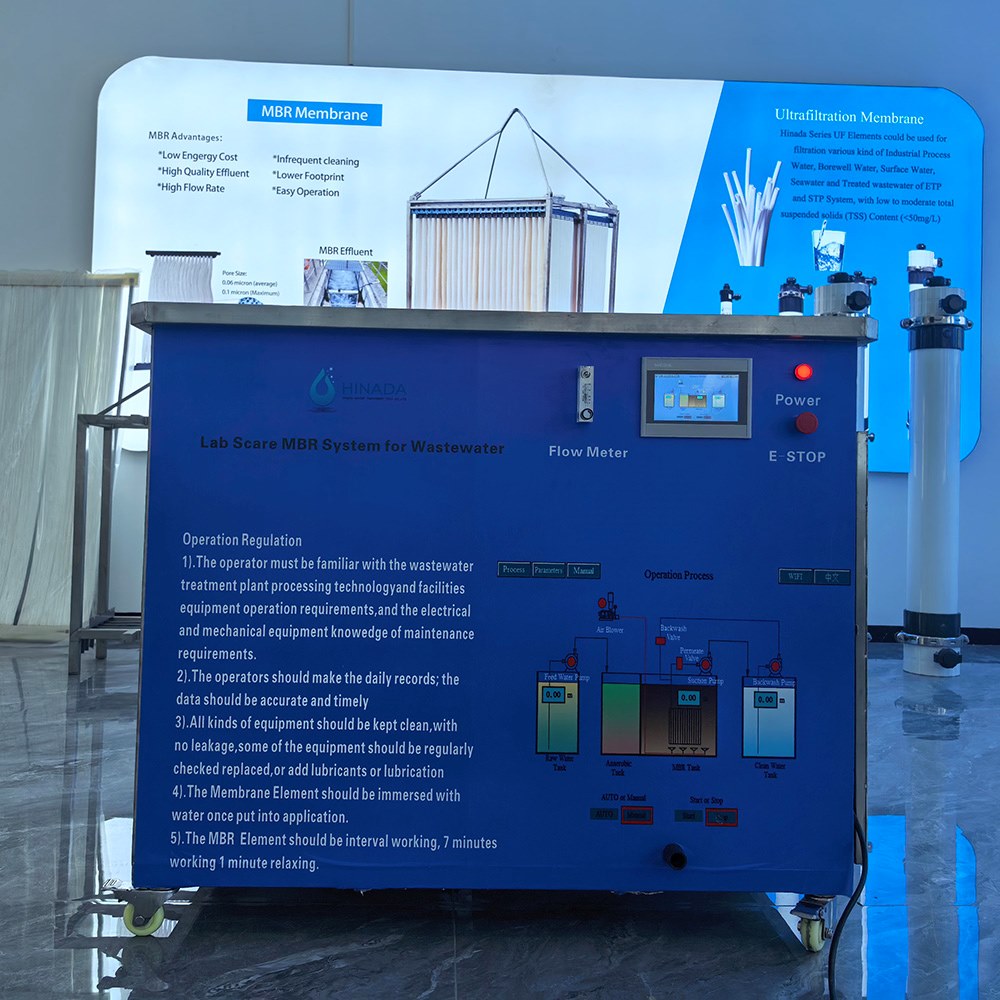
The membrane bioreactor process combines activated sludge treatment with membrane filtration. Instead of relying on gravity settling in a clarifier, the system uses submerged hollow fiber membranes to separate clean water from biomass, suspended solids, bacteria, and colloids. The result is a compact treatment train that produces effluent with low turbidity, low BOD, low COD, and high pathogen removal. When packaged inside a container, the entire process becomes a plug-and-play solution that can be shipped by truck, rail, or sea.
HINADA designs containerized MBR systems for a wide range of flow rates, from small decentralized units treating a few cubic meters per day to larger modular systems serving thousands of cubic meters per day. The factory builds each unit according to the client's wastewater characteristics, discharge standards, site conditions, and automation preferences. Because the system is fabricated and tested indoors, the client receives a pre-commissioned plant rather than a collection of loose components.
Key Advantages of Factory-Built Containerized MBR Systems
Rapid deployment: the system arrives on site ready for connection to utilities and piping.
Compact footprint: the container houses biological tanks, membrane tanks, blowers, pumps, and controls.
Consistent quality: factory-controlled fabrication and testing reduce site-related variables.
Lower civil costs: minimal concrete works are required compared to conventional treatment plants.
Scalability: multiple containers can be combined to handle higher flows.
Remote monitoring: PLC and SCADA systems enable real-time performance tracking.
Reuse potential: high-quality effluent can be recycled for non-potable applications.
For HINADA, the containerized MBR system is also a demonstration of the company's core technology pillars. The first pillar is hollow fiber ultrafiltration (UF/MBR) membranes, which provide precise physical separation of suspended solids, bacteria, colloids, and macromolecular organics. The second pillar is intelligent integrated wastewater treatment equipment, which delivers ready-to-install solutions for municipal, industrial, and decentralized applications. The containerized MBR system sits at the intersection of these two pillars.
HINADA: A Global Manufacturer with a Complete Ecosystem
HINADA Water Treatment Tech Co., Ltd. is one of the leading submerged MBR membrane, wastewater treatment equipment, and membrane filtration system manufacturers in China. Since its founding in 2012, the company has specialized as a wastewater treatment solution provider and equipment supplier. Its headquarters and initial manufacturing operations began in Guangzhou, and later the company expanded its manufacturing base to Chenzhou, Hunan Province. This dual-location strategy allows HINADA to serve both domestic and international markets with efficient production and logistics.
The company's product portfolio includes PVDF and PVC hollow fiber UF membranes, submerged MBR membrane modules, containerized MBR systems and packaged wastewater treatment plants, dissolved air flotation (DAF) systems, ultrafiltration (UF) systems, and industrial reverse osmosis (RO) systems. This breadth of products means HINADA can offer a truly integrated solution to water and wastewater projects, from design, supplying, installation support, and commissioning to training. Clients in over 75 countries across Asia, Africa, Europe, and the Americas rely on HINADA for robust and cost-effective treatment solutions.
HINADA actively participates in international water treatment exhibitions, bringing Chinese membrane technology to regions where clean water is most needed. The company's key application fields include industrial wastewater treatment and reuse, municipal sewage treatment and water recycling, rural decentralized water supply and sanitation, and drinking water purification from surface water or groundwater. The containerized MBR system is particularly relevant for industrial wastewater reuse and decentralized municipal treatment, where speed, reliability, and ease of operation are critical.
Core Products That Support Containerized MBR Systems
PVDF/PVC hollow fiber UF membranes
MBR membrane modules (submerged)
Containerized MBR systems and packaged wastewater treatment plants
Dissolved Air Flotation (DAF) systems
Ultrafiltration (UF) systems
Industrial Reverse Osmosis (RO) systems
Each of these products plays a role in the containerized MBR ecosystem. The hollow fiber membranes are the filtration heart. The MBR modules determine the membrane tank layout. The DAF system may be used for pre-treatment when industrial wastewater contains oils, grease, or suspended solids. UF and RO systems may be added downstream for advanced reuse. The containerized MBR system itself is the integrated platform that brings these technologies together in a factory-built package.
Design and Engineering: The First Step Before Fabrication
Before any steel is cut or any membrane is potted, HINADA's engineering team develops a detailed design for the containerized MBR system. This phase begins with a thorough review of the client's wastewater quality, flow rate, discharge requirements, site climate, available utilities, and operational constraints. The team then selects the appropriate biological process configuration, membrane surface area, aeration intensity, sludge retention time, and hydraulic retention time.
The design phase also addresses the physical layout inside the container. Every square meter is valuable. Engineers must position the anoxic tank, aerobic tank, membrane tank, blowers, pumps, valves, chemical dosing units, control panels, and maintenance access points. They must ensure that piping runs are efficient, that electrical cables are routed safely, and that operators can perform routine tasks without difficulty. The container may be a standard 20-foot or 40-foot ISO high cube, or a custom-built structure, depending on the project.
HINADA uses 3D modeling and engineering calculations to validate the design before fabrication. Computational fluid dynamics may be used to optimize mixing and aeration. Structural analysis ensures that the container can withstand transport, lifting, and seismic conditions. Electrical load calculations determine the power distribution and generator requirements. The result is a set of fabrication drawings, bill of materials, and testing protocols that guide the factory team.
Design Considerations for Different Applications
For municipal sewage treatment, the design typically focuses on nitrogen and phosphorus removal, odor control, and low operator attention. For industrial wastewater, the design may include equalization, pH adjustment, chemical dosing, and pre-treatment to handle toxic or recalcitrant compounds. For rural decentralized sanitation, the design emphasizes simplicity, low energy consumption, and remote monitoring. For drinking water applications, the containerized MBR may be combined with UF and RO to produce high-purity water.
HINADA's engineering team also considers the destination climate. A system installed in a hot, humid region requires different insulation, ventilation, and cooling than one installed in a cold, snowy region. Electrical components must meet local voltage and frequency standards. Control systems must support the client's preferred communication protocols. These details are resolved during design so that fabrication and testing can proceed smoothly.
Membrane Fabrication: The Heart of the Containerized MBR System
The membrane is the most critical component of a containerized MBR system. HINADA manufactures both PVDF and PVC hollow fiber UF membranes in its factory. The production process begins with the preparation of polymer dope, which is carefully formulated to achieve the desired pore size, hydrophilicity, mechanical strength, and chemical resistance. The dope is then spun into hollow fibers through a precise extrusion process.
During spinning, the hollow fiber geometry is formed. The inner and outer diameters, wall thickness, and pore structure are controlled within tight tolerances. After spinning, the fibers undergo washing, stretching, and treatment steps to remove residual solvents and to enhance performance. Quality control technicians test samples for tensile strength, elongation, burst pressure, pure water flux, rejection, and pore size distribution. Only fibers that meet HINADA's specifications proceed to module assembly.
Potting and Module Assembly
Hollow fibers are assembled into membrane modules using a potting process. The fibers are arranged in a bundle and encapsulated in a resin pot at both ends. The potting resin must provide a strong, leak-free seal while protecting the fibers from mechanical stress. After curing, the module ends are cut to open the fiber lumens, allowing water to flow through. The modules are then fitted with permeate collection headers, aeration headers, and mounting frames.
Each MBR module is tested for membrane integrity before it is installed in a containerized system. HINADA uses pressure decay tests, bubble point tests, and vacuum tests to detect broken fibers or leaks. The company's 10 years of membrane manufacturing experience is reflected in the consistency and durability of its modules. The submerged MBR membrane modules are designed for long service life, high flux, and resistance to fouling.
Membrane Quality Control
Quality control is not a single step but a continuous process. From raw material inspection to final module testing, every batch is traceable. HINADA maintains records of polymer lot numbers, spinning parameters, potting resin batches, and test results. If a performance issue arises in the field, the company can trace it back to the manufacturing data. This level of traceability is essential for containerized MBR systems that may operate in remote locations where maintenance access is limited.
The membranes are also tested for chemical compatibility. MBR systems often require cleaning with sodium hypochlorite, citric acid, or other chemicals. The membranes must withstand repeated cleaning cycles without significant loss of flux or mechanical integrity. HINADA conducts accelerated aging tests and chemical exposure tests to validate the membrane's long-term performance.
Container Fabrication and Structural Assembly
While the membranes are being produced, the container structure is fabricated in parallel. HINADA uses high-quality steel frames and panels that are designed for transport and outdoor installation. The container may be a standard ISO container modified for water treatment, or a custom skid-mounted enclosure. The fabrication team cuts, welds, and assembles the structural components according to the engineering drawings.
The container interior is divided into functional zones. The biological treatment zone contains the anoxic and aerobic tanks. The membrane zone houses the submerged MBR modules and aeration system. The equipment zone contains blowers, pumps, valves, and chemical dosing units. The control zone houses the electrical panels, PLC, HMI, and SCADA hardware. Each zone is designed for safe access, maintenance, and ventilation.
Steel Frame and Tank Fabrication
The tanks inside the container are typically fabricated from stainless steel or high-strength carbon steel with protective coatings. Welding is performed by certified welders, and each weld is inspected for penetration, porosity, and cracks. For tanks that will contain wastewater, leak testing is performed before final assembly. The tank surfaces are treated to resist corrosion and biological fouling.
HINADA's fabrication base in Chenzhou, Hunan Province, is equipped with advanced cutting, welding, and surface treatment equipment. The factory follows strict quality management procedures to ensure that every container meets structural and safety standards. Dimensional checks are performed at multiple stages to ensure that tanks, piping, and equipment fit together correctly.
Piping, Valves, and Manifolds
Piping is the circulatory system of the containerized MBR system. It carries influent, mixed liquor, permeate, air, cleaning chemicals, and sludge. HINADA fabricates piping spools from corrosion-resistant materials such as PVC, CPVC, stainless steel, or galvanized steel, depending on the application. The piping layout is designed to minimize pressure loss, avoid dead zones, and allow easy maintenance.
Valves are installed to control flow and isolate equipment. Manual valves are used for routine isolation, while pneumatic or electric actuated valves are used for automated control. The membrane manifolds connect the MBR modules to the permeate pump and the aeration blower. The manifolds are designed for uniform flow distribution and minimal pressure drop. Every piping assembly is pressure tested before being integrated into the container.
Electrical, Instrumentation, and Control Integration
A containerized MBR system is only as good as its control system. HINADA integrates electrical panels, variable frequency drives (VFDs), PLCs, HMIs, sensors, and communication modules into the container. The electrical design follows international standards such as IEC or UL, depending on the destination market. Wiring is color-coded, labeled, and routed in cable trays or conduits to protect against moisture and mechanical damage.
Instrumentation includes flow meters, pressure transmitters, level sensors, pH sensors, ORP sensors, dissolved oxygen sensors, turbidity meters, and temperature sensors. These instruments provide real-time data to the PLC, which adjusts blower speed, pump flow, valve positions, and chemical dosing rates. The control system can be configured for automatic operation, remote monitoring, and alarm notification.
PLC and SCADA Programming
HINADA's automation engineers develop the PLC and SCADA programs based on the process design. The programs include control loops for aeration, permeate production, backwash, chemical cleaning, sludge wasting, and emergency shutdown. The HMI provides operators with an intuitive interface for monitoring and adjusting the system. Remote access allows HINADA technicians to support the client from anywhere in the world.
Before the control system is connected to the physical equipment, it undergoes a factory simulation. Inputs and outputs are tested with signal simulators to verify that the PLC responds correctly to various conditions. Alarm and interlock logic is tested to ensure safe operation. This pre-testing reduces the risk of electrical faults during commissioning.
Electrical Safety and Compliance
Electrical safety is a top priority. HINADA ensures that all panels are properly grounded, that circuit breakers and fuses are correctly sized, and that cables are protected from water and chemicals. The container is equipped with emergency stop buttons, lockout/tagout provisions, and warning labels. For hazardous locations, explosion-proof components may be used. Compliance with local codes and standards is verified during design and testing.
Assembling the MBR Modules and Aeration System
With the container structure, tanks, piping, and electrical systems in place, the MBR modules are installed. The modules are mounted on stainless steel frames inside the membrane tank. The permeate headers are connected to the permeate manifold, and the aeration headers are connected to the aeration blower. The installation is performed by trained technicians who follow strict torque and alignment specifications.
The aeration system is critical for both biological treatment and membrane scouring. Coarse bubble diffusers create turbulence that scours the membrane surface and prevents fouling. Fine bubble diffusers in the aerobic tank provide oxygen for the biomass. HINADA selects diffusers based on oxygen transfer efficiency, energy consumption, and maintenance requirements. The blowers are sized to provide the required air flow at the system's operating pressure.
Membrane Tank Design and Hydrodynamics
The membrane tank is designed to ensure uniform flow around the modules. Baffles and air distribution pipes create a cross-flow pattern that keeps solids in suspension and minimizes dead zones. The tank geometry is optimized through computational fluid dynamics to achieve high scouring efficiency with low energy consumption. The membrane tank also includes level sensors and overflow protection.
HINADA's submerged MBR membrane modules are designed for high packing density, which reduces the tank volume. The modules can be removed individually for maintenance or replacement without shutting down the entire system. This modularity is a key advantage for containerized systems, where space is limited and downtime must be minimized.
Sludge Handling and Recirculation
The biological process produces excess sludge that must be managed. HINADA containerized MBR systems include sludge recirculation pumps and sludge wasting provisions. Recirculation pumps return mixed liquor from the membrane tank to the anoxic tank to promote denitrification. Sludge wasting pumps remove excess biomass to maintain the desired sludge retention time. The sludge can be dewatered or further treated depending on the project requirements.
From Fabrication to Testing: The Factory Acceptance Test
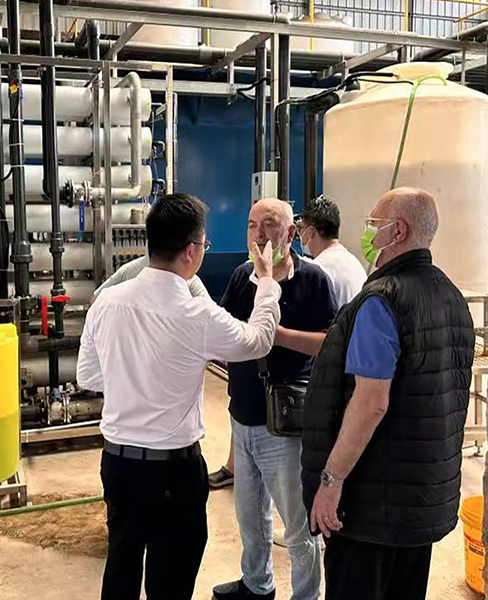
The factory acceptance test (FAT) is the culmination of the fabrication process. It is the stage where HINADA verifies that the containerized MBR system meets all design specifications and performance requirements. The FAT is conducted in the factory before the system is shipped, allowing any issues to be corrected in a controlled environment. This step is what distinguishes a HINADA containerized MBR system from a loosely assembled kit.
The FAT begins with a comprehensive inspection of the container, tanks, piping, electrical panels, and instrumentation. The test team checks that all components are installed correctly, that labels and tags are present, and that the system is clean and free of debris. Documentation is reviewed to ensure that materials and components meet the required standards. The test protocol is then executed step by step.
Hydrostatic and Leak Testing
Hydrostatic testing is performed on all tanks and piping that will contain water or wastewater. The tanks are filled with water and inspected for leaks, seepage, or deformation. Piping is pressurized to a specified test pressure and held for a defined period. Any leaks are repaired and retested. This step ensures that the system will not leak during operation, which is especially important for containerized systems that may be installed indoors or in sensitive environments.
Leak testing is also performed on the membrane modules. The modules are submerged in water and subjected to air pressure on one side. Bubbles indicate a leak in the membrane or potting. HINADA uses automated leak detection equipment to achieve high accuracy. Modules that pass the test are approved for use; those that fail are repaired or replaced.
Membrane Integrity Testing
Membrane integrity is critical for effluent quality and pathogen removal. HINADA performs pressure decay tests on each membrane module and on the complete membrane train. In a pressure decay test, the membrane is pressurized with air, and the pressure loss over time is measured. A significant pressure drop indicates a leak. The test is sensitive enough to detect a single broken fiber. The results are recorded and compared to acceptance criteria.
For containerized MBR systems, membrane integrity testing is performed after the modules are installed in the membrane tank. The permeate manifold is pressurized, and the pressure decay is monitored. This test verifies that the piping connections, valves, and modules are all leak-free. It also confirms that the system can achieve the required log removal of bacteria and viruses.
Performance Testing with Real or Simulated Wastewater
HINADA conducts performance testing to verify that the containerized MBR system can treat wastewater to the required standards. Depending on the project, the test may use real wastewater, synthetic wastewater, or clean water with added challenge substances. The system is operated for a period of time, and samples are collected and analyzed for BOD, COD, TSS, ammonia, total nitrogen, total phosphorus, and turbidity.
During performance testing, the aeration blowers, permeate pumps, recirculation pumps, and chemical dosing systems are operated under automatic control. The PLC adjusts the operating parameters based on sensor feedback. The test team monitors flux, transmembrane pressure (TMP), dissolved oxygen, pH, and temperature. The membrane fouling rate is observed to ensure that the system can operate for extended periods between cleanings.
If the performance does not meet expectations, HINADA's engineers can adjust the process parameters, modify the membrane aeration, or change the chemical dosing strategy. Because the system is still in the factory, these adjustments are made quickly and efficiently. The goal is to deliver a system that is proven to work before it leaves the factory.
Control System and Automation Testing
The control system is tested in parallel with the performance test. HINADA verifies that all sensors are calibrated, that the PLC logic responds correctly, and that the HMI displays accurate information. Alarm and interlock tests are performed to ensure safe shutdown in case of high level, low level, high pressure, low pressure, or equipment failure. Remote monitoring and data logging are also tested.
The automation test includes simulation of power failure and recovery, communication loss, and sensor failure. The system must respond gracefully to these events without damaging equipment or compromising treatment. HINADA's automation engineers document the test results and make any necessary program changes. The final control system is then backed up and delivered with the system.
Documentation and Traceability
Every containerized MBR system is delivered with a comprehensive documentation package. This includes as-built drawings, operation and maintenance manuals, spare parts lists, test reports, material certificates, calibration certificates, and PLC/SCADA backups. The documentation is prepared in the client's preferred language when required. HINADA maintains a digital copy of all records for future reference.
Traceability is maintained throughout the fabrication and testing process. Each component is tagged with a unique identifier that links it to its material certificate, test report, and installation record. If a component needs to be replaced in the future, HINADA can quickly identify the correct part and provide the necessary documentation. This level of traceability is a hallmark of HINADA's quality management system.
Packaging and Shipping: Preparing for Global Deployment
After the factory acceptance test is successfully completed, the containerized MBR system is prepared for shipment. HINADA cleans the system, drains all water, and protects sensitive components. Membrane modules may be shipped separately or installed with protective covers. Electrical panels are sealed to prevent moisture ingress. Piping connections are capped, and valves are secured.
The container is then packed for transport. Depending on the destination, the system may be shipped as a standard container, on a flat rack, or on a specialized trailer. HINADA provides lifting points and transport brackets to ensure safe handling. The company also prepares all export documentation, including packing lists, certificates of origin, and customs paperwork. HINADA has extensive experience shipping to over 75 countries, so the logistics process is well established.
Site Preparation and Installation Support
HINADA provides installation support to ensure that the containerized MBR system is correctly connected to the site's utilities and piping. The company supplies detailed site preparation drawings that show foundation requirements, power supply, water supply, drainage, and communication connections. HINADA's engineers can travel to the site to supervise installation, or they can provide remote support via video conferencing.
Installation typically involves positioning the container, connecting the influent and effluent pipes, connecting the power supply, connecting the air vent and odor control, and connecting the control system to the client's network. Once the system is installed, HINADA performs commissioning to verify that it operates correctly in the site conditions. Commissioning includes functional tests, performance tests, and operator training.
Installation, Commissioning, and Training Support
HINADA provides a truly integrated solution to water and wastewater projects, from design, supplying, installation support, and commissioning to training. The company's commissioning engineers work closely with the client's team to start up the containerized MBR system and optimize its performance. They adjust the biological process, membrane operation, and chemical dosing to match the actual wastewater characteristics.
Training is a critical part of the commissioning process. HINADA trains the client's operators on system operation, routine maintenance, troubleshooting, and safety procedures. The training includes classroom sessions, hands-on practice, and reference materials. Operators learn how to monitor the SCADA system, interpret alarms, perform membrane cleaning, and manage sludge. This training ensures that the client can operate the system confidently and efficiently.
Remote Monitoring and After-Sales Service
HINADA's containerized MBR systems are equipped with remote monitoring capabilities. The PLC can transmit operational data to a cloud platform or to HINADA's service center. This allows HINADA's engineers to monitor system performance, identify trends, and provide proactive support. If an alarm occurs, the service team can troubleshoot remotely and guide the client's operators to resolve the issue.
HINADA also offers after-sales service, including spare parts supply, membrane replacement, chemical cleaning services, and performance optimization. The company's global presence allows it to respond quickly to client needs. With clients in Asia, Africa, Europe, and the Americas, HINADA has built a reputation for reliable equipment and responsive service.
Applications Across Industries and Communities
HINADA containerized MBR systems are used in a wide range of applications. The company's key application fields include industrial wastewater treatment and reuse, municipal sewage treatment and water recycling, rural decentralized water supply and sanitation, and drinking water purification from surface water or groundwater. Each application has unique requirements, and HINADA tailors the system design accordingly.
Industrial Wastewater Treatment and Reuse
Industrial facilities such as food and beverage plants, textile factories, pharmaceutical manufacturers, and chemical plants generate wastewater that must be treated before discharge or reuse. Containerized MBR systems can handle high organic loads, variable flow rates, and challenging contaminants. When combined with UF and RO systems, the treated water can be reused in cooling towers, boilers, or production processes. HINADA's DAF systems can be used for pre-treatment to remove oils, grease, and suspended solids.
Municipal Sewage Treatment and Water Recycling
Municipalities and real estate developments use containerized MBR systems to treat domestic sewage and produce high-quality effluent for landscape irrigation, toilet flushing, or surface water replenishment. The compact footprint makes them suitable for urban areas where land is expensive. Multiple containers can be combined to serve growing communities. The automated control system reduces the need for skilled operators.
Rural Decentralized Water Supply and Sanitation
Rural communities often lack centralized sewage treatment. Containerized MBR systems provide a decentralized solution that can be installed in villages, schools, hospitals, and tourist resorts. The systems are designed for low maintenance, energy efficiency, and remote monitoring. They can be powered by solar panels or generators where grid power is unreliable. HINADA's packaged wastewater treatment plants are particularly suitable for these applications.
Drinking Water Purification
Surface water and groundwater can be contaminated by pathogens, turbidity, and organic matter. HINADA's UF and MBR membranes provide a physical barrier that removes bacteria, viruses, and colloids. Containerized MBR systems can be combined with activated carbon, RO, or disinfection to produce safe drinking water. These systems are used in remote communities, construction camps, and emergency relief operations.
Case Examples: HINADA Containerized MBR Systems in Action
HINADA has delivered containerized MBR systems to clients around the world. In Southeast Asia, a food processing plant uses a HINADA containerized MBR system to treat wastewater and reuse it for cleaning and irrigation. The system was factory-tested before shipment, which reduced the on-site commissioning time to less than two weeks. The plant now discharges minimal wastewater and saves on water costs.
In Africa, a rural community installed a HINADA containerized MBR system to treat domestic sewage from a school and health clinic. The system operates on solar power and is monitored remotely by HINADA's service team. The treated water is used for toilet flushing and gardening. The community reports fewer waterborne diseases and improved sanitation.
In Europe, an industrial park uses a HINADA containerized MBR system as part of a zero-liquid-discharge initiative. The system treats mixed industrial wastewater and produces water that is further purified by RO for reuse in cooling towers. The factory acceptance test included a 30-day performance trial that demonstrated stable operation and low membrane fouling. The client appreciated the ability to witness the testing before shipment.
In the Americas, a resort island installed a HINADA containerized MBR system to treat wastewater from hotels and restaurants. The system is housed in a 40-foot container and is designed to withstand humid, saline conditions. The effluent is used for landscape irrigation, reducing the island's dependence on desalinated water. The remote monitoring feature allows HINADA to support the local operator from overseas.
Why Factory Testing Matters for Containerized MBR Systems
Factory testing is not a luxury; it is a necessity for containerized MBR systems. When a system is assembled and tested in a factory, the manufacturer can control the environment, access specialized tools, and correct issues before shipment. This reduces the risk of delays, cost overruns, and performance failures at the site. For the client, factory testing provides confidence that the system will work as promised.
HINADA's factory acceptance test is comprehensive. It covers structural integrity, leak tightness, membrane integrity, process performance, electrical safety, automation, and documentation. The test is witnessed by the client when possible, either in person or via video. HINADA's engineers record all test data and provide a test report with the system. This transparency builds trust and ensures that the client knows exactly what they are receiving.
Reducing Site Risks
Site conditions can be unpredictable. Weather, labor availability, power quality, and local regulations can all affect installation and commissioning. By testing the system in the factory, HINADA minimizes the impact of these variables. The system arrives on site with most of the debugging already completed. Installation becomes a matter of connecting utilities and piping, not troubleshooting equipment.
Factory testing also reduces the risk of membrane damage during transport and installation. Because the modules are tested and protected before shipment, the client can be confident that the membranes will perform as designed. If any damage occurs during transport, HINADA's packaging and insurance procedures ensure that it is addressed quickly.
Ensuring Performance Guarantees
Many projects include performance guarantees for effluent quality, energy consumption, and membrane life. Factory testing provides the data needed to validate these guarantees. HINADA can demonstrate that the system meets the required effluent standards under controlled conditions. If the actual site wastewater differs from the design basis, HINADA can adjust the system during commissioning to maintain performance.
The factory acceptance test also serves as a baseline for future performance. HINADA records the initial flux, TMP, and permeability of the membranes. When the system is operating in the field, these baseline values can be used to detect fouling or other issues. This data-driven approach supports proactive maintenance and long-term reliability.
Maintenance and Long-Term Performance
Containerized MBR systems require regular maintenance to ensure long-term performance. HINADA provides maintenance schedules and spare parts recommendations. Routine tasks include checking pump and blower operation, cleaning sensors, inspecting valves, and monitoring membrane performance. Periodic membrane cleaning is performed with chemicals to remove organic and inorganic fouling.
The frequency of membrane cleaning depends on the wastewater characteristics and operating conditions. HINADA's control system can trigger cleaning based on TMP or permeability trends. The system includes chemical dosing tanks and pumps for cleaning solutions. Operators can perform cleaning in place without removing the modules. For more severe fouling, the modules can be removed and cleaned externally.
Membrane Replacement and Upgrades
HINADA's MBR modules are designed for long service life, but eventually they may need to be replaced. The modular design allows individual modules to be replaced without replacing the entire system. HINADA supplies replacement modules that are compatible with the original system. The company also offers upgrades to improve capacity, energy efficiency, or automation.
As regulations become stricter, clients may need to upgrade their treatment systems. HINADA can add additional membrane modules, install more advanced control systems, or integrate additional treatment steps such as RO or advanced oxidation. The containerized design makes upgrades easier because the system is modular and accessible.
Spare Parts and Technical Support
HINADA maintains a stock of spare parts for its containerized MBR systems. Common spare parts include membranes, blowers, pumps, valves, sensors, and electrical components. The company can ship spare parts quickly to most locations. Technical support is available by phone, email, or remote access. HINADA's service team can also travel to the site for major repairs or upgrades.
The company's commitment to after-sales service is one reason why clients in over 75 countries choose HINADA. The combination of robust equipment, comprehensive documentation, and responsive support ensures that the containerized MBR system delivers value for many years.
Conclusion: Trust Built Through Fabrication and Testing
From fabrication to testing, every HINADA containerized MBR system is built with precision and care. The journey begins with engineering and design, moves through membrane manufacturing, steel fabrication, piping, electrical integration, and module assembly, and culminates in a rigorous factory acceptance test. Each step is governed by quality control procedures and documented for traceability. The result is a pre-tested, ready-to-install wastewater treatment plant that can be deployed quickly and operated reliably.
HINADA Water Treatment Tech Co., Ltd. has more than 13 years of experience in the water treatment industry and 10 years of membrane and equipment manufacturing experience. The company's complete ecosystem, from membrane R&D and component manufacturing to equipment fabrication and turnkey solution delivery, allows it to control quality at every stage. With clients in over 75 countries across Asia, Africa, Europe, and the Americas, HINADA has proven that Chinese membrane technology can compete on the global stage.
For municipalities, industries, and communities seeking a compact, efficient, and reliable wastewater treatment solution, the HINADA containerized MBR system is a compelling choice. It combines the advanced separation capabilities of hollow fiber UF/MBR membranes with the convenience of intelligent integrated equipment. By witnessing the fabrication and testing process, clients can be confident that their system will perform as designed, even before it arrives on site.
As water scarcity and environmental regulations continue to drive demand for decentralized and reusable water solutions, HINADA remains committed to innovation and quality. The company will continue to participate in international water treatment exhibitions, bringing Chinese membrane technology to regions where clean water is most needed. From fabrication to testing, HINADA builds trust one containerized MBR system at a time.
Summary
HINADA Water Treatment Tech Co., Ltd. (HINADA) is a globally recognized manufacturer of wastewater treatment equipment, hollow fiber ultrafiltration (UF) membranes, submerged MBR membrane modules, containerized MBR systems, packaged wastewater treatment plants, and DAF systems. Founded in 2012 in Guangzhou, China, and later expanded to Chenzhou, Hunan Province, HINADA serves clients in over 75 countries. This article explored the complete journey of a containerized MBR system inside the HINADA factory, from design and membrane fabrication to structural assembly, electrical integration, and rigorous factory acceptance testing. It highlighted HINADA's two core technology pillars: hollow fiber UF/MBR membranes for precise physical separation and intelligent integrated wastewater treatment equipment for ready-to-install solutions. The article described key fabrication stages, including membrane spinning and potting, container and tank fabrication, piping and valve installation, PLC and SCADA integration, and MBR module assembly. It then detailed the factory acceptance test, covering hydrostatic and leak testing, membrane integrity testing, performance testing with real or simulated wastewater, control system verification, and documentation. The importance of factory testing was emphasized as a way to reduce site risks, ensure performance guarantees, and provide clients with confidence. Applications in industrial wastewater reuse, municipal sewage treatment, rural decentralized sanitation, and drinking water purification were discussed, along with case examples from Asia, Africa, Europe, and the Americas. The article concluded that HINADA's complete ecosystem, from membrane R&D to turnkey delivery, enables the company to build reliable containerized MBR systems that deliver high-quality effluent, rapid deployment, and long-term performance.