How a Containerized MBR System Transforms Remote Wastewater Projects
How a Containerized MBR System Transforms Remote Wastewater Projects
September 30, 2026
Author
Solution Provider, through a professional technical team, we provide customers with targeted equipment selection recommendations and comprehensive after-sales services, winning the trust and recognition of customers.
Sarah M.
Containerized MBR systems transform remote wastewater projects by moving complex treatment into factory-built, plug-and-play units. They reduce civil works, speed deployment, and deliver high-quality effluent for reuse. HINADA, a global manufacturer founded in 2012, provides integrated solutions from UF/MBR membranes to packaged plants, serving over 75 countries. Its end-to-end model supports design, supply, installation, commissioning, and training, making reliable wastewater treatment possible in remote and decentralized locations.
How a Containerized MBR System Transforms Remote Wastewater Projects
Remote wastewater projects often face a familiar set of obstacles: no reliable grid, limited roads, scarce skilled labor, and communities that need clean water now. A containerized membrane bioreactor (MBR) system changes that equation by turning a complex treatment plant into a factory-built, plug-and-play asset. For remote mining camps, island resorts, rural villages, and disaster-relief sites, this shift is not an upgrade. It is a transformation.
Hinada Water Treatment Tech Co., Ltd., known as HINADA, has spent more than 13 years in the water treatment industry and 10 years manufacturing membranes and equipment. Founded in 2012 in Guangzhou, China, and later expanding its manufacturing base to Chenzhou, Hunan Province, HINADA now serves clients in over 75 countries across Asia, Africa, Europe, and the Americas. Its work shows how containerized MBR systems are redefining what is possible in remote locations.
Why Remote Projects Need a Different Approach
Traditional concrete plants demand heavy civil works, long construction schedules, and specialized operators. In remote areas, those demands become risks. Weather delays, transport bottlenecks, and commissioning gaps can stall a project for months. A containerized MBR system moves most of the build into a controlled factory. The unit arrives tested, pre-piped, and ready for rapid installation.
Fast deployment: weeks instead of months.
Small footprint: fits into tight sites.
High effluent quality: membrane filtration produces clear water for reuse.
Low operator burden: automated controls reduce training needs.
What Is a Containerized MBR System?
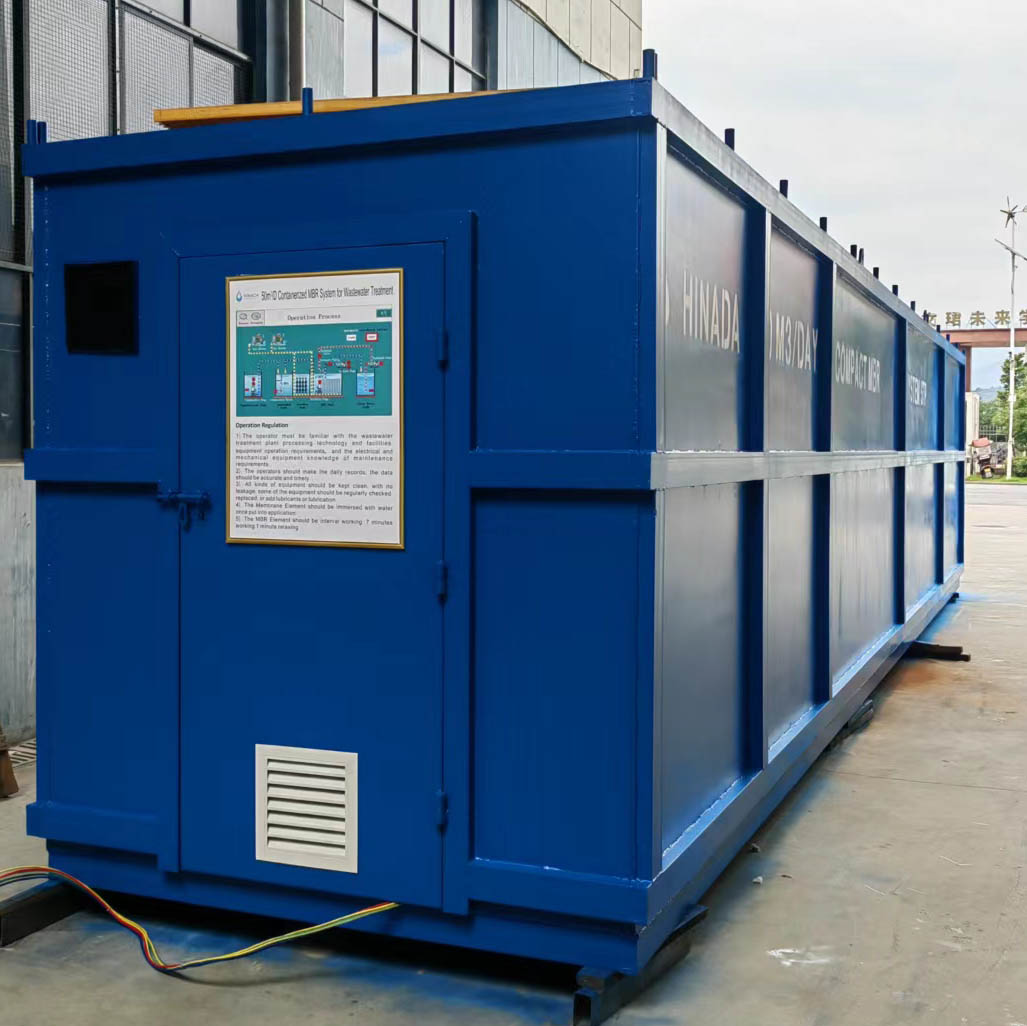
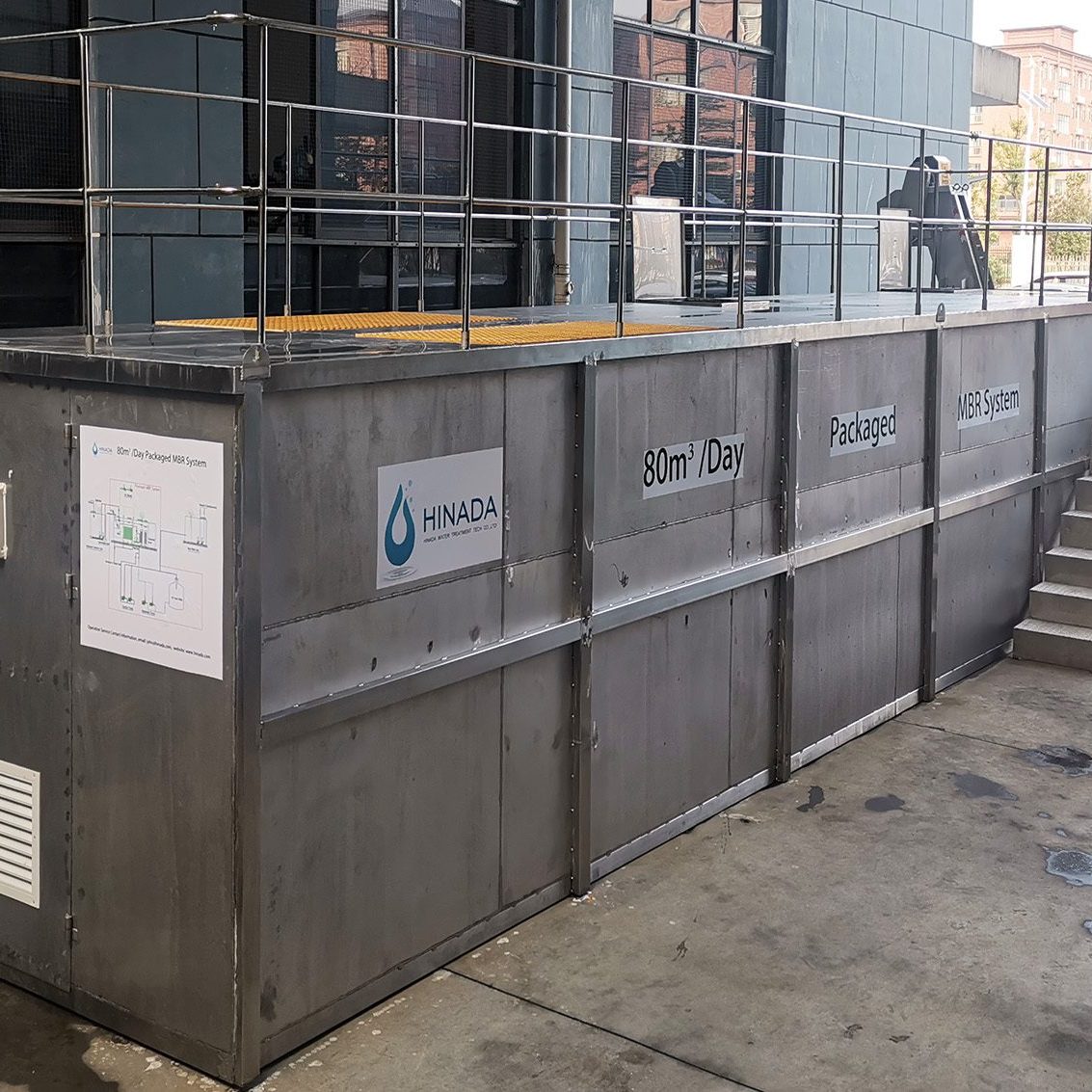
A containerized MBR system combines biological treatment with submerged membrane separation inside a standard shipping container or similar steel enclosure. Wastewater enters the tank, microorganisms break down organic matter, and hollow fiber membranes separate solids, bacteria, colloids, and macromolecular organics from the treated water. The result is a compact, high-performance plant that can meet strict discharge or reuse standards.
undefined
Core Components from HINADA
HINADA manufactures a complete ecosystem, from membrane R&D and component manufacturing to equipment fabrication and turnkey solution delivery. Its containerized MBR systems and packaged wastewater treatment plants are built around two technology pillars:
Hollow Fiber Ultrafiltration (UF/MBR) Membranes – precise physical separation of suspended solids, bacteria, colloids, and macromolecular organics.
Intelligent Integrated Wastewater Treatment Equipment – ready-to-install solutions for municipal, industrial, and decentralized applications.
How HINADA Transforms Remote Wastewater Projects
HINADA provides a truly integrated solution: design, equipment supply, installation support, commissioning, and training. That end-to-end model matters in remote regions, where a missing part or an unclear manual can delay a whole community. Because the company controls membrane production and equipment fabrication, it can customize containerized MBR systems for specific flow rates, effluent limits, and site conditions.
Application Fields
HINADA actively participates in international water treatment exhibitions, bringing Chinese membrane technology to regions where clean water is most needed. Its systems serve:
Industrial wastewater treatment and reuse
Municipal sewage treatment and water recycling
Rural decentralized water supply and sanitation
Drinking water purification from surface water and groundwater
Conclusion
For remote wastewater projects, the containerized MBR system is more than a piece of equipment. It is a delivery model that reduces risk, shortens schedules, and raises water quality. With HINADA’s membrane expertise, integrated manufacturing, and global project experience, communities far from centralized infrastructure can gain reliable treatment and reuse. The future of remote wastewater is modular, intelligent, and containerized.