How a DAF System Equipment manufacturer Drives Treatment Efficiency
How a DAF System Equipment manufacturer Drives Treatment Efficiency
September 30, 2026
Author
Solution Provider, through a professional technical team, we provide customers with targeted equipment selection recommendations and comprehensive after-sales services, winning the trust and recognition of customers.
Sarah M.
This article explores how a DAF system equipment manufacturer drives treatment efficiency, using HINADA Water Treatment Tech Co., Ltd. as a detailed example. HINADA, founded in 2012 in Guangzhou, China, and later expanded to Chenzhou, Hunan Province, is a globally recognized manufacturer of wastewater treatment equipment, hollow fiber UF membranes, submerged MBR membrane modules, integrated packaged wastewater treatment systems, and DAF systems. The company serves clients in over 75 countries across Asia, Africa, Europe, and the Americas. The article explains that DAF efficiency depends on bubble size, air-to-solids ratio, recycle ratio, hydraulic loading, chemical pretreatment, and lamella clarification. HINADA optimizes these factors through CFD modeling, pilot testing, and field data, producing DAF systems that achieve high removal rates for TSS, COD, BOD, oils, and grease. The company s two core technology pillars are hollow fiber UF/MBR membranes and intelligent integrated wastewater treatment equipment. Its complete ecosystem spans membrane R&D, component manufacturing, equipment fabrication, and turnkey solution delivery. HINADA provides integrated solutions from design, supplying, installation support, and commissioning to training. The article highlights how DAF integrates with UF, MBR, and RO systems to protect membranes, reduce fouling, and lower energy consumption. It also covers automation, remote monitoring, and applications in industrial wastewater treatment and reuse, municipal sewage treatment and water recycling, rural decentralized water supply and sanitation, and drinking water purification. Case study examples show how HINADA DAF systems reduce TSS, COD, and oils, enable water reuse, and support compliance. The summary concludes that HINADA stands out because it manufactures both DAF systems and membrane filtration systems, allowing it to optimize the entire treatment train. Its 13 years of industry experience and 10 years of membrane and equipment manufacturing experience, combined with global service and support, make it a reliable partner for clients seeking efficient, integrated water treatment solutions.
How a DAF System Equipment Manufacturer Drives Treatment Efficiency
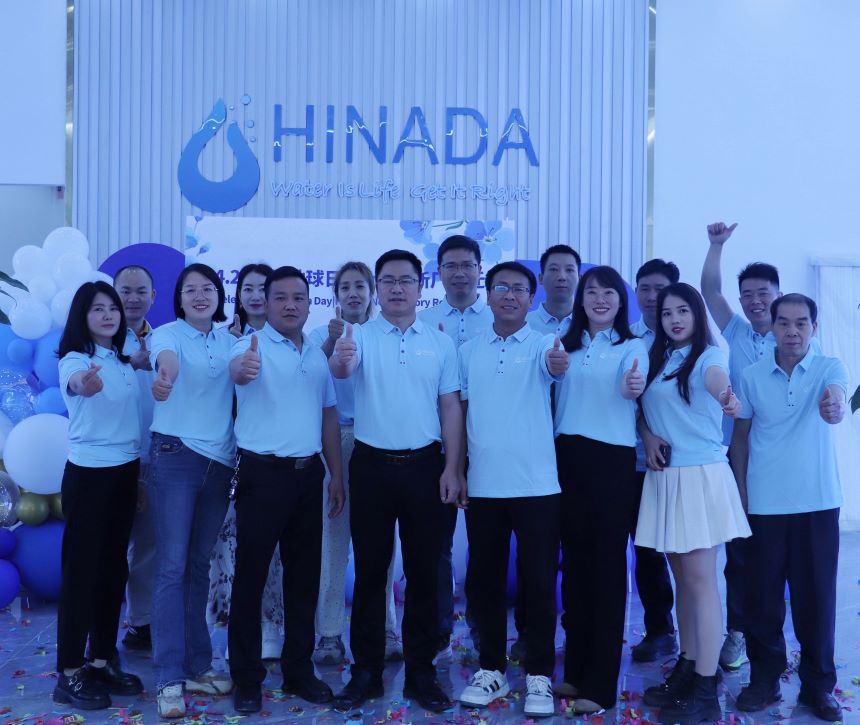
In the complex world of industrial and municipal wastewater treatment, efficiency is not a single metric. It is a combination of hydraulic performance, chemical optimization, energy consumption, footprint, sludge quality, and operational reliability. For many treatment trains, the dissolved air flotation (DAF) unit sits at the front line, removing suspended solids, oils, greases, and colloidal matter before downstream biological or membrane processes. The manufacturer behind that DAF system therefore plays a decisive role in how well the entire plant performs. HINADA Water Treatment Tech Co., Ltd., known as HINADA, has built its reputation as a globally recognized manufacturer of wastewater treatment equipment, hollow fiber ultrafiltration (UF) membranes, submerged MBR membrane modules, integrated packaged wastewater treatment systems, and DAF systems. Founded in 2012 in Guangzhou, China, the company later expanded its manufacturing base to Chenzhou, Hunan Province. Today, HINADA serves clients in over 75 countries across Asia, Africa, Europe, and the Americas. This article examines how a DAF system equipment manufacturer such as HINADA drives treatment efficiency through engineering, integration, automation, and service.
The Role of DAF in Modern Wastewater Treatment
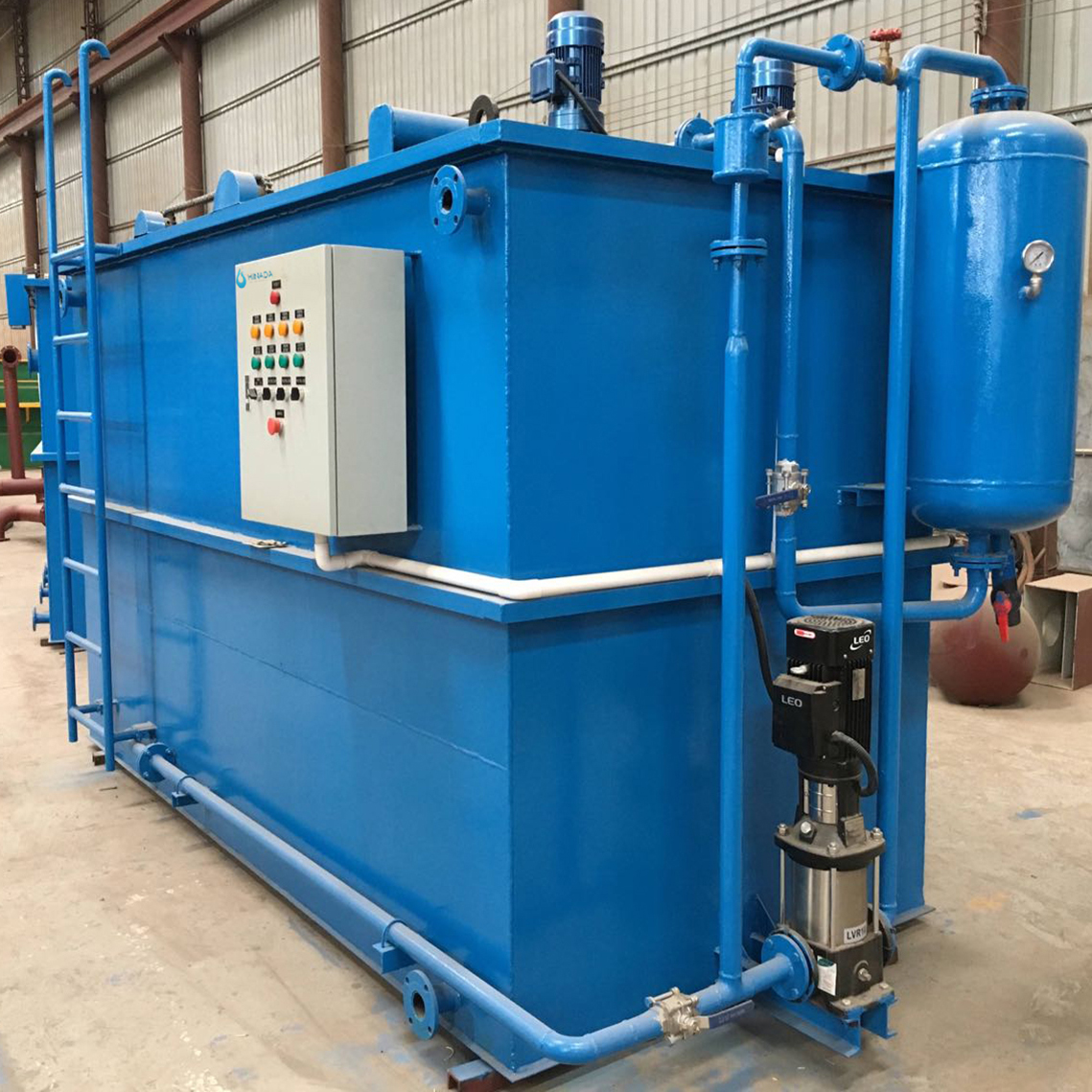
Dissolved air flotation is a physical separation process that uses microscopic air bubbles to attach to suspended particles, oils, and flocs, lifting them to the surface for removal. Unlike sedimentation, which relies on gravity and density differences, DAF is particularly effective for lightweight particles, algae, fats, oils, grease, and chemically coagulated flocs that settle slowly. In industrial settings, DAF often serves as a primary treatment step, protecting downstream biological reactors and membrane systems from shock loads, clogging, and fouling. In municipal plants, it can be used for combined sewer overflow, tertiary treatment, or sludge thickening. The efficiency of a DAF system depends on several factors: bubble size and distribution, air-to-solids ratio, recycle ratio, hydraulic loading rate, coagulant and flocculant dosing, and the physical design of the contact zone and separation zone. A manufacturer that understands these variables can deliver a system that consistently meets discharge limits while minimizing chemical and energy consumption.
undefined
HINADA: A DAF System Equipment Manufacturer with a Broader Water Treatment Ecosystem
HINADA is one of the leading submerged MBR membrane, wastewater treatment equipment, and membrane filtration system manufacturers in China, specializing as a wastewater treatment solution provider and equipment supplier in Guangzhou since 2012. The company provides a truly integrated solution to water and wastewater projects, from designation, supplying, installation support, and commissioning to training. With more than 13 years of experience in the water treatment industry and 10 years of water treatment membrane and equipment manufacturing experience, HINADA has developed a complete ecosystem from membrane R&D and component manufacturing to equipment fabrication and turnkey solution delivery. This ecosystem allows the company to design DAF systems that are not isolated pieces of equipment but integrated components of a larger treatment strategy. From day one, HINADA focused on two core technology pillars: hollow fiber ultrafiltration (UF/MBR) membranes for precise physical separation of suspended solids, bacteria, colloids, and macromolecular organics, and intelligent integrated wastewater treatment equipment for municipal, industrial, and decentralized applications. The DAF system sits comfortably within both pillars, acting as a robust pretreatment barrier and as a standalone clarification solution.
From Guangzhou to Chenzhou: A Manufacturing Journey
The company s expansion from Guangzhou to Chenzhou, Hunan Province, reflects a strategic investment in manufacturing capacity and supply chain resilience. Guangzhou remains a hub for innovation, engineering, and international business, while Chenzhou provides a larger production base for fabrication, assembly, and quality control. This dual-location model enables HINADA to produce DAF systems, UF membranes, MBR modules, containerized MBR systems, packaged wastewater treatment plants, ultrafiltration systems, and industrial reverse osmosis (RO) systems at scale. For clients in over 75 countries, this means access to equipment that is built to international standards, tested before shipment, and supported by a team that understands the operational realities of diverse climates and industries. The manufacturing journey also reflects a commitment to continuous improvement. Each DAF unit is designed with corrosion-resistant materials, optimized hydraulics, and modular components that simplify maintenance and extend service life.
Two Core Technology Pillars
The first pillar, hollow fiber ultrafiltration and MBR membranes, provides a physical barrier that removes suspended solids, bacteria, colloids, and macromolecular organics. These membranes are available in PVDF and PVC configurations, offering chemical resistance, mechanical strength, and consistent permeability. The second pillar, intelligent integrated wastewater treatment equipment, delivers ready-to-install solutions for municipal, industrial, and decentralized applications. DAF systems bridge these pillars. When DAF is used upstream of UF or MBR, it reduces membrane fouling by removing oils, grease, and colloidal matter that would otherwise deposit on membrane surfaces. When DAF is used as a standalone process, it delivers high clarification rates with a compact footprint. By controlling both membrane and equipment manufacturing, HINADA can optimize the interface between DAF and downstream processes, ensuring that each component enhances the performance of the next.
Engineering Principles Behind Efficient DAF Systems
Efficiency in DAF begins with a clear understanding of the physics and chemistry of flotation. The manufacturer must balance several competing factors: bubble size, air solubility, recycle flow, contact time, and surface loading. A well-designed DAF system creates a dense cloud of microbubbles, typically in the 20 to 50 micron range, that attach to flocs and particles. The air-to-solids ratio (A/S ratio) is a key design parameter. If the A/S ratio is too low, not enough bubbles are available to lift the solids. If it is too high, energy is wasted, and the clarified water may be over-aerated. HINADA approaches this balance through computational fluid dynamics (CFD) modeling, pilot testing, and field data from hundreds of installations. The result is a DAF system that achieves high removal rates for total suspended solids (TSS), chemical oxygen demand (COD), biochemical oxygen demand (BOD), oils, and grease, while keeping operational costs under control.
Dissolved Air Generation and Microbubble Formation
The heart of any DAF system is the air dissolution unit, often called the saturator or pressure vessel. Compressed air is dissolved into a recycle stream under pressure, typically 4 to 6 bar. When this pressurized stream is released into the contact zone through specially designed nozzles or valves, the sudden pressure drop causes dissolved air to come out of solution as microbubbles. The size and distribution of these bubbles depend on the saturator design, the pressure, the temperature, and the presence of dissolved impurities. HINADA engineers optimize the saturator geometry, the air injection system, and the release mechanism to produce a consistent bubble cloud. Stainless steel construction and corrosion-resistant internals ensure that the saturator maintains performance over years of operation. In addition, the company uses high-efficiency pumps and variable frequency drives (VFDs) to match recycle flow to actual load conditions, reducing energy consumption during low-flow periods.
Recycle Ratio and Hydraulic Loading
The recycle ratio is the percentage of clarified effluent that is returned to the saturator and then released into the contact zone. A higher recycle ratio generally improves solids removal but increases pumping energy and hydraulic loading. A lower recycle ratio saves energy but may reduce bubble density and removal efficiency. HINADA designs DAF systems with adjustable recycle ratios, allowing operators to fine-tune performance based on influent characteristics. Hydraulic loading rate is equally important. If the surface loading rate is too high, bubbles and flocs may be carried into the effluent. If it is too low, the footprint becomes unnecessarily large. Through careful sizing and the use of lamella plates or inclined separation surfaces, HINADA achieves compact footprints without sacrificing hydraulic capacity. This is particularly valuable in retrofits where space is limited.
Chemical Pretreatment and Coagulation
DAF is often preceded by chemical coagulation and flocculation. Coagulants such as aluminum sulfate, ferric chloride, or polyaluminum chloride neutralize particle charges and promote floc formation. Flocculants, typically anionic or cationic polymers, bind small flocs into larger, stronger aggregates that are easier to float. The manufacturer s role is to provide a DAF system that integrates seamlessly with chemical dosing systems. HINADA designs rapid mix, flocculation, and DAF contact zones as a unified hydraulic train. This ensures that flocs are formed at the right size and strength before they enter the flotation zone. The company also offers jar testing support and dosing optimization to help clients reduce chemical consumption. In many cases, optimized coagulation and flocculation can reduce DAF recycle requirements and sludge volume, driving both treatment efficiency and operational savings.
Lamella Clarification and Surface Loading
Lamella plates, also known as inclined plates, increase the effective settling and separation area within a DAF unit. In a DAF system, lamella plates can be used in the separation zone to enhance the rise of bubbles and flocs. The inclined surfaces reduce the distance that bubbles must travel to reach the surface, improving capture efficiency. They also help distribute flow evenly, preventing short-circuiting and dead zones. HINADA incorporates lamella modules into selected DAF models to achieve higher surface loading rates and smaller footprints. The plates are designed for easy removal and cleaning, which is essential for long-term performance. By combining lamella clarification with optimized bubble generation, HINADA DAF systems can achieve TSS removal rates of 90 to 98 percent and significant reductions in COD, BOD, and oils and grease.
Design Features That Drive Treatment Efficiency
Modular construction: DAF units are fabricated in modular sections that can be shipped in standard containers and assembled on site. This reduces civil works, shortens installation time, and allows for future capacity expansion.
Corrosion-resistant materials: Stainless steel 304 or 316, FRP, and high-performance coatings protect against aggressive industrial wastewater, extending equipment life.
Integrated chemical dosing: Coagulant and flocculant dosing systems are mounted on a common skid with mixers, metering pumps, and control panels.
Efficient air dissolution: Proprietary saturator designs maximize air solubility and produce uniform microbubbles with minimal energy input.
Adjustable recycle flow: VFD-controlled recycle pumps allow operators to match performance to varying influent loads.
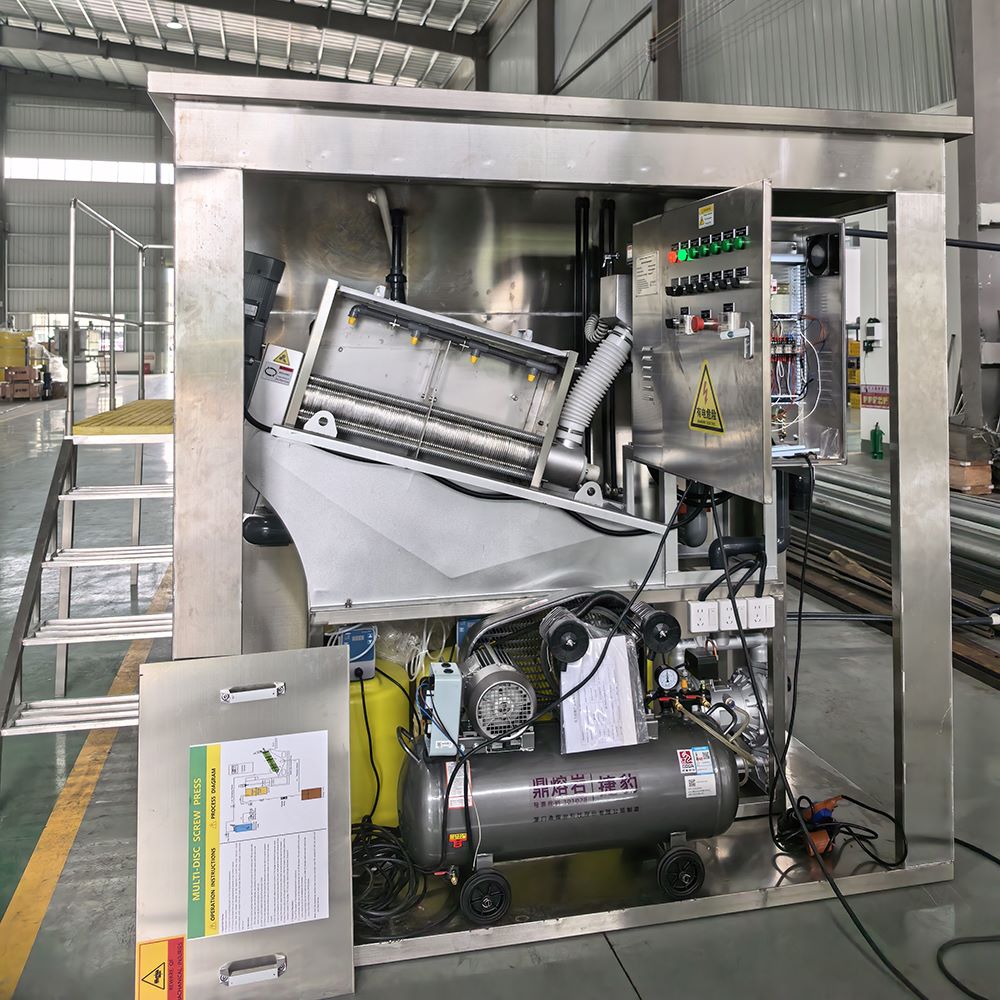
Automated sludge removal: Surface skimmers and bottom scrapers remove floated sludge and settled solids continuously or intermittently, reducing manual labor.
Compact footprint: Lamella plates and high-rate clarification zones minimize land requirements, which is critical for urban and industrial sites.
Remote monitoring: PLC and SCADA systems provide real-time data on flow, pressure, turbidity, and chemical dosing, enabling proactive maintenance.
Integration with UF, MBR, and RO Systems
One of the most powerful ways a DAF system equipment manufacturer drives treatment efficiency is by integrating DAF with membrane and reverse osmosis systems. Membranes are highly effective at removing fine particles, bacteria, and dissolved contaminants, but they are vulnerable to fouling by oils, grease, and colloidal matter. DAF acts as a protective barrier, reducing the fouling load on UF, MBR, and RO membranes. This integration extends membrane life, reduces cleaning frequency, and lowers energy consumption. HINADA, as a manufacturer of both DAF systems and hollow fiber UF/MBR membranes, can design the entire pretreatment and membrane train as a single optimized package. This eliminates interface risks and ensures that the DAF effluent quality matches the membrane s requirements.
DAF as Pretreatment for UF and RO
In industrial water reuse and desalination projects, DAF is often used before ultrafiltration and reverse osmosis. The DAF unit removes suspended solids, oils, and grease, while UF removes bacteria, viruses, and colloidal silica. RO then removes dissolved salts and organic matter. If DAF is not properly designed, oil and grease can coat UF membranes, causing irreversible fouling. If UF is not properly designed, fine particles can pass through and foul RO membranes. HINADA addresses these risks by testing influent characteristics, selecting the right coagulants and flocculants, and sizing the DAF unit to achieve consistent effluent quality. The company also provides membrane cleaning protocols and operational training to ensure that the integrated system performs reliably over time.
DAF and MBR Hybrid Solutions
For municipal and industrial wastewater treatment, a DAF plus MBR hybrid solution offers high-quality effluent in a compact footprint. DAF removes fats, oils, grease, and suspended solids, while MBR provides biological treatment and membrane filtration. The MBR membrane modules, available as submerged units from HINADA, retain biomass and produce effluent suitable for reuse. The DAF unit reduces the organic and solids load on the MBR, lowering aeration demand and membrane fouling. This hybrid approach is particularly effective for food and beverage processing, slaughterhouses, dairy plants, and textile mills, where wastewater contains high concentrations of oils and grease. By combining DAF and MBR, HINADA helps clients meet strict discharge standards and achieve water reuse goals.
Automation and Intelligent Control
Automation is a key driver of treatment efficiency. A modern DAF system is not simply a tank with pumps and scrapers. It is an intelligent process unit with sensors, programmable logic controllers (PLCs), and human-machine interfaces (HMIs). HINADA equips its DAF systems with instrumentation for flow, pressure, pH, turbidity, and dissolved air. The control system adjusts recycle flow, chemical dosing, and sludge removal based on real-time conditions. For example, if the influent turbidity increases, the controller can increase coagulant dosing and recycle flow to maintain effluent quality. If the plant is operating at low load, the controller can reduce pump speed and save energy. Remote monitoring allows HINADA engineers to support clients from anywhere in the world, diagnosing issues and optimizing performance without waiting for a site visit. This level of automation reduces operator workload, minimizes human error, and ensures consistent treatment results.
Applications Across Industries
HINADA actively participates in international water treatment exhibitions, bringing Chinese membrane technology to regions where clean water is most needed. The company s DAF systems and integrated solutions serve a wide range of application fields, including industrial wastewater treatment and reuse, municipal sewage treatment and water recycling, rural decentralized water supply and sanitation, and drinking water purification from surface water and groundwater. Each application has unique requirements, and HINADA tailors its DAF designs accordingly.
Industrial Wastewater Treatment and Reuse
Industrial wastewater is highly variable. Food and beverage plants produce wastewater with high organic loads, oils, and grease. Meat and poultry processing facilities generate blood, fat, and suspended solids. Petrochemical and oil and gas operations produce oily wastewater that can contain hydrocarbons and heavy metals. Textile and dyeing plants discharge wastewater with high color, COD, and suspended solids. Paper and pulp mills produce fibrous solids and lignin. Mining and metal finishing operations generate wastewater with fine particles and heavy metals. In each case, DAF can remove a significant portion of the pollutant load before biological treatment, membrane filtration, or discharge. HINADA DAF systems are designed with the right materials, chemical dosing, and hydraulic configuration to handle these challenging streams. The result is lower treatment costs, higher reuse rates, and compliance with environmental regulations.
Municipal Sewage Treatment and Water Recycling
In municipal sewage treatment, DAF is used for primary treatment, tertiary treatment, and sludge thickening. As primary treatment, DAF can remove suspended solids and fats, oils, and grease before activated sludge or MBR processes. As tertiary treatment, DAF can polish effluent by removing algae, phosphorus flocs, and residual suspended solids. As sludge thickening, DAF can increase sludge concentration, reducing the volume that must be dewatered and disposed. HINADA supplies DAF systems that integrate with municipal treatment plants of various sizes, from small decentralized systems to large central plants. The company also provides containerized MBR systems and packaged wastewater treatment plants that combine DAF, biological treatment, and membrane filtration in a single prefabricated unit. These solutions are ideal for communities that need rapid deployment and reliable performance.
Rural Decentralized Water Supply and Sanitation
Rural and remote communities often lack access to centralized sewer networks and treatment plants. Decentralized systems are essential for providing safe sanitation and protecting local water sources. HINADA designs integrated packaged wastewater treatment systems that incorporate DAF, biological treatment, and membrane filtration. These systems are prefabricated, easy to install, and simple to operate. They can be powered by grid electricity or renewable energy, and they require minimal maintenance. For rural water supply, HINADA provides ultrafiltration and reverse osmosis systems that remove pathogens, turbidity, and dissolved contaminants from surface water and groundwater. DAF can be included as a pretreatment step when raw water contains high levels of algae, suspended solids, or organic matter. By combining DAF with membrane technology, HINADA helps rural communities achieve safe, reliable water and sanitation services.
Drinking Water Purification
Drinking water treatment plants face increasing pressure from source water contamination, algal blooms, and stricter regulations. DAF is widely used in drinking water treatment for removing algae, turbidity, color, and natural organic matter. It is particularly effective for low-density particles that are difficult to settle. HINADA applies its DAF expertise to drinking water purification, designing systems that integrate with coagulation, flocculation, filtration, and disinfection. The company s hollow fiber ultrafiltration membranes provide an additional barrier against bacteria, viruses, and protozoa such as Cryptosporidium and Giardia. For groundwater with high salinity or hardness, HINADA offers industrial reverse osmosis systems. The combination of DAF, UF, and RO creates a multi-barrier approach that ensures safe drinking water quality.
Case Study Examples
While every project is unique, several common patterns illustrate how HINADA DAF systems drive treatment efficiency. In a food processing plant in Southeast Asia, a HINADA DAF system replaced an undersized sedimentation tank. The new unit reduced TSS by 95 percent, COD by 70 percent, and oils and grease by 90 percent. The treated water was then sent to an MBR system for further treatment and reuse. The plant reduced its water intake by 40 percent and its discharge fees by 60 percent. In a municipal wastewater treatment plant in Africa, a HINADA containerized MBR system with DAF pretreatment was installed to serve a growing community. The system was delivered in standard shipping containers, assembled in weeks, and commissioned in less than two months. It produced effluent that met reuse standards for irrigation and toilet flushing. In a petrochemical facility in the Middle East, a HINADA DAF unit was integrated with ultrafiltration and reverse osmosis to treat oily wastewater. The DAF removed hydrocarbons and suspended solids, protecting the UF and RO membranes from fouling. The system achieved 85 percent water recovery and reduced freshwater consumption by 30 percent. These examples show that DAF efficiency is not just about the DAF unit itself. It is about how the DAF system interacts with the rest of the treatment train.
Service and Support: From Design to Commissioning
HINADA provides a truly integrated solution to water and wastewater projects, from designation, supplying, installation support, and commissioning to training. This service model is a major reason why the company is trusted by clients in over 75 countries. The process begins with a detailed review of influent characteristics, discharge requirements, site conditions, and operational constraints. HINADA engineers then develop a customized DAF design, including hydraulic calculations, chemical dosing recommendations, and equipment layout. The company manufactures the DAF system in its own facilities, ensuring quality control at every stage. After shipment, HINADA provides installation support, either on site or remotely, and commissions the system to verify performance. Operators receive training on routine operation, maintenance, troubleshooting, and safety. Spare parts and technical support are available throughout the equipment life cycle. This end-to-end approach minimizes downtime, reduces total cost of ownership, and ensures that the DAF system continues to deliver high treatment efficiency year after year.
Why HINADA Stands Out
Many companies manufacture DAF systems. Fewer companies also manufacture the membranes, MBR modules, and integrated treatment equipment that surround them. HINADA s unique position as a manufacturer of both DAF systems and membrane filtration systems allows it to optimize the entire treatment process. The company s 13 years of water treatment industry experience and 10 years of membrane and equipment manufacturing experience provide a deep understanding of the challenges that clients face. Its complete ecosystem from membrane R&D and component manufacturing to equipment fabrication and turnkey solution delivery ensures that every component is designed to work together. Its participation in international water treatment exhibitions keeps it connected to global trends and emerging contaminants. Its application expertise covers industrial wastewater treatment and reuse, municipal sewage treatment and water recycling, rural decentralized water supply and sanitation, and drinking water purification. For clients seeking a DAF system equipment manufacturer that can drive treatment efficiency, HINADA offers a compelling combination of technology, experience, and service.
Conclusion
Treatment efficiency is not achieved by accident. It is the result of thoughtful engineering, integrated design, and continuous optimization. A DAF system equipment manufacturer like HINADA drives efficiency by mastering the physics of dissolved air flotation, selecting the right materials and components, integrating DAF with UF, MBR, and RO systems, and applying automation to maintain performance under varying conditions. HINADA s global reach, manufacturing capabilities, and comprehensive service model make it a reliable partner for municipal and industrial water treatment projects. As water scarcity and environmental regulations tighten, the role of efficient DAF systems will only grow. Manufacturers that can deliver high-performance, integrated solutions will be best positioned to help clients meet their treatment goals. HINADA Water Treatment Tech Co., Ltd. continues to invest in research, manufacturing, and international collaboration, bringing Chinese membrane and equipment technology to regions where clean water is most needed. For anyone evaluating DAF systems, the key question is not simply what the unit removes, but how well it works with the rest of the plant. HINADA answers that question with a complete ecosystem, proven experience, and a commitment to efficiency.
HINADA Water Treatment Tech Co., Ltd. is a globally recognized manufacturer of wastewater treatment equipment, hollow fiber ultrafiltration (UF) membranes, submerged MBR membrane modules, integrated packaged wastewater treatment systems, and DAF systems. Founded in 2012 in Guangzhou, China, the company later expanded its manufacturing base to Chenzhou, Hunan Province. Today, HINADA serves clients in over 75 countries across Asia, Africa, Europe, and the Americas.