How a UF System Helps Turn River Water into Safe Drinking Water
How a UF System Helps Turn River Water into Safe Drinking Water
August 01, 2026
Author
Solution Provider, through a professional technical team, we provide customers with targeted equipment selection recommendations and comprehensive after-sales services, winning the trust and recognition of customers.
Sarah M.
How a UF System Helps Turn River Water into Safe Drinking Water
Clean Drinking Water Starts with Reliable Pretreatment
Access to clean drinking water remains a challenge for many growing communities. Surface water sources such as rivers often contain suspended solids, turbidity, microorganisms, and other contaminants that must be removed before the water can be safely supplied for drinking or further purified through reverse osmosis (RO).
To address this challenge, Hinada supplied a 1,126 m³/day Ultrafiltration (UF) System for a drinking water project in Mexico, helping the customer improve water quality while providing stable pretreatment for the downstream RO system.
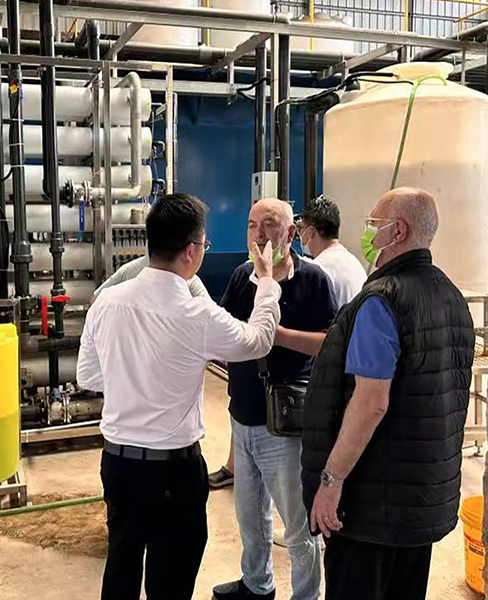
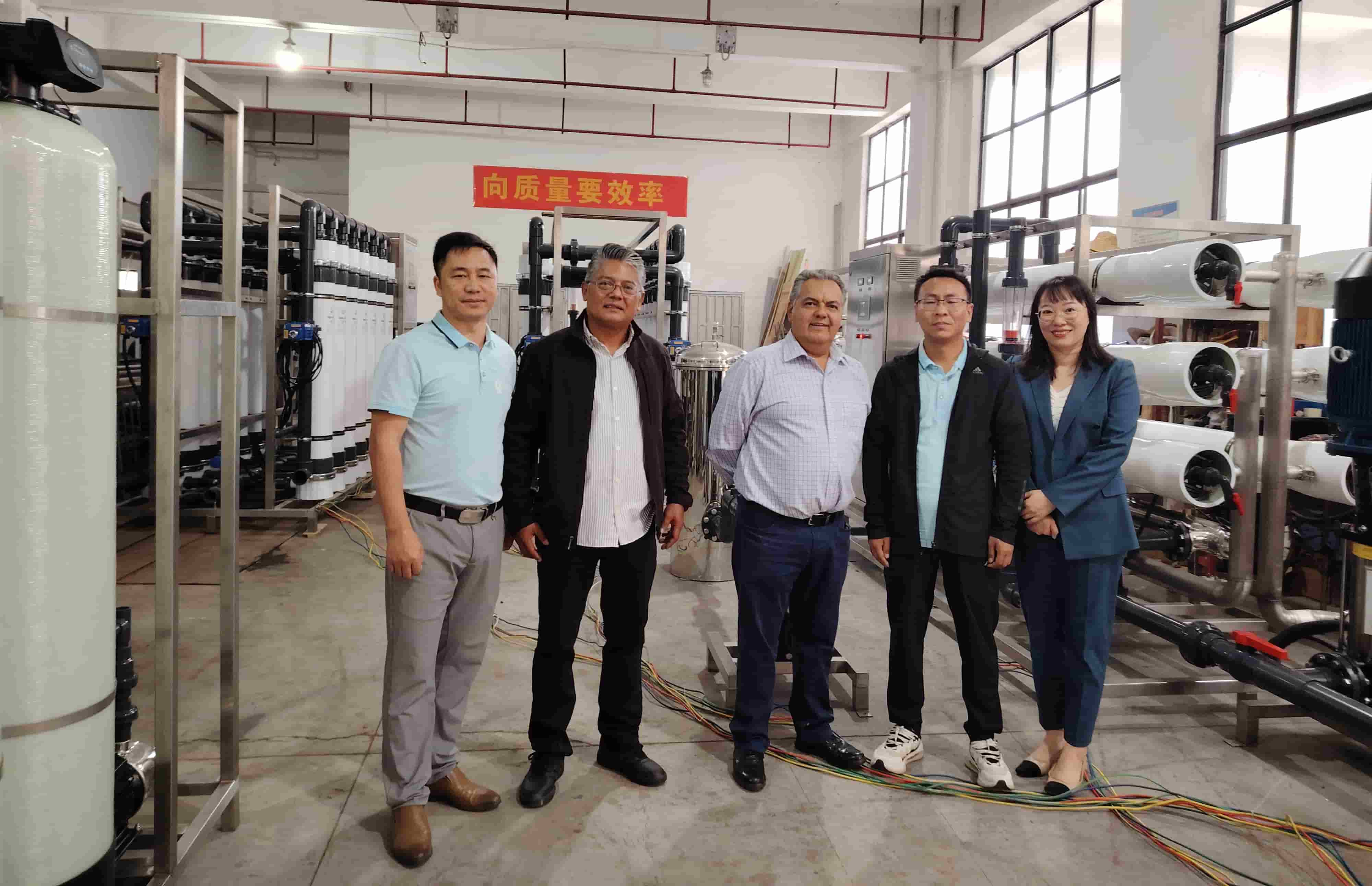
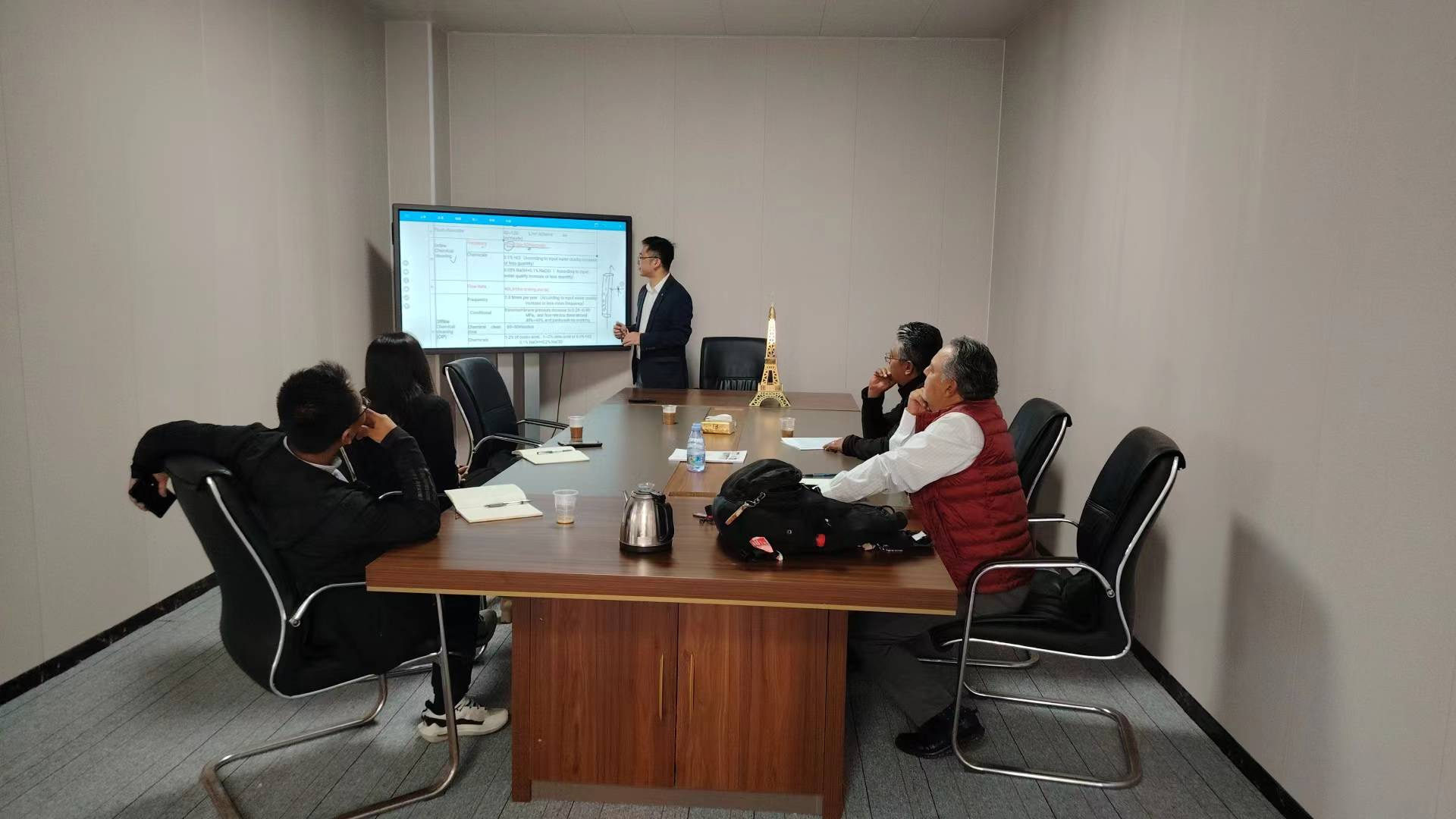
Figure1 : Customer inspecting the UF system manufacturing process at Hinada's factory
About the Project
This project was delivered for ECO-INTELLUTIONS, a Mexican environmental engineering company specializing in drinking water, wastewater, and water reuse projects.
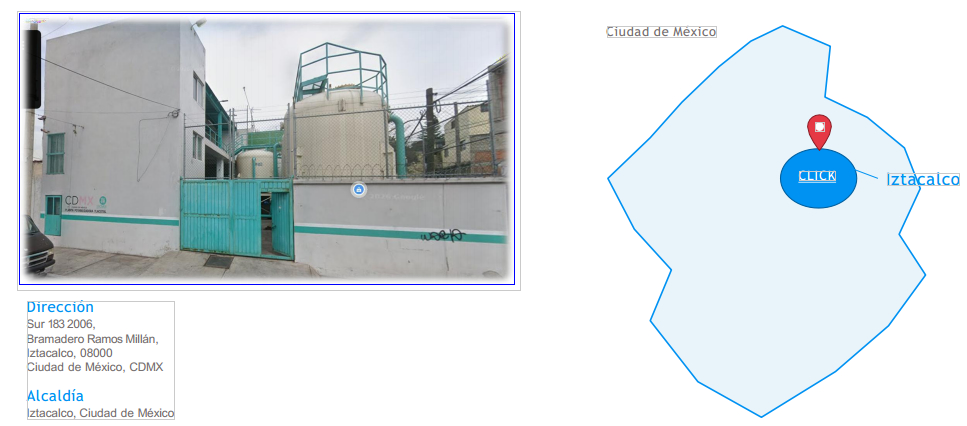
Located in Mexico City, the project treats 56 m³/h (1,126 m³/day) of river water. The treated water is used partly as drinking water and partly as feed water for the downstream RO system.
Why Was a UF System Needed?
The raw water exceeded the drinking water quality limits defined by NOM-127-SSA1-2021. The source water contained elevated levels of arsenic (As), iron (Fe), manganese (Mn), high electrical conductivity, and hydrogen sulfide odor, making conventional treatment alone insufficient for the required water quality.
In addition, the customer needed to:
l Produce stable water quality for drinking water treatment.
l Protect the downstream RO system from membrane fouling.
l Reduce long-term operating and maintenance costs.
l Improve overall treatment reliability.
The Hinada UF Solution
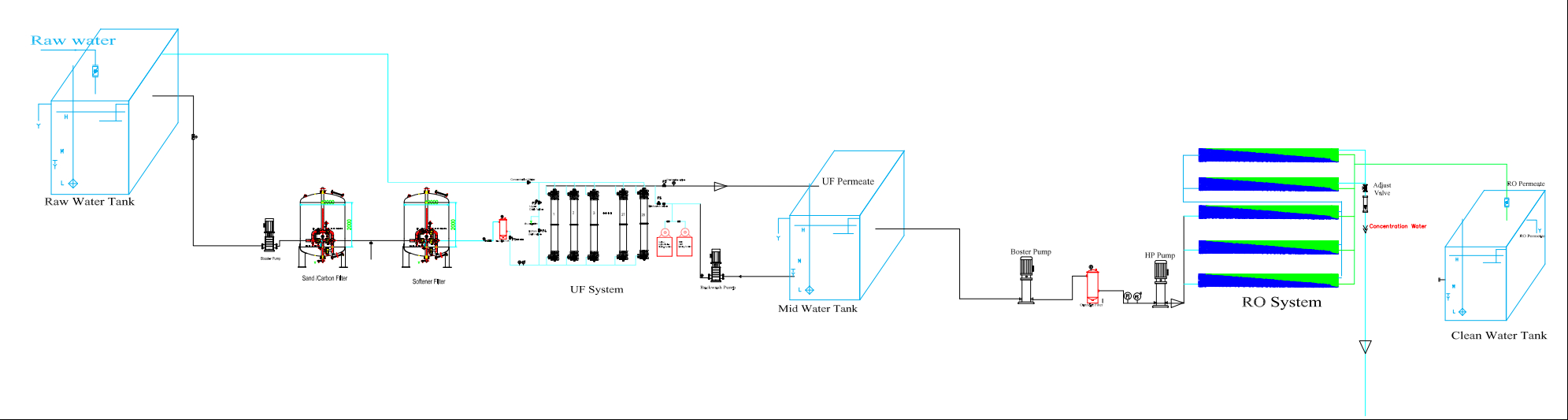
After evaluating the project requirements, Hinada designed a membrane treatment process consisting of:
Sand Filter → Cartridge Filter → UF System → RO System
The UF system acts as the critical barrier between pretreatment and reverse osmosis.
Using PVDF hollow-fiber ultrafiltration membranes, the system removes suspended solids, colloids, bacteria, and fine particles before water reaches the RO membranes, significantly improving feed water quality and reducing membrane fouling.
Why PVDF UF Membranes?
For drinking water projects, membrane reliability is just as important as filtration performance.
Hinada's UF System features:
l High-strength PVDF hollow-fiber membranes
l Fully automatic PLC operation
l Automatic backwashing and chemical cleaning
SDI below 3
l Permeate turbidity below 1 NTU
l Compact skid-mounted design
l Excellent compatibility with upstream ozonation
These features help ensure stable operation while minimizing manual maintenance.
Project Performance
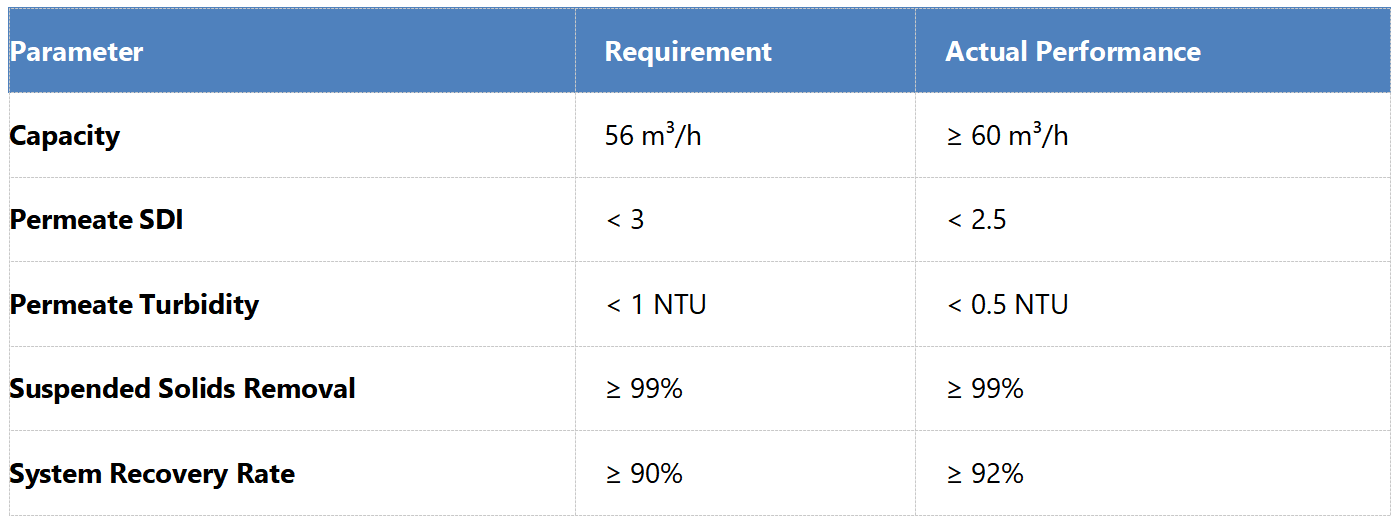
Since commissioning, the UF system has operated above its design targets.
Key operating results include:
The stable permeate quality provides reliable protection for the downstream RO system while ensuring consistent drinking water production.
Customer Value
Beyond technical performance, the project delivered practical operational benefits.
The UF system helps:
l Produce cleaner feed water for drinking water treatment.
l Reduce RO membrane fouling.
l Extend membrane service life.
l Lower operating and maintenance costs.
l Improve compliance with drinking water quality requirements.
l Support sustainable use of local water resources.
Looking for a Drinking Water UF System?
Every water source is different.
Whether your project uses river water, lake water, groundwater, or reservoir water, Hinada can design a customized Ultrafiltration (UF) System to improve water quality and provide reliable pretreatment for downstream processes.
Our engineering team works closely with customers to develop membrane solutions that deliver stable performance, easy operation, and long-term value.