How an MBR Membrane Bioreactor manufacturer Drives Treatment Innovation
How an MBR Membrane Bioreactor manufacturer Drives Treatment Innovation
September 30, 2026
Author
Solution Provider, through a professional technical team, we provide customers with targeted equipment selection recommendations and comprehensive after-sales services, winning the trust and recognition of customers.
Sarah M.
HINADA Water Treatment Tech Co., Ltd., known as HINADA, is a globally recognized MBR membrane bioreactor manufacturer that drives treatment innovation through vertical integration, membrane research, and turnkey delivery. Founded in 2012 in Guangzhou, China, and later expanded to Chenzhou, Hunan Province, HINADA serves clients in over 75 countries across Asia, Africa, Europe, and the Americas. The company focuses on two core technology pillars: hollow fiber ultrafiltration and MBR membranes, and intelligent integrated wastewater treatment equipment. Its product portfolio includes PVDF and PVC hollow fiber UF membranes, submerged MBR membrane modules, containerized MBR systems, packaged wastewater treatment plants, DAF systems, UF systems, and industrial RO systems. These products support key applications such as industrial wastewater treatment and reuse, municipal sewage treatment and water recycling, rural decentralized water supply and sanitation, and drinking water purification from surface water and groundwater. HINADA operates a complete ecosystem from membrane R&D and component manufacturing to equipment fabrication and turnkey solution delivery, offering design, supply, installation support, commissioning, and training. By participating in international water treatment exhibitions, HINADA brings Chinese membrane technology to regions where clean water is most needed. Its more than 13 years of water treatment experience and 10 years of membrane and equipment manufacturing experience enable continuous innovation in fouling control, energy efficiency, digital monitoring, and water reuse. Through its integrated approach, HINADA helps municipalities, industries, and communities achieve reliable, high-quality treatment and sustainable water management.
In an era when water scarcity, tightening discharge regulations, and rapid urbanization collide, the membrane bioreactor has emerged as one of the most consequential technologies in modern wastewater treatment. At the center of this transformation are specialized manufacturers that do more than assemble equipment. They refine membrane materials, engineer submerged modules, integrate biological process control, and deliver turnkey systems that turn polluted water into reusable resources. HINADA Water Treatment Tech Co., Ltd., known globally as HINADA, is one such manufacturer. As a globally recognized manufacturer of wastewater treatment equipment, hollow fiber ultrafiltration membranes, submerged MBR membrane modules, integrated packaged wastewater treatment systems, and DAF systems, HINADA has spent more than a decade turning membrane science into practical, scalable treatment solutions.
Founded in 2012 in Guangzhou, China, HINADA later expanded its manufacturing base to Chenzhou, Hunan Province. Today, the company serves clients in over 75 countries across Asia, Africa, Europe, and the Americas. That reach is not accidental. It reflects a deliberate strategy built on two core technology pillars: hollow fiber ultrafiltration and MBR membranes for precise physical separation of suspended solids, bacteria, colloids, and macromolecular organics, and intelligent integrated wastewater treatment equipment for municipal, industrial, and decentralized applications. By combining membrane research and development, component manufacturing, equipment fabrication, and turnkey solution delivery, HINADA operates a complete ecosystem that few MBR membrane bioreactor manufacturers can match.
This article explores how an MBR membrane bioreactor manufacturer drives treatment innovation. It examines HINADA's origins, its manufacturing philosophy, its product architecture, its global application experience, and the technical and commercial forces that continue to shape the MBR industry. The discussion is written from a third-person perspective and draws on HINADA's publicly stated capabilities, product portfolio, and market focus. The goal is to show how a manufacturer can move beyond component supply to become a true innovation partner in water and wastewater treatment.
From Guangzhou to Chenzhou: Building a Manufacturing Base for Membrane Innovation
HINADA Water Treatment Tech Co., Ltd. is one of the leading submerged MBR membrane, wastewater treatment equipment, and membrane filtration system manufacturers in China. The company specializes as a wastewater treatment solution provider and equipment supplier, with operations that began in Guangzhou in 2012. Guangzhou offered access to a dense industrial ecosystem, a talented engineering labor pool, and proximity to some of China's most dynamic manufacturing supply chains. Those advantages helped HINADA establish itself quickly in a competitive market.
undefined
As demand grew, the company expanded its manufacturing base to Chenzhou, Hunan Province. That expansion was more than a capacity increase. It represented a strategic move to build a dedicated production environment for membrane modules, integrated equipment, and large-scale fabrication. Chenzhou provided room for specialized production lines, testing facilities, and assembly areas for containerized systems. The result is a manufacturing footprint that supports both standardized product lines and customized treatment trains.
HINADA has more than 13 years of experience in the water treatment industry and 10 years of experience in water treatment membrane and equipment manufacturing. That timeline matters because membrane bioreactor technology is not static. Membrane chemistry, module design, aeration strategy, backwash protocols, and biological process control all evolve. A manufacturer with a long history can accumulate process knowledge, failure analysis data, and field performance records that inform each new generation of products. HINADA's longevity has allowed it to move from early adoption to genuine innovation in submerged MBR modules and integrated treatment systems.
Two Core Technology Pillars: UF/MBR Membranes and Intelligent Integrated Equipment
From day one, HINADA focused on two core technology pillars. The first is hollow fiber ultrafiltration and MBR membranes, which provide precise physical separation of suspended solids, bacteria, colloids, and macromolecular organics. The second is intelligent integrated wastewater treatment equipment, which delivers ready-to-install solutions for municipal, industrial, and decentralized applications. These pillars are complementary. Membranes determine the separation performance, fouling resistance, and hydraulic efficiency of a system. Integrated equipment determines how reliably, compactly, and economically those membranes can be deployed in the field.
The first pillar includes PVDF and PVC hollow fiber UF membranes. PVDF, or polyvinylidene fluoride, is widely favored for its chemical resistance, mechanical strength, and oxidative stability. PVC, or polyvinyl chloride, offers a cost-effective alternative with good flexibility and durability for certain water treatment duties. HINADA manufactures both types, allowing engineers to match membrane material to water chemistry, cleaning regimes, and budget constraints. These membranes are used in standalone ultrafiltration systems, as pretreatment for reverse osmosis, and as the separation core of submerged MBR membrane modules.
The second pillar includes MBR membrane modules, containerized MBR systems, packaged wastewater treatment plants, dissolved air flotation systems, ultrafiltration systems, and industrial reverse osmosis systems. Together, these products cover a broad treatment train: primary separation, biological treatment, membrane filtration, advanced oxidation or disinfection where needed, and desalination or reuse polishing. By controlling both membrane manufacturing and equipment fabrication, HINADA can optimize the interface between components. That interface is often where lesser systems fail, with mismatched aeration, poor module hydraulics, or incompatible cleaning chemicals.
The Anatomy of a Submerged MBR Membrane Module
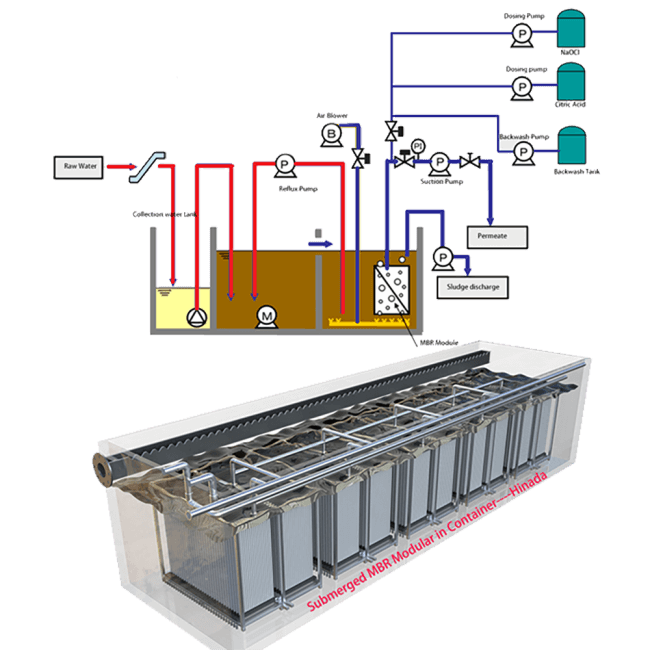
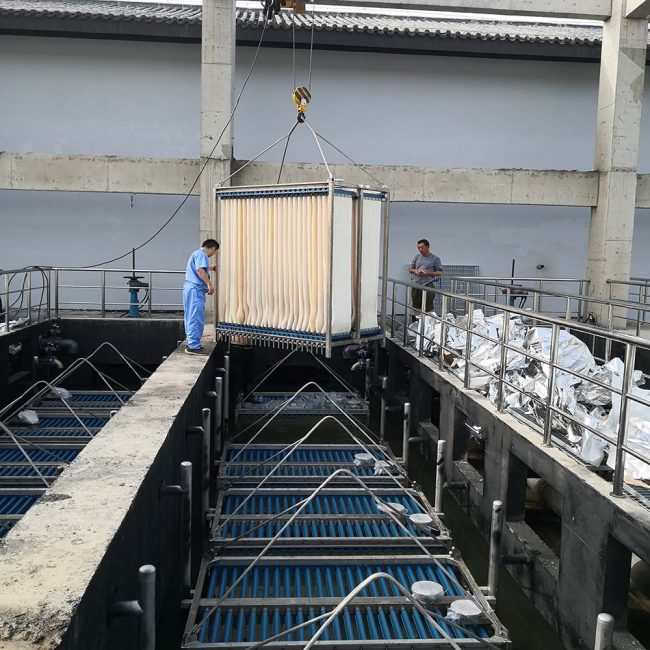
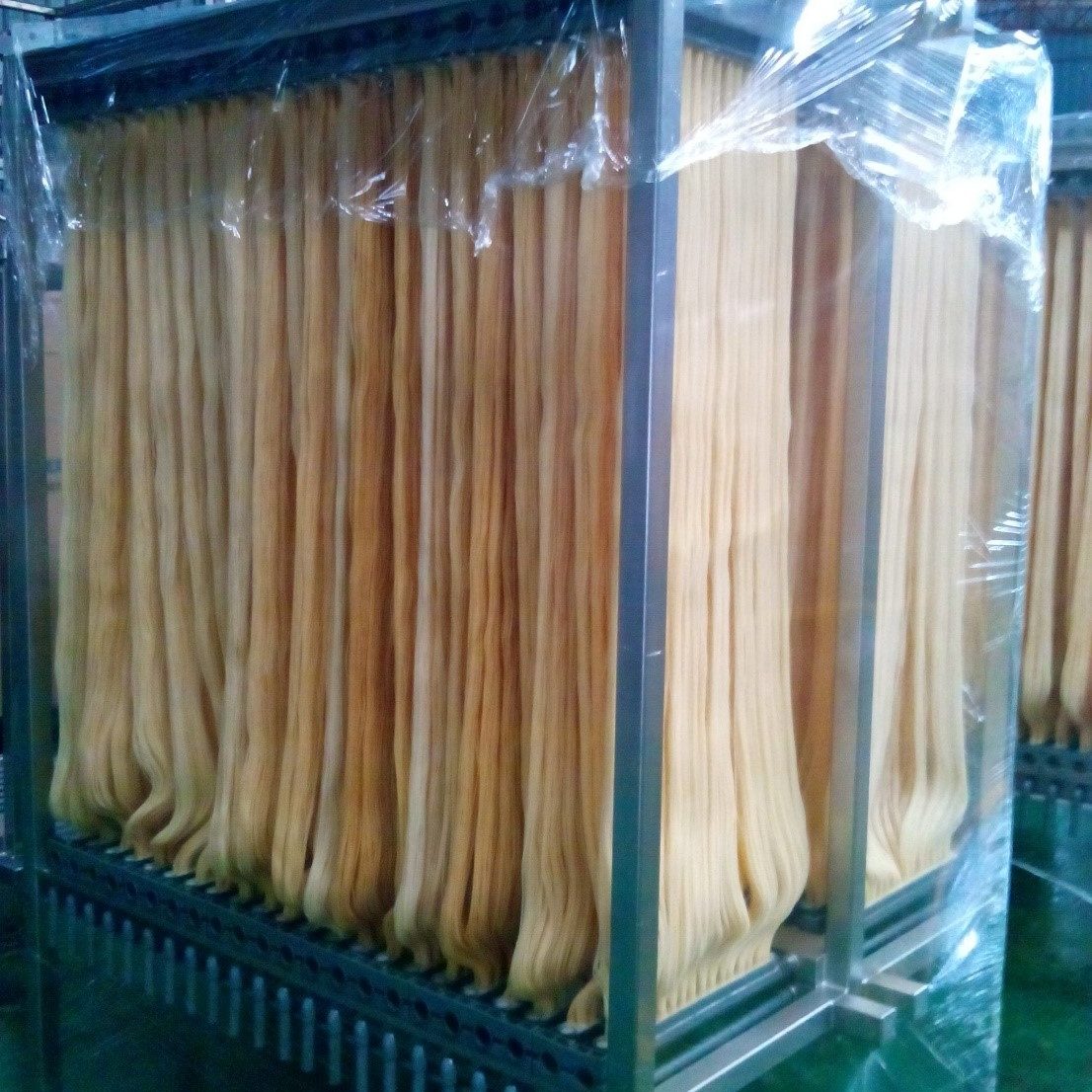
A submerged MBR membrane module is a carefully engineered assembly. It typically consists of hollow fiber membranes, potting resin, a support frame, aeration headers, permeate collection tubes, and connections for backwash and chemical cleaning. The module is immersed directly in the biological tank, where mixed liquor flows around the fibers. Suction applied to the permeate side draws treated water through the membrane pores, while suspended solids, bacteria, and colloids are retained in the tank.
HINADA's submerged MBR membrane modules are designed for high packing density and efficient air scouring. Air bubbles rise along the fibers to create turbulence, which scours the membrane surface and reduces fouling. The module geometry, fiber diameter, pore size, and potting method all influence performance. A well-designed module maintains stable permeability, resists fiber breakage, and allows effective chemical cleaning when necessary. HINADA's manufacturing experience in hollow fiber membranes gives it direct control over these variables.
Fiber strength is a critical factor. Hollow fibers must withstand aeration-induced movement, backwashing, and occasional chemical exposure. They must also tolerate the abrasive nature of mixed liquor. PVDF fibers are often chosen for demanding municipal and industrial applications because they resist degradation and maintain mechanical integrity over long service intervals. PVC fibers can be appropriate for less aggressive conditions or where capital cost is a primary concern. By offering both, HINADA allows project designers to make informed trade-offs between performance, longevity, and cost.
Conventional activated sludge systems rely on gravity settling to separate biomass from treated water. That separation step limits biomass concentration, requires large clarifiers, and is sensitive to sludge bulking. MBR systems replace gravity settling with membrane filtration. The membrane acts as a physical barrier, retaining essentially all suspended solids and bacteria. This allows much higher mixed liquor suspended solids concentrations, smaller tank volumes, and a significantly smaller footprint.
The benefits are substantial. MBR systems produce high-quality effluent that is low in turbidity, suspended solids, and pathogens. The effluent is often suitable for direct reuse in irrigation, toilet flushing, industrial cooling, or process water applications, depending on the treatment train. Because the membrane retains biomass, the biological process can be operated with longer solids retention times, which improves the degradation of complex organics and enhances nitrification. The result is a robust treatment process that can handle variable influent and meet stringent discharge standards.
However, MBR technology also presents challenges. Membrane fouling increases energy and chemical consumption. Aeration for membrane scouring is energy-intensive. Module replacement and cleaning add operating costs. These challenges are precisely where an experienced MBR membrane bioreactor manufacturer can drive innovation. HINADA addresses fouling through module design, aeration optimization, and membrane material selection. It addresses energy use through intelligent control and integrated equipment design. It addresses cost through manufacturing scale and a complete ecosystem that avoids unnecessary intermediaries.
Hollow Fiber Ultrafiltration: The Precision Engine Behind MBR Performance
Hollow fiber ultrafiltration is the precision engine behind many MBR systems. UF membranes typically have pore sizes in the range of 0.01 to 0.1 microns. That is small enough to reject bacteria, most viruses, colloids, and macromolecular organics, but large enough to allow water and dissolved ions to pass. In an MBR, the UF membrane replaces the secondary clarifier. In a drinking water plant, it can replace conventional media filtration and provide a barrier against pathogens. In industrial reuse, it can protect reverse osmosis membranes from fouling.
HINADA manufactures PVDF and PVC hollow fiber UF membranes for a range of applications. The membranes are produced with controlled pore structure, narrow pore size distribution, and high mechanical strength. Manufacturing consistency is critical because even small variations in fiber properties can affect module performance. HINADA's membrane R&D and component manufacturing capabilities allow it to tune fiber properties for different duties, such as high-solids mixed liquor, oily wastewater, or surface water with seasonal algal blooms.
UF membranes can be configured in inside-out or outside-in flow patterns. Submerged MBR modules typically use outside-in flow, where water is drawn from the outside of the fiber to the inside. This configuration is more tolerant of high suspended solids because the mixed liquor flows around the fibers rather than being forced through a narrow channel. Pressurized UF systems often use inside-out flow, where water is pumped into the fiber lumen. HINADA supplies both submerged and pressurized configurations, giving engineers flexibility in system design.
PVDF and PVC Membranes: Material Science for Durability and Flux
Material selection is one of the most important decisions in membrane bioreactor design. PVDF membranes are known for their excellent chemical resistance, mechanical strength, and thermal stability. They can tolerate aggressive cleaning chemicals, such as sodium hypochlorite and citric acid, which are commonly used to remove organic and inorganic fouling. PVDF also resists oxidation, which extends membrane life in systems that require frequent cleaning. For municipal and industrial MBR applications with demanding conditions, PVDF is often the preferred choice.
PVC membranes offer a different balance. They are generally more economical than PVDF, with good flexibility and adequate chemical resistance for many water treatment applications. PVC hollow fiber membranes can be suitable for decentralized systems, temporary treatment plants, and industrial applications where the feed water is less aggressive. HINADA manufactures both PVDF and PVC membranes, allowing customers to select the material that best fits their performance requirements and budget. This dual-material capability is a significant advantage for a global manufacturer serving diverse markets.
Beyond base polymer, membrane performance depends on additives, surface modification, and manufacturing process. Hydrophilic modification can improve wettability and reduce fouling. Controlled stretching and phase inversion can tune pore size and porosity. HINADA's manufacturing experience in hollow fiber membranes enables it to apply these techniques consistently. The company's 10 years of membrane and equipment manufacturing experience provide a foundation for continuous improvement, with each generation of membranes benefiting from field data and laboratory testing.
Not every community or industrial site can build a large central treatment plant. Decentralized treatment is often more practical for rural villages, remote industrial sites, resorts, military bases, and temporary construction camps. Integrated packaged wastewater treatment systems are designed for these applications. They combine biological treatment, membrane filtration, disinfection, and control systems into a compact, factory-built unit that can be delivered and installed quickly.
HINADA supplies integrated packaged wastewater treatment systems that incorporate submerged MBR membrane modules. These systems are pre-engineered, pre-assembled, and tested before shipment. They require a smaller footprint than conventional plants and can be installed above or below ground. Because they are factory-built, quality control is more consistent, and on-site construction time is reduced. For clients in remote areas, this can mean the difference between a project that is completed and one that is delayed by site conditions, labor shortages, or weather.
Packaged systems are also scalable. Multiple units can be combined to handle larger flows, or a single unit can be modularly expanded. HINADA's integrated equipment pillar supports this scalability. The company designs systems for municipal sewage treatment, industrial wastewater, and decentralized water supply and sanitation. By integrating membranes, biological tanks, blowers, pumps, and controls, HINADA delivers a complete solution rather than a collection of components.
Containerized MBR Systems: Rapid Deployment for Municipal and Industrial Needs
Containerized MBR systems take integration one step further. The entire treatment train is mounted inside a standard shipping container or a custom enclosure. This approach offers rapid deployment, easy transportation, and protection from harsh weather. Containerized systems are ideal for emergency response, temporary treatment, and projects where civil construction is difficult or expensive. They can be shipped by road, rail, or sea and commissioned quickly on site.
HINADA's containerized MBR systems are designed for municipal and industrial applications. They typically include equalization, biological treatment, submerged MBR membrane modules, aeration blowers, permeate pumps, chemical cleaning systems, and PLC-based controls. The container is insulated, ventilated, and equipped with lighting and access doors for maintenance. Because the system is factory-built, it can be tested under controlled conditions before delivery. This reduces commissioning time and improves reliability.
For industrial clients, containerized MBR systems offer a way to treat wastewater at the point of generation. This can reduce sewer discharge fees, enable water reuse, and provide process water independence. For municipalities, they offer a fast solution for expanding capacity or replacing aging plants. HINADA's global reach means these systems are delivered to clients in Asia, Africa, Europe, and the Americas, often to regions where clean water and sanitation are most needed.
Dissolved Air Flotation Systems: Complementary Pretreatment and Primary Treatment
Dissolved air flotation, or DAF, is a proven technology for removing suspended solids, oils, greases, and fats from water and wastewater. In a DAF system, air is dissolved in water under pressure and then released as microscopic bubbles. These bubbles attach to particles and lift them to the surface, where they are removed by a skimming mechanism. DAF is often used as pretreatment ahead of MBR systems, especially for industrial wastewater containing high levels of oils and grease.
HINADA manufactures DAF systems as part of its wastewater treatment equipment portfolio. By combining DAF with MBR, HINADA can offer a treatment train that handles difficult industrial streams. DAF removes the bulk of floatable contaminants, reducing the load on the biological process and the membrane. This can extend membrane life, reduce cleaning frequency, and improve overall system stability. DAF is also used in drinking water treatment for algae and color removal, and in industrial processes for product recovery.
The integration of DAF and MBR reflects HINADA's systems approach. Rather than selling isolated products, the company designs treatment trains that combine primary, secondary, and tertiary processes. This is particularly important for industrial wastewater treatment and reuse, where feed water quality can vary widely and discharge standards are often strict. A well-designed pretreatment stage can make the difference between a successful MBR project and a problematic one.
Industrial Reverse Osmosis Systems and Water Reuse
Reverse osmosis is a pressure-driven membrane process that removes dissolved salts, organic molecules, and other contaminants. It is widely used in industrial water treatment for boiler feed water, process water, and wastewater reuse. RO systems are often paired with ultrafiltration or MBR as pretreatment. The UF or MBR removes suspended solids and colloids, protecting the RO membranes from fouling and extending their life.
HINADA supplies industrial reverse osmosis systems as part of its complete water treatment portfolio. These systems can be integrated with MBR, UF, and DAF to create a reuse train that turns wastewater into high-purity water. For industries facing water scarcity or strict discharge limits, this capability is increasingly valuable. It allows factories to reduce freshwater intake, lower wastewater discharge, and recover valuable resources. HINADA's ability to supply both membrane filtration and RO systems means it can optimize the entire treatment chain.
The combination of MBR and RO is particularly powerful for water reuse. MBR produces high-quality effluent that can be fed directly to RO, depending on the water chemistry. RO then removes dissolved solids, producing permeate that can be reused in cooling towers, boilers, or process lines. The concentrate from RO must be managed, but the overall system can achieve high water recovery. HINADA's experience in membrane manufacturing and integrated equipment helps ensure that each stage is properly matched.
A Complete Ecosystem: From R&D to Turnkey Delivery
HINADA operates a complete ecosystem from membrane R&D and component manufacturing to equipment fabrication and turnkey solution delivery. This vertical integration is a key source of competitive advantage. When a manufacturer controls membrane production, it can diagnose performance issues at the fiber level. When it controls equipment fabrication, it can ensure that modules are properly mounted, aerated, and controlled. When it offers turnkey delivery, it can take responsibility for the entire project, from design to commissioning.
The ecosystem begins with research and development. HINADA's membrane R&D focuses on improving permeability, fouling resistance, mechanical strength, and chemical compatibility. It also focuses on module design, including aeration efficiency, packing density, and ease of maintenance. The next stage is component manufacturing, where hollow fiber membranes are produced and assembled into modules. The third stage is equipment fabrication, where modules are integrated into packaged plants, containerized systems, and larger treatment trains. The final stage is turnkey solution delivery, which includes design, supply, installation support, commissioning, and training.
This ecosystem reduces risk for clients. Instead of coordinating multiple suppliers for membranes, tanks, blowers, controls, and commissioning, clients can work with a single manufacturer. That simplifies project management, improves accountability, and often reduces cost. HINADA's global experience across 75 countries means it has seen a wide range of water conditions, regulations, and operational practices. That experience is fed back into product development, creating a continuous improvement loop.
Design, Supply, Installation Support, Commissioning, and Training
HINADA provides a truly integrated solution to water and wastewater projects, from designation, supplying, installation support, and commissioning to training. The word designation here refers to design and engineering. HINADA's engineers work with clients to understand influent characteristics, effluent requirements, site constraints, and budget. They then design a treatment train that meets those requirements. This may include DAF, MBR, UF, and RO, depending on the application.
Supply covers the manufacture and delivery of equipment. Because HINADA controls its own production, it can manage quality and lead times. Installation support ensures that equipment is properly installed and connected. This is especially important for membrane systems, where piping, aeration, and electrical connections must be precise. Commissioning brings the system to life. HINADA's technicians test each component, adjust operating parameters, and verify performance. Training ensures that local operators can run and maintain the system effectively.
Training is often overlooked but is critical for long-term success. A well-designed MBR system can underperform if operators do not understand fouling control, cleaning procedures, or biological process management. HINADA's training programs cover membrane care, backwashing, chemical cleaning, aeration control, and troubleshooting. By empowering local operators, HINADA helps ensure that its systems continue to perform years after installation.
Global Reach: Serving Clients in Over 75 Countries
HINADA serves clients in over 75 countries across Asia, Africa, Europe, and the Americas. This global footprint is a testament to the company's product quality, technical support, and competitive pricing. It also reflects the universal need for clean water and effective wastewater treatment. From rapidly growing cities in Asia to water-scarce regions in Africa, from stringent European discharge standards to diverse industrial requirements in the Americas, HINADA has adapted its solutions to local conditions.
International projects bring unique challenges. Shipping, customs, language, and local regulations all vary. HINADA has developed export capabilities and partner networks to manage these challenges. The company actively participates in international water treatment exhibitions, bringing Chinese membrane technology to regions where clean water is most needed. These exhibitions are not just marketing events. They are opportunities to learn from global clients, share technical knowledge, and build relationships with local partners.
HINADA's key application fields include industrial wastewater treatment and reuse, municipal sewage treatment and water recycling, rural decentralized water supply and sanitation, and drinking water purification from surface water and groundwater. Each field has distinct requirements. Industrial wastewater may contain heavy metals, oils, or recalcitrant organics. Municipal sewage requires reliable biological treatment and disinfection. Rural decentralized systems need to be robust, simple, and low maintenance. Drinking water purification must meet strict health standards. HINADA's broad product portfolio allows it to address all these needs.
Application Field 1: Industrial Wastewater Treatment and Reuse
Industrial wastewater treatment is one of the most demanding applications for MBR technology. Industries such as food and beverage, textile, pharmaceutical, chemical, and electronics generate wastewater with high organic loads, variable pH, toxic compounds, and high salinity. Conventional biological treatment may struggle with these conditions. MBR systems offer a more robust solution because they retain biomass and can operate at high mixed liquor concentrations. This improves the degradation of complex organics and provides a physical barrier against suspended solids.
HINADA's industrial wastewater treatment solutions often combine DAF, MBR, and RO. DAF removes oils, grease, and suspended solids. MBR removes biodegradable organics and nutrients. RO removes dissolved salts and residual contaminants, producing water suitable for reuse. This train can help industries meet discharge limits, reduce water intake, and recover valuable materials. For example, in the textile industry, MBR and RO can produce water for dyeing processes. In the food industry, they can produce water for cleaning and cooling.
Water reuse is a growing priority for industrial clients. Freshwater is increasingly expensive and regulated. Discharge fees are rising. Companies are looking for ways to close the water loop. HINADA's integrated solutions support this goal. By treating wastewater to a high standard, industries can reuse it internally, reducing their environmental footprint and operating costs. HINADA's experience in over 75 countries includes many industrial reuse projects, each tailored to the specific contaminants and reuse requirements of the client.
Application Field 2: Municipal Sewage Treatment and Water Recycling
Municipal sewage treatment is a core market for HINADA. As cities grow, existing treatment plants often become overloaded. Expanding a conventional plant requires land, which is scarce in urban areas. MBR technology offers a compact alternative. Because MBR replaces secondary clarifiers with membrane filtration, the footprint can be significantly smaller. This makes MBR ideal for upgrading existing plants or building new plants in dense urban areas.
HINADA supplies submerged MBR membrane modules and integrated MBR systems for municipal applications. These systems produce high-quality effluent that can be discharged safely or reused for irrigation, toilet flushing, and industrial purposes. Nutrient removal can be achieved through process design, including anaerobic, anoxic, and aerobic zones. The membrane retains slow-growing nitrifying bacteria, improving nitrogen removal. Phosphorus removal can be achieved through chemical precipitation or biological processes.
Water recycling is increasingly important for municipalities facing water scarcity. MBR effluent can be further treated with RO or advanced oxidation to produce high-grade recycled water. This water can be used to recharge aquifers, irrigate parks, or supply industrial parks. HINADA's ability to integrate MBR with UF and RO systems allows municipalities to implement advanced water recycling schemes. The company's global experience helps it navigate local regulations and community expectations.
Application Field 3: Rural Decentralized Water Supply and Sanitation
Rural and decentralized communities often lack access to centralized sewage treatment. Building extensive sewer networks is expensive and impractical in sparsely populated areas. Decentralized treatment is a better solution. HINADA's integrated packaged wastewater treatment systems and containerized MBR systems are designed for these applications. They can be installed in villages, schools, clinics, resorts, and remote industrial camps.
Decentralized systems must be robust and simple to operate. HINADA's packaged plants use submerged MBR membrane modules, which provide high treatment efficiency in a small footprint. The systems can be buried underground, reducing visual impact and land use. They can be monitored remotely, allowing a central operator to manage multiple sites. This is especially valuable in rural areas where skilled labor may be limited. HINADA provides training and support to ensure local operators can maintain the systems.
Sanitation is a critical public health issue. Untreated sewage contaminates groundwater, rivers, and soil, causing disease and environmental damage. Decentralized MBR systems can help break the cycle of contamination. They produce effluent that is safe for discharge or reuse. In water-scarce rural areas, the effluent can be used for irrigation, reducing demand on freshwater sources. HINADA's work in this field supports global goals for clean water and sanitation, bringing practical solutions to communities in need.
Application Field 4: Drinking Water Purification from Surface and Groundwater
Drinking water purification is another key application for HINADA's membrane technologies. Surface water sources such as rivers, lakes, and reservoirs often contain suspended solids, bacteria, viruses, algae, and natural organic matter. Groundwater may contain iron, manganese, hardness, or salinity. Ultrafiltration membranes are highly effective at removing suspended solids, bacteria, and viruses. They can be used as standalone treatment or as pretreatment for reverse osmosis.
HINADA's PVDF and PVC hollow fiber UF membranes are suitable for drinking water applications. They provide a physical barrier against pathogens, reducing the risk of waterborne disease. The membranes can be operated in dead-end or crossflow mode, depending on the water quality. Backwashing and chemical cleaning maintain performance. For surface water with high algae content, DAF can be used as pretreatment to remove algae and reduce membrane fouling.
Drinking water projects require rigorous quality control and regulatory compliance. HINADA's manufacturing experience and quality management systems help meet these requirements. The company supplies UF systems and integrated treatment plants for drinking water purification. These systems can be containerized for rapid deployment in emergency situations or remote communities. By combining membrane filtration with disinfection, HINADA helps ensure that drinking water is safe and reliable.
Driving Innovation Through International Water Treatment Exhibitions
HINADA actively participates in international water treatment exhibitions. These events are important for several reasons. First, they provide a platform to showcase HINADA's latest membrane and equipment innovations. Second, they allow the company to learn about regional challenges and regulatory trends. Third, they facilitate partnerships with local distributors, engineering firms, and contractors. By engaging with the global water community, HINADA stays at the forefront of treatment innovation.
Exhibitions also help HINADA bring Chinese membrane technology to regions where clean water is most needed. Many developing countries lack access to advanced treatment technologies. HINADA's presence at international events helps bridge that gap. The company can demonstrate its submerged MBR modules, containerized systems, and DAF units to potential clients. It can also provide technical seminars and training sessions. This educational component is valuable because membrane technology requires proper design and operation to succeed.
Through exhibitions, HINADA builds trust and credibility. Clients can see the products, meet the engineers, and discuss their specific needs. This personal interaction is especially important for large projects. HINADA's global reach is built on these relationships. The company's ability to serve clients in over 75 countries is a direct result of its international engagement and its commitment to customer support.
Membrane R&D: The Heart of HINADA's Innovation Strategy
Membrane research and development is the heart of HINADA's innovation strategy. The company invests in developing new membrane materials, improving pore structure, and enhancing fouling resistance. R&D also focuses on module design. A module that is easy to install, clean, and maintain can significantly reduce operating costs. HINADA's engineers work on aeration optimization, permeate collection, and potting methods to improve module performance.
One area of ongoing research is fouling control. Membrane fouling is caused by the accumulation of organic and inorganic matter on the membrane surface or within pores. It increases resistance to flow, raises energy consumption, and requires chemical cleaning. HINADA addresses fouling through several approaches. First, membrane surface modification can make the membrane more hydrophilic, reducing the adhesion of foulants. Second, module design can improve air scouring and reduce dead zones. Third, operating protocols such as backwashing, relaxation, and chemical cleaning can be optimized.
Another area is energy efficiency. MBR aeration is a major energy consumer. HINADA designs modules and systems to minimize air demand while maintaining sufficient scouring. Intelligent control systems can adjust aeration based on flow and fouling conditions. This reduces energy costs and extends membrane life. HINADA's integrated equipment pillar includes PLC-based controls that can monitor transmembrane pressure, flow, and other parameters. These controls help operators optimize performance.
Equipment Fabrication: Precision Manufacturing for Reliability
Equipment fabrication is the bridge between membrane manufacturing and field performance. HINADA's manufacturing base in Chenzhou includes facilities for fabricating tanks, frames, piping, and control panels. Precision fabrication ensures that modules fit properly, piping aligns, and electrical systems are safe. It also ensures that packaged and containerized systems are built to consistent standards.
HINADA's equipment fabrication covers a wide range of products. Submerged MBR membrane modules are assembled in clean environments to prevent contamination. Containerized MBR systems are built inside shipping containers or custom enclosures, with insulation, ventilation, and lighting. Packaged wastewater treatment plants are assembled on skids for easy transport. DAF systems are fabricated with corrosion-resistant materials. UF and RO systems are assembled with high-pressure pumps, membranes, and controls.
Quality control is integrated into every stage of fabrication. HINADA tests membrane modules for integrity, permeability, and pressure hold. It tests equipment for leaks, electrical safety, and control functionality. Factory acceptance testing allows clients to verify performance before shipment. This reduces the risk of on-site problems and shortens commissioning time. HINADA's 10 years of membrane and equipment manufacturing experience have refined these processes.
Quality Control and Testing Protocols
Quality control is essential for membrane bioreactor manufacturers. A defective membrane module can lead to poor effluent quality, high maintenance costs, and customer dissatisfaction. HINADA implements rigorous testing protocols. Hollow fiber membranes are tested for tensile strength, pore size, and chemical resistance. Modules are tested for integrity using air pressure or vacuum decay methods. Leaks are detected and repaired before shipment.
Integrated systems are tested as complete units. Pumps, blowers, valves, and controls are operated to verify functionality. Instrumentation is calibrated. Safety systems are checked. For containerized systems, testing may include simulated operation with clean water. This ensures that the system will perform as expected when installed. HINADA's testing protocols are based on international standards and field experience.
Documentation is also part of quality control. HINADA provides operation and maintenance manuals, as-built drawings, and test reports. This documentation helps clients understand their systems and maintain them properly. Training programs complement the documentation, ensuring that operators have the knowledge they need. Quality control does not end at the factory door. HINADA provides installation support and commissioning to ensure that quality is maintained through startup.
Sustainable Treatment: Energy Efficiency and Chemical Reduction
Sustainability is a growing priority in water treatment. MBR systems can be energy-intensive, primarily due to aeration for membrane scouring and biological treatment. HINADA works to reduce energy consumption through efficient module design, optimized aeration, and intelligent controls. Variable frequency drives on blowers and pumps can match output to demand. Dissolved oxygen sensors can control biological aeration. Transmembrane pressure monitoring can optimize backwash frequency.
Chemical reduction is another sustainability goal. Membrane cleaning typically uses sodium hypochlorite and citric acid. HINADA designs membranes to tolerate these chemicals but also to minimize the frequency of cleaning. Improved fouling resistance means longer intervals between cleanings. Enhanced backwashing efficiency means less chemical use. In some systems, maintenance cleaning can be replaced by more frequent backwashing, reducing chemical consumption.
Water reuse is the ultimate sustainability benefit. By producing high-quality effluent, MBR systems enable communities and industries to reuse water. This reduces freshwater withdrawals and wastewater discharges. HINADA's integrated solutions support water reuse in irrigation, industry, and urban applications. The company's global experience includes projects where MBR effluent is reused for cooling, toilet flushing, and process water. These projects demonstrate the environmental and economic value of membrane bioreactor technology.
Digital Monitoring and Intelligent Control in MBR Systems
Digital monitoring and intelligent control are transforming MBR operations. Modern MBR systems are equipped with sensors for pressure, flow, temperature, pH, dissolved oxygen, and turbidity. These sensors provide real-time data that can be used to optimize performance. HINADA's integrated equipment includes PLC-based control panels that can automate backwashing, aeration, and chemical cleaning. Remote monitoring allows operators to track performance from anywhere.
Intelligent control can improve energy efficiency and reduce fouling. For example, aeration can be adjusted based on permeate flow and transmembrane pressure. If fouling is detected, the system can initiate backwashing or relaxation. If cleaning is required, the system can alert operators. Data logging helps identify trends and predict maintenance needs. This proactive approach reduces downtime and extends equipment life.
HINADA's control systems are designed for ease of use. Touchscreen interfaces provide clear status information. Alarms and alerts notify operators of abnormal conditions. The systems can be integrated with SCADA or cloud platforms for centralized management. For decentralized systems, remote monitoring is especially valuable because it allows a small team to manage multiple sites. HINADA's intelligent integrated equipment pillar is a key enabler of this capability.
Overcoming Common MBR Challenges: Fouling, Cost, and Scalability
Membrane fouling is the most common challenge in MBR systems. It is caused by the accumulation of biomass, extracellular polymeric substances, and inorganic precipitates on the membrane surface. Fouling increases transmembrane pressure, reduces permeability, and raises energy and chemical costs. HINADA addresses fouling through a combination of membrane material selection, module design, and operating strategy. PVDF membranes offer good fouling resistance. Air scouring keeps the membrane surface clean. Backwashing and chemical cleaning remove residual foulants.
Cost is another challenge. MBR systems have higher capital and operating costs than conventional treatment. However, these costs must be weighed against benefits such as smaller footprint, higher effluent quality, and water reuse potential. HINADA's manufacturing scale and vertical integration help reduce costs. By producing membranes and equipment in-house, the company avoids markups from multiple suppliers. Its global sourcing and production efficiency further improve cost competitiveness.
Scalability is a third challenge. MBR systems must be able to handle flows ranging from a few cubic meters per day to thousands of cubic meters per day. HINADA's modular approach addresses this. Submerged MBR membrane modules can be combined in cassettes and trains. Packaged systems can be duplicated or expanded. Containerized systems can be linked together. This modularity allows HINADA to serve small rural communities and large municipal plants with the same core technology.
Case Study: Industrial Park Wastewater Reuse with Submerged MBR
An industrial park in Asia needed to treat mixed wastewater from textile, food, and electronics factories. The wastewater contained high organic load, color, and variable pH. The park wanted to reuse treated water for cooling and landscaping. HINADA designed a treatment train that included DAF for pretreatment, submerged MBR for biological treatment and filtration, and RO for dissolved salt removal. The DAF removed oils and suspended solids. The MBR removed biodegradable organics and pathogens. The RO produced high-quality reuse water.
The MBR system used PVDF hollow fiber membranes for chemical resistance and mechanical strength. The modules were installed in an aerobic tank with fine-bubble aeration. Transmembrane pressure and flow were monitored by a PLC-based control system. Backwashing was automated based on pressure setpoints. Chemical cleaning was performed every few months. The system produced effluent with low turbidity and stable quality, suitable for RO feed.
The RO permeate was reused for cooling tower makeup and landscape irrigation. The project reduced the park's freshwater intake by more than 40 percent and cut wastewater discharge fees significantly. The MBR and RO system required a small footprint, which was important because land in the industrial park was limited. HINADA provided design, equipment supply, installation support, commissioning, and operator training. The system has operated reliably since startup.
Case Study: Municipal Sewage Treatment Plant Upgrade
A municipality in Africa needed to upgrade an aging sewage treatment plant to meet stricter discharge standards and handle increasing flows. The existing plant used conventional activated sludge with clarifiers. It was overloaded and produced inconsistent effluent. Land for expansion was not available. The municipality selected HINADA's submerged MBR membrane modules to retrofit the existing tanks.
The retrofit involved converting the aeration tanks into MBR tanks by installing submerged membrane modules. The clarifiers were taken out of service, freeing up space. The new MBR system operated at higher mixed liquor suspended solids, increasing treatment capacity within the same tank volume. The membrane filtration provided a physical barrier against bacteria and suspended solids, producing high-quality effluent. Nutrient removal was improved by adjusting the biological process and adding anoxic zones.
The upgraded plant now produces effluent that meets stringent standards. Some of the effluent is reused for irrigation of public parks. The MBR system is automated and monitored remotely. HINADA provided training to the plant operators, covering membrane cleaning, aeration control, and troubleshooting. The retrofit was completed without major civil construction, saving time and cost. The project demonstrates how MBR technology can extend the life of existing infrastructure.
Case Study: Rural Decentralized Sanitation in Remote Communities
A remote rural region in Asia lacked centralized sewage treatment. Villages discharged untreated wastewater into rivers and streams, causing pollution and health problems. The regional government sought a decentralized solution that was affordable, robust, and easy to maintain. HINADA supplied integrated packaged wastewater treatment systems using submerged MBR membrane modules.
The packaged systems were delivered to each village and installed underground. They treated domestic sewage from households, schools, and clinics. The MBR process produced clear, odorless effluent that could be discharged safely or used for irrigation. The systems were equipped with remote monitoring, allowing a central technician to oversee multiple villages. Local operators were trained to perform routine checks and maintenance.
The project improved sanitation and reduced waterborne disease. It also provided a reliable source of irrigation water for community gardens. The packaged systems were easy to install because they arrived pre-assembled and tested. HINADA's ability to manufacture both membranes and integrated equipment ensured that the systems were cost-effective and reliable. The project is an example of how decentralized MBR technology can serve communities that are not connected to centralized sewers.
Case Study: Drinking Water Purification for Surface Water
A community in South America relied on a surface water source that was subject to seasonal algal blooms and high turbidity. Conventional treatment struggled during bloom events, and the community faced frequent boil-water advisories. HINADA supplied a containerized ultrafiltration system with DAF pretreatment to provide safe drinking water.
The DAF unit removed algae and suspended solids, reducing the load on the UF membranes. The UF system used PVDF hollow fiber membranes to remove bacteria, viruses, and residual particles. The containerized design allowed rapid deployment and protection from weather. The system was automated, with backwashing and chemical cleaning controlled by a PLC. Remote monitoring allowed engineers to track performance and respond to changes in source water quality.
The UF permeate met drinking water standards and was disinfected before distribution. The community now has a reliable source of safe drinking water, even during algal blooms. The project demonstrates the versatility of HINADA's membrane technologies. The same hollow fiber membranes used in MBR systems can be applied to drinking water treatment, showing the value of a broad membrane portfolio.
The Future of MBR Membrane Bioreactor Technology
The future of MBR technology is bright. As water scarcity intensifies and regulations tighten, the demand for high-quality treatment and water reuse will grow. MBR systems will continue to replace conventional treatment in space-constrained urban areas and in industrial applications where reuse is essential. Membrane materials will improve, with higher permeability, better fouling resistance, and longer life. Energy consumption will decrease through smarter aeration and control systems.
Digitalization will play a larger role. Artificial intelligence and machine learning can optimize MBR operation, predicting fouling and adjusting cleaning schedules. Remote monitoring and cloud-based platforms will make it easier to manage distributed systems. HINADA is investing in these areas through its intelligent integrated equipment pillar. The company's control systems already provide remote monitoring and automation, and future developments will add more intelligence.
Another trend is resource recovery. MBR systems can be combined with processes to recover nutrients, energy, and water. For example, membrane concentrate can be treated to recover phosphorus. Biogas from anaerobic digestion can be used for energy. Treated water can be reused. HINADA's integrated approach positions it to participate in these emerging opportunities. By combining membranes, biological treatment, and advanced separation, HINADA can help clients move toward a circular water economy.
How HINADA Drives Treatment Innovation
HINADA drives treatment innovation through vertical integration, continuous R&D, and a global perspective. The company manufactures its own hollow fiber UF and MBR membranes, giving it control over the most critical component. It fabricates integrated equipment, ensuring that membranes are deployed in optimized systems. It provides turnkey solutions, from design to commissioning and training. This complete ecosystem allows HINADA to innovate at every stage of the treatment process.
HINADA's product portfolio includes PVDF and PVC hollow fiber UF membranes, submerged MBR membrane modules, containerized MBR systems, packaged wastewater treatment plants, DAF systems, UF systems, and industrial RO systems. This breadth allows the company to address a wide range of applications, from industrial wastewater reuse to municipal sewage treatment, rural sanitation, and drinking water purification. The company's experience in over 75 countries provides a wealth of field data that informs product development.
Innovation is not just about new products. It is also about making existing products more reliable, efficient, and affordable. HINADA's 13 years in the water treatment industry and 10 years in membrane and equipment manufacturing have refined its processes. The company's participation in international water treatment exhibitions keeps it connected to global trends. Its commitment to training and support ensures that clients can operate systems successfully. Together, these factors make HINADA a true innovation partner in the MBR membrane bioreactor market.
Conclusion: A Manufacturer's Role in Solving the Water Crisis
The global water crisis demands more than isolated technologies. It requires integrated solutions that combine advanced membranes, robust biological treatment, intelligent controls, and skilled support. MBR membrane bioreactor manufacturers are uniquely positioned to deliver these solutions. They understand membrane science, biological processes, and equipment engineering. They can optimize the entire treatment train, not just one component. HINADA Water Treatment Tech Co., Ltd. exemplifies this role.
From its founding in Guangzhou in 2012 to its expanded manufacturing base in Chenzhou, Hunan Province, HINADA has grown into a globally recognized manufacturer. It serves clients in over 75 countries across Asia, Africa, Europe, and the Americas. Its two core technology pillars, hollow fiber UF/MBR membranes and intelligent integrated wastewater treatment equipment, form the foundation of its innovation strategy. Its complete ecosystem, from membrane R&D to turnkey delivery, ensures that clients receive reliable, high-performance solutions.
As the world continues to face water scarcity, pollution, and climate change, the need for innovative treatment solutions will only grow. HINADA is prepared to meet that need. By investing in membrane research, expanding its manufacturing capabilities, and engaging with the global water community, the company is driving treatment innovation. For municipalities, industries, and communities seeking clean water and sustainable wastewater management, HINADA represents a partner that can deliver. The story of how an MBR membrane bioreactor manufacturer drives treatment innovation is ultimately a story of engineering, persistence, and a commitment to clean water for all.
Key Takeaways
HINADA is a globally recognized manufacturer of wastewater treatment equipment, hollow fiber UF membranes, submerged MBR membrane modules, integrated packaged systems, and DAF systems.
Founded in 2012 in Guangzhou, China, HINADA expanded its manufacturing base to Chenzhou, Hunan Province.
The company serves clients in over 75 countries across Asia, Africa, Europe, and the Americas.
HINADA focuses on two core technology pillars: hollow fiber UF/MBR membranes and intelligent integrated wastewater treatment equipment.
HINADA provides a complete ecosystem from membrane R&D and component manufacturing to equipment fabrication and turnkey solution delivery.
Key application fields include industrial wastewater treatment and reuse, municipal sewage treatment and water recycling, rural decentralized water supply and sanitation, and drinking water purification.
HINADA actively participates in international water treatment exhibitions to bring Chinese membrane technology to regions where clean water is most needed.
Core Products at a Glance
Product Category
Description
Typical Applications
PVDF/PVC Hollow Fiber UF Membranes
Precision ultrafiltration membranes with controlled pore size and high mechanical strength.