How Food Wastewater Treatment Handles High Organic Loads
How Food Wastewater Treatment Handles High Organic Loads
September 30, 2026
Author
Solution Provider, through a professional technical team, we provide customers with targeted equipment selection recommendations and comprehensive after-sales services, winning the trust and recognition of customers.
Sarah M.
Food processing wastewater often contains high organic loads that are measured as BOD and COD. These loads come from sugars, starches, proteins, fats, oils, and greases, and they can be several times stronger than municipal sewage. High organic loads create challenges such as excessive oxygen demand, large sludge production, FOG-related fouling, odor, and shock loads. Successful treatment requires a staged approach: pretreatment with screening and dissolved air flotation, equalization for flow and load buffering, biological treatment using anaerobic and aerobic processes, and tertiary treatment for nutrient removal and water reuse. Anaerobic treatment is particularly effective for high-strength food wastewater because it reduces COD, produces biogas, and generates less sludge. Aerobic polishing, including MBR, removes residual organic matter and nutrients while producing high-quality effluent. Membrane bioreactors combine biological treatment with membrane separation, allowing high biomass concentrations, small footprints, and excellent effluent quality. Integrated packaged systems and containerized MBR plants offer rapid deployment and reliable performance for food processors with limited space or strict discharge limits. HINADA Water Treatment Tech Co., Ltd. (HINADA), founded in 2012 in Guangzhou and expanded to Chenzhou, Hunan, serves clients in over 75 countries. HINADA manufactures PVDF and PVC hollow fiber UF membranes, submerged MBR modules, containerized MBR systems, packaged wastewater treatment plants, DAF systems, UF systems, and industrial RO systems. With more than 13 years of industry experience and 10 years of membrane manufacturing experience, HINADA provides a complete ecosystem from membrane R&D to turnkey solution delivery. Its two core technology pillars are hollow fiber ultrafiltration (UF/MBR) membranes and intelligent integrated wastewater treatment equipment. For food wastewater with high organic loads, the combination of DAF pretreatment, anaerobic digestion, aerobic or MBR polishing, and advanced reuse technologies offers a reliable path to compliance, energy efficiency, and sustainability.
How Food Wastewater Treatment Handles High Organic Loads
Food and beverage manufacturing is one of the most water-intensive industries in the world. Whether a facility produces dairy products, beer, soft drinks, meat, seafood, vegetable oils, starch, or prepared foods, its wastewater typically contains very high concentrations of organic matter. This organic matter is measured as biochemical oxygen demand (BOD) and chemical oxygen demand (COD). When untreated or poorly treated food wastewater is discharged, it can rapidly deplete oxygen in receiving waters, create odors, and violate discharge permits. For this reason, food wastewater treatment must be designed to handle high organic loads reliably, efficiently, and at a manageable cost.
High organic loads in food wastewater come from sugars, starches, proteins, fats, oils, and greases (FOG), organic acids, and cleaning agents. These compounds are biodegradable, but they exert a massive oxygen demand. A typical municipal wastewater may have a BOD of 200 to 300 mg/L, while food processing wastewater can have a BOD of 500 to 5,000 mg/L or more. COD values can range from 1,000 to 10,000 mg/L, and in some high-strength streams, COD can exceed 20,000 mg/L. Such concentrations require a treatment train that combines physical, chemical, and biological processes in a carefully staged sequence.
undefined
This article examines how modern food wastewater treatment handles high organic loads. It discusses the characteristics of food wastewater, the challenges created by high organic strength, the pretreatment and biological treatment technologies used, the role of membrane bioreactors and integrated systems, and the design and operational strategies that make treatment successful. It also highlights how equipment manufacturers such as HINADA Water Treatment Tech Co., Ltd. (HINADA) support industrial and municipal clients with membranes, DAF systems, MBR modules, and packaged treatment plants.
What Makes Food Wastewater High in Organic Load
Food processing wastewater is not a single uniform stream. It is a complex mixture that varies by product, process, season, and cleaning schedule. The organic load comes from raw material losses, product residues, by-products, and cleaning operations. For example, dairy wastewater contains lactose, proteins, and fats. Brewery wastewater contains sugars, alcohols, and yeast residues. Meat and poultry wastewater contains blood, fat, and protein. Seafood processing wastewater contains blood, oils, and soluble proteins. Vegetable and fruit processing wastewater contains sugars, starches, and pectins. Edible oil refining wastewater contains fatty acids, glycerides, and high COD.
Typical parameters for high-strength food wastewater include:
BOD: 500 to 5,000 mg/L, sometimes higher
COD: 1,000 to 10,000 mg/L, sometimes above 20,000 mg/L
FOG: 100 to 1,000 mg/L, with peaks above 2,000 mg/L
TSS: 200 to 2,000 mg/L
Total nitrogen: 20 to 300 mg/L
Total phosphorus: 5 to 100 mg/L
pH: highly variable, from acidic to alkaline depending on cleaning chemicals
Temperature: often elevated from process water and cleaning
These values are not constant. Production campaigns, weekend shutdowns, clean-in-place (CIP) cycles, and seasonal peaks can create shock loads that double or triple the normal organic load within hours. Therefore, treatment systems must be robust, flexible, and well controlled.
Why High Organic Loads Challenge Treatment Systems
High organic loads create several technical and operational challenges. The most obvious is the demand for oxygen. Aerobic bacteria consume oxygen as they oxidize organic matter. If the organic load is high, the oxygen demand can exceed the capacity of the aeration system. This leads to low dissolved oxygen (DO), poor treatment performance, and odor problems. In anaerobic conditions, odors such as hydrogen sulfide and volatile fatty acids can become severe.
Second, high organic loads produce large quantities of biomass. Aerobic treatment converts a significant portion of COD into waste activated sludge. Handling and disposing of this sludge can be expensive. If the sludge is not properly managed, it can cause bulking, foaming, and poor settling in clarifiers. Membrane bioreactors solve some of these problems by replacing clarifiers with membranes, but they still require sludge wasting and control.
Third, FOG creates operational problems. Fats, oils, and greases can coat pipes, pumps, sensors, and aeration diffusers. They can form floating scum layers in tanks, reduce oxygen transfer, and clog membranes. FOG also has a very high COD, so it contributes significantly to the organic load. If FOG is not removed in pretreatment, it can shock the biological system and cause persistent fouling.
Fourth, shock loads and variability make biological treatment difficult. Bacteria need stable conditions to thrive. Sudden increases in organic load can upset the microbial community, cause filamentous bulking, and lead to permit violations. Equalization, buffering, and real-time monitoring are essential to smooth out these variations.
The Standard Treatment Train for Food Wastewater
Most food wastewater treatment plants use a multi-stage treatment train. The exact configuration depends on the influent characteristics, discharge limits, reuse goals, site constraints, and budget. A typical train includes:
Pretreatment: screening, maceration, grease removal, and sometimes chemical precipitation
Primary treatment: dissolved air flotation (DAF) or sedimentation to remove FOG and TSS
Equalization: flow and load buffering, pH adjustment, and temperature control
Biological treatment: anaerobic, aerobic, or hybrid processes to remove soluble organic matter
Secondary separation: clarifiers, membranes, or both
Tertiary treatment: filtration, ultrafiltration, reverse osmosis, and disinfection for reuse or strict discharge
Sludge treatment: thickening, dewatering, digestion, and disposal
Each stage plays a specific role. Pretreatment protects downstream equipment and reduces the load on biological treatment. Equalization stabilizes flow and concentration. Biological treatment removes the bulk of the organic matter. Tertiary treatment polishes the effluent and enables water reuse. Sludge treatment minimizes waste and can recover energy or nutrients.
Pretreatment Technologies for High Organic Loads
Screening and Maceration
The first step in food wastewater treatment is usually screening. Fine screens remove large solids such as pieces of fruit, vegetable trimmings, meat particles, and packaging debris. Screens protect pumps, valves, and membranes. In some plants, macerators or grinders reduce particle size so that downstream processes can handle them. However, maceration does not remove organic load; it only changes particle size. For high organic loads, screening is a protective step, not a treatment step.
Grease Traps and FOG Management
FOG is a major contributor to organic load and a major cause of operational problems. Grease traps and API separators are commonly used to remove free oil and grease. These devices rely on gravity separation. They are effective for large droplets and floating oil, but they do not remove emulsified or dissolved FOG. For high-strength food wastewater, more advanced FOG removal is often required.
Dissolved Air Flotation
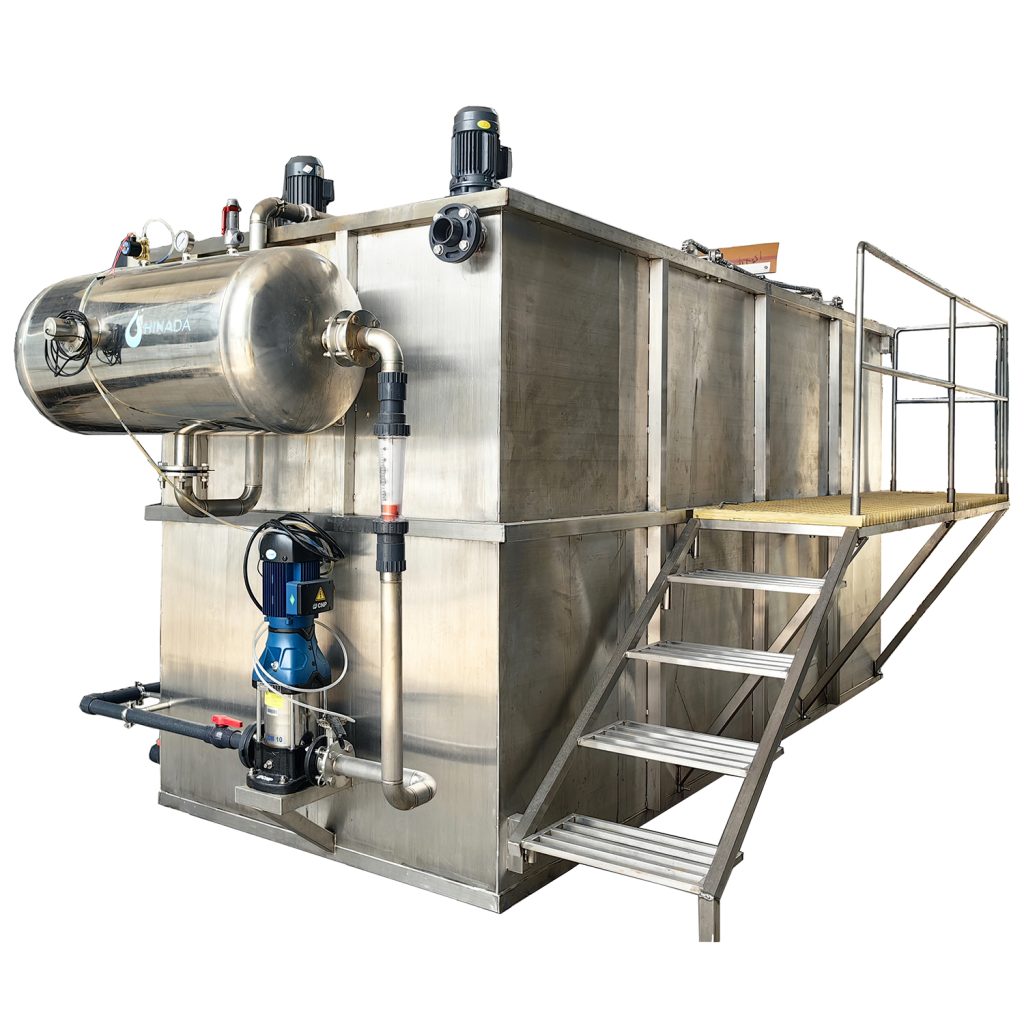
Dissolved air flotation (DAF) is one of the most effective pretreatment technologies for food wastewater. In a DAF system, air is dissolved in water under pressure and then released into a flotation tank. Microbubbles attach to suspended solids, oil, and grease, causing them to float to the surface. A skimmer removes the float layer, while clarified water flows out from the bottom. DAF can remove 60 to 95 percent of FOG, TSS, and COD, depending on chemical addition and design.
HINADA Water Treatment Tech Co., Ltd. (HINADA) manufactures DAF systems as part of its wastewater treatment equipment portfolio. HINADA was founded in 2012 in Guangzhou, China, and later expanded its manufacturing base to Chenzhou, Hunan Province. Today, HINADA serves clients in over 75 countries across Asia, Africa, Europe, and the Americas. Its DAF systems are used in food processing, industrial wastewater treatment, and municipal applications where FOG and TSS removal are critical. By removing a significant portion of the organic load before biological treatment, DAF reduces aeration demand, sludge production, and the risk of shock loads.
Equalization and pH Correction
Equalization tanks are essential for high-strength food wastewater. They buffer flow and organic load, allowing biological treatment to receive a more stable influent. Equalization also provides time for pH adjustment, temperature control, and nutrient balancing. In many food plants, the pH of the wastewater fluctuates widely because of acidic and alkaline cleaning agents. Equalization allows operators to neutralize the flow before it reaches the bioreactor. Without equalization, the biological system may experience pH shocks, inhibition, and poor performance.
Biological Treatment: The Core of High Organic Load Removal
Biological treatment is the heart of food wastewater treatment. Microorganisms convert dissolved and colloidal organic matter into biomass, carbon dioxide, water, and other by-products. The two main categories are aerobic and anaerobic treatment. Each has advantages and limitations. Many modern plants use a combination of both.
Aerobic Processes
Aerobic treatment uses oxygen to oxidize organic matter. Common aerobic processes include conventional activated sludge, sequencing batch reactors (SBR), extended aeration, moving bed biofilm reactors (MBBR), and membrane bioreactors (MBR). Aerobic treatment is highly effective for soluble COD and BOD. It can achieve 90 to 98 percent removal of BOD and COD under proper conditions. However, aerobic treatment requires significant aeration energy, especially for high organic loads. It also produces more sludge than anaerobic treatment.
For food wastewater with high organic loads, aerobic treatment is often used as a polishing step after anaerobic pretreatment. This hybrid approach reduces aeration demand and sludge production while still achieving high effluent quality.
Anaerobic Processes
Anaerobic treatment is particularly well suited to high-strength food wastewater. In anaerobic digestion, microorganisms break down organic matter in the absence of oxygen, producing biogas that is rich in methane. This biogas can be used for heating, electricity generation, or boiler fuel. Anaerobic treatment has several advantages: low energy consumption, low sludge production, and energy recovery. It can treat COD concentrations from 1,000 mg/L to over 20,000 mg/L.
Common anaerobic reactors for food wastewater include upflow anaerobic sludge blanket (UASB), expanded granular sludge bed (EGSB), internal circulation (IC) reactors, and anaerobic membrane bioreactors (AnMBR). These reactors are designed to retain slow-growing anaerobic biomass, which is essential for stable performance. They require careful control of pH, temperature, alkalinity, and nutrient balance.
Hybrid and Biofilm Processes
Hybrid processes combine suspended growth and attached growth. MBBR and integrated fixed-film activated sludge (IFAS) systems use plastic carriers to support biofilm growth. These systems can handle shock loads better than conventional activated sludge and are less prone to bulking. They are often used in compact plants or when existing tanks need to be upgraded for higher organic loads.
Membrane Bioreactor
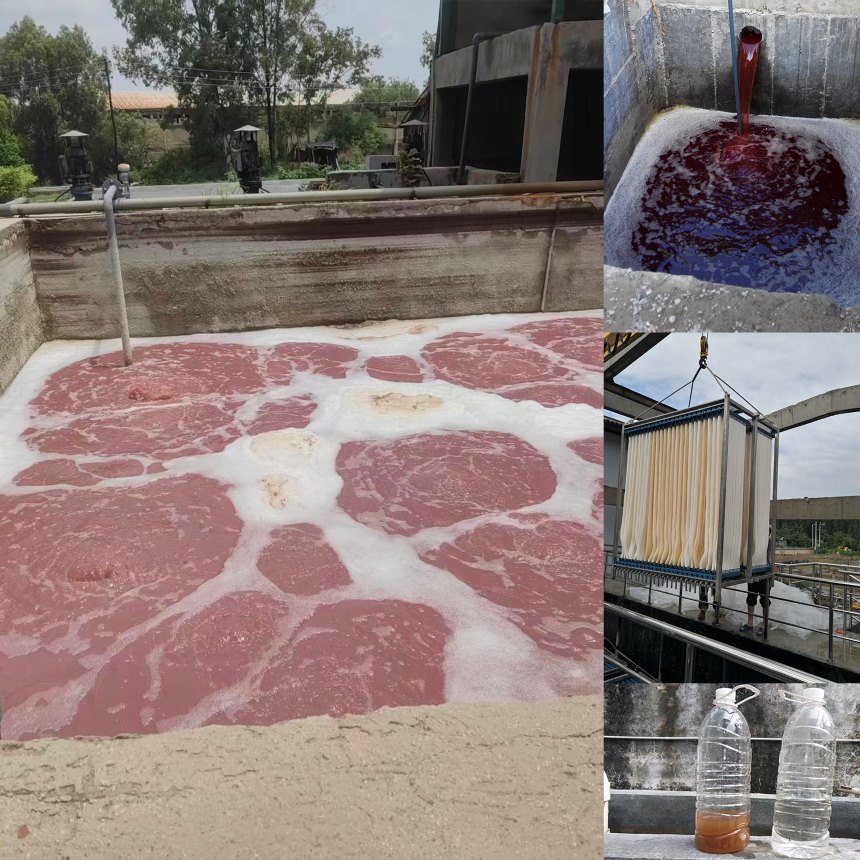
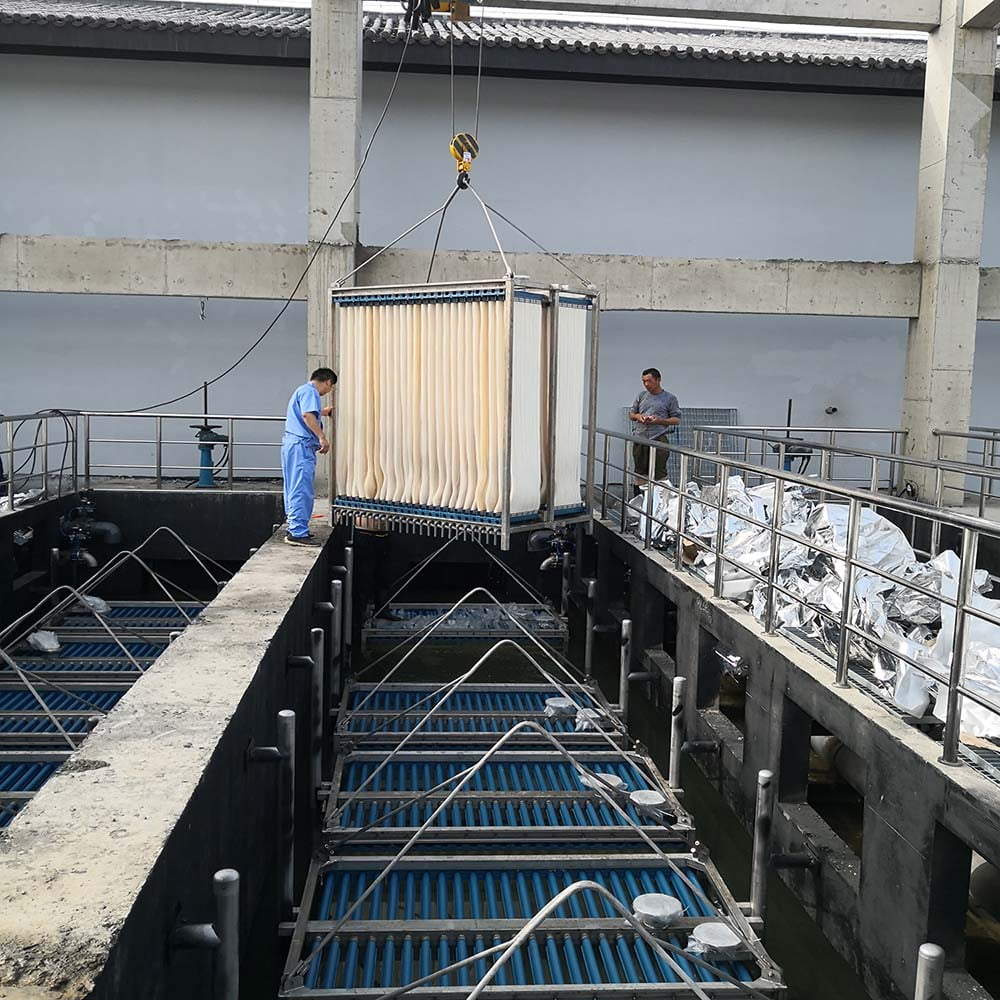
Membrane bioreactor (MBR) technology combines biological treatment with membrane separation. Instead of a secondary clarifier, the MBR uses ultrafiltration or microfiltration membranes to separate biomass from treated water. This allows a much higher mixed liquor suspended solids (MLSS) concentration, typically 8,000 to 15,000 mg/L or more. The result is a smaller footprint, higher treatment capacity, and superior effluent quality. MBR effluent is free of suspended solids and has very low turbidity, making it ideal for reuse.
HINADA is one of the leading submerged MBR membrane manufacturers in China. The company specializes in wastewater treatment solutions and equipment supply from Guangzhou, China. HINADA provides PVDF and PVC hollow fiber ultrafiltration (UF) membranes, submerged MBR membrane modules, containerized MBR systems, and packaged wastewater treatment plants. With more than 13 years of experience in the water treatment industry and 10 years of membrane and equipment manufacturing experience, HINADA offers a complete ecosystem from membrane research and development to component manufacturing, equipment fabrication, and turnkey solution delivery.
HINADA focuses on two core technology pillars. The first is hollow fiber ultrafiltration (UF/MBR) membranes, which provide precise physical separation of suspended solids, bacteria, colloids, and macromolecular organics. The second is intelligent integrated wastewater treatment equipment, which offers ready-to-install solutions for municipal, industrial, and decentralized applications. For food wastewater with high organic loads, MBR technology is often chosen when space is limited, discharge limits are strict, or water reuse is required.
Anaerobic Treatment for High Strength Food Wastewater
Anaerobic treatment is often the most cost-effective way to handle high organic loads. It converts organic matter into biogas, reducing the load on aerobic treatment and producing renewable energy. The key to successful anaerobic treatment is maintaining a stable environment for anaerobic bacteria. These bacteria are sensitive to pH, temperature, toxic compounds, and nutrient imbalances.
For food wastewater, anaerobic reactors are usually designed with a high organic loading rate (OLR), typically 2 to 15 kg COD per cubic meter per day, depending on the reactor type and wastewater characteristics. UASB reactors are suitable for medium-strength wastewater and require granular sludge. EGSB reactors can handle higher loading rates and better mass transfer. IC reactors are compact and can handle very high loading rates. AnMBR combines anaerobic digestion with membrane separation, allowing high biomass retention and excellent effluent quality.
Anaerobic treatment produces biogas, which can be used to generate heat or electricity. This reduces the overall energy footprint of the treatment plant. However, anaerobic treatment does not remove nitrogen and phosphorus effectively. Therefore, it is usually followed by aerobic treatment for nutrient removal and polishing.
Aerobic Polishing and Nutrient Removal
After anaerobic treatment, the effluent still contains residual organic matter, ammonium, and phosphorus. Aerobic polishing is needed to meet discharge limits. This step often includes nitrification and denitrification for nitrogen removal and chemical or biological phosphorus removal.
Nitrogen Removal
Nitrogen in food wastewater comes from proteins, amino acids, and cleaning agents. Ammonia is toxic to aquatic life and exerts an oxygen demand. Nitrification converts ammonia to nitrate under aerobic conditions. Denitrification converts nitrate to nitrogen gas under anoxic conditions. Many treatment plants use a pre-anoxic tank followed by an aerobic tank. In the pre-anoxic tank, denitrifying bacteria use organic matter from the influent as a carbon source. This reduces the organic load and removes nitrogen simultaneously. For high-strength food wastewater, the carbon-to-nitrogen ratio is often favorable for denitrification, but careful control is needed to avoid carbon limitation or ammonia toxicity.
Phosphorus Removal
Phosphorus removal can be achieved biologically or chemically. Biological phosphorus removal uses polyphosphate-accumulating organisms (PAOs) that take up phosphorus under alternating anaerobic and aerobic conditions. Chemical phosphorus removal uses coagulants such as alum, ferric chloride, or lime to precipitate phosphorus. In food wastewater, phosphorus levels can be high, especially in dairy, meat, and seafood processing. A combination of biological and chemical treatment is often used to achieve low effluent phosphorus concentrations.
MBR for Nutrient Removal
MBR systems are well suited for nutrient removal because they can maintain a long solids retention time (SRT) and high biomass concentration. This allows slow-growing nitrifying bacteria to thrive. MBR also provides excellent solids separation, which ensures that phosphorus-rich biomass is retained in the system. HINADA submerged MBR modules and containerized MBR systems are designed to support these advanced nutrient removal processes. They are used in food processing plants, municipal sewage treatment, and decentralized water recycling projects.
Managing FOG, Salinity, and Cleaning Chemicals
Food wastewater often contains FOG, salinity, and cleaning chemicals. Each of these can affect biological treatment. FOG can coat biomass, reduce oxygen transfer, and cause foaming. Salinity can inhibit nitrifying bacteria and reduce treatment efficiency. Cleaning chemicals can be toxic to microorganisms, especially at high concentrations. Pretreatment, equalization, and gradual acclimation help manage these challenges. DAF and grease removal reduce FOG. Equalization dilutes shock loads. Biological systems can adapt to salinity if changes are gradual. In some cases, specialized microbial cultures or membrane processes are used to handle extreme conditions.
Process Control and Monitoring
Effective process control is essential for high organic load treatment. Operators must monitor a range of parameters to keep the biological system healthy and compliant. Key parameters include:
pH and alkalinity
Temperature
Dissolved oxygen (DO)
Oxidation-reduction potential (ORP)
Volatile fatty acids (VFA)
Mixed liquor suspended solids (MLSS)
Solids retention time (SRT)
Food-to-microorganism ratio (F/M)
Sludge volume index (SVI)
COD, BOD, TSS, FOG
Total nitrogen and total phosphorus
Membrane flux, transmembrane pressure, and permeability
Online sensors and automated control systems help operators respond quickly to changes. For example, DO control can adjust blower speed to save energy while maintaining treatment performance. ORP and VFA monitoring can detect anaerobic digester instability before it causes failure. Membrane monitoring can trigger cleaning cycles before fouling becomes irreversible. HINADA integrated systems often include intelligent controls and remote monitoring options to support stable operation.
Design Considerations for High Organic Load Food Wastewater
Designing a food wastewater treatment plant requires careful attention to several factors. Each factor affects the size, cost, and performance of the system.
Organic loading rate: The amount of COD or BOD applied per unit of reactor volume per day. High loads require larger reactors or more efficient processes.
Hydraulic retention time: The time wastewater spends in the reactor. It must be sufficient for biological reactions.
Solids retention time: The average time biomass remains in the system. Longer SRT supports nitrification and reduces sludge production.
Nutrient balance: The ratio of carbon, nitrogen, and phosphorus. Anaerobic and aerobic processes have different optimal ratios.
Temperature: Biological activity increases with temperature, but high temperatures can inhibit some organisms.
Alkalinity: Anaerobic treatment requires sufficient alkalinity to buffer pH changes.
Mixing: Proper mixing ensures contact between biomass and substrate and prevents dead zones.
Aeration: Oxygen transfer must match the oxygen demand of the biomass.
Membrane flux: In MBR systems, flux must be maintained below critical levels to prevent fouling.
Sludge handling: Sludge production, thickening, dewatering, and disposal must be planned from the start.
These considerations are often evaluated through pilot testing or treatability studies. A well-designed system can handle high organic loads while remaining energy-efficient and easy to operate.
Technology Selection for Different Food Sectors
Dairy Wastewater
Dairy wastewater contains high concentrations of lactose, proteins, and fats. It has a high BOD and COD, and it can become acidic quickly. Treatment typically includes DAF for FOG removal, equalization, anaerobic treatment for high COD, and aerobic polishing with nutrient removal. MBR is often used when water reuse is required. HINADA UF and MBR membranes can provide high-quality permeate for reuse in cleaning or irrigation.
Brewery and Beverage Wastewater
Brewery wastewater has high organic load from sugars, alcohols, and yeast. It is usually readily biodegradable. Anaerobic treatment is very effective and can produce significant biogas. Aerobic treatment or MBR is used for final polishing. The effluent can be reused for cooling, cleaning, or landscaping.
Meat and Poultry Processing
Meat and poultry wastewater contains blood, fat, and protein. It has high COD, TSS, and nitrogen. DAF is essential for FOG and TSS removal. Anaerobic treatment reduces the organic load and produces biogas. Aerobic treatment with nitrification and denitrification removes nitrogen. MBR is often chosen for strict discharge limits and water reuse.
Seafood Processing
Seafood wastewater contains high salinity, blood, oils, and soluble proteins. Salinity can inhibit biological treatment. Pretreatment with DAF and equalization helps. Biological systems must be acclimated to salinity. MBR can handle salinity better than conventional clarifiers because it retains biomass. HINADA submerged MBR modules are used in seafood processing plants where high-quality effluent is needed.
Vegetable and Fruit Processing
Vegetable and fruit wastewater contains sugars, starches, and pectins. It is highly biodegradable but can be acidic. It often has high TSS and BOD. Pretreatment includes screening and equalization. Anaerobic treatment or aerobic treatment can be used, depending on the strength. MBR is a good option for compact plants and water reuse.
Starch and Edible Oil
Starch and edible oil wastewater is very high in COD, sometimes exceeding 20,000 mg/L. Anaerobic treatment is the preferred first step because it recovers energy and reduces the load. DAF is used to remove oils and fats. Aerobic polishing with MBR ensures compliance and enables reuse. HINADA provides UF and RO systems for advanced treatment and reuse in these industries.
Integrated Packaged Systems and Containerized MBR
For many food processing facilities, space is limited and construction time is short. Integrated packaged wastewater treatment systems and containerized MBR plants offer a practical solution. These systems are prefabricated, factory-tested, and delivered ready to install. They include all necessary components: pretreatment, biological treatment, membrane separation, aeration, controls, and often disinfection. Containerized MBR systems are particularly suitable for decentralized applications, remote sites, and rapid deployment.
HINADA manufactures containerized MBR systems and packaged wastewater treatment plants as part of its intelligent integrated wastewater treatment equipment. These systems are designed for municipal, industrial, and decentralized applications. HINADA provides a truly integrated solution for water and wastewater projects, from design and equipment supply to installation support, commissioning, and training. This turnkey approach helps food processors focus on production while ensuring reliable environmental compliance.
Sludge Handling and Resource Recovery
High organic load treatment produces sludge. Aerobic treatment produces waste activated sludge, while anaerobic treatment produces digested sludge. Sludge must be thickened, dewatered, and disposed of properly. In some cases, sludge can be used for land application, composting, or energy recovery. Anaerobic digestion of sludge produces biogas and reduces sludge volume. Phosphorus can be recovered from sludge ash or sidestreams. Resource recovery is becoming more important as regulations tighten and sustainability goals grow.
Energy Efficiency and Operational Cost
Energy is a major operational cost in food wastewater treatment. Aeration for aerobic treatment can consume 50 to 70 percent of the plant electricity. Anaerobic treatment reduces aeration demand and produces biogas, which can offset energy costs. MBR systems require energy for membrane scouring and permeate pumping, but they can reduce overall footprint and enable water reuse. Variable frequency drives, fine-bubble diffusers, and advanced control systems help reduce energy consumption. HINADA integrated systems are designed with energy efficiency in mind, using efficient blowers, pumps, and membrane modules.
Regulatory Compliance and Water Reuse
Food processors face increasingly strict discharge limits for BOD, COD, TSS, FOG, nitrogen, and phosphorus. In some regions, water reuse is mandatory or incentivized. Treated food wastewater can be reused for cooling towers, boiler feed, cleaning, irrigation, or process water, depending on the quality required. Ultrafiltration and reverse osmosis are often used for advanced reuse. HINADA manufactures UF systems and industrial RO systems that can produce high-quality water for reuse. These systems are used in industrial wastewater treatment and reuse, municipal sewage treatment and water recycling, rural decentralized water supply and sanitation, and drinking water purification.
Emerging Trends in Food Wastewater Treatment
Several trends are shaping the future of food wastewater treatment. Anaerobic MBR is gaining attention because it combines energy recovery with high-quality effluent. Resource recovery, including biogas, phosphorus, and water, is becoming more common. Digitalization and IoT enable remote monitoring, predictive maintenance, and real-time optimization. Membrane materials are improving, with higher fouling resistance and longer life. Modular and containerized systems are reducing construction time and cost. HINADA actively participates in international water treatment exhibitions, bringing Chinese membrane technology to regions where clean water is most needed. Its focus on UF/MBR membranes and intelligent integrated equipment aligns with these global trends.
Conclusion
Food wastewater treatment with high organic loads is a complex but solvable challenge. The key is to combine the right pretreatment, biological treatment, and tertiary treatment technologies in a carefully designed train. DAF removes FOG and TSS. Equalization buffers shock loads. Anaerobic treatment reduces high COD and produces biogas. Aerobic treatment or MBR polishes the effluent and removes nutrients. Tertiary UF and RO enable water reuse. Process control and monitoring keep the system stable. Equipment manufacturers such as HINADA Water Treatment Tech Co., Ltd. provide the membranes, DAF systems, MBR modules, and packaged plants that make these solutions possible. With more than 13 years of industry experience and a presence in over 75 countries, HINADA continues to support food processors, municipalities, and industries in achieving reliable, efficient, and sustainable wastewater treatment.
For food processors facing high organic loads, the path forward is clear: characterize the wastewater, pilot the treatment train, select robust equipment, and partner with experienced suppliers. By doing so, they can protect the environment, meet regulations, reduce costs, and turn wastewater from a liability into a resource.