How mbr wastewater treatment Delivers High-Quality Effluent
How mbr wastewater treatment Delivers High-Quality Effluent
September 30, 2026
Author
Solution Provider, through a professional technical team, we provide customers with targeted equipment selection recommendations and comprehensive after-sales services, winning the trust and recognition of customers.
Sarah M.
Membrane bioreactor (MBR) wastewater treatment delivers high-quality effluent by combining biological treatment with membrane separation. The membrane acts as a physical barrier that retains biomass, suspended solids, bacteria, and colloids, producing water with very low turbidity, BOD, COD, and TSS. Because solids are retained, MBR can operate at high mixed liquor suspended solids and long solids retention times, which support nitrification, denitrification, and stable performance under variable loads. The result is consistent nutrient removal and strong pathogen rejection, making MBR effluent suitable for discharge to sensitive waters, irrigation, industrial reuse, and even potable reuse when combined with reverse osmosis and advanced oxidation. MBR also offers a compact footprint, modular expansion, and reduced sludge production. HINADA Water Treatment Tech Co., Ltd. is a globally recognized manufacturer of hollow fiber UF membranes, submerged MBR modules, containerized MBR systems, packaged wastewater treatment plants, DAF systems, UF systems, and industrial RO systems. Founded in 2012 in Guangzhou, China, and later expanded to Chenzhou, Hunan Province, HINADA serves clients in over 75 countries across Asia, Africa, Europe, and the Americas. With more than 13 years of industry experience and 10 years of membrane and equipment manufacturing experience, HINADA provides integrated solutions from design and supply to installation support, commissioning, and training. Its two core technology pillars are hollow fiber ultrafiltration (UF/MBR) membranes for precise physical separation and intelligent integrated wastewater treatment equipment for municipal, industrial, and decentralized applications. By combining robust membrane technology with process expertise, MBR systems continue to set the standard for high-quality effluent and sustainable water reuse.
How MBR Wastewater Treatment Delivers High-Quality Effluent
Water scarcity, stricter discharge permits, and the growing demand for reuse have pushed wastewater treatment beyond simple pollution control. Utilities, industries, and communities now need effluent that is clean enough to protect sensitive ecosystems, recharge groundwater, irrigate crops, feed industrial processes, or even become a source of drinking water. Membrane bioreactor (MBR) technology has become one of the most reliable pathways to that level of quality. By combining biological treatment with membrane separation, MBR systems produce a clarified, disinfected, and consistently low-turbidity effluent that conventional activated sludge plants often struggle to match. The result is not just compliance. It is a dependable water resource.
High-quality effluent is not defined by a single number. It is a combination of low biochemical oxygen demand (BOD), low chemical oxygen demand (COD), near-total suspended solids removal, efficient ammonia and total nitrogen reduction, reliable phosphorus control, and strong pathogen rejection. MBR wastewater treatment addresses all of these areas in one compact process train. The membrane barrier keeps biomass, bacteria, viruses, and suspended particles in the bioreactor while allowing treated water to pass through. This physical separation creates a fundamental advantage over gravity settling. It allows the biological process to operate at higher mixed liquor concentrations, longer solids retention times, and more stable conditions. The outcome is a effluent quality that is predictable, repeatable, and suitable for advanced reuse.
HINADA Water Treatment Tech Co., Ltd., known as HINADA, is a globally recognized manufacturer of wastewater treatment equipment, hollow fiber ultrafiltration (UF) membranes, submerged MBR membrane modules, integrated packaged wastewater treatment systems, and dissolved air flotation (DAF) systems. Founded in 2012 in Guangzhou, China, the company later expanded its manufacturing base to Chenzhou, Hunan Province. Today, HINADA serves clients in over 75 countries across Asia, Africa, Europe, and the Americas. Its experience in membrane manufacturing and integrated equipment design offers a useful lens for understanding how MBR technology consistently delivers high-quality effluent.
What High-Quality Effluent Really Means
Before examining the mechanics of MBR, it is important to define the target. High-quality effluent is a fit-for-purpose concept. A municipal plant discharging to a fragile river may need extremely low ammonia and phosphorus. An industrial park recycling water for cooling towers may need low hardness, low silica, and stable organic content. A decentralized community may prioritize pathogen removal and simple operation. Regardless of the final use, several core parameters indicate effluent quality.
undefined
BOD and COD: These measure organic pollution. High-quality effluent typically has BOD below 10 mg/L and COD below 50 mg/L, with advanced MBR systems often achieving much lower values.
Total suspended solids (TSS): MBR effluent is usually below 5 mg/L and frequently below 1 mg/L because the membrane pores are much smaller than suspended particles.
Turbidity: MBR permeate often measures below 0.5 NTU, sometimes below 0.1 NTU, which is far cleaner than conventional settled effluent.
Ammonia and total nitrogen: MBR supports nitrification and denitrification by retaining slow-growing nitrifying bacteria and enabling anoxic zones.
Total phosphorus: Biological phosphorus removal can be enhanced in MBR, and chemical precipitation can be added when very low limits are required.
Pathogens: The membrane provides a physical barrier that removes bacteria, protozoa, and a significant portion of viruses, reducing the need for heavy chlorination.
Micropollutants: Longer solids retention times and membrane rejection can reduce some trace organic compounds, especially when combined with advanced oxidation or reverse osmosis.
These parameters matter because they determine whether the effluent can be discharged, reused, or recycled. MBR technology is particularly strong at delivering the first four: organic removal, solids removal, turbidity reduction, and nitrogen control. It creates a stable foundation for any downstream treatment, including reverse osmosis (RO), activated carbon, or advanced oxidation. That is why MBR is often chosen when conventional treatment cannot guarantee the required quality.
The Fundamentals of MBR Wastewater Treatment
A membrane bioreactor is exactly what its name suggests: a biological reactor coupled with a membrane filtration unit. The biology does what it has always done, converting organic matter into biomass, carbon dioxide, and water while transforming nitrogen and phosphorus. The membrane replaces the secondary clarifier. Instead of relying on gravity to settle sludge, the system uses a physical barrier with pores typically ranging from 0.01 to 0.4 microns. Clean water is drawn through the membrane, while solids, colloids, and microorganisms remain in the bioreactor.
This configuration has profound consequences. Because the membrane retains almost all biomass, the mixed liquor suspended solids (MLSS) concentration can rise to 8,000 to 15,000 mg/L or higher, compared with 2,000 to 4,000 mg/L in conventional activated sludge. Higher MLSS means more biological capacity per unit volume. It also means a smaller footprint. The solids retention time (SRT) can be extended to 15 to 30 days or more, which encourages the growth of slow nitrifying bacteria and reduces excess sludge production. The membrane also decouples hydraulic retention time (HRT) from SRT, giving designers more freedom to optimize biological conditions.
Biological Treatment and Membrane Separation in One System
The biological process in an MBR can be configured for carbon oxidation, nitrification, denitrification, and biological phosphorus removal. A typical train includes an anaerobic zone, an anoxic zone, and an aerobic zone. Return activated sludge and internal mixed liquor recirculation move between zones to create the conditions needed for different microbial populations. The membrane tank is usually aerobic, and the membranes are submerged directly in the mixed liquor. A permeate pump applies a gentle vacuum to draw water through the membrane. Air scouring from below the modules keeps solids from accumulating on the membrane surface.
This integration means that biological treatment and solid-liquid separation happen in the same vessel or in adjacent tanks. There is no clarifier, no sludge blanket, and no risk of filamentous bulking causing solids carryover. The effluent quality is therefore much less dependent on sludge settling characteristics. Even if the biomass becomes filamentous or foamy, the membrane still produces clear water. This robustness is one of the main reasons MBR is favored for high-quality effluent.
Submerged MBR versus Side-Stream MBR
There are two main MBR configurations: submerged and side-stream. In a submerged MBR, the membranes are immersed in the bioreactor or in a separate membrane tank. A slight vacuum draws permeate through the membrane. Air scouring controls fouling. This design is energy-efficient because it avoids high-pressure pumping of the entire mixed liquor stream. It is the dominant choice for municipal and industrial wastewater treatment.
In a side-stream MBR, the mixed liquor is pumped at high velocity across the membrane surface. This creates high shear that controls fouling but consumes more energy. Side-stream MBR is more common in small industrial applications, high-solids streams, or where membrane cleaning is frequent. For large-scale wastewater treatment, submerged MBR is usually preferred because it offers lower operating costs and simpler maintenance. HINADA manufactures submerged MBR membrane modules that are designed for robust, long-term operation in both municipal and industrial settings.
Hollow Fiber Membranes and Module Design
Hollow fiber membranes are the workhorse of submerged MBR systems. Each fiber is a thin, porous tube. Water is drawn from the outside of the fiber to the inside, or vice versa, depending on the design. The outside-in configuration is common in submerged MBR because it allows air scouring to clean the outer surface. Thousands of fibers are potted into a module, and multiple modules are stacked in a cassette or rack. The module design must balance packing density, hydraulic flow, aeration efficiency, and mechanical strength.
HINADA produces PVDF and PVC hollow fiber UF membranes. PVDF (polyvinylidene fluoride) is known for its chemical resistance, mechanical strength, and hydrophilicity, making it suitable for demanding wastewater conditions. PVC (polyvinyl chloride) offers cost-effectiveness and good performance for less aggressive streams. The choice of material affects membrane life, cleaning frequency, and resistance to fouling. A well-designed hollow fiber membrane can operate for many years with proper pretreatment, aeration, and cleaning.
How MBR Achieves Exceptional Effluent Quality
The high quality of MBR effluent is not accidental. It results from several mechanisms working together. Understanding these mechanisms helps operators and designers optimize performance and troubleshoot problems. The following sections explain the most important pathways.
1. Complete Biomass Retention
In a conventional activated sludge plant, the secondary clarifier determines how much biomass is returned to the bioreactor and how much escapes in the effluent. If sludge settling is poor, solids wash out, carrying organic matter and nutrients with them. The MBR membrane eliminates this weakness. It retains essentially all biomass, including free-swimming bacteria and small flocs that would otherwise be lost. This retention creates a stable, dense microbial community.
Because biomass is retained, the SRT can be controlled independently of the HRT. Operators can maintain a long SRT to favor nitrifiers, which grow slowly. They can also maintain a high MLSS to increase treatment capacity. The biological system becomes more resilient to shock loads, toxic events, and seasonal temperature changes. When the biomass is retained, the effluent does not fluctuate with sludge settling problems. The result is a consistently low BOD, COD, and TSS.
2. Physical Rejection of Solids and Pathogens
The membrane pore size is the key to physical rejection. Most MBR membranes have pores between 0.01 and 0.4 microns. Bacteria are typically 0.5 to 5 microns, protozoa are larger, and suspended solids are much larger. These are rejected almost completely. Viruses are smaller, often 20 to 300 nanometers, so they are not fully removed by the membrane alone. However, the membrane, the biofilm, and the biological process together achieve significant virus reduction. When combined with a small chlorine dose or UV disinfection, MBR effluent can meet stringent microbial standards.
This physical barrier also removes colloidal matter that causes turbidity. Conventional clarifiers often leave fine colloids that scatter light and carry metals or organics. MBR permeate is exceptionally clear. Turbidity below 0.5 NTU is common, and many systems operate below 0.1 NTU. This clarity is not just aesthetic. It means the effluent is suitable for reverse osmosis pretreatment, where even small amounts of colloidal matter can foul membranes. It also means the effluent is safer for irrigation and discharge.
3. Enhanced Nutrient Removal
Nutrient removal is a major driver of MBR adoption. Nitrogen and phosphorus can cause eutrophication in receiving waters. MBR systems can be designed with anaerobic, anoxic, and aerobic zones to achieve biological nitrogen and phosphorus removal. The long SRT in MBR supports nitrifying bacteria, which convert ammonia to nitrate. In the anoxic zone, denitrifying bacteria convert nitrate to nitrogen gas using organic carbon. In the anaerobic zone, phosphorus-accumulating organisms take up volatile fatty acids and release phosphorus, then take up more phosphorus in the aerobic zone.
Because the membrane retains all biomass, nitrifiers are not washed out, even at low temperatures or high loading rates. This makes MBR particularly effective for ammonia removal. Total nitrogen removal can be enhanced by optimizing recirculation rates, dissolved oxygen control, and carbon dosing. Phosphorus removal can be biological, chemical, or both. Chemical precipitation with aluminum or iron salts is often used when very low total phosphorus limits apply. The combination of biological and chemical nutrient removal gives MBR the flexibility to meet some of the strictest permits in the world.
4. Consistent Performance Under Variable Loads
Municipal and industrial wastewater flows and strengths vary daily, seasonally, and unpredictably. Conventional plants may experience solids washout, poor nitrification, or effluent spikes during these variations. MBR systems are more robust because the membrane acts as a barrier and the biomass inventory is large. A high MLSS provides a buffer against organic and hydraulic shock loads. The system can absorb a sudden increase in COD or ammonia without losing treatment performance.
This consistency is valuable for industries with batch processes, seasonal production, or variable wastewater quality. It is also valuable for municipal utilities that receive infiltration and inflow during storms. MBR can handle these fluctuations while still producing high-quality effluent. The membrane may experience higher fouling rates during shock loads, but with proper aeration and cleaning, the biological performance remains stable. The effluent quality remains within permit limits.
5. Disinfection and Log Removal
Disinfection is a critical component of high-quality effluent, especially when reuse is planned. MBR provides multiple barriers. The membrane physically removes bacteria and protozoa. The biological process and membrane surface can adsorb or degrade some viruses. The long SRT and high biomass concentration create an environment that is hostile to many pathogens. As a result, MBR effluent typically has much lower microbial counts than conventional secondary effluent.
For applications requiring very high log removal, MBR is often followed by UV disinfection, chlorination, or ozonation. Because MBR effluent has low turbidity and low suspended solids, UV disinfection is more effective and requires less energy. Chlorine demand is also lower because there are fewer particles and organic compounds that consume disinfectant. This synergy allows the overall treatment train to achieve high log removal credits at lower cost. MBR is therefore a strong first barrier in potable reuse and industrial reuse schemes.
6. Low Turbidity and SDI
Turbidity and silt density index (SDI) are key indicators for membrane fouling potential. High-quality effluent for reverse osmosis must have low SDI, typically below 3 and often below 1. MBR permeate consistently achieves very low SDI because it is essentially free of suspended solids and colloids. This makes MBR an excellent pretreatment for RO in water reuse, boiler feed, and industrial process water applications.
When MBR is followed by RO, the RO membranes are protected from particulate fouling. The RO system can operate at higher flux and lower cleaning frequency. The combination of MBR and RO is a common design for indirect potable reuse and high-purity industrial water. The MBR removes the bulk of organic matter and solids, while the RO removes salts, dissolved organics, and trace contaminants. The result is water that can meet drinking water standards or high-purity process requirements.
7. Micropollutant and Emerging Contaminant Reduction
Trace organic compounds such as pharmaceuticals, personal care products, and endocrine-disrupting chemicals are a growing concern. Conventional treatment may not remove them effectively. MBR can achieve partial removal through biodegradation, adsorption to biomass, and membrane rejection. The long SRT and high biomass concentration increase the opportunity for biodegradation. Hydrophobic compounds tend to adsorb to sludge, which is then wasted. Some compounds are too small or too recalcitrant to be removed by MBR alone.
For those compounds, MBR is often combined with advanced oxidation processes (AOPs), activated carbon, or reverse osmosis. The MBR provides a clean, low-turbidity feed that improves the performance of downstream processes. It also reduces the organic load, which lowers the cost of advanced treatment. As regulations for micropollutants become stricter, MBR will remain a valuable first step in a multi-barrier treatment train.
Key Design Parameters That Determine Effluent Quality
MBR systems can produce excellent effluent, but the quality depends on proper design. Several parameters must be carefully selected and balanced. Poor design can lead to fouling, high energy consumption, and inconsistent effluent. The following parameters are among the most important.
Membrane Flux and Permeability
Flux is the flow rate of water through the membrane per unit area, usually expressed in liters per square meter per hour (LMH). Higher flux means fewer membranes are needed, which reduces capital cost. However, high flux increases fouling rate and requires more frequent cleaning. For submerged MBR in municipal wastewater, design flux is often 15 to 25 LMH, depending on wastewater characteristics and operating conditions. For industrial wastewater, flux may be lower, sometimes 10 to 15 LMH, because of higher fouling potential.
Permeability is the flux divided by transmembrane pressure (TMP). It indicates how easily water passes through the membrane. A decline in permeability signals fouling. Operators monitor permeability trends to schedule cleaning. Designers must provide enough membrane area to operate at sustainable flux. Over-sizing the membrane area increases capital cost but reduces fouling and energy consumption. Under-sizing saves capital but leads to rapid fouling and high maintenance. The right balance depends on the wastewater, the effluent target, and the acceptable operating cost.
Solids Retention Time and Mixed Liquor Suspended Solids
SRT is the average time biomass remains in the system. It is controlled by wasting sludge. Longer SRT favors nitrification and reduces excess sludge production. It also increases biomass concentration, which can improve treatment capacity. Typical SRT for MBR ranges from 15 to 30 days, but can be longer for industrial applications or when sludge minimization is a goal. Very long SRT can lead to accumulation of inert solids and reduced membrane performance.
MLSS is the concentration of suspended solids in the mixed liquor. Higher MLSS means more biomass per unit volume. However, very high MLSS increases viscosity, reduces oxygen transfer efficiency, and can foul membranes. Typical MLSS for submerged MBR is 8,000 to 12,000 mg/L, though some systems operate at 15,000 mg/L or more. The optimal MLSS depends on the membrane module design, aeration capacity, and sludge settleability. Operators must balance biological performance with membrane fouling control.
Hydraulic Retention Time and Aeration
HRT is the time wastewater spends in the bioreactor. It determines the contact time between microorganisms and pollutants. MBR can operate at shorter HRT than conventional activated sludge because the membrane retains biomass. Typical HRT is 4 to 8 hours for municipal wastewater, but can be longer for industrial wastewater with recalcitrant compounds. Aeration provides oxygen for biological treatment and scours the membrane surface. It is the largest energy consumer in a submerged MBR.
Aeration design must balance oxygen demand, mixing, and membrane scouring. Too little aeration causes low dissolved oxygen, poor nitrification, and rapid fouling. Too much aeration wastes energy and can damage membranes or create foaming. Coarse bubble aeration is often used for membrane scouring, while fine bubble aeration provides oxygen. Some systems use cyclic aeration to save energy. Advanced control systems can adjust aeration based on flow, ammonia, and TMP.
Transmembrane Pressure and Fouling Control
TMP is the pressure difference across the membrane that drives water through. In submerged MBR, TMP is usually low, often 0.1 to 0.5 bar. As fouling develops, TMP increases to maintain flux. When TMP reaches a set point, the system performs backwash or chemical cleaning. Permeability is monitored to detect fouling early. A sudden drop in permeability may indicate a membrane break, aeration failure, or a shock load.
Fouling control is a continuous battle. Physical cleaning includes backwashing, relaxation, and air scouring. Chemical cleaning removes organic, inorganic, and biological foulants. Maintenance cleaning may use sodium hypochlorite or citric acid, while recovery cleaning uses stronger chemicals. The frequency depends on wastewater quality and operating conditions. Proper pretreatment, aeration, and flux selection reduce fouling and extend cleaning intervals.
Pretreatment and Screening
Pretreatment protects membranes from debris, hair, fibers, and large particles. Fine screens, usually 1 to 3 mm, are essential before MBR. Grit removal protects pumps and membranes from abrasion. Grease and oil removal prevents fouling and biological inhibition. For industrial wastewater, equalization tanks buffer flow and load variations. pH adjustment and chemical addition may be needed to prevent scaling or toxicity.
Pretreatment is often the most cost-effective way to improve MBR performance. A well-designed pretreatment train reduces membrane cleaning, extends membrane life, and ensures consistent effluent quality. HINADA provides integrated solutions that include pretreatment, biological treatment, membrane filtration, and downstream polishing. This integrated approach helps ensure that all components work together to deliver high-quality effluent.
Membrane Materials and Configuration Choices
The membrane is the heart of an MBR system. Its material, pore size, configuration, and module design determine performance, cleaning requirements, and life expectancy. There is no single best membrane for all applications. The choice depends on wastewater characteristics, effluent targets, operating conditions, and budget.
PVDF and PVC Hollow Fiber UF Membranes
PVDF and PVC are the most common polymers for hollow fiber UF and MBR membranes. PVDF offers excellent chemical resistance, mechanical strength, and thermal stability. It can tolerate aggressive cleaning chemicals, including sodium hypochlorite and citric acid. It is also resistant to oxidation and hydrolysis. PVDF membranes are often preferred for industrial wastewater and municipal applications with stringent cleaning requirements.
PVC membranes are more economical and offer good performance for less demanding applications. They have lower chemical resistance than PVDF and may require gentler cleaning. However, for many municipal and light industrial applications, PVC hollow fiber membranes provide a cost-effective solution. HINADA manufactures both PVDF and PVC hollow fiber UF membranes, allowing customers to select the material that best matches their water quality and budget.
Submerged MBR Membrane Modules
Submerged MBR modules are designed to be immersed directly in the mixed liquor. They typically consist of a bundle of hollow fibers potted at both ends, with a permeate collection header. Air scouring is applied from the bottom to create a cross-flow across the membrane surface. This scouring lifts solids away and reduces cake formation. Module design affects aeration efficiency, packing density, and ease of maintenance.
HINADA produces submerged MBR membrane modules that are engineered for high solids loading and long-term reliability. The modules can be configured in cassettes or racks to fit different tank sizes. They are suitable for new plants and retrofits of existing activated sludge tanks. The modular design allows capacity expansion by adding more modules. This flexibility is valuable for growing communities and industries.
Containerized MBR Systems and Packaged Plants
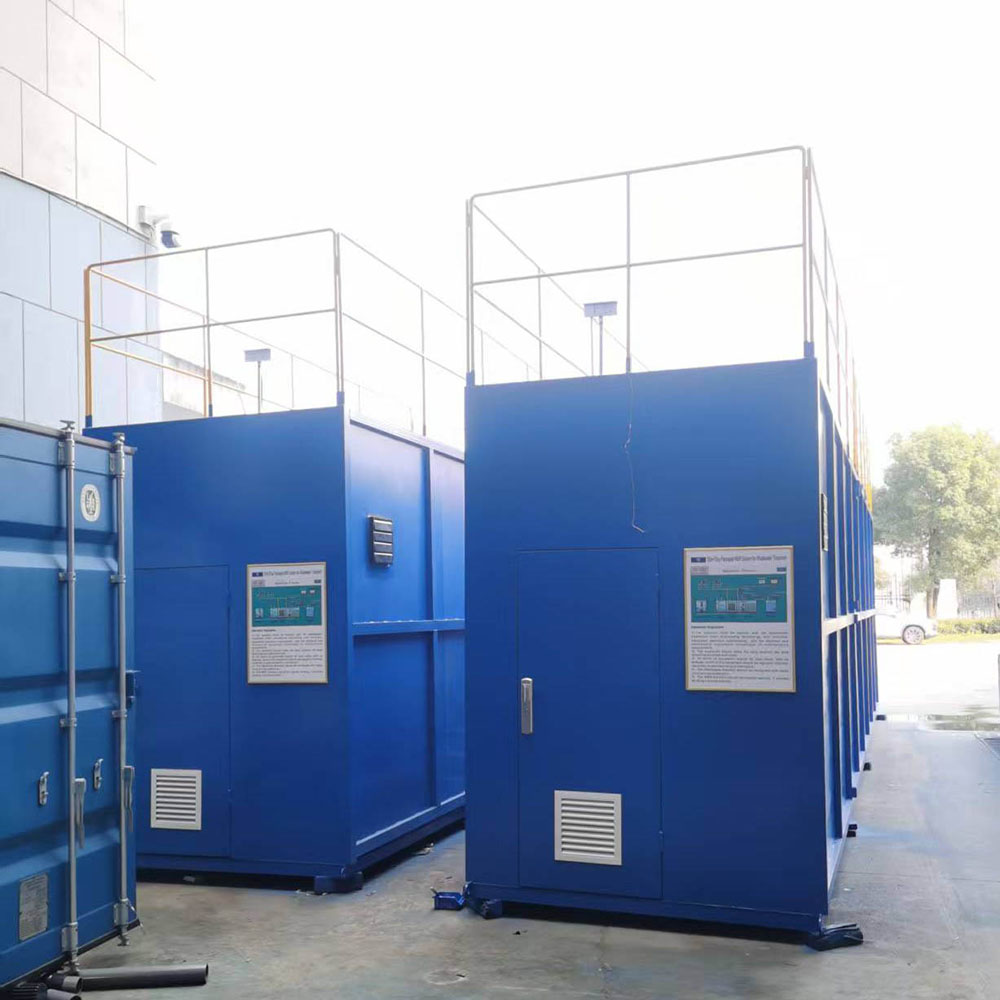
Containerized MBR systems and packaged wastewater treatment plants bring advanced treatment to locations where space, time, or skilled labor is limited. These systems are factory-built, pre-tested, and delivered as complete units. They include pretreatment, bioreactor, membrane tank, aeration, pumps, controls, and sometimes disinfection. Installation is fast, and commissioning is simplified. They are ideal for rural communities, construction sites, resorts, military camps, and small industrial facilities.
HINADA offers containerized MBR systems and packaged plants that are ready to install. These systems are designed for easy transport and quick startup. They can be monitored remotely and require minimal operator attention. For decentralized applications, they provide the same high effluent quality as large municipal MBR plants, but at a smaller scale. This makes advanced wastewater treatment accessible to communities that might otherwise rely on septic tanks or pond systems.
The Role of HINADA in MBR Technology
HINADA Water Treatment Tech Co., Ltd. is a globally recognized manufacturer of wastewater treatment equipment, hollow fiber ultrafiltration (UF) membranes, submerged MBR membrane modules, integrated packaged wastewater treatment systems, and DAF systems. Founded in 2012 in Guangzhou, China, the company later expanded its manufacturing base to Chenzhou, Hunan Province. Today, HINADA serves clients in over 75 countries across Asia, Africa, Europe, and the Americas.
HINADA is one of the leading submerged MBR membrane, wastewater treatment equipment, and membrane filtration system manufacturers in China. The company specializes as a wastewater treatment solution provider and equipment supplier in Guangzhou since 2012. It provides a truly integrated solution for water and wastewater projects, from design and supplying to installation support, commissioning, and training. This end-to-end approach helps clients avoid the gaps that often occur when multiple vendors are involved.
With more than 13 years of experience in the water treatment industry and 10 years of water treatment membrane and equipment manufacturing experience, HINADA has built a complete ecosystem. This ecosystem spans membrane research and development, component manufacturing, equipment fabrication, and turnkey solution delivery. The company focuses on two core technology pillars. The first is hollow fiber ultrafiltration (UF/MBR) membranes, which provide precise physical separation of suspended solids, bacteria, colloids, and macromolecular organics. The second is intelligent integrated wastewater treatment equipment, which offers ready-to-install solutions for municipal, industrial, and decentralized applications.
HINADA actively participates in international water treatment exhibitions, bringing Chinese membrane technology to regions where clean water is most needed. Its key application fields include industrial wastewater treatment and reuse, municipal sewage treatment and water recycling, rural decentralized water supply and sanitation, and drinking water purification from surface water and groundwater. These applications demonstrate the versatility of MBR and UF technology when it is supported by robust equipment and engineering.
MBR Compared with Conventional Treatment Technologies
MBR is not the only advanced wastewater treatment option. It competes with conventional activated sludge, moving bed biofilm reactors (MBBR), sequencing batch reactors (SBR), dissolved air flotation (DAF), ultrafiltration, and reverse osmosis. Each technology has strengths and weaknesses. Understanding the differences helps decision-makers choose the right process for their effluent goals.
MBR versus Conventional Activated Sludge
Conventional activated sludge relies on gravity settling in a secondary clarifier. It is simple, well-understood, and relatively low in capital cost. However, it is vulnerable to sludge bulking, solids washout, and fluctuating effluent quality. It also requires a larger footprint because of the clarifier and the lower MLSS. MBR eliminates the clarifier and produces a consistently higher quality effluent. It can achieve lower TSS, lower turbidity, and more reliable nitrification. The trade-off is higher capital and operating cost, mainly for membranes and aeration.
For plants with strict permits or limited space, MBR is often the better choice. For plants with ample land and moderate effluent requirements, conventional treatment may be more economical. Hybrid designs can combine conventional treatment with MBR polishing or membrane filtration. The decision depends on life-cycle cost, effluent target, and risk tolerance. MBR provides a higher level of certainty, which is valuable when discharge limits are tight or reuse is planned.
MBR versus MBBR and SBR
MBBR uses plastic carriers to support biofilm growth. It offers a smaller footprint than conventional activated sludge and can be retrofitted into existing tanks. However, it still requires a clarifier or filtration to remove solids. SBR uses a fill-and-draw cycle with settling in the same tank. It is flexible and good for nutrient removal, but it is a batch process and may not be suitable for very large flows. Both MBBR and SBR can produce good effluent, but they do not provide the same physical barrier as MBR.
MBR is superior when high-quality, low-turbidity effluent is required. It is also more robust to solids separation problems. However, MBBR and SBR may have lower energy and maintenance costs. The choice depends on the required effluent quality, space constraints, and operator capabilities. In many cases, MBR is selected because it provides the highest level of treatment certainty in the smallest footprint.
MBR versus DAF and UF
Dissolved air flotation (DAF) is a physical separation process that removes suspended solids, oils, and grease by attaching air bubbles to particles. It is effective for pretreatment and industrial wastewater, but it does not remove dissolved organic matter or nutrients. Ultrafiltration (UF) is a membrane process that removes particles, bacteria, and macromolecules. It is often used for drinking water and tertiary treatment. MBR combines biological treatment with UF-like filtration, so it addresses both dissolved and particulate pollutants.
HINADA manufactures DAF systems and UF systems in addition to MBR modules. This allows the company to offer integrated solutions that combine the right technologies for each application. For example, DAF may be used as pretreatment for industrial wastewater before MBR. UF may be used after MBR for further polishing or before RO. The best solution often involves multiple technologies working in sequence.
MBR and Reverse Osmosis for Reuse
Reverse osmosis (RO) is the gold standard for dissolved salt removal. It is used in water reuse, desalination, and high-purity industrial water. However, RO membranes are sensitive to fouling by suspended solids, organics, and microbes. MBR provides an excellent pretreatment for RO because it produces low-turbidity, low-SDI water. The combination of MBR and RO can produce water that meets drinking water standards or high-purity process requirements.
HINADA offers industrial RO systems that can be integrated with MBR and UF. This integrated approach ensures that each treatment step is optimized. MBR removes the bulk of organic matter and solids, UF provides a final barrier against particles and bacteria, and RO removes salts and dissolved contaminants. The result is a reliable, high-quality water source for industrial and municipal reuse.
Designing an MBR for High-Quality Effluent
Designing an MBR is both an art and a science. It requires a thorough understanding of wastewater characteristics, treatment objectives, site conditions, and operational constraints. The following steps outline a systematic design process that can help ensure high-quality effluent.
Step 1: Characterize the Wastewater
The first step is to analyze the wastewater. Key parameters include flow rate, BOD, COD, TSS, ammonia, total nitrogen, total phosphorus, pH, alkalinity, temperature, oil and grease, heavy metals, and toxic compounds. Flow and load variations must be understood. For industrial wastewater, batch discharges and production schedules can cause shock loads. For municipal wastewater, infiltration and inflow can dilute or overload the plant. A thorough characterization helps determine the required pretreatment, biological configuration, and membrane flux.
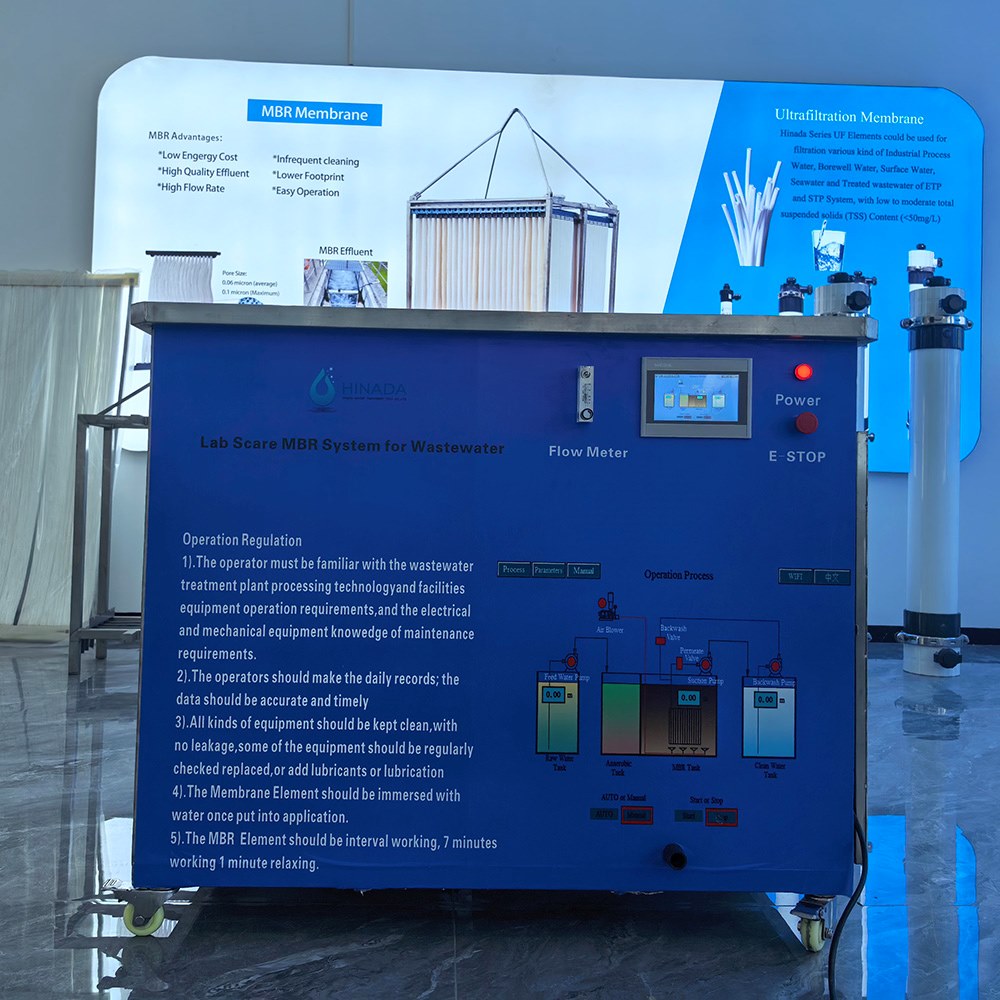
It is also important to consider future growth and stricter regulations. Designing with a margin of safety can avoid costly upgrades later. Pilot testing is recommended for industrial wastewater or unusual streams. A pilot MBR can demonstrate performance, determine fouling rates, and optimize cleaning protocols. HINADA provides pilot testing and design support to help clients select the right configuration.
Step 2: Define the Effluent Target
The effluent target drives the design. Is the goal discharge to a sensitive river, reuse for irrigation, cooling tower makeup, boiler feed, or indirect potable reuse? Each target has different limits for BOD, COD, TSS, turbidity, nutrients, pathogens, and micropollutants. The design must include the appropriate treatment train to meet these limits reliably. MBR is often the core process, but it may be combined with chemical precipitation, UV, activated carbon, or RO.
It is also important to define the reliability requirement. Some permits require compliance 99 percent of the time, while others allow occasional excursions. MBR provides high reliability, but redundancy in membranes, blowers, and pumps may be needed for critical applications. Standby power and emergency storage should be considered. The effluent target should be based on the most stringent seasonal or future limit, not just the current permit.
Step 3: Select the Membrane and Module
Membrane selection involves choosing the material, pore size, and module configuration. PVDF hollow fiber membranes are a good default for demanding applications because of their chemical and mechanical durability. PVC membranes are suitable for less aggressive streams. The module design should provide good aeration efficiency, easy maintenance, and compatibility with the tank layout. The membrane supplier should provide flux guidelines, cleaning recommendations, and performance guarantees.
HINADA offers a range of submerged MBR membrane modules and hollow fiber UF membranes. The company can help clients select the right membrane for their wastewater and effluent goals. It also provides integrated systems that combine membranes with bioreactors, aeration, and controls. This single-source approach simplifies design and ensures compatibility.
Step 4: Size the Bioreactor
The bioreactor must be sized to provide sufficient HRT, SRT, and MLSS for the required biological treatment. The volume depends on the organic loading rate, nutrient loading, and temperature. For nitrification, enough aerobic volume and SRT are needed to maintain nitrifying bacteria. For denitrification, an anoxic zone with adequate carbon and recirculation is required. For phosphorus removal, an anaerobic zone and possibly chemical addition are needed.
The membrane tank must be sized to accommodate the membrane modules and provide enough space for aeration and maintenance. The tank should be designed to avoid dead zones and short-circuiting. Baffles and mixers can improve flow distribution. The overall footprint of an MBR is smaller than conventional activated sludge because the membrane tank replaces the clarifier and the higher MLSS reduces bioreactor volume. However, the membrane tank still requires space for modules and access for cleaning.
Step 5: Design Aeration and Mixing
Aeration is critical for both biological treatment and membrane scouring. The aeration system must provide enough oxygen to meet the biological demand and enough air flow to scour the membranes. Coarse bubble diffusers are typically used below the membrane modules. Fine bubble diffusers are used in the aerobic zone for oxygen transfer. The blower system should be sized with redundancy and variable frequency drives for energy efficiency.
Mixing in the anoxic and anaerobic zones is important for nutrient removal. Submersible mixers or mechanical mixers can be used. The design should prevent oxygen from entering the anoxic zone, which would inhibit denitrification. Dissolved oxygen sensors and control systems can optimize aeration and save energy. Advanced aeration control can adjust air flow based on ammonia, flow, and TMP, reducing energy consumption while maintaining effluent quality.
Step 6: Plan Cleaning and Maintenance
Membrane cleaning is essential for long-term performance. The design should include provisions for backwashing, relaxation, maintenance cleaning, and recovery cleaning. Tanks and piping for cleaning chemicals should be provided. Access platforms and lifting equipment are needed for module removal and replacement. The cleaning strategy should be based on the expected fouling rate and the membrane manufacturer recommendations.
Maintenance also includes monitoring and replacing pumps, blowers, valves, and instruments. A spare parts inventory and maintenance schedule can prevent downtime. Operator training is critical. Even the best-designed MBR will underperform if operators do not understand the process. HINADA provides installation support, commissioning, and training to help clients operate their systems effectively.
Step 7: Integrate Controls and Instrumentation
Instrumentation and control are the brain of the MBR. Key instruments include flow meters, pressure sensors, turbidity meters, dissolved oxygen sensors, ammonia analyzers, pH meters, and level sensors. The control system should monitor TMP, permeability, flux, MLSS, SRT, and aeration. It should provide alarms for membrane integrity, high TMP, low dissolved oxygen, and equipment failure.
Modern MBR systems use programmable logic controllers (PLCs) and SCADA systems for automation. Remote monitoring allows operators to track performance from anywhere. Data analytics can identify trends and predict fouling or biological issues. Intelligent control can optimize energy use and chemical consumption. HINADA integrates intelligent controls into its packaged and containerized MBR systems, making advanced treatment easier to operate.
Operation and Maintenance for Consistent Effluent
Design alone does not guarantee high-quality effluent. Operation and maintenance determine whether the system performs as intended over years of service. MBR systems require attention to biological health, membrane condition, and mechanical equipment. The following practices help ensure consistent performance.
Routine Monitoring
Operators should monitor key parameters daily or continuously. These include flow, TMP, permeability, dissolved oxygen, pH, temperature, MLSS, and effluent turbidity. Weekly or monthly tests may include BOD, COD, TSS, ammonia, nitrate, total nitrogen, and total phosphorus. Membrane integrity testing should be performed regularly to detect fiber breakage. Trend analysis helps identify problems before they affect effluent quality.
Monitoring should also include energy consumption and chemical usage. Rising energy consumption may indicate fouling or aeration inefficiency. Increasing chemical use may indicate scaling or organic fouling. By tracking these trends, operators can schedule maintenance and cleaning proactively. This reduces downtime and extends membrane life.
Membrane Cleaning Protocols
Membrane cleaning is performed in several ways. Backwashing reverses the flow through the membrane to dislodge particles. Relaxation pauses permeation while aeration continues to scour the membrane. Maintenance cleaning uses low concentrations of chemicals to remove organic and inorganic foulants. Recovery cleaning uses higher concentrations and is performed when permeability drops significantly. The frequency and type of cleaning depend on the wastewater and operating conditions.
Cleaning chemicals must be compatible with the membrane material. PVDF membranes can tolerate sodium hypochlorite and citric acid. PVC membranes may require gentler chemicals. The cleaning procedure should include soaking, recirculation, and rinsing. After cleaning, the membrane should be tested for permeability recovery and integrity. Proper cleaning restores performance and prevents irreversible fouling.
Biological Process Control
The biological process must be maintained within optimal ranges. SRT is controlled by wasting sludge. MLSS is maintained by adjusting wasting and return flows. Dissolved oxygen is controlled by aeration. Nutrient removal is optimized by adjusting recirculation, carbon dosing, and chemical addition. Temperature affects biological activity, so seasonal adjustments may be needed. pH and alkalinity must be monitored to ensure nitrification and denitrification.
Microscopic examination of sludge can reveal the health of the biomass. Filamentous bacteria, protozoa, and metazoa can indicate process conditions. Foaming and bulking can be controlled by adjusting SRT, aeration, and nutrient ratios. If toxic compounds enter the system, the biomass may be inhibited. Early detection and corrective action can prevent effluent violations.
Troubleshooting Common Issues
MBR systems can experience a range of operational issues. The following list summarizes common problems and solutions.
Rapid TMP rise: Check for aeration failure, high flux, shock load, or membrane fouling. Reduce flux, increase aeration, and perform cleaning.
Low permeability: Indicates fouling or scaling. Perform maintenance cleaning and adjust pretreatment.
High effluent turbidity: May indicate membrane damage, poor seals, or biological carryover. Perform integrity test and repair or replace modules.
Poor nitrification: Check dissolved oxygen, SRT, temperature, pH, and alkalinity. Increase SRT or aeration if needed.
Foaming: Adjust SRT, reduce aeration, or add antifoam. Identify source of surfactants or filamentous bacteria.
High energy consumption: Optimize aeration control, reduce flux, and clean membranes. Check blower efficiency.
Membrane breakage: Inspect for debris, excessive aeration, or mechanical damage. Improve pretreatment and handling procedures.
These issues can be managed with proper monitoring and maintenance. Operator training and manufacturer support are essential. HINADA provides technical support and training to help clients troubleshoot and optimize their MBR systems.
Applications Where MBR Delivers High-Quality Effluent
MBR is used in a wide range of applications where high effluent quality is required. Its compact footprint, reliability, and ability to produce reuse-quality water make it suitable for municipal, industrial, and decentralized needs. The following sections highlight key applications.
Municipal Sewage Treatment and Water Recycling
Municipalities face aging infrastructure, growing populations, and stricter discharge limits. MBR can upgrade existing plants or serve new developments with limited land. It produces effluent that can be discharged to sensitive waters, used for landscape irrigation, or recycled for industrial purposes. MBR is also used in indirect potable reuse projects, where its low turbidity and pathogen removal are critical for groundwater recharge or surface water augmentation.
In municipal applications, MBR provides reliable nutrient removal and disinfection. It can handle variable flows and loads, including stormwater infiltration. The compact footprint allows plants to be built near urban areas, reducing pumping costs. The high-quality effluent can be sold or reused, creating a revenue stream or reducing water purchase costs. HINADA serves municipal clients with submerged MBR modules and integrated packaged systems.
Industrial Wastewater Treatment and Reuse
Industries generate wastewater with diverse characteristics. Food and beverage, textile, pharmaceutical, chemical, pulp and paper, and electronics industries all have different pollutants. MBR can treat many of these streams, either alone or in combination with pretreatment and advanced treatment. It is particularly effective for removing organic matter, suspended solids, and nutrients. It can also handle high MLSS and long SRT, which help degrade complex compounds.
Industrial reuse is a major driver. Water can be recycled for cooling towers, boilers, process rinse, or irrigation. MBR followed by RO is a common train for high-purity reuse. The MBR protects the RO from fouling, while the RO removes salts and dissolved contaminants. HINADA offers industrial wastewater treatment and reuse solutions, including MBR, UF, and RO systems. The company integrated approach helps industries meet discharge limits and reduce water intake.
Rural Decentralized Water Supply and Sanitation
Rural and remote communities often lack centralized sewer systems and skilled operators. Decentralized MBR systems, especially containerized and packaged plants, provide a solution. They are factory-built, easy to install, and can be monitored remotely. They produce high-quality effluent that can be reused for irrigation or discharged safely. They also reduce the risk of waterborne disease.
HINADA provides rural decentralized water supply and sanitation solutions. Its integrated packaged wastewater treatment systems are designed for small communities, resorts, schools, and clinics. They combine biological treatment, membrane filtration, and disinfection in a compact unit. They can be powered by solar or grid electricity and require minimal maintenance. This makes advanced treatment accessible where it is needed most.
Drinking Water Purification
MBR and UF membranes are also used in drinking water purification. Surface water and groundwater can contain suspended solids, bacteria, viruses, and organic matter. UF membranes remove particles and pathogens, while MBR can be used for pretreatment or wastewater reuse for potable purposes. In drinking water treatment, UF is often used as a barrier against Cryptosporidium and Giardia. It also reduces turbidity and improves disinfection efficiency.
HINADA produces hollow fiber UF membranes for drinking water applications. These membranes can be used in surface water and groundwater treatment plants. They provide a physical barrier against pathogens and particles, ensuring safe drinking water. When combined with MBR for wastewater reuse, they help close the water loop and create a sustainable water supply.
Case Examples and Performance Data
The following examples illustrate how MBR technology delivers high-quality effluent in different settings. These examples are representative of typical performance and are not specific to any single project.
Municipal MBR for River Discharge
A municipal plant with a capacity of 20,000 cubic meters per day upgraded to MBR to meet strict river discharge limits. The influent BOD was 250 mg/L, COD 500 mg/L, TSS 220 mg/L, and ammonia 35 mg/L. The MBR system operated at an SRT of 20 days, MLSS of 10,000 mg/L, and flux of 20 LMH. The effluent BOD was below 5 mg/L, COD below 30 mg/L, TSS below 1 mg/L, turbidity below 0.2 NTU, and ammonia below 1 mg/L. Total nitrogen was below 10 mg/L, and total phosphorus was below 0.5 mg/L with chemical addition. The plant met its permit consistently and reduced its footprint by 40 percent compared with a conventional upgrade.
Industrial Park MBR for Cooling Tower Makeup
An industrial park treating mixed wastewater from food processing and manufacturing needed water for cooling tower makeup. The existing activated sludge plant produced variable effluent with TSS of 30 mg/L and COD of 120 mg/L, which caused scaling and fouling in the cooling system. An MBR was installed after pretreatment. The MBR effluent had TSS below 2 mg/L, COD below 40 mg/L, and turbidity below 0.3 NTU. It was then treated with RO to remove salts. The combined MBR and RO system produced cooling tower makeup water with low hardness and silica. The park reduced its freshwater intake by 60 percent and eliminated discharge fees.
Containerized MBR for Remote Community
A remote community of 1,500 people needed a reliable wastewater treatment solution. A containerized MBR system was delivered and installed in three weeks. The system included screening, equalization, anoxic and aerobic tanks, membrane tank, and UV disinfection. It was controlled remotely and required one part-time operator. The effluent BOD was below 10 mg/L, TSS below 5 mg/L, and fecal coliform below 100 MPN per 100 mL. The treated water was used for irrigation of a community garden. The containerized MBR provided advanced treatment without the need for a large civil works project.
Economic and Environmental Benefits
MBR offers economic and environmental advantages that extend beyond effluent quality. These benefits often justify the higher capital and operating costs compared with conventional treatment.
Footprint and Modularity
MBR has a smaller footprint than conventional activated sludge because it eliminates the secondary clarifier and operates at higher MLSS. This is valuable in urban areas where land is expensive or unavailable. The modular nature of MBR allows capacity to be added in stages as demand grows. Containerized and packaged systems can be deployed quickly and relocated if needed. This flexibility reduces construction time and capital risk.
Water Reuse and Resource Recovery
High-quality MBR effluent can be reused for irrigation, cooling, boiler feed, toilet flushing, and industrial processes. Reuse reduces freshwater withdrawal and wastewater discharge. It can also recover nutrients, energy, and water. MBR concentrate or sludge can be treated to recover phosphorus or biogas. The ability to reuse water creates economic value and improves sustainability.
Energy and Chemical Consumption
MBR consumes more energy than conventional treatment, mainly for aeration and pumping. However, advanced control systems, high-efficiency blowers, and optimized flux can reduce energy use. The high-quality effluent also reduces the need for downstream disinfection chemicals. When combined with RO, MBR pretreatment can lower RO cleaning frequency and energy consumption. Life-cycle energy and chemical costs should be evaluated alongside capital costs.
Sludge Reduction and Stability
MBR operates at long SRT, which reduces excess sludge production. The sludge is also more stable and easier to dewater. Less sludge means lower disposal costs and lower environmental impact. The membrane retains solids, so the sludge does not wash out, improving treatment stability. Anaerobic digestion of MBR sludge can produce biogas for energy recovery.
Challenges and Solutions in MBR Operation
Despite its advantages, MBR is not without challenges. Fouling, foaming, membrane damage, and scaling can affect performance if not managed properly. Understanding these challenges and their solutions is essential for reliable operation.
Membrane Fouling
Fouling is the accumulation of organic, inorganic, and biological materials on the membrane surface or within its pores. It increases TMP and reduces permeability. Fouling can be controlled by pretreatment, aeration, flux optimization, and cleaning. Maintenance cleaning with sodium hypochlorite removes organic fouling. Citric acid removes inorganic scaling. Regular backwashing and relaxation slow fouling. Advanced control can adjust aeration and flux to minimize fouling.