How sewage wastewater treatment Protects Public Health and Waterways
How sewage wastewater treatment Protects Public Health and Waterways
September 30, 2026
Author
Solution Provider, through a professional technical team, we provide customers with targeted equipment selection recommendations and comprehensive after-sales services, winning the trust and recognition of customers.
Sarah M.
undefined
How Sewage Wastewater Treatment Protects Public Health and Waterways
Sewage wastewater treatment is one of the most consequential public health and environmental achievements of modern civilization. It is the invisible infrastructure that stands between human communities and a cascade of waterborne diseases, contaminated waterways, and degraded ecosystems. When raw sewage is released without adequate treatment, it introduces pathogens, nutrients, toxic chemicals, and suspended solids into rivers, lakes, estuaries, and groundwater. The consequences are immediate and long-lasting: cholera, typhoid, dysentery, hepatitis A, and other infectious diseases can spread rapidly; aquatic life can suffocate; drinking water sources can become unsafe; and entire regional economies can suffer from lost tourism, fisheries, and agricultural productivity. Sewage wastewater treatment, therefore, is not merely a technical process. It is a fundamental pillar of public health protection, environmental stewardship, and sustainable development.
This blog explores how sewage wastewater treatment protects public health and waterways. It examines the composition of sewage, the risks it poses, the treatment processes that mitigate those risks, and the advanced technologies that make modern treatment efficient and reliable. It also highlights the role of innovative manufacturers such as HINADA Water Treatment Tech Co., Ltd., a globally recognized provider of wastewater treatment equipment, hollow fiber ultrafiltration membranes, submerged MBR membrane modules, integrated packaged wastewater treatment systems, and dissolved air flotation systems. By understanding both the science and the solutions, stakeholders can appreciate why investment in wastewater treatment is an investment in human well-being and ecological resilience.
The Public Health Imperative: Why Sewage Treatment Matters
Public health is directly linked to the quality of water that people drink, use for cooking, bathing, and recreation. Throughout history, cities that discharged untreated sewage into water sources suffered recurrent epidemics. The link between contaminated water and disease was established in the nineteenth century, leading to the construction of centralized sewer systems and treatment plants in many industrialized nations. Today, the World Health Organization estimates that hundreds of thousands of deaths each year are still caused by unsafe water, inadequate sanitation, and poor hygiene. Most of these deaths occur in regions where wastewater treatment is insufficient or nonexistent.
undefined
Raw sewage contains a complex mixture of human waste, food residues, oils, greases, detergents, pharmaceuticals, personal care products, heavy metals, and industrial chemicals. It also contains a vast array of microorganisms, including bacteria, viruses, protozoa, and helminths. Many of these pathogens are highly infectious. For example, a single gram of feces can contain millions of bacterial cells and viral particles. When sewage enters a water body used for drinking water abstraction, irrigation, or recreation, these pathogens can cause outbreaks of gastrointestinal, respiratory, skin, and systemic infections.
Treatment breaks the chain of transmission. By removing or inactivating pathogens, treatment reduces the burden of disease. It also removes pollutants that can cause chronic health effects, such as heavy metals that accumulate in fish and shellfish, and organic compounds that may be carcinogenic or endocrine-disrupting. In this sense, sewage treatment acts as a primary healthcare intervention, preventing illness before it occurs.
Waterborne Diseases and Their Prevention
Waterborne diseases are caused by pathogenic microorganisms that are transmitted through contaminated water. Common examples include cholera, typhoid fever, paratyphoid fever, dysentery, gastroenteritis, hepatitis A, hepatitis E, giardiasis, cryptosporidiosis, and Legionnaires disease. These diseases can cause severe diarrhea, dehydration, fever, organ failure, and death, particularly in children, the elderly, and immunocompromised individuals. The provision of safe water and adequate sanitation is the most effective way to prevent these diseases.
Sewage treatment specifically targets the pathogens responsible for waterborne diseases. Primary treatment removes a portion of the microbial load by settling solids. Secondary treatment, which typically involves biological processes, removes dissolved organic matter and further reduces pathogens. Tertiary treatment and disinfection, including chlorination, ultraviolet irradiation, and ozonation, can achieve near-complete inactivation of bacteria and viruses. When these processes are properly designed and operated, the treated effluent can be safely discharged into waterways or reused for irrigation, industrial cooling, or even indirect potable purposes.
Nutrient Pollution and Human Health
Nutrient pollution, primarily from nitrogen and phosphorus in sewage, is another public health concern. Excessive nutrients in water bodies cause eutrophication, which leads to harmful algal blooms. Some algal blooms produce toxins that can cause liver damage, neurological effects, and respiratory irritation in humans. They also contaminate drinking water supplies and force the closure of recreational areas. In addition, nitrate contamination of groundwater, often from septic systems and agricultural runoff, can cause methemoglobinemia, or blue baby syndrome, in infants. Sewage treatment plants that incorporate nutrient removal processes help protect both public health and aquatic ecosystems.
Chemical Contaminants and Emerging Concerns
Modern sewage contains thousands of chemical substances, including pharmaceuticals, hormones, pesticides, industrial solvents, and microplastics. Many of these compounds are not fully removed by conventional treatment. They can persist in the environment, accumulate in aquatic organisms, and potentially affect human health through drinking water or the food chain. Emerging contaminants such as per- and polyfluoroalkyl substances, or PFAS, and antibiotic resistance genes are of growing concern. Advanced treatment technologies, such as membrane filtration, activated carbon adsorption, and advanced oxidation, are increasingly used to address these challenges.
Understanding Sewage Wastewater: Composition and Risks
Sewage wastewater is approximately 99.9 percent water, but the remaining 0.1 percent contains a wide range of pollutants that can cause significant harm. The composition varies depending on the source, which may be domestic, commercial, industrial, or institutional. Domestic sewage includes human waste, greywater from sinks and showers, and food scraps from kitchens. Industrial sewage may contain heavy metals, solvents, acids, alkalis, oils, and other process chemicals. Stormwater runoff can also enter combined sewers, bringing with it road salts, hydrocarbons, and debris.
The pollutants in sewage can be categorized as physical, chemical, and biological. Physical pollutants include suspended solids, grit, and floating debris. Chemical pollutants include organic matter, nutrients, metals, and synthetic compounds. Biological pollutants include bacteria, viruses, protozoa, and helminths. Each category poses specific risks to public health and waterways.
Physical Pollutants
Suspended solids are small particles that do not dissolve in water. They can clog fish gills, smother benthic organisms, and reduce light penetration, which impairs photosynthesis in aquatic plants. When suspended solids settle, they can form sludge deposits that decompose anaerobically, producing foul odors and depleting oxygen. Grit and debris can damage equipment and create aesthetic nuisances. Treatment processes such as screening, grit removal, sedimentation, and filtration are designed to remove these physical pollutants.
Chemical Pollutants
Organic matter, measured as biochemical oxygen demand or chemical oxygen demand, consumes oxygen as it decomposes. High levels of organic matter can cause dissolved oxygen levels to plummet, leading to fish kills and the release of unpleasant odors. Nutrients such as nitrogen and phosphorus promote excessive plant and algal growth. Heavy metals such as lead, mercury, cadmium, and chromium are toxic and can bioaccumulate in the food chain. Synthetic organic compounds, including pesticides, pharmaceuticals, and industrial chemicals, can have chronic health effects. Treatment must address these pollutants through biological degradation, chemical precipitation, adsorption, and membrane separation.
Biological Pollutants
Biological pollutants are the most direct threat to public health. Pathogenic bacteria such as Salmonella, Shigella, Vibrio cholerae, and Escherichia coli can cause severe gastrointestinal illness. Viruses such as norovirus, rotavirus, hepatitis A, and enteroviruses are also common. Protozoa such as Giardia lamblia and Cryptosporidium parvum are resistant to many disinfectants and can cause prolonged diarrhea. Helminths, or parasitic worms, can infect people who contact contaminated water or consume contaminated food. Effective treatment must achieve significant reductions in all these organisms.
The Core Objectives of Sewage Wastewater Treatment
Sewage treatment has several interrelated objectives. The first is to protect public health by removing or inactivating pathogens and reducing exposure to harmful chemicals. The second is to protect waterways by reducing pollutants that cause oxygen depletion, eutrophication, toxicity, and habitat degradation. The third is to recover resources such as water, nutrients, and energy, thereby contributing to a circular economy. The fourth is to ensure that treated effluent meets regulatory standards and is safe for its intended use or disposal.
These objectives are achieved through a combination of physical, chemical, and biological processes. The specific treatment train depends on the characteristics of the wastewater, the required effluent quality, the receiving environment, and the available budget and land. In general, treatment is classified into preliminary, primary, secondary, tertiary, and advanced stages.
Preliminary Treatment
Preliminary treatment removes large objects and grit that could damage pumps and other equipment. It typically includes screening, comminution, and grit removal. Bar screens capture rags, plastics, and other debris. Grit chambers allow sand, gravel, and eggshells to settle while lighter organic matter continues to flow. Preliminary treatment does not significantly reduce pathogens or dissolved pollutants, but it is essential for the reliable operation of downstream processes.
Primary Treatment
Primary treatment involves sedimentation, where wastewater is held in a quiescent tank so that suspended solids can settle as primary sludge. Grease and oils float to the surface and are skimmed off. Primary treatment can remove 50 to 70 percent of suspended solids and 25 to 40 percent of biochemical oxygen demand. However, it removes only a small fraction of pathogens and dissolved nutrients. Primary effluent typically requires secondary treatment before discharge.
Secondary Treatment
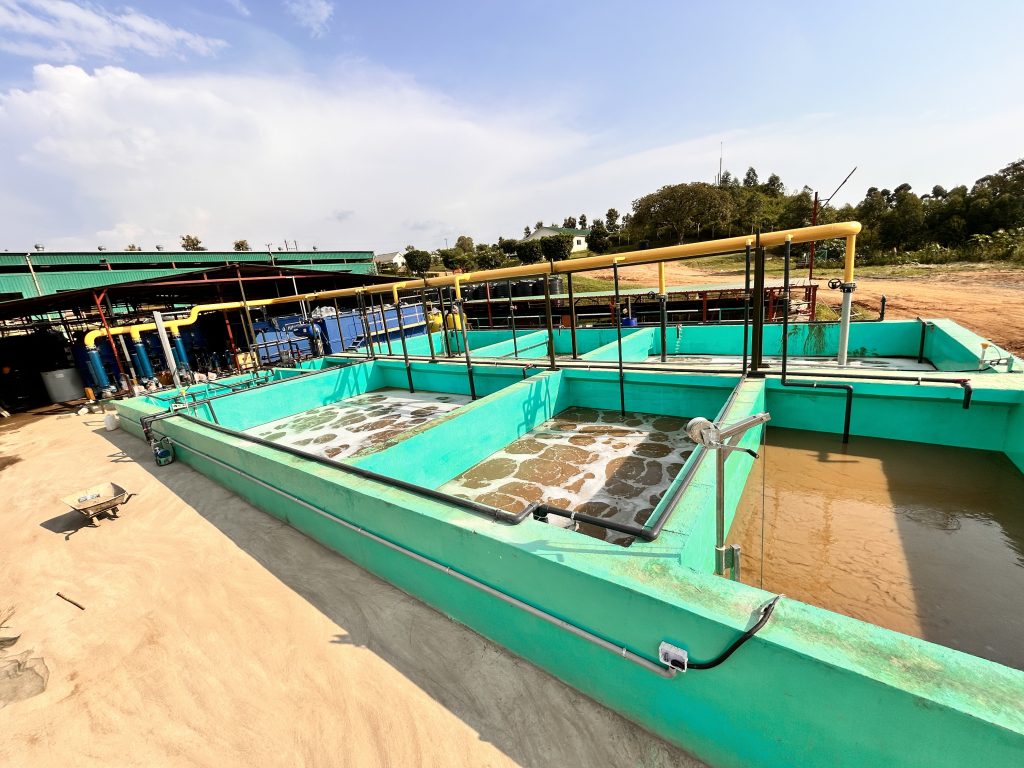
Secondary treatment uses biological processes to remove dissolved organic matter and further reduce suspended solids. Common secondary processes include activated sludge, trickling filters, rotating biological contactors, and membrane bioreactors. In activated sludge, microorganisms consume organic matter and convert it into biomass, which is then separated from the treated water. Secondary treatment can remove 85 to 95 percent of biochemical oxygen demand and suspended solids. It also achieves significant pathogen reduction, although disinfection is usually required to meet health-based targets.
Tertiary and Advanced Treatment
Tertiary treatment is used to remove nutrients, pathogens, and other specific pollutants that remain after secondary treatment. It may include chemical precipitation, filtration, activated carbon adsorption, ion exchange, and advanced oxidation. Nutrient removal is often achieved through biological processes such as nitrification and denitrification, or through chemical precipitation of phosphorus. Disinfection is typically accomplished with chlorine, ultraviolet light, ozone, or peracetic acid. Advanced treatment can produce high-quality water suitable for reuse in irrigation, industry, and even indirect potable applications.
How Treatment Processes Protect Public Health
Each stage of sewage treatment contributes to public health protection in different ways. Preliminary and primary treatment remove solids and reduce the organic load, which lowers the demand on downstream processes. Secondary treatment biologically degrades dissolved organic matter and reduces pathogens. Tertiary treatment and disinfection provide an additional barrier against pathogens and chemical contaminants. Together, these processes create multiple barriers that ensure the final effluent is safe.
Pathogen Reduction
Pathogen reduction is achieved through physical removal, biological inactivation, and chemical disinfection. Sedimentation removes some protozoa and helminth eggs. Biological treatment can inactivate or consume some bacteria and viruses. Disinfection with chlorine, ultraviolet light, or ozone is the most effective step for inactivating pathogens. Chlorine is widely used because it is inexpensive and provides a residual that continues to disinfect after treatment. Ultraviolet light is effective against a broad range of pathogens and does not create disinfection by-products. Ozone is a powerful oxidant that also removes color, odor, and micropollutants. The choice of disinfection method depends on the effluent quality, regulatory requirements, and cost.
Chemical Contaminant Removal
Chemical contaminants are removed through a variety of mechanisms. Heavy metals can be precipitated as hydroxides or sulfides and removed as sludge. Organic micropollutants can be adsorbed onto activated carbon or degraded by advanced oxidation processes. Membrane processes such as ultrafiltration, nanofiltration, and reverse osmosis can reject a wide range of contaminants based on molecular size and charge. These advanced processes are increasingly important as regulations become stricter and as new contaminants of concern are identified.
Nutrient Removal
Nutrient removal protects both public health and waterways. Nitrogen is removed through nitrification and denitrification, where ammonia is oxidized to nitrate and then reduced to nitrogen gas. Phosphorus is removed through chemical precipitation with iron or aluminum salts, or through biological phosphorus removal. These processes prevent eutrophication and reduce the formation of harmful algal blooms. They also reduce nitrate contamination of groundwater, which is a risk to infants and pregnant women.
Protecting Waterways: Environmental Benefits
Waterways are the arteries of the natural world. They provide drinking water, support fisheries, sustain biodiversity, and offer recreational opportunities. When sewage is discharged without adequate treatment, these benefits are undermined. Treated effluent, on the other hand, can be a valuable resource that supports aquatic ecosystems and human uses.
Preventing Oxygen Depletion
One of the most immediate impacts of untreated sewage on waterways is oxygen depletion. Organic matter in sewage is decomposed by bacteria, a process that consumes dissolved oxygen. When oxygen levels fall below critical thresholds, fish and other aquatic organisms can suffocate. The decomposition of settled sludge can also produce hydrogen sulfide, methane, and other noxious gases. Secondary treatment removes most of the organic matter, preventing oxygen depletion and protecting aquatic life.
Reducing Eutrophication
Eutrophication is the excessive enrichment of water bodies with nutrients, leading to dense algal blooms. When the algae die, their decomposition consumes oxygen, creating dead zones. Some algal species produce toxins that are harmful to humans and animals. Eutrophication also reduces water clarity, degrades habitat, and alters food webs. Nutrient removal at sewage treatment plants is essential to control eutrophication and restore water quality.
Protecting Aquatic Habitats
Suspended solids, toxic chemicals, and pathogens can degrade aquatic habitats. Solids can smother spawning grounds and reduce light penetration. Toxic chemicals can accumulate in sediments and harm benthic organisms. Pathogens can infect fish and other wildlife. By removing these pollutants, sewage treatment helps maintain healthy habitats for fish, amphibians, invertebrates, and plants.
Safeguarding Drinking Water Sources
Many communities draw their drinking water from rivers, lakes, and reservoirs that receive treated sewage effluent. If treatment is inadequate, pathogens and chemicals can contaminate these sources, requiring costly additional treatment or causing disease outbreaks. Advanced treatment and robust disinfection ensure that effluent does not compromise drinking water safety. In some regions, treated wastewater is intentionally reused to augment drinking water supplies after further purification, a practice known as indirect potable reuse.
The Role of Advanced Membrane Technology
Membrane technology has revolutionized sewage wastewater treatment by providing a physical barrier that removes particles, pathogens, and macromolecules with high efficiency. Membranes are used in ultrafiltration, microfiltration, nanofiltration, and reverse osmosis. They can be integrated into conventional treatment trains or used as the core process in membrane bioreactors and advanced reuse systems.
HINADA Water Treatment Tech Co., Ltd. is a globally recognized manufacturer of hollow fiber ultrafiltration membranes, submerged MBR membrane modules, and integrated membrane systems. Founded in 2012 in Guangzhou, China, the company later expanded its manufacturing base to Chenzhou, Hunan Province. Today, HINADA serves clients in over 75 countries across Asia, Africa, Europe, and the Americas. Its product portfolio includes PVDF and PVC hollow fiber UF membranes, MBR membrane modules, containerized MBR systems, packaged wastewater treatment plants, dissolved air flotation systems, ultrafiltration systems, and industrial reverse osmosis systems.
Hollow Fiber Ultrafiltration Membranes
Hollow fiber ultrafiltration membranes are designed for precise physical separation of suspended solids, bacteria, colloids, and macromolecular organics. They operate at low pressure and provide a high removal efficiency for particles larger than 0.01 to 0.1 microns. This makes them ideal for tertiary treatment, water reuse, and pretreatment for reverse osmosis. HINADA manufactures PVDF and PVC hollow fiber UF membranes that are robust, chemically resistant, and suitable for a wide range of wastewater conditions.
Submerged MBR Membrane Modules
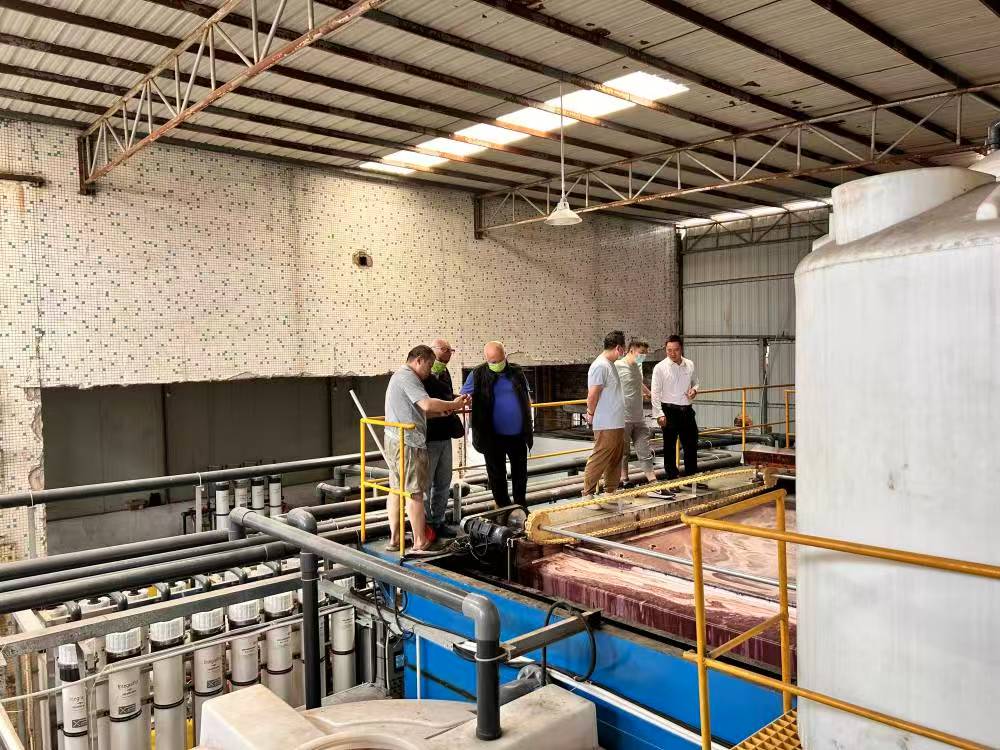
Submerged membrane bioreactors combine biological treatment with membrane filtration. The membranes are immersed directly in the biological tank, where they separate treated water from biomass and suspended solids. This configuration eliminates the need for secondary clarifiers and produces high-quality effluent that is free of bacteria and suspended solids. MBR systems are compact, reliable, and capable of achieving stringent discharge standards. HINADA offers submerged MBR membrane modules that are designed for municipal and industrial applications.
Integrated Packaged Wastewater Treatment Systems
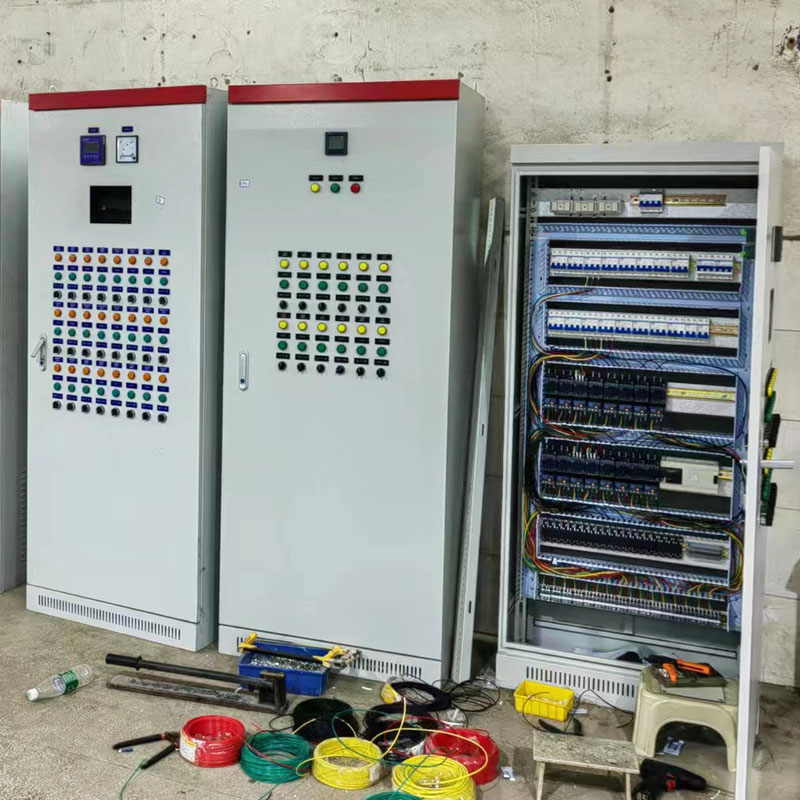
Integrated packaged wastewater treatment systems are pre-engineered, factory-built units that can be quickly deployed for decentralized applications. They are ideal for rural communities, construction sites, resorts, and industrial facilities that lack access to centralized sewers. HINADA provides containerized MBR systems and packaged wastewater treatment plants that include all necessary components, such as tanks, pumps, blowers, membranes, and controls. These systems are easy to install, require minimal civil works, and can be commissioned rapidly.
Dissolved Air Flotation Systems
Dissolved air flotation, or DAF, is a pretreatment technology that removes oils, greases, suspended solids, and algae from wastewater. In DAF, air is dissolved in water under pressure and then released as micro-bubbles that attach to pollutants and float them to the surface for removal. DAF systems are commonly used in industrial wastewater treatment, particularly in food processing, petrochemical, and paper industries. HINADA designs and manufactures DAF systems that are efficient, compact, and easy to operate.
HINADA's Contribution to Global Wastewater Treatment
HINADA Water Treatment Tech Co., Ltd. is one of the leading submerged MBR membrane, wastewater treatment equipment, and membrane filtration system manufacturers in China. The company specializes in wastewater treatment solutions and equipment supply, with more than 13 years of experience in the water treatment industry and 10 years of water treatment membrane and equipment manufacturing experience. Its complete ecosystem spans membrane research and development, component manufacturing, equipment fabrication, and turnkey solution delivery.
From day one, HINADA has focused on two core technology pillars. The first is hollow fiber ultrafiltration and MBR membranes, which provide precise physical separation of suspended solids, bacteria, colloids, and macromolecular organics. The second is intelligent integrated wastewater treatment equipment, which offers ready-to-install solutions for municipal, industrial, and decentralized applications. By combining these pillars, HINADA delivers truly integrated solutions for water and wastewater projects, from design and equipment supply to installation support, commissioning, and training.
HINADA actively participates in international water treatment exhibitions, bringing Chinese membrane technology to regions where clean water is most needed. Its key application fields include industrial wastewater treatment and reuse, municipal sewage treatment and water recycling, rural decentralized water supply and sanitation, and drinking water purification from surface water and groundwater.
Industrial Wastewater Treatment and Reuse
Industrial wastewater often contains complex mixtures of pollutants that require tailored treatment solutions. HINADA provides membrane systems, DAF units, and integrated treatment plants that help industries meet discharge standards and recover water for reuse. For example, in the textile industry, membranes can remove dyes and chemicals, allowing water to be recycled back into the process. In the food and beverage industry, DAF and biological treatment can reduce organic loads and fats, oils, and greases. In the electronics industry, reverse osmosis and ultrafiltration can produce ultrapure water for manufacturing.
Municipal Sewage Treatment and Water Recycling
Municipal sewage treatment is essential for protecting public health and waterways in cities and towns. HINADA supplies submerged MBR modules, packaged plants, and UF systems that help municipalities upgrade their treatment capacity and improve effluent quality. Treated municipal wastewater can be recycled for irrigation, landscaping, toilet flushing, and industrial cooling, reducing demand on freshwater sources. In water-scarce regions, advanced treatment can produce water suitable for indirect potable reuse.
Rural Decentralized Water Supply and Sanitation
Rural and remote communities often lack access to centralized sewer networks and treatment plants. Decentralized systems are a practical solution for these areas. HINADA's integrated packaged wastewater treatment systems are designed for easy installation and low maintenance, making them suitable for villages, schools, clinics, and eco-tourism sites. These systems can treat domestic sewage to high standards, preventing pollution of local rivers, lakes, and groundwater. They also support rural water supply projects by providing safe water for drinking and sanitation.
Drinking Water Purification
While the primary focus of this article is wastewater treatment, it is important to note that HINADA also provides technologies for drinking water purification. Ultrafiltration membranes can remove bacteria, viruses, and particulates from surface water and groundwater. Reverse osmosis systems can desalinate brackish water and remove dissolved contaminants. These solutions help communities access safe drinking water, which is a fundamental human right and a cornerstone of public health.
Design, Installation, Commissioning, and Training
Effective wastewater treatment requires more than just equipment. It requires proper design, installation, commissioning, and ongoing operation and maintenance. HINADA provides a complete range of services to ensure that its systems perform reliably over their lifetime. The company's engineers work with clients to understand their specific needs, assess site conditions, and design a treatment train that meets regulatory requirements and budget constraints.
During installation, HINADA provides technical support to ensure that all components are correctly assembled and integrated. Commissioning involves testing the system under real conditions, optimizing performance, and training operators. HINADA offers training programs that cover system operation, maintenance, troubleshooting, and safety. This comprehensive approach helps clients achieve consistent performance and avoid costly downtime.
Regulatory Frameworks and Standards
Sewage wastewater treatment is governed by a complex web of regulations and standards. These may include national effluent limits, discharge permits, water quality standards, and reuse guidelines. In many countries, regulations specify maximum concentrations of biochemical oxygen demand, suspended solids, nutrients, pathogens, and toxic substances. Treatment plants must monitor their effluent and report compliance to regulatory authorities.
International standards, such as those from the International Organization for Standardization and the World Health Organization, provide guidance on best practices. The United Nations Sustainable Development Goal 6 aims to ensure availability and sustainable management of water and sanitation for all. Target 6.3 specifically calls for halving the proportion of untreated wastewater and substantially increasing recycling and safe reuse globally. Meeting these goals requires significant investment in treatment infrastructure and technology.
Economic and Social Benefits
Investing in sewage wastewater treatment yields substantial economic and social returns. Healthier communities spend less on medical care and lose fewer productive days to illness. Cleaner waterways support tourism, fishing, and recreation, creating jobs and revenue. Recovered water and nutrients can be used to grow crops, generate energy, and reduce reliance on synthetic fertilizers. Treatment plants can also produce biogas from sludge digestion, which can be used for electricity and heat.
In addition, wastewater treatment can improve property values, attract businesses, and enhance quality of life. It is a foundational element of smart, resilient cities. By protecting public health and waterways, treatment plants enable communities to thrive economically and socially.
Challenges and Future Trends
Despite advances in technology, many challenges remain. Aging infrastructure, population growth, climate change, and emerging contaminants put pressure on treatment systems. In developing regions, lack of funding, technical capacity, and political will often result in inadequate treatment. Climate change can cause more frequent and intense storms, leading to combined sewer overflows and bypasses. Emerging contaminants such as PFAS, microplastics, and antibiotic resistance genes require new treatment approaches.
Future trends in wastewater treatment include energy-neutral or energy-positive plants, resource recovery, decentralized systems, digital monitoring and control, and advanced membrane processes. Membrane bioreactors, forward osmosis, membrane distillation, and electrochemical treatment are promising technologies. Artificial intelligence and the Internet of Things are being used to optimize plant operations, predict maintenance needs, and reduce energy consumption. The transition toward a circular economy will increasingly view wastewater as a resource rather than a waste.
Conclusion
Sewage wastewater treatment is a vital public health and environmental service. It protects people from waterborne diseases, reduces exposure to toxic chemicals, and prevents pollution of rivers, lakes, and groundwater. It supports fisheries, tourism, agriculture, and drinking water supplies. It also enables water reuse and resource recovery, contributing to a more sustainable future. Companies such as HINADA Water Treatment Tech Co., Ltd. play a critical role by providing advanced membranes, integrated systems, and turnkey solutions that make effective treatment accessible around the world. As the global population grows and pressures on water resources intensify, the importance of sewage wastewater treatment will only increase. By investing in robust treatment infrastructure and innovative technologies, societies can safeguard public health, protect waterways, and build a more resilient and equitable world.
Summary
Sewage wastewater treatment is essential for protecting public health and waterways. Raw sewage contains pathogens, nutrients, heavy metals, and organic matter that can cause disease, oxygen depletion, eutrophication, and habitat destruction. Treatment processes—preliminary, primary, secondary, tertiary, and advanced—remove or inactivate these pollutants through physical, biological, and chemical mechanisms. Disinfection with chlorine, ultraviolet light, or ozone provides a final barrier against pathogens. Advanced membrane technologies, such as ultrafiltration and membrane bioreactors, achieve high-quality effluent suitable for discharge or reuse. HINADA Water Treatment Tech Co., Ltd., founded in 2012 in Guangzhou and expanded to Chenzhou, Hunan, is a leading manufacturer of hollow fiber UF membranes, submerged MBR modules, integrated packaged wastewater treatment systems, and DAF systems. The company serves over 75 countries and provides complete solutions from design and equipment supply to installation, commissioning, and training. Its core technology pillars—hollow fiber UF/MBR membranes and intelligent integrated wastewater treatment equipment—address industrial, municipal, rural, and drinking water applications. By removing pollutants and pathogens, sewage treatment prevents waterborne diseases, protects aquatic ecosystems, and enables water reuse. Regulatory frameworks and international goals, such as UN Sustainable Development Goal 6, drive investment in treatment infrastructure. Economic benefits include reduced healthcare costs, increased tourism and fisheries, and resource recovery. Challenges remain, including aging infrastructure, emerging contaminants, and climate change. Future trends point toward energy-neutral plants, digital optimization, and circular economy approaches. Overall, sewage wastewater treatment is a cornerstone of public health, environmental sustainability, and economic resilience. It transforms a dangerous waste stream into a safe, manageable resource, safeguarding communities and waterways for future generations.