How to Choose a Reliable Wastewater Treatment System supplier
How to Choose a Reliable Wastewater Treatment System supplier
September 30, 2026
Author
Solution Provider, through a professional technical team, we provide customers with targeted equipment selection recommendations and comprehensive after-sales services, winning the trust and recognition of customers.
Sarah M.
Choosing a reliable wastewater treatment system supplier is a critical decision that affects compliance, operating costs, and long-term performance. This article outlines a structured evaluation framework covering wastewater characterization, treatment technology options, technical expertise, manufacturing capability, product integration, certifications, references, after-sales support, spare parts, total cost of ownership, project management, and scalability. It explains why hollow fiber ultrafiltration, MBR membranes, dissolved air flotation, reverse osmosis, and integrated packaged systems require a supplier with deep process knowledge and reliable manufacturing. It also highlights common red flags and provides a due diligence checklist. As an example, HINADA Water Treatment Tech Co., Ltd., founded in 2012 in Guangzhou and later expanding to Chenzhou, Hunan, serves clients in over 75 countries. HINADA manufactures UF membranes, submerged MBR modules, containerized MBR systems, packaged plants, DAF systems, UF systems, and industrial RO systems. With more than 13 years in water treatment and 10 years in membrane and equipment manufacturing, HINADA offers integrated solutions from design and supply to installation support, commissioning, and training. The article concludes that the best supplier is not merely the cheapest but the one that provides verified technical competence, quality manufacturing, strong service, and long-term partnership for municipal, industrial, rural, and drinking water applications.
How to Choose a Reliable Wastewater Treatment System Supplier
Choosing a reliable wastewater treatment system supplier is one of the most consequential decisions in any municipal, industrial, or decentralized water infrastructure project. A supplier is not merely a vendor of pumps, membranes, tanks, or control panels. The right supplier becomes a technical partner, a source of process knowledge, a provider of long-term service, and a guarantor of compliance with environmental regulations. The wrong supplier can lead to underperforming equipment, frequent downtime, escalating operating costs, regulatory penalties, and costly retrofits. This article examines the criteria that project owners, consultants, contractors, and plant operators should use when evaluating wastewater treatment system suppliers. It discusses technical capability, manufacturing strength, product range, certifications, references, after-sales support, spare parts strategy, total cost of ownership, and long-term scalability. It also illustrates how an experienced manufacturer such as HINADA Water Treatment Tech Co., Ltd. fits into the global supply landscape.
In many regions, wastewater treatment is no longer a simple matter of removing solids and discharging effluent. Modern projects demand nutrient removal, water reuse, membrane filtration, disinfection, sludge handling, odor control, and intelligent automation. Suppliers must therefore understand not only individual pieces of equipment but also the entire treatment train. A reliable supplier can explain why a particular membrane, biological process, or dissolved air flotation unit is appropriate for a given wastewater stream. A less reliable supplier may simply quote a catalog product without evaluating the site-specific conditions that determine success or failure.
undefined
Third-party project owners often ask how to separate a genuine manufacturer from a trading company, a competent engineering team from a sales office, and a long-term partner from a one-time equipment seller. The answer lies in a structured evaluation process. This article provides a detailed framework that can be applied to any wastewater treatment project, whether it involves a small packaged plant for a rural community or a large industrial membrane bioreactor system for a factory.
Why Supplier Reliability Matters More Than Ever
Wastewater treatment systems operate in harsh environments. They handle abrasive solids, corrosive chemicals, fluctuating flows, biological growth, and variable temperatures. Equipment must withstand continuous duty for years, sometimes decades. Membranes must resist fouling and chemical cleaning. Pumps must handle grit and fibrous material. Controls must manage complex biological and physical processes. When a supplier provides poorly designed or poorly manufactured equipment, the consequences are not limited to the equipment itself. The entire treatment process can fail, leading to environmental discharge violations and public health risks.
Reliability also affects operating expenses. Energy consumption, chemical usage, membrane replacement frequency, and labor requirements are all influenced by the quality of the original design and components. A supplier that uses low-grade materials may reduce the initial price but increase the total cost of ownership dramatically. Conversely, a supplier that invests in robust engineering, high-quality membranes, and efficient blowers or pumps may have a higher upfront price but deliver lower lifecycle costs.
In addition, regulatory standards are becoming stricter. Many countries now enforce limits on biochemical oxygen demand, chemical oxygen demand, total suspended solids, ammonia, nitrogen, phosphorus, and pathogens. Industrial dischargers often face pretreatment requirements before sending wastewater to municipal sewers. A reliable supplier must understand these regulations and design systems that consistently meet them, not merely promise compliance.
Step 1: Define the Wastewater Problem Before Contacting Suppliers
Before evaluating suppliers, the project owner or consultant should define the wastewater problem in clear technical terms. This step prevents suppliers from offering generic solutions that may not fit the actual conditions. The definition should include flow rate, peak flow factor, influent characteristics, effluent requirements, site constraints, available power, climate, and operational staffing.
Key parameters include biochemical oxygen demand, chemical oxygen demand, total suspended solids, total dissolved solids, oil and grease, heavy metals, pH, temperature, nitrogen species, phosphorus, and microbial indicators. For industrial wastewater, it is also important to identify production chemicals, batch discharges, and potential toxic compounds that could inhibit biological treatment. For municipal wastewater, population equivalents, infiltration and inflow, and seasonal variations matter.
Effluent requirements may include discharge to a river, reuse for irrigation, reuse for toilet flushing, or zero liquid discharge. Each target changes the treatment train. For example, reuse for cooling water may require ultrafiltration and reverse osmosis, while discharge to a sensitive river may require membrane bioreactor treatment, nutrient removal, and disinfection. A reliable supplier will ask detailed questions about these parameters. A weak supplier will skip the questions and quote a standard package.
Step 2: Understand the Main Wastewater Treatment Technologies
Project owners do not need to become process engineers, but they should understand the major technologies that suppliers may propose. This knowledge helps them compare proposals fairly and identify unrealistic claims. The most common advanced technologies include membrane bioreactors, hollow fiber ultrafiltration, dissolved air flotation, reverse osmosis, and integrated packaged treatment systems.
Hollow Fiber Ultrafiltration and MBR Membranes
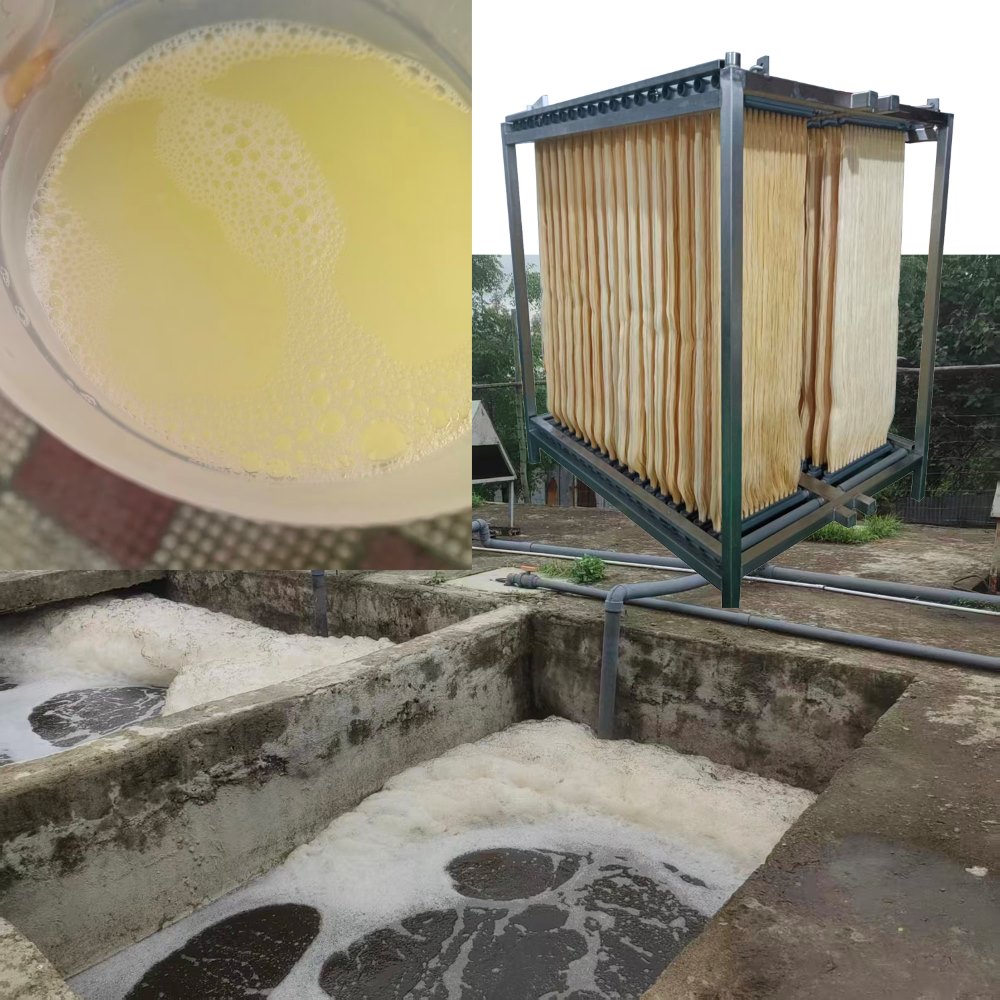
Hollow fiber ultrafiltration membranes provide precise physical separation of suspended solids, bacteria, colloids, and macromolecular organics. They are used in drinking water purification, wastewater reuse, and as a pretreatment step for reverse osmosis. In membrane bioreactors, ultrafiltration or microfiltration membranes are submerged directly in the biological tank. The membranes replace the secondary clarifier and produce high-quality effluent with a small footprint. MBR systems are popular for municipal sewage treatment, industrial wastewater reuse, and decentralized applications where space is limited.
Membrane quality is critical. A reliable supplier should explain membrane material, pore size, hydrophilicity, mechanical strength, chemical compatibility, and cleaning requirements. Polyvinylidene fluoride and polyvinyl chloride are common materials. Polyvinylidene fluoride generally offers better chemical resistance and mechanical durability, while polyvinyl chloride can be more economical for less demanding applications. The supplier should also provide data on flux rates, transmembrane pressure, backwash intervals, and expected membrane life.
Dissolved Air Flotation Systems
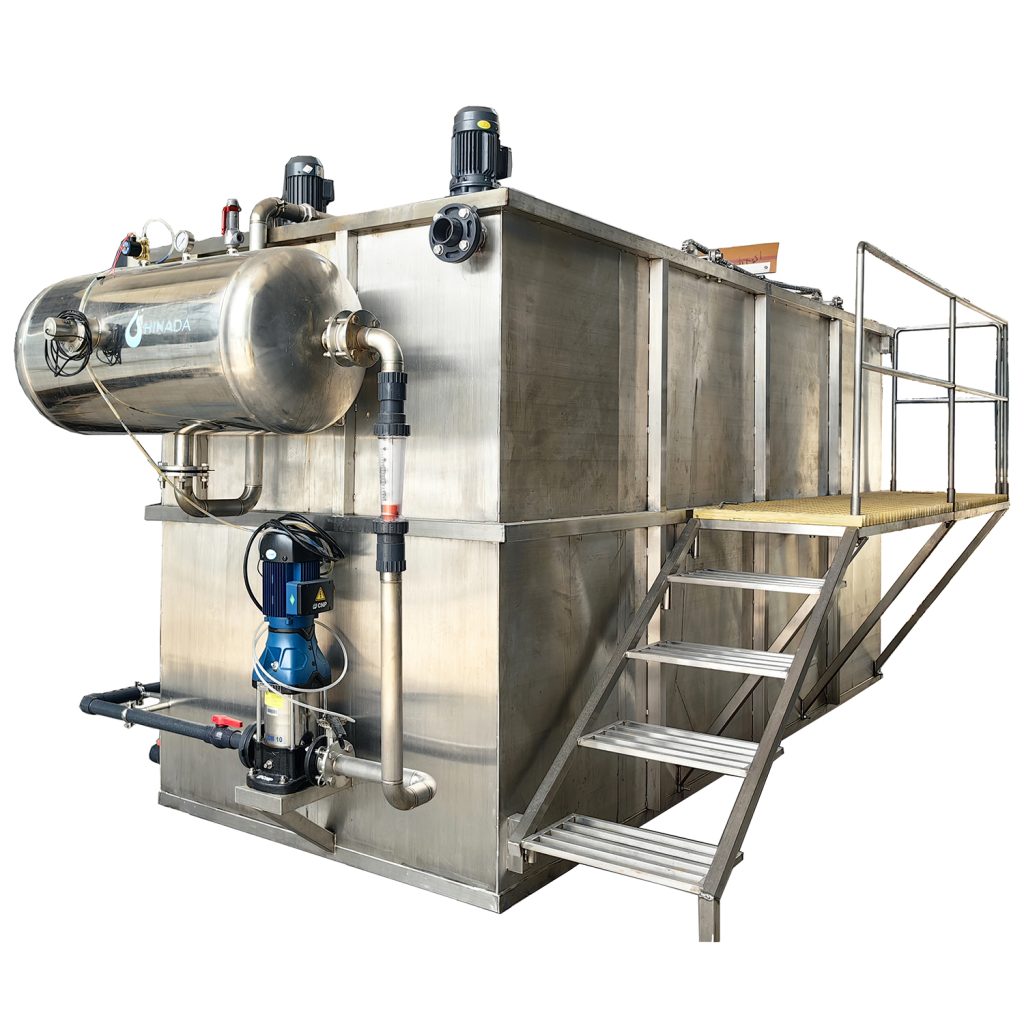
Dissolved air flotation systems remove suspended solids, oil, grease, and other low-density contaminants by dissolving air in water under pressure and releasing it as micro-bubbles. These bubbles attach to particles and float them to the surface for removal. Dissolved air flotation is widely used in industrial wastewater treatment, especially in food processing, oil and gas, paper mills, and textile operations. A well-designed dissolved air flotation system can reduce organic load before biological treatment and improve overall treatment efficiency.
Reverse Osmosis Systems
Industrial reverse osmosis systems use semi-permeable membranes to remove dissolved salts, metals, and small organic molecules. They are essential for water reuse, boiler feed water, and zero liquid discharge projects. Reverse osmosis is often preceded by ultrafiltration or another pretreatment step to protect the membranes from fouling. A reliable supplier must evaluate scaling potential, fouling indices, and chemical dosing requirements before proposing a reverse osmosis system.
Integrated Packaged Wastewater Treatment Systems
Integrated packaged wastewater treatment systems combine multiple treatment steps into a compact, factory-built unit. They are often containerized for easy transport and rapid installation. These systems are ideal for rural communities, construction sites, resorts, temporary camps, and small industrial facilities. The best packaged systems include biological treatment, membrane filtration, disinfection, and intelligent controls in a single skid or container. They reduce civil works, shorten commissioning time, and simplify operation.
Step 3: Evaluate Technical Expertise and Industry Experience
Technical expertise is the foundation of supplier reliability. A supplier should employ process engineers, mechanical designers, electrical and control specialists, and service technicians. The team should be able to perform mass balances, hydraulic calculations, biological process design, membrane sizing, and energy optimization. They should also understand local regulations and international standards.
Industry experience matters because wastewater treatment is not a generic engineering field. A supplier with experience in food and beverage wastewater may not be the best choice for mining effluent, landfill leachate, or pharmaceutical wastewater. Project owners should ask for specific experience in their industry and application. They should request process flow diagrams, design calculations, and examples of similar installations.
Experience should also include troubleshooting. Anyone can design a system for ideal conditions. A reliable supplier can explain how the system will handle shock loads, power outages, membrane fouling, seasonal temperature changes, and operator error. They should have a track record of solving real operational problems, not just delivering equipment.
For example, HINADA Water Treatment Tech Co., Ltd. has more than 13 years of experience in the water treatment industry and 10 years of water treatment membrane and equipment manufacturing experience. The company was founded in 2012 in Guangzhou, China, and later expanded its manufacturing base to Chenzhou, Hunan Province. This combination of long-term industry presence and dedicated manufacturing experience gives the company a deep understanding of both process design and equipment reliability.
Step 4: Assess Manufacturing Capability and Quality Control
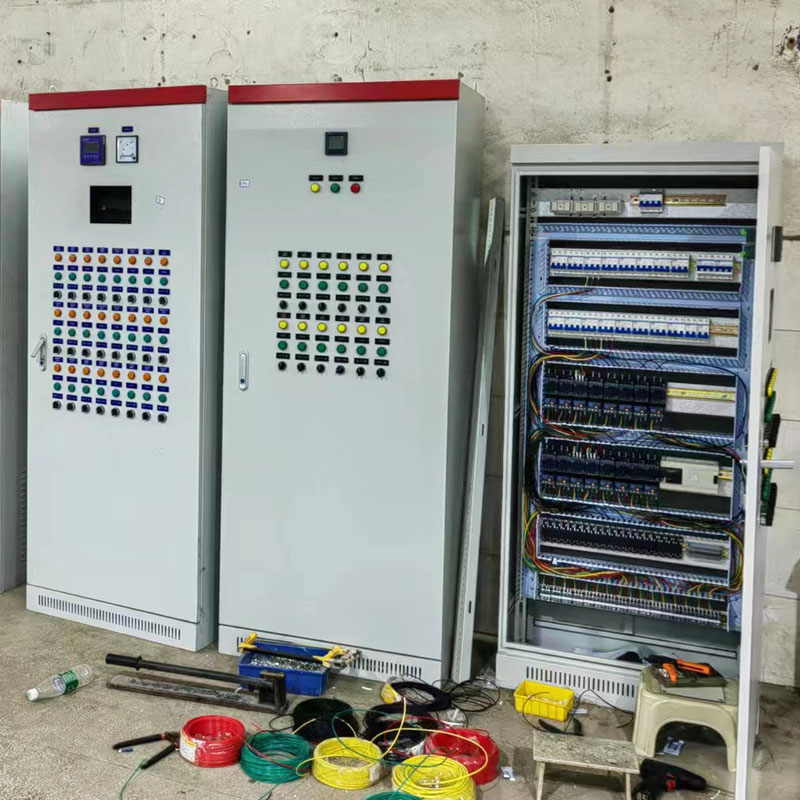
A reliable supplier should control the manufacturing process rather than relying entirely on third-party subcontractors. Vertical integration improves quality, reduces lead times, and allows customization. When a supplier manufactures its own membranes, modules, skids, and control panels, it can trace defects, improve designs, and respond quickly to client needs.
Project owners should ask about the supplier's factory. Questions include: Does the supplier own or operate a manufacturing facility? What is the factory size and production capacity? What testing equipment is available? How are raw materials sourced and inspected? What quality management systems are in place? Are there documented procedures for welding, assembly, pressure testing, and electrical wiring?
Membrane manufacturing is especially important. Membranes are the heart of many advanced wastewater treatment systems. A supplier that produces its own hollow fiber ultrafiltration membranes can control pore size, membrane strength, and surface properties. It can also provide consistent replacement membranes over the life of the plant. A supplier that merely resells membranes may have less control over quality and may change suppliers without notice.
Quality control should extend beyond the factory. The supplier should perform factory acceptance testing before shipment. For packaged plants and containerized systems, the entire unit should be tested under simulated conditions. Pumps, blowers, valves, instruments, and controls should be verified. Documentation should include test reports, material certificates, wiring diagrams, operation manuals, and maintenance schedules.
HINADA operates a complete ecosystem from membrane research and development and component manufacturing to equipment fabrication and turnkey solution delivery. This ecosystem allows the company to maintain control over critical components and to integrate them into reliable wastewater treatment systems. Its core products include polyvinylidene fluoride and polyvinyl chloride hollow fiber ultrafiltration membranes, submerged MBR membrane modules, containerized MBR systems, packaged wastewater treatment plants, dissolved air flotation systems, ultrafiltration systems, and industrial reverse osmosis systems.
Step 5: Review Product Range and Integration Capability
The ideal supplier offers a broad enough product range to cover the entire treatment train but deep enough expertise to ensure each component works well together. A narrow product range may force the project owner to coordinate multiple vendors, which increases interface risk. A broad but shallow range may result in generic equipment that is not optimized for the application.
Integration capability is particularly important for membrane bioreactor and reuse projects. The membrane modules, biological tank design, aeration system, permeate pump, backwash system, chemical cleaning system, and controls must be designed as one integrated process. If the membrane supplier and the tank manufacturer are different companies, responsibility for performance can become fragmented. A supplier that can provide the complete integrated solution reduces risk and simplifies project management.
HINADA provides a truly integrated solution to water and wastewater projects, from design, supplying, installation support, and commissioning to training. This end-to-end approach helps ensure that the membrane, equipment, and process design are aligned. The company focuses on two core technology pillars: hollow fiber ultrafiltration and MBR membranes for precise physical separation, and intelligent integrated wastewater treatment equipment for municipal, industrial, and decentralized applications.
Project owners should also consider whether the supplier can customize. Every wastewater project has unique constraints. A supplier that only offers standard products may struggle with irregular site layouts, high salinity, extreme temperatures, or unusual discharge limits. Customization may include special materials, explosion-proof electrical components, remote monitoring, solar power, or containerized configurations.
Step 6: Check Certifications, Standards, and Compliance
Certifications do not guarantee performance, but they provide evidence that a supplier follows recognized quality, safety, and environmental practices. Common certifications include ISO 9001 for quality management, ISO 14001 for environmental management, and ISO 45001 for occupational health and safety. Product-specific certifications may include CE marking for European markets, NSF certification for drinking water components, and local regulatory approvals.
Project owners should verify certificates directly with the issuing body when possible. They should also check whether the certificates cover the specific products being purchased. A company may hold an ISO 9001 certificate for one factory but manufacture the ordered equipment in another facility. The scope of certification matters.
Compliance also includes electrical standards, pressure vessel codes, and environmental discharge regulations. For export projects, the supplier should understand the destination country's voltage, frequency, plug types, labeling requirements, and safety codes. A reliable supplier will provide documentation in the required language and will design controls that local operators can understand.
Step 7: Request References, Case Studies, and Site Visits
References are one of the most powerful tools in supplier evaluation. Project owners should ask for a list of similar projects, including location, capacity, influent characteristics, effluent requirements, commissioning date, and current performance. They should then contact the references directly, preferably without the supplier arranging the conversation.
Useful questions for references include: Did the system meet its performance guarantees? How responsive was the supplier during design and construction? How well did the supplier handle commissioning? What problems occurred after startup? How quickly were spare parts delivered? Would you buy from this supplier again? The answers often reveal more than any brochure.
Site visits are even better. A visit to a running plant allows the project owner to see the equipment in operation, inspect the build quality, talk to operators, and observe maintenance practices. If a site visit is not possible, video walkthroughs and remote interviews can provide some assurance. The supplier should also provide case studies that explain the technical challenges and solutions, not just marketing photos.
HINADA serves clients in over 75 countries across Asia, Africa, Europe, and the Americas. This international experience means the company has encountered diverse wastewater conditions, regulatory frameworks, and operational environments. Its application fields include industrial wastewater treatment and reuse, municipal sewage treatment and water recycling, rural decentralized water supply and sanitation, and drinking water purification from surface water and groundwater.
Step 8: Examine After-Sales Support, Training, and Service
After-sales support is where many suppliers fail. A system that is well designed and manufactured can still underperform if operators are not trained, maintenance is neglected, or spare parts are unavailable. A reliable supplier should offer commissioning, operator training, preventive maintenance programs, remote support, and emergency service.
Commissioning should be performed by experienced engineers, not by local contractors who have never seen the equipment. The supplier should provide a commissioning plan, performance test procedures, and acceptance criteria. Operators should be trained on normal operation, troubleshooting, chemical cleaning, membrane replacement, and safety procedures. Training should include both classroom instruction and hands-on practice.
Remote monitoring is increasingly valuable. Modern wastewater treatment systems can transmit data on flow, pressure, temperature, dissolved oxygen, turbidity, and energy consumption. A supplier with remote monitoring capability can help diagnose problems quickly and optimize performance. However, remote monitoring should not replace local service. The supplier should have a clear service response time and a network of technicians or partners.
Service agreements can be structured in different ways. Some suppliers offer annual maintenance contracts that include inspections, calibration, membrane cleaning, and spare parts discounts. Others provide service on demand. Project owners should compare the scope, response time, and cost of these options. They should also clarify warranty terms, including what is covered, what is excluded, and how long the warranty lasts.
Step 9: Consider Spare Parts, Membranes, and Long-Term Supply
Wastewater treatment systems require ongoing spare parts. Pumps, blowers, valves, sensors, membranes, and control components wear out or fail. If spare parts are proprietary, expensive, or slow to arrive, the plant may experience extended downtime. A reliable supplier should provide a recommended spare parts list, lead times, and pricing. They should also guarantee the availability of critical components for a defined period.
Membranes deserve special attention because they are a major recurring cost. The supplier should specify the expected membrane life under the actual operating conditions. They should explain cleaning regimes, chemical compatibility, and replacement procedures. If the supplier manufactures its own membranes, it can often provide more consistent quality and better pricing. If the supplier sources membranes from another manufacturer, the project owner should verify the original equipment manufacturer and the warranty terms.
Long-term supply agreements can protect the project owner from price volatility and supply chain disruptions. Such agreements may include fixed pricing for a certain number of years, guaranteed stock, or priority allocation during shortages. They may also include technical support for membrane replacement and system upgrades.
HINADA manufactures hollow fiber ultrafiltration membranes, submerged MBR membrane modules, and complete membrane systems. This manufacturing capability supports long-term spare parts and membrane supply. The company's experience in membrane research and development also helps it improve membrane performance and respond to customer feedback.
Step 10: Compare Cost Against Total Value
Price is important, but the lowest initial price is rarely the lowest total cost. Total cost of ownership includes capital cost, installation cost, energy consumption, chemical usage, membrane replacement, spare parts, labor, maintenance, downtime, and regulatory risk. A supplier that offers a low price but uses inefficient blowers, thin membranes, or poor-quality controls may cost far more over ten years.
Project owners should request a lifecycle cost analysis from each supplier. The analysis should include assumptions about electricity prices, labor rates, membrane life, and chemical consumption. It should also include sensitivity analysis for different flow rates and loading conditions. A reliable supplier will be transparent about assumptions and will not hide costs.
Value also includes performance guarantees. A supplier may guarantee effluent quality, energy consumption, or membrane life. These guarantees should be specific, measurable, and backed by financial remedies if not met. Project owners should review the conditions under which guarantees apply, such as influent characteristics, temperature range, and operator compliance.
Step 11: Evaluate Project Management and Communication
Even the best technology can fail if project management is poor. Wastewater treatment projects involve multiple disciplines, vendors, and stakeholders. The supplier must coordinate design, manufacturing, shipping, civil works, installation, commissioning, and training. Delays or miscommunication can increase costs and disrupt operations.
Project owners should ask about the supplier's project management methodology. Does the supplier assign a dedicated project manager? How are schedules, milestones, and deliverables tracked? How often are progress reports provided? How are changes managed? What is the escalation path for problems? A supplier with clear project management processes is more likely to deliver on time and on budget.
Communication is equally important. Language barriers, time zone differences, and cultural differences can create misunderstandings. The supplier should have English-speaking engineers or translators available. They should respond to emails and requests promptly. They should provide documentation in a clear and organized format. During commissioning, they should work collaboratively with the owner's team.
Step 12: Look for Scalability and Future-Proofing
Wastewater treatment needs often change over time. A community may grow, an industry may expand, or regulations may become stricter. A reliable supplier should design systems that can be expanded or upgraded. Modular design, extra tank capacity,预留 space, and scalable controls can make future expansion easier and less expensive.
Future-proofing also means choosing technologies that are flexible. Membrane bioreactors can be expanded by adding membrane modules. Packaged plants can be duplicated or combined. Reverse osmosis systems can add stages or trains. A supplier that understands modularity can help the project owner plan for growth without overbuilding today.
Digital readiness is another aspect of future-proofing. Systems with open communication protocols, remote access, and data logging can be integrated into broader asset management platforms. This allows operators to track performance, predict maintenance, and optimize energy use. A supplier that offers these capabilities is better positioned for the future.
Common Red Flags When Choosing a Supplier
Some warning signs should prompt additional scrutiny. These include:
Unwillingness to provide detailed references or case studies.
Vague answers about manufacturing locations or component suppliers.
No process engineering staff or reliance on salespeople for technical answers.
Quotes that do not include influent and effluent parameters or performance guarantees.
Extremely low prices that are inconsistent with the specified materials and components.
No spare parts list, no recommended maintenance schedule, and no training plan.
Pressure to sign a contract before technical clarifications are complete.
Certificates that cannot be verified or that cover unrelated products.
Poor communication during the sales process, which often predicts poor communication after the sale.
No clear warranty terms or a warranty that excludes critical components such as membranes.
Red flags do not always mean a supplier should be rejected, but they should be resolved before a contract is signed. Project owners should trust their instincts and insist on transparency.
A Practical Due Diligence Checklist
The following checklist can help organize supplier evaluation:
Company background: legal name, year founded, ownership, headquarters, manufacturing locations.
This checklist should be adapted to the specific project. For a small rural plant, the emphasis may be on simplicity, durability, and local service. For a large industrial reuse project, the emphasis may be on process guarantees, energy efficiency, and membrane performance.
How HINADA Illustrates the Qualities of a Reliable Supplier
HINADA Water Treatment Tech Co., Ltd. is a globally recognized manufacturer of wastewater treatment equipment, hollow fiber ultrafiltration membranes, submerged MBR membrane modules, integrated packaged wastewater treatment systems, and dissolved air flotation systems. Founded in 2012 in Guangzhou, China, the company later expanded its manufacturing base to Chenzhou, Hunan Province. Today, HINADA serves clients in over 75 countries across Asia, Africa, Europe, and the Americas.
The company is one of the leading submerged MBR membrane, wastewater treatment equipment, and membrane filtration system manufacturers in China. It specializes as a wastewater treatment solution provider and equipment supplier in Guangzhou since its founding in 2012. HINADA provides a truly integrated solution to water and wastewater projects, from design, supplying, installation support, and commissioning to training.
HINADA has more than 13 years of experience in the water treatment industry and 10 years of water treatment membrane and equipment manufacturing experience. It has built a complete ecosystem from membrane research and development and component manufacturing to equipment fabrication and turnkey solution delivery. From day one, the company has focused on two core technology pillars. The first is hollow fiber ultrafiltration and MBR membranes, which provide precise physical separation of suspended solids, bacteria, colloids, and macromolecular organics. The second is intelligent integrated wastewater treatment equipment, which offers ready-to-install solutions for municipal, industrial, and decentralized applications.
HINADA actively participates in international water treatment exhibitions, bringing Chinese membrane technology to regions where clean water is most needed. Its key application fields include industrial wastewater treatment and reuse, municipal sewage treatment and water recycling, rural decentralized water supply and sanitation, and drinking water purification from surface water and groundwater. These applications demonstrate the breadth of the company's experience and its ability to adapt to different regulatory and operational environments.
While HINADA is one example, the principles discussed in this article apply to any supplier. Project owners should look for the same evidence of technical expertise, manufacturing control, product integration, certifications, references, after-sales support, and long-term commitment.
Regional and Application-Specific Considerations
Supplier reliability can vary by region and application. In some countries, local service networks are more important than manufacturing scale. In others, import regulations, tariffs, and shipping logistics may influence the choice. Project owners should consider the supplier's experience with similar climates, power supplies, labor skills, and regulatory frameworks.
For rural decentralized water supply and sanitation, suppliers should offer simple, robust systems that can be maintained by local operators. Solar-powered or low-energy systems may be appropriate. For municipal sewage treatment and water recycling, suppliers should have experience with large flows, nutrient removal, and sludge handling. For industrial wastewater treatment and reuse, suppliers must understand the specific industry, whether it is food processing, textiles, chemicals, mining, or pharmaceuticals.
Drinking water purification from surface water or groundwater requires different expertise. Suppliers must address turbidity, pathogens, organic matter, iron, manganese, and sometimes salinity. Ultrafiltration and reverse osmosis are common technologies, but pretreatment and disinfection are equally important. A supplier with experience in both wastewater and drinking water can often provide more integrated solutions.
The Role of International Exhibitions and Knowledge Transfer
International water treatment exhibitions are useful for buyers who want to compare suppliers, see equipment, and learn about new technologies. They allow suppliers to demonstrate their capabilities and discuss projects face to face. However, exhibitions alone are not enough. Buyers should follow up with factory visits, reference checks, and detailed technical discussions.
Knowledge transfer is another sign of a reliable supplier. A supplier that trains operators, shares design documentation, and explains the reasoning behind design decisions is more likely to build a successful long-term relationship. Knowledge transfer reduces dependence on the supplier and increases plant resilience. It also helps local teams troubleshoot problems before they become serious.
Conclusion
Choosing a reliable wastewater treatment system supplier requires a structured approach. Project owners should define the wastewater problem, understand the available technologies, evaluate technical expertise, assess manufacturing capability, review product range and integration, check certifications, request references, examine after-sales support, plan for spare parts, compare total cost, evaluate project management, and look for scalability. They should also watch for red flags and use a due diligence checklist.
The best supplier is not always the largest or the cheapest. It is the one that understands the project, communicates clearly, manufactures quality equipment, provides strong support, and stands behind its performance guarantees. Companies such as HINADA Water Treatment Tech Co., Ltd. demonstrate how a manufacturer with membrane research and development, equipment fabrication, and turnkey delivery capabilities can support projects across diverse applications and regions. By applying the criteria in this article, project owners can make informed decisions that lead to reliable, efficient, and sustainable wastewater treatment systems.
Ultimately, the goal is not simply to purchase equipment. The goal is to protect public health, comply with regulations, reduce environmental impact, and achieve predictable operating costs. A reliable supplier is a partner in that mission. The time invested in supplier evaluation is small compared with the cost of a failed project. With careful planning and thorough due diligence, project owners can choose a supplier that delivers lasting value.