Inside a Containerized MBR System factory Focused on Precision
Inside a Containerized MBR System factory Focused on Precision
September 30, 2026
Author
Solution Provider, through a professional technical team, we provide customers with targeted equipment selection recommendations and comprehensive after-sales services, winning the trust and recognition of customers.
Sarah M.
Inside a Containerized MBR System Factory Focused on Precision explores how HINADA Water Treatment Tech Co., Ltd. approaches the design, fabrication, testing, and global delivery of containerized membrane bioreactor systems. The article explains why containerized MBR systems are changing the wastewater treatment market. They integrate biological treatment and membrane filtration into a compact, prefabricated package that can be shipped and commissioned quickly. This model is valuable for industrial parks, remote communities, resorts, construction camps, food and beverage plants, textile factories, and decentralized sanitation projects. Precision is essential because every pipe, cable, sensor, and membrane cassette must fit and function inside a confined space. The article then looks inside the factory. HINADA, founded in 2012 in Guangzhou and later expanded to Chenzhou, Hunan Province, has more than 13 years of water treatment industry experience and 10 years of membrane and equipment manufacturing experience. It serves clients in over 75 countries. The company operates with a complete ecosystem from membrane R&D and component manufacturing to equipment fabrication and turnkey solution delivery. Its two core technology pillars are hollow fiber ultrafiltration and MBR membranes for precise physical separation, and intelligent integrated wastewater treatment equipment for municipal, industrial, and decentralized applications. Core products include PVDF and PVC hollow fiber UF membranes, submerged MBR membrane modules, containerized MBR systems and packaged wastewater treatment plants, dissolved air flotation systems, ultrafiltration systems, and industrial reverse osmosis systems. The article describes the main zones of a containerized MBR system, including influent pretreatment, biological treatment, membrane filtration, aeration, pumps and valves, controls and instrumentation, and optional disinfection. It emphasizes membrane manufacturing precision, module potting, aeration balance, chemical cleaning design, fabrication discipline, and factory acceptance testing. Global applications covered include industrial wastewater treatment and reuse, municipal sewage treatment and water recycling, rural decentralized water supply and sanitation, and drinking water purification. The article highlights HINADA participation in international water treatment exhibitions and its role as a wastewater treatment solution provider and equipment supplier. It also explains the importance of installation support, commissioning, and training. The conclusion argues that precision is the thread connecting membrane research, equipment fabrication, system testing, and global service. As water scarcity and stricter discharge standards grow, factories that combine membrane expertise, integrated equipment design, and disciplined manufacturing will be best positioned to meet demand. HINADA continues to refine the art and science of precision water treatment.
Inside a Containerized MBR System Factory Focused on Precision
When the world thinks about advanced wastewater treatment, it often pictures vast municipal plants with concrete basins and sprawling pipe galleries. Yet a quiet revolution has been taking place inside steel containers, modular skids, and compact process trains. At the center of this revolution is the containerized membrane bioreactor, or MBR system. It combines biological treatment with membrane filtration in a footprint small enough to fit inside a shipping container. The result is a treatment plant that can be fabricated, tested, shipped, and commissioned with a level of precision that traditional site-built systems struggle to match.
This is the world that HINADA Water Treatment Tech Co., Ltd. knows well. Known simply as HINADA, the company has built its reputation as a globally recognized manufacturer of wastewater treatment equipment, hollow fiber ultrafiltration membranes, submerged MBR membrane modules, integrated packaged wastewater treatment systems, and dissolved air flotation systems. Founded in 2012 in Guangzhou, China, HINADA later expanded its manufacturing base to Chenzhou, Hunan Province. Today, it serves clients in more than 75 countries across Asia, Africa, Europe, and the Americas.
For anyone who wants to understand what makes a containerized MBR system factory different, the answer is not only in the technology. It is in the culture of precision that runs from membrane spinning to final commissioning. This article looks inside that factory environment, exploring how HINADA approaches design, fabrication, testing, and global delivery.
undefined
Why Containerized MBR Systems Are Changing the Market
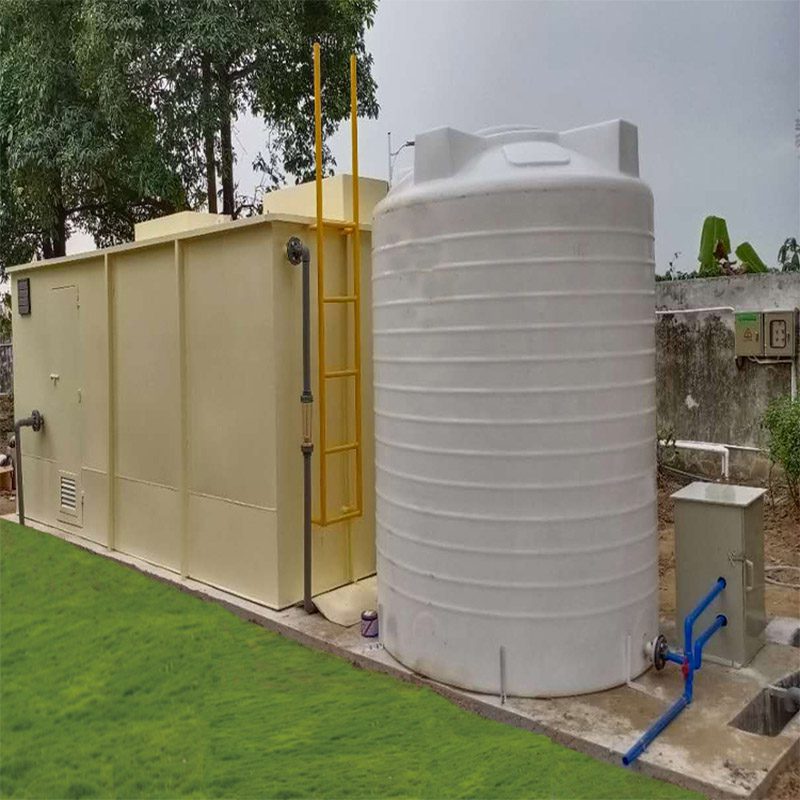
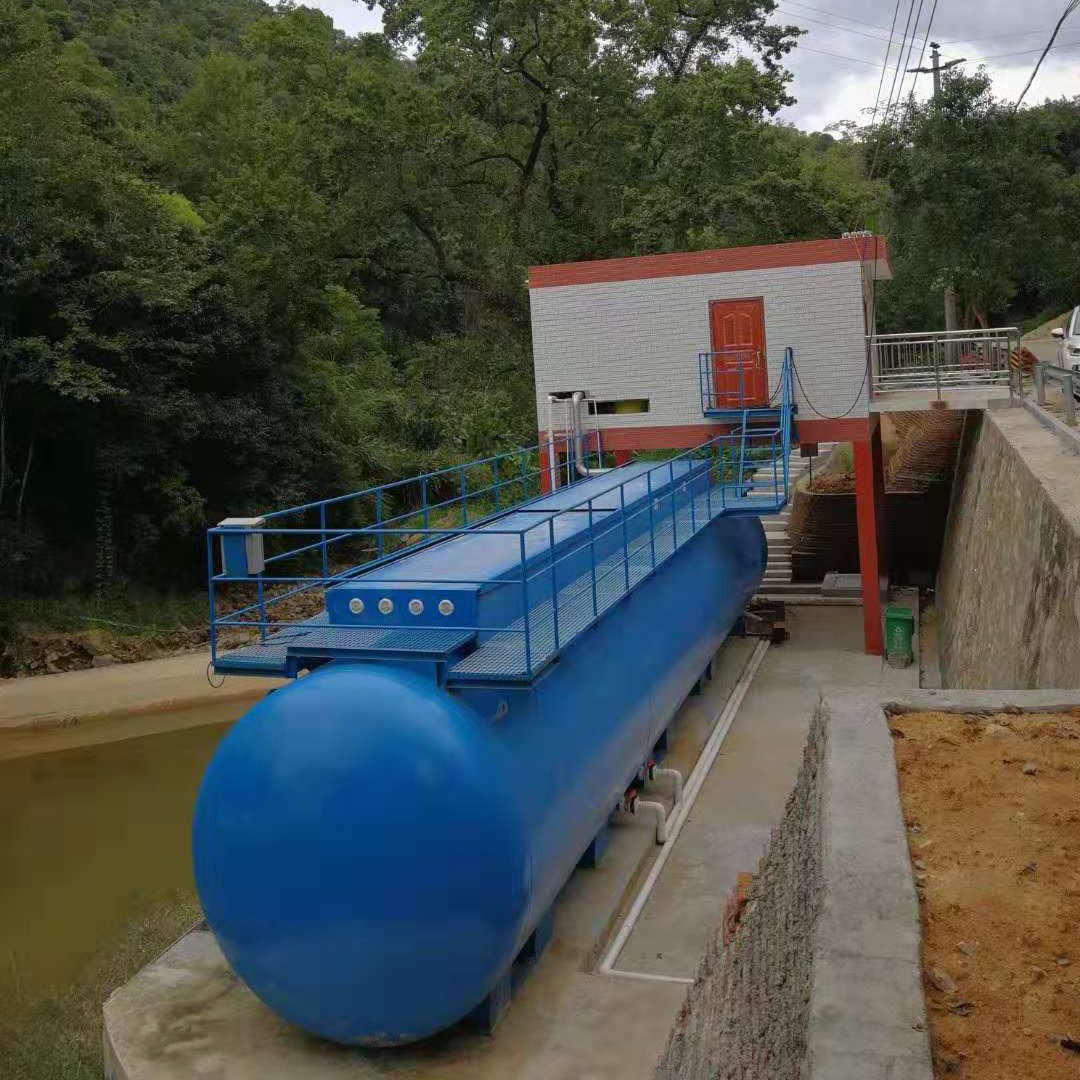
Containerized MBR systems are not simply smaller versions of conventional plants. They are integrated, pre-engineered, and pre-assembled solutions. Each unit typically includes biological tanks, membrane modules, blowers, pumps, valves, instrumentation, controls, and sometimes disinfection and sludge handling. Because the system arrives as a complete package, site work is reduced. Civil construction is minimized. Installation time is compressed. The treatment process can be monitored and optimized before it ever leaves the factory.
This model is especially valuable for industrial parks, remote communities, resorts, construction camps, food and beverage plants, textile factories, and decentralized sanitation projects. These sites often need reliable treatment but lack the space, budget, or technical staff for a conventional large-scale plant. A containerized MBR system delivers high-quality effluent, removes bacteria and suspended solids, and supports water reuse. It also offers a level of repeatability that is difficult to achieve when every plant is built from scratch on site.
Precision matters because the margins are tight. Inside a container, every pipe, cable, sensor, and membrane cassette must fit exactly. Service access must be preserved. Air distribution must be uniform. Hydraulic flows must be balanced. A small error in fabrication can become a large problem in operation. That is why the best containerized MBR factories treat assembly as a disciplined manufacturing process rather than a construction project.
The Factory Floor: Where Precision Begins
HINADA operates with a complete ecosystem that spans membrane research and development, component manufacturing, equipment fabrication, and turnkey solution delivery. This vertical integration gives the company control over critical variables. Instead of depending on outside suppliers for every membrane, module, frame, and control panel, HINADA can align design, production, and quality control around a single standard.
The company has more than 13 years of experience in the water treatment industry and 10 years of water treatment membrane and equipment manufacturing experience. That experience is visible in the way its factory teams approach a containerized MBR order. The process usually begins with a detailed review of water quality, flow rate, discharge standards, site conditions, and reuse goals. Engineers then develop a process design that matches the biological treatment requirements with the membrane filtration area, aeration demand, and cleaning strategy.
From day one, HINADA focused on two core technology pillars. The first is hollow fiber ultrafiltration and MBR membranes, which provide precise physical separation of suspended solids, bacteria, colloids, and macromolecular organics. The second is intelligent integrated wastewater treatment equipment, which delivers ready-to-install solutions for municipal, industrial, and decentralized applications. These two pillars support every containerized MBR system the company builds.
From Guangzhou to Chenzhou: A Manufacturing Journey
The company was founded in 2012 in Guangzhou, a city known for its manufacturing energy and international trade connections. As demand grew, HINADA expanded its manufacturing base to Chenzhou, Hunan Province. This expansion allowed the company to increase production capacity, deepen its component manufacturing capabilities, and serve a wider international market. The move also reflected a long-term commitment to the water treatment industry at a time when many suppliers were still focused on trading rather than manufacturing.
Today, HINADA is one of the leading submerged MBR membrane, wastewater treatment equipment, and membrane filtration system manufacturers in China. It specializes as a wastewater treatment solution provider and equipment supplier. Its portfolio includes PVDF and PVC hollow fiber UF membranes, submerged MBR membrane modules, containerized MBR systems and packaged wastewater treatment plants, dissolved air flotation systems, ultrafiltration systems, and industrial reverse osmosis systems.
This range is important because real projects rarely fit into a single product category. An industrial client may need pretreatment, biological treatment, membrane filtration, and reverse osmosis in one treatment train. A municipal client may need a compact MBR for a growing community. A rural project may need a decentralized packaged plant that can operate with minimal supervision. HINADA can combine its core products into a solution that matches the application rather than forcing the application to fit a limited catalog.
Two Technology Pillars Under One Roof
The first pillar, hollow fiber ultrafiltration and MBR membranes, is the heart of the containerized MBR system. These membranes act as a physical barrier. They retain suspended solids, bacteria, colloids, and macromolecular organics while allowing treated water to pass through. In an MBR, the membranes are submerged directly in the biological tank. This configuration replaces the secondary clarifier and allows a higher mixed liquor suspended solids concentration. The biological process becomes more compact, and the effluent quality becomes more consistent.
HINADA manufactures PVDF and PVC hollow fiber UF membranes. The choice of material affects chemical resistance, mechanical strength, hydrophilicity, and service life. PVDF membranes are often selected for demanding industrial applications because of their durability and resistance to cleaning chemicals. PVC membranes can offer a cost-effective option for certain municipal and decentralized applications. The factory controls the membrane production process, module potting, and quality testing, which helps ensure that each module performs as expected.
The second pillar, intelligent integrated wastewater treatment equipment, turns those membranes into complete systems. This includes containerized MBR systems, packaged wastewater treatment plants, DAF systems, UF systems, and RO systems. The equipment is designed for prefabrication, skid mounting, and modular transport. Controls and instrumentation are integrated so that the system can be started, monitored, and adjusted with a high degree of automation.
Inside the Containerized MBR System
A containerized MBR system may look simple from the outside. It is a steel box with connections, access doors, and maybe a control room. Inside, however, it is a dense and carefully organized process environment. The exact layout depends on the design flow, influent characteristics, effluent requirements, and site constraints. A typical system includes several functional zones.
Influent and pretreatment zone: screens, equalization, and sometimes chemical dosing to protect the membranes and biological process.
Biological treatment zone: anoxic and aerobic tanks where bacteria remove organic matter, nitrogen, and phosphorus.
Aeration and blower zone: blowers that supply oxygen for biological treatment and air scouring for the membranes.
Pump and valve zone: permeate pumps, sludge pumps, recirculation pumps, and automated valves.
Control and instrumentation zone: PLC panels, HMI screens, flow meters, pressure sensors, level sensors, and turbidity or suspended solids monitors.
Disinfection and reuse zone: optional UV, ozone, or chemical dosing for reuse applications.
Each zone must be designed with maintenance in mind. Membrane modules need to be accessible for inspection, cleaning, and replacement. Blowers need ventilation and vibration isolation. Pumps need sufficient suction head and service clearance. Electrical panels need protection from moisture and heat. In a container, there is no room for careless routing. Precision is not a luxury; it is a requirement.
HINADA engineers use 3D design and process simulation to plan the layout before fabrication begins. Piping routes are coordinated with structural frames, cable trays, and access platforms. This front-end engineering reduces clashes, shortens assembly time, and improves the quality of the final product. When the container is built, the team is not improvising. It is following a controlled design that has already been reviewed for hydraulic, mechanical, electrical, and maintenance requirements.
Precision in Membrane Manufacturing
The membrane is the most critical component in a containerized MBR system. Its performance determines effluent quality, energy consumption, cleaning frequency, and membrane life. HINADA approaches membrane manufacturing as a precision process. The production of hollow fiber membranes involves polymer preparation, spinning, coagulation, washing, drying, and quality inspection. Small variations in temperature, humidity, dope concentration, or extrusion speed can affect pore size, wall thickness, and mechanical strength.
After the fibers are produced, they are assembled into membrane modules. Potting is a particularly important step. The fibers must be sealed into the module housing without damage or leakage. The potting resin must bond firmly and withstand chemical cleaning. The module must be tested for integrity, permeability, and pressure resistance. HINADA uses quality control procedures to verify that each module meets its performance specifications before it is released to assembly.
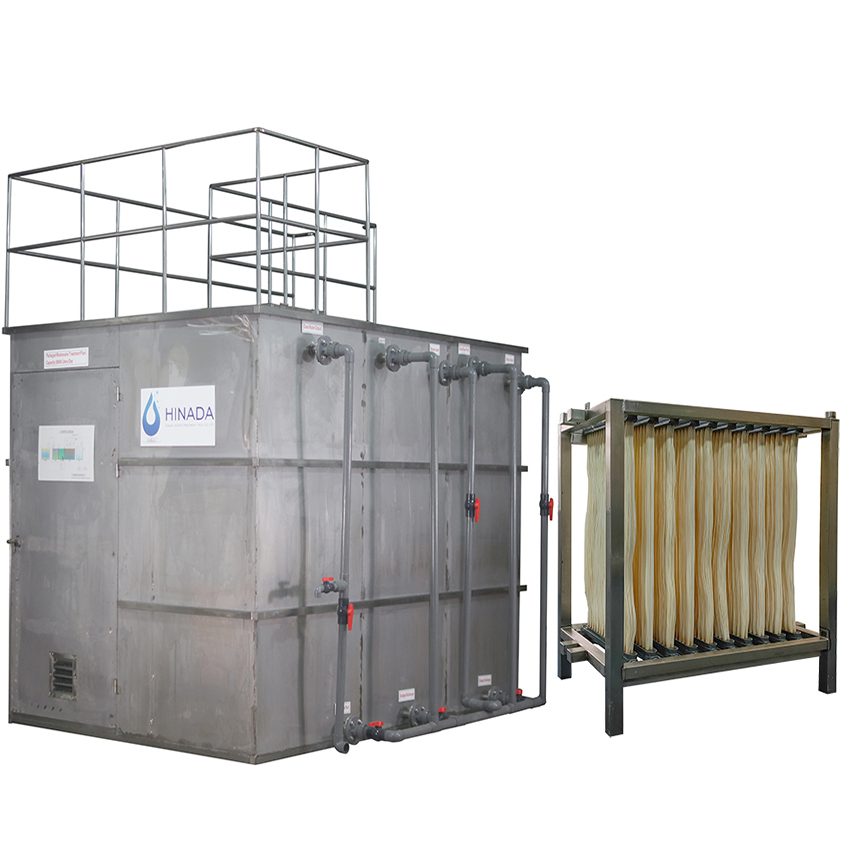
For containerized MBR systems, membrane modules are configured as submerged cassettes. These cassettes are designed for high packing density and uniform aeration. Air scouring creates turbulence along the membrane surface, which helps control fouling and maintain stable operation. The aeration system must be balanced across the cassette. If some areas receive too little air, fouling can accelerate. If some areas receive too much air, energy is wasted and the membrane may be subjected to unnecessary stress. Precision in air distribution is therefore a key design and fabrication concern.
HINADA also considers chemical cleaning in the design. Membrane modules need to be cleaned periodically with citric acid, sodium hypochlorite, or other agents depending on the fouling type. The containerized system must include appropriate cleaning connections, tanks, and controls. The factory team plans these details during design so that operators can perform cleaning safely and efficiently after commissioning.
Fabrication and Assembly: The Discipline of Fit
Inside the factory, containerized MBR systems move through a structured production flow. The steel container or skid is prepared, inspected, and coated. Structural supports are installed. Tanks and partitions are positioned. Piping is prefabricated and fitted. Electrical conduits and cable trays are routed. Equipment such as blowers, pumps, valves, and membrane cassettes is mounted. Instruments are installed and wired. Finally, the system is tested and prepared for shipment.
Each stage has its own quality checkpoints. Dimensional checks confirm that equipment and piping align with the design. Weld inspections and pressure tests verify the integrity of tanks and pipework. Electrical checks confirm proper grounding, insulation, and termination. Functional tests confirm that pumps, valves, blowers, and sensors operate as intended. These checks are not simply administrative steps. They are part of a manufacturing culture that treats precision as a measurable outcome.
HINADA provides a truly integrated solution to water and wastewater projects, from design and supplying to installation support and commissioning to training. This integrated approach means the factory team is not isolated from the field. Engineers who understand installation and operation can provide feedback to design and production. Lessons learned from one project can improve the next. This closed loop is one of the strongest advantages of a specialized containerized MBR factory.
Testing Before Shipment: Proving Performance
One of the greatest benefits of factory-built containerized MBR systems is the ability to test before shipment. Instead of waiting until the system is installed on site, HINADA can conduct factory acceptance testing in a controlled environment. This testing can include hydrostatic tests, electrical tests, control system checks, blower and pump operation, valve sequencing, sensor calibration, and sometimes clean water or simulated process testing.
Factory testing reduces site risk. It identifies issues while the system is still in the factory, where tools, spare parts, and technical support are readily available. It also allows the client and consultant to witness key performance checks before the equipment is shipped. For international projects, this step is especially valuable because site conditions may be remote and mobilization costs are high.
The control system is a major focus during testing. A containerized MBR system relies on automation to maintain stable operation. The PLC and HMI must coordinate biological aeration, membrane aeration, permeate production, backwash, relaxation, chemical cleaning, and sludge wasting. Alarm and safety interlocks must protect pumps, blowers, and membranes. The operator interface must be clear and intuitive. HINADA engineers test these functions systematically to ensure that the system can operate reliably after delivery.
Global Reach and Application Fields
HINADA serves clients in over 75 countries across Asia, Africa, Europe, and the Americas. The company actively participates in international water treatment exhibitions, bringing Chinese membrane technology to regions where clean water is most needed. This global presence has exposed HINADA to a wide range of water qualities, climate conditions, regulatory requirements, and operational practices. That experience informs the design of its containerized MBR systems.
Key application fields include industrial wastewater treatment and reuse, municipal sewage treatment and water recycling, rural decentralized water supply and sanitation, and drinking water purification for surface water and groundwater. Each application has different priorities. Industrial clients often focus on compliance, water reuse, and operating cost. Municipal clients need reliability, capacity, and easy maintenance. Rural projects require robust, low-attendance systems. Drinking water projects demand strict pathogen removal and consistent quality.
The following list summarizes how containerized MBR systems can be positioned across these applications.
Industrial wastewater treatment and reuse: high organic load, variable water quality, discharge limits, and reuse goals. Containerized MBR advantages include compact footprint, high effluent quality, modular expansion, and automated control.
Municipal sewage treatment and water recycling: reliable capacity, nutrient removal, low odor, and reuse for irrigation or flushing. Containerized MBR advantages include fast deployment, consistent membrane effluent, and reduced civil works.
Rural decentralized water supply and sanitation: remote location, limited operators, small footprint, and low maintenance. Containerized MBR advantages include prefabricated system, remote monitoring, simple operation, and quick installation.
Drinking water purification: pathogen removal, turbidity control, and surface water or groundwater treatment. Containerized MBR advantages include UF and MBR barrier, compact process train, and factory-tested performance.
HINADA does not treat these applications as isolated product sales. The company positions itself as a wastewater treatment solution provider and equipment supplier. That means it can support clients from process design through equipment selection, fabrication, delivery, installation support, commissioning, and training. For international clients, this end-to-end support is often as important as the equipment itself.
Quality Control and the Culture of Precision
Precision in a containerized MBR factory is not limited to machining tolerances. It includes process precision, documentation precision, and communication precision. Process precision means the system is designed to meet the required effluent quality under the expected operating conditions. Documentation precision means drawings, manuals, test reports, and spare parts lists are accurate and complete. Communication precision means the factory understands the client requirements and the site team understands the system.
HINADA maintains quality control across membrane production, module assembly, equipment fabrication, and system testing. Incoming materials are inspected. Critical components are traceable. Production processes are monitored. Final products are tested. Non-conformities are addressed before shipment. This structured approach helps ensure that every containerized MBR system leaves the factory ready for its intended service.
The company also invests in its people. Engineers, technicians, and production staff work together across disciplines. Membrane specialists understand biological treatment. Mechanical designers understand maintenance access. Electrical engineers understand control logic. Process engineers understand the client application. This cross-functional collaboration is essential because a containerized MBR system is not a collection of separate parts. It is an integrated process environment where every component affects the others.
Installation, Commissioning, and Training
Once a containerized MBR system is shipped, the project moves into installation and commissioning. Because the system is prefabricated, site work is focused on foundations, connections, and utilities. The container or skid is positioned, and the influent, effluent, air, power, and communication connections are made. If required, HINADA provides installation support to help the site team complete these steps correctly.
Commissioning is where the system comes to life. Biological seeding, aeration adjustment, membrane commissioning, control loop tuning, and performance testing are carried out. The goal is to bring the system to stable operation and demonstrate that it meets the design requirements. HINADA supports commissioning with experienced engineers who understand both the equipment and the process.
Training is equally important. Operators need to know how to monitor the system, interpret alarms, adjust setpoints, perform routine maintenance, and carry out membrane cleaning. They need to understand what normal operation looks like and what to do when conditions change. HINADA provides training as part of its integrated solution, helping clients build the local capacity needed for long-term success.
Why Precision Matters for the Future of Water
The global water challenge is not only about building more treatment capacity. It is about building the right capacity in the right place, with the right level of reliability and efficiency. Containerized MBR systems offer a practical path forward. They can be manufactured under controlled conditions, tested before shipment, and deployed quickly where they are needed. They can be standardized for repeatability or customized for specific applications. They can support reuse, protect the environment, and improve public health.
For HINADA, precision is the thread that connects all of these benefits. It begins with membrane research and extends through component manufacturing, equipment fabrication, system testing, and global service. It is visible in the company history, from its founding in Guangzhou in 2012 to its expanded manufacturing base in Chenzhou, Hunan Province. It is reflected in its two core technology pillars and in its complete ecosystem from membrane R&D to turnkey solution delivery.
Inside a containerized MBR system factory focused on precision, the work is detailed and demanding. It requires engineers who can see the whole process and technicians who can execute the smallest details. It requires a commitment to quality that does not stop at the factory door. For clients in more than 75 countries, that commitment is the reason they choose HINADA. They are not simply buying equipment. They are investing in a treatment solution that has been designed, built, tested, and supported with precision.
As water scarcity, stricter discharge standards, and decentralized treatment needs continue to grow, the role of containerized MBR systems will only expand. Factories that can combine membrane expertise, integrated equipment design, and disciplined manufacturing will be best positioned to meet that demand. HINADA Water Treatment Tech Co., Ltd. has built its business around that combination. From hollow fiber UF and MBR membranes to submerged MBR modules, packaged plants, DAF systems, UF systems, and industrial RO systems, the company continues to refine the art and science of precision water treatment.
About HINADA Water Treatment Tech Co., Ltd. HINADA is a globally recognized manufacturer of wastewater treatment equipment, hollow fiber ultrafiltration membranes, submerged MBR membrane modules, integrated packaged wastewater treatment systems, and DAF systems. Founded in 2012 in Guangzhou, China, and later expanded to Chenzhou, Hunan Province, HINADA serves clients in over 75 countries. Its core products include PVDF and PVC hollow fiber UF membranes, submerged MBR membrane modules, containerized MBR systems and packaged wastewater treatment plants, dissolved air flotation systems, ultrafiltration systems, and industrial reverse osmosis systems. The company provides integrated solutions from design, supplying, installation support, and commissioning to training.