Inside a Modern Wastewater Treatment System factory
Inside a Modern Wastewater Treatment System factory
September 30, 2026
Author
Solution Provider, through a professional technical team, we provide customers with targeted equipment selection recommendations and comprehensive after-sales services, winning the trust and recognition of customers.
Sarah M.
Inside a modern wastewater treatment system factory, the story of clean water begins with engineering, chemistry, and precision manufacturing. This blog explored such a factory through the example of HINADA Water Treatment Tech Co., Ltd., a globally recognized manufacturer founded in 2012 in Guangzhou, China, and later expanded to Chenzhou, Hunan Province. HINADA serves clients in over 75 countries across Asia, Africa, Europe, and the Americas. Its core products include PVDF and PVC hollow fiber UF membranes, submerged MBR membrane modules, containerized MBR systems and packaged wastewater treatment plants, dissolved air flotation systems, ultrafiltration systems, and industrial reverse osmosis systems. The factory is built around two core technology pillars: hollow fiber ultrafiltration and MBR membranes for precise physical separation of suspended solids, bacteria, colloids, and macromolecular organics, and intelligent integrated wastewater treatment equipment for municipal, industrial, and decentralized applications. The article described the membrane production line, from polymer preparation and dope solution to spinning, coagulation, washing, potting, and testing. It examined the anatomy of submerged MBR modules, the assembly of containerized MBR systems, and the fabrication of DAF, UF, and RO skids. Quality control, factory acceptance testing, automation, and remote monitoring were highlighted as essential for reliability. The blog also covered applications in industrial wastewater treatment and reuse, municipal sewage treatment and water recycling, rural decentralized water supply and sanitation, and drinking water purification from surface water and groundwater. HINADA provides a complete ecosystem from membrane R&D and component manufacturing to equipment fabrication and turnkey solution delivery, including designation, supplying, installation support, commissioning, and training. With more than 13 years of water treatment industry experience and 10 years of membrane and equipment manufacturing experience, HINADA continues to innovate and bring Chinese membrane technology to regions where clean water is most needed. The factory is not just a production site. It is a water solution hub where dirty water gets a second chance and where engineering serves life.
Inside a Modern Wastewater Treatment System Factory
Water is the silent engine of every community, every farm, every factory, and every city. When water is used, it becomes wastewater, and that wastewater must be returned to the environment or reused in a way that protects public health and ecosystems. The modern wastewater treatment system factory is where many of the tools for that mission are born. It is a place of stainless steel, polymer chemistry, precision welding, membrane spinning, automation, and rigorous testing. It is also a place where engineering meets environmental responsibility. This blog takes a third-person journey inside such a factory, using the example of HINADA Water Treatment Tech Co., Ltd., a globally recognized manufacturer of wastewater treatment equipment, hollow fiber ultrafiltration membranes, submerged MBR membrane modules, integrated packaged wastewater treatment systems, and DAF systems. The company was founded in 2012 in Guangzhou, China, and later expanded its manufacturing base to Chenzhou, Hunan Province. Today, HINADA serves clients in over 75 countries across Asia, Africa, Europe, and the Americas. The factory floor tells a story that is both technical and human: the story of how dirty water becomes clean water again.
Why a Modern Wastewater Treatment System Factory Matters
For decades, wastewater treatment was often an afterthought. Cities built centralized plants, industries discharged to sewers, and rural communities relied on septic systems or direct discharge. That model is no longer sufficient. Population growth, industrial expansion, stricter environmental regulations, and climate stress have made water reuse and decentralized treatment essential. A modern wastewater treatment system factory is not merely an assembly plant. It is a hub of innovation where membranes, biological processes, physical separation, and digital controls are integrated into compact, reliable, and scalable systems. HINADA has focused on two core technology pillars since its founding: hollow fiber ultrafiltration and MBR membranes for precise physical separation, and intelligent integrated wastewater treatment equipment for ready-to-install solutions. Those pillars support municipal, industrial, and decentralized applications. The factory is where those pillars become products that can be shipped, installed, and commissioned in places as different as a textile park in Asia, a mining site in Africa, a food processing plant in Europe, or a rural village in the Americas.
The Arrival: A Factory Built Around Flow
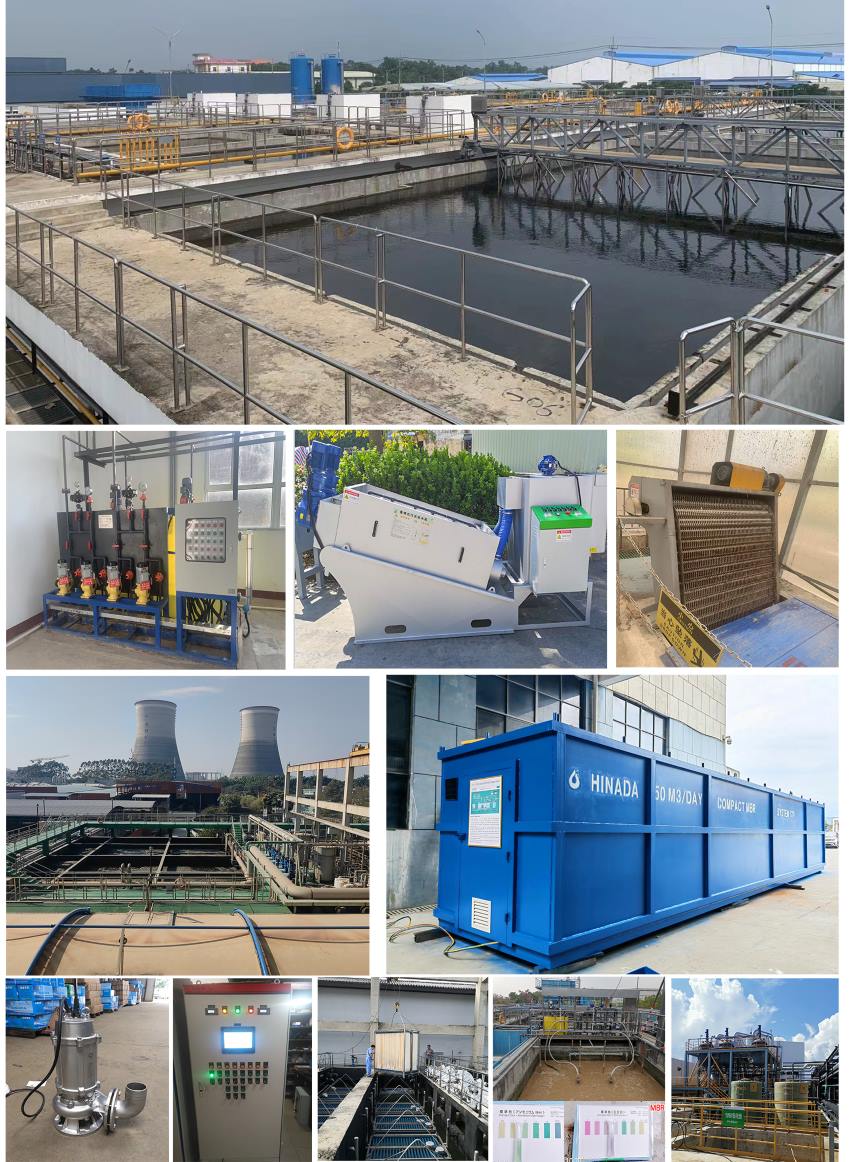
A visitor entering a modern wastewater treatment system factory might expect noise, chaos, and the smell of chemicals. Instead, the first impression is often order. The layout follows the flow of materials and information. Raw polymers arrive in sealed bags. Membrane casting lines run in clean rooms with controlled temperature and humidity. Submerged MBR membrane modules are assembled on long tables. Stainless steel frames are welded in a fabrication hall. Control panels are wired and tested in an electrical workshop. Finished packaged plants sit on skids, waiting for shipment. At HINADA, this flow is deliberate. The company describes a complete ecosystem from membrane research and development and component manufacturing to equipment fabrication and turnkey solution delivery. That ecosystem is not just a marketing phrase. It is visible in the way a roll of hollow fiber membrane becomes a module, a module becomes a cassette, a cassette becomes a containerized MBR system, and a containerized system becomes a working wastewater treatment plant. The factory is built around flow: flow of water, flow of air, flow of polymer, flow of electrons, and flow of knowledge.
From Guangzhou to Chenzhou: A Story of Growth
HINADA was founded in 2012 in Guangzhou, a major manufacturing and trade hub in southern China. Guangzhou gave the company access to suppliers, engineers, and international shipping. As demand grew, the company expanded its manufacturing base to Chenzhou, Hunan Province. That expansion allowed for larger production halls, dedicated membrane lines, and more space for integrated equipment assembly. More than 13 years in the water treatment industry and 10 years of water treatment membrane and equipment manufacturing experience have shaped the company. The factory is not a startup experiment. It is a mature operation that has learned how to balance standardization with customization. A submerged MBR membrane module for a municipal plant may share the same core membrane as a module for an industrial wastewater reuse project, but the cassette design, air scour system, and controls may differ. The factory must be flexible enough to handle both.
undefined
Core Products: The Building Blocks of Treatment
HINADA manufactures a portfolio that covers multiple stages of water and wastewater treatment. The core products include PVDF and PVC hollow fiber UF membranes, submerged MBR membrane modules, containerized MBR systems and packaged wastewater treatment plants, dissolved air flotation systems, ultrafiltration systems, and industrial reverse osmosis systems. Each product has a specific role. UF membranes remove suspended solids, bacteria, colloids, and macromolecular organics through precise physical separation. MBR modules combine biological treatment with membrane separation, producing high-quality effluent in a small footprint. Containerized MBR systems and packaged plants bring treatment to sites where civil construction is difficult or expensive. DAF systems remove oils, fats, grease, and light suspended solids that settling cannot easily capture. UF systems polish water for reuse or pre-treat reverse osmosis. Industrial RO systems remove dissolved salts and contaminants for high-purity applications. Together, these products form a train that can treat everything from raw municipal sewage to complex industrial effluent.
PVDF and PVC Hollow Fiber UF Membranes
The hollow fiber ultrafiltration membrane is one of the most important components in the factory. It looks like a bundle of thin, straw-like fibers, but each fiber is a precision filtration barrier. The membrane material is typically PVDF or PVC. PVDF offers excellent chemical resistance, mechanical strength, and fouling resistance, making it suitable for demanding wastewater and MBR applications. PVC offers cost-effective performance for certain water treatment duties. The fibers are manufactured through a phase inversion process. Polymer, solvent, and additives are mixed into a dope solution. The dope is extruded through a spinneret with a central bore, creating a hollow fiber. The fiber passes through an air gap and into a coagulation bath, where the polymer precipitates and forms a porous structure. The pore size is controlled to reject particles and microorganisms while allowing water to pass. The fibers are then washed, dried, potted into modules, and tested. The factory controls every step because small variations in temperature, humidity, dope viscosity, or draw speed can change membrane performance.
Submerged MBR Membrane Modules
Submerged MBR membrane modules are designed to sit directly in the biological tank. Mixed liquor flows around the modules. A vacuum or permeate pump draws clean water through the membrane pores. Air scouring from the bottom of the module creates turbulence that lifts solids off the membrane surface. This design eliminates the need for a secondary clarifier and allows high biomass concentrations. The result is a compact treatment system with excellent effluent quality. HINADA manufactures submerged MBR membrane modules in various configurations. Each module contains hundreds or thousands of hollow fibers. The fibers are potted at both ends with resin to create a watertight seal. The module frame holds the fibers in place and distributes air evenly. The permeate header collects filtered water. The module must be robust enough to withstand years of immersion, chemical cleaning, and mechanical stress. The factory tests each module for integrity before it leaves the line.
Containerized MBR Systems and Packaged Wastewater Treatment Plants
Containerized MBR systems and packaged wastewater treatment plants are the factory's answer to rapid deployment. Instead of building a concrete plant on site, engineers design a treatment train inside a shipping container or on a steel skid. The container includes tanks, membranes, blowers, pumps, valves, instruments, and controls. It can be shipped by truck, train, or ship. Once on site, it is connected to inlet and outlet piping, power, and communications. Commissioning can take days or weeks rather than months. This approach is ideal for rural communities, construction camps, resorts, factories, and emergency relief. HINADA's packaged systems can treat municipal sewage, industrial wastewater, or a combination. They can be designed for biological nutrient removal, disinfection, and reuse. The factory builds these systems with modular components so they can be expanded as flows grow.
Dissolved Air Flotation Systems
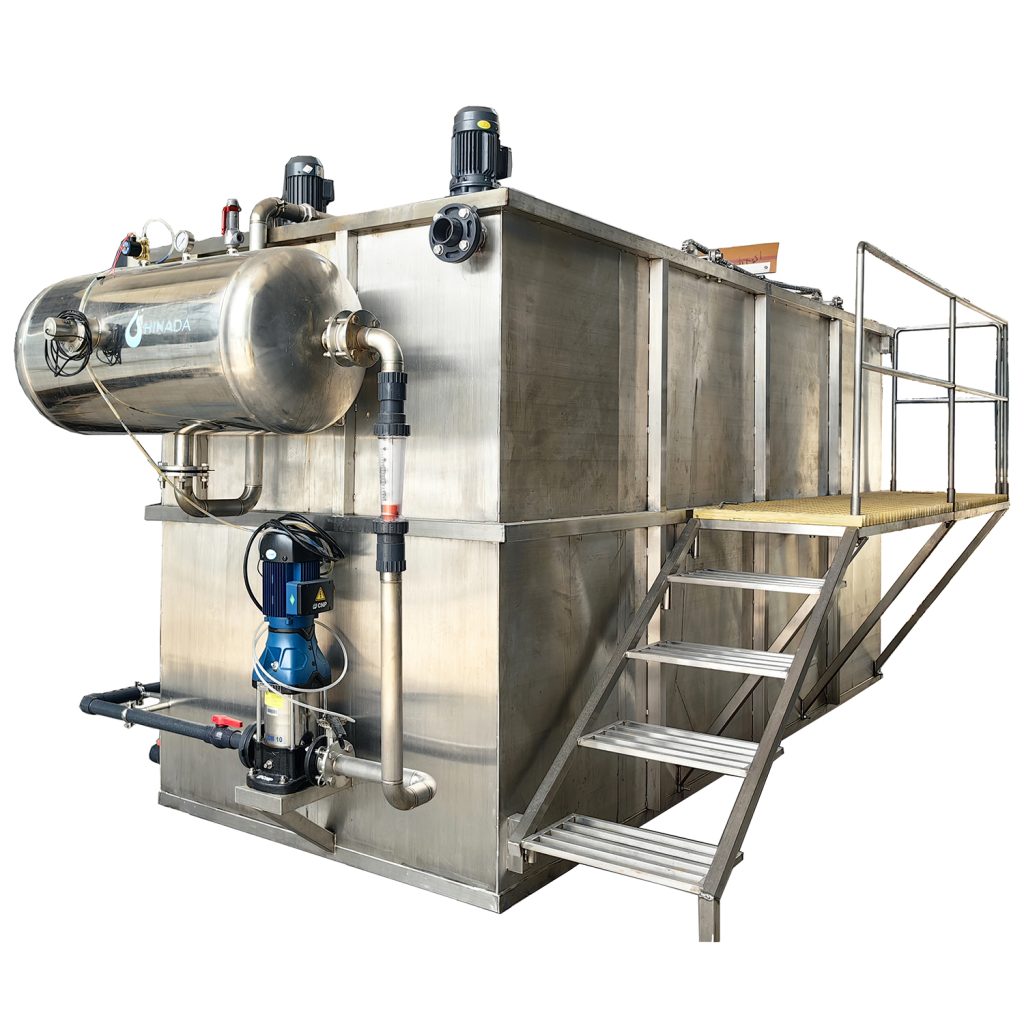
Dissolved air flotation, or DAF, is a physical separation process. Fine air bubbles are dissolved into a pressurized water stream and then released into a flotation tank. The bubbles attach to suspended particles, oils, and greases, causing them to rise to the surface. A skimmer removes the float layer. DAF is widely used in industrial wastewater treatment, especially in food processing, meat processing, dairy, oil and gas, and paper manufacturing. It is also used for algae removal in drinking water treatment. HINADA's DAF systems are designed for high loading rates and stable performance. The factory fabricates the flotation tanks, saturation vessels, pumps, and skimmers. It also integrates chemical dosing and control systems. DAF is often a pre-treatment step before MBR, UF, or RO. By removing fats, oils, and grease early, it protects downstream membranes from fouling.
Ultrafiltration and Industrial Reverse Osmosis Systems
Ultrafiltration systems use hollow fiber or spiral-wound membranes to remove particles, bacteria, and viruses. They are often used for drinking water purification, wastewater reuse, and reverse osmosis pre-treatment. HINADA's UF systems are built around its own hollow fiber membranes, giving the company control over quality and supply. Industrial reverse osmosis systems use semi-permeable membranes to remove dissolved salts, heavy metals, and organic contaminants. RO is used in boiler feed water, pharmaceutical manufacturing, electronics, food and beverage, and desalination. The factory assembles RO skids with high-pressure pumps, membrane elements, pressure vessels, and instrumentation. UF and RO are often combined in a train: UF removes suspended solids and protects RO membranes from fouling, while RO removes dissolved contaminants. The factory tests each skid for pressure integrity, flow, and rejection before shipment.
From Polymer to Membrane: Inside the UF/MBR Production Line
The membrane production line is the heart of the factory. It is where chemistry becomes a physical product. The process begins with polymer preparation. PVDF or PVC resin is weighed and mixed with solvents and additives in a heated vessel. The mixture is stirred until it becomes a homogeneous dope solution. The dope is degassed to remove air bubbles, because bubbles create defects in the fibers. The dope is then pumped through a spinneret. The spinneret has an annular opening and a central bore. The central bore carries a bore fluid, which keeps the fiber hollow. The dope exits the spinneret and enters an air gap. The air gap length, temperature, and humidity are carefully controlled. The fiber then enters a coagulation bath, where solvent exchange causes the polymer to precipitate. The result is a porous hollow fiber with a dense skin layer and a spongy support layer.
After coagulation, the fiber passes through washing baths to remove residual solvent. It is then drawn or stretched to align polymer chains and improve mechanical strength. The fiber may be treated with a hydrophilic agent to improve wettability and fouling resistance. It is dried and wound onto spools. Each spool is labeled with production parameters and traceability information. The factory keeps samples for quality control. The fibers are tested for tensile strength, elongation, pore size, pure water permeability, and rejection. Only fibers that meet specifications move to module assembly. This is a continuous process, but it requires constant attention. A small change in dope temperature can change pore size. A small change in draw speed can change fiber diameter. The factory's experience in membrane manufacturing, built over 10 years, is what allows it to maintain consistency at scale.
Module Assembly and Potting
Module assembly begins with fiber bundling. Thousands of hollow fibers are gathered into a bundle. The bundle is inserted into a module housing or cassette. The ends of the fibers are potted with epoxy or polyurethane resin. Potting is a critical step. The resin must seal the fibers without blocking the lumens. It must bond to the housing without leaking. It must withstand chemical cleaning and thermal cycling. The factory uses precision molds and controlled curing ovens. After potting, the module is trimmed to expose the fiber openings. The permeate side is separated from the feed side. The module is then fitted with headers, air diffusers, and frames. Each module is tested for integrity. A pressure decay test or bubble point test can detect broken fibers or leaks. The module is then labeled and packed for shipment. The entire process is documented so that any module can be traced back to its raw materials and production batch.
The Anatomy of a Submerged MBR Membrane Module
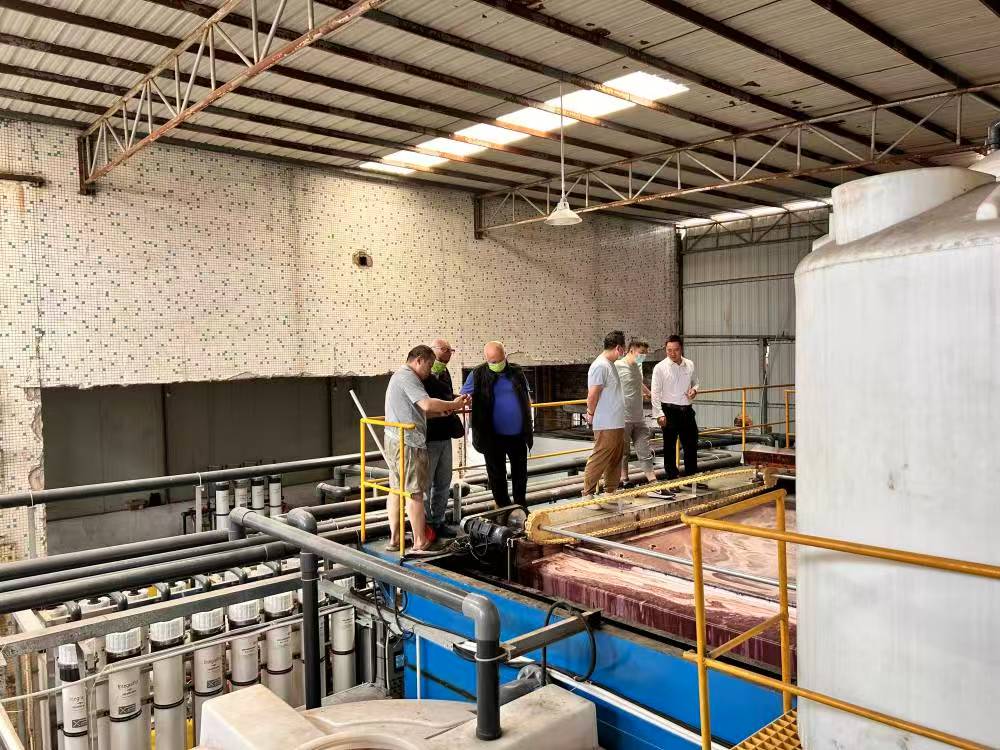
A submerged MBR membrane module is more than a bundle of fibers. It is a carefully engineered assembly. The module frame holds the fibers in a vertical or slightly angled orientation. The bottom of the module has an air diffuser that releases coarse bubbles. These bubbles create a two-phase flow that scours the membrane surface. The top of the module has a permeate header that collects filtered water. The module may also have a backwash connection and a chemical cleaning connection. The cassette design allows multiple modules to be stacked in a tank. The tank is filled with mixed liquor, which contains bacteria, protozoa, and suspended solids. The bacteria consume organic matter and nutrients. The membrane retains the biomass, allowing it to concentrate. The permeate pump draws water through the membrane. The flow is intermittent, with relaxation periods and backwashing to control fouling. Air scouring continues during operation. Chemical cleaning is performed periodically to remove organic and inorganic foulants. The module must be designed for easy maintenance. Operators must be able to remove a cassette for inspection or replacement without draining the entire tank.
Building the Integrated Packaged Wastewater Treatment Plant
The integrated packaged wastewater treatment plant is assembled in the factory's fabrication hall. The process starts with a design based on influent characteristics, effluent requirements, site conditions, and available utilities. Engineers select the treatment train: screening, equalization, biological treatment, membrane separation, disinfection, and sludge handling. They size tanks, pumps, blowers, and membranes. They create a 3D model and piping layout. The fabrication team then builds the skid or container. Stainless steel or carbon steel is cut, welded, and coated. Piping is installed and pressure-tested. Electrical panels are wired and programmed. Membranes are installed and tested. The system is then wet-tested with clean water. If possible, it is tested with actual wastewater or a synthetic feed. The factory performs a factory acceptance test before shipment. The customer is invited to witness the test or receives a detailed test report. The packaged plant is then prepared for transport. It may be shipped as a complete unit or in modules that are assembled on site. HINADA's turnkey approach includes designation, supplying, installation support, commissioning, and training. That means the factory's involvement does not end at the shipping dock.
Containerized MBR Systems: A Factory Within a Factory
A containerized MBR system is essentially a factory within a factory. The container is modified with insulation, lighting, ventilation, and access doors. Inside, tanks are arranged to fit the limited space. Membrane cassettes are submerged in the biological tank. Blowers provide air for biological treatment and membrane scouring. Pumps move influent, permeate, and sludge. A control panel manages the process. The container may include a small laboratory area, a chemical dosing station, and a restroom for operators. The design must consider safety, maintenance access, and thermal management. In cold climates, the container may need heating. In hot climates, it may need cooling. In remote areas, it may need solar power or a generator. The factory builds these systems to be robust and easy to operate. The goal is to provide reliable treatment with minimal on-site construction. Containerized MBR systems are used for municipal sewage, industrial wastewater, and decentralized applications. They can be duplicated and deployed quickly to multiple sites.
Quality Control and Testing: Where Confidence Is Manufactured
Quality control is not a separate department in a modern wastewater treatment system factory. It is embedded in every step. Raw materials are inspected on arrival. Polymers, solvents, resins, and steel are checked against specifications. Membrane production parameters are logged continuously. Fibers are sampled and tested. Modules are tested for integrity. Skids are pressure-tested and electrically tested. Control systems are simulated and validated. Finished products are wet-tested. The factory maintains a traceability system that links every product to its production batch. If a problem is found in the field, engineers can trace it back to the source. HINADA's quality control lab includes equipment for measuring permeability, pore size, tensile strength, contact angle, and chemical resistance. The lab also performs accelerated fouling tests and cleaning tests. These tests help the company improve membrane formulations and module designs. The factory also conducts microbial challenge tests to verify bacteria and virus rejection. For MBR modules, the factory tests air scour uniformity and permeate flow. For DAF systems, it tests bubble size and float removal efficiency. For RO systems, it tests salt rejection and pressure drop. Every test is documented.
Factory Acceptance Testing and Documentation
Factory acceptance testing, or FAT, is a formal milestone. The customer's engineers may visit the factory to witness the test. The test plan specifies flow rates, pressures, temperatures, power consumption, and control responses. The system is run for a defined period. Samples are taken and analyzed. The results are recorded in a test report. The report includes calibration certificates, material certificates, and as-built drawings. The factory also provides operation and maintenance manuals, spare parts lists, and training materials. Documentation is critical for regulatory approval, operator training, and long-term maintenance. A well-documented system is easier to troubleshoot and upgrade. HINADA's turnkey approach means that documentation is prepared alongside the equipment, not after shipment.
DAF Systems: Removing What Settling Cannot
Dissolved air flotation is an elegant process. It uses air bubbles to float particles that would otherwise sink slowly or remain suspended. In the factory, DAF systems are built as skids or tanks. The process begins with coagulation and flocculation. Chemicals are added to neutralize charges and bind particles into flocs. The flocs then enter the flotation tank. A recycle stream is pressurized with air in a saturation vessel. When the pressure is released, dissolved air forms micro-bubbles. These bubbles attach to flocs and lift them to the surface. A chain-and-flight skimmer removes the sludge blanket. Clarified water exits from the bottom. DAF is effective for removing fats, oils, grease, suspended solids, and some metals. It is often used in industrial wastewater treatment before biological treatment or membrane filtration. The factory designs DAF systems with variable recycle ratios, chemical dosing control, and sludge handling. The tanks are fabricated from stainless steel or coated carbon steel. The saturation vessel is designed for high air dissolution efficiency. The skimmer drive is robust and easy to maintain. HINADA's DAF systems are used in food processing, slaughterhouses, dairies, oil refineries, and paper mills.
Ultrafiltration and Reverse Osmosis: The Polishing Train
Ultrafiltration and reverse osmosis are often paired in a polishing train. UF removes particles, bacteria, and viruses. RO removes dissolved salts and small organic molecules. The combination can produce high-purity water for reuse or discharge. In the factory, UF systems are built with hollow fiber membranes. The membranes are housed in pressure vessels or submerged in tanks. A typical UF system includes feed pumps, pre-filters, membrane skids, backwash pumps, chemical cleaning units, and controls. The system operates in dead-end or cross-flow mode. It periodically backwashes and chemically cleans the membranes. RO systems include high-pressure pumps, membrane elements, pressure vessels, energy recovery devices, and controls. They require pre-treatment to prevent scaling and fouling. The factory tests each system for flow, pressure, and rejection. The systems are then integrated with the overall treatment train. HINADA's UF and RO systems are used for drinking water purification, wastewater reuse, boiler feed water, and industrial process water.
Control Systems and Intelligent Automation
Modern wastewater treatment systems are intelligent. They use programmable logic controllers, human-machine interfaces, and SCADA software to monitor and control the process. Sensors measure flow, pressure, level, pH, temperature, dissolved oxygen, turbidity, and conductivity. The control system adjusts pumps, blowers, valves, and chemical dosing. It can also communicate with remote monitoring platforms. HINADA's integrated equipment includes intelligent controls that simplify operation. The system can run in automatic mode, with minimal operator intervention. It can send alarms and data to a central server. It can perform preventive maintenance reminders. It can log historical data for analysis. Automation is not just a convenience. It improves energy efficiency, reduces chemical consumption, and ensures consistent effluent quality. In a containerized MBR system, the control panel is the brain. It manages the biological process, membrane filtration, backwashing, and cleaning. It can be accessed locally or remotely. The factory tests the control system with simulated inputs and outputs. It also provides training so operators understand the process and the controls.
Applications Across Four Continents
HINADA serves clients in over 75 countries across Asia, Africa, Europe, and the Americas. The factory's products are used in four key application fields. These fields are not abstract categories. They represent real challenges and real solutions.
Industrial wastewater treatment and reuse: Factories in textiles, food and beverage, pharmaceuticals, chemicals, mining, and electronics need to treat wastewater before discharge or reuse. MBR, UF, RO, and DAF systems help them meet regulations and reduce water costs.
Municipal sewage treatment and water recycling: Cities and towns need to treat sewage to protect rivers, lakes, and groundwater. They also need to recycle water for irrigation, landscaping, and industrial use. HINADA's submerged MBR modules and packaged plants provide compact, high-quality treatment.
Rural decentralized water supply and sanitation: Millions of people lack access to safe water and sanitation. Decentralized systems can be installed in villages, schools, clinics, and tourist sites. Containerized MBR systems and packaged plants are ideal for these locations.
Drinking water purification from surface water and groundwater: UF and RO systems remove pathogens, particles, and dissolved contaminants. They can turn rivers, lakes, and wells into safe drinking water sources.
Each application field has different requirements. Industrial wastewater may contain high salinity, heavy metals, or toxic organics. Municipal sewage varies with population and weather. Rural systems must be robust and simple to operate. Drinking water systems must meet strict health standards. HINADA's factory can customize membranes, modules, and equipment to meet these requirements. The company's experience in over 75 countries means it has seen many different water qualities and operating conditions. That experience is built into every design.
Case Snapshots: How HINADA Systems Perform in the Field
To understand the factory, it helps to look at the field. A textile factory in Asia uses HINADA's MBR and RO systems to treat dyeing wastewater. The MBR removes color and organic matter. The RO removes salts. The treated water is reused in the dyeing process, reducing freshwater intake and discharge. A food processing plant in Europe uses DAF and MBR systems to treat wastewater with high fats, oils, and grease. The DAF removes the fats, and the MBR polishes the water for discharge. A municipality in Africa uses a containerized MBR system to treat sewage for a growing town. The system was shipped in containers, installed on a concrete pad, and commissioned in weeks. It now produces water for irrigation and toilet flushing. A rural village in the Americas uses a packaged wastewater treatment plant to serve a school and clinic. The system is solar-powered and remotely monitored. These snapshots show that the factory's products are not just equipment. They are infrastructure for public health and environmental protection.
Installation, Commissioning, and Training: The Turnkey Difference
HINADA provides a truly integrated solution to water and wastewater projects, from designation, supplying, installation support, and commissioning to training. That is the turnkey difference. The factory does not simply sell a product and walk away. Engineers work with the customer to understand the problem. They design the system. They manufacture the equipment. They ship it. They support installation. They commission the system. They train the operators. They provide after-sales service. This approach reduces risk for the customer. It ensures that the system performs as designed. It also creates a feedback loop. Field data and operator feedback go back to the factory. That information is used to improve future designs. HINADA's engineers travel to project sites around the world. They work with local contractors, utilities, and plant managers. They conduct performance tests and optimize the process. They train operators on safety, maintenance, and troubleshooting. The goal is to leave behind a system that works reliably for years.
Training and Capacity Building
Training is a critical part of commissioning. A well-designed system can fail if operators do not understand it. HINADA's training programs cover process fundamentals, equipment operation, membrane maintenance, chemical cleaning, and troubleshooting. Operators learn how to monitor key parameters, interpret alarms, and perform routine tasks. They learn how to collect samples and interpret lab results. They learn how to safely handle chemicals. They learn how to record data and report issues. The factory also provides training materials, videos, and manuals. In some projects, HINADA's engineers stay on site for weeks to support the initial operation. They help the customer develop standard operating procedures and maintenance schedules. This capacity building is especially important in rural and decentralized projects, where local operators may have limited technical background. By investing in training, HINADA helps ensure the long-term sustainability of its systems.
Inside the Fabrication Hall: Welding, Piping, and Skid Assembly
The fabrication hall is a world of metal, sparks, and precision. Stainless steel plates are cut and formed into tanks. Pipes are cut, beveled, and welded. Skids are assembled with pumps, blowers, valves, and instruments. Welders follow qualified procedures and inspect their work. Piping is pressure-tested and flushed. Electrical panels are mounted and wired. The fabrication hall is where the design becomes a physical system. It requires coordination between mechanical, electrical, and process engineers. It also requires strict quality control. A leak in a tank or pipe can cause downtime and environmental damage. A miswired panel can damage equipment. A poorly aligned pump can vibrate and fail. The factory uses jigs, fixtures, and checklists to ensure consistency. It also uses 3D models to plan assembly and avoid clashes. The fabrication hall is not glamorous, but it is essential. It is where the factory's reputation for reliability is built.
Materials of Construction
Materials of construction are selected based on the wastewater characteristics and the operating environment. Stainless steel 304 and 316L are common for tanks, frames, and piping. Carbon steel with epoxy coating may be used for large tanks. PVC, CPVC, and PVDF are used for piping and membrane components. Polypropylene is used for some tanks and covers. The factory maintains relationships with qualified suppliers and verifies material certificates. It also has procedures for welding stainless steel to avoid corrosion. For aggressive industrial wastewater, the factory may use duplex stainless steel or exotic alloys. The goal is to provide a system that lasts. A wastewater treatment plant is a long-term investment. The materials must withstand years of exposure to water, chemicals, and biological activity. HINADA's experience in over 75 countries means it has encountered many different water qualities. That experience informs material selection.
Membrane R&D: A Complete Ecosystem
HINADA's complete ecosystem includes membrane research and development, component manufacturing, equipment fabrication, and turnkey solution delivery. The R&D team works on new membrane formulations, module designs, and process improvements. They test new polymers, additives, and coating technologies. They study fouling mechanisms and cleaning strategies. They collaborate with universities and research institutes. The factory has pilot-scale membrane casting lines for testing new ideas. It also has pilot-scale treatment systems for validating performance. This R&D capability allows HINADA to improve its products continuously. For example, the company may develop a new PVDF membrane with higher permeability and better fouling resistance. It may design a new module with improved air scour efficiency. It may create a new control algorithm for energy savings. The R&D team works closely with the production team to scale up successful innovations. This integration of R&D and manufacturing is a key advantage. It allows the factory to respond quickly to customer needs and market trends.
The Global Reach of a Chinese Membrane Technology Manufacturer
HINADA actively participates in international water treatment exhibitions, bringing Chinese membrane technology to regions where clean water is most needed. The company's products are installed in over 75 countries. This global reach is not just about sales. It is about adapting technology to local conditions. A system designed for a European city may need to be modified for a Southeast Asian factory. A membrane that works well in cold water may need adjustment for warm water. A control system that relies on stable internet may need a local backup. HINADA's engineers learn from every project. They bring that knowledge back to the factory. The result is a product line that is robust, flexible, and cost-effective. The company's presence in Asia, Africa, Europe, and the Americas also allows it to provide local support. It partners with distributors and service providers to ensure spare parts and technical assistance are available. This global network is a valuable asset for customers.
Sustainability and the Circular Water Economy
Wastewater is not waste. It is a resource. It contains water, nutrients, and energy. Modern treatment systems can recover these resources. MBR and UF membranes produce high-quality water for reuse. RO systems can concentrate salts for recovery. Anaerobic digestion can produce biogas. Sludge can be converted into fertilizer or energy. DAF systems can recover fats and oils. HINADA's products support the circular water economy. By enabling water reuse, they reduce freshwater withdrawal and discharge. By producing high-quality effluent, they protect ecosystems. By using energy-efficient blowers and pumps, they reduce operating costs and carbon footprint. By using durable membranes, they reduce replacement frequency and waste. The factory itself also practices sustainability. It recycles water from testing. It manages chemicals safely. It reduces waste in production. It designs products for long life and easy maintenance. Sustainability is not a marketing slogan. It is a design principle.
Challenges in Modern Wastewater Treatment
Modern wastewater treatment faces many challenges. Fouling and scaling reduce membrane performance. Variable influent quality makes process control difficult. Energy costs are rising. Regulations are becoming stricter. Skilled operators are scarce. Capital costs are high. HINADA addresses these challenges through design and innovation. Anti-fouling membrane coatings reduce cleaning frequency. Robust module designs tolerate variable conditions. Intelligent controls optimize energy use. Modular systems reduce capital costs. Training programs build local capacity. The factory's experience in over 75 countries means it has seen many challenges and developed solutions. For example, in industrial wastewater with high oil content, DAF pre-treatment protects membranes. In municipal sewage with high nitrogen, MBR with anoxic zones achieves nutrient removal. In rural areas with unreliable power, solar-powered systems provide treatment. In cold climates, insulated containers and heating keep biological activity stable. Each challenge is an opportunity for improvement.
Membrane Fouling and Cleaning
Membrane fouling is the accumulation of particles, colloids, organics, and microorganisms on the membrane surface or within its pores. It increases pressure drop and reduces permeability. Fouling can be controlled through pre-treatment, air scouring, backwashing, relaxation, and chemical cleaning. HINADA's membranes are designed for fouling resistance. The PVDF material is hydrophobic by nature, but the factory applies hydrophilic treatments to improve wettability. The module design ensures uniform air scour. The control system optimizes backwash frequency and duration. Chemical cleaning protocols are developed for different foulants. Organic fouling is treated with sodium hypochlorite or other oxidants. Inorganic scaling is treated with acids. Biofouling is treated with disinfectants. The factory provides detailed cleaning instructions and training. It also offers cleaning chemicals and equipment. By managing fouling effectively, operators can extend membrane life and reduce operating costs.
The Biological Heart of an MBR System
In a submerged MBR system, the biological process is the heart. Bacteria, protozoa, and other microorganisms consume organic matter, nitrogen, and phosphorus. The membrane retains the biomass, allowing high concentrations of mixed liquor suspended solids. This high biomass concentration enables rapid treatment and a small footprint. The biological process can be configured for aerobic, anoxic, and anaerobic zones. Aerobic zones require oxygen, which is supplied by blowers and diffusers. Anoxic zones require mixing without oxygen, where denitrifying bacteria convert nitrate to nitrogen gas. Anaerobic zones are used for phosphorus release and uptake. The MBR can achieve biological nutrient removal, producing effluent with low organic matter, nitrogen, and phosphorus. The control system monitors dissolved oxygen, oxidation-reduction potential, and pH to maintain optimal conditions. The membrane separation step ensures that solids are retained, so the effluent is clear and disinfected. The combination of biology and membrane filtration is powerful. It produces high-quality water in a compact system.
Aeration and Oxygen Transfer
Aeration is one of the most energy-intensive parts of wastewater treatment. In an MBR, air is used for two purposes: biological treatment and membrane scouring. Fine bubble diffusers in the biological tank transfer oxygen to the mixed liquor. Coarse bubble diffusers at the bottom of the membrane modules create turbulence to scour the membrane surface. The factory designs aeration systems to balance oxygen demand and scouring requirements. It selects blowers, diffusers, and piping to minimize pressure loss and energy consumption. Variable frequency drives on blowers allow the control system to adjust air flow based on dissolved oxygen and membrane fouling. This saves energy during low-load periods. The factory tests air distribution in the module to ensure uniform scouring. Uneven air flow can cause fouling in some areas and wasted energy in others. Proper aeration design is critical for MBR performance.
Sludge Handling and Waste Management
Wastewater treatment produces sludge. In an MBR, sludge is wasted from the biological tank to maintain a target solids retention time. The waste sludge is thickened and dewatered. It may be digested anaerobically to produce biogas. It may be composted or dried for disposal. The factory designs sludge handling systems that are simple and reliable. It integrates sludge pumps, thickeners, dewatering units, and conveyors. It also considers odor control and leachate management. Sludge handling is often the most challenging part of a treatment plant. It requires careful planning and operation. HINADA's packaged plants can include sludge holding tanks and dewatering equipment. The goal is to minimize sludge volume and maximize resource recovery.
Disinfection and Final Polishing
After membrane filtration, the effluent may still require disinfection. UV disinfection uses ultraviolet light to inactivate bacteria, viruses, and protozoa. Ozone disinfection uses ozone gas to oxidize pathogens and micropollutants. Chlorination uses chlorine compounds to disinfect and provide residual protection. The choice depends on the application and regulations. For water reuse, additional treatment may be needed. Activated carbon can remove trace organics and color. Advanced oxidation can destroy recalcitrant compounds. The factory integrates disinfection and polishing steps into the treatment train. It tests the system to ensure that the final water meets the required standards. Disinfection is the final barrier before water is reused or discharged. It protects public health and the environment.
Instrumentation, Pumps, Blowers, and Valves
Instrumentation is the eyes and ears of a treatment system. Flow meters measure influent, permeate, and recycle flows. Pressure transmitters monitor membrane pressure drop. Level sensors control tank levels. pH and conductivity sensors monitor water quality. Turbidity meters check effluent clarity. Dissolved oxygen sensors control aeration. The factory selects instruments that are accurate, reliable, and easy to calibrate. Pumps move water, sludge, and chemicals. Centrifugal pumps are used for influent and permeate. Positive displacement pumps are used for sludge and chemical dosing. Blowers supply air for biological treatment and membrane scouring. Valves control flow and isolate equipment. Butterfly valves, gate valves, and ball valves are common. Actuated valves allow automatic control. The factory assembles these components into skids and panels. It tests them individually and as a system. Proper selection and installation of instrumentation and mechanical equipment are essential for reliable operation.
Electrical, Control, and Software Engineering
Electrical engineering is a core discipline in the factory. The team designs power distribution, motor control centers, variable frequency drives, and control panels. It ensures that the system meets local electrical codes and safety standards. Control engineering develops the logic that runs the plant. The PLC program includes sequences for startup, normal operation, backwash, cleaning, and shutdown. The HMI provides a graphical interface for operators. The SCADA system collects data and generates reports. Software engineering may include remote monitoring, data analytics, and predictive maintenance. The factory tests the electrical and control systems before shipment. It simulates inputs and outputs to verify that the logic works. It also provides training so operators can use the system effectively. As treatment systems become more intelligent, electrical and software engineering play an increasingly important role.
Project Management and Logistics
Project management is the glue that holds a complex project together. A typical project involves sales, engineering, procurement, manufacturing, quality control, logistics, installation, commissioning, and after-sales service. The project manager coordinates these activities. He or she tracks schedules, budgets, and risks. The project manager communicates with the customer and the factory team. Logistics is also critical. Equipment must be packed for transport. Large skids and containers require special handling. Shipping documents must be prepared. Customs clearance must be arranged. The factory has experience shipping to over 75 countries. It understands the requirements of different ports and regulations. Proper project management and logistics ensure that equipment arrives on time and in good condition.
Packaging, Shipping, and On-Site Assembly
Packaging protects equipment during transport. Membranes are packed in sealed bags with preservative solution. Modules are cushioned and secured. Skids are braced and covered. Containers are sealed and labeled. The factory uses export-grade packaging that withstands humidity, vibration, and handling. Shipping may be by sea, air, or land. For large projects, multiple containers are shipped. On site, the equipment is unloaded and positioned. Piping, electrical, and instrumentation connections are made. The factory provides installation support, either remotely or on site. On-site assembly may involve bolting modules into cassettes, connecting pipes, and wiring panels. The goal is to minimize on-site work and ensure that the system is installed correctly. Proper packaging and shipping reduce the risk of damage and delays.
Spare Parts and After-Sales Support
After a system is commissioned, it needs spare parts and support. HINADA provides a recommended spare parts list that includes membranes, pumps, blowers, valves, sensors, and chemicals. The factory maintains inventory for fast delivery. It also offers after-sales service, including troubleshooting, maintenance, and upgrades. Remote monitoring allows the factory to diagnose issues without traveling. When on-site support is needed, engineers are dispatched. The company partners with local service providers to reduce response time. After-sales support is essential for long-term performance. A treatment plant operates for decades. The original manufacturer's support can make the difference between reliable operation and costly downtime.
Certifications, Standards, and Compliance
Water treatment equipment must meet international and local standards. HINADA's products are designed to comply with relevant standards for safety, performance, and environmental protection. Certifications may include ISO 9001 for quality management, ISO 14001 for environmental management, and CE marking for European markets. Membrane products may be tested to NSF or other drinking water standards. Electrical panels may be built to IEC or UL standards. The factory maintains documentation for all certifications. Compliance is not just a paperwork exercise. It ensures that products are safe, reliable, and acceptable to regulators. HINADA's global experience helps it navigate different regulatory requirements. The factory can provide certificates and test reports to support permitting and approval.
Safety and Environmental Management in the Factory
Safety is a top priority in the factory. Workers handle solvents, resins, and heavy equipment. They operate welding machines, cranes, and forklifts. The factory has safety procedures, training, and protective equipment. It conducts regular safety audits and incident investigations. Environmental management is also important. The factory manages solvent vapors, wastewater, and solid waste. It recycles materials where possible. It treats its own wastewater before discharge. It monitors air emissions. The factory's environmental performance is part of its social responsibility. HINADA's commitment to safety and environmental management protects its workers, its community, and its reputation.
Training the Next Generation of Water Professionals
The water treatment industry needs skilled professionals. HINADA contributes by training its own employees, customers, and partners. The factory has a training center with pilot equipment and simulators. New engineers learn about membrane science, biological treatment, and controls. They spend time on the production line and in the test lab. They also visit project sites. Customer training is equally important. Operators learn how to run and maintain their systems. Partners learn how to sell and service HINADA products. By investing in training, HINADA helps build a global workforce capable of solving water challenges. The next generation of water professionals will need to be adaptable, tech-savvy, and committed to sustainability. HINADA's training programs aim to develop those qualities.
Comparative Overview of HINADA Core Products
PVDF/PVC Hollow Fiber UF Membranes: Used for removal of suspended solids, bacteria, colloids, and macromolecular organics. Applications include drinking water, wastewater reuse, and RO pre-treatment.
Submerged MBR Membrane Modules: Used for biological treatment and membrane separation. Applications include municipal sewage, industrial wastewater, and decentralized treatment.
Containerized MBR Systems and Packaged Plants: Used for rapid deployment of complete treatment trains. Applications include rural communities, construction camps, resorts, and factories.
Dissolved Air Flotation Systems: Used for removal of fats, oils, grease, and light suspended solids. Applications include food processing, meat processing, dairy, and oil and gas.
Ultrafiltration Systems: Used for particle and pathogen removal. Applications include drinking water, wastewater reuse, and RO pre-treatment.
Industrial Reverse Osmosis Systems: Used for dissolved salt and contaminant removal. Applications include boiler feed water, pharmaceutical, electronics, and food and beverage.
Membrane Specifications and Performance
HINADA's hollow fiber UF membranes are available in PVDF and PVC. They have pore sizes in the ultrafiltration range. They operate at low pressure and produce high permeability. They are resistant to chemicals and mechanical stress. The modules are available in different sizes and configurations. They can be used in pressure vessels or submerged tanks. The membranes are tested for pure water permeability, rejection, tensile strength, and chemical resistance. The factory provides performance curves and design guidelines. It also offers pilot testing to confirm performance with actual water. Membrane specifications are critical for system design. They determine the required membrane area, flow rate, and cleaning frequency. HINADA's engineers work with customers to select the right membrane for each application.
DAF System Design Parameters
DAF systems are designed based on flow rate, influent suspended solids, oil and grease concentration, and effluent requirements. Key parameters include hydraulic loading rate, air-to-solids ratio, recycle ratio, and chemical dosing. The saturation vessel is sized to dissolve enough air. The flotation tank is designed to provide sufficient retention time. The skimmer speed is adjustable. The sludge concentration is controlled by the sludge removal rate. HINADA's DAF systems are available in different sizes, from small packaged units to large concrete tanks. They can be combined with chemical dosing, pH adjustment, and sludge dewatering. The factory tests each DAF system to ensure that it meets the design parameters. Proper design ensures efficient removal of fats, oils, and grease, protecting downstream treatment processes.
UF and RO System Integration
UF and RO systems are often integrated to produce high-purity water. The UF system removes suspended solids and pathogens, providing clean feed to the RO system. The RO system removes dissolved salts and small organics. The integration requires careful design of flow rates, pressures, and controls. The UF system must produce water with low silt density index to prevent RO fouling. The RO system must have adequate pre-treatment, including antiscalant dosing and cartridge filters. The concentrate from the RO system may be treated or discharged. The permeate is used for high-purity applications. HINADA designs and builds integrated UF and RO skids. The factory tests the integrated system to ensure that it meets the required water quality. Integration reduces footprint, piping, and controls. It also simplifies operation and maintenance.
Case Study: Industrial Park Wastewater Reuse
An industrial park in Asia needed to treat mixed industrial wastewater for reuse. The wastewater contained organic matter, suspended solids, and salts. HINADA designed a treatment train with DAF, MBR, UF, and RO. The DAF removed oils and grease. The MBR removed organic matter and suspended solids. The UF polished the MBR effluent. The RO removed salts. The treated water was reused in cooling towers and boilers. The system reduced freshwater intake by 60 percent and discharge by 70 percent. The containerized design allowed quick installation. The intelligent controls minimized operator attention. The project demonstrated that industrial wastewater can be a valuable resource.
Case Study: Municipal MBR Retrofit
A coastal city in Africa needed to upgrade its aging wastewater treatment plant. The existing plant could not meet new effluent standards. Space was limited. HINADA proposed a submerged MBR system that could be installed in the existing tanks. The MBR replaced the secondary clarifiers and tertiary filters. It produced high-quality effluent for irrigation and toilet flushing. The retrofit was completed in phases to maintain treatment during construction. The new system doubled capacity within the same footprint. It also reduced energy consumption per cubic meter. The city now has a reliable treatment system that protects its coastline and supports water reuse.
Case Study: Rural Decentralized Sanitation
A rural district in the Americas needed sanitation for schools and clinics. The sites were remote and lacked reliable power. HINADA provided solar-powered packaged wastewater treatment plants. Each plant included an MBR module, blowers, pumps, and controls. The solar panels charged batteries that powered the system. The plants were installed underground to save space and reduce odor. Local operators were trained to maintain the systems. The treated water was used for irrigation. The project improved public health and reduced water pollution in the community.
Case Study: Drinking Water UF Plant
A town in Southeast Asia relied on a river for drinking water. The river water was turbid and contaminated with bacteria. HINADA supplied a UF drinking water plant with hollow fiber membranes. The plant removed particles, bacteria, and viruses. It was designed for automatic operation with remote monitoring. The membrane system was housed in a container for easy installation. The plant provided safe drinking water to 20,