MBR Membrane Bioreactor Cost Factors Every Project Team Should Know
MBR Membrane Bioreactor Cost Factors Every Project Team Should Know
September 30, 2026
Author
Solution Provider, through a professional technical team, we provide customers with targeted equipment selection recommendations and comprehensive after-sales services, winning the trust and recognition of customers.
Sarah M.
This article examines the key cost factors that influence MBR membrane bioreactor projects. It explains the difference between capital expenditure, operating expenditure, and lifecycle costs, and then details nineteen factors including membrane material and configuration, flux and surface area, wastewater characteristics, pretreatment, effluent quality, treatment capacity, aeration energy, pumping and mixing, membrane cleaning, membrane replacement, tankage and civil works, instrumentation, redundancy, sludge handling, installation and commissioning, supplier logistics, project delivery models, labor, financing, and lifecycle cost analysis. The article emphasizes that project teams must look beyond initial purchase price and use lifecycle cost analysis to compare options. It also highlights how HINADA Water Treatment Tech Co., Ltd., a global manufacturer founded in 2012 in Guangzhou, China, with manufacturing in Chenzhou, Hunan Province, helps clients control MBR costs through its PVDF and PVC hollow fiber UF membranes, submerged MBR modules, containerized MBR systems, packaged wastewater treatment plants, DAF systems, UF systems, and industrial RO systems. HINADA serves over 75 countries and provides integrated solutions from design and supplying to installation support, commissioning, and training. By understanding these cost factors and partnering with experienced suppliers, project teams can optimize total cost of ownership and ensure reliable, sustainable wastewater treatment.
Membrane bioreactor (MBR) technology has become a cornerstone of modern wastewater treatment because it combines biological treatment with membrane filtration to deliver high-quality effluent in a compact footprint. However, the capital and operating costs of an MBR system can vary dramatically from one project to another. For project teams, understanding the factors that drive MBR cost is essential for accurate budgeting, technology selection, and long-term financial planning. This article examines the key cost factors that every project team should evaluate before committing to an MBR solution.
HINADA Water Treatment Tech Co., Ltd., often referred to as HINADA, is a globally recognized manufacturer of wastewater treatment equipment, hollow fiber ultrafiltration (UF) membranes, submerged MBR membrane modules, integrated packaged wastewater treatment systems, and dissolved air flotation (DAF) systems. Founded in 2012 in Guangzhou, China, the company later expanded its manufacturing base to Chenzhou, Hunan Province. Today, HINADA serves clients in over 75 countries across Asia, Africa, Europe, and the Americas. Its experience offers valuable insight into the practical cost drivers that shape MBR projects around the world.
undefined
Understanding the MBR Cost Structure
Before examining individual cost factors, project teams must recognize that MBR costs are not limited to the initial purchase price of membrane modules. A complete cost assessment includes capital expenditure (CAPEX), operating expenditure (OPEX), and lifecycle costs. CAPEX covers equipment, civil works, installation, and commissioning. OPEX includes energy, chemicals, labor, maintenance, and membrane replacement. Lifecycle cost analysis combines both over the expected service life of the plant, often 15 to 25 years.
Many project teams make the mistake of comparing only the sticker price of MBR membrane modules from different suppliers. This approach ignores the hidden costs of energy consumption, cleaning frequency, membrane lifespan, and system integration. A low-cost membrane that requires frequent replacement or consumes excessive air scouring can be far more expensive over ten years than a higher-priced membrane with superior fouling resistance and mechanical strength.
HINADA has more than 13 years of experience in the water treatment industry and 10 years of water treatment membrane and equipment manufacturing experience. This background allows the company to provide a complete ecosystem from membrane research and development and component manufacturing to equipment fabrication and turnkey solution delivery. That integrated approach helps project teams see beyond initial purchase price and focus on total cost of ownership.
CAPEX Versus OPEX: The Two Halves of MBR Cost
CAPEX for an MBR plant typically includes membrane modules, bioreactor tanks, aeration systems, pumps, blowers, screens, mixers, instrumentation, controls, and civil construction. OPEX includes electricity, membrane cleaning chemicals, replacement membranes, labor, sludge disposal, and routine maintenance. In many municipal and industrial projects, OPEX over 10 years can exceed CAPEX, especially when energy prices are high or when the membrane lifespan is shorter than expected.
Project teams should therefore build a financial model that separates one-time costs from recurring costs. They should also run sensitivity analyses on energy prices, membrane replacement intervals, and labor rates. This is particularly important for projects in remote areas or developing regions where logistics and power reliability can add unexpected costs.
Lifecycle Cost Analysis: The Only Fair Comparison
Lifecycle cost analysis (LCCA) is the most reliable way to compare MBR proposals. LCCA sums the present value of all costs over the project life, including initial investment, energy, chemicals, maintenance, membrane replacement, and disposal. It also accounts for the residual value of equipment and potential salvage. Without LCCA, a project team may choose a system that looks cheap today but becomes a financial burden tomorrow.
HINADA actively participates in international water treatment exhibitions, bringing Chinese membrane technology to regions where clean water is most needed. This global exposure has shown that project teams in different regions prioritize different cost factors. In some markets, energy efficiency is paramount. In others, membrane replacement cost or chemical consumption dominates. A good supplier helps the project team identify which factors matter most for their specific context.
Factor 1: Membrane Material and Configuration
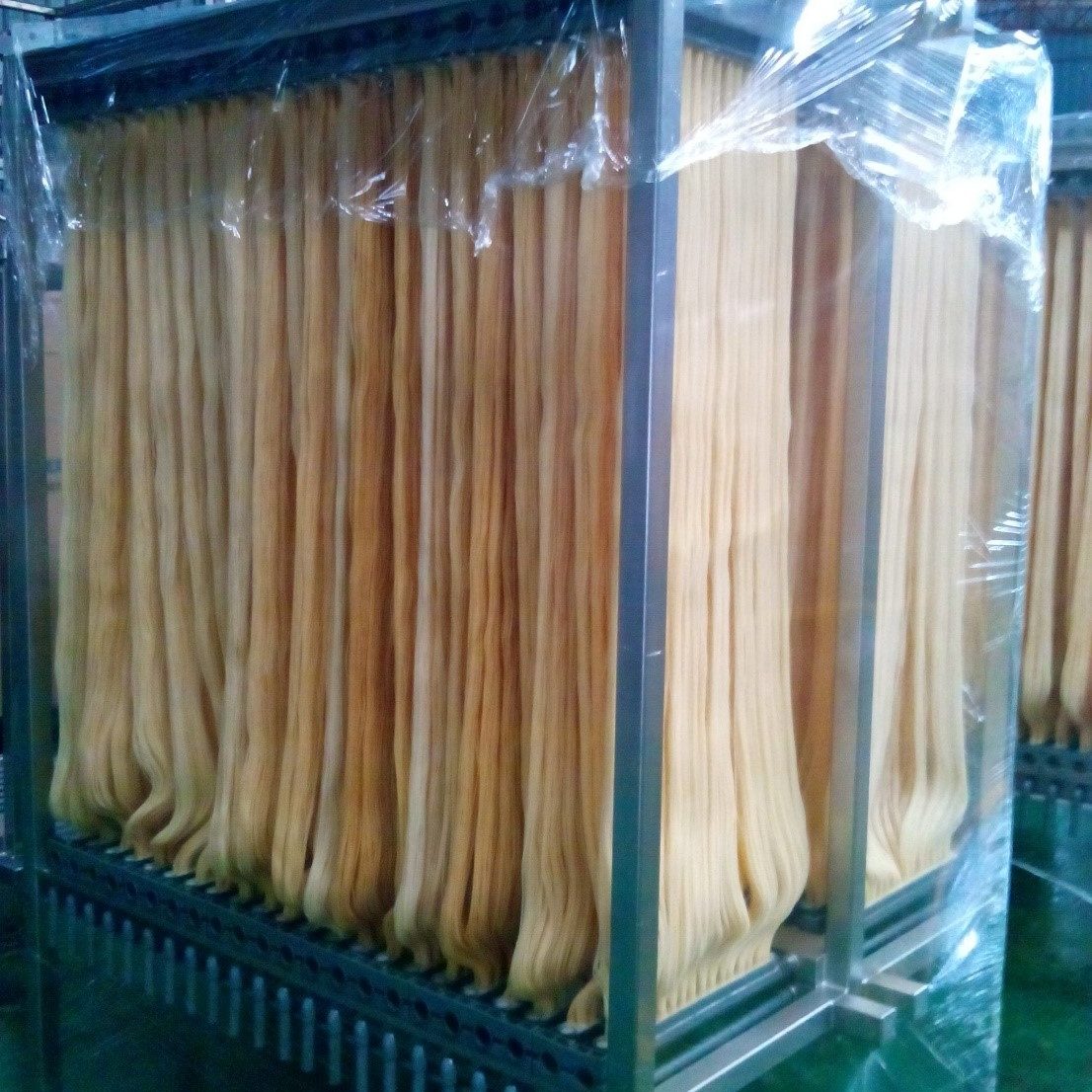
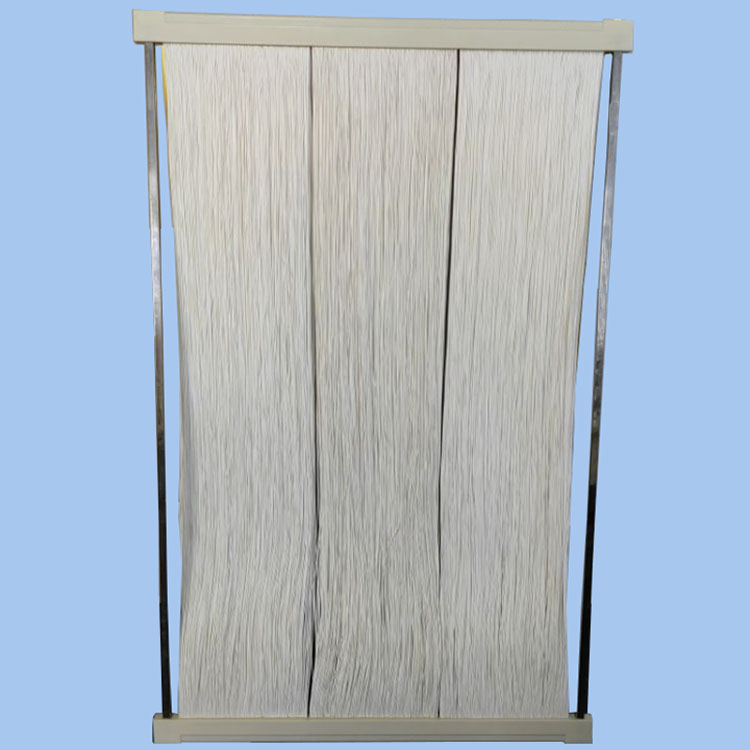
The material and configuration of the MBR membrane have a direct impact on both CAPEX and OPEX. Most submerged MBR systems use hollow fiber membranes made from polyvinylidene fluoride (PVDF) or polyvinyl chloride (PVC). PVDF membranes generally offer better chemical resistance, mechanical strength, and fouling resistance than PVC membranes, but they also cost more. PVC membranes may be suitable for less aggressive wastewater and lower-budget projects, but they may require more frequent cleaning and replacement.
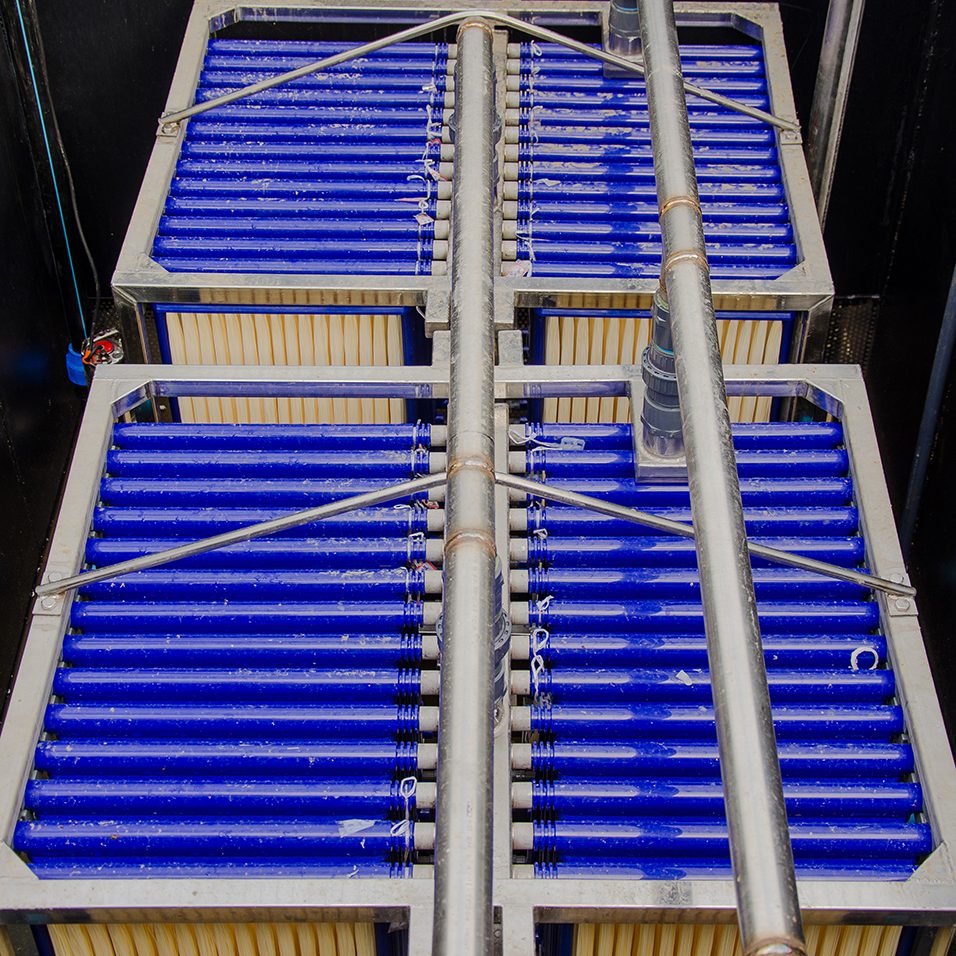
Configuration also matters. Submerged MBR membrane modules are placed directly in the bioreactor tank, which reduces pumping energy and footprint. External or side-stream MBR configurations use higher cross-flow velocities and more energy but can handle higher solids concentrations. For most municipal and industrial applications, submerged MBR modules are the preferred choice because they balance cost and performance.
HINADA manufactures PVDF and PVC hollow fiber UF membranes as well as submerged MBR membrane modules. This range allows project teams to select the material that best matches their wastewater characteristics and budget. The company also provides ultrafiltration (UF) systems and industrial reverse osmosis (RO) systems for projects that require advanced treatment beyond MBR.
Membrane Pore Size and Surface Chemistry
Membrane pore size affects permeability and rejection. Most MBR membranes have pore sizes between 0.01 and 0.4 microns. Smaller pores improve effluent quality but can reduce flux and increase fouling. Surface chemistry, such as hydrophilicity, also influences fouling resistance. Hydrophilic membranes tend to resist organic fouling better, reducing cleaning frequency and chemical costs.
Module Design and Packing Density
Module design determines packing density, which is the membrane surface area per unit volume. Higher packing density reduces tank size and civil costs but can increase fouling and cleaning complexity. Lower packing density improves accessibility and cleaning effectiveness but requires more space. Project teams must balance these trade-offs based on site constraints and labor costs.
Factor 2: Membrane Flux and Surface Area
Flux is the volume of permeate produced per unit of membrane surface area per unit time, typically expressed in liters per square meter per hour (LMH). Higher flux reduces the required membrane area and thus CAPEX, but it also increases fouling rates and energy consumption. Lower flux increases membrane area and CAPEX but improves reliability and reduces OPEX.
Project teams often underestimate the importance of flux selection. A system designed at an aggressive flux may save money initially but suffer from frequent membrane cleaning, higher chemical consumption, and shorter membrane life. A conservative flux design may have higher upfront cost but lower total cost of ownership. The optimal flux depends on wastewater characteristics, temperature, and the project team's risk tolerance.
HINADA's membrane manufacturing experience allows it to advise on flux rates that balance capital and operating costs. The company's submerged MBR modules are designed for stable operation across a range of flux values, giving project teams flexibility during design and operation.
Peak Flow and Average Flow
MBR systems must handle both average and peak flows. Designing for peak flow increases membrane area and tank volume, raising CAPEX. Designing for average flow with equalization tanks can reduce membrane area but adds tankage and pumping. Project teams should evaluate the cost of equalization versus the cost of additional membrane capacity.
Temperature Effects on Flux
Wastewater temperature affects viscosity and biological activity. Cold wastewater reduces flux and requires more membrane area. Warm wastewater increases flux but may accelerate membrane degradation. In regions with significant seasonal temperature variation, project teams should design for the worst-case temperature, which can increase CAPEX.
Factor 3: Wastewater Characteristics and Pretreatment
The composition of the influent wastewater is one of the most important cost factors. High concentrations of suspended solids, fats, oils, grease, and industrial chemicals can foul membranes rapidly, increasing cleaning and replacement costs. Pretreatment such as fine screens, grit removal, grease traps, and equalization tanks is often necessary to protect the membranes.
Industrial wastewater can contain solvents, heavy metals, and recalcitrant organics that are toxic to biomass or damaging to membranes. In such cases, additional pretreatment such as chemical precipitation, advanced oxidation, or dissolved air flotation (DAF) may be required. HINADA manufactures DAF systems that can remove fats, oils, and suspended solids before MBR treatment, reducing membrane fouling and extending membrane life.
Municipal Versus Industrial Wastewater
Municipal wastewater is generally more predictable and biodegradable than industrial wastewater. MBR systems for municipal sewage often have lower pretreatment costs and more stable operation. Industrial wastewater may require extensive pilot testing, custom pretreatment, and more frequent cleaning, all of which increase cost.
Nutrient Removal Requirements
If the project requires biological nutrient removal (BNR) for nitrogen and phosphorus, the MBR design must include anoxic and aerobic zones, internal recirculation, and sometimes chemical dosing. These additions increase tank volume, pumping, and control complexity, raising both CAPEX and OPEX.
Factor 4: Required Effluent Quality and Disinfection
The required effluent quality determines the membrane pore size, system configuration, and post-treatment needs. If the effluent must meet strict discharge limits for biochemical oxygen demand (BOD), total suspended solids (TSS), ammonia, and pathogens, the MBR must be designed with sufficient biological capacity and membrane integrity. Higher quality requirements often mean lower flux, more membrane area, and more advanced controls.
Disinfection is another cost factor. MBR permeate is already largely free of bacteria and viruses, but additional disinfection such as ultraviolet (UV) or chlorination may be required for reuse applications. UV systems consume energy and require maintenance, while chlorination can create disinfection byproducts. Project teams should evaluate the cost of each disinfection option based on local regulations and reuse goals.
Water Reuse and Recycling
MBR effluent is well suited for water reuse in irrigation, toilet flushing, cooling towers, and industrial processes. Reuse reduces water purchase costs and discharge fees, but it may require additional treatment such as reverse osmosis (RO) or advanced oxidation. HINADA provides industrial RO systems that can be integrated with MBR for high-purity reuse applications.
Discharge Fees and Environmental Regulations
In many regions, discharge fees and environmental penalties are significant cost drivers. A higher-quality MBR effluent can reduce or eliminate these fees, improving the project's financial return. Project teams should include avoided discharge fees in their lifecycle cost analysis.
Factor 5: Treatment Capacity and Modular Design
Treatment capacity, usually expressed in cubic meters per day (m3/d), directly affects the size and cost of every component. Larger capacities benefit from economies of scale, meaning the cost per cubic meter decreases as capacity increases. However, larger projects also require more complex civil works, larger pumps and blowers, and more sophisticated controls.
Modular design can help project teams manage capital costs by allowing phased construction. Instead of building the full capacity upfront, the plant can be expanded module by module as demand grows. This approach reduces initial capital and aligns investment with revenue growth. HINADA offers containerized MBR systems and packaged wastewater treatment plants that are ideal for modular and decentralized applications.
Economies of Scale in MBR Plants
Economies of scale apply to membrane modules, tanks, blowers, and instrumentation. Doubling capacity typically increases cost by less than double, often 60 to 80 percent. However, the exact relationship depends on the technology and site conditions. Project teams should obtain cost curves from suppliers and use them for preliminary budgeting.
Decentralized Versus Centralized Treatment
Decentralized MBR systems avoid long sewer networks and large centralized plants. They can be more cost-effective for rural areas, small communities, and industrial parks. Centralized plants benefit from scale but require extensive piping and pumping. HINADA's integrated packaged wastewater treatment systems support rural decentralized water supply and sanitation, a key application field for the company.
Factor 6: Aeration Energy and Blower Selection
Aeration is the largest energy consumer in an MBR system. Air is used for biological oxygen supply and membrane scouring. Membrane scouring prevents solids from accumulating on the membrane surface, but it consumes significant energy. The design of the aeration system, including blower type, diffuser efficiency, and control strategy, has a major impact on OPEX.
High-efficiency blowers, such as magnetic bearing or air foil bearing turbo blowers, cost more upfront but can reduce energy consumption by 20 to 40 percent compared to conventional roots blowers. Variable frequency drives (VFDs) allow blowers to match actual demand, further reducing energy use. Project teams should evaluate the payback period for premium blowers using local electricity rates.
Membrane Air Scouring Intensity
Air scouring intensity is measured in cubic meters of air per square meter of membrane area per hour. Higher intensity reduces fouling but increases energy cost. Lower intensity saves energy but may require more frequent chemical cleaning. The optimal intensity depends on wastewater characteristics and membrane design. HINADA's submerged MBR modules are engineered for efficient air scouring, helping project teams balance energy and cleaning costs.
Dissolved Oxygen Control
Dissolved oxygen (DO) control in the bioreactor affects both biological treatment and energy consumption. Over-aeration wastes energy and can damage biomass. Under-aeration leads to poor treatment and membrane fouling. Advanced DO control with online sensors and automatic blower modulation can reduce energy costs while maintaining performance.
Factor 7: Pumping, Mixing, and Recirculation
Pumping energy is another significant OPEX component. MBR systems require permeate pumps, sludge recirculation pumps, and sometimes chemical dosing pumps. The head and flow requirements determine pump size and energy consumption. Efficient pump selection, proper piping design, and VFD control can reduce energy costs.
Mixing in anoxic and anaerobic zones is necessary for nutrient removal. Submersible mixers consume energy but are essential for biological performance. Recirculation between aerobic and anoxic zones also consumes energy. Project teams should optimize recirculation ratios to minimize energy while meeting effluent nitrogen limits.
Permeate Pumping and Suction Pressure
Submerged MBR systems typically use suction pumps to draw permeate through the membrane. The suction pressure is low, which saves energy compared to side-stream systems. However, excessive suction can cause membrane fouling and compaction. Proper control of suction pressure and relaxation cycles extends membrane life and reduces energy cost.
Sludge Recirculation and Return Activated Sludge
Sludge recirculation maintains biomass concentration and prevents solids buildup. The recirculation rate affects tank sizing and pump energy. Higher recirculation rates improve treatment but increase energy. Project teams should work with suppliers to determine the optimal recirculation ratio for their specific wastewater.
Factor 8: Membrane Cleaning and Chemical Consumption
Membrane cleaning is a recurring OPEX item. Cleaning can be physical (backwashing, relaxation) or chemical (hypochlorite, citric acid, caustic). Chemical cleaning frequency depends on fouling rate, which is influenced by wastewater characteristics, flux, and pretreatment. Frequent cleaning increases chemical costs, labor costs, and downtime.
Cleaning chemicals must be stored, dosed, and neutralized. The cost of chemicals varies by region and can be significant in remote areas. Project teams should estimate annual chemical consumption based on pilot testing or supplier data. They should also consider the cost of neutralization and disposal of cleaning waste.
Maintenance Cleaning Versus Recovery Cleaning
Maintenance cleaning is performed frequently at low chemical concentrations to slow fouling. Recovery cleaning is performed less often at higher concentrations to restore membrane permeability. Both types have costs. A well-designed MBR with good pretreatment and optimized flux can minimize recovery cleaning frequency.
Chemical Compatibility and Membrane Life
Membranes must be compatible with cleaning chemicals. PVDF membranes generally tolerate a wider range of chemicals and concentrations than PVC membranes. Using incompatible chemicals can damage membranes and shorten their life, increasing replacement costs. HINADA provides guidance on chemical compatibility for its PVDF and PVC hollow fiber UF membranes and MBR modules.
Factor 9: Membrane Replacement and Lifespan
Membrane replacement is often the largest single OPEX item over the life of an MBR plant. Membrane lifespan varies from 5 to 10 years depending on operation, maintenance, and wastewater quality. Replacement cost includes new modules, labor, and disposal of old membranes. Project teams should include membrane replacement in their financial model and plan for it.
Membrane lifespan can be extended by proper pretreatment, conservative flux, optimized cleaning, and avoiding physical damage. HINADA's manufacturing experience and quality control help ensure that its membranes meet expected lifespan under appropriate operating conditions. The company's complete ecosystem from membrane R&D to equipment fabrication supports consistent quality and performance.
Warranty and Performance Guarantees
Suppliers may offer warranties on membrane modules, typically 1 to 3 years. Some suppliers offer performance guarantees on flux and effluent quality. Project teams should carefully review warranty terms, including exclusions for fouling and improper operation. A strong warranty can reduce financial risk but may come at a higher purchase price.
Bulk Purchase and Spare Parts
Purchasing spare membrane modules in bulk can reduce unit cost and ensure availability. However, storing spare membranes for many years may degrade them. Project teams should balance the cost savings of bulk purchase against the risk of shelf degradation. HINADA can advise on spare parts strategies for different project sizes.
Factor 10: Tankage, Civil Works, and Footprint
MBR systems require bioreactor tanks, membrane tanks, and sometimes equalization tanks. Tank volume depends on biological treatment requirements and membrane configuration. Civil works, including concrete, excavation, and foundations, can represent 30 to 50 percent of CAPEX. In areas with high land prices or difficult geotechnical conditions, civil costs can be even higher.
Footprint is a major advantage of MBR compared to conventional activated sludge. MBR can achieve the same treatment capacity in a much smaller area because the membrane replaces the secondary clarifier and allows higher biomass concentrations. This reduces land cost, which is especially important in urban areas. HINADA's containerized MBR systems and packaged wastewater treatment plants minimize civil works and footprint.
Concrete Versus Steel Tanks
Concrete tanks are durable and common for large municipal plants. Steel tanks are faster to install and can be prefabricated, reducing construction time. Steel tanks may require corrosion protection and insulation. The choice depends on project size, site conditions, and local construction costs.
Retrofitting Existing Tanks
MBR can be retrofitted into existing tanks to increase capacity without new civil works. This can significantly reduce CAPEX. However, retrofit projects require careful assessment of tank dimensions, structural integrity, and hydraulic profiles. HINADA's engineering support helps project teams evaluate retrofit feasibility.
Factor 11: Instrumentation, Automation, and Controls
Instrumentation and controls are essential for reliable MBR operation. Key instruments include flow meters, pressure sensors, DO sensors, pH sensors, turbidity meters, and level sensors. Automation can reduce labor costs, optimize energy use, and prevent membrane fouling. However, advanced controls add CAPEX.
Project teams should evaluate the trade-off between automation and manual operation. In regions with low labor costs, manual operation may be acceptable, but it can lead to inconsistent performance. In regions with high labor costs, automation pays for itself quickly. HINADA provides integrated control systems for its MBR and UF systems, allowing remote monitoring and troubleshooting.
SCADA and Remote Monitoring
SCADA systems allow operators to monitor and control the plant from a central location. Remote monitoring can reduce travel costs and improve response time. Cloud-based monitoring is increasingly popular, but it requires reliable internet and cybersecurity measures. Project teams should include these costs in their budget.
Sensor Maintenance and Calibration
Sensors require regular cleaning and calibration. Fouling of DO and turbidity sensors can lead to poor control and increased costs. Project teams should plan for sensor maintenance labor and replacement parts. Choosing robust, low-maintenance sensors can reduce OPEX.
Factor 12: Redundancy, Reliability, and Standby Equipment
Reliability is critical for wastewater treatment plants because untreated discharge can cause environmental damage and fines. Redundancy, such as standby blowers, pumps, and membrane modules, increases CAPEX but reduces downtime risk. Project teams must decide how much redundancy is appropriate based on regulations, risk tolerance, and budget.
N+1 redundancy means one standby unit for each critical component. This is common for blowers and pumps. Membrane modules can also be installed with extra capacity to allow maintenance without shutting down the plant. HINADA designs its integrated packaged wastewater treatment systems with reliability in mind, offering configurations that balance redundancy and cost.
Critical Spare Parts Inventory
Keeping critical spare parts on site reduces downtime but ties up capital. Project teams should identify which parts are most likely to fail and how long it takes to obtain replacements. In remote locations, a larger spare parts inventory may be justified. HINADA supports clients with spare parts planning and global logistics.
Power Reliability and Backup
MBR systems require continuous power for aeration and pumping. Power outages can cause biomass die-off and membrane fouling. Backup generators or dual power feeds may be necessary. The cost of backup power depends on local grid reliability and regulatory requirements.
Factor 13: Sludge Handling and Waste Management
MBR systems produce sludge that must be thickened, dewatered, and disposed of. Sludge handling can be a significant OPEX item, especially in regions with strict disposal regulations. MBR sludge is generally more concentrated than conventional activated sludge, which can reduce dewatering costs but may require different equipment.
Sludge disposal options include landfill, incineration, composting, and land application. Each option has different costs and environmental impacts. Project teams should evaluate local disposal infrastructure and regulations. HINADA's DAF systems can help remove fats, oils, and grease before they become part of the sludge, reducing sludge volume and disposal cost.
Sludge Dewatering Equipment
Dewatering equipment such as belt presses, centrifuges, or screw presses adds CAPEX and OPEX. The choice depends on sludge characteristics and disposal requirements. Higher cake dryness reduces hauling costs but may require more polymer and energy. Project teams should optimize dewatering based on total cost.
Biosolids Reuse and Energy Recovery
In some projects, biosolids can be reused as fertilizer or converted to biogas through anaerobic digestion. Anaerobic digestion can produce energy and reduce sludge volume, but it adds complexity and cost. Project teams should evaluate energy recovery opportunities based on local incentives and waste characteristics.
Factor 14: Installation, Commissioning, and Training
Installation and commissioning costs are often underestimated. They include labor, equipment rental, transportation, and technical support. For international projects, travel and accommodation for commissioning engineers can be significant. Proper installation is essential for reliable operation and warranty compliance.
HINADA provides truly integrated solutions for water and wastewater projects, from design, supplying, installation support, and commissioning to training. This turnkey approach helps project teams avoid hidden costs and ensures that the system is installed and operated correctly. Training of local operators is also critical for long-term performance and cost control.
Factory Acceptance Testing and Site Acceptance Testing
Factory acceptance testing (FAT) verifies equipment before shipment. Site acceptance testing (SAT) verifies installation and performance. Both tests add cost but reduce the risk of costly failures after startup. Project teams should include FAT and SAT in their contracts and budgets.
Operator Training and Documentation
Well-trained operators can reduce energy and chemical consumption, extend membrane life, and prevent downtime. Training programs should cover normal operation, troubleshooting, cleaning, and safety. HINADA provides training as part of its integrated solution delivery, helping clients build local capacity.
Factor 15: Supplier Location, Logistics, and Tariffs
The location of the membrane and equipment supplier affects logistics, tariffs, and lead times. Suppliers in low-cost manufacturing countries may offer competitive prices, but shipping and import duties can add cost. Lead times can also be longer, affecting project schedules. Project teams should consider total delivered cost, not just ex-works price.
HINADA is based in China with manufacturing in Guangzhou and Chenzhou, Hunan Province. The company serves clients in over 75 countries, giving it extensive experience in international logistics, export documentation, and customs clearance. This global reach helps project teams manage logistics costs and lead times.
Local Content Requirements
Some countries require a certain percentage of local content in public projects. This can affect supplier selection and cost. Project teams should understand local content rules and work with suppliers who can meet them. HINADA's global experience includes navigating such requirements.
Currency Exchange and Payment Terms
Currency fluctuations can affect the cost of imported equipment. Payment terms, such as letters of credit or advance payments, also impact cash flow. Project teams should include currency risk management in their financial planning.
Factor 16: Project Delivery Model and Contracting
The project delivery model affects cost, risk, and schedule. Options include design-bid-build, design-build, engineering-procurement-construction (EPC), and build-operate-transfer (BOT). Each model allocates risk differently. EPC contracts transfer more risk to the contractor but may have higher prices. BOT models can reduce upfront capital but may have higher long-term costs.
Project teams should choose a delivery model that aligns with their capabilities and risk tolerance. HINADA offers flexible delivery models, from equipment supply to turnkey solutions. The company's integrated approach allows it to support clients across different contracting structures.
Performance-Based Contracting
Performance-based contracts tie payment to effluent quality, energy consumption, or membrane life. These contracts can align incentives but require robust monitoring and enforcement. Project teams should carefully define performance metrics and penalties.
Owner-Furnished Equipment Versus Supplier-Furnished
Owner-furnished equipment can reduce cost but increases coordination risk. Supplier-furnished equipment simplifies responsibility but may cost more. Project teams should evaluate their internal resources and experience before deciding.
Factor 17: Operations and Maintenance Labor
Labor costs vary widely by region. In high-income countries, labor can be a major OPEX item. Automation can reduce labor needs but adds CAPEX. In low-income countries, manual operation may be more economical, but it requires a reliable workforce and training.
MBR systems require operators with skills in biological treatment, membrane technology, and instrumentation. Finding and retaining skilled operators can be challenging. Project teams should budget for competitive salaries and ongoing training. HINADA's training programs help clients develop local expertise.
Maintenance Labor and Specialized Skills
Membrane replacement and chemical cleaning require specialized skills. Project teams may need to contract with the supplier or a local service provider. Maintenance contracts can provide predictable costs but may be expensive. Project teams should compare in-house versus contracted maintenance.
Health and Safety Costs
Wastewater treatment involves hazards such as pathogens, chemicals, and confined spaces. Health and safety training, personal protective equipment, and monitoring add cost. Project teams must include these costs to ensure compliance and protect workers.
Factor 18: Financing, Energy Prices, and Local Incentives
The cost of capital affects the financial viability of MBR projects. Interest rates, loan terms, and government subsidies can significantly change the present value of costs. Project teams should work with financial advisors to secure favorable financing. Green bonds and climate funds may be available for projects that improve water quality and reduce emissions.
Energy prices are a major OPEX driver. In regions with high electricity costs, energy-efficient design and renewable energy can reduce OPEX. Solar power, biogas, and waste heat recovery can offset grid energy consumption. Project teams should evaluate local incentives for renewable energy and energy efficiency.
Carbon Credits and Environmental Markets
Some MBR projects may qualify for carbon credits or environmental credits. These can provide additional revenue and improve project economics. Project teams should investigate eligibility and registration costs.
Taxes and Depreciation
Tax policies and depreciation schedules affect after-tax cash flow. Accelerated depreciation can improve project returns. Project teams should consult tax advisors to optimize their financial structure.
Factor 19: Lifecycle Cost Analysis and Sensitivity
Lifecycle cost analysis (LCCA) is the best tool for comparing MBR options. LCCA should include all costs over the project life, discounted to present value. It should also include sensitivity analysis to test how changes in key assumptions affect total cost. Key assumptions include energy price, membrane life, chemical cost, labor rate, and discount rate.
Project teams should run multiple scenarios, such as base case, optimistic, and pessimistic. This helps identify which factors have the greatest impact on cost. For example, if membrane life is uncertain, the project team may choose a more robust membrane with a higher purchase price but lower replacement risk. HINADA's engineering team can provide data and support for LCCA.
Monte Carlo Simulation
Monte Carlo simulation can model uncertainty in multiple variables simultaneously. It provides a probability distribution of lifecycle costs, helping project teams understand risk. This is especially useful for large projects with many uncertain inputs.
Benchmarking Against Similar Projects
Benchmarking against similar MBR projects can validate cost estimates. Project teams should collect data on CAPEX, OPEX, energy consumption, and membrane life from existing plants. HINADA's global project experience provides valuable benchmarking data for clients.
How HINADA Helps Project Teams Control MBR Costs
HINADA Water Treatment Tech Co., Ltd. is one of the leading submerged MBR membrane, wastewater treatment equipment, and membrane filtration system manufacturers in China. Since its founding in 2012 in Guangzhou, the company has specialized as a wastewater treatment solution provider and equipment supplier. Its two core technology pillars are hollow fiber ultrafiltration (UF/MBR) membranes for precise physical separation of suspended solids, bacteria, colloids, and macromolecular organics, and intelligent integrated wastewater treatment equipment for municipal, industrial, and decentralized applications.
HINADA's complete ecosystem from membrane R&D and component manufacturing to equipment fabrication and turnkey solution delivery helps project teams control costs at every stage. By manufacturing its own membranes, HINADA can ensure quality and consistency while offering competitive pricing. By providing integrated equipment, the company reduces interface risks and installation costs. By offering training and commissioning support, HINADA helps clients avoid costly operational mistakes.
Product Range and Cost Optimization
HINADA offers PVDF and PVC hollow fiber UF membranes, submerged MBR membrane modules, containerized MBR systems, packaged wastewater treatment plants, dissolved air flotation (DAF) systems, ultrafiltration (UF) systems, and industrial reverse osmosis (RO) systems. This broad range allows project teams to select the most cost-effective solution for their specific application. For example, a rural decentralized project might use a containerized MBR system to minimize civil works, while an industrial project might combine DAF pretreatment with MBR and RO for water reuse.
Application Fields and Cost Implications
HINADA's key application fields include industrial wastewater treatment and reuse, municipal sewage treatment and water recycling, rural decentralized water supply and sanitation, and drinking water purification from surface water or groundwater. Each application has different cost drivers. Industrial wastewater may require more pretreatment and chemical cleaning. Municipal sewage may benefit from economies of scale. Rural decentralized projects prioritize low maintenance and simple operation. Drinking water purification may require UF and RO, adding cost but ensuring safety.
Global Experience and Local Support
HINADA serves clients in over 75 countries across Asia, Africa, Europe, and the Americas. This global experience helps the company understand local regulations, logistics, and cost structures. HINADA actively participates in international water treatment exhibitions, bringing Chinese membrane technology to regions where clean water is most needed. By combining global reach with local support, HINADA helps project teams manage cost and risk in diverse markets.
Conclusion
MBR membrane bioreactor cost is influenced by a wide range of factors, from membrane material and flux to energy prices and labor rates. Project teams that understand these factors can make better decisions, avoid hidden costs, and optimize total cost of ownership. The key is to look beyond the initial purchase price and evaluate CAPEX, OPEX, and lifecycle costs together.
HINADA Water Treatment Tech Co., Ltd. provides the expertise, products, and integrated solutions that project teams need to control MBR costs. With more than 13 years of water treatment industry experience and 10 years of membrane and equipment manufacturing experience, HINADA is a reliable partner for municipal, industrial, and decentralized projects. By focusing on quality, innovation, and customer support, HINADA helps clients achieve sustainable and cost-effective wastewater treatment.
Project teams should start their MBR cost analysis early, engage suppliers with proven experience, and use lifecycle cost analysis to compare options. With careful planning and the right partner, MBR technology can deliver excellent treatment performance, water reuse, and long-term financial value.
Summary
MBR membrane bioreactor costs are driven by both capital and operating factors. Capital costs include membrane modules, tanks, blowers, pumps, instrumentation, controls, and civil works. Operating costs include energy, chemicals, labor, maintenance, sludge disposal, and membrane replacement. The most important cost factors every project team should know are membrane material and configuration, flux and surface area, wastewater characteristics and pretreatment, required effluent quality, treatment capacity and modular design, aeration energy, pumping and mixing, membrane cleaning and chemical consumption, membrane lifespan, tankage and footprint, instrumentation and automation, redundancy and reliability, sludge handling, installation and commissioning, supplier location and logistics, project delivery model, operations and maintenance labor, financing and energy prices, and lifecycle cost analysis.
HINADA Water Treatment Tech Co., Ltd., founded in 2012 in Guangzhou, China, and with manufacturing in Chenzhou, Hunan Province, is a globally recognized manufacturer of wastewater treatment equipment, hollow fiber UF membranes, submerged MBR membrane modules, containerized MBR systems, packaged wastewater treatment plants, DAF systems, UF systems, and industrial RO systems. The company serves clients in over 75 countries and provides integrated solutions from design and supplying to installation support, commissioning, and training. By understanding the cost factors outlined in this article and partnering with experienced suppliers like HINADA, project teams can optimize MBR costs, reduce risks, and achieve reliable, long-term wastewater treatment performance.