Mistakes to Avoid When Hiring a daf wastewater system supplier
Mistakes to Avoid When Hiring a daf wastewater system supplier
September 30, 2026
Author
Solution Provider, through a professional technical team, we provide customers with targeted equipment selection recommendations and comprehensive after-sales services, winning the trust and recognition of customers.
Sarah M.
Selecting the right supplier for a dissolved air flotation wastewater system is a critical decision that affects treatment performance, operating costs, and regulatory compliance. This article examines the most common mistakes buyers make during DAF supplier selection. These include focusing only on purchase price, ignoring specific wastewater characteristics, overlooking engineering and design capabilities, assuming all DAF systems are the same, failing to verify manufacturing quality and materials, neglecting after-sales support and spare parts, not checking references, underestimating pilot testing, ignoring total cost of ownership, overlooking compliance and documentation, choosing a supplier without global experience or local support, rushing procurement, failing to clarify scope, ignoring energy efficiency and operational complexity, and not planning for scalability and future regulations. Each mistake is explained with practical guidance on how to avoid it. The article also highlights how an integrated manufacturer such as HINADA Water Treatment Tech Co., Ltd. can address many of these risks. Founded in 2012 in Guangzhou and later expanding to Chenzhou, Hunan Province, HINADA serves clients in over 75 countries. The company manufactures DAF systems, hollow fiber ultrafiltration membranes, MBR modules, containerized MBR systems, packaged wastewater treatment plants, ultrafiltration systems, and industrial reverse osmosis systems. With more than 13 years of water treatment experience and a complete ecosystem from membrane research to turnkey solution delivery, HINADA illustrates the value of engineering depth, manufacturing control, and integrated service. A practical checklist is provided to help buyers evaluate suppliers on technical capability, wastewater analysis, pilot testing, manufacturing quality, references, after-sales support, total cost of ownership, compliance, scope definition, scalability, documentation, and training. The conclusion emphasizes that a structured procurement process and a long-term perspective are essential for selecting a DAF supplier that delivers reliable performance and sustainable value.
Mistakes to Avoid When Hiring a DAF Wastewater System Supplier
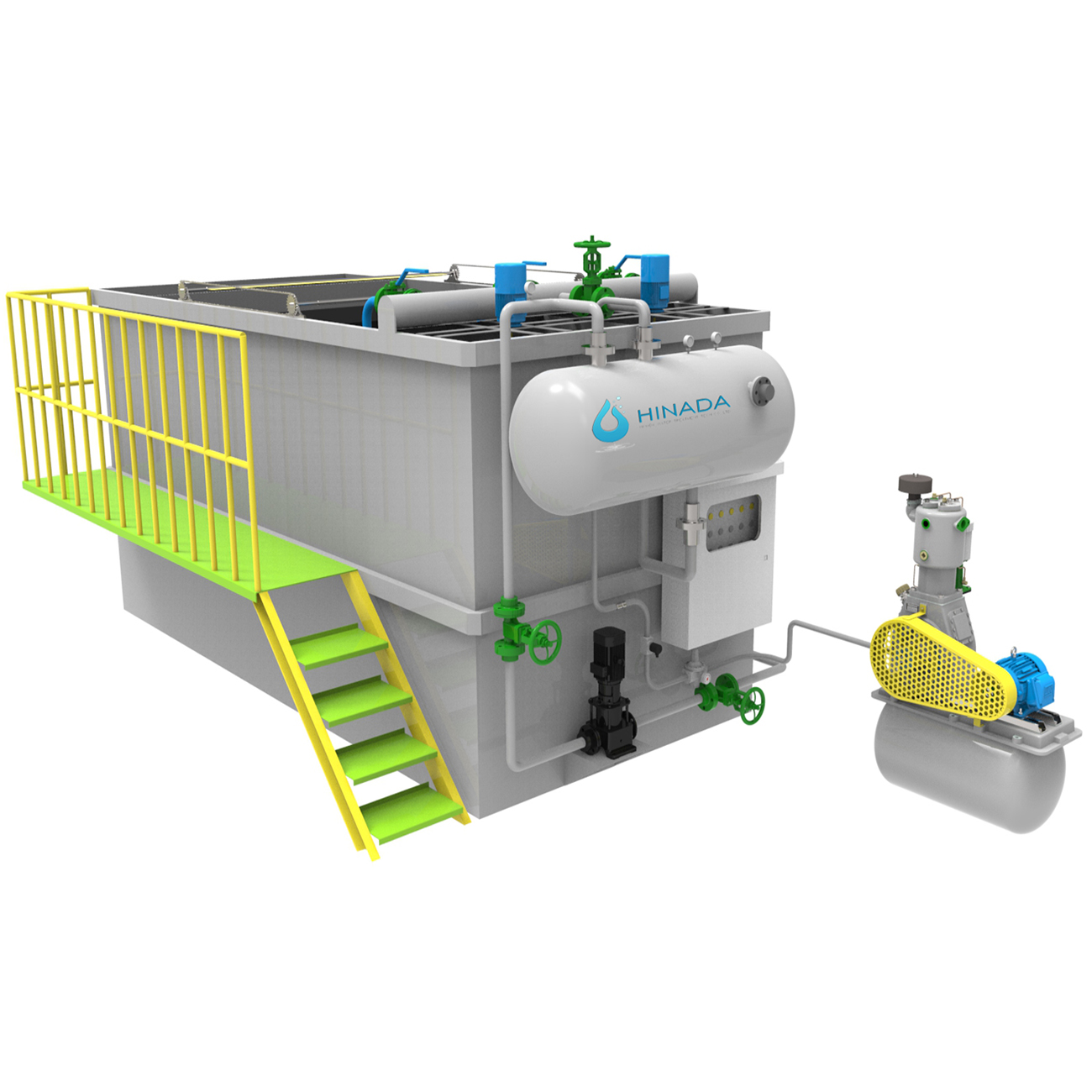
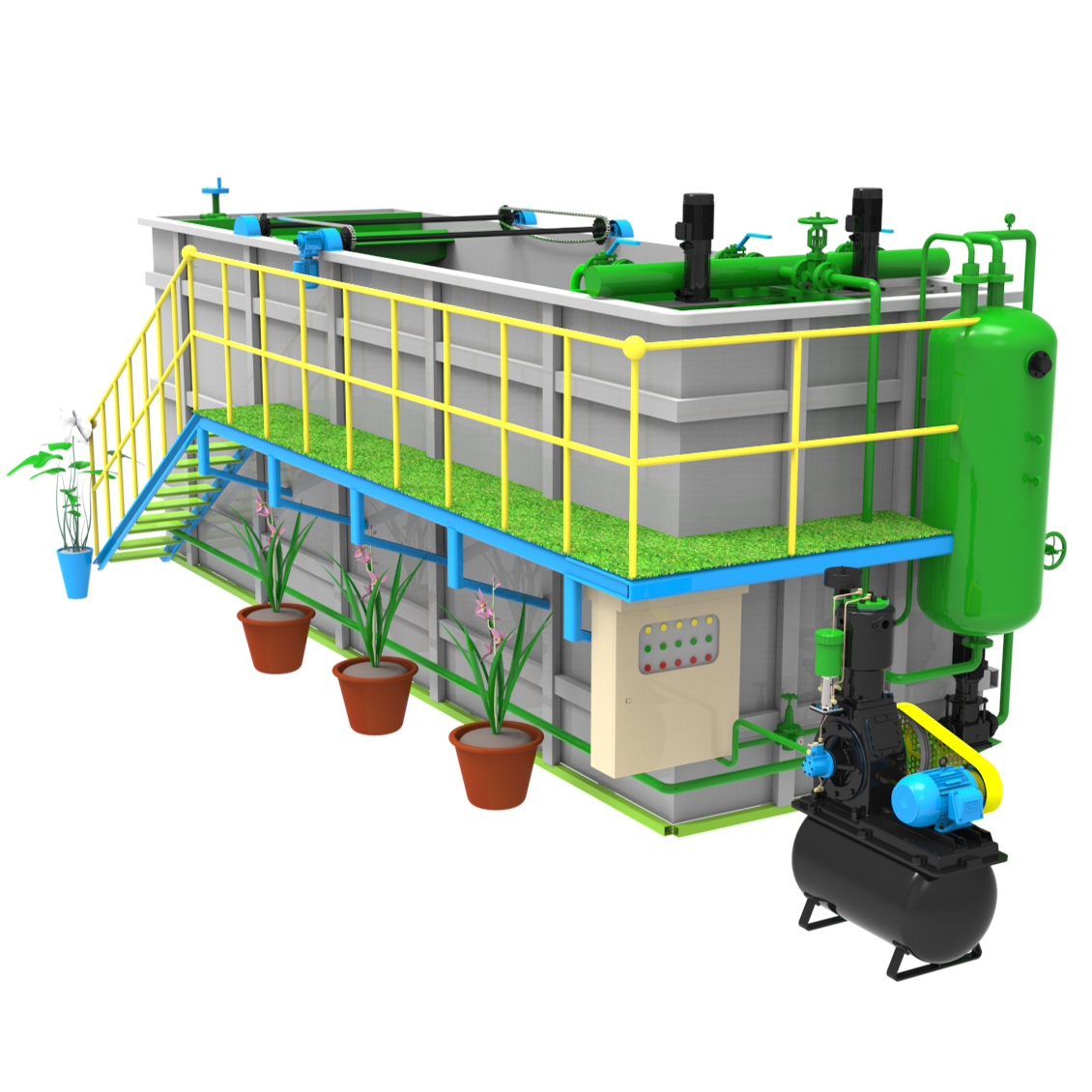
Dissolved air flotation, commonly known as DAF, is a proven physical-chemical treatment process used to remove suspended solids, oils, greases, fats, and other low-density contaminants from wastewater. It works by dissolving air into water under pressure and then releasing it into a flotation tank, where micro-bubbles attach to particles and lift them to the surface for removal. For many industrial and municipal applications, a well-designed DAF system can be the difference between compliance and non-compliance, between high operating costs and sustainable performance, and between a treatment plant that runs smoothly and one that constantly demands attention.
Yet the performance of a DAF system depends far less on the name of the technology than on the competence of the supplier chosen to design, manufacture, install, and support it. A DAF unit is not a simple off-the-shelf product. It is an engineered solution that must be matched to the specific wastewater characteristics, flow rates, contaminant loading, site conditions, and regulatory requirements of each project. When a buyer selects a DAF supplier without sufficient diligence, the consequences can include poor treatment efficiency, frequent breakdowns, excessive chemical consumption, high energy costs, and even complete project failure.
This article examines the most common mistakes that buyers make when hiring a DAF wastewater system supplier. It is written from a third-person perspective, focusing on the experiences of industrial plant managers, municipal engineers, EPC contractors, and procurement teams. By understanding these pitfalls, decision-makers can avoid costly errors and select a supplier capable of delivering long-term value. The discussion also highlights how experienced manufacturers, such as HINADA Water Treatment Tech Co., Ltd., address these risks through integrated engineering, manufacturing, and service capabilities.
DAF systems are used in a wide range of applications. They treat refinery wastewater, food and beverage processing effluent, paper mill whitewater, textile dyeing wastewater, slaughterhouse discharge, landfill leachate, and municipal sewage. They also serve as pretreatment for membrane bioreactors, ultrafiltration, reverse osmosis, and other advanced treatment trains. Because DAF units often sit at the front end of a treatment process, their performance affects everything downstream. If the DAF fails to remove solids and oils effectively, the biological treatment system, membranes, and disinfection stages all suffer.
Despite this critical role, DAF procurement is sometimes treated as a commodity purchase. Buyers may request quotes from several suppliers, compare prices, and select the lowest bidder without fully evaluating technical competence, manufacturing quality, or after-sales support. This approach is risky. A DAF system that appears inexpensive at the point of sale can become extremely expensive over its service life. Conversely, a slightly higher initial investment in a well-engineered system from a reputable supplier often yields lower total cost of ownership, fewer operational headaches, and more reliable compliance.
The global water treatment market includes many suppliers with varying levels of expertise. Some are true manufacturers with in-house research and development, fabrication facilities, and process engineering teams. Others are trading companies, assemblers, or regional distributors with limited technical depth. Distinguishing between these types of suppliers is essential. HINADA Water Treatment Tech Co., Ltd., for example, is a globally recognized manufacturer of wastewater treatment equipment, hollow fiber ultrafiltration membranes, submerged MBR membrane modules, integrated packaged wastewater treatment systems, and DAF systems. Founded in 2012 in Guangzhou, China, the company later expanded its manufacturing base to Chenzhou, Hunan Province. Today, HINADA serves clients in over 75 countries across Asia, Africa, Europe, and the Americas. This kind of manufacturing depth and international experience is not available from every supplier, and buyers should factor it into their evaluation.
Mistake 1: Focusing Only on the Purchase Price
Perhaps the most common mistake in DAF procurement is allowing the purchase price to dominate the decision. While budget constraints are real, the initial capital cost represents only a fraction of the total cost of owning and operating a DAF system. Energy consumption, chemical dosing, maintenance labor, spare parts, downtime, and eventual replacement all contribute to the true cost. A supplier that quotes a low price may achieve it by using thinner steel, lower-grade materials, undersized components, or simplified controls that compromise performance and durability.
Buyers should evaluate quotations on a total cost of ownership basis. This means asking detailed questions about power requirements, air compressor efficiency, pump specifications, chemical mixing systems, sludge handling, and expected maintenance intervals. A DAF system that uses more energy or requires more frequent repairs can quickly erase any initial savings. In addition, a poorly designed unit may require higher coagulant and flocculant doses, which adds recurring chemical costs that are often overlooked during procurement.
Another price-related mistake is comparing quotations that do not cover the same scope. One supplier may include only the core DAF tank and skimmer, while another includes pumps, compressors, chemical dosing stations, controls, piping, valves, and instrumentation. Without a clear scope definition, a low quote may actually be more expensive once missing items are added. Buyers should insist on itemized quotations and clarify what is included and what is excluded. They should also ask about freight, installation, commissioning, training, and warranty terms, as these can vary significantly between suppliers.
HINADA, for instance, provides a truly integrated solution for water and wastewater projects, from design and supplying to installation support, commissioning, and training. This integrated approach helps buyers understand the full scope and avoid hidden costs. When a supplier can deliver a complete ecosystem, from membrane research and development to component manufacturing to equipment fabrication and turnkey solution delivery, the buyer gains greater transparency and fewer surprises. That transparency is valuable when comparing proposals, because it allows apples-to-apples evaluation rather than guesswork.
Mistake 2: Ignoring the Specific Wastewater Characteristics
DAF systems are not one-size-fits-all. The design of a DAF unit depends heavily on the characteristics of the wastewater it will treat. Key parameters include suspended solids concentration, oil and grease content, pH, temperature, chemical oxygen demand, biochemical oxygen demand, flow rate, peak loading, and the presence of emulsified oils or surfactants. A supplier that does not ask for detailed water analysis data is not designing a solution; it is simply selling a generic tank.
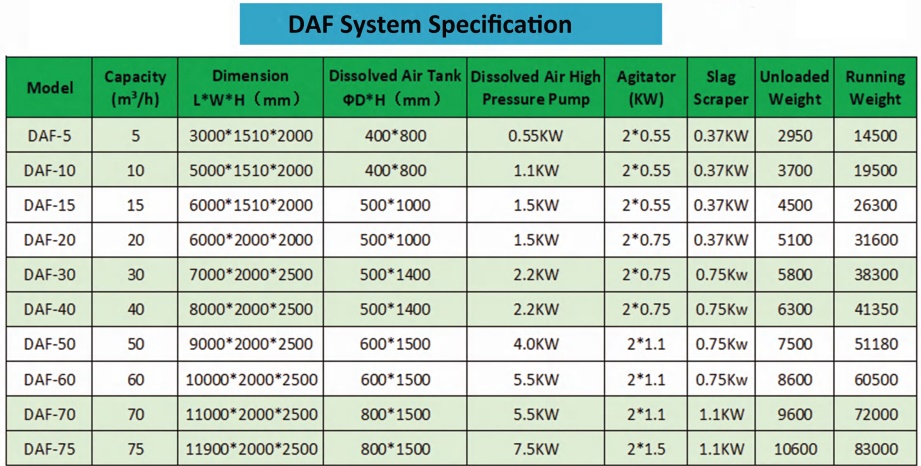
Some buyers make the mistake of providing only limited information, such as average flow rate and a general description of the waste. This can lead to an undersized or oversized system. An undersized DAF will fail to meet discharge limits, while an oversized system wastes capital and may suffer from poor hydraulic performance. The best suppliers request comprehensive water analysis, conduct jar tests, and may even perform pilot testing before finalizing a design. They also consider seasonal variations, production changes, and future expansion plans.
In industrial settings, wastewater characteristics can change dramatically from one shift to another. A food processing plant may discharge high-fat waste during cleaning cycles. A textile factory may release different dyes and chemicals depending on the batch. A refinery may have occasional oily slugs. A DAF supplier must account for these variations by including equalization, chemical pretreatment, and adjustable operating parameters. Suppliers that ignore variability often deliver systems that work well under ideal conditions but fail during real-world peaks.
HINADA focuses on two core technology pillars: hollow fiber ultrafiltration and MBR membranes for precise physical separation, and intelligent integrated wastewater treatment equipment for municipal, industrial, and decentralized applications. This focus means the company understands that DAF systems often work in combination with membrane processes. A DAF unit that is properly designed for the specific wastewater will protect downstream membranes, reduce fouling, and extend membrane life. Buyers should look for suppliers with this integrated process knowledge, not just those who can fabricate a tank.
Mistake 3: Overlooking Engineering and Design Capabilities
A DAF system is an engineered product. It requires expertise in hydraulics, mass transfer, coagulation and flocculation chemistry, materials science, and control systems. Suppliers that lack in-house engineering capabilities may rely on standard drawings, reverse-engineered designs, or third-party consultants. This can result in systems that are difficult to operate, inefficient, or non-compliant.
Buyers should investigate the supplier's engineering team. Questions to ask include: Does the supplier employ process engineers, mechanical engineers, and electrical engineers? Can they provide detailed design calculations, mass balances, and P&IDs? Do they use computational fluid dynamics or other modeling tools? Can they customize the design to fit site constraints? A supplier with strong engineering capabilities will be able to explain why specific dimensions, recycle ratios, air-to-solids ratios, and surface loading rates were chosen.
Another aspect of engineering capability is the ability to integrate the DAF system with upstream and downstream processes. A DAF unit rarely operates in isolation. It may receive flow from an equalization tank, dosing station, or primary clarifier. It may discharge to a biological treatment system, membrane filtration, or sludge dewatering unit. The supplier must understand these interactions and ensure proper interfaces. Poor integration can lead to flow imbalances, chemical over-dosing, or sludge handling problems.
HINADA has more than 13 years of experience in the water treatment industry and 10 years of experience in water treatment membrane and equipment manufacturing. This depth of experience supports a complete ecosystem from membrane research and development to component manufacturing to equipment fabrication and turnkey solution delivery. For DAF projects, this means the supplier can evaluate the entire treatment train and recommend the most effective configuration. Buyers should prioritize suppliers that can demonstrate this level of engineering integration.
Mistake 4: Assuming All DAF Systems Are the Same
DAF technology has evolved over decades, and there are many variations. Conventional DAF, high-rate DAF, inclined plate DAF, and cavitation DAF are just a few examples. Each has advantages and limitations depending on the application. Some systems use dissolved air recirculation, while others use full-flow pressurization. Some employ rectangular tanks, while others use circular or cylindrical designs. Skimmer mechanisms can be chain-and-flight, rotating, or pneumatic. The choice of design affects performance, footprint, energy use, and maintenance.
A common mistake is assuming that any DAF supplier can provide any type of DAF system. In reality, suppliers often specialize in certain designs and have limited experience with others. A supplier that primarily builds rectangular conventional DAF units may not be the best choice for a high-rate application with limited space. Similarly, a supplier that focuses on small packaged systems may struggle with a large municipal project. Buyers should match the supplier's expertise to the specific project requirements.
It is also important to consider the materials of construction. DAF systems can be fabricated from carbon steel with epoxy coating, stainless steel 304 or 316, or even duplex stainless steel for highly corrosive environments. The choice depends on the wastewater chemistry, temperature, and expected service life. A supplier that offers only one material may not be able to provide the most cost-effective or durable solution. Buyers should ask about material options, corrosion allowances, and welding standards.
HINADA manufactures a range of wastewater treatment equipment, including DAF systems, ultrafiltration systems, industrial reverse osmosis systems, MBR membrane modules, and containerized MBR systems. This product breadth allows the company to select the most appropriate DAF configuration and materials for each project rather than forcing a single design. Buyers benefit when a supplier can offer unbiased technical advice across multiple DAF options.
Mistake 5: Failing to Verify Manufacturing Quality and Materials
Even the best DAF design will fail if manufacturing quality is poor. Buyers should investigate the supplier's manufacturing facilities, quality control processes, and certifications. Key questions include: Does the supplier own its factory or outsource fabrication? What welding standards are used? Are pressure vessels and tanks hydro-tested? Are electrical panels built to IEC or UL standards? Is there a documented quality management system such as ISO 9001?
Material quality is equally important. Some suppliers substitute lower-grade steel or thinner plates to reduce costs. This can lead to premature corrosion, structural deformation, or leaks. Stainless steel grades should be verified with mill certificates. Coating systems should be specified with appropriate surface preparation and dry film thickness. Pumps, compressors, valves, and instruments should be sourced from reputable brands with available spare parts. Buyers should not hesitate to request factory inspection reports, material certificates, and test records.
Another quality issue is dimensional accuracy. DAF tanks must be fabricated to precise tolerances to ensure proper flow distribution, skimmer alignment, and weir leveling. Poor fabrication can cause short-circuiting, dead zones, or uneven sludge removal. A supplier with modern fabrication equipment, such as CNC cutting machines, automatic welding systems, and large-scale rolling machines, is more likely to deliver consistent quality. Buyers may request a factory audit or video inspection to verify capabilities.
HINADA operates manufacturing facilities in Guangzhou and Chenzhou, Hunan Province. The company has invested in a complete ecosystem from membrane R&D and component manufacturing to equipment fabrication. This vertical integration supports strict quality control at every stage. For DAF systems, HINADA can control the quality of critical components and ensure that the final product meets design specifications. Buyers should look for this level of manufacturing control when evaluating suppliers.
Mistake 6: Neglecting After-Sales Support and Spare Parts
A DAF system may operate for 15 to 20 years or more. During that time, it will require maintenance, spare parts, and occasional technical support. A supplier that offers a low price but provides poor after-sales service can leave the buyer stranded. Common problems include long lead times for spare parts, lack of trained service technicians, unclear warranty terms, and difficulty reaching technical support.
Buyers should evaluate the supplier's after-sales capabilities before signing a contract. Questions to ask include: Does the supplier have a dedicated service team? What are the response times for emergency support? Are spare parts stocked locally or shipped from overseas? Does the supplier offer remote diagnostics? Are operation and maintenance manuals provided in the local language? Is training included for plant operators? A supplier that cannot answer these questions satisfactorily may not be a reliable long-term partner.
Warranty terms deserve close attention. Some suppliers offer a comprehensive warranty on the entire system, while others cover only certain components. The warranty period may start at shipment, at installation, or at commissioning. Buyers should clarify what is covered, what voids the warranty, and how claims are handled. It is also wise to negotiate a spare parts package at the time of purchase, as this can reduce future downtime and ensure compatibility.
HINADA provides installation support, commissioning, and training as part of its integrated solution. This service-oriented approach helps buyers transition smoothly from installation to operation. The company serves clients in over 75 countries, which has given it experience with diverse service environments. Buyers should prioritize suppliers that view after-sales support as a core part of their offering, not as an afterthought.
Mistake 7: Not Checking References and Real-World Performance
Supplier claims are easy to make, but real-world performance is what matters. A common mistake is failing to check references from previous projects. Buyers should ask for a list of installed DAF systems similar in size, application, and wastewater characteristics. They should then contact those references directly and ask about treatment efficiency, reliability, maintenance requirements, and supplier responsiveness.
It is important to go beyond the references provided by the supplier. Buyers can search for case studies, industry reports, and online reviews. They can also ask other professionals in their network about their experiences. If a supplier is reluctant to provide references or if the references are vague, that is a warning sign. A reputable supplier with satisfied customers will be proud to share success stories.
Site visits to operating DAF systems are highly valuable. Seeing a system in operation allows buyers to observe skimming performance, sludge quality, chemical dosing, and operator interaction. They can ask the plant staff about daily challenges, spare parts availability, and whether they would choose the same supplier again. This firsthand information is often more reliable than any brochure.
HINADA actively participates in international water treatment exhibitions and has served clients across Asia, Africa, Europe, and the Americas. Its application fields include industrial wastewater treatment and reuse, municipal sewage treatment and water recycling, rural decentralized water supply and sanitation, and drinking water purification. This global footprint provides a broad reference base. Buyers evaluating HINADA or any other supplier should request references from projects that closely match their own.
Mistake 8: Underestimating the Importance of Pilot Testing
For many DAF applications, pilot testing is essential. Wastewater is complex, and laboratory jar tests do not always predict full-scale performance. A pilot DAF unit can confirm chemical dosing requirements, air-to-solids ratio, hydraulic loading rate, and sludge characteristics. It can also reveal operational issues such as foaming, clogging, or odor that may not appear in bench-scale tests.
Some buyers skip pilot testing to save time and money. This can be a costly mistake. If the full-scale system fails to meet performance requirements, the cost of modifications, downtime, and regulatory penalties can far exceed the cost of a pilot study. Pilot testing is particularly important for new or unusual waste streams, high-strength industrial wastewater, and projects with tight discharge limits.
A competent DAF supplier should be able to provide pilot units, design the test protocol, and interpret the results. The supplier should also be willing to adjust the full-scale design based on pilot findings. Buyers should be wary of suppliers that dismiss pilot testing as unnecessary or that lack the equipment and expertise to conduct it. Pilot testing is a sign of technical confidence and a commitment to performance guarantees.
HINADA has extensive experience in membrane and equipment manufacturing, including DAF systems, ultrafiltration, and reverse osmosis. This background supports a rigorous approach to testing and validation. Buyers should ask potential suppliers about their pilot testing capabilities and whether they can provide performance guarantees based on test results.
Mistake 9: Ignoring Total Cost of Ownership
Total cost of ownership, or TCO, includes all costs associated with a DAF system over its life. These include capital cost, installation cost, energy cost, chemical cost, maintenance cost, spare parts cost, labor cost, and disposal cost for sludge. A low capital cost can be misleading if the system consumes more energy, requires more chemicals, or breaks down frequently.
Energy is a major operating cost for DAF systems. Air compressors, recycle pumps, skimmers, and chemical dosing pumps all consume electricity. A well-designed system uses efficient motors, variable frequency drives, and optimized recycle ratios to minimize power consumption. Buyers should request energy consumption estimates and compare them across suppliers. Over a 10-year period, the difference between an efficient and inefficient system can be substantial.
Chemical costs are another key factor. DAF systems often require coagulants such as polyaluminium chloride or ferric chloride, and flocculants such as polyacrylamide. The dosage depends on the wastewater and the DAF design. A system with poor mixing or inadequate reaction time may require higher doses. Buyers should ask suppliers to provide chemical consumption estimates based on similar projects. They should also consider the cost of sludge handling, as DAF sludge can be thick and may require further dewatering.
Maintenance costs include labor, replacement parts, and downtime. A system with easy access for inspection and cleaning will require less maintenance labor. A system with high-quality components will need fewer replacements. Buyers should evaluate the supplier's design for maintainability. For example, are skimmers and chains accessible? Are pumps and compressors mounted for easy service? Is there adequate space for sludge removal? HINADA's integrated approach considers these operational factors from the design stage, helping buyers achieve lower TCO.
Mistake 10: Overlooking Compliance, Certifications, and Documentation
DAF systems must comply with local environmental regulations and discharge standards. Suppliers should be familiar with the relevant regulations and design systems to meet them. Buyers should ask about the supplier's experience with similar regulatory environments. In some regions, DAF systems may require specific certifications for electrical components, pressure vessels, or structural integrity. Documentation such as material certificates, test reports, and operation manuals should be provided.
A common mistake is assuming that a supplier's standard product will automatically meet local requirements. Electrical voltages, frequency, and safety standards vary by country. Piping standards, flange dimensions, and material specifications may also differ. A supplier with international experience will be able to adapt the design to local codes. A supplier with limited export experience may deliver equipment that cannot be legally installed or operated.
Documentation is also important for future maintenance and audits. Buyers should receive as-built drawings, P&IDs, wiring diagrams, spare parts lists, and maintenance schedules. These documents should be clear, accurate, and in a language the local team can understand. Missing or poor documentation can cause delays during troubleshooting and make it difficult to source replacement parts.
HINADA serves clients in over 75 countries, which means it has experience with a wide range of international standards and documentation requirements. The company provides a complete solution from design to commissioning and training. This international perspective helps buyers avoid compliance surprises and ensures that the DAF system is properly documented for long-term operation.
Mistake 11: Choosing a Supplier Without Global Experience and Local Support
DAF projects often involve international procurement. Buyers may source equipment from overseas manufacturers to obtain better technology or lower costs. However, choosing a supplier without global experience can lead to problems with shipping, customs, installation, and after-sales support. A supplier that has never exported to the buyer's country may underestimate logistics challenges or fail to provide adequate documentation.
Global experience is valuable because it exposes the supplier to different wastewater characteristics, climate conditions, and regulatory frameworks. A supplier that has worked in diverse markets is more likely to anticipate potential issues and design robust solutions. It is also more likely to have established relationships with local partners, freight forwarders, and service providers.
Local support is equally important. Even the best DAF system will eventually need maintenance or repairs. If the supplier has no local presence or authorized service partner, response times can be long and expensive. Buyers should ask about the supplier's local support network. Does the supplier have service engineers who can travel to the site? Are spare parts available locally or regionally? Can the supplier provide remote support? These questions should be answered before a contract is signed.
HINADA is headquartered in Guangzhou, China, with a manufacturing base in Chenzhou, Hunan Province. The company serves clients in over 75 countries across Asia, Africa, Europe, and the Americas. This global reach is supported by a commitment to international exhibitions and customer service. Buyers looking for a DAF supplier with both manufacturing depth and global experience may find HINADA to be a strong candidate. However, they should still verify the specific support arrangements for their region.
Mistake 12: Rushing the Procurement Process
Procurement timelines are often tight, especially when a plant is expanding or facing a regulatory deadline. However, rushing the DAF supplier selection process can lead to poor decisions. Buyers may skip important steps such as water analysis, pilot testing, reference checks, or factory audits. They may accept vague quotations or fail to negotiate favorable warranty and service terms.
A better approach is to allow adequate time for a structured procurement process. This includes defining requirements, issuing a detailed request for quotation, evaluating technical proposals, conducting interviews, checking references, and negotiating contracts. If time is limited, buyers can prioritize the most critical evaluation criteria, such as technical competence and after-sales support, rather than focusing solely on price.
It is also important to involve the right stakeholders. Plant operators, maintenance staff, process engineers, and procurement specialists should all have input. Operators can identify practical concerns such as accessibility and ease of cleaning. Maintenance staff can evaluate spare parts and serviceability. Process engineers can assess treatment performance. A collaborative approach reduces the risk of overlooking important factors.
HINADA's integrated solution model, which covers design, supplying, installation support, commissioning, and training, can help streamline procurement. When a single supplier can handle multiple phases, coordination is simpler and timelines are more predictable. Nevertheless, buyers should still conduct thorough due diligence and not let urgency compromise quality.
Mistake 13: Not Clarifying Scope of Supply and Responsibilities
Disputes often arise from unclear scope of supply. A DAF project may involve civil works, structural steel, piping, electrical wiring, instrumentation, controls, and chemical dosing systems. If the supplier's scope is not clearly defined, gaps can appear during installation. One party may assume the other is responsible for a particular item, leading to delays and additional costs.
Buyers should insist on a detailed scope matrix that lists every component, service, and responsibility. This should include who provides power, water, compressed air, chemical storage, drainage, and access platforms. It should also specify who performs installation, commissioning, training, and performance testing. Exclusions should be explicitly stated. A clear scope matrix protects both the buyer and the supplier.
Interface points are particularly important. For example, the DAF supplier may provide a control panel, but the buyer may need to connect it to the plant's SCADA system. Who is responsible for programming and communication protocols? Who supplies cables and conduits? Who ensures that the DAF unit integrates with existing pumps and valves? These details should be resolved before the contract is signed.
HINADA's turnkey solution delivery includes design, equipment supply, installation support, commissioning, and training. This comprehensive scope reduces the risk of gaps. Buyers working with HINADA or any other supplier should still document the exact division of responsibilities to avoid misunderstandings.
Mistake 14: Ignoring Energy Efficiency and Operational Complexity
DAF systems can be energy-intensive if not designed properly. The air compressor, recycle pump, and skimmer drive are the main power consumers. A system with an oversized pump or inefficient compressor will consume more electricity than necessary. Buyers should ask for power consumption data and compare it across suppliers. They should also consider whether variable frequency drives are used to match output to demand.
Operational complexity is another factor. A DAF system that requires constant attention from skilled operators may not be suitable for a plant with limited staff. Automated controls, clear instrumentation, and simple maintenance procedures can reduce the burden on operators. However, overly complex automation can also be a problem if it is not well documented or supported. The ideal system balances automation with ease of use.
Buyers should ask about the control philosophy. Is the system fully automatic? How are chemical dosing rates adjusted? What alarms and safety interlocks are provided? Can the system be monitored remotely? A supplier that provides a user-friendly control system will make the operator's job easier and reduce the risk of human error.
HINADA focuses on intelligent integrated wastewater treatment equipment. This emphasis on intelligence and integration means the company designs systems that are easier to operate and maintain. For DAF systems, this can translate into optimized energy use and simplified operation. Buyers should evaluate suppliers based on their ability to deliver both efficiency and operational simplicity.
Mistake 15: Failing to Plan for Scalability and Future Regulations
Wastewater treatment requirements rarely remain static. Production may increase, new products may be introduced, or discharge limits may become stricter. A DAF system that is designed only for current conditions may become inadequate in a few years. Buyers should consider future needs when selecting a supplier and designing the system.
Scalability can be built into the design in several ways. The DAF tank may be sized with extra hydraulic capacity. Modular units may be used so that additional capacity can be added later. Pumps and compressors may be selected with spare capacity. Chemical dosing systems may be expandable. Control systems may allow for future integration. A supplier that understands scalability can help the buyer avoid premature replacement or costly retrofits.
Future regulations are also a concern. Environmental standards tend to become more stringent over time. A DAF system that meets today's limits may not meet tomorrow's. Buyers should ask suppliers about their experience with evolving regulations and their ability to upgrade systems. They should also consider whether the DAF system can be combined with other treatment processes, such as membrane filtration or advanced oxidation, to achieve higher levels of treatment in the future.
HINADA's core technology pillars include hollow fiber ultrafiltration and MBR membranes, as well as intelligent integrated wastewater treatment equipment. This combination allows for flexible treatment trains that can be expanded or upgraded. For example, a DAF system can be used as pretreatment for a membrane bioreactor, and additional membrane modules can be added later to increase capacity. Buyers should look for suppliers that can offer a roadmap for future expansion.
How HINADA Addresses Common DAF Supplier Risks
HINADA Water Treatment Tech Co., Ltd. is a globally recognized manufacturer of wastewater treatment equipment, hollow fiber ultrafiltration membranes, submerged MBR membrane modules, integrated packaged wastewater treatment systems, and DAF systems. Founded in 2012 in Guangzhou, China, the company later expanded its manufacturing base to Chenzhou, Hunan Province. Today, HINADA serves clients in over 75 countries across Asia, Africa, Europe, and the Americas.
The company is one of the leading submerged MBR membrane, wastewater treatment equipment, and membrane filtration system manufacturers in China, specializing as a wastewater treatment solution provider and equipment supplier since 2012. HINADA provides a truly integrated solution for water and wastewater projects, from design and supplying to installation support and commissioning to training. This end-to-end approach addresses many of the mistakes discussed in this article.
HINADA has more than 13 years of experience in the water treatment industry and 10 years of experience in water treatment membrane and equipment manufacturing. This experience supports a complete ecosystem from membrane research and development to component manufacturing to equipment fabrication and turnkey solution delivery. For DAF projects, this means the company can design the system, manufacture critical components, integrate with membrane processes, and support the installation and operation.
From day one, HINADA has focused on two core technology pillars. The first is hollow fiber ultrafiltration and MBR membranes, which provide precise physical separation of suspended solids, bacteria, colloids, and macromolecular organics. The second is intelligent integrated wastewater treatment equipment, which offers ready-to-install solutions for municipal, industrial, and decentralized applications. These pillars are relevant to DAF systems because DAF often works alongside membrane filtration and integrated treatment trains.
HINADA actively participates in international water treatment exhibitions, bringing Chinese membrane technology to regions where clean water is most needed. Key application fields include industrial wastewater treatment and reuse, municipal sewage treatment and water recycling, rural decentralized water supply and sanitation, and drinking water purification from surface water and groundwater. This broad application experience helps the company understand the diverse needs of DAF customers.
For buyers concerned about supplier reliability, HINADA offers a combination of manufacturing depth, international experience, and integrated service. However, the principles in this article apply to all suppliers. Buyers should evaluate HINADA or any other candidate against the same rigorous criteria: engineering capability, manufacturing quality, after-sales support, references, pilot testing, total cost of ownership, compliance, and scalability.
A Practical Checklist for Hiring a DAF Wastewater System Supplier
To avoid the mistakes described in this article, buyers can use the following checklist when evaluating DAF suppliers. This checklist is not exhaustive, but it covers the most critical areas.
Technical capability: Does the supplier have process, mechanical, and electrical engineers? Can they provide design calculations and custom designs?
Wastewater analysis: Has the supplier requested comprehensive water analysis and considered variability?
Pilot testing: Is the supplier willing and able to conduct pilot tests? Can they provide performance guarantees?
Manufacturing quality: Does the supplier own its factory? What quality control processes are in place? Can they provide material certificates?
References: Can the supplier provide references from similar projects? Are they willing to arrange site visits?
After-sales support: What service and spare parts support is available? What are the warranty terms?
Total cost of ownership: Has the supplier provided estimates for energy, chemicals, maintenance, and spare parts?
Compliance: Does the supplier have experience with local regulations and international standards?
Scope of supply: Is the scope clearly defined, including exclusions and interface points?
Scalability: Can the system be expanded or upgraded in the future?
Documentation: Will the supplier provide as-built drawings, manuals, and spare parts lists?
Training: Is operator training included? Is it in the local language?
Buyers should score each supplier against these criteria and use the results to guide their decision. Price should be one factor, but not the only factor. A supplier that performs well on technical capability, quality, and support is likely to deliver better long-term value.
Conclusion
Hiring a DAF wastewater system supplier is a significant decision with long-term consequences. The wrong supplier can lead to poor treatment performance, high operating costs, frequent downtime, and regulatory problems. The right supplier can deliver a reliable, efficient, and compliant system that supports the plant's operations for many years.
The mistakes outlined in this article are common but avoidable. By focusing on total cost of ownership rather than just purchase price, providing detailed wastewater data, verifying engineering and manufacturing capabilities, checking references, conducting pilot tests, clarifying scope, and planning for the future, buyers can greatly reduce their risk. They can also choose suppliers that offer integrated solutions, strong after-sales support, and global experience.
Companies such as HINADA Water Treatment Tech Co., Ltd. demonstrate how a manufacturer with deep experience in membranes, integrated equipment, and turnkey solutions can support DAF projects. With more than 13 years in the water treatment industry, a manufacturing base in Guangzhou and Chenzhou, and clients in over 75 countries, HINADA represents one example of a supplier that addresses many of the concerns raised in this article. Regardless of the supplier chosen, the key is to conduct a thorough, structured evaluation and to prioritize long-term performance over short-term savings.
DAF technology will continue to play a vital role in wastewater treatment and water reuse. As regulations tighten and water scarcity grows, the demand for reliable DAF systems will only increase. Buyers who invest time and effort in selecting the right supplier will be better positioned to meet these challenges. They will also enjoy lower operating costs, fewer headaches, and the confidence that their treatment system is performing as intended.