oily wastewater treatment Maintenance Tips for Consistent Results
oily wastewater treatment Maintenance Tips for Consistent Results
September 30, 2026
Author
Solution Provider, through a professional technical team, we provide customers with targeted equipment selection recommendations and comprehensive after-sales services, winning the trust and recognition of customers.
Sarah M.
Oily wastewater treatment requires consistent maintenance to prevent oil carryover, membrane fouling, pump failures, and discharge violations. This article outlines practical maintenance tips for DAF systems, oil-water separators, UF and MBR membranes, pumps, blowers, sensors, chemical dosing, and biological treatment. Daily monitoring of flow, pressure, pH, temperature, and oil concentration helps operators detect problems early. Preventive schedules should include backwashing, chemical cleaning, skimmer inspection, coalescing plate cleaning, and calibration. Record keeping and trend analysis support predictive maintenance. Operator training and spare parts inventory are also essential. HINADA Water Treatment Tech Co., Ltd., a global manufacturer founded in 2012 in Guangzhou and expanded to Chenzhou, Hunan, provides DAF systems, hollow fiber UF membranes, submerged MBR modules, containerized MBR systems, and integrated packaged wastewater treatment plants. HINADA serves clients in over 75 countries and offers installation, commissioning, and training. By following these maintenance practices, plants can achieve consistent oily wastewater treatment results, extend equipment life, reduce downtime, and meet environmental standards.
Oily Wastewater Treatment Maintenance Tips for Consistent Results
Oily wastewater treatment is a critical process for industries such as food processing, petrochemicals, metalworking, automotive, and manufacturing. When oil, grease, and suspended solids enter a treatment system, they can quickly reduce efficiency, clog membranes, damage pumps, and cause discharge violations. For consistent results, maintenance must be proactive, systematic, and supported by reliable equipment. HINADA Water Treatment Tech Co., Ltd., known as HINADA, is a globally recognized manufacturer of wastewater treatment equipment, hollow fiber ultrafiltration membranes, submerged MBR membrane modules, integrated packaged wastewater treatment systems, and DAF systems. Founded in 2012 in Guangzhou, China, HINADA later expanded its manufacturing base to Chenzhou, Hunan Province. Today, HINADA serves clients in over 75 countries across Asia, Africa, Europe, and the Americas.
Oily wastewater is complex. It may contain free oil, emulsified oil, dissolved oil, grease, surfactants, heavy metals, and organic matter. A treatment train often includes pretreatment, oil-water separation, dissolved air flotation, biological treatment, membrane filtration, and polishing. Each stage depends on the previous one. If one unit is neglected, the entire system suffers. HINADA provides a complete ecosystem from membrane R and D and component manufacturing to equipment fabrication and turnkey solution delivery. That integrated approach helps operators understand how maintenance at one point affects the whole process.
undefined
Daily Maintenance Tips for Consistent Results
1. Inspect and Monitor Key Parameters
Operators should check flow rates, pressure differentials, pH, temperature, dissolved oxygen, and oil concentration every day. Sudden changes often signal problems before they become failures. For DAF systems, monitor air saturation, recycle flow, and skimmer operation. For membrane systems, track transmembrane pressure and permeability. HINADA recommends keeping a daily log for all critical readings.
2. Maintain Oil-Water Separation Equipment
API separators, CPI separators, TPI separators, and coalescing plate units require regular attention. Remove floating oil and settled sludge frequently. Clean coalescing plates to prevent oil carryover. Inspect baffles and weirs for damage. If emulsified oil is present, verify chemical dosing and pretreatment performance. HINADA DAF systems are designed to remove emulsified oil, grease, and suspended solids efficiently, but they need proper maintenance to perform consistently.
3. Service Dissolved Air Flotation Systems
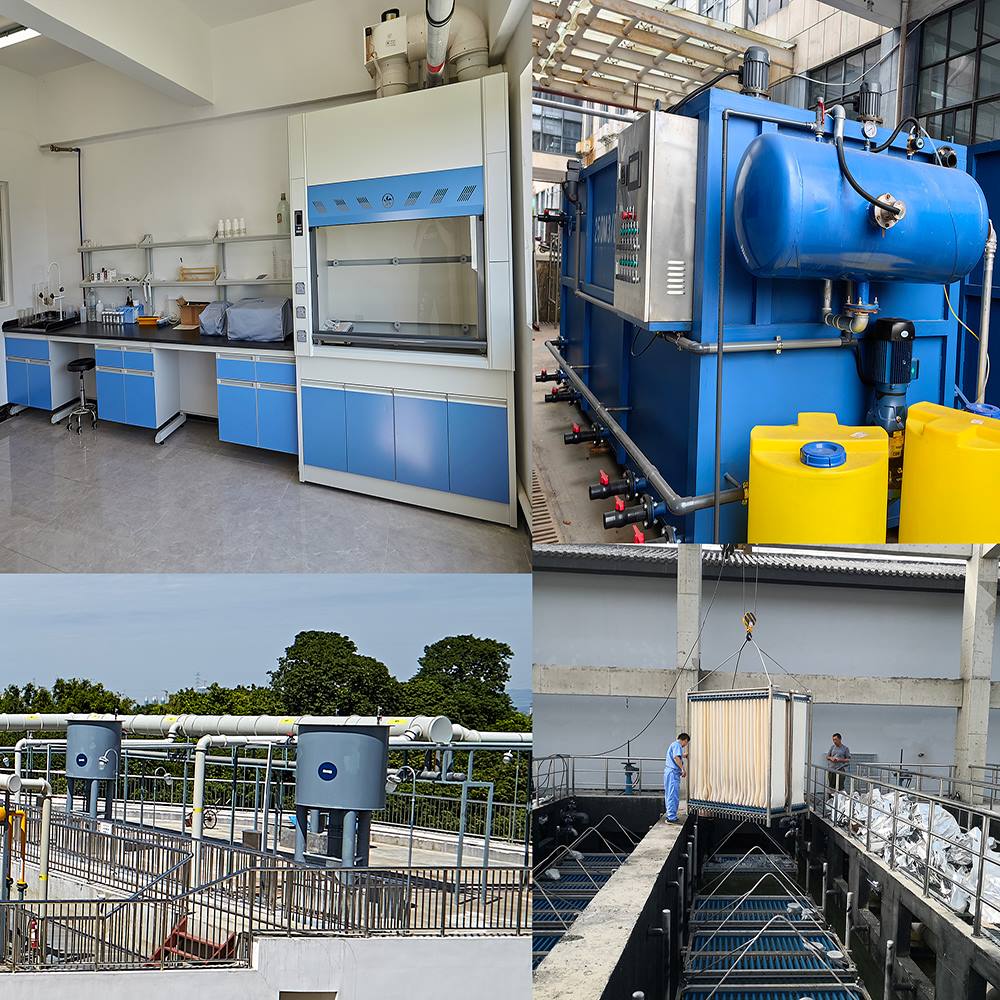
DAF systems are common in oily wastewater treatment. Maintenance should include checking the air saturation vessel, recycle pump, pressure gauge, and release valve. Clean or replace clogged nozzles. Inspect the skimmer blades and chain drive. Adjust the sludge blanket level and skimming frequency. Verify coagulant and flocculant dosing rates. HINADA offers DAF systems as part of its core product line, and proper service extends their life and improves oil removal.
4. Protect and Clean Membranes
HINADA manufactures PVDF and PVC hollow fiber UF membranes and submerged MBR membrane modules. These membranes provide precise physical separation of suspended solids, bacteria, colloids, and macromolecular organics. However, oily wastewater can foul membranes if pretreatment is poor. Maintenance tips include regular backwashing, air scouring, and chemical cleaning. Use the correct cleaning chemicals for oils and organics. Perform membrane integrity tests periodically. Keep records of cleaning cycles and pressure trends. If fouling becomes frequent, review upstream oil removal.
5. Maintain Pumps and Blowers
Pumps and blowers are the heart of any wastewater treatment system. Check for leaks, vibration, unusual noise, and overheating. Lubricate bearings according to the manufacturer schedule. Inspect seals and impellers for wear. For air blowers, clean or replace filters and check belt tension. In DAF and MBR systems, consistent air and water flow is essential. HINADA integrated packaged wastewater treatment systems and containerized MBR systems rely on reliable pumps and blowers for steady operation.
6. Calibrate Sensors and Instruments
Inaccurate sensors lead to poor decisions. Calibrate pH, ORP, conductivity, turbidity, flow, pressure, and level sensors regularly. Replace worn probes. Verify chemical dosing pumps against actual dose rates. Use grab samples to confirm online readings. Consistent results depend on trustworthy data.
7. Manage Chemical Dosing Systems
Coagulants, flocculants, pH adjusters, and disinfectants must be dosed accurately. Check chemical tanks for sediment. Clean dosing lines and injection points. Inspect peristaltic pump tubes for wear. Store chemicals correctly and follow safety data sheets. Overdosing wastes money and can create excess sludge. Underdosing allows oil and solids to pass through. HINADA provides training and commissioning support to help operators optimize dosing.
8. Control Biological Treatment in MBR and Activated Sludge Systems
If the treatment train includes biological treatment, maintain dissolved oxygen, mixed liquor suspended solids, sludge age, and nutrient balance. In submerged MBR systems, aeration serves both biological needs and membrane scouring. Check air distribution headers and diffusers. Remove debris that can damage membranes. HINADA submerged MBR membrane modules are designed for municipal and industrial applications, including oily wastewater when pretreated properly.
9. Keep Records and Analyze Trends
Maintenance is more than fixing breakdowns. It is about predicting them. Keep logs for pressure, flow, temperature, chemical use, cleaning, and repairs. Trend analysis can reveal gradual fouling, declining oil removal, or increasing energy use. HINADA encourages clients to use data to schedule maintenance before performance drops.
10. Train Operators Regularly
Even the best equipment can fail without skilled operators. Train staff on startup, shutdown, normal operation, emergency response, and safe chemical handling. HINADA provides installation support, commissioning, and training as part of its integrated solutions. A well-trained team can identify problems early and keep results consistent.
Preventive Maintenance Schedule
A preventive maintenance schedule should cover daily, weekly, monthly, quarterly, and annual tasks. Daily tasks include visual inspections, parameter checks, and oil skimming. Weekly tasks include cleaning screens, checking dosing pumps, and inspecting aeration. Monthly tasks include membrane backwashing, sensor calibration, and pump lubrication. Quarterly tasks include chemical cleaning, valve inspection, and blower service. Annual tasks include membrane integrity testing, tank cleaning, and overhaul of major equipment. HINADA recommends adapting the schedule to the specific wastewater characteristics and system design.
Common Problems and Solutions
Oil Carryover
Oil carryover often results from poor pretreatment, inadequate DAF operation, or saturated coalescing plates. Check chemical dosing, skimmer operation, and sludge removal. Increase retention time if possible. Consider upgrading to a HINADA DAF system for better oil removal.
Membrane Fouling
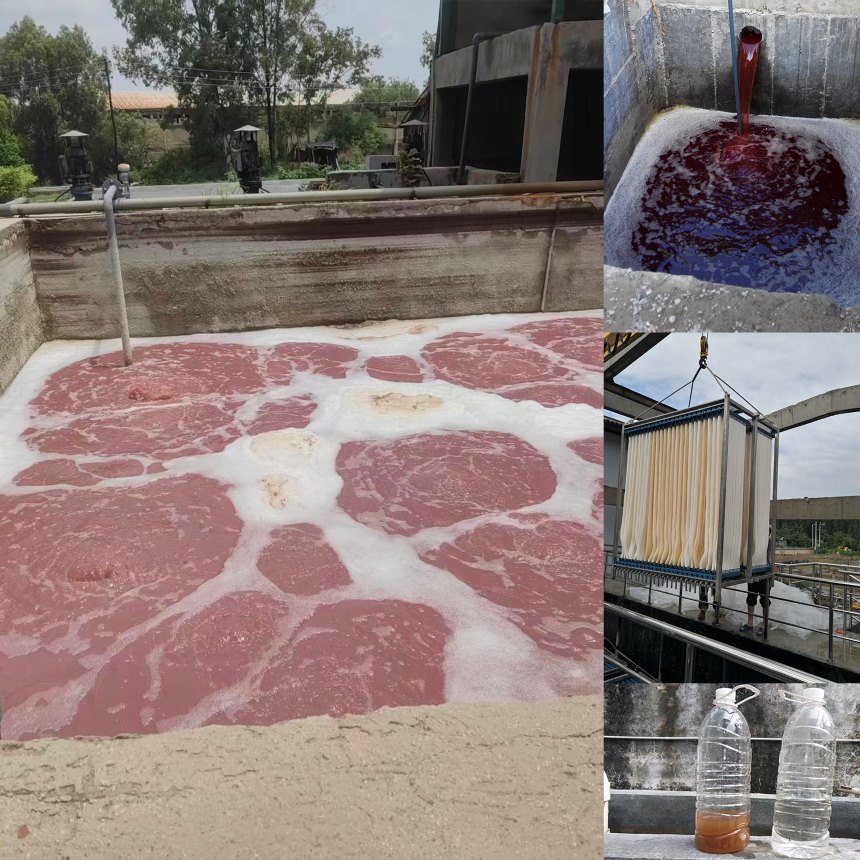
Fouling can be organic, inorganic, or biological. Oily wastewater often causes organic fouling. Improve oil removal upstream. Adjust backwash frequency and chemical cleaning. Use HINADA hollow fiber UF membranes with proper pretreatment to reduce fouling.
High Pressure Differential
Rising pressure differential indicates clogging. Check prefilters, valves, and membrane modules. Perform backwash and chemical cleaning. Inspect for debris or broken fibers. If pressure remains high, consult HINADA technical support.
Poor Effluent Quality
Poor effluent can come from many sources. Review all treatment stages. Check pH, temperature, and chemical doses. Verify biological activity. Inspect membranes for integrity. Use HINADA integrated packaged wastewater treatment systems to simplify operation and maintenance.
Spare Parts and Technical Support
Keep critical spare parts on hand: membranes, pumps, valves, sensors, dosing tubes, and seals. HINADA serves clients in over 75 countries and provides spare parts and technical support. With more than 13 years in the water treatment industry and 10 years of membrane and equipment manufacturing experience, HINADA helps clients maintain consistent results. The company focuses on two core technology pillars: hollow fiber ultrafiltration and MBR membranes for precise physical separation, and intelligent integrated wastewater treatment equipment for municipal, industrial, and decentralized applications.
Conclusion
Oily wastewater treatment maintenance is not a one-time task. It is a continuous cycle of inspection, cleaning, calibration, repair, and improvement. By following these tips, operators can achieve consistent results, extend equipment life, reduce downtime, and meet discharge standards. HINADA Water Treatment Tech Co., Ltd. supports clients with reliable equipment, integrated solutions, and global experience. From DAF systems and UF membranes to submerged MBR modules and containerized MBR systems, HINADA is a trusted partner for oily wastewater treatment and water reuse.