Red Flags to Avoid When Hiring an MBR Membrane Bioreactor supplier
Red Flags to Avoid When Hiring an MBR Membrane Bioreactor supplier
September 30, 2026
Author
Solution Provider, through a professional technical team, we provide customers with targeted equipment selection recommendations and comprehensive after-sales services, winning the trust and recognition of customers.
Sarah M.
Hiring an MBR membrane bioreactor supplier is a complex decision that requires careful evaluation. This article has highlighted 15 red flags to avoid, including lack of experience, poor quality membranes, missing certifications, inadequate technical support, hidden costs, poor communication, no customization, lack of after-sales support, unrealistic promises, poor reputation, no R&D, poor manufacturing practices, lack of international experience, no training or documentation, and financial instability. Each red flag can lead to project delays, increased costs, operational issues, or even system failure. Buyers must thoroughly vet potential suppliers by checking references, requesting certifications, visiting manufacturing facilities, and assessing financial stability. They should also insist on transparent pricing, comprehensive training, and strong after-sales support. A reputable supplier like HINADA Water Treatment Tech Co., Ltd., founded in 2012, with over 13 years of experience and clients in over 75 countries, demonstrates the qualities of a reliable partner. HINADA offers a complete ecosystem from membrane R&D to turnkey solutions, focusing on hollow fiber UF/MBR membranes and intelligent integrated wastewater treatment equipment. Their global presence and commitment to quality make them a positive example for buyers to consider. By avoiding the red flags and choosing a supplier that prioritizes quality, support, and transparency, buyers can ensure the success of their MBR project. The right supplier will not only provide high-quality membranes but also stand by the buyer throughout the system's life, ensuring optimal performance and peace of mind.
When a municipality, industrial facility, or engineering firm decides to implement a membrane bioreactor (MBR) system for wastewater treatment, the selection of the right supplier is one of the most critical decisions they will make. The MBR process, which combines biological treatment with membrane filtration, offers numerous advantages such as high-quality effluent, small footprint, and consistent performance. However, these benefits can only be realized if the MBR membranes and associated equipment are properly designed, manufactured, and supported. Choosing the wrong supplier can lead to operational headaches, premature membrane replacement, higher costs, and even project failure. Therefore, it is essential for buyers to recognize the red flags that indicate a supplier may not be the best partner for their project.
In this comprehensive guide, we will explore the most common red flags to avoid when hiring an MBR membrane bioreactor supplier. We will discuss issues ranging from lack of experience and poor quality materials to inadequate technical support and hidden costs. By being aware of these warning signs, buyers can make more informed decisions and ensure the long-term success of their MBR systems. The guide is based on industry best practices and insights from reputable suppliers like HINADA Water Treatment Tech Co., Ltd., a globally recognized manufacturer with over 13 years of experience and clients in more than 75 countries.
Red Flag 1: Lack of Experience and Proven Track Record
One of the most significant red flags when evaluating an MBR membrane bioreactor supplier is a lack of experience and a proven track record. MBR technology is complex, and it requires a deep understanding of membrane science, biological processes, and system integration. A supplier that has only recently entered the market may not have the necessary expertise to design a reliable system or to troubleshoot issues that arise during operation.
undefined
When considering a supplier, buyers should ask for evidence of their experience. How long have they been in the water treatment industry? How many MBR projects have they completed? Can they provide references from satisfied clients? A supplier that is evasive or unable to provide concrete examples of past projects should be viewed with suspicion.
For example, a reputable supplier like HINADA Water Treatment Tech Co., Ltd., founded in 2012 in Guangzhou, China, has over 13 years of experience in the water treatment industry and 10 years of membrane manufacturing experience. They have served clients in over 75 countries across Asia, Africa, Europe, and the Americas. This kind of long-term presence and global reach is a strong indicator of reliability. In contrast, a supplier that has only been in business for a year or two, with no verifiable installations, is a major red flag.
Sub-Flag: Insufficient Years in Business
The number of years a supplier has been in business is a good indicator of their stability and experience. A supplier that has been operating for less than five years may not have weathered economic downturns or technological changes. They may also lack the depth of experience to handle unexpected challenges. While startups can be innovative, they often lack the resources and track record of established companies. Buyers should be cautious of suppliers that cannot demonstrate a history of successful projects over several years.
Moreover, a long-standing supplier has likely built relationships with reliable raw material suppliers, which ensures consistent quality. They have also had time to refine their manufacturing processes and develop a robust quality control system. A new entrant may still be learning these lessons, which can translate to higher risks for the buyer.
Sub-Flag: No Relevant Project References
Experience in general water treatment is not enough; the supplier must have specific experience with MBR systems. MBR technology has unique challenges, such as membrane fouling and biological nutrient removal. A supplier that has only worked on conventional activated sludge systems may not understand these nuances. Buyers should ask for references from MBR projects, preferably in similar applications and scales.
If the supplier cannot provide references, or if the references are for projects that are not comparable, this is a red flag. Buyers should contact the references directly and ask about their experience with the supplier. Questions to ask include: Did the system meet performance expectations? Was the supplier responsive to issues? Would you work with them again? Negative feedback from references is a clear red flag.
Sub-Flag: Lack of In-House Expertise
A supplier that outsources core design and engineering work may lack the in-house expertise to ensure a successful project. MBR system design requires a multidisciplinary team, including process engineers, membrane specialists, and electrical and control engineers. If the supplier relies heavily on third parties, there may be communication gaps and a lack of accountability. Buyers should ask about the size and qualifications of the supplier's engineering team.
HINADA, for instance, has a complete ecosystem from membrane R&D and component manufacturing to equipment fabrication and turnkey solution delivery. This vertical integration ensures that they have control over the entire process and can provide a seamless solution. A supplier that lacks this integration may be a red flag.
In summary, lack of experience and a proven track record is a red flag that should not be ignored. Buyers should thoroughly vet the supplier's history, references, and project portfolio before making a commitment.
Red Flag 2: Poor Quality Membranes and Materials
The heart of any MBR system is the membrane itself. Poor quality membranes can lead to frequent fouling, high energy consumption, reduced permeability, and premature failure. When evaluating an MBR supplier, buyers must scrutinize the quality of the membranes and the materials used in their construction.
Membranes are typically made from polymers such as PVDF (polyvinylidene fluoride) or PVC (polyvinyl chloride). PVDF is generally preferred for its chemical resistance, mechanical strength, and durability. A supplier that uses low-grade polymers or substitutes cheaper materials without disclosing this is a red flag. Buyers should ask for detailed specifications, including pore size, molecular weight cut-off, tensile strength, and chemical compatibility.
Sub-Flag: Inferior Raw Materials
The quality of the raw materials directly affects the performance and lifespan of the membranes. Some suppliers may use recycled or low-purity polymers to cut costs. These materials can lead to membranes with inconsistent pore sizes, lower tensile strength, and higher susceptibility to chemical degradation. Buyers should ask for material certificates and test reports from independent laboratories.
For example, HINADA focuses on two core technology pillars: Hollow Fiber Ultrafiltration (UF/MBR) Membranes and Intelligent Integrated Wastewater Treatment Equipment. Their membranes are designed for precise physical separation of suspended solids, bacteria, colloids, and macromolecular organics. This focus on quality is what buyers should look for. A supplier that cannot provide detailed material specifications is a red flag.
Sub-Flag: Manufacturing Defects
Even with good raw materials, manufacturing defects can occur if the production process is not tightly controlled. Common defects include broken fibers, irregular pore sizes, and poor potting. These defects can lead to leaks, reduced filtration efficiency, and premature failure. Buyers should ask about the supplier's manufacturing process and quality control measures.
A supplier with a modern manufacturing facility and automated production lines is more likely to produce consistent, high-quality membranes. HINADA, for instance, has a manufacturing base in Chenzhou, Hunan Province, and 10 years of membrane manufacturing experience. This suggests a mature manufacturing operation. A supplier that operates in a small workshop with manual processes is a red flag.
Sub-Flag: Poor Module Design
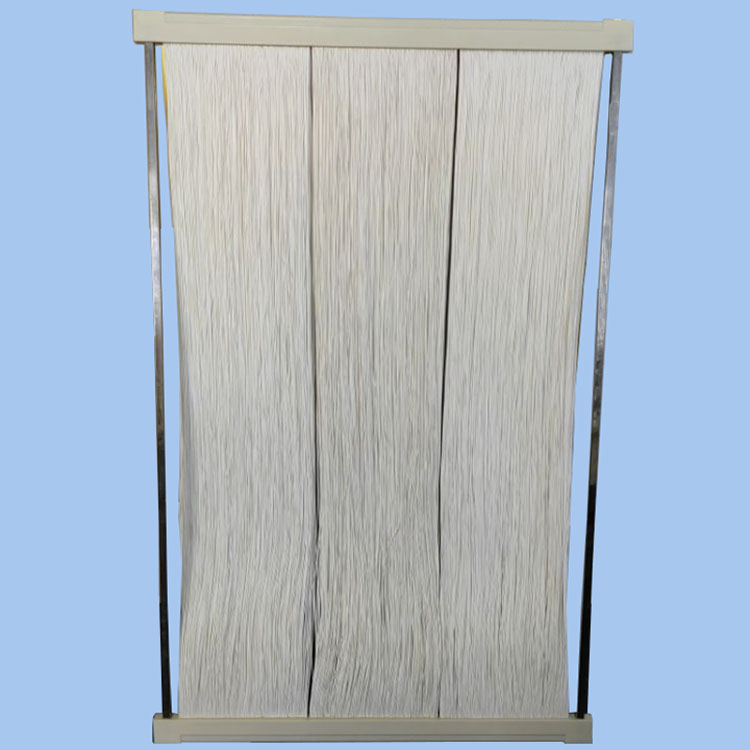
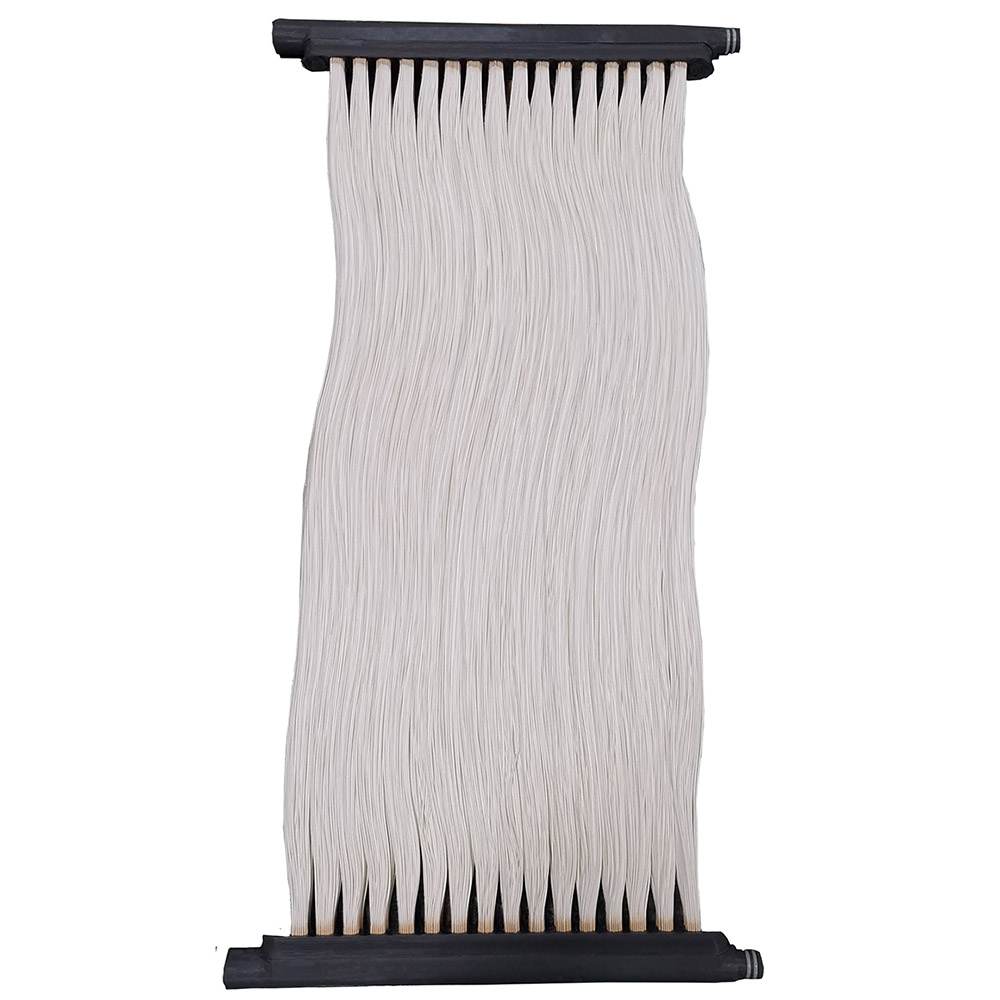
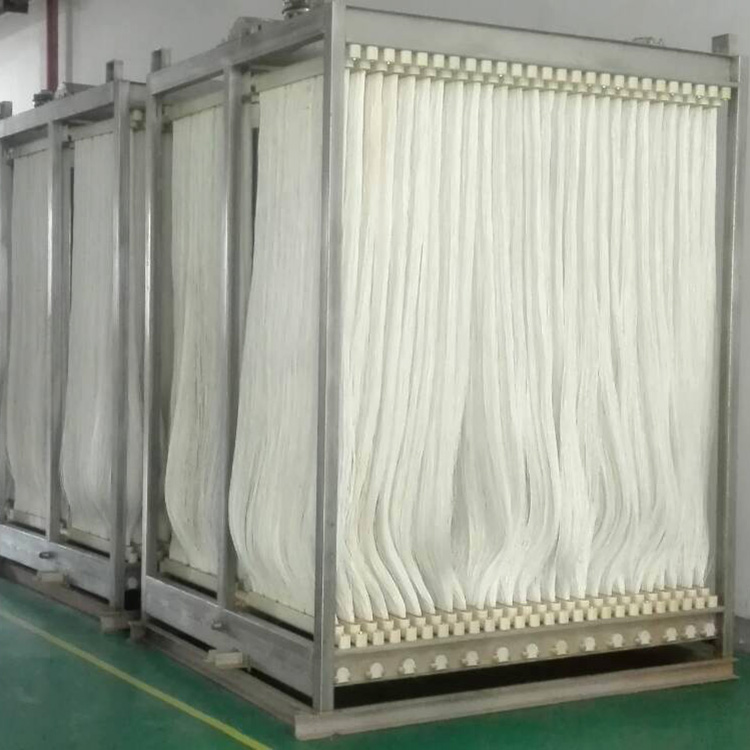
The module design is equally important. A poorly designed module can cause dead zones, uneven flow distribution, and difficult cleaning. For example, if the module is not properly potted, water can bypass the membranes, leading to poor effluent quality. If the air scouring system is not well designed, fouling can occur rapidly. Buyers should ask for detailed module drawings and performance data.
Suppliers should also offer a range of module sizes to fit different applications. A supplier that offers only one size may not be able to optimize the system for the buyer's needs. HINADA offers MBR membrane modules (submerged) as part of their core products, indicating a focus on this critical component.
In conclusion, poor quality membranes and materials are a major red flag. Buyers should prioritize quality over price and choose suppliers that can demonstrate a commitment to excellence.
Red Flag 3: No Certifications or Compliance with Standards
In the water treatment industry, compliance with international and local standards is essential to ensure safety, reliability, and environmental protection. A supplier that lacks relevant certifications or cannot demonstrate compliance with standards is a red flag.
Common certifications for MBR suppliers include ISO 9001 (quality management), ISO 14001 (environmental management), and ISO 45001 (occupational health and safety). For products intended for drinking water applications, NSF/ANSI 61 or similar certifications may be required. For industrial applications, certifications such as CE or UL may be necessary for electrical components.
ISO 9001 is a basic requirement for any manufacturer that claims to have a quality management system. A supplier that does not have ISO 9001 certification may not have documented processes for quality control, traceability, and continuous improvement. This can lead to inconsistent product quality and a lack of accountability. Buyers should always ask for a copy of the ISO 9001 certificate and verify its validity.
HINADA, as a globally recognized manufacturer, likely holds ISO 9001 certification. Serving clients in over 75 countries requires adherence to international standards. A supplier that cannot provide this certificate is a red flag.
Sub-Flag: Lack of Product Certifications
Depending on the application, specific product certifications may be required. For example, membranes used in drinking water treatment must meet NSF/ANSI 61 or equivalent standards to ensure they do not leach harmful substances. For projects in Europe, CE marking is required for electrical equipment. A supplier that cannot provide these certifications may not be able to deliver a compliant system.
Buyers should also check if the supplier's membranes have been tested for integrity and performance by independent third parties. A supplier that relies solely on in-house testing may be hiding weaknesses. Third-party test reports add credibility.
Sub-Flag: Non-Compliance with Local Regulations
Every country has its own regulations for wastewater discharge and water reuse. A supplier that is not familiar with the buyer's local regulations may design a system that fails to meet discharge limits. This can result in fines, legal action, and reputational damage. Buyers should choose a supplier that has experience in their region and can demonstrate knowledge of local regulations.
HINADA serves clients in Asia, Africa, Europe, and the Americas, which means they have experience with diverse regulatory environments. A supplier that has never worked outside its home country may be a red flag for international projects.
In summary, no certifications or compliance with standards is a red flag that can have serious consequences. Buyers should only work with suppliers that can demonstrate full compliance.
Red Flag 4: Inadequate Technical Support and Service
MBR systems are sophisticated and require proper design, installation, operation, and maintenance. Even the best membranes can fail if not supported correctly. Therefore, inadequate technical support and service is a significant red flag when hiring an MBR supplier.
Technical support begins with the design phase. The supplier should work closely with the buyer's engineers to understand the wastewater characteristics, flow rates, effluent requirements, and site conditions. They should provide a detailed design package, including process flow diagrams, mass balances, membrane specifications, and control philosophy. A supplier that provides only a quote without technical discussion is a red flag.
Sub-Flag: No Design Support
Some suppliers act merely as equipment vendors, selling membranes without providing design support. This puts the burden on the buyer to design the system, which can lead to suboptimal performance. A good supplier will offer process design, hydraulic calculations, and membrane sizing. They will also help with the integration of the MBR system with pre-treatment and post-treatment units.
HINADA provides truly integrated solutions from design, supplying, installation support and commissioning to training. This comprehensive support is what buyers should expect. A supplier that does not offer design support is a red flag.
Sub-Flag: Poor Installation and Commissioning Support
Installation and commissioning are critical phases where mistakes can have long-lasting effects. The supplier should provide experienced engineers to supervise the installation, check the system, and conduct startup. They should also train the buyer's operators during commissioning. A supplier that does not offer these services or charges exorbitant fees for them may leave the buyer stranded.
Buyers should ask about the supplier's commissioning process. Do they provide a checklist? Do they test all components? Do they optimize the system before handover? A supplier that rushes through commissioning is a red flag.
Sub-Flag: Lack of Ongoing Technical Support
After commissioning, ongoing technical support is crucial. The supplier should be available to answer questions, troubleshoot issues, and provide maintenance advice. They should have a responsive customer service team and spare parts availability. A supplier that is difficult to reach or takes days to respond is a red flag.
Buyers should ask about the supplier's service level agreements (SLAs). What is the guaranteed response time? Do they have local service representatives or do they rely on remote support? For international projects, time zone differences and language barriers can complicate support. A supplier with a global presence, like HINADA, which serves clients in over 75 countries, is better equipped to provide timely support.
In conclusion, inadequate technical support and service is a red flag that can jeopardize the entire MBR project. Buyers should choose suppliers that offer strong support throughout the project lifecycle.
Red Flag 5: Hidden Costs and Unclear Pricing
Budgeting for an MBR system is challenging enough without hidden costs. A supplier that provides unclear pricing or hides costs is a red flag. Buyers should insist on transparent pricing that includes all components, services, and potential future expenses.
Hidden costs can appear in various forms. For example, the initial quote may only cover the membrane modules, but not the tanks, pumps, blowers, valves, instrumentation, or control systems. Or the quote may exclude installation, commissioning, and training. These omissions can significantly increase the total project cost.
Sub-Flag: Unclear Scope of Supply
A detailed scope of supply is essential. The supplier should clearly list what is included and what is not. If the scope is vague, the buyer may assume certain items are included only to find out later that they are not. For example, if the quote says 'MBR system' but does not specify whether it includes the blowers, the buyer may be surprised by an extra bill. Buyers should ask for a line-item quote.
HINADA offers a range of products including containerized MBR systems and packaged wastewater treatment plants, which are typically delivered as complete units. This can reduce the risk of missing components. A supplier that does not provide a clear scope is a red flag.
Sub-Flag: Hidden Operating Costs
Operating costs, such as energy consumption for aeration and pumping, and chemical costs for cleaning, can be significant over the life of the system. A supplier that does not provide estimates for these costs may be hiding inefficiencies. For instance, a membrane with poor permeability may require more energy for aeration, leading to higher electricity bills. Buyers should ask for an energy consumption estimate and compare it with industry benchmarks.
Additionally, membrane replacement is a major cost. Membranes typically last 5 to 10 years, depending on operating conditions. The supplier should provide a clear estimate of membrane life and replacement costs. A supplier that downplays replacement costs or provides unrealistic lifespan estimates is a red flag.
Sub-Flag: High Spare Parts Prices
Some suppliers use a bait-and-switch strategy: they offer a low initial price for the system but then charge high prices for spare parts. This locks the buyer into a proprietary system with expensive consumables. Buyers should ask for a spare parts price list upfront and compare it with other suppliers. They should also ask if alternative suppliers' membranes can be used, or if the system is proprietary.
In summary, hidden costs and unclear pricing are red flags that can break a project's budget. Transparency is key.
Red Flag 6: Poor Communication and Responsiveness
Effective communication is the cornerstone of any successful supplier relationship. Poor communication and slow responsiveness are red flags that can lead to misunderstandings, delays, and frustration.
From the first contact, buyers should assess how the supplier communicates. Do they respond promptly to inquiries? Do they provide clear and detailed answers? Are they proactive in providing information? A supplier that takes days to reply to emails or avoids direct questions is a red flag.
Sub-Flag: Language Barriers
Language barriers can also be an issue. If the supplier does not have English-speaking staff or documentation in the buyer's language, communication may suffer. While translators can help, technical discussions require precision. A supplier that struggles to communicate technical concepts clearly may not be able to provide adequate support. Buyers should ask if the supplier has multilingual staff and if documentation is available in their language.
HINADA serves clients in over 75 countries, which implies they have experience communicating with international clients and likely provide documentation in multiple languages. A supplier that only communicates in its local language is a red flag for international buyers.
Sub-Flag: Lack of Transparency
Transparency is a key aspect of communication. A supplier that is not transparent about their capabilities, limitations, or potential risks is a red flag. For example, if the supplier knows that the wastewater has a high concentration of a particular pollutant that could damage the membranes, they should inform the buyer and propose a solution. A supplier that hides such information to win the contract is not trustworthy.
Buyers should also be wary of suppliers that provide overly optimistic projections without any caveats. Honest suppliers will discuss the risks and challenges of the project.
Sub-Flag: Slow Response to Issues
During the project and after commissioning, issues may arise. How the supplier responds to these issues is telling. A supplier that is slow to respond or that blames the buyer for problems is a red flag. A good supplier will take ownership and work to resolve issues quickly. Buyers can check references to see how the supplier handled problems in the past.
In conclusion, poor communication and responsiveness are red flags that can lead to project delays and quality issues. Buyers should choose suppliers that prioritize clear and timely communication.
Red Flag 7: No Customization or Flexibility
Every wastewater treatment project is unique. The characteristics of the wastewater, site constraints, discharge requirements, and budget vary from one project to another. Therefore, a supplier that offers only standard, off-the-shelf MBR systems without customization options is a red flag.
A good supplier will take the time to understand the specific needs of the project and tailor the design accordingly. This may involve selecting different membrane materials, adjusting module configurations, or integrating additional treatment steps. A supplier that insists on a one-size-fits-all solution may not deliver optimal performance.
Sub-Flag: Rigid Design Approach
Some suppliers have a rigid design approach based on a limited number of standard products. They may try to fit the buyer's project into their existing product line, even if it is not the best fit. This can lead to oversizing, undersizing, or inefficient operation. Buyers should ask if the supplier can modify the design to meet specific requirements.
HINADA, for example, provides integrated solutions for municipal, industrial, and decentralized applications. Their ability to customize systems for different applications demonstrates flexibility. Buyers should look for suppliers with a similar approach.
Sub-Flag: Inability to Integrate with Existing Systems
Many MBR projects are upgrades or expansions of existing treatment plants. The new MBR system must integrate with existing tanks, pumps, and control systems. A supplier that cannot integrate their system with the buyer's existing infrastructure is a red flag. This may require custom control logic, modified piping, or additional instrumentation. Buyers should ask about the supplier's experience with retrofits and integration.
Sub-Flag: Unwillingness to Accommodate Changes
During the project, changes may be necessary due to site conditions, regulatory updates, or buyer preferences. A supplier that is rigid and unwilling to accommodate changes is a red flag. This can lead to disputes and delays. A good supplier will have a change management process that allows for modifications without major disruptions. Buyers should discuss the change order process upfront.
In summary, no customization or flexibility is a red flag that can result in a system that does not meet the project's specific needs. Buyers should seek suppliers that can offer tailored solutions.
Red Flag 8: Lack of After-Sales Support and Spare Parts
The relationship with an MBR supplier does not end with the delivery of equipment. After-sales support and the availability of spare parts are critical for the long-term success of the system. A supplier that does not offer robust after-sales support is a red flag.
After-sales support includes technical assistance, maintenance services, and troubleshooting. The supplier should have a dedicated service team that can be reached by phone or email. They should be able to provide remote diagnostics or dispatch a technician if needed. A supplier that disappears after the sale or charges exorbitant fees for support is a red flag.
Sub-Flag: No Local Service Presence
For international projects, having a local service presence is important. If the supplier is located thousands of miles away, it may take days for a technician to arrive, causing extended downtime. A supplier that has no local partners or service centers is a red flag. Buyers should ask about the supplier's service network and response times.
HINADA, with its global presence and clients in over 75 countries, likely has a network of service partners. A supplier without such a network may not be able to provide timely support.
Sub-Flag: Long Lead Times for Spare Parts
Spare parts availability is equally important. Membranes, pumps, blowers, valves, and sensors all have limited lifespans and need replacement. If the supplier does not stock spare parts or has long lead times, the buyer may face extended downtime. For critical components, it is advisable to keep a stock of spares on site. The supplier should provide a recommended spare parts list and pricing. A supplier that cannot provide this is a red flag.
Sub-Flag: Poor Warranty Terms
The warranty terms are a reflection of the supplier's confidence in their product. A standard warranty period is typically one to two years, but some suppliers offer longer warranties if they are confident in their product. A supplier that offers no warranty or a very short one may be hiding quality issues. Buyers should read the warranty carefully to understand what is covered and what is not. Warranties that exclude membrane fouling or normal wear and tear are common, but they should not be overly restrictive.
In conclusion, lack of after-sales support and spare parts is a red flag that can lead to costly downtime and operational difficulties. Buyers should prioritize suppliers that offer strong after-sales service.
Red Flag 9: Unrealistic Promises and Guarantees
When evaluating an MBR supplier, buyers should be wary of unrealistic promises and guarantees. A supplier that claims their membranes will never foul, or that the system will require zero maintenance, is not being truthful. Every MBR system requires regular maintenance and cleaning.
Unrealistic promises can include guaranteed effluent quality regardless of influent variations, or guaranteed membrane life of 15 years or more. While some membranes can last 10 years under ideal conditions, 15 years is rare. A supplier that makes such claims may be trying to win the contract without regard for reality.
Sub-Flag: Guarantees with Excessive Exclusions
Some suppliers offer performance guarantees but then include so many conditions and exclusions that the guarantee is essentially worthless. For example, the guarantee may be void if the influent characteristics vary from the design values, or if the plant is not operated exactly as specified. Buyers should read the fine print carefully and ensure that the guarantee is meaningful. They should also ask for a sample of the guarantee before signing the contract.
Sub-Flag: Overpromising on Membrane Life
Membrane life is influenced by many factors, including wastewater quality, operating conditions, and maintenance practices. A supplier that guarantees a specific membrane life without qualifying the conditions is not being realistic. Buyers should ask for data from similar installations to validate the claim. If the supplier cannot provide such data, the promise is likely empty.
HINADA, for example, focuses on precise physical separation and intelligent integrated equipment. They likely provide realistic performance estimates based on their experience. Buyers should look for suppliers that are transparent and honest.
Sub-Flag: Pressure to Sign Quickly
A supplier that uses high-pressure sales tactics, such as limited-time offers or urgent deadlines, may be trying to prevent the buyer from doing due diligence. This is a red flag. Buyers should take their time to evaluate all options and never feel rushed into a decision.
In summary, unrealistic promises and guarantees are red flags that can lead to disappointment and disputes. Buyers should be skeptical of any supplier that overpromises.
Red Flag 10: Poor Reputation and Negative Reviews
In the age of the internet, a supplier's reputation is easy to research. Poor reputation and negative reviews are red flags that should not be ignored. Buyers should search for the supplier's name online, check industry forums, and ask for references.
Negative reviews can appear on various platforms, including Google Reviews, industry directories, and social media. While one or two negative reviews may be normal, a pattern of complaints about quality, service, or honesty is a red flag. Common complaints include membranes failing prematurely, poor customer service, and hidden costs.
Sub-Flag: Lawsuits and Disputes
Buyers should also check if the supplier has been involved in lawsuits or disputes. Court records and news articles can reveal a lot about a company's business practices. A supplier with a history of litigation is a red flag. It may indicate that they do not honor their commitments or that they have quality issues.
Sub-Flag: Lack of Industry Engagement
It is also important to consider the supplier's reputation in the industry. Are they members of industry associations? Do they present at conferences? Do they participate in exhibitions? HINADA, for instance, actively participates in international water treatment exhibitions, bringing Chinese membrane technology to regions where clean water is most needed. This kind of engagement is a positive sign. A supplier that is absent from industry events may be a red flag.
Sub-Flag: Reluctance to Provide References
Buyers should also ask for references from past clients. Speaking directly with these clients can provide valuable insights into the supplier's performance. A supplier that is reluctant to provide references is a red flag. It may mean that they have unhappy customers. Buyers should ask for references from projects similar to their own and contact them independently.
In summary, poor reputation and negative reviews are red flags that can indicate deeper problems. Buyers should do their due diligence before committing.
Red Flag 11: No Research and Development (R&D) or Innovation
Membrane technology is continuously evolving. Suppliers that do not invest in research and development (R&D) may fall behind and offer outdated products. A lack of R&D or innovation is a red flag, especially for projects that require high performance or future scalability.
R&D can lead to improvements in membrane materials, module design, and system efficiency. For example, new hydrophilic coatings can reduce fouling, and improved module designs can increase packing density. A supplier that does not innovate may not be able to offer these benefits.
Sub-Flag: No Patents or Proprietary Technology
Buyers should ask about the supplier's R&D activities. Do they have a dedicated R&D team? Do they hold patents? Do they collaborate with universities or research institutions? A supplier that cannot answer these questions is a red flag. Patents indicate that the supplier is developing unique technology and is committed to advancing the field.
HINADA, for example, focuses on two core technology pillars: Hollow Fiber Ultrafiltration (UF/MBR) Membranes and Intelligent Integrated Wastewater Treatment Equipment. This focus implies ongoing R&D to improve their products. Buyers should look for suppliers with a similar commitment to innovation.
Sub-Flag: Outdated Product Line
If a supplier's product line has not changed in many years, it may be a sign that they are not investing in R&D. While some products may be mature and reliable, the lack of any updates or improvements could indicate a stagnant company. Buyers should ask when the last major product update was and what improvements were made.
Sub-Flag: Inability to Support Future Upgrades
As regulations become stricter and water quality requirements increase, the ability to upgrade the system becomes important. A supplier without R&D capabilities may leave the buyer with a stranded asset. For example, if new regulations require nutrient removal, the supplier may not be able to provide a solution. Buyers should ask about the supplier's roadmap for future development.
In conclusion, no R&D or innovation is a red flag that can limit the long-term performance and adaptability of the MBR system. Buyers should choose suppliers that are committed to continuous improvement.
Red Flag 12: Poor Manufacturing Practices and Quality Control
The quality of an MBR membrane module depends heavily on the manufacturing practices and quality control of the supplier. Poor manufacturing practices can lead to defects, inconsistencies, and premature failures. Therefore, buyers should scrutinize the supplier's manufacturing facilities and quality control processes.
Ideally, the supplier should have a modern manufacturing facility with automated production lines. Membrane spinning, module assembly, and potting should be done in a clean environment with strict process control. A supplier that operates in a dirty or disorganized facility is a red flag.
Sub-Flag: Lack of Quality Control Documentation
Quality control should be integrated at every stage of production. This includes incoming material inspection, in-process checks, and final product testing. Membranes should be tested for pore size, permeability, tensile strength, and integrity. Modules should be tested for leaks and flow distribution. A supplier that does not perform these tests is a red flag.
Buyers should ask for quality control records and certificates of analysis for the membranes. A supplier that is reluctant to share this information is a red flag. They may not have a formal quality control system in place.
Sub-Flag: No Traceability of Materials
Another aspect is the traceability of materials. The supplier should be able to trace the raw materials used in the membranes back to their suppliers. This is important for quality and safety. If a defect is found, traceability allows the supplier to identify the root cause and take corrective action. A supplier that cannot provide traceability is a red flag.
HINADA has a manufacturing base in Chenzhou, Hunan Province, and has 10 years of membrane manufacturing experience. This suggests a mature manufacturing operation with established quality control systems. Buyers should look for suppliers with similar experience and facilities.
Sub-Flag: Poor Working Conditions
While not directly related to product quality, poor working conditions can be a red flag. If workers are unhappy or poorly trained, it can affect the quality of the product. Buyers visiting a facility should observe the working environment. A facility that is disorganized or unsafe may produce substandard products.
In summary, poor manufacturing practices and quality control are red flags that can result in substandard membranes and system failures. Buyers should only work with suppliers that demonstrate excellence in manufacturing.
Red Flag 13: Lack of International Experience
For buyers outside the supplier's home country, international experience is crucial. A supplier that has only served domestic clients may not understand the logistics, regulations, and cultural nuances of international projects. Lack of international experience is a red flag.
International projects involve challenges such as shipping, customs clearance, import duties, and compliance with local standards. A supplier with international experience will have established processes to handle these challenges. They will also have a network of local partners or agents who can provide support.
Sub-Flag: No Local Partnerships
Having local partnerships is important for installation, commissioning, and after-sales support. A supplier that does not have local partners may struggle to provide timely service. Buyers should ask if the supplier has local representatives or partners in their country. If not, they should ask how they plan to provide support.
HINADA serves clients in over 75 countries across Asia, Africa, Europe, and the Americas. This global footprint is a strong indicator of their ability to handle international projects. They likely have a network of partners or service centers to support their clients.
Sub-Flag: Unfamiliarity with Local Regulations
International experience also means the supplier has been exposed to different water qualities and regulatory environments. This diversity of experience can be valuable in designing a robust MBR system. A supplier that has no experience in the buyer's region may not be familiar with local discharge standards or permitting requirements. Buyers should ask about the supplier's experience in their region and request references from local projects.
Sub-Flag: Logistical Challenges
Shipping large MBR systems internationally can be complex. A supplier with international experience will know how to package the equipment for safe transport, handle customs documentation, and arrange for delivery to the site. A supplier that lacks this experience may cause delays or damage to the equipment. Buyers should ask about the supplier's shipping and logistics capabilities.
In conclusion, lack of international experience is a red flag that can lead to logistical and compliance issues. Buyers should choose suppliers with a proven global track record.
Red Flag 14: No Training or Documentation
Proper training and documentation are essential for the safe and efficient operation of an MBR system. A supplier that does not provide comprehensive training or documentation is a red flag.
Training should cover all aspects of system operation, including startup, normal operation, shutdown, membrane cleaning, and troubleshooting. It should be hands-on and tailored to the specific system. A supplier that provides only a manual or a brief overview is not sufficient.
Sub-Flag: Inadequate Training Programs
Buyers should ask about the supplier's training program. How many days of training are provided? Is it on-site or at the supplier's facility? Are the trainers experienced engineers? A supplier that does not offer training or charges extra for it is a red flag. Training is an investment in the success of the project.
HINADA provides integrated solutions from design to training. This includes training for operators. Buyers should look for suppliers that offer similar comprehensive training programs.
Sub-Flag: Poor Documentation Quality
Documentation should include operation and maintenance manuals, process flow diagrams, piping and instrumentation diagrams, electrical schematics, and spare parts lists. The documentation should be in the buyer's language or in a language that the operators can understand. A supplier that provides incomplete or poorly translated documentation is a red flag. Poor documentation can lead to operational errors and safety incidents.
Sub-Flag: No Ongoing Training
As staff turnover occurs, new operators will need training. A supplier that offers refresher courses or online training resources is better. A supplier that does not offer any training after commissioning is a red flag. Buyers should ask if there are options for ongoing training and support.
In summary, no training or documentation is a red flag that can lead to operational errors and poor system performance. Buyers should ensure that the supplier provides adequate training and documentation.
Red Flag 15: Financial Instability
The financial stability of an MBR supplier is an often-overlooked red flag. A supplier that is financially unstable may go out of business, leaving the buyer without support or spare parts. Therefore, buyers should assess the financial health of the supplier.
Buyers can check the supplier's financial statements if they are publicly available. They can also look for signs of financial distress, such as late deliveries, unpaid suppliers, or high employee turnover. A supplier that is constantly changing staff or has a high turnover rate may be in trouble.
Sub-Flag: High Employee Turnover
High employee turnover can indicate poor management, low morale, or financial difficulties. If the supplier's key engineers or managers are leaving frequently, it can affect the continuity of projects and support. Buyers should ask about the tenure of key staff and whether there have been recent changes in leadership.
Sub-Flag: Late Deliveries or Unpaid Suppliers
If a supplier is consistently late with deliveries or has unpaid suppliers, it may be a sign of cash flow problems. Buyers can ask for references from suppliers or check industry rumors. A supplier that is under financial stress may cut corners on quality or delay support.
Sub-Flag: Lack of Investment in R&D or Facilities
A financially stable supplier will continue to invest in R&D and manufacturing facilities. A supplier that is cutting costs drastically may be struggling. Buyers should ask about recent investments and future plans. A supplier that has not made any significant investments in years may be a red flag.
HINADA, founded in 2012 and with a manufacturing base in Chenzhou, has demonstrated long-term commitment and investment. A supplier that is financially sound is more likely to be a reliable partner.
In conclusion, financial instability is a red flag that can have severe consequences. Buyers should choose suppliers that are financially sound and have a long-term commitment to the industry.
Conclusion: How to Vet an MBR Supplier Effectively
Choosing the right MBR membrane bioreactor supplier is a critical decision that can make or break a wastewater treatment project. By being aware of the red flags discussed in this article, buyers can avoid common pitfalls and select a supplier that will deliver a reliable, efficient, and long-lasting system.
To vet a supplier effectively, buyers should:
Request detailed information about the supplier's experience, including project references and case studies.
Ask for membrane specifications, test data, and certifications.
Evaluate the supplier's technical support, after-sales service, and spare parts availability.
Insist on transparent pricing and a total cost of ownership analysis.
Assess communication and responsiveness during the sales process.
Check the supplier's reputation through online reviews and industry contacts.
Visit the manufacturing facility or request a virtual tour.
Review the supplier's financial stability.
Ensure that training and documentation are included.
Look for a supplier that offers customization and flexibility.
By following these steps, buyers can identify red flags early and avoid suppliers that may not be able to meet their needs. A reputable supplier like HINADA, with its 13 years of experience, global presence, and comprehensive product range, exemplifies the qualities that buyers should seek. However, even with a reputable supplier, buyers should perform their due diligence to ensure a successful partnership.
In the end, the goal is to build a long-term relationship with a supplier that can support the MBR system throughout its lifecycle. By avoiding the red flags outlined in this article, buyers can achieve that goal and enjoy the many benefits of MBR technology.
Summary
Hiring an MBR membrane bioreactor supplier is a complex decision that requires careful evaluation. This article has highlighted 15 red flags to avoid, including lack of experience, poor quality membranes, missing certifications, inadequate technical support, hidden costs, poor communication, no customization, lack of after-sales support, unrealistic promises, poor reputation, no R&D, poor manufacturing practices, lack of international experience, no training or documentation, and financial instability.
Each red flag can lead to project delays, increased costs, operational issues, or even system failure. Buyers must thoroughly vet potential suppliers by checking references, requesting certifications, visiting manufacturing facilities, and assessing financial stability. They should also insist on transparent pricing, comprehensive training, and strong after-sales support.
A reputable supplier like HINADA Water Treatment Tech Co., Ltd., founded in 2012, with over 13 years of experience and clients in over 75 countries, demonstrates the qualities of a reliable partner. HINADA offers a complete ecosystem from membrane R&D to turnkey solutions, focusing on hollow fiber UF/MBR membranes and intelligent integrated wastewater treatment equipment. Their global presence and commitment to quality make them a positive example for buyers to consider.
By avoiding the red flags and choosing a supplier that prioritizes quality, support, and transparency, buyers can ensure the success of their MBR project. The right supplier will not only provide high-quality membranes but also stand by the buyer throughout the system's life, ensuring optimal performance and peace of mind.