Red Flags When Selecting a DAF System Equipment supplier
Red Flags When Selecting a DAF System Equipment supplier
September 30, 2026
Author
Solution Provider, through a professional technical team, we provide customers with targeted equipment selection recommendations and comprehensive after-sales services, winning the trust and recognition of customers.
Sarah M.
Choosing the right supplier for a Dissolved Air Flotation (DAF) system is essential for efficient wastewater treatment. This article outlines 30 red flags to watch out for when selecting a DAF equipment supplier. These include lack of experience, no in-house manufacturing, unrealistically low pricing, poor communication, lack of customization, no warranty, poor quality materials, missing certifications, no pilot testing, overpromising, high employee turnover, poor documentation, no R&D, negative reviews, financial instability, unwillingness to provide references, no industry understanding, high-pressure sales, lack of safety features, no training, hidden costs, no environmental commitment, poor design, ignoring requirements, outdated technology, lack of spare parts, poor packaging, no remote monitoring, unclear IP rights, and no continuous improvement. Each red flag is explained with examples and advice on how to avoid it. The article also highlights positive traits of a reliable supplier, using HINADA Water Treatment Tech Co., Ltd. as an example. HINADA, with over 13 years of experience and clients in 75+ countries, offers integrated solutions from membrane R&D to turnkey delivery, demonstrating the qualities of a trustworthy partner. By being vigilant and doing thorough due diligence, buyers can avoid costly mistakes and ensure their DAF system performs optimally. The key is to look beyond the price tag and evaluate the supplier's expertise, support, and commitment to quality. A well-chosen DAF system supplier will be a valuable long-term partner in achieving environmental compliance and operational efficiency.
Red Flags When Selecting a DAF System Equipment Supplier
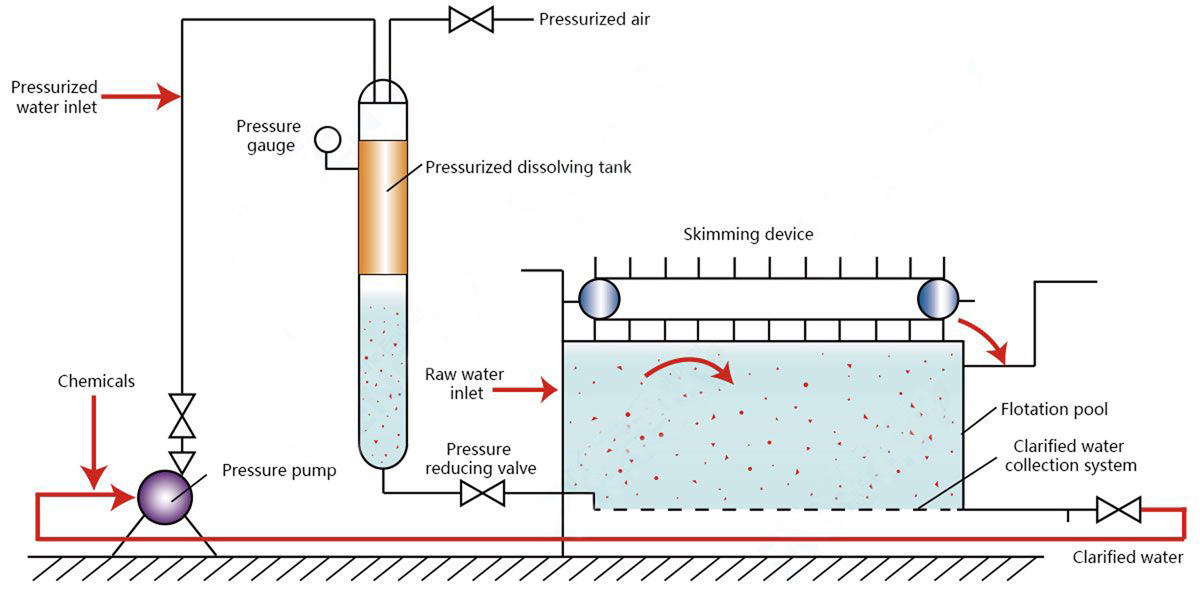
Dissolved Air Flotation (DAF) systems are indispensable in modern wastewater treatment, serving as a critical barrier against suspended solids, oils, greases, and other contaminants that threaten environmental compliance and operational efficiency. These systems work by dissolving air into water under pressure and then releasing it at atmospheric pressure within a flotation tank, creating micro-bubbles that attach to particles and float them to the surface for removal. Given the significant capital investment and the long-term operational impact, selecting the right DAF system equipment supplier is one of the most important decisions a plant manager, engineer, or procurement specialist can make. A poor choice can lead to equipment that underperforms, frequent breakdowns, costly maintenance, regulatory fines, and even reputational damage. Unfortunately, the global market is flooded with suppliers of varying quality, and some may exhibit red flags that should immediately raise concerns. This comprehensive guide explores the common red flags when selecting a DAF system equipment supplier, providing detailed insights to help you avoid costly mistakes and ensure a successful project.
Before delving into the red flags, it is essential to understand the complexity of DAF systems and the expertise required to design, manufacture, and support them. A typical DAF unit comprises several critical components: the flotation tank, the dissolved air system (including a recycle pump, air compressor, and pressure vessel), a skimming mechanism, and a sludge removal system. Each component must be engineered to work seamlessly with the others, and the entire system must be tailored to the specific characteristics of the wastewater being treated. Factors such as flow rate, contaminant concentration, pH, temperature, and the presence of emulsified oils all influence the design. A reputable supplier will have a deep understanding of these variables and will employ experienced engineers who can optimize the system for your unique application. They will also provide comprehensive support, from initial consultation and pilot testing to installation, commissioning, and ongoing maintenance. In contrast, a supplier that lacks these capabilities may offer a low upfront price but will ultimately cost you more in downtime, repairs, and lost productivity.
undefined
The red flags discussed in this article are warning signs that a supplier may not be the right partner for your project. They range from technical shortcomings and business practice issues to ethical concerns. By being aware of these red flags, you can ask the right questions, conduct thorough due diligence, and make an informed decision. Remember, the goal is not just to purchase a piece of equipment but to establish a long-term partnership with a supplier who will stand behind their product and support you throughout its lifecycle. A supplier that exhibits multiple red flags should be avoided, no matter how attractive their initial quote may seem.
1. Lack of Experience and Track Record
One of the most glaring red flags is a supplier with little to no experience in the water treatment industry, particularly with DAF systems. While innovation can come from new entrants, DAF technology is well-established, and experience is irreplaceable. A supplier that has been in business for only a year or two may not have encountered the myriad challenges that arise across different applications. They may lack the depth of knowledge to troubleshoot operational issues, to select the right materials for corrosive environments, or to design a system that is robust enough for your specific wastewater characteristics. Experience also brings a network of references and a proven track record, which are invaluable when assessing a supplier's reliability.
When evaluating a supplier, ask for their company history. How long have they been manufacturing DAF systems? What industries have they served? Can they provide a list of installations that have been in operation for several years? A supplier that hesitates to provide references or only has a handful of installations may be a red flag. In contrast, a company like HINADA Water Treatment Tech Co., Ltd., which has been in the water treatment industry for more than 13 years and has 10 years of membrane and equipment manufacturing experience, demonstrates a solid track record. Founded in 2012 in Guangzhou, China, HINADA later expanded its manufacturing base to Chenzhou, Hunan Province, and now serves clients in over 75 countries across Asia, Africa, Europe, and the Americas. This kind of global reach and longevity is a strong indicator of reliability and expertise. A supplier with such a history has weathered economic downturns, adapted to changing regulations, and refined their designs based on real-world feedback.
Another aspect of experience is the breadth of products and solutions offered. A supplier that specializes only in DAF systems may be competent, but a supplier that offers a complete ecosystem from membrane R&D to equipment fabrication and turnkey solution delivery, like HINADA, can provide a more integrated approach. HINADA, for example, focuses on two core technology pillars: hollow fiber ultrafiltration (UF/MBR) membranes and intelligent integrated wastewater treatment equipment. Their DAF systems are part of a broader portfolio that includes MBR membrane modules, containerized MBR systems, and reverse osmosis systems. This integration means they understand how DAF fits into the overall treatment train and can optimize the entire process. They can also provide complementary technologies that may enhance the performance of the DAF system, such as upstream coagulation and flocculation or downstream membrane filtration.
Red flag: If a supplier cannot clearly articulate their experience, provides vague answers about past projects, or has no verifiable references, proceed with extreme caution. A lack of experience can lead to design flaws, poor material selection, and inadequate support. It is also a sign that the supplier may not be able to handle unexpected challenges that arise during the project. Always ask for a list of at least five references from similar applications and contact them directly. Ask about the performance of the DAF system, the quality of the support, and whether they would buy from the supplier again.
2. No In-House Manufacturing or Engineering Capabilities
Some suppliers are merely resellers or assemblers. They may purchase components from various manufacturers and put together a DAF system without having any real engineering or manufacturing expertise. This is a significant red flag because it means they have little control over quality, lead times, and customization. If a problem arises, they may not have the technical know-how to solve it and may have to rely on third-party suppliers, leading to delays and finger-pointing. In a critical application, such delays can be costly and may even result in regulatory non-compliance.
A reputable DAF supplier should have in-house engineering and manufacturing capabilities. This allows them to control the quality of critical components, such as the dissolved air pump, the pressure vessel, and the flotation tank. It also enables them to customize the system to meet specific site conditions, flow rates, and contaminant profiles. For instance, HINADA has a complete ecosystem from membrane R&D and component manufacturing to equipment fabrication and turnkey solution delivery. This vertical integration ensures that they can maintain high standards and respond quickly to customer needs. They manufacture their own PVDF/PVC hollow fiber UF membranes and MBR membrane modules, which demonstrates a deep understanding of materials science and manufacturing processes. This expertise translates into better DAF systems.
When visiting a supplier's facility or reviewing their capabilities, ask about their manufacturing processes. Do they have their own fabrication shop? Do they design their own dissolved air systems? Do they have engineers on staff who specialize in DAF technology? If the answer is no, or if they outsource everything, that's a red flag. You want a supplier who stands behind their product and has the ability to make things right. A supplier without in-house engineering may also be unable to provide custom solutions. They may simply sell you a standard unit that doesn't perform well in your specific conditions, resulting in poor separation efficiency, high chemical consumption, and frequent operational issues.
Furthermore, a lack of in-house manufacturing can lead to inconsistent quality. If a supplier sources components from multiple vendors, they may not be able to ensure that all parts meet the same standards. This can lead to premature failures and increased maintenance costs. A vertically integrated supplier, on the other hand, can implement strict quality control at every stage of production. They can also offer better warranties because they have confidence in their own workmanship.
3. Unrealistically Low Pricing
Everyone loves a good deal, but when it comes to industrial equipment like DAF systems, an unusually low price is often a red flag. If a supplier's quote is significantly lower than others, it's worth investigating why. They may be cutting corners on materials, using inferior components, or skimping on engineering and design. They may also be desperate for business, which could indicate financial instability. A low price might mean that the supplier is using thinner steel for the tank, which can lead to corrosion and structural failure. They might be using a low-quality air compressor or pump that will need frequent replacement. They might not include essential features like proper sludge scraping mechanisms or adequate safety controls. In the long run, these cost-cutting measures will cost you more in maintenance, downtime, and replacement.
It's important to compare quotes on an apples-to-apples basis. Look at the specifications, materials of construction, brand of components, warranty terms, and included services. A supplier that is transparent about what is included and what is not is more trustworthy. If a supplier is evasive about specifications or refuses to provide a detailed breakdown, that's a red flag. For example, ask for the thickness of the tank walls, the type of coating, the brand and model of the air compressor, and the control system specifications. A reputable supplier will provide all this information without hesitation.
Moreover, consider the total cost of ownership (TCO). A cheap DAF system may have higher energy consumption, require more chemicals, and need more frequent maintenance. A higher-priced system from a reputable supplier may actually be more economical over its lifespan. For example, HINADA's DAF systems are designed for efficiency and durability, which can reduce operational costs. While the upfront price may be higher than a low-cost alternative, the long-term savings can be substantial. It's also worth asking about the expected lifespan of the equipment and the availability of spare parts. A cheap system that becomes obsolete in a few years is no bargain.
Red flag: If the price seems too good to be true, it probably is. Ask for a detailed cost breakdown and compare it with other suppliers. If they can't justify their price, look elsewhere. Also, be wary of suppliers who quote a low price for the equipment but then charge exorbitant fees for spare parts or service. This is a common tactic to lock you into a costly relationship. Look for a supplier with fair and transparent pricing policies.
4. Poor Communication and Responsiveness
Effective communication is crucial during the selection, design, installation, and commissioning of a DAF system. A supplier that is slow to respond to your inquiries, doesn't answer questions directly, or seems disorganized is a red flag. This behavior often continues after the sale, leading to frustration and delays. From the initial contact, pay attention to how the supplier communicates. Do they respond to emails and phone calls promptly? Do they provide clear and detailed answers? Do they ask questions about your specific needs, or do they just push a standard product? A good supplier will take the time to understand your project and will be proactive in providing information.
During the proposal stage, a responsive supplier will provide a detailed quote, including technical specifications, drawings, and a timeline. They will be willing to discuss any concerns and make adjustments. If a supplier is unresponsive or vague, it may indicate that they are not organized or that they don't value your business. This can be a major problem when you need support after the equipment is installed. Imagine having a critical issue with your DAF system and being unable to reach your supplier for days. This could lead to production stoppages and environmental violations.
After-sales support is particularly important. A DAF system requires regular maintenance, and you may need spare parts or technical assistance. A supplier that is difficult to reach during the sales process will likely be even harder to reach when you have an urgent problem. Look for a supplier with a dedicated customer service team and a clear process for handling support requests. HINADA, for instance, provides a truly integrated solution from designation, supplying, installation support and commissioning to training. This comprehensive approach ensures that customers are supported throughout the entire lifecycle of the equipment. They understand that communication is not just about selling but about building a lasting relationship.
Red flag: If you have to chase the supplier for answers or if they miss deadlines during the sales process, consider it a warning. You can also ask for a communication protocol and service level agreement (SLA) to ensure that your needs will be met. A supplier who is unwilling to commit to response times may not be reliable.
5. Lack of Customization and Flexibility
Every wastewater treatment application is unique. The characteristics of the wastewater, the flow rate, the available space, and the discharge requirements all vary. A supplier that offers only standard, off-the-shelf DAF systems without the ability to customize is a red flag. They may try to convince you that their standard unit will work, but this often leads to suboptimal performance. A one-size-fits-all approach is rarely successful in wastewater treatment, where even small variations in contaminant levels can significantly affect performance.
A good supplier will have a team of engineers who can design a DAF system tailored to your specific needs. They will consider factors such as the type and concentration of contaminants, the pH, temperature, and the presence of oils or grease. They will also take into account site constraints, such as limited space or height restrictions. Customization can include the size of the flotation tank, the type of air dissolution system, the skimmer design, and the materials of construction. For example, if your wastewater is highly corrosive, the supplier may recommend stainless steel or specialized coatings. If you have limited space, they may design a compact unit or a vertical DAF.
Flexibility also extends to the ability to integrate the DAF system with other treatment processes. For example, if you have an existing biological treatment system, the DAF may need to be placed after it for tertiary treatment. Or, if you are treating industrial wastewater, you may need to combine DAF with chemical coagulation and flocculation. A supplier with a broad portfolio of products, like HINADA, can provide an integrated solution that includes UF membranes, MBR modules, and RO systems, ensuring that all components work together seamlessly. HINADA's key application fields include industrial wastewater treatment and reuse, municipal sewage treatment and water recycling, rural decentralized water supply and sanitation, and drinking water purification. This breadth of experience allows them to tailor solutions to diverse needs.
Red flag: If a supplier insists that their standard model is the only option or is unwilling to make modifications, consider another supplier. A lack of flexibility suggests they lack engineering expertise or are unwilling to invest in your project. It may also indicate that they are more interested in moving inventory than in solving your problem.
6. No Clear Warranty or After-Sales Support
A warranty is a sign that a supplier stands behind their product. A supplier that offers a short warranty period, or worse, no warranty at all, is a red flag. DAF systems are a significant investment, and you need assurance that defects in materials or workmanship will be addressed. A standard warranty should cover at least one year, and preferably longer, for major components. Look for a warranty that covers all major components, including the tank, the air dissolution system, the pumps, and the controls. The warranty should be clearly written and include details on what is covered, what is not, and how to make a claim. A reputable supplier will also offer a service contract or maintenance plan to keep your system running smoothly.
After-sales support goes beyond the warranty. It includes technical support, spare parts availability, and on-site service. Ask the supplier about their spare parts inventory. Do they keep critical parts in stock? How quickly can they ship replacements? Do they have service technicians who can come to your site? If the supplier is located overseas, do they have local partners or distributors who can provide support? A supplier that cannot answer these questions satisfactorily is a red flag. You don't want to be stranded with a broken DAF system and no way to fix it.
HINADA's integrated solution includes installation support and commissioning, as well as training for your staff. This hands-on approach ensures that your team is equipped to operate and maintain the DAF system properly. A supplier that does not offer training or support is a red flag because it increases the risk of operational errors and premature equipment failure. Training should cover normal operation, troubleshooting, safety procedures, and maintenance schedules. It should be conducted by experienced technicians who can answer your questions and provide practical tips.
Red flag: If the warranty is vague or the supplier is reluctant to put terms in writing, look elsewhere. Also, be wary of warranties that exclude labor or shipping costs, as these can add up quickly. A good warranty should be comprehensive and easy to understand.
7. Poor Quality Materials and Components
The quality of materials and components used in a DAF system directly affects its lifespan and performance. A supplier that uses cheap materials to cut costs is a red flag. For example, the flotation tank should be made of high-quality steel with proper corrosion protection, such as epoxy coating or stainless steel. If the tank is made of thin, uncoated steel, it will rust and leak, leading to costly repairs. Similarly, the dissolved air system is the heart of the DAF unit. It includes a pump, an air compressor, and a pressure vessel. These components should be from reputable brands and designed for continuous duty. A cheap pump may fail frequently, causing downtime and repair costs. The pressure vessel must be built to code and tested for safety.
The skimmer and sludge removal system are also critical. They should be robust and reliable, able to handle the volume of sludge produced. A flimsy skimmer may break or fail to remove sludge effectively, leading to poor water quality. The materials used for the skimmer blades, chains, and drives should be corrosion-resistant and durable. Similarly, the sludge removal system, whether it uses scrapers, augers, or pumps, must be designed for the specific characteristics of the sludge.
When evaluating a supplier, ask about the materials and brands they use. A transparent supplier will be happy to provide this information. If they are vague or evasive, that's a red flag. You can also ask for a materials certificate or a list of component suppliers. HINADA, for example, manufactures its own hollow fiber UF membranes and MBR modules, ensuring high quality control. Their DAF systems benefit from this expertise in materials and manufacturing. They understand that using inferior materials may save a few dollars upfront but will cost the customer far more in the long run.
Red flag: If the supplier cannot provide details about the materials and components, or if they use no-name brands, proceed with caution. You can also ask for a sample of the materials or visit a facility where their equipment is in operation to inspect the quality firsthand.
8. Lack of Certifications and Compliance
Depending on your location and industry, DAF systems may need to comply with certain standards and regulations. A supplier that lacks the necessary certifications or is unaware of local codes is a red flag. For example, in many countries, pressure vessels must meet ASME or PED standards. Electrical components must be UL or CE certified. The supplier should be able to provide documentation to prove compliance. Additionally, the supplier should be familiar with environmental regulations that affect the discharge of treated water. They should be able to design a system that meets your permit limits. If they don't ask about your regulatory requirements, they may not be experienced enough.
Ask for copies of certifications and test reports. A reputable supplier will have these readily available. If a supplier claims to meet standards but cannot provide proof, that's a red flag. It may indicate that they are cutting corners or that their products have not been independently tested. Compliance is not just about avoiding fines; it's also about ensuring the safety of your employees and the environment. A DAF system that does not meet electrical safety standards could pose a fire or shock hazard. A pressure vessel that is not properly certified could explode.
Furthermore, some industries have specific certifications, such as NSF for drinking water applications or ATEX for explosive atmospheres. If your application requires such certifications, ensure the supplier has them. A supplier that is not certified for your industry may not understand the unique requirements and could deliver a non-compliant system.
Red flag: If the supplier is evasive about certifications or claims they are not necessary, verify with local authorities. It's better to choose a supplier who is proactive about compliance and can guide you through the regulatory maze.
9. No On-Site Testing or Pilot Studies
Wastewater characteristics can vary widely, and what works in one plant may not work in another. A supplier that does not offer on-site testing or pilot studies is a red flag. A pilot study involves setting up a small-scale DAF system at your site to test its performance with your actual wastewater. This allows the supplier to optimize the design and ensure that the full-scale system will meet your requirements. Without a pilot study, you are taking a risk that the system may not perform as expected. A reputable supplier will recommend a pilot study, especially for complex or high-risk applications. They may have a mobile pilot unit that they can bring to your site.
If a supplier dismisses the need for testing or claims their standard design will work without any verification, be cautious. They may be overconfident or simply trying to save time and money at your expense. A pilot study can also help you determine the optimal chemical dosages, the best air-to-solids ratio, and the required retention time. This data is invaluable for designing a full-scale system that operates efficiently and cost-effectively.
HINADA, with its extensive experience in water treatment, understands the importance of proper testing. Their engineers can work with you to conduct treatability studies and pilot tests to ensure the right solution. This level of service is a hallmark of a reliable supplier. They also have a complete ecosystem from membrane R&D to equipment fabrication, which means they can integrate the pilot study findings into the final design seamlessly.
Red flag: If the supplier does not offer pilot testing or is unwilling to conduct one, consider another supplier. A pilot study is a small investment that can save you from a costly mistake. It also demonstrates the supplier's commitment to getting it right.
10. Overpromising and Underdelivering
Beware of suppliers who make grandiose promises that seem too good to be true. They may claim their DAF system can achieve 99.9% removal efficiency with minimal chemicals and no maintenance. While DAF systems can be highly effective, no system is perfect. Overpromising is a red flag because it indicates a lack of honesty or a misunderstanding of the technology. A good supplier will be realistic about what their system can achieve. They will provide performance guarantees based on actual test data and will explain the limitations. They will also be upfront about the operating costs, including energy, chemicals, and maintenance.
If a supplier makes claims that are not backed by data or references, ask for evidence. If they cannot provide it, that's a red flag. You should also check references and ask other customers about their experience. Did the supplier deliver on their promises? If not, look elsewhere. Overpromising can lead to disappointment and financial losses. For example, if the system fails to meet discharge limits, you may face fines or have to invest in additional treatment.
Moreover, be wary of suppliers who guarantee specific results without knowing the details of your wastewater. They may not have done their homework. A professional supplier will ask for a water analysis and will conduct their own tests before making any guarantees. They will also provide a performance bond or guarantee that is tied to measurable outcomes.
Red flag: If the supplier's claims seem exaggerated or if they avoid putting guarantees in writing, proceed with caution. Trust your instincts and verify everything.
11. High Employee Turnover or Lack of Key Personnel
When you work with a supplier, you build relationships with their sales engineers, project managers, and support staff. If a supplier has high employee turnover, it can be a red flag. It may indicate poor management, low morale, or financial problems. High turnover can also mean that you will be passed around to different people who are not familiar with your project, leading to miscommunication and delays. During your interactions, try to gauge the stability of the supplier's team. Ask how long key personnel have been with the company. If the salesperson you are dealing with has been there only a few months, and the engineer has been there even less, that's a concern. A stable team is more likely to provide consistent support.
Additionally, if you are unable to meet or speak with the technical experts who will actually design your system, that's a red flag. You want to ensure that the people who understand the technology are involved in your project. A supplier that hides their engineers or prevents you from speaking with them may have something to hide. They may not have qualified engineers on staff, or they may be using a cookie-cutter design that doesn't require expertise.
Red flag: If the supplier's team seems disorganized or if you are constantly being transferred to new contacts, consider it a warning. A stable, experienced team is a sign of a healthy company. You can also ask for the resumes of key personnel or for an organizational chart to understand the structure.
12. Poor Documentation and Manuals
A DAF system comes with documentation, including operation and maintenance manuals, spare parts lists, and engineering drawings. If a supplier provides poor documentation, or none at all, it's a red flag. Good documentation is essential for operating and maintaining the equipment properly. It should be clear, comprehensive, and in a language you understand. Ask to see a sample manual or documentation package. A well-organized supplier will have professional manuals that include detailed instructions, troubleshooting guides, and safety information. If the documentation is poorly translated or missing key information, it will make it difficult for your team to operate the system.
Moreover, documentation is important for regulatory compliance. You may need to provide drawings and specifications to your local authorities. A supplier that cannot provide these may cause delays in permitting. In addition, good documentation facilitates training and knowledge transfer. If your operators have a comprehensive manual, they can learn how to handle various situations without constantly calling the supplier for support.
Red flag: If the supplier cannot provide a sample manual or if the documentation is incomplete, ask for a commitment to provide full documentation upon delivery. If they refuse, look elsewhere. A supplier that does not invest in documentation may not invest in quality either.
13. No Commitment to Research and Development
The water treatment industry is constantly evolving, with new technologies and stricter regulations. A supplier that does not invest in research and development (R&D) is a red flag. They may be using outdated designs that are less efficient or more costly to operate. A commitment to R&D shows that the supplier is dedicated to improving their products and staying at the forefront of the industry. HINADA, for example, focuses on two core technology pillars: hollow fiber ultrafiltration (UF/MBR) membranes and intelligent integrated wastewater treatment equipment. Their ongoing R&D in membrane technology and integrated systems demonstrates a commitment to innovation. This can translate into better DAF systems that incorporate the latest advances in materials and design.
When evaluating a supplier, ask about their R&D activities. Do they have a dedicated R&D team? Have they introduced new products or improvements in the last few years? Do they hold any patents? A supplier that is stagnant may not be able to provide you with the best solution. They may also be slow to adapt to new regulations, which could put you at risk of non-compliance. Furthermore, a supplier that invests in R&D is more likely to offer energy-efficient and environmentally friendly solutions, which can reduce your operating costs and carbon footprint.
Red flag: If the supplier cannot describe any recent innovations or improvements, they may be behind the times. Look for a supplier who is actively engaged in industry conferences and exhibitions, like HINADA, which participates in international water treatment exhibitions to bring Chinese membrane technology to regions where clean water is most needed. This kind of engagement shows a commitment to advancing the industry.
14. Negative Online Reviews or Reputation
In the digital age, online reviews and reputation are important. A supplier with a pattern of negative reviews, complaints, or legal disputes is a red flag. While every company may have a few unhappy customers, a consistent pattern of problems is a warning sign. Research the supplier online. Check their website, social media, and industry forums. Look for reviews on platforms like Google, Trustpilot, or industry-specific sites. If you see multiple complaints about poor quality, bad service, or unresolved issues, be cautious. You can also ask for references and contact them directly to ask about their experience.
Additionally, check if the supplier is a member of any industry associations or has won any awards. This can be a positive sign, but it's not a substitute for due diligence. A supplier that is not transparent about their reputation or tries to hide negative feedback is a red flag. They may be deleting negative comments or posting fake positive reviews. Look for authentic, detailed reviews that describe specific experiences.
Red flag: If you find numerous complaints that are similar in nature, it may indicate a systemic problem. For example, if multiple customers complain about poor after-sales support or frequent breakdowns, it's likely that the supplier has a quality issue. It's better to avoid such suppliers and find one with a stellar reputation.
15. Lack of Financial Stability
You want to ensure that your supplier will be around for the long haul to provide support and spare parts. A supplier that is financially unstable is a red flag. They may go out of business, leaving you without support. They may also cut corners to save money, leading to quality issues. While it can be difficult to assess the financial health of a private company, you can look for signs. Do they have a professional website and marketing materials? Do they have a physical address and manufacturing facility? Do they have a history of steady growth? You can also ask for a bank reference or check if they are publicly traded.
If a supplier is evasive about their financial situation or seems desperate for business, that's a red flag. It's better to pay a little more for a supplier with a solid financial foundation. A financially stable supplier can invest in quality materials, retain skilled employees, and provide long-term support. They are also more likely to honor their warranties and provide spare parts for years to come.
Red flag: If the supplier offers unusually generous payment terms or discounts, it may be a sign of cash flow problems. While this can be tempting, it's risky. You don't want to be left with a broken DAF system and no one to turn to because the supplier has gone bankrupt.
16. Unwillingness to Provide References
A supplier that is confident in their product and service will be happy to provide references. If a supplier refuses to provide references or only provides vague ones, it's a red flag. References allow you to speak with other customers about their experience. You can ask about the performance of the DAF system, the quality of the support, and whether they would recommend the supplier. When you contact references, ask specific questions. How long has the system been in operation? Has it met performance expectations? How responsive is the supplier to service requests? Have there been any major issues? Would you buy from them again? If the references are not forthcoming or give negative feedback, that's a red flag.
A reputable supplier like HINADA, with clients in over 75 countries, can provide numerous references from around the world. Their global presence is a testament to their ability to satisfy customers in diverse markets. They have experience in Asia, Africa, Europe, and the Americas, which means they have encountered a wide range of wastewater challenges and have developed solutions that work. When a supplier has a global customer base, it's easier to find references in your region or industry.
Red flag: If the supplier only provides references from customers who are not in your industry or who are located in different countries, it may be because they don't have relevant experience. Always ask for references from similar applications and, if possible, visit a site to see the equipment in operation.
17. No Understanding of Your Industry
DAF systems are used in many industries, including municipal wastewater, food and beverage, oil and gas, chemical, and paper. Each industry has its own unique challenges and regulations. A supplier that does not understand your industry is a red flag. They may not be familiar with the specific contaminants you need to remove or the discharge limits you must meet. For example, the food and beverage industry often has high levels of fats, oils, and grease (FOG), which require a DAF system with specific design features. The oil and gas industry may have produced water with high salinity and hydrocarbons. A supplier with experience in your industry will know how to design a system that handles these challenges.
Ask the supplier about their experience in your industry. Can they provide case studies or references from similar applications? If they have no experience in your field, they may not be the best choice. HINADA, for instance, serves a wide range of applications, including industrial wastewater treatment and reuse, municipal sewage treatment, rural decentralized water supply, and drinking water purification. This broad experience allows them to adapt their DAF systems to various industries. They understand the nuances of different waste streams and can tailor the design accordingly.
Red flag: If the supplier asks you to explain your industry to them, they may not have the expertise you need. While they may be willing to learn, you don't want to be their guinea pig. It's better to choose a supplier who has a proven track record in your specific field.
18. Pressure to Sign Quickly
A supplier that pressures you to sign a contract quickly, without giving you time to review the terms or consider other options, is a red flag. This high-pressure sales tactic is often a sign of desperation or an attempt to hide weaknesses. A reputable supplier will give you time to make an informed decision and will not rush you. They will also be transparent about pricing, lead times, and contract terms. If a supplier is vague about these details or tries to add hidden costs later, that's a red flag. You should always read the fine print and ask questions about anything you don't understand.
Remember, selecting a DAF system supplier is a long-term partnership. You want to work with someone who respects your decision-making process and is committed to a mutually beneficial relationship. A supplier that uses pressure tactics may not be trustworthy and may cut corners later. They may also be trying to lock you into a contract before you discover their shortcomings.
Red flag: If you feel rushed or if the supplier uses phrases like "this offer is only valid for 24 hours," be wary. A legitimate supplier will not need to use such tactics. They will be confident that their product and service will win your business on merit.
19. Lack of Safety Features
DAF systems involve pressure vessels, electrical components, and moving parts. Safety should be a top priority. A supplier that does not include adequate safety features is a red flag. The system should have pressure relief valves, emergency stops, and proper guarding for moving parts. Electrical components should be properly enclosed and grounded. Ask the supplier about the safety features included in their design. Do they follow relevant safety standards? Have they conducted a hazard analysis? A supplier that dismisses safety concerns or claims their system is "inherently safe" without providing details is a red flag.
Safety is not just about avoiding accidents; it's also about compliance with occupational health and safety regulations. A DAF system that lacks safety features may put your employees at risk and could result in fines. Moreover, a safety incident can lead to costly downtime and legal liabilities. A reputable supplier will design safety into every aspect of the system and will provide documentation to prove it.
Red flag: If the supplier cannot provide a safety manual or list of safety features, look elsewhere. Safety should never be an afterthought. You can also ask for a copy of their risk assessment or for references from customers who have undergone a safety audit.
20. No Training or Commissioning Support
Proper installation, commissioning, and training are essential for the successful operation of a DAF system. A supplier that does not offer these services is a red flag. Even the best-designed system can fail if it is not installed correctly or if the operators are not trained. A good supplier will provide on-site supervision during installation and commissioning. They will also train your staff on how to operate and maintain the system. This training should cover normal operation, troubleshooting, and safety procedures. HINADA provides a truly integrated solution from designation, supplying, installation support and commissioning to training. This ensures that the customer is fully supported from start to finish.
If a supplier only ships the equipment and leaves the rest to you, you may face problems. You might need to hire a third-party contractor, which can be expensive and may not have the expertise. It's better to choose a supplier who offers a turnkey solution. Commissioning is particularly important because it ensures that the system is operating at optimal performance before it is handed over. A supplier that skips commissioning may leave you with a system that is not properly adjusted, leading to poor performance and high operating costs.
Red flag: If the supplier does not include training or commissioning in their quote, ask for it. If they refuse or charge extra, consider the total cost. A supplier that does not invest in training is likely to have more service calls later, which can be frustrating and costly.
21. Unclear or Hidden Costs
When you receive a quote from a supplier, it should be clear and comprehensive. A supplier that hides costs or provides a vague quote is a red flag. Hidden costs can include shipping, taxes, installation, commissioning, training, and spare parts. These can add up quickly and blow your budget. Ask for a detailed quote that itemizes all costs. If the supplier is reluctant to provide this, that's a red flag. You should also ask about the cost of consumables, such as chemicals and replacement parts, over the life of the system. A supplier that is transparent about costs is more trustworthy.
Moreover, be wary of suppliers who quote a low price for the equipment but then charge exorbitant fees for spare parts or service. This is a common tactic to lock you into a costly relationship. Look for a supplier with fair and transparent pricing policies. They should be willing to provide a price list for common spare parts and to explain their service rates. You can also ask for a total cost of ownership analysis that includes energy, chemicals, maintenance, and downtime.
Red flag: If the quote is not itemized or if the supplier is evasive about additional costs, insist on a detailed breakdown. If they still refuse, consider it a major warning sign. You don't want to be surprised by hidden fees after you have signed the contract.
22. No Environmental or Sustainability Commitment
Many companies today are looking for suppliers who are committed to environmental sustainability. A supplier that does not demonstrate a commitment to sustainability is a red flag. This can include their manufacturing processes, the materials they use, and the energy efficiency of their products. Ask the supplier about their environmental policies. Do they have ISO 14001 certification? Do they use recycled materials? Are their DAF systems designed to minimize energy and chemical consumption? A supplier that is not environmentally conscious may not be aligned with your company's values, and their products may be less efficient.
HINADA, for example, is involved in bringing clean water technology to regions where it is most needed. Their focus on membrane technology and integrated wastewater treatment equipment contributes to water reuse and environmental protection. This kind of commitment is a positive sign. A supplier that prioritizes sustainability will likely offer systems that are more energy-efficient and produce less waste. They may also use eco-friendly materials and manufacturing processes, which can reduce your carbon footprint.
Red flag: If the supplier cannot describe any environmental initiatives or if they dismiss the importance of sustainability, they may be behind the times. In today's world, environmental responsibility is not just a nice-to-have; it's a competitive advantage. Choose a supplier who shares your values.
23. Poor Design and Engineering
The design and engineering of a DAF system are critical to its performance. A supplier that lacks engineering expertise may produce a system that is poorly designed. Red flags in design include inadequate flotation area, improper air-to-solids ratio, poor flow distribution, and insufficient sludge removal. These issues can lead to poor treatment efficiency, frequent clogging, and high operating costs. To assess design quality, ask for detailed engineering drawings and calculations. A good supplier will be able to explain the rationale behind their design and how it meets your requirements. They will also use computational fluid dynamics (CFD) modeling or other tools to optimize the design. If a supplier cannot provide these details, that's a red flag.
Additionally, consider the reputation of the supplier's engineering team. Do they have professional engineers on staff? Are they members of relevant engineering associations? A supplier with strong engineering capabilities is more likely to deliver a reliable system. They will also be able to troubleshoot issues that arise during operation and propose effective solutions. A poorly designed system may never perform as intended, no matter how much you tweak it.
Red flag: If the supplier cannot provide engineering drawings or if the drawings are vague, look elsewhere. A professional supplier will have a well-documented design process and will be proud to share it with you. They will also be open to third-party review of their design if you wish.
24. Ignoring Your Specific Requirements
A supplier that does not listen to your specific requirements is a red flag. They may try to sell you a standard system that doesn't fit your needs. They may ignore your flow rate, contaminant levels, or site constraints. This can result in a system that underperforms or requires costly modifications. A good supplier will ask detailed questions about your application. They will want to know the flow rate, the characteristics of the wastewater, the discharge limits, and any site limitations. They will also consider your budget and timeline. If a supplier seems disinterested in your specific situation, they may not be the right partner.
Communication is key. You should feel that the supplier understands your needs and is proposing a solution that is tailored to you. If you feel like you are being pushed into a one-size-fits-all solution, look elsewhere. A supplier that listens will also be more responsive to changes during the project. They will work with you to overcome challenges and will not simply blame you if something goes wrong.
Red flag: If the supplier does not ask for a water analysis or site details, they are not taking your project seriously. A professional supplier will always request this information before making a proposal. They will also be willing to visit your site to assess the conditions firsthand.
25. Lack of Innovation or Use of Outdated Technology
Technology in water treatment is advancing rapidly. A supplier that uses outdated technology or has not updated their designs in years is a red flag. They may be using inefficient air dissolution systems, outdated controls, or materials that are no longer state-of-the-art. Ask the supplier about their latest innovations. Have they incorporated new developments in DAF technology, such as improved dissolved air systems, advanced controls, or energy-efficient pumps? A supplier that is not innovating may not be able to provide you with the most efficient and cost-effective solution.
HINADA's focus on R&D in membrane technology and integrated systems shows a commitment to innovation. Their DAF systems likely benefit from these advancements, offering better performance and reliability. For example, they may use advanced PLC controls that allow for remote monitoring and automatic adjustments. They may also use high-efficiency pumps and compressors that reduce energy consumption. A supplier that is stuck in the past will not be able to offer these benefits.
Red flag: If the supplier cannot describe any recent technological improvements or if their design looks like it hasn't changed in decades, consider another supplier. Innovation is a sign of a forward-thinking company that is committed to solving your problems.
26. Lack of Spare Parts Availability
Even the most reliable DAF system will eventually need spare parts. A supplier that does not maintain an adequate inventory of spare parts or that sources them from unreliable vendors is a red flag. If a critical part fails, you could be waiting weeks or months for a replacement, during which your treatment process may be compromised. Ask the supplier about their spare parts policy. Do they keep common parts in stock? What is the typical lead time for ordering parts? Do they provide a recommended spare parts list with the equipment? A good supplier will have a local warehouse or distributor network to ensure fast delivery.
Moreover, consider the cost of spare parts. A supplier that charges exorbitant prices for spare parts may be trying to make up for a low initial sale price. This can lead to a high total cost of ownership. Ask for a price list for common spare parts and compare it with industry standards. A transparent supplier will be happy to provide this information. They will also offer kits for routine maintenance, which can save time and money.
Red flag: If the supplier cannot provide a spare parts list or if they are vague about lead times, look elsewhere. You don't want to be stuck with a system that you cannot maintain. A supplier that does not stock spare parts may not be committed to long-term support.
27. Poor Packaging and Shipping
DAF systems are large and delicate pieces of equipment. Poor packaging and shipping can result in damage during transit, leading to delays and additional costs. A supplier that does not have robust packaging and shipping procedures is a red flag. Ask the supplier about their packaging methods. Do they use custom crates and shock absorbers? Do they provide insurance for the shipment? Do they have experience shipping internationally? A supplier that is careless about shipping may also be careless about other aspects of the project.
Additionally, ask about the delivery timeline and responsibilities. Who is responsible for unloading and moving the equipment to the installation site? If the supplier leaves this to you without providing clear instructions, you may face challenges. A good supplier will provide a detailed shipping and logistics plan, including all necessary documentation for customs clearance if shipping internationally.
Red flag: If the supplier cannot describe their packaging and shipping process or if they seem unconcerned about potential damage, consider another supplier. You can also ask for references from customers who have received shipments and ask about their experience.
28. No Remote Monitoring or IoT Capabilities
In the age of Industry 4.0, many modern DAF systems come with remote monitoring and IoT capabilities. These features allow you to track performance, receive alerts for maintenance, and optimize operation from anywhere. A supplier that does not offer these capabilities is a red flag, as it may indicate that their technology is outdated. Remote monitoring can help you reduce downtime, save energy, and improve compliance. Ask the supplier if their DAF systems can be equipped with sensors and connected to a cloud-based platform. Can they provide a dashboard for real-time data? Can they send alerts to your phone or email?
HINADA's focus on intelligent integrated wastewater treatment equipment suggests that they are at the forefront of this trend. Their systems likely incorporate smart controls and remote monitoring options. A supplier that does not offer these features may not be able to provide you with the data you need to optimize your operations. In today's competitive environment, data-driven decision-making is essential.
Red flag: If the supplier is not familiar with IoT or remote monitoring, they may be behind the times. While not every application requires these features, a supplier that cannot offer them may not be able to grow with your needs.
29. Unclear Intellectual Property Rights
When you purchase a DAF system, you are also purchasing the design and technology embedded in it. If a supplier uses proprietary technology, you need to ensure that they have the rights to use it and that you will not be infringing on any patents. A supplier that is vague about intellectual property rights is a red flag. They may be using copied designs or components that could lead to legal issues. Ask the supplier about any patents or trademarks associated with their DAF systems. Can they provide documentation to prove ownership? If they are using third-party technology, do they have a license?
Moreover, if you plan to modify the system or integrate it with other technologies, you need to know if there are any restrictions. A supplier that is not transparent about IP rights may cause you legal headaches down the road. It's better to choose a supplier with a clear IP portfolio and a reputation for innovation.
Red flag: If the supplier cannot provide details about their IP or if they seem evasive, consult with a legal expert. It's better to be safe than sorry.
30. No Continuous Improvement Process
A supplier that does not have a continuous improvement process is a red flag. The best suppliers are always looking for ways to improve their products, services, and processes. They solicit feedback from customers, analyze performance data, and implement changes. Ask the supplier how they handle customer feedback. Do they have a formal process for collecting and acting on feedback? Do they track key performance indicators (KPIs) for quality and customer satisfaction? A supplier that is set in their ways may not be able to adapt to your changing needs.
Continuous improvement also applies to the DAF system itself. A good supplier will offer upgrades and retrofits as new technologies become available. They will also provide regular maintenance and optimization services to ensure that your system continues to perform at its best. A supplier that does not offer these services may not be committed to a long-term relationship.
Red flag: If the supplier cannot describe how they improve their products or services, they may be complacent. Look for a supplier who is proactive and dedicated to excellence.
How to Conduct Due Diligence
Conducting thorough due diligence is essential to avoid the red flags outlined above. Here is a step-by-step approach to evaluating a DAF system supplier:
Research the supplier: Visit their website, check their online reviews, and look for any news articles or press releases. Verify their claims about experience and certifications.
Request references: Ask for at least five references from similar applications. Contact them and ask specific questions about performance, support, and reliability.
Visit their facility: If possible, visit the supplier's manufacturing facility to see their operations firsthand. This will give you a sense of their capabilities and quality control.
Review engineering drawings: Ask for detailed engineering drawings and calculations. A reputable supplier will provide these without hesitation.
Conduct a pilot study: If your application is complex, request a pilot study to verify performance with your actual wastewater.
Check certifications: Ensure that the supplier has all necessary certifications for your region and industry.
Evaluate the quote: Compare quotes on an apples-to-apples basis, considering specifications, materials, warranty, and included services.
Assess communication: Pay attention to how responsive and transparent the supplier is during the sales process. This is a good indicator of future support.
Trust your instincts: If something feels off, it probably is. Don't ignore red flags, even if the price is attractive.
Questions to Ask a DAF Supplier
To uncover potential red flags, ask the following questions:
How long have you been manufacturing DAF systems?
Can you provide references from customers in my industry?
What is your warranty policy?
Do you offer on-site training and commissioning?
What is the lead time for delivery and installation?
Can you provide a detailed quote with all costs included?