sewage wastewater treatment Benefits for Reuse and Nutrient Control
sewage wastewater treatment Benefits for Reuse and Nutrient Control
September 30, 2026
Author
Solution Provider, through a professional technical team, we provide customers with targeted equipment selection recommendations and comprehensive after-sales services, winning the trust and recognition of customers.
Sarah M.
Sewage wastewater treatment offers significant benefits for water reuse and nutrient control. Reuse provides a reliable alternative water supply for irrigation, industry, landscaping, and groundwater recharge, reducing pressure on freshwater sources and lowering discharge volumes. Nutrient control prevents nitrogen and phosphorus pollution that causes eutrophication, algal blooms, oxygen depletion, and drinking water risks. Advanced treatment technologies such as hollow fiber ultrafiltration, submerged MBR modules, containerized MBR systems, packaged wastewater treatment plants, DAF systems, and industrial RO systems make these benefits achievable. HINADA Water Treatment Tech Co., Ltd., founded in 2012 in Guangzhou and later expanded to Chenzhou, Hunan, serves clients in over 75 countries. With more than 13 years of industry experience and 10 years of membrane and equipment manufacturing experience, HINADA focuses on two core pillars: UF and MBR membranes for precise separation, and intelligent integrated wastewater treatment equipment for municipal, industrial, and decentralized applications. The company provides integrated solutions from design and supply to installation support, commissioning, and training. Its key application fields include industrial wastewater treatment and reuse, municipal sewage treatment and water recycling, rural decentralized water supply and sanitation, and drinking water purification. By combining reuse and nutrient control, treatment plants can protect ecosystems, meet stricter regulations, recover resources, and support a circular water economy. HINADA continues to bring Chinese membrane technology to international markets through exhibitions and project delivery, helping communities and industries turn wastewater into a valuable resource.
Sewage Wastewater Treatment: Benefits for Reuse and Nutrient Control
Sewage wastewater treatment is no longer viewed only as a pollution-control obligation. It is increasingly understood as a resource-recovery opportunity that protects public health, restores ecosystems, and supports circular water economies. When municipal and industrial sewage is treated to appropriate standards, the resulting water can be reused for irrigation, industrial processes, landscaping, toilet flushing, groundwater recharge, and even indirect potable purposes. At the same time, effective nutrient control prevents nitrogen and phosphorus from destabilizing rivers, lakes, and coastal zones. The combined benefits of reuse and nutrient control make advanced sewage treatment one of the most valuable investments a community or industry can make.
Why Reuse and Nutrient Control Matter Together
Water scarcity, population growth, urbanization, and stricter environmental regulations are converging. Many regions face seasonal droughts, depleted aquifers, and polluted surface water. Meanwhile, conventional wastewater discharge still carries organic matter, pathogens, suspended solids, nitrogen, and phosphorus. If these pollutants are released without adequate treatment, they can cause eutrophication, algal blooms, oxygen depletion, fish kills, and costly drinking-water treatment challenges. Reuse and nutrient control address both sides of the problem: they turn treated sewage into a reliable water source while reducing the nutrient load that damages receiving waters.
From a technical perspective, reuse and nutrient control are deeply connected. Membrane bioreactors, ultrafiltration, reverse osmosis, dissolved air flotation, and biological nutrient removal processes can be combined to produce high-quality effluent. This effluent can then be safely reused, while concentrated nutrient streams can be managed, recovered, or discharged under controlled conditions. The result is a treatment train that delivers environmental compliance, operational resilience, and long-term economic value.
undefined
Benefits of Water Reuse
Reliable Alternative Water Supply
Reclaimed water provides a drought-resistant source that is independent of rainfall and seasonal variability. Municipalities can reduce pressure on freshwater reservoirs and aquifers. Industries can secure process water even when local supplies are restricted. Agricultural operators can irrigate crops with treated water that contains useful nutrients, reducing fertilizer demand when applied under proper agronomic management.
Environmental Protection
By reusing treated sewage, communities reduce the volume of effluent discharged into sensitive water bodies. This lowers pollutant loading and protects aquatic habitats. Reuse also reduces the need for new dams, long-distance water transfers, and energy-intensive desalination. In many cases, the environmental benefit is immediate: less abstraction from rivers, less groundwater depletion, and fewer discharge-related compliance risks.
Economic and Operational Value
Water reuse can lower water purchase costs, reduce discharge fees, and create new revenue streams. Industries such as textiles, food and beverage, mining, and electronics can recover water for cooling, washing, or boiler feed after appropriate treatment. Municipalities can sell reclaimed water for landscape irrigation or construction use. The economic case strengthens when treatment systems are modular, energy-efficient, and easy to expand.
Nutrient Control: Protecting Water Bodies and Public Health
Nitrogen and phosphorus are essential for life, but excess nutrients in water cause serious harm. Nitrogen can appear as ammonia, nitrate, and organic nitrogen. Phosphorus often binds to sediments and can be released slowly over time. When nutrient-rich effluent enters lakes, reservoirs, or coastal waters, it can trigger eutrophication. Algal blooms consume oxygen, produce toxins, and create dead zones. Nitrate contamination in drinking water is also a public health concern, especially for infants.
Advanced nutrient control uses biological, physical, and chemical processes. Biological nutrient removal relies on specialized bacteria to convert ammonia to nitrate and then to nitrogen gas. Enhanced biological phosphorus removal uses alternating anaerobic and aerobic conditions to encourage phosphorus-accumulating organisms. Where tighter limits are required, chemical precipitation, membrane filtration, and reverse osmosis can further polish effluent. The choice depends on discharge limits, reuse goals, energy costs, and sludge management strategy.
The Role of Advanced Treatment Technologies
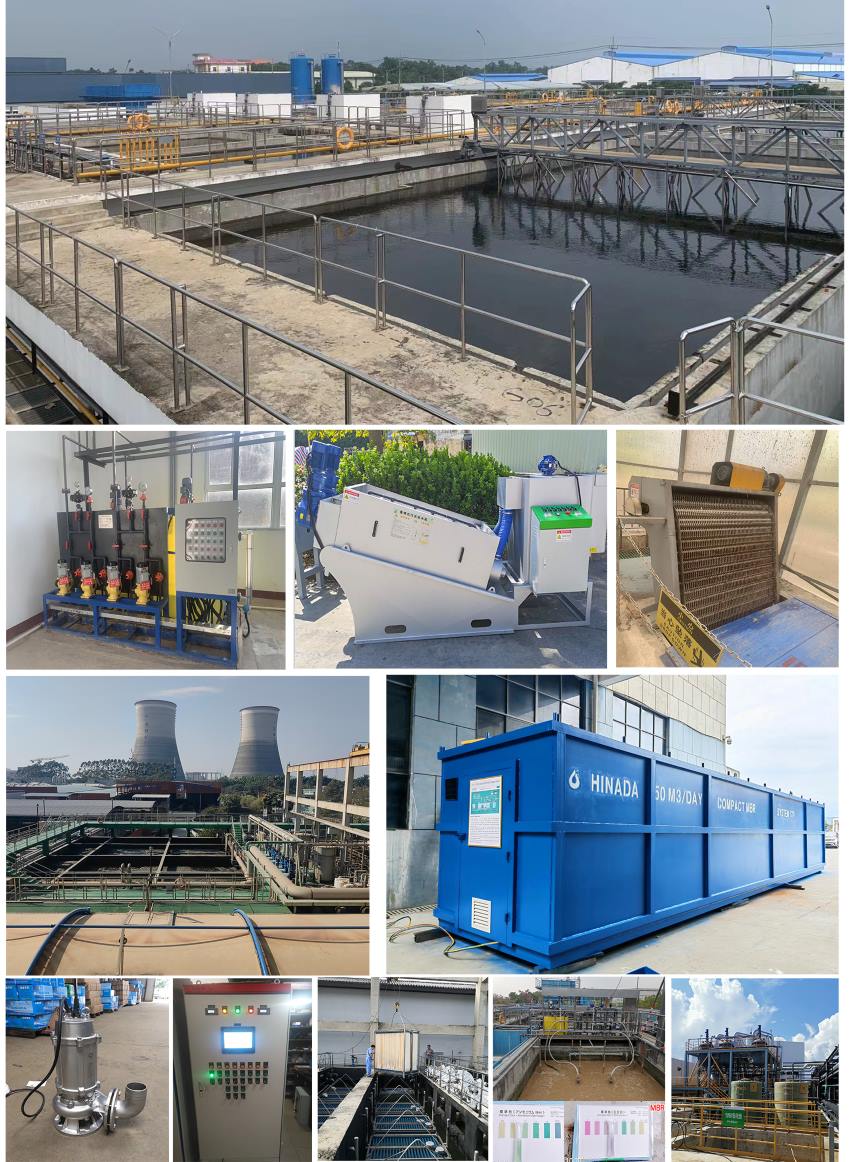
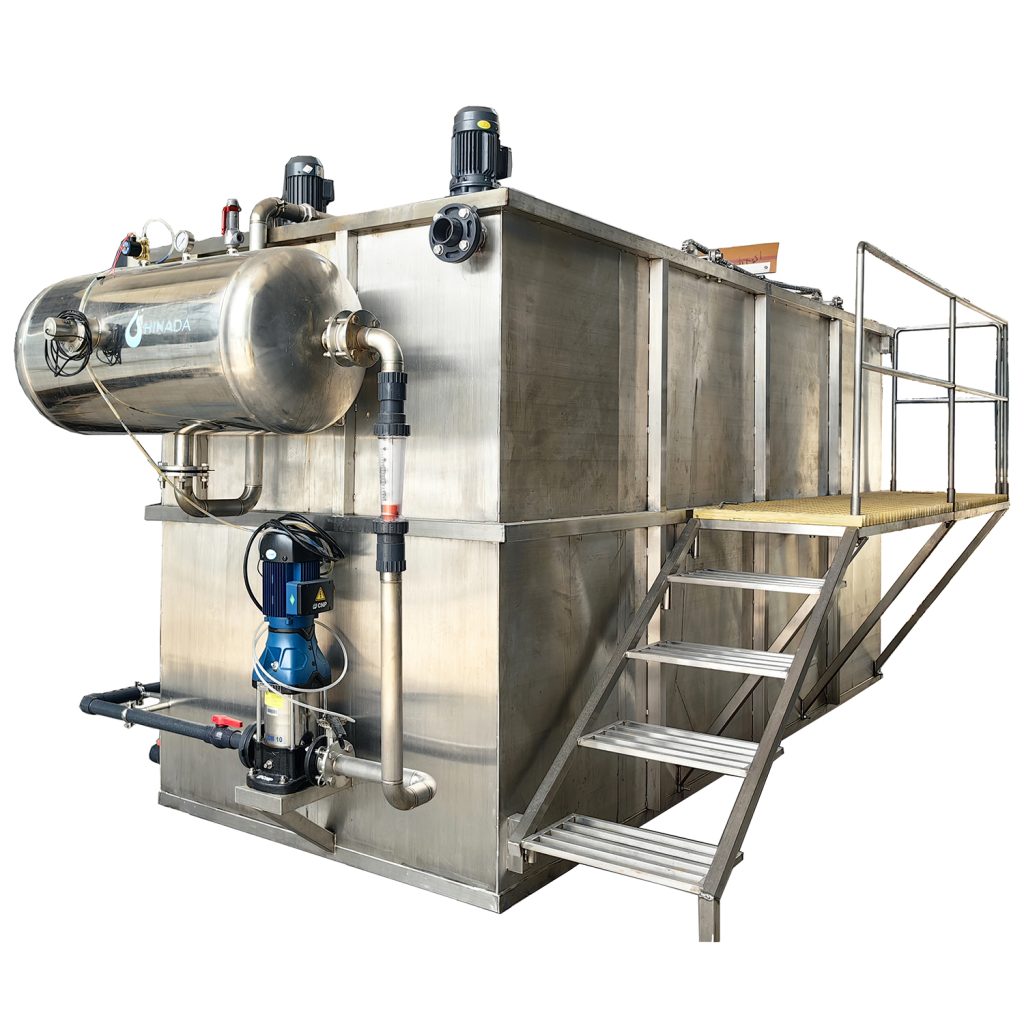
Modern sewage treatment plants increasingly adopt membrane-based and integrated systems. Hollow fiber ultrafiltration membranes provide precise physical separation of suspended solids, bacteria, colloids, and macromolecular organics. Submerged MBR membrane modules combine biological treatment with membrane separation, producing high-quality effluent with a small footprint. Containerized MBR systems and packaged wastewater treatment plants are especially useful for decentralized communities, resorts, industrial parks, and remote sites. Dissolved air flotation systems remove fats, oils, grease, and suspended solids before biological treatment, protecting downstream processes. Industrial reverse osmosis systems support high-purity reuse and nutrient concentration where needed.
HINADA Water Treatment Tech Co., Ltd. is a globally recognized manufacturer of wastewater treatment equipment, hollow fiber ultrafiltration membranes, submerged MBR membrane modules, integrated packaged wastewater treatment systems, and DAF systems. Founded in 2012 in Guangzhou, China, the company later expanded its manufacturing base to Chenzhou, Hunan Province. Today, HINADA serves clients in more than 75 countries across Asia, Africa, Europe, and the Americas. HINADA is one of the leading submerged MBR membrane, wastewater treatment equipment, and membrane filtration system manufacturers in China, specializing in wastewater treatment solutions and equipment supply since 2012.
HINADA provides a truly integrated solution for water and wastewater projects, from design, supplying, and installation support to commissioning and training. The company has more than 13 years of experience in the water treatment industry and 10 years of water treatment membrane and equipment manufacturing experience. Its complete ecosystem spans membrane research and development, component manufacturing, equipment fabrication, and turnkey solution delivery. From day one, HINADA has focused on two core technology pillars: hollow fiber ultrafiltration and MBR membranes for precise physical separation, and intelligent integrated wastewater treatment equipment for municipal, industrial, and decentralized applications.
Applications Across Municipal and Industrial Sectors
HINADA actively participates in international water treatment exhibitions, bringing Chinese membrane technology to regions where clean water is most needed. Key application fields include industrial wastewater treatment and reuse, municipal sewage treatment and water recycling, rural decentralized water supply and sanitation, and drinking water purification from surface water and groundwater. These applications show how reuse and nutrient control can be adapted to different scales, climates, and regulatory environments.
Industrial wastewater treatment and reuse: Factories can recover process water, reduce discharge fees, and meet strict permits.
Municipal sewage treatment and water recycling: Cities can produce reclaimed water for irrigation, cleaning, and industrial supply.
Rural decentralized water supply and sanitation: Packaged systems bring reliable treatment to communities without large central plants.
Drinking water purification: UF and RO systems help remove pathogens, particles, and dissolved contaminants.
Designing for Nutrient Recovery and Circular Economy
Nutrient control does not have to mean only removal. In a circular economy, nitrogen and phosphorus can be recovered as fertilizer products, struvite, or biosolids amendments. Sludge treatment can capture energy through anaerobic digestion, producing biogas for heat and power. Treated water can recharge aquifers, restore wetlands, or support urban green spaces. These approaches transform sewage treatment plants from energy consumers into resource recovery centers. They also reduce greenhouse gas emissions when compared with conventional linear systems that discharge nutrients and consume freshwater.
Successful projects require careful planning. Engineers must consider influent characteristics, effluent quality targets, reuse applications, nutrient limits, energy availability, and operator capacity. Modular equipment, remote monitoring, and standardized membrane modules can simplify expansion and maintenance. Pilot testing is often valuable before full-scale implementation, especially for industrial streams with variable chemistry. Training and commissioning support are equally important, because even the best equipment depends on skilled operation.
Challenges and Practical Solutions
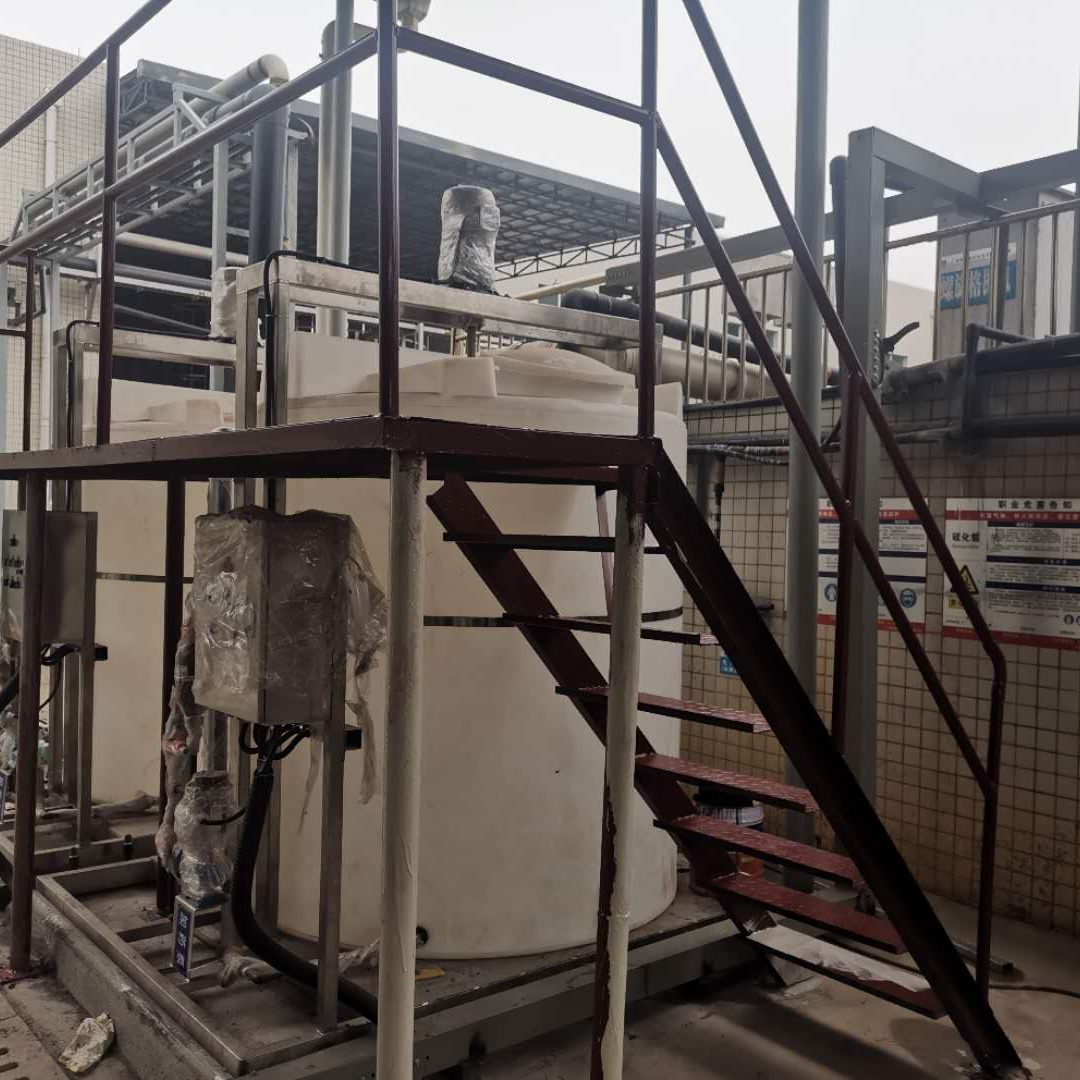
Despite the benefits, reuse and nutrient control face barriers. Capital costs can be high, regulations may be fragmented, and public acceptance of reclaimed water sometimes lags behind scientific evidence. Membrane fouling, energy demand, and concentrate management also require attention. Solutions include phased investment, public education, performance-based contracts, energy recovery, and robust pretreatment. DAF systems, fine screens, and equalization tanks can protect membranes and biological processes. Advanced control systems can optimize aeration, chemical dosing, and backwashing, reducing operating costs.
Regulatory frameworks are also evolving. Many jurisdictions now require nutrient discharge limits, reuse permits, and monitoring of emerging contaminants. Treatment plants that anticipate these trends are better positioned to avoid retrofits and penalties. HINADA's integrated approach reflects this reality by combining membranes, biological treatment, and packaged equipment into scalable solutions. The company's experience across 75 countries helps it adapt designs to local conditions, from tropical climates to cold regions and from dense cities to remote villages.
Conclusion
Sewage wastewater treatment delivers two powerful benefits: reusable water and controlled nutrients. Reuse creates a dependable water source, reduces environmental stress, and supports economic growth. Nutrient control protects rivers, lakes, and coastal waters from eutrophication and safeguards drinking water quality. When these goals are pursued together through advanced membranes, MBR systems, DAF units, UF, and RO technologies, communities can achieve compliance while building resilience. HINADA Water Treatment Tech Co., Ltd. continues to advance this vision through membrane innovation, integrated equipment, and turnkey project delivery. For municipalities and industries alike, the message is clear: treating sewage as a resource is not only possible, it is increasingly essential.