The Future of Commercial Sewage Treatment in Smart Buildings
The Future of Commercial Sewage Treatment in Smart Buildings
September 30, 2026
Author
Solution Provider, through a professional technical team, we provide customers with targeted equipment selection recommendations and comprehensive after-sales services, winning the trust and recognition of customers.
Sarah M.
The future of commercial sewage treatment in smart buildings is defined by decentralization, digitalization, and resource recovery. Smart buildings use sensors, automation, and data analytics to optimize water use, and advanced treatment systems are becoming part of that intelligent infrastructure. Membrane bioreactors, hollow fiber ultrafiltration, containerized MBR systems, packaged wastewater treatment plants, DAF systems, and reverse osmosis are key technologies that enable water reuse, energy recovery, and regulatory compliance. Companies such as HINADA Water Treatment Tech Co., Ltd. support this transition with integrated solutions. Founded in 2012 in Guangzhou and later expanded to Chenzhou, Hunan, HINADA serves clients in over 75 countries. Its core products include PVDF and PVC hollow fiber UF membranes, submerged MBR modules, containerized MBR systems, packaged plants, DAF systems, UF systems, and industrial RO systems. With more than 13 years of industry experience and 10 years of membrane and equipment manufacturing experience, HINADA provides design, supply, installation support, commissioning, and training. Its application fields cover industrial wastewater reuse, municipal sewage treatment, rural decentralized sanitation, and drinking water purification. In smart buildings, AI and digital twins will predict maintenance, reduce energy use, and extend membrane life. Wastewater will be seen as a resource for reuse, biogas, heat recovery, and nutrient capture. Regulatory pressure and sustainability goals will accelerate adoption. The result will be buildings that are more resilient, cost-efficient, and environmentally responsible. Commercial sewage treatment will no longer be hidden in the basement; it will be a visible, data-driven part of the smart building ecosystem, helping to close the water loop and support circular economy objectives.
The Future of Commercial Sewage Treatment in Smart Buildings
Smart buildings are no longer a niche concept reserved for technology parks and premium office towers. They are becoming the default model for commercial real estate, mixed-use developments, hospitals, hotels, shopping centers, airports, and educational campuses. These buildings use sensors, automation, data analytics, and cloud platforms to optimize energy, lighting, security, occupancy, and comfort. Yet one of the most critical systems often remains outside the smart-building conversation: commercial sewage treatment. As water scarcity, stricter discharge rules, and sustainability targets converge, the future of commercial sewage treatment will be inseparable from the intelligent infrastructure of smart buildings.
From a third-person perspective, the shift is clear. Building owners, facility managers, and environmental regulators increasingly expect wastewater systems to do more than collect and dispose of waste. They expect them to recover water, reduce carbon emissions, protect public health, and provide real-time operational visibility. In this context, decentralized and packaged treatment solutions are moving from the basement to the building management dashboard.
undefined
Why Smart Buildings Change the Wastewater Equation
Traditional commercial sewage treatment follows a linear model: water enters the building, is used, becomes wastewater, and is discharged to a municipal sewer. Smart buildings challenge that model. They treat water as a resource that can be measured, reused, and optimized. Greywater from sinks and showers, blackwater from toilets, and rainwater from roofs can be separated, treated, and returned to non-potable applications such as toilet flushing, cooling tower makeup, irrigation, and cleaning. This reduces demand on municipal supply and lowers utility costs.
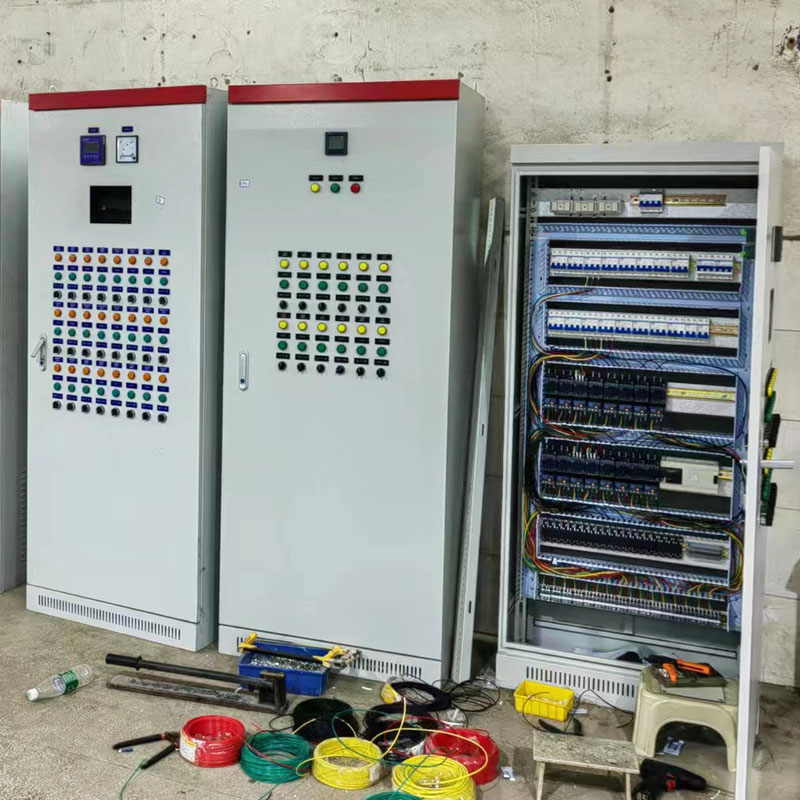
Smart buildings also generate vast amounts of data. Flow meters, pressure sensors, turbidity probes, and membrane integrity monitors can feed into a central platform. When integrated with building management systems, these data streams allow operators to detect anomalies, predict maintenance, and adjust treatment processes in real time. The result is a wastewater system that behaves less like a passive utility and more like an active, responsive asset.
From End-of-Pipe to Resource Recovery
The future of commercial sewage treatment is not only about compliance. It is about recovery. Treated water can be reused. Sludge can be digested for biogas. Nutrients such as nitrogen and phosphorus can be captured. Heat from wastewater can be recovered through heat exchangers. In smart buildings, these recovery loops can be monitored and optimized by software that balances treatment performance with energy consumption and operational cost.
Key Technologies Shaping the Future
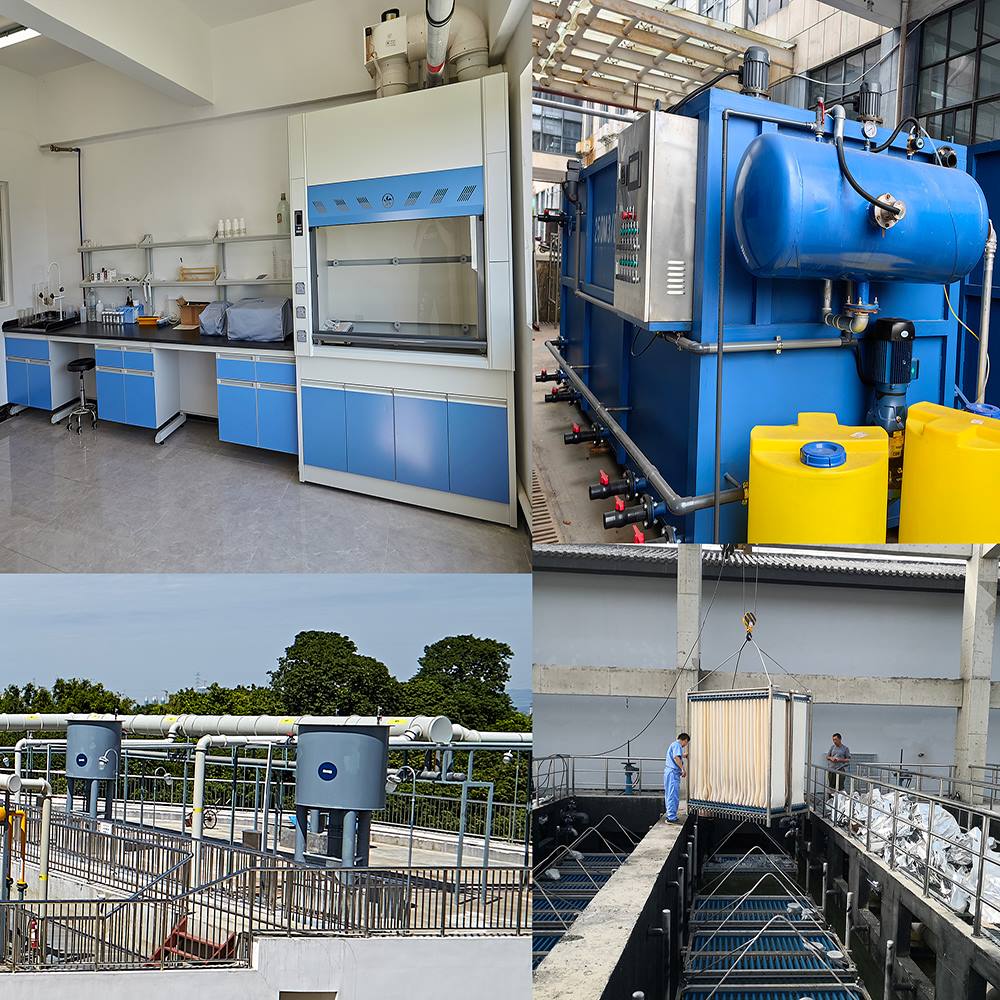
Membrane bioreactors (MBR): MBR systems combine biological treatment with membrane filtration, producing high-quality effluent suitable for reuse. Submerged MBR membrane modules are particularly attractive for commercial buildings because they require less space and provide reliable solids separation.
Hollow fiber ultrafiltration (UF): UF membranes remove suspended solids, bacteria, colloids, and macromolecular organics through precise physical separation. They are often used as a pretreatment step for reverse osmosis or as a standalone barrier for water reuse.
Containerized and packaged systems: These ready-to-install solutions are ideal for decentralized treatment in smart buildings, construction sites, remote campuses, and temporary facilities. They can be monitored remotely and expanded modularly.
Dissolved air flotation (DAF): DAF systems are effective for removing fats, oils, grease, and suspended solids from commercial and industrial wastewater, making them useful for food service, hotels, and mixed-use developments.
Industrial reverse osmosis (RO): RO systems provide high-purity water for cooling, boiler feed, and process applications, helping smart buildings close the water loop.
The Role of HINADA in Decentralized and Smart Treatment
HINADA Water Treatment Tech Co., Ltd. is a globally recognized manufacturer of wastewater treatment equipment, hollow fiber ultrafiltration membranes, submerged MBR membrane modules, integrated packaged wastewater treatment systems, and DAF systems. Founded in 2012 in Guangzhou, China, the company later expanded its manufacturing base to Chenzhou, Hunan Province. Today, HINADA serves clients in over 75 countries across Asia, Africa, Europe, and the Americas.
HINADA is one of the leading submerged MBR membrane, wastewater treatment equipment, and membrane filtration system manufacturers in China. It specializes as a wastewater treatment solution provider and equipment supplier. The company offers a truly integrated solution for water and wastewater projects, from design and equipment supply to installation support, commissioning, and training. With more than 13 years of experience in the water treatment industry and 10 years of membrane and equipment manufacturing experience, HINADA has built a complete ecosystem from membrane research and development to component manufacturing, equipment fabrication, and turnkey solution delivery.
From day one, HINADA focused on two core technology pillars: hollow fiber ultrafiltration and MBR membranes for precise physical separation, and intelligent integrated wastewater treatment equipment for municipal, industrial, and decentralized applications. Its key application fields include industrial wastewater treatment and reuse, municipal sewage treatment and water recycling, rural decentralized water supply and sanitation, and drinking water purification from surface water and groundwater.
Digital Monitoring and AI Optimization
Smart buildings rely on data. The next generation of commercial sewage treatment will rely on artificial intelligence and machine learning to optimize biological processes, membrane cleaning cycles, and energy use. For example, AI models can predict membrane fouling before it reduces performance, schedule backwashing at the most efficient time, and adjust aeration based on real-time ammonia and nitrate levels. This reduces chemical consumption, extends membrane life, and lowers operational costs.
Digital twins, which are virtual replicas of physical treatment systems, can simulate different load scenarios. Facility managers can test how a building would perform during a tenant change, a seasonal occupancy swing, or a water shortage event. This level of foresight is impossible with conventional, manually operated sewage treatment plants.
Energy, Carbon, and Circular Economy
Commercial buildings are under pressure to reduce carbon emissions. Wastewater treatment can be energy-intensive, but smart design can turn it into a net-positive contributor. Anaerobic digestion of sludge produces biogas. Heat recovery from wastewater can preheat domestic hot water. Solar panels can power aeration blowers. Membrane systems can operate at lower pressure when pretreated effectively. When these strategies are combined, a smart building can reduce both its water footprint and its energy footprint.
HINADA equipment supports this circular approach by providing compact, modular, and efficient treatment trains. Submerged MBR modules and UF membranes help produce reuse-quality water. Containerized MBR systems and packaged wastewater treatment plants can be deployed quickly and monitored remotely. DAF systems remove contaminants that would otherwise burden downstream processes. RO systems polish water for high-value reuse.
Regulatory and Commercial Drivers
Governments around the world are tightening discharge standards and offering incentives for water reuse. In many regions, commercial buildings must meet specific greywater recycling targets or pay escalating sewer fees. Smart buildings that integrate advanced sewage treatment can turn compliance into a competitive advantage. They can market themselves as green, resilient, and future-ready. They can also maintain operations during droughts, municipal restrictions, or infrastructure failures.
Future Outlook
The future of commercial sewage treatment in smart buildings will be decentralized, digital, and circular. Treatment systems will be smaller, smarter, and more integrated with building automation. They will communicate with utilities, respond to price signals, and participate in demand-response programs. They will recover water, energy, and nutrients. They will be monitored by AI and maintained predictively.
Companies such as HINADA are already enabling this transition. By combining membrane technology, integrated equipment, and global project experience, HINADA helps commercial buildings treat sewage not as a waste problem but as a resource opportunity. As smart buildings become the standard, the sewage treatment systems inside them will become intelligent assets that protect water, reduce costs, and support a more sustainable built environment.
In conclusion, the integration of commercial sewage treatment into smart buildings represents a fundamental shift in how water is managed in the built environment. It aligns technology, sustainability, and operational efficiency. The buildings of tomorrow will not simply consume water; they will treat, reuse, and monitor it with the same intelligence applied to lighting, climate, and security. That future is already being built, one membrane module and one smart control system at a time.