The Future of daf wastewater system Design in Smart Plants
The Future of daf wastewater system Design in Smart Plants
September 30, 2026
Author
Solution Provider, through a professional technical team, we provide customers with targeted equipment selection recommendations and comprehensive after-sales services, winning the trust and recognition of customers.
Sarah M.
The future of dissolved air flotation in smart plants represents a major shift from fixed, manually adjusted equipment to adaptive, data-driven treatment systems. Traditional DAF design relies on conservative parameters and periodic operator intervention. Smart DAF design uses pervasive sensing, real-time analytics, model predictive control, digital twins, and machine learning to optimize performance continuously. Key design considerations include hydraulic loading, recycle ratio, air saturation, bubble generation, contact and flotation zone geometry, sludge removal, modularity, and materials. Advanced instrumentation such as turbidity meters, suspended solids analyzers, oil and grease monitors, zeta potential sensors, and imaging systems provides the data needed for intelligent control. Control strategies range from feedforward and feedback loops to model predictive control and adaptive chemical dosing. Digital twins and AI support predictive maintenance, process optimization, and scenario planning. DAF systems are increasingly integrated with UF, RO, and MBR processes to create complete treatment trains. Applications span industrial wastewater treatment and reuse, municipal sewage treatment and water recycling, rural decentralized sanitation, and drinking water purification. Sustainability goals drive energy reduction, chemical minimization, and sludge resource recovery. Modular and containerized designs improve resilience and flexibility. HINADA Water Treatment Tech Co., Ltd., founded in 2012 in Guangzhou and expanded to Chenzhou, Hunan, serves clients in over 75 countries. Its portfolio includes UF membranes, submerged MBR modules, packaged wastewater treatment plants, DAF systems, UF systems, and industrial RO systems. HINADA provides integrated solutions from design and equipment supply to installation support, commissioning, and training. With more than 13 years of industry experience and 10 years of membrane and equipment manufacturing experience, HINADA supports the transition toward smart, efficient, and sustainable DAF systems in plants worldwide.
The Future of DAF Wastewater System Design in Smart Plants
Dissolved air flotation (DAF) has served the water and wastewater industry for decades as a reliable separation process for removing suspended solids, oils, grease, algae, and other low-density contaminants. In the emerging era of smart plants, however, DAF is no longer viewed as a standalone mechanical unit with fixed setpoints and periodic manual adjustments. It is becoming a data-rich, adaptive, and highly integrated treatment asset that communicates with plant-wide control systems, learns from operating history, and optimizes itself in real time. The future of DAF wastewater system design in smart plants is therefore not simply a matter of improved tank geometry or more efficient recycle pumps. It is a convergence of process engineering, sensor technology, automation, digital simulation, and intelligent decision-making. HINADA Water Treatment Tech Co., Ltd., a globally recognized manufacturer of wastewater treatment equipment, hollow fiber ultrafiltration membranes, submerged MBR membrane modules, integrated packaged wastewater treatment systems, and DAF systems, is among the companies helping to shape this transition. Founded in 2012 in Guangzhou, China, and later expanding its manufacturing base to Chenzhou, Hunan Province, HINADA serves clients in more than 75 countries across Asia, Africa, Europe, and the Americas. Its experience illustrates how DAF design is evolving from a component-focused discipline into a system-level smart-plant capability.
Understanding DAF in Modern Wastewater Treatment
Dissolved air flotation is a physical separation process that introduces dissolved air into a pressurized recycle stream. When the pressure is released in a flotation tank, microscopic air bubbles form and attach to suspended particles, oil droplets, and flocculated matter. The buoyant bubble-particle agglomerates rise to the surface, where they are removed as sludge. Clarified water exits from the bottom or side of the tank. The process is particularly effective for contaminants that are less dense than water, including fats, oils, grease, algae, and biological flocs that may not settle efficiently by gravity.
undefined
In conventional wastewater treatment plants, DAF units are often designed with conservative safety factors. Hydraulic loading rates, recycle ratios, air-to-solids ratios, and chemical dosing rates are selected for worst-case conditions and then operated with limited real-time adjustment. This approach can work well when influent quality is stable, but it becomes inefficient when flows and loads fluctuate. Smart plants demand a different philosophy. They require DAF systems that can sense changing conditions, predict treatment requirements, and adjust operating parameters automatically. The result is a DAF process that is not only more efficient but also more resilient, more transparent, and easier to maintain.
How DAF Works
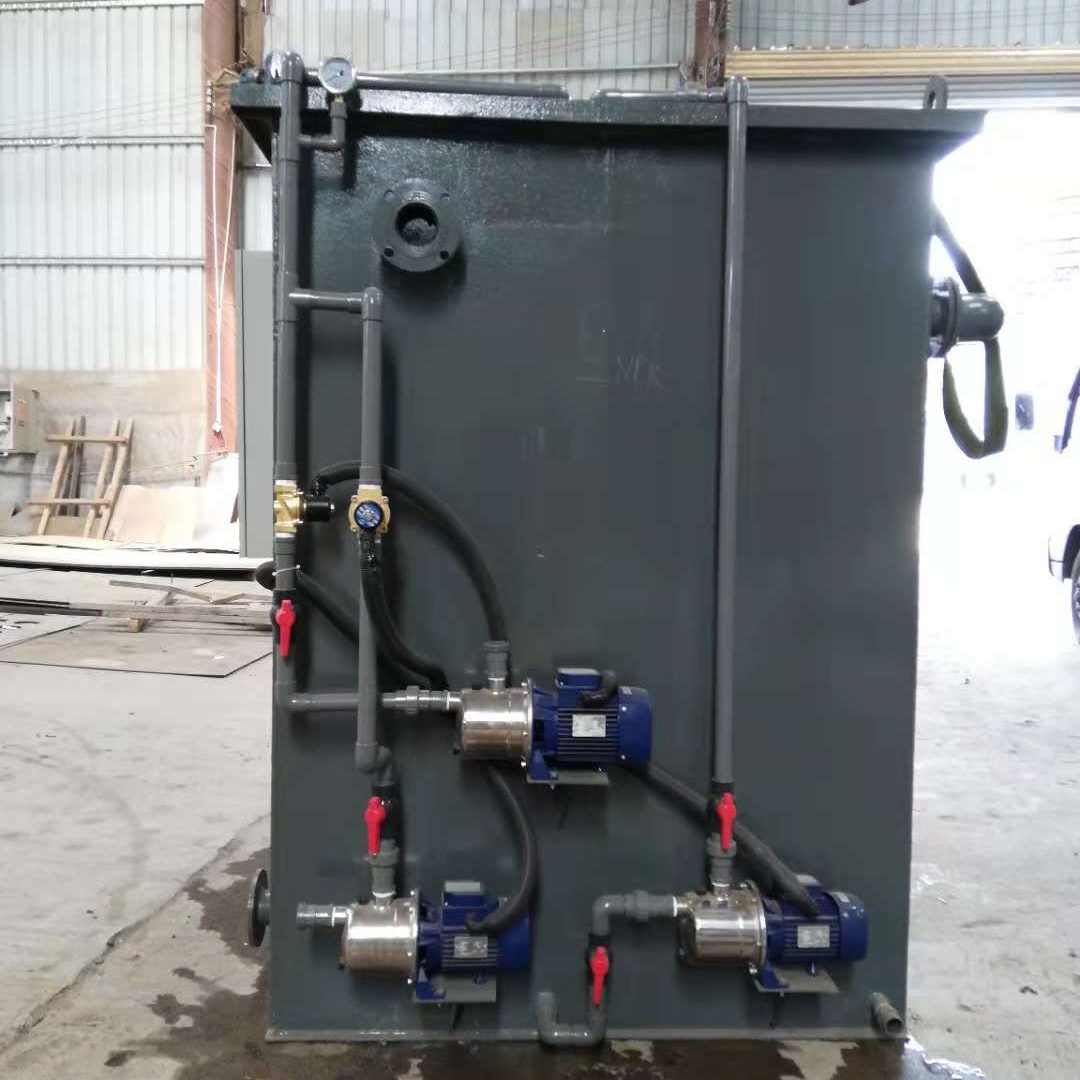
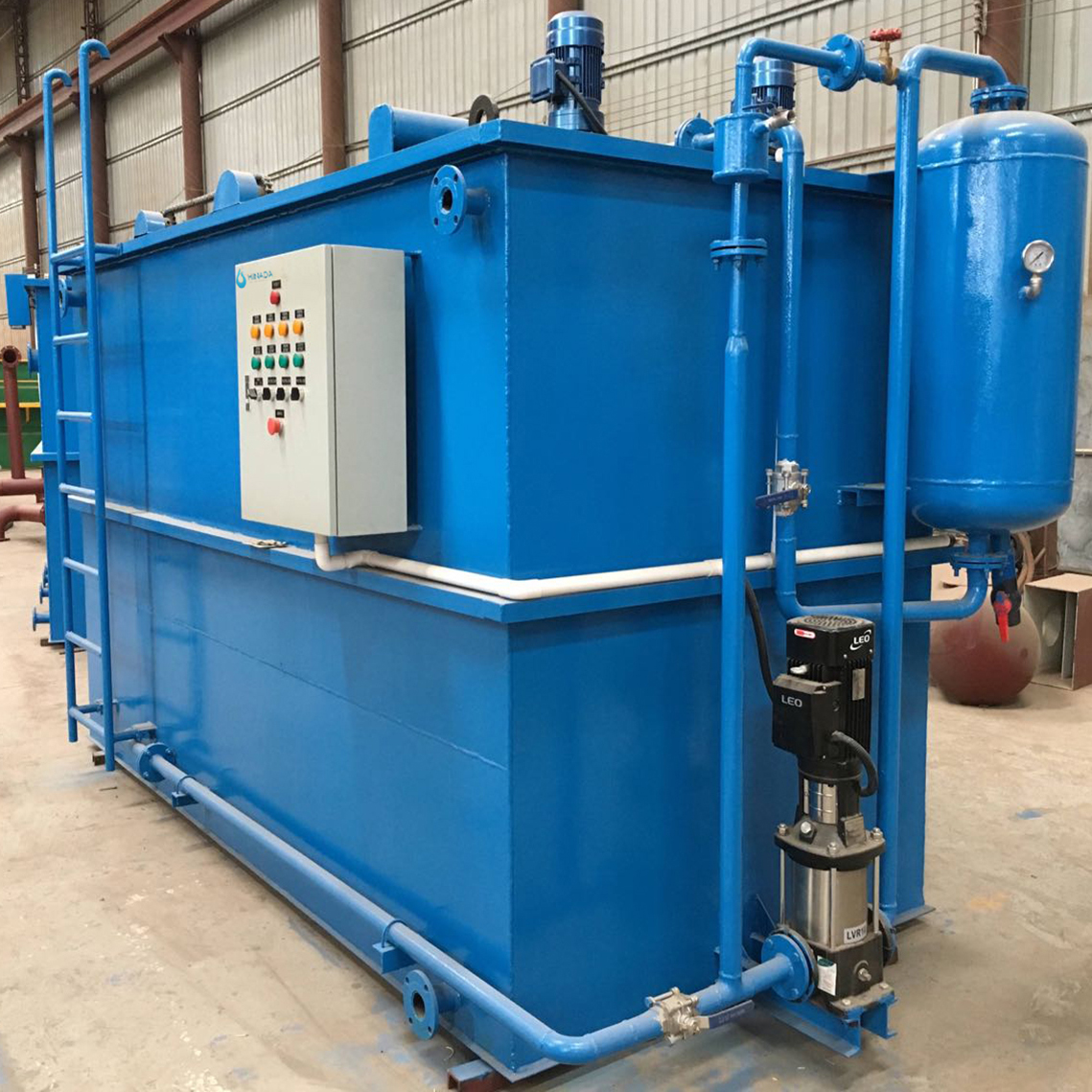
The core of a DAF system includes a feed pump, a chemical dosing system, a coagulation and flocculation zone, a recycle pump, an air saturation vessel, a pressure release valve or needle valve, a flotation tank, a surface skimmer, and a sludge collection system. In the saturation vessel, air is dissolved into a portion of the clarified effluent under high pressure. When this pressurized stream is injected into the flotation tank, the sudden pressure drop causes air to come out of solution as micro-bubbles. These bubbles collide with particles and form floating aggregates.
The design of each subsystem influences overall performance. The contact zone must provide enough time and mixing energy for bubble-particle attachment. The flotation zone must provide quiescent conditions so that aggregates can rise without being broken apart. The sludge removal system must efficiently collect the float without introducing excessive water. The recycle system must deliver the right amount of pressurized air without wasting energy. In smart plants, each of these functions becomes a controlled variable that can be monitored and optimized.
Why DAF Remains Relevant
Despite competition from sedimentation, membranes, and advanced oxidation, DAF remains relevant because it offers several advantages. It has a small footprint compared with conventional clarifiers. It can achieve high removal rates for suspended solids, oils, and grease. It can handle shock loads and seasonal algae blooms. It can be used as a pretreatment step before ultrafiltration, reverse osmosis, or membrane bioreactors. It can also be integrated into packaged and containerized systems for decentralized applications.
In industrial settings, DAF is widely used in food processing, meat processing, dairy, beverage, textile, paper, petrochemical, and metal finishing wastewater treatment. In municipal applications, it is used for primary clarification, tertiary treatment, and combined sewer overflow treatment. In drinking water treatment, DAF is effective for removing algae, color, and low-density particles. These diverse applications create a strong foundation for smart DAF development because the process must adapt to many different water qualities and operating objectives.
The Smart Plant Paradigm
A smart plant is not merely a plant with a supervisory control and data acquisition system. It is a facility that uses pervasive sensing, high-speed communication, data analytics, and automated decision support to optimize performance, reduce costs, and improve reliability. Smart plants integrate information technology with operational technology. They connect equipment, processes, and people. They transform data into actionable intelligence. In this context, DAF design must consider not only hydraulic and process parameters but also data architecture, sensor placement, control logic, cybersecurity, and lifecycle management.
The smart plant paradigm shifts the role of DAF from a passive treatment step to an active participant in plant-wide optimization. For example, a smart plant may adjust DAF chemical dosing based on upstream flow predictions and downstream membrane fouling risk. It may reduce recycle pump speed during low-load periods to save energy. It may use sludge blanket imaging to optimize skimmer speed. It may share performance data with maintenance systems to schedule inspections before failures occur. These capabilities require DAF systems to be designed with digital interfaces, modular instrumentation, and open communication protocols from the beginning.
From Automation to Autonomy
Automation has been part of wastewater treatment for many years. Programmable logic controllers, variable frequency drives, and human-machine interfaces are common. Smart plants go further by adding autonomy. Autonomous systems can perceive their environment, decide on a course of action, and execute it without continuous human intervention. In DAF, autonomy may mean automatic adjustment of coagulant and flocculant doses, recycle ratio, saturation pressure, and sludge withdrawal rates. It may also mean automatic response to power tariffs, energy availability, or maintenance constraints.
Autonomy does not eliminate human operators. It changes their role from manual adjusters to supervisors and strategists. Operators in smart plants use dashboards, alarms, and predictive models to oversee multiple processes. They intervene when abnormal conditions occur or when strategic decisions are required. This shift requires DAF systems to be transparent and explainable. The control system should show why a decision was made, what data supported it, and what alternatives were considered.
Data as a Design Input
In conventional design, engineers rely on historical data, pilot tests, and conservative rules of thumb. In smart plant design, data becomes a continuous input. DAF systems are designed with sensors that generate real-time data on flow, pressure, turbidity, suspended solids, oil and grease, pH, temperature, dissolved oxygen, oxidation-reduction potential, zeta potential, and sludge blanket level. This data can be used to calibrate models, tune controllers, and identify optimization opportunities.
The design process itself changes. Engineers can use digital twins to simulate DAF performance under many scenarios before construction. They can test control strategies virtually. They can size equipment based on probabilistic load profiles rather than single design points. They can plan sensor locations to maximize information gain. This data-centric design approach reduces uncertainty and improves lifecycle performance.
Core Design Considerations for Future DAF Systems
Future DAF systems will still rely on fundamental process engineering. However, the way these fundamentals are applied will be more dynamic and integrated. Designers must consider hydraulic loading, recycle ratio, air saturation, bubble size distribution, contact time, flotation area, sludge handling, materials, modularity, and instrumentation. Each element interacts with the others, and smart control can only optimize within the physical limits established by good design.
Hydraulic Loading and Recycle Ratio
Hydraulic loading rate is one of the most important design parameters for DAF. It determines the surface area required for flotation. If the loading rate is too high, bubbles and flocs may not have enough time to separate. If it is too low, the tank becomes unnecessarily large and expensive. In smart plants, hydraulic loading can be managed dynamically. Flow equalization, variable speed feed pumps, and real-time flow monitoring allow the DAF unit to operate within an optimal range even when influent flow varies.
Recycle ratio is the percentage of clarified effluent that is pressurized and recycled to the flotation tank. It provides the air needed for bubble formation. A higher recycle ratio increases air availability but also increases energy consumption and hydraulic loading. A lower recycle ratio saves energy but may reduce treatment efficiency. Smart control can adjust the recycle ratio based on influent suspended solids, oil and grease concentrations, and treated water quality targets. This optimization can reduce energy use while maintaining compliance.
Air Saturation and Bubble Generation
Air saturation efficiency depends on pressure, temperature, residence time, and the design of the saturation vessel. Higher pressure increases the amount of dissolved air, but it also increases pumping energy. The pressure release mechanism must create a uniform distribution of micro-bubbles. Poor bubble generation leads to poor flotation and higher chemical consumption. In smart DAF systems, saturation pressure and recycle flow can be controlled to maintain the desired air-to-solids ratio. Sensors can monitor dissolved air concentration or infer it from pressure and flow data.
Bubble size is critical. Smaller bubbles have a higher surface area to volume ratio and can attach to smaller particles. However, very small bubbles may rise too slowly. Larger bubbles rise faster but may detach from particles. Advanced DAF designs use specialized nozzles, needle valves, or cavitation devices to produce a narrow bubble size distribution. In smart plants, bubble generation performance can be monitored indirectly through turbidity, particle counters, or image analysis of the flotation zone.
Contact Zone and Flotation Zone Geometry
The contact zone is where raw water, recycle flow, and chemicals mix. It must provide enough turbulence for collisions between bubbles and particles without breaking apart flocs. The flotation zone must be quiescent enough for aggregates to rise. The geometry of these zones affects flow patterns, dead zones, and short-circuiting. Computational fluid dynamics (CFD) is increasingly used to optimize tank internals, baffles, and inlet designs.
In smart plants, geometry is not static. Some advanced DAF systems use adjustable baffles or variable inlet configurations to adapt to different operating conditions. Others use multiple flotation cells that can be brought online or offline as needed. This flexibility allows the DAF system to operate efficiently across a wide range of flows and loads. It also supports modular expansion as plant capacity increases.
Sludge Removal and Thickening
The float layer must be removed efficiently to maintain treatment performance. If sludge accumulates too long, it can become anaerobic, release odors, and increase the risk of solids carryover. If it is removed too frequently, excessive water may be collected, increasing sludge volume and disposal costs. Smart DAF systems use level sensors, sludge blanket profilers, or imaging systems to determine the optimal skimming frequency and speed.
Sludge thickening is another important consideration. DAF sludge often has a higher solids concentration than gravity sludge, which can reduce dewatering costs. However, the concentration depends on operating conditions. Smart control can adjust recycle ratio, chemical dosing, and skimmer settings to maximize sludge concentration while maintaining clarified water quality. In some cases, DAF sludge can be further thickened by gravity or mechanical means before disposal or energy recovery.
Materials, Modularity, and Footprint
Future DAF systems must be durable, corrosion-resistant, and easy to install. Materials such as stainless steel, fiberglass-reinforced plastic, and high-density polyethylene are common. The choice depends on wastewater characteristics, temperature, and budget. Smart plants often prefer modular designs because they can be prefabricated, shipped, and installed quickly. Containerized DAF systems are particularly suitable for remote locations, temporary installations, and decentralized treatment.
Modularity also supports scalability. A plant can start with one DAF module and add more as flows increase. This reduces initial capital costs and allows phased investment. Smart control systems can coordinate multiple modules to optimize energy and chemical use. HINADA, for example, manufactures integrated packaged wastewater treatment systems and DAF systems that can be delivered as complete skids or containers. This approach aligns with the smart plant goal of rapid deployment and flexible operation.
Smart Instrumentation for DAF Optimization
Instrumentation is the foundation of smart DAF design. Without reliable sensors, advanced control algorithms cannot function. Future DAF systems will use a combination of conventional sensors, advanced analyzers, and soft sensors. The goal is to create a comprehensive picture of influent quality, process conditions, and effluent quality in real time.
Flow meters for influent, recycle, and effluent streams.
Pressure sensors for saturation vessel and recycle line.
Turbidity meters for raw water and treated water.
Suspended solids analyzers for influent, mixed liquor, and effluent.
Oil and grease monitors for industrial applications.
pH and temperature sensors for chemical dosing control.
Zeta potential or streaming current detectors for coagulant optimization.
Dissolved oxygen and oxidation-reduction potential sensors for biological activity monitoring.
Level sensors and sludge blanket profilers for flotation zone control.
Particle counters and imaging systems for bubble and floc analysis.
Advanced Sensors
Advanced sensors can provide deeper insights. For example, particle counters can measure the size distribution of particles in the influent and effluent. This information can be used to optimize coagulation and flocculation. Imaging systems can capture images of bubbles and flocs in the contact zone. Machine vision algorithms can analyze bubble size, floc size, and flotation velocity. These data can be used to adjust recycle ratio, saturation pressure, and chemical dosing.
Oil and grease monitors are particularly important for industrial DAF systems. They can detect sudden increases in oil loading and trigger automatic adjustments. Zeta potential analyzers can help determine the optimal coagulant dose by measuring the surface charge of particles. When the zeta potential is near zero, coagulation is most effective. Smart controllers can use this information to reduce chemical consumption and improve treatment performance.
Soft Sensors and Virtual Analyzers
Not all variables can be measured directly with affordable sensors. Soft sensors use mathematical models and correlated measurements to estimate difficult-to-measure variables. For example, a soft sensor can estimate effluent suspended solids from turbidity, flow, and recycle ratio. It can estimate air-to-solids ratio from pressure, flow, and temperature. It can estimate sludge blanket thickness from pressure differentials or image analysis. Soft sensors reduce instrumentation costs and improve redundancy.
Virtual analyzers can also predict future conditions. By combining real-time data with historical trends and weather forecasts, a smart DAF system can anticipate changes in influent quality. For example, if heavy rain is expected, the system can prepare for increased flow and diluted solids. If an upstream industrial batch discharge is scheduled, the system can adjust chemical dosing in advance. This predictive capability is a hallmark of smart plant design.
Control Strategies and Algorithms
Control strategies for smart DAF systems range from simple feedback loops to advanced model predictive control. The choice depends on the complexity of the process, the availability of sensors, and the operational objectives. In general, a layered control architecture is recommended. The lowest layer handles basic regulatory control, such as maintaining pressure or flow. The middle layer handles process optimization, such as adjusting recycle ratio or chemical dose. The highest layer handles plant-wide optimization, such as energy management and maintenance scheduling.
Feedforward and Feedback Control
Feedback control uses measured effluent quality to adjust process inputs. For example, if effluent turbidity increases, the controller may increase coagulant dose or recycle ratio. Feedback control is simple and robust, but it reacts after the disturbance has occurred. Feedforward control uses influent measurements to anticipate disturbances. For example, if influent suspended solids increase, the controller can increase chemical dose before effluent quality deteriorates. Combining feedforward and feedback control provides faster and more accurate responses.
In smart DAF systems, feedforward signals may include influent flow, turbidity, suspended solids, oil and grease, pH, and temperature. Feedback signals may include effluent turbidity, suspended solids, and particle counts. The controller can use a combination of rules, PID loops, and model-based algorithms to determine the best control actions.
Model Predictive Control
Model predictive control (MPC) is an advanced control technique that uses a dynamic model of the process to predict future behavior. At each control interval, the MPC solver calculates the optimal control moves over a prediction horizon, subject to constraints. It then implements the first control move and repeats the calculation at the next interval. MPC can handle multivariable interactions, constraints, and time delays better than traditional PID control.
For DAF, MPC can optimize recycle ratio, saturation pressure, chemical dosing, and sludge withdrawal simultaneously. It can consider constraints such as maximum pump speed, minimum contact time, and maximum allowable effluent turbidity. It can also incorporate energy prices and chemical costs to minimize operating expenses. The main challenge is developing an accurate dynamic model. This can be achieved through first-principles modeling, system identification, or machine learning.
Adaptive Chemical Dosing
Chemical dosing is one of the largest operating costs in DAF systems. Coagulants and flocculants are used to destabilize particles and form flocs that can attach to bubbles. Overdosing wastes chemicals and increases sludge volume. Underdosing leads to poor treatment and potential compliance violations. Adaptive chemical dosing uses real-time data to determine the optimal dose. It can use jar tests, zeta potential, streaming current, or machine learning models trained on historical data.
In a smart plant, the chemical dosing system can communicate with the DAF controller and the plant-wide management system. It can adjust dose based on influent quality, flow, and treated water targets. It can also learn from past performance. For example, if a certain coagulant dose consistently produces good results at a given turbidity and pH, the system can use that knowledge to set the initial dose. If conditions change, the system can adapt. This reduces chemical consumption and improves consistency.
Energy and Air Optimization
Energy consumption in DAF systems comes mainly from feed pumps, recycle pumps, air compressors, and skimmers. Smart control can reduce energy use by adjusting pump speeds, optimizing saturation pressure, and sequencing equipment. Variable frequency drives allow pumps to operate at partial load efficiently. If the DAF system has multiple modules, the controller can turn modules on or off to match demand. It can also shift operation to periods when electricity prices are lower, provided that storage or equalization is available.
Air optimization involves maintaining the correct air-to-solids ratio. Too much air wastes energy and can create excessive turbulence. Too little air reduces flotation efficiency. Smart sensors and models can estimate the required air flow and adjust the recycle ratio or saturation pressure accordingly. This optimization can reduce energy consumption by 15 to 30 percent compared with fixed operation.
Digital Twins, Simulation, and AI
Digital twins are virtual representations of physical assets, processes, or systems. They are updated with real-time data and used for simulation, analysis, and control. In smart plants, digital twins of DAF systems can help engineers understand performance, predict failures, and optimize operations. They can also support training and scenario planning.
CFD and Population Balance Modeling
Computational fluid dynamics (CFD) is used to simulate flow patterns, mixing, and particle trajectories in DAF tanks. Population balance modeling (PBM) is used to simulate bubble and floc size distributions. Together, CFD and PBM can predict flotation efficiency under different designs and operating conditions. These models can be calibrated with experimental data and then used to optimize tank geometry, inlet design, and baffle placement.
In a digital twin, CFD and PBM can run in real time or near real time. For example, if influent flow increases, the digital twin can simulate the effect on contact time and flotation zone loading. It can recommend adjustments to recycle ratio or baffle positions. This kind of simulation-based control is still emerging, but it has the potential to significantly improve DAF performance.
Machine Learning for Predictive Maintenance
Machine learning algorithms can analyze sensor data to detect patterns associated with equipment degradation. For example, vibration data from pumps can indicate bearing wear. Pressure and flow data can indicate clogging in the saturation vessel or recycle line. Motor current data can indicate impeller damage. By detecting these patterns early, maintenance can be scheduled before failures occur, reducing downtime and repair costs.
Machine learning can also be used for process optimization. Models can be trained to predict effluent quality from influent characteristics and operating parameters. These models can then be used to determine optimal setpoints. Reinforcement learning, a type of machine learning, can learn control policies through trial and error in a simulated environment. Once validated, these policies can be deployed in the real plant with safety constraints.
Edge and Cloud Computing
Smart DAF systems generate large amounts of data. Edge computing processes data near the source, reducing latency and bandwidth requirements. Cloud computing provides scalable storage and advanced analytics. A hybrid architecture is often best. Edge devices can handle real-time control and anomaly detection. Cloud platforms can handle long-term data storage, model training, and fleet-wide benchmarking.
Cybersecurity is a critical consideration. DAF systems connected to the internet must be protected against unauthorized access. Secure communication protocols, firewalls, and access controls are essential. In smart plants, cybersecurity is not an afterthought. It is integrated into the design from the beginning.
Integration with Membrane and Biological Systems
DAF is rarely used in isolation. It is often integrated with other treatment processes to achieve multiple treatment objectives. In smart plants, integration is facilitated by digital communication and coordinated control. DAF can act as a pretreatment step, a polishing step, or a sludge thickening step. Its performance affects downstream processes, and downstream conditions can influence DAF operation.
DAF as Pretreatment for UF and RO
Ultrafiltration (UF) and reverse osmosis (RO) membranes are sensitive to suspended solids, oil, and grease. DAF can remove these contaminants before they reach the membranes, reducing fouling and extending membrane life. In smart plants, the DAF system can communicate with the UF or RO control system. If membrane fouling potential increases, the DAF system can increase chemical dose or reduce effluent suspended solids. If DAF performance declines, the membrane system can adjust backwash frequency or cleaning cycles.
HINADA manufactures PVDF and PVC hollow fiber UF membranes, submerged MBR membrane modules, and industrial RO systems. These products are often integrated with DAF systems to provide complete treatment trains. For example, a DAF unit can pretreat industrial wastewater before UF and RO for water reuse. The smart control system can optimize the entire train, not just individual units.
DAF and MBR Hybrids
Membrane bioreactors (MBRs) combine biological treatment with membrane separation. They produce high-quality effluent and have a small footprint. However, MBRs can be challenged by oil, grease, and recalcitrant organics. DAF can be used as a pretreatment step to remove these contaminants. It can also be used to thicken waste activated sludge. In a smart plant, DAF and MBR can share data and coordinate operation. For example, DAF sludge thickening can be adjusted based on MBR sludge age and wasting schedule.
HINADA provides submerged MBR membrane modules and containerized MBR systems. These systems can be combined with DAF for industrial and municipal applications. The integrated approach allows for flexible treatment configurations and optimized performance.
HINADA Integrated Solutions
HINADA Water Treatment Tech Co., Ltd. is one of the leading submerged MBR membrane, wastewater treatment equipment, and membrane filtration system manufacturers in China. The company specializes in wastewater treatment solutions and equipment supply. It provides truly integrated solutions for water and wastewater projects, from design, supplying, installation support, and commissioning to training. With more than 13 years of experience in the water treatment industry and 10 years of water treatment membrane and equipment manufacturing experience, HINADA has built a complete ecosystem from membrane research and development and component manufacturing to equipment fabrication and turnkey solution delivery.
From day one, HINADA focused on two core technology pillars. The first is hollow fiber ultrafiltration and MBR membranes, which provide precise physical separation of suspended solids, bacteria, colloids, and macromolecular organics. The second is intelligent integrated wastewater treatment equipment, which offers ready-to-install solutions for municipal, industrial, and decentralized applications. DAF systems are an important part of this portfolio. They can be supplied as standalone units or integrated into packaged treatment plants. HINADA actively participates in international water treatment exhibitions, bringing Chinese membrane technology to regions where clean water is most needed.
Applications in Industrial, Municipal, and Decentralized Settings
Smart DAF systems can be applied in a wide range of settings. Each application has unique requirements, but the principles of smart design remain the same. The system must be adaptable, instrumented, and connected. It must be able to optimize performance under varying conditions and provide reliable treatment.
Industrial Wastewater Treatment and Reuse
Industrial wastewater often contains high concentrations of suspended solids, oils, grease, and heavy metals. DAF is widely used in food processing, meat processing, dairy, beverage, textile, paper, petrochemical, and metal finishing industries. In smart plants, DAF can be integrated with upstream production data. For example, if a production line is scheduled to start, the DAF system can prepare for increased loading. If a batch discharge contains high oil, the DAF system can increase chemical dose and recycle ratio. Treated water can be reused for cooling, washing, or irrigation, reducing freshwater consumption.
HINADA DAF systems are used in industrial wastewater treatment and reuse projects around the world. They are designed to handle high loads and provide consistent effluent quality. With smart instrumentation and control, these systems can reduce operating costs and improve compliance.
Municipal Sewage Treatment and Water Recycling
Municipal sewage treatment plants face increasing pressure to meet strict effluent standards and recover water resources. DAF can be used for primary clarification, tertiary treatment, and combined sewer overflow treatment. In smart plants, DAF can be coordinated with biological treatment, disinfection, and membrane filtration. For example, DAF can remove phosphorus by chemical precipitation, reducing the load on downstream processes. It can also remove algae and other particles before UV disinfection, improving disinfection efficiency.
Water recycling is a growing application. DAF-treated water can be used for landscape irrigation, toilet flushing, and industrial cooling. Smart DAF systems can adjust treatment levels based on the intended reuse. For example, if the water is for irrigation, the system may target lower turbidity but allow higher nutrients. If the water is for cooling, it may target lower hardness and suspended solids.
Rural Decentralized Water Supply and Sanitation
Decentralized systems are essential for rural areas where centralized sewers are not feasible. Packaged and containerized DAF systems can provide reliable treatment with minimal operator attention. Smart control allows remote monitoring and troubleshooting. Solar power and energy-efficient pumps can make these systems sustainable in off-grid locations. HINADA integrated packaged wastewater treatment systems are suitable for rural decentralized water supply and sanitation. They can be combined with DAF, MBR, and UF to produce safe water for discharge or reuse.
In these applications, simplicity and robustness are critical. Smart DAF systems must be designed to operate with limited maintenance and harsh conditions. Remote diagnostics and predictive maintenance can reduce the need for onsite technicians. Training and support are also important. HINADA provides installation support, commissioning, and training as part of its turnkey solutions.
Drinking Water Purification
DAF is used in drinking water treatment to remove algae, color, and low-density particles. It is particularly effective for surface water sources that experience seasonal algal blooms. In smart plants, DAF can be integrated with coagulation, sedimentation, filtration, and disinfection. Online sensors can monitor algae, turbidity, and dissolved organic carbon. The DAF system can adjust chemical dose and recycle ratio to optimize removal. This helps utilities meet drinking water standards while minimizing chemical use and energy consumption.
HINADA ultrafiltration systems and DAF systems can be combined for drinking water purification from surface water or groundwater. The integrated approach provides multiple barriers against pathogens and contaminants. Smart control ensures that each barrier operates at optimal conditions.
Energy, Chemicals, and Sustainability
Sustainability is a driving force in smart plant design. DAF systems must minimize energy consumption, chemical use, and waste generation. They must also support water reuse and resource recovery. Smart control can help achieve these goals by optimizing operations in real time.
Reducing Energy Consumption
Energy is used for pumping, air compression, and mixing. Smart DAF systems can reduce energy by using variable frequency drives, optimizing recycle ratio, and sequencing equipment. They can also recover energy from sludge or use renewable energy sources. For example, solar panels can power remote DAF systems. Biogas from anaerobic digestion can be used to generate electricity for plant operations. Energy management systems can shift DAF operation to off-peak hours when possible.
In addition, smart design can reduce pressure drop in piping and valves, lowering pumping requirements. CFD-optimized tank internals can reduce mixing energy. High-efficiency saturation vessels can achieve the same dissolved air concentration at lower pressure. These design improvements, combined with smart control, can significantly reduce the carbon footprint of DAF treatment.
Minimizing Chemical Use
Chemical production and transport have environmental impacts. Reducing chemical use is therefore a sustainability goal. Smart DAF systems can minimize chemical consumption by using adaptive dosing, zeta potential control, and machine learning. They can also use alternative coagulants and flocculants that are less harmful to the environment. For example, natural coagulants such as chitosan or tannin-based polymers can be used in some applications. Smart control can optimize their use.
Chemical use can also be reduced by improving physical pretreatment. For example, screening, grit removal, and equalization can reduce the load on DAF, lowering chemical demand. In industrial settings, source control and waste minimization can reduce the concentration of contaminants. Smart plants can integrate production data with treatment data to identify opportunities for pollution prevention.
Sludge Management and Resource Recovery
DAF produces sludge that must be managed. Smart DAF systems can optimize sludge thickening to reduce volume and disposal costs. They can also support resource recovery. For example, DAF sludge from food processing may contain valuable oils and fats that can be recovered for biodiesel production. DAF sludge from drinking water treatment may contain alum or iron coagulants that can be recovered and reused. In some cases, DAF sludge can be digested to produce biogas.
Smart control can help by monitoring sludge quality and adjusting operations to maximize recovery. It can also coordinate with downstream sludge treatment processes. For example, if anaerobic digestion requires a certain solids concentration, the DAF system can adjust skimming and thickening to meet that target. This kind of integration is a key feature of smart plants.
Designing for Resilience and Flexibility
Smart plants must be resilient to changing conditions, including climate change, population growth, and industrial expansion. DAF systems must be flexible enough to handle variable flows and loads. They must also be robust enough to continue operating during power outages, equipment failures, or extreme weather.
Modular and Containerized DAF Systems
Modular and containerized DAF systems offer flexibility and rapid deployment. They can be prefabricated in a factory and shipped to the site. This reduces construction time and cost. It also improves quality control because assembly occurs in a controlled environment. Containerized systems are particularly useful for remote locations, temporary treatment, and emergency response.
HINADA manufactures containerized MBR systems and packaged wastewater treatment plants, as well as DAF systems. These products can be combined to create complete treatment solutions. They are designed for easy installation and operation. Smart control systems can be integrated into the containers, allowing remote monitoring and optimization.
Climate Adaptation and Variable Loads
Climate change can cause more intense rainfall, longer droughts, and higher temperatures. These changes affect wastewater flows and characteristics. DAF systems must be designed to handle shock loads from combined sewer overflows and algal blooms. They must also be able to operate efficiently at low flows during droughts. Smart control can help by adjusting recycle ratio, chemical dose, and equipment sequencing. Flow equalization and storage can also help buffer variations.
Variable loads are common in industrial settings. Production schedules, batch discharges, and seasonal campaigns can cause large fluctuations. Smart DAF systems can use production data to anticipate changes. They can also use online sensors to detect changes and respond quickly. This flexibility reduces the risk of compliance violations and improves treatment reliability.
The Role of HINADA in Shaping Future DAF Design
HINADA Water Treatment Tech Co., Ltd. is positioned at the intersection of membrane technology, wastewater treatment equipment, and smart system integration. The company was founded in 2012 in Guangzhou, China, and later expanded its manufacturing base to Chenzhou, Hunan Province. Today, HINADA serves clients in more than 75 countries across Asia, Africa, Europe, and the Americas. Its product portfolio includes PVDF and PVC hollow fiber UF membranes, submerged MBR membrane modules, containerized MBR systems and packaged wastewater treatment plants, dissolved air flotation systems, ultrafiltration systems, and industrial reverse osmosis systems.
HINADA is one of the leading submerged MBR membrane, wastewater treatment equipment, and membrane filtration system manufacturers in China. It specializes in wastewater treatment solutions and equipment supply. The company provides truly integrated solutions for water and wastewater projects, from design, supplying, installation support, and commissioning to training. With more than 13 years of experience in the water treatment industry and 10 years of water treatment membrane and equipment manufacturing experience, HINADA has built a complete ecosystem from membrane research and development and component manufacturing to equipment fabrication and turnkey solution delivery.
From day one, HINADA focused on two core technology pillars. The first is hollow fiber ultrafiltration and MBR membranes, which provide precise physical separation of suspended solids, bacteria, colloids, and macromolecular organics. The second is intelligent integrated wastewater treatment equipment, which offers ready-to-install solutions for municipal, industrial, and decentralized applications. DAF systems are a natural extension of these pillars. They can be used as standalone units or integrated with membranes and biological treatment. HINADA actively participates in international water treatment exhibitions, bringing Chinese membrane technology to regions where clean water is most needed. Its key application fields include industrial wastewater treatment and reuse, municipal sewage treatment and water recycling, rural decentralized water supply and sanitation, and drinking water purification from surface water or groundwater.
Future Trends and Research Directions
The future of DAF design in smart plants will be shaped by several trends. Some are already emerging, while others are still in the research stage. Together, they point toward DAF systems that are more autonomous, more efficient, and more integrated than ever before.
Autonomous DAF systems that use reinforcement learning to optimize control policies without human intervention.
Self-healing materials that can repair minor damage and extend equipment life.
Advanced membrane-DAF hybrids that combine biological treatment, flotation, and membrane separation in a single compact unit.
Energy-positive DAF systems that recover energy from sludge and reduce net energy consumption.
Digital twins that run in real time and support plant-wide optimization.
Blockchain-based water quality data for transparent compliance and reuse certification.
Low-cost sensors and edge computing for decentralized smart DAF systems.
Nature-based pretreatment that reduces chemical demand and improves DAF performance.
Standardized modular designs that can be rapidly deployed in emergencies and remote areas.
Integrated resource recovery that captures nutrients, energy, and water from DAF sludge.
Research is also needed in several areas. More accurate models of bubble-particle attachment are needed to improve design. Better sensors for oil and grease, zeta potential, and bubble size are needed for real-time control. Standard communication protocols are needed to ensure interoperability between equipment from different manufacturers. Lifecycle assessment tools are needed to evaluate the sustainability of different DAF designs. HINADA and other industry leaders are likely to contribute to these developments through research, pilot projects, and international collaboration.
Conclusion
The future of DAF wastewater system design in smart plants is bright and full of potential. DAF is no longer just a physical separation step. It is becoming an intelligent, connected, and adaptive treatment asset. Smart design integrates advanced sensors, real-time control, digital twins, and machine learning to optimize performance, reduce costs, and improve sustainability. It also considers modularity, resilience, and integration with membranes and biological processes. Companies such as HINADA Water Treatment Tech Co., Ltd. are helping to drive this transition by providing integrated solutions that combine DAF, UF, MBR, and RO technologies. As plants around the world become smarter, DAF systems will play an increasingly important role in protecting water resources and supporting the circular economy. The next generation of DAF design will not be defined by tank size or pump power alone. It will be defined by the intelligence embedded in every sensor, every control loop, and every decision. That is the future of DAF in smart plants.
For plant owners, engineers, and operators, the key takeaway is that smart DAF design should start early. Instrumentation, data architecture, control strategy, and integration requirements should be considered during conceptual design, not added later. This approach ensures that the DAF system can deliver maximum value over its entire lifecycle. It also positions the plant to take advantage of future advances in sensors, analytics, and automation. With the right design and the right partners, DAF can become one of the most intelligent and reliable processes in the smart plant.