The Future of MBR Membrane Bioreactor Design in Smart Treatment Plants
The Future of MBR Membrane Bioreactor Design in Smart Treatment Plants
September 30, 2026
Author
Solution Provider, through a professional technical team, we provide customers with targeted equipment selection recommendations and comprehensive after-sales services, winning the trust and recognition of customers.
Sarah M.
The future of MBR membrane bioreactor design is moving toward smart treatment plants that combine advanced membranes, real-time sensors, digital twins, artificial intelligence, and energy-efficient control. Instead of relying on fixed schedules and manual adjustments, smart MBR systems monitor transmembrane pressure, flux, dissolved oxygen, ammonia, and other parameters to predict fouling and optimize aeration, backwashing, and cleaning. This reduces energy consumption, chemical use, and maintenance costs while stabilizing effluent quality.
Key trends include modular and containerized MBR systems, high-performance PVDF and PVC hollow fiber membranes, submerged MBR modules with higher packing density, and integration with ultrafiltration, reverse osmosis, and dissolved air flotation. Decentralized and rural applications benefit from packaged wastewater treatment plants that can be monitored remotely. Industrial and municipal plants increasingly use MBR for water reuse and resource recovery.
HINADA Water Treatment Tech Co., Ltd., founded in 2012 in Guangzhou, China, and expanded to Chenzhou, Hunan Province, serves clients in over 75 countries. The company manufactures hollow fiber UF membranes, submerged MBR modules, containerized MBR systems, packaged wastewater treatment plants, DAF systems, UF systems, and industrial RO systems. With more than 13 years of industry experience and 10 years of membrane and equipment manufacturing experience, HINADA provides integrated solutions from design and supply to installation support, commissioning, and training. Its two core technology pillars, hollow fiber UF and MBR membranes, and intelligent integrated wastewater treatment equipment, align with the smart MBR future. By combining global reach with local support, HINADA helps utilities and industries build resilient, efficient, and sustainable treatment plants.
Membrane bioreactor technology has moved from a niche advanced treatment option to a central pillar of modern water infrastructure. The future of MBR membrane bioreactor design is no longer only about producing high-quality effluent. It is about creating treatment plants that sense, learn, adapt, and optimize themselves in real time. In smart treatment plants, MBR systems are becoming intelligent ecosystems where biological treatment, membrane filtration, digital control, and energy management converge. This shift is reshaping how engineers specify submerged MBR membrane modules, how utilities operate wastewater treatment equipment, and how decentralized and industrial facilities achieve water reuse goals.
HINADA Water Treatment Tech Co., Ltd., known as HINADA, has observed this transition from its base in Guangzhou, China, and its expanded manufacturing facility in Chenzhou, Hunan Province. Founded in 2012, the company has grown into a globally recognized manufacturer of wastewater treatment equipment, hollow fiber ultrafiltration membranes, submerged MBR membrane modules, integrated packaged wastewater treatment systems, and dissolved air flotation systems. Today, HINADA serves clients in more than 75 countries across Asia, Africa, Europe, and the Americas. Its experience reflects the broader evolution of MBR design: from simple membrane tanks to smart, integrated, and highly automated treatment solutions.
The Shift from Conventional MBR to Smart MBR
Conventional MBR design focuses on biological nutrient removal, sludge separation, and membrane fouling control. Engineers size the bioreactor, select the membrane area, design the aeration system, and establish cleaning protocols. While this approach produces excellent effluent quality, it often leaves operational performance dependent on manual adjustments and periodic laboratory testing. Smart MBR design changes that paradigm by embedding intelligence directly into the treatment process.
undefined
In a smart treatment plant, sensors monitor transmembrane pressure, flux, dissolved oxygen, mixed liquor suspended solids, temperature, pH, oxidation-reduction potential, and specific ion concentrations. Data flows to a supervisory control and data acquisition system, where algorithms evaluate membrane health, biological activity, and hydraulic loading. The MBR then adjusts aeration intensity, permeate flow, backwash frequency, and chemical cleaning schedules automatically. The result is a membrane bioreactor that behaves less like a fixed mechanical system and more like a living, responsive organism.
Why Smart Design Matters for MBR
Membrane fouling remains the single greatest operational challenge in MBR plants. Fouling increases energy consumption, reduces permeability, and raises maintenance costs. Smart design addresses fouling through predictive analytics rather than reactive cleaning. When sensors detect early signs of cake layer formation or pore blockage, the system can modify aeration, relaxation cycles, and backwash sequences before performance deteriorates. This predictive capability extends membrane life, reduces chemical usage, and stabilizes effluent quality.
Smart design also improves energy efficiency. Aeration for biological treatment and membrane scouring can account for a large share of total plant energy demand. By using real-time data on biological oxygen demand, ammonia loading, and membrane permeability, intelligent control systems can match aeration to actual demand. This avoids over-aeration, which wastes energy and can damage floc structure, and under-aeration, which risks incomplete treatment and membrane fouling.
Core Design Trends in Future MBR Systems
The future of MBR membrane bioreactor design is being shaped by several converging trends. These include modularization, digital twinning, advanced membrane materials, decentralized treatment, energy recovery, and integration with ultrafiltration and reverse osmosis. Each trend influences the others, creating a complex but highly promising design landscape.
Modular and Containerized MBR Systems
Modular design allows MBR plants to be built faster, expanded more easily, and operated with greater flexibility. Containerized MBR systems and packaged wastewater treatment plants are particularly valuable for rural communities, construction sites, resorts, industrial parks, and emergency response. These systems arrive pre-assembled, pre-tested, and ready for installation. They reduce civil construction requirements and shorten commissioning time.
HINADA manufactures containerized MBR systems and packaged wastewater treatment plants as part of its integrated solution portfolio. The company provides design, equipment supply, installation support, commissioning, and training. This turnkey approach helps project developers and utilities avoid fragmented responsibility and ensures that the membrane bioreactor performs as intended from day one.
Submerged MBR Membrane Modules
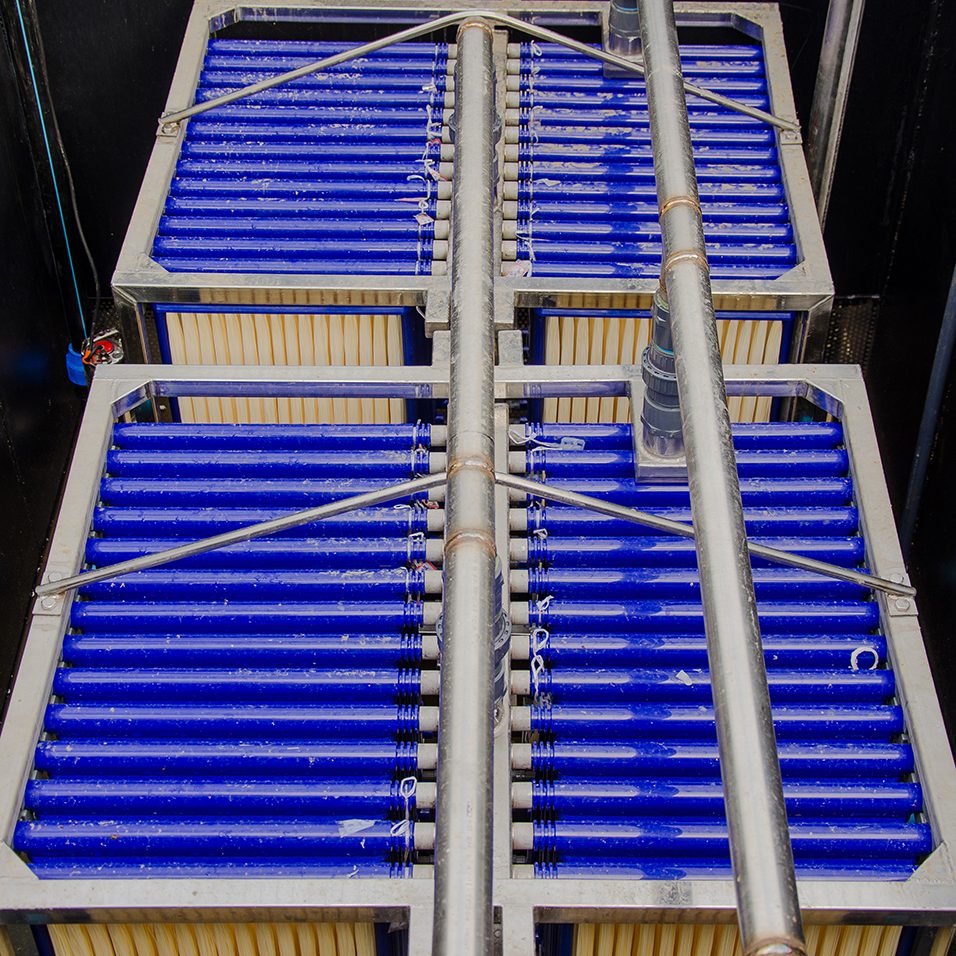
Submerged MBR membrane modules remain the workhorse of municipal and industrial MBR plants. In a submerged configuration, membranes are immersed directly in the mixed liquor. Permeate is drawn through the membrane by suction, while coarse bubbles scour the membrane surface to control fouling. Future submerged modules are being designed with higher packing density, lower specific energy demand, and improved backwash efficiency.
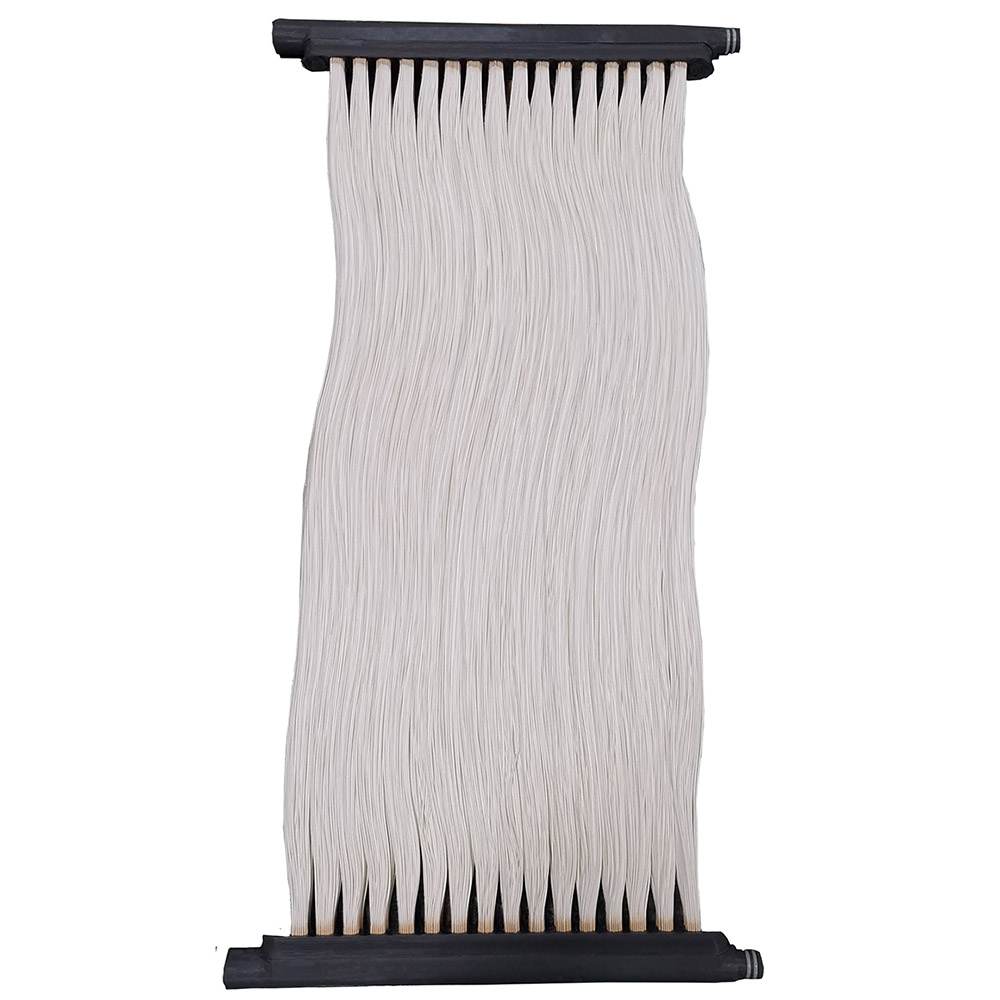
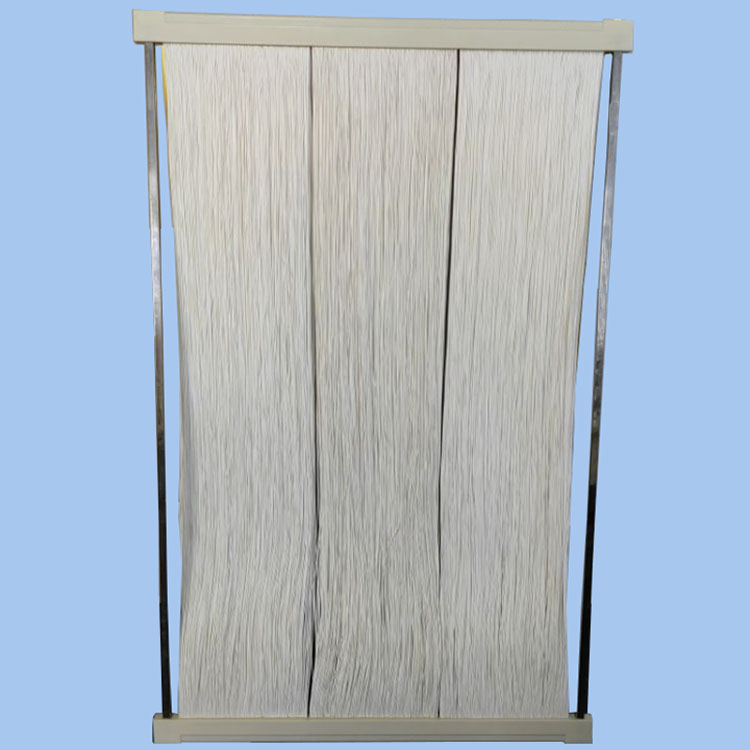
HINADA produces submerged MBR membrane modules using PVDF and PVC hollow fiber membranes. These materials offer chemical resistance, mechanical strength, and stable permeability. The company also manufactures hollow fiber ultrafiltration membranes for drinking water purification and industrial applications. Its membrane R&D and component manufacturing capabilities support a complete ecosystem from membrane production to equipment fabrication and turnkey solution delivery.
Advanced Membrane Materials
Membrane material innovation is central to the future of MBR design. PVDF membranes are widely used because of their resistance to oxidation, acids, and bases. PVC membranes offer cost advantages and good mechanical properties. Future membranes may incorporate hydrophilic additives, antimicrobial coatings, and nanostructured surfaces that reduce fouling and improve flux recovery. Some designs explore ceramic membranes for harsh industrial wastewater, though polymeric hollow fiber membranes remain dominant for municipal and decentralized applications.
HINADA has focused on two core technology pillars since its founding: hollow fiber ultrafiltration and MBR membranes for precise physical separation of suspended solids, bacteria, colloids, and macromolecular organics, and intelligent integrated wastewater treatment equipment for municipal, industrial, and decentralized applications. This dual focus positions the company to support both membrane-level and system-level innovation.
Smart Treatment Plant Architecture
A smart treatment plant integrates hardware, software, and data services. The architecture typically includes field instruments, programmable logic controllers, edge computing devices, cloud platforms, and human-machine interfaces. MBR systems are especially data-rich because they combine biological, hydraulic, and membrane-specific measurements.
Sensor Networks and Real-Time Monitoring
Sensor networks form the nervous system of a smart MBR plant. Pressure transmitters monitor transmembrane pressure across each membrane module. Flow meters track influent, permeate, and backwash flows. Online analyzers measure ammonia, nitrate, phosphate, and chemical oxygen demand. Turbidity meters verify permeate quality. Temperature and pH sensors support biological process control. In advanced plants, particle counters and fluorescence sensors detect microbial and organic fouling earlier than conventional methods.
The data generated by these sensors enable operators to move from scheduled maintenance to condition-based maintenance. Instead of cleaning membranes every fixed interval, the system cleans only when fouling indicators justify it. This reduces downtime, chemical consumption, and membrane wear.
Digital Twins and Simulation
Digital twins are virtual replicas of physical MBR plants. They use real-time data and mathematical models to simulate biological kinetics, membrane fouling, and hydraulic behavior. Engineers can test operational scenarios in the digital twin before applying them to the real plant. For example, a digital twin can predict how a sudden industrial discharge will affect nitrification, or how a change in aeration strategy will influence membrane permeability.
Digital twins also support training. Operators can learn how to respond to fouling events, power outages, and peak flows without risking the actual plant. As computing power increases and model accuracy improves, digital twins will become standard in smart MBR design.
Artificial Intelligence and Machine Learning
Artificial intelligence and machine learning add predictive and adaptive capabilities. Machine learning models can identify patterns that precede membrane fouling, biological upset, or energy inefficiency. These models improve over time as they receive more data. In a smart MBR plant, AI can recommend or automatically execute setpoint changes for aeration, permeate flow, and cleaning sequences.
AI also supports anomaly detection. If a membrane module shows unusual pressure behavior while other modules remain stable, the system can flag a potential fiber break, valve issue, or localized fouling. Early detection prevents contamination of permeate and reduces repair costs.
Energy Efficiency and Sustainability
Energy consumption is a major concern for MBR plants. Although MBR systems produce high-quality effluent and have a small footprint, they require energy for biological aeration, membrane scouring, permeate pumping, and sludge handling. Future MBR design focuses on reducing this energy intensity through smart control, efficient blowers, and optimized membrane operation.
Demand-Based Aeration
Demand-based aeration uses online sensors to adjust oxygen supply according to biological demand. Ammonia and nitrate analyzers provide feedback on nitrification and denitrification. When loading is low, blowers ramp down. When loading increases, blowers ramp up. This approach reduces energy waste and maintains stable biological performance.
Membrane scouring aeration is also being optimized. Instead of continuous high-intensity bubbling, smart systems use intermittent aeration, cyclic relaxation, and variable bubble flow. These strategies maintain membrane permeability while lowering energy demand.
Energy Recovery and Resource Recovery
Future smart treatment plants will treat wastewater as a resource. MBR systems can be integrated with anaerobic digestion to recover biogas. Nutrients such as nitrogen and phosphorus can be recovered as fertilizers. Effluent can be reused for irrigation, industrial cooling, or groundwater recharge. Sludge can be converted into energy or biochar.
HINADA provides integrated solutions for water and wastewater projects, from design and equipment supply to installation support, commissioning, and training. This integrated approach helps project owners incorporate energy and resource recovery into MBR plant design.
Fouling Control in Smart MBR Design
Fouling control is the heart of MBR operation. Smart design addresses fouling through multiple layers of defense. The first layer is pretreatment, including screening, grit removal, and dissolved air flotation when needed. The second layer is biological optimization to maintain healthy floc and reduce extracellular polymeric substances. The third layer is membrane scouring and backwashing. The fourth layer is chemical cleaning, guided by data rather than fixed schedules.
Dissolved Air Flotation and Pretreatment
Dissolved air flotation systems remove oils, grease, suspended solids, and other contaminants that can foul membranes. In industrial applications, DAF pretreatment is often essential before MBR treatment. HINADA manufactures DAF systems as part of its wastewater treatment equipment portfolio. These systems help protect downstream membranes and improve overall treatment reliability.
Advanced Cleaning Protocols
Smart MBR plants use online data to determine when cleaning is necessary. Maintenance cleaning may use low-concentration chemicals, while recovery cleaning uses stronger solutions. The system can also adjust cleaning duration, temperature, and recirculation flow. By optimizing cleaning, plants reduce chemical costs and extend membrane life.
Future cleaning protocols may use machine learning to personalize cleaning for each membrane module. Modules with different fouling histories could receive different cleaning treatments. This level of precision is already emerging in advanced smart plants.
Decentralized and Rural Applications
Decentralized wastewater treatment is growing rapidly, especially in rural areas, small communities, and developing regions. MBR technology is well suited to decentralized applications because it produces high-quality effluent in a compact footprint. Containerized MBR systems and packaged wastewater treatment plants can be deployed quickly and operated remotely.
HINADA serves rural decentralized water supply and sanitation projects, municipal sewage treatment and water recycling, industrial wastewater treatment and reuse, and drinking water purification from surface water and groundwater. Its integrated packaged wastewater treatment systems are designed for ready-to-install deployment, making them suitable for remote locations where skilled labor and reliable infrastructure may be limited.
Remote Monitoring and Operation
Smart decentralized MBR plants can be monitored and controlled remotely. Cloud-based platforms collect data from multiple sites and provide alerts when maintenance is needed. This reduces the need for on-site operators and improves response time. Remote diagnostics also allow manufacturers and service providers to support plants across long distances.
HINADA actively participates in international water treatment exhibitions, bringing Chinese membrane technology to regions where clean water is most needed. This global engagement supports the deployment of smart MBR systems in diverse climates and regulatory environments.
Industrial Wastewater Treatment and Reuse
Industrial facilities face increasing pressure to reduce water consumption and discharge. MBR systems enable water reuse by producing effluent suitable for cooling, boiler feed, or process water, especially when combined with reverse osmosis. Industrial wastewater can contain oils, heavy metals, solvents, and high organic loads, so pretreatment and robust membrane design are critical.
HINADA supplies industrial reverse osmosis systems, ultrafiltration systems, and MBR membrane modules for industrial wastewater treatment and reuse. The company's portfolio supports a complete treatment train from pretreatment to advanced membrane filtration.
Integrated UF and RO Systems
Ultrafiltration is often used as pretreatment for reverse osmosis. UF removes suspended solids, bacteria, and macromolecules, protecting RO membranes from fouling. In smart treatment plants, UF and RO systems are integrated with MBR effluent polishing to achieve high-purity water for industrial reuse. Sensors monitor pressure, conductivity, and flow to optimize membrane performance and cleaning.
Municipal Sewage Treatment and Water Recycling
Municipalities are adopting MBR technology to meet stricter discharge standards and increase water recycling. MBR plants produce effluent with low turbidity and low pathogen content, making them suitable for irrigation, toilet flushing, and industrial reuse. Smart MBR design helps municipalities manage variable flows, reduce energy costs, and extend asset life.
HINADA's submerged MBR membrane modules and integrated wastewater treatment equipment support municipal sewage treatment and water recycling. The company provides turnkey solutions that include design, equipment, installation support, commissioning, and training.
Drinking Water Purification
Hollow fiber ultrafiltration membranes are widely used for drinking water purification. They remove suspended solids, bacteria, viruses, and parasites. In smart treatment plants, UF systems can be monitored in real time to ensure barrier integrity and optimize backwash. HINADA manufactures PVDF and PVC hollow fiber UF membranes for drinking water applications, including surface water and groundwater treatment.
When integrated with smart control systems, UF membranes provide reliable and sustainable drinking water treatment. Data from pressure decay tests, turbidity meters, and particle counters can verify membrane integrity and trigger automatic isolation of compromised modules.
The Role of HINADA in the Future of MBR Design
HINADA Water Treatment Tech Co., Ltd. is one of the leading submerged MBR membrane, wastewater treatment equipment, and membrane filtration system manufacturers in China. Since its founding in 2012, the company has specialized in wastewater treatment solutions and equipment supply in Guangzhou. It later expanded its manufacturing base to Chenzhou, Hunan Province. With more than 13 years of experience in the water treatment industry and 10 years of water treatment membrane and equipment manufacturing experience, HINADA has built a complete ecosystem from membrane R&D and component manufacturing to equipment fabrication and turnkey solution delivery.
The company's core products include PVDF and PVC hollow fiber UF membranes, submerged MBR membrane modules, containerized MBR systems and packaged wastewater treatment plants, dissolved air flotation systems, ultrafiltration systems, and industrial reverse osmosis systems. These products serve industrial wastewater treatment and reuse, municipal sewage treatment and water recycling, rural decentralized water supply and sanitation, and drinking water purification.
Two Core Technology Pillars
From day one, HINADA focused on two core technology pillars. The first is hollow fiber ultrafiltration and MBR membranes for precise physical separation of suspended solids, bacteria, colloids, and macromolecular organics. The second is intelligent integrated wastewater treatment equipment for municipal, industrial, and decentralized applications. These pillars align with the future direction of smart MBR design: advanced membranes combined with intelligent systems.
Global Reach and Local Support
HINADA serves clients in over 75 countries across Asia, Africa, Europe, and the Americas. Its participation in international water treatment exhibitions reflects a commitment to sharing Chinese membrane technology with regions facing water scarcity and pollution challenges. By combining global reach with local support, HINADA helps project owners deploy smart MBR systems that are reliable, efficient, and easy to operate.
Future Design Considerations for Smart MBR Plants
Several design considerations will shape the next generation of MBR membrane bioreactors. These include flexibility, resilience, cybersecurity, interoperability, and lifecycle cost. Engineers must design plants that can adapt to changing regulations, population growth, and climate variability.
Flexibility and Scalability
Modular MBR design allows plants to be expanded in phases. Additional membrane modules, bioreactor tanks, and blowers can be added as flows increase. Smart control systems can accommodate new modules without major reprogramming. This flexibility reduces initial capital costs and avoids oversized infrastructure.
Resilience and Redundancy
Smart MBR plants need redundancy in critical components. Multiple blowers, pumps, and membrane trains ensure continued operation during maintenance or equipment failure. Digital systems should also have fail-safe modes that maintain basic treatment even if communication is lost.
Cybersecurity and Data Integrity
As plants become more connected, cybersecurity becomes essential. Operators must protect control systems from unauthorized access. Data integrity is also critical because AI and machine learning models depend on accurate sensor readings. Regular calibration, validation, and anomaly detection help maintain data quality.
Interoperability and Open Standards
Smart MBR plants often use equipment from multiple manufacturers. Open standards and interoperable protocols allow different systems to communicate. This reduces vendor lock-in and enables utilities to integrate best-in-class components. HINADA's integrated solution approach supports interoperability by providing compatible membranes, equipment, and control interfaces.
Conclusion: A Smart, Sustainable Future for MBR
The future of MBR membrane bioreactor design in smart treatment plants is bright and transformative. MBR technology will continue to deliver high-quality effluent, but its real potential lies in becoming an intelligent, adaptive, and resource-efficient treatment platform. Smart sensors, digital twins, AI, and advanced membranes will work together to reduce energy consumption, minimize fouling, and extend asset life.
Companies such as HINADA Water Treatment Tech Co., Ltd. are contributing to this future by manufacturing reliable hollow fiber UF membranes, submerged MBR modules, containerized MBR systems, DAF units, UF systems, and industrial RO systems. With more than 13 years of industry experience and a presence in over 75 countries, HINADA supports the global transition toward smart, sustainable water treatment.
As municipalities, industries, and communities seek to do more with less, smart MBR design will become the standard. The plants of tomorrow will not simply treat wastewater. They will learn, optimize, recover resources, and help secure water for future generations.