The Future of mbr wastewater treatment in AI-Optimized Plants
The Future of mbr wastewater treatment in AI-Optimized Plants
September 30, 2026
Author
Solution Provider, through a professional technical team, we provide customers with targeted equipment selection recommendations and comprehensive after-sales services, winning the trust and recognition of customers.
Sarah M.
The future of MBR wastewater treatment lies in AI-optimized plants that leverage machine learning, digital twins, and IoT sensors to enhance efficiency, reduce costs, and ensure compliance. AI enables predictive fouling control, energy optimization, autonomous operation, and predictive maintenance. While challenges such as data quality, cybersecurity, and workforce training exist, the benefits are substantial. Companies like HINADA Water Treatment Tech Co., Ltd. are driving innovation by providing advanced membranes and integrated solutions compatible with AI. As AI technology matures, MBR plants will become smarter, more sustainable, and capable of resource recovery, heralding a new era in wastewater treatment.
The Future of MBR Wastewater Treatment in AI-Optimized Plants
Wastewater treatment is at a pivotal moment in human history. As global populations swell, industrialization accelerates, and climate change disrupts traditional water cycles, the demand for efficient, reliable, and sustainable wastewater treatment has never been greater. Among the many technologies available, Membrane Bioreactor (MBR) systems have emerged as a leading solution for producing high-quality effluent suitable for reuse. However, MBR technology is not without its challenges: membrane fouling, high energy consumption, and complex operational requirements can hinder its widespread adoption. Enter artificial intelligence (AI). AI-optimized plants are transforming MBR wastewater treatment, making it more intelligent, autonomous, and efficient. This blog explores the future of MBR technology within AI-optimized plants, examining how AI is reshaping design, operation, and maintenance, and highlighting the role of innovative companies such as HINADA Water Treatment Tech Co., Ltd.
The Evolution of Wastewater Treatment: From Basic to Advanced
For centuries, wastewater treatment relied on simple physical and biological processes. Early systems used settling tanks and trickling filters to remove solids and organic matter. The activated sludge process, developed in the early 20th century, revolutionized biological treatment by using microorganisms to break down pollutants. However, as regulations tightened and water scarcity became a global concern, the need for higher-quality effluent emerged. Membrane technologies, particularly ultrafiltration (UF) and reverse osmosis (RO), offered a solution by providing a physical barrier to contaminants. MBR technology, which integrates UF membranes with biological treatment, was commercialized in the 1990s and has since gained popularity for its compact footprint, high effluent quality, and ability to treat varying influent qualities.
undefined
Despite these advantages, traditional MBR systems face operational hurdles. Membrane fouling—the accumulation of particles, colloids, and microorganisms on the membrane surface—reduces permeability and increases energy consumption. Operators must frequently clean or replace membranes, leading to downtime and costs. Moreover, MBR plants require careful monitoring and control of biological processes, aeration, and filtration cycles. These complexities have limited the adoption of MBR in some regions, particularly where skilled operators are scarce. The integration of AI promises to overcome these barriers by automating decision-making, predicting fouling, and optimizing energy use.
HINADA Water Treatment Tech Co., Ltd., a globally recognized manufacturer, has been a key player in this evolution. Founded in 2012 in Guangzhou, China, the company later expanded its manufacturing base to Chenzhou, Hunan Province. Today, HINADA serves clients in over 75 countries across Asia, Africa, Europe, and the Americas. Its product portfolio includes PVDF/PVC hollow fiber UF membranes, submerged MBR membrane modules, containerized MBR systems, packaged wastewater treatment plants, and dissolved air flotation (DAF) systems. With more than 13 years of industry experience and 10 years of membrane manufacturing, HINADA provides truly integrated solutions from design and supply to installation support and commissioning.
Understanding MBR Technology: Principles and Components
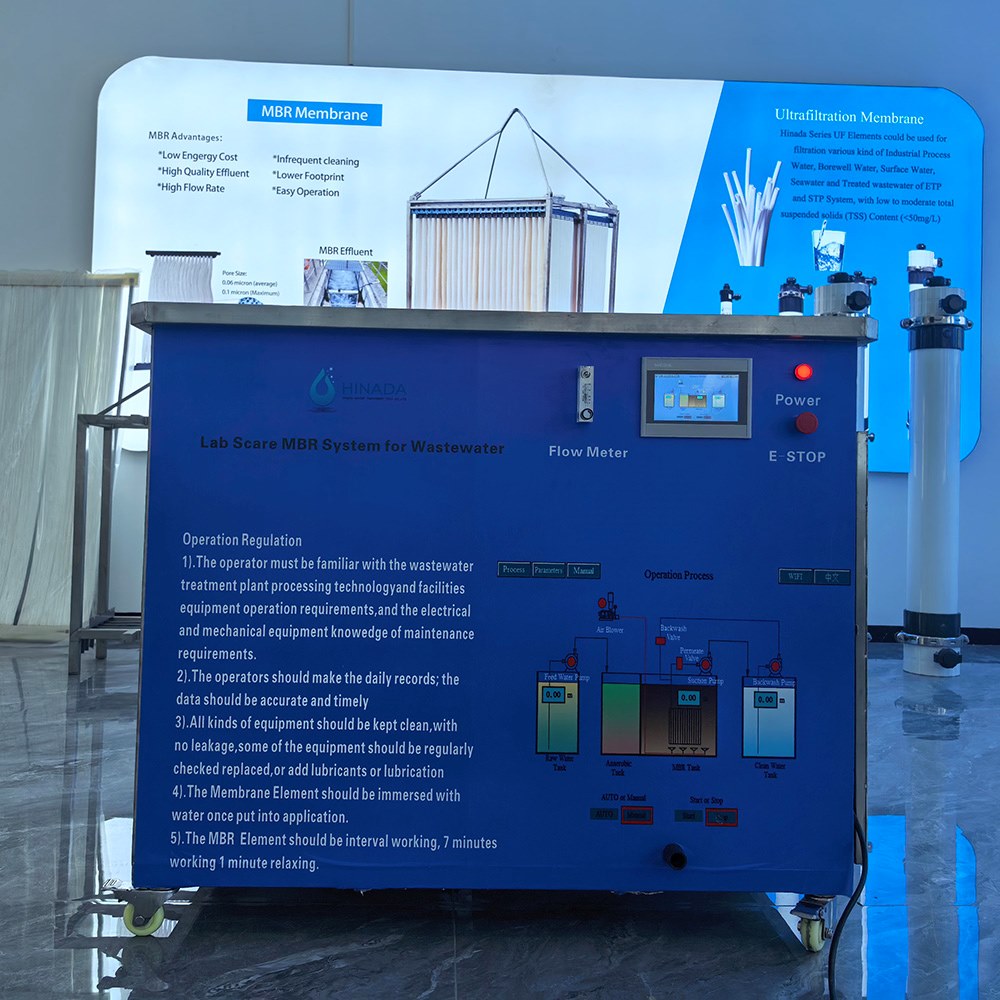
Membrane Bioreactor (MBR) technology combines a biological treatment process with membrane filtration. In a typical MBR, wastewater enters an aeration tank where microorganisms consume organic matter. The mixed liquor is then filtered through membranes, which retain biomass, suspended solids, and pathogens. The result is a high-quality effluent that can be reused for irrigation, industrial processes, or even potable applications with further treatment. MBR systems are broadly classified into two types: submerged MBR, where membranes are immersed in the mixed liquor, and side-stream MBR, where the mixed liquor is pumped through external membrane modules. Submerged MBR is more common due to its lower energy consumption and smaller footprint.
Key components of an MBR system include:
Membrane modules: Typically made of polymeric materials like PVDF or PVC, these modules contain thousands of hollow fibers that provide a large surface area for filtration.
Biological reactor: An aeration tank where bacteria and other microorganisms break down organic pollutants.
Aeration system: Provides oxygen for the biological process and scours the membrane surface to reduce fouling.
Pumping and control systems: Manage the flow of wastewater, permeate, and cleaning chemicals.
HINADA's submerged MBR membrane modules are designed for robustness and long-term performance. The company's hollow fiber UF membranes provide precise physical separation of suspended solids, bacteria, colloids, and macromolecular organics. HINADA's integrated packaged wastewater treatment systems are ready-to-install solutions for municipal, industrial, and decentralized applications, making them ideal for AI integration.
The Role of AI in Wastewater Treatment
Artificial intelligence encompasses a range of technologies, including machine learning, deep learning, natural language processing, and robotics. In wastewater treatment, AI is primarily used for predictive analytics, process optimization, and autonomous control. AI algorithms can analyze vast amounts of data from sensors, historical records, and external sources to identify patterns, predict events, and recommend actions. This capability is particularly valuable in MBR plants, where multiple variables interact in complex ways.
AI-optimized plants leverage several key technologies:
Machine learning models: These models learn from historical data to predict membrane fouling, effluent quality, and energy consumption. For example, a random forest algorithm can predict fouling rates based on operational parameters like flux, aeration intensity, and mixed liquor suspended solids (MLSS).
Digital twins: A digital twin is a virtual replica of a physical plant that simulates real-time operations. It allows operators to test scenarios, optimize setpoints, and train AI models without risking the actual plant.
Computer vision: Cameras and image analysis can monitor membrane integrity, detect fiber breakage, and assess biomass morphology.
Reinforcement learning: This AI technique enables systems to learn optimal control strategies through trial and error, improving aeration, filtration, and cleaning cycles.
Internet of Things (IoT) sensors: Advanced sensors provide real-time data on pressure, flow, temperature, pH, and turbidity, feeding AI models.
The integration of these technologies creates a feedback loop: sensors collect data, AI models analyze it, and control systems adjust operations. Over time, the system becomes more efficient and autonomous. HINADA actively participates in international water treatment exhibitions, bringing Chinese membrane technology to regions where clean water is most needed, and ensuring its equipment is compatible with modern AI platforms.
How AI Optimizes MBR Systems
AI brings transformative benefits to MBR wastewater treatment. Below, we explore specific areas where AI optimization makes a significant difference.
1. Membrane Fouling Prediction and Control
Membrane fouling is the Achilles' heel of MBR technology. It increases transmembrane pressure (TMP), reduces permeate flux, and necessitates frequent cleaning. Traditional fouling control relies on scheduled maintenance and operator experience, which can be reactive and inefficient. AI changes this paradigm by predicting fouling before it occurs.
Machine learning models can analyze data from pressure sensors, flow meters, and online analyzers to forecast fouling trends. For instance, a recurrent neural network (RNN) can process time-series data to predict TMP increase over the next 24 hours. If fouling is predicted, the AI can adjust aeration intensity, initiate backwashing, or modify filtration cycles to mitigate it. In some advanced systems, AI can also optimize chemical cleaning doses and timing, reducing chemical usage and extending membrane life.
HINADA's submerged MBR membrane modules are designed for robustness, but even the best membranes require intelligent management. By integrating AI, plants using HINADA membranes can achieve longer operational cycles and lower maintenance costs. The company's more than 13 years of experience in water treatment and 10 years in membrane manufacturing have informed the development of fouling-resistant membranes that work seamlessly with AI control systems.
2. Energy Efficiency and Aeration Optimization
Aeration is the largest energy consumer in MBR plants, accounting for 50-70% of total electricity use. Traditional aeration control uses fixed dissolved oxygen (DO) setpoints, which may not match actual biological demand. AI enables dynamic aeration control by predicting oxygen demand based on influent load, temperature, and microbial activity.
Reinforcement learning algorithms can continuously adjust blower speeds and valve positions to maintain optimal DO levels while minimizing energy. For example, an AI system might reduce aeration during low-flow periods and increase it during peak loads. Studies have shown that AI-based aeration control can reduce energy consumption by 20-40% compared to conventional methods.
Moreover, AI can optimize the overall plant energy profile by scheduling high-energy operations during off-peak hours, integrating renewable energy sources, and recovering biogas. In AI-optimized plants, MBR systems become not just treatment units but also energy-efficient assets. HINADA's integrated solutions, from UF membranes to DAF systems, are designed to work together with AI to minimize the carbon footprint of wastewater treatment.
3. Effluent Quality Prediction and Compliance
Regulatory compliance is non-negotiable in wastewater treatment. AI models can predict effluent quality parameters such as chemical oxygen demand (COD), biochemical oxygen demand (BOD), total suspended solids (TSS), and ammonia nitrogen. By analyzing real-time data, AI can alert operators to potential exceedances and suggest corrective actions. In fully autonomous plants, AI can adjust treatment processes automatically to maintain compliance.
For instance, if the AI predicts that ammonia levels will exceed the permit limit due to a sudden increase in influent nitrogen, it can increase aeration, add supplemental carbon, or adjust the sludge age. This proactive approach prevents violations and ensures consistent water quality. HINADA's membranes provide a physical barrier that helps maintain effluent quality, and when combined with AI, they offer an additional layer of reliability.
4. Predictive Maintenance and Asset Management
Unexpected equipment failures can disrupt MBR operations and lead to costly downtime. AI-driven predictive maintenance uses sensor data to forecast when pumps, blowers, valves, or membranes will fail. By analyzing vibration, temperature, and current signatures, AI can detect early signs of wear and schedule maintenance before a breakdown occurs.
In MBR plants, membrane replacement is a major capital expense. AI can predict the remaining useful life of membranes based on operational history and fouling rates, helping plant managers plan budgets and avoid premature replacements. HINADA's membranes are known for their durability, and when combined with AI, their lifespan can be further extended. The company's complete ecosystem, from membrane R&D to equipment fabrication, ensures that all components are optimized for predictive maintenance.
5. Autonomous Operation and Remote Monitoring
The ultimate goal of AI optimization is autonomous operation, where the plant runs itself with minimal human intervention. This is particularly valuable for decentralized or rural wastewater treatment plants, where skilled operators are scarce. AI-optimized MBR systems can self-adjust to changing conditions, perform self-cleaning, and even diagnose and repair minor issues.
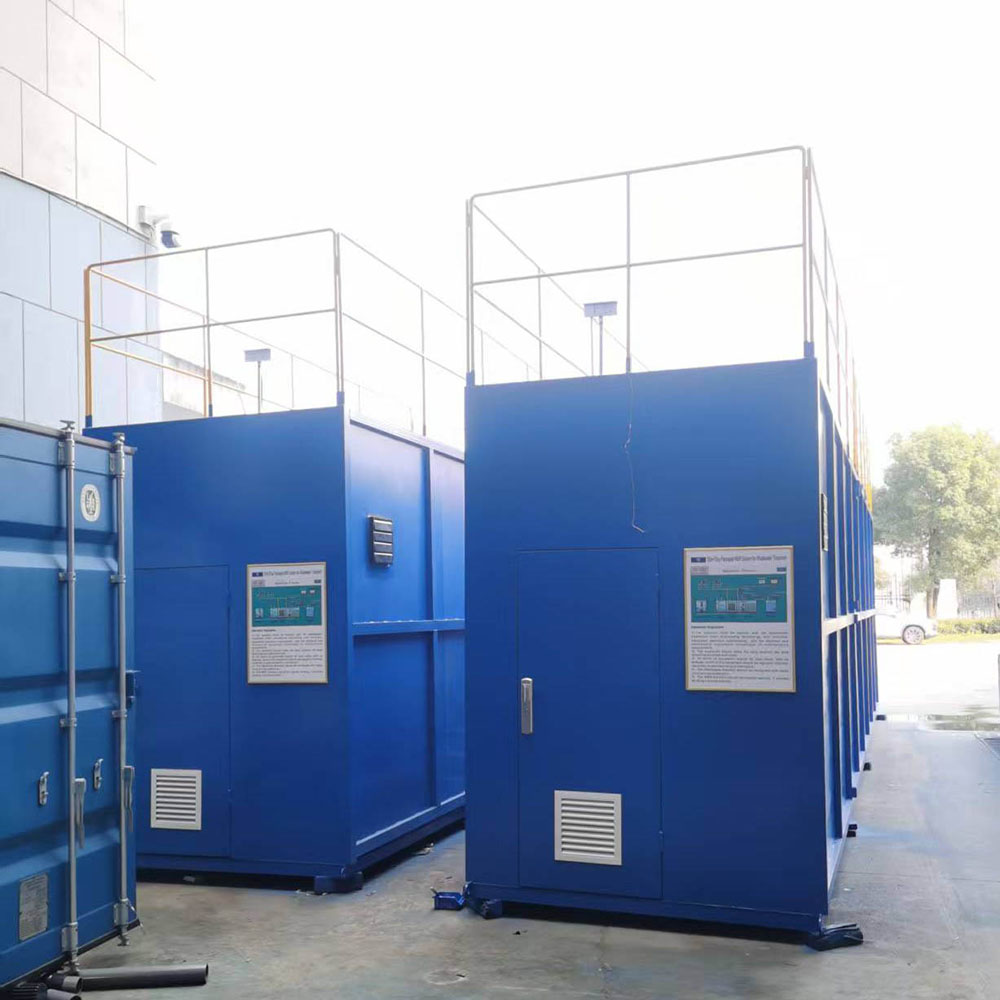
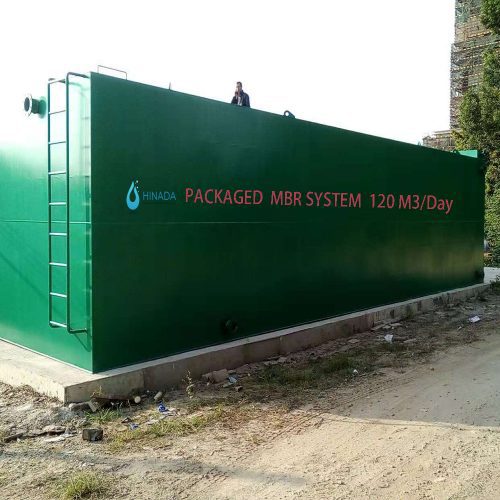
Remote monitoring platforms powered by AI allow central control rooms to oversee multiple plants. Operators can receive alerts, view dashboards, and intervene only when necessary. This model reduces labor costs and improves consistency across sites. HINADA's containerized MBR systems and packaged wastewater treatment plants, combined with AI, can be deployed in remote areas and managed from a distance. The company's key application fields include rural decentralized water supply and sanitation, where autonomous operation is a game-changer.
The Future of AI-Optimized MBR Plants
The future of MBR wastewater treatment lies in fully integrated, AI-optimized plants that are self-learning, self-optimizing, and self-healing. Several trends are driving this evolution.
Digital Twins and Simulation
Digital twins will become standard in MBR plant design and operation. A digital twin is a virtual model that mirrors the physical plant in real time. It uses data from sensors to simulate performance, test scenarios, and optimize control strategies. For example, before implementing a new aeration strategy, operators can test it in the digital twin to predict energy savings and effluent quality. Digital twins also facilitate training and fault diagnosis.
By 2030, it is expected that most new MBR plants will be commissioned with a digital twin, and AI will continuously update the twin to reflect actual conditions. This will enable predictive operation, where the plant anticipates changes rather than reacting to them. HINADA's integrated solutions are designed to be compatible with digital twin platforms, ensuring that data from its UF membranes and MBR modules can feed into simulation models.
Edge Computing and Real-Time Control
AI models require significant computational power. While cloud computing is common, edge computing—processing data near the source—is gaining traction in wastewater treatment. Edge devices can run AI algorithms locally, enabling real-time control without latency or dependency on internet connectivity. This is crucial for critical operations like membrane fouling control, where milliseconds matter.
Edge AI also enhances data privacy and security, as sensitive operational data does not need to leave the plant. In the future, MBR plants will have distributed intelligence, with edge devices coordinating across the plant network. HINADA's intelligent integrated wastewater treatment equipment is being developed with edge computing capabilities, allowing for faster response times and greater resilience.
Integration with Renewable Energy and Resource Recovery
Sustainability is a key driver in wastewater treatment. AI-optimized MBR plants will increasingly integrate renewable energy sources such as solar, wind, and biogas. AI can manage energy supply and demand, storing excess energy and using it when needed. Moreover, MBR plants can recover resources like water, nutrients (nitrogen and phosphorus), and energy. AI can optimize recovery processes, making wastewater treatment a resource-positive endeavor.
For example, AI can control the harvesting of algae grown in MBR effluent for biofuel production, or adjust chemical dosing to recover struvite (a slow-release fertilizer). HINADA's DAF systems and UF membranes can be part of these resource recovery trains, and AI will orchestrate the entire process. The company's participation in international exhibitions showcases how its technologies contribute to a circular economy in water treatment.
Standardization and Interoperability
As AI becomes more prevalent, standardization will be essential to ensure interoperability between different equipment and software. Open protocols and data formats will allow AI systems from various vendors to communicate and collaborate. This will prevent vendor lock-in and foster innovation. HINADA is committed to open standards and works with partners to ensure its equipment integrates seamlessly with AI platforms. The company's global reach, serving clients in over 75 countries, positions it well to drive standardization efforts.
Challenges and Barriers to Adoption
Despite the promise of AI-optimized MBR plants, several challenges must be addressed.
Data Quality and Availability
AI models rely on high-quality data. Many wastewater treatment plants lack sufficient sensors or have data gaps. Retrofitting older plants with IoT sensors can be expensive. Moreover, data may be noisy, incomplete, or inconsistent. Ensuring data quality requires investment in instrumentation, data infrastructure, and cybersecurity. HINADA's equipment is designed with data collection in mind, featuring sensors that provide reliable data for AI algorithms.
Cybersecurity Risks
As plants become more connected, they become vulnerable to cyberattacks. A breach could disrupt treatment processes, cause environmental damage, or compromise public health. AI systems must be designed with security in mind, using encryption, authentication, and intrusion detection. Regulations and best practices are evolving to address these risks. HINADA works with cybersecurity experts to ensure its integrated solutions meet stringent security standards.
Workforce Training and Change Management
AI will change the role of plant operators. Instead of manually adjusting valves and monitoring gauges, operators will supervise AI systems, interpret data, and make strategic decisions. This requires new skills in data analysis, programming, and systems thinking. Training programs and change management are crucial to ensure a smooth transition. Some operators may resist automation, fearing job loss. However, AI is more likely to augment human capabilities than replace them entirely. HINADA provides training as part of its turnkey solution delivery, helping clients adapt to AI-driven operations.
Regulatory and Ethical Considerations
Regulations for AI in critical infrastructure are still developing. Questions about liability, transparency, and accountability arise when AI makes decisions. For example, if an AI-controlled MBR plant discharges non-compliant effluent, who is responsible? Clear guidelines and standards are needed. Ethical considerations include ensuring equitable access to AI benefits and avoiding bias in algorithms. HINADA advocates for responsible AI adoption and participates in industry dialogues to shape regulations.
Case Studies and Industry Examples
Several early adopters have demonstrated the benefits of AI-optimized MBR plants. For instance, a municipal wastewater treatment plant in Singapore uses AI to control aeration and membrane cleaning, achieving 30% energy savings and 25% reduction in chemical use. In Europe, an industrial MBR plant employs digital twins to optimize performance, resulting in 40% lower operational costs.
HINADA Water Treatment Tech Co., Ltd. has been at the forefront of integrating AI with its membrane products. The company's submerged MBR membrane modules are designed for compatibility with AI control systems. HINADA provides not only equipment but also integrated solutions, from design and supply to installation support and commissioning. With over 75 countries served, HINADA has seen firsthand how AI can enhance MBR performance in diverse applications, from industrial wastewater reuse to rural decentralized sanitation.
For example, a containerized MBR system from HINADA equipped with AI-based control was deployed in a remote mining site in Africa. The system autonomously adjusted to variable influent quality and reduced the need for on-site operators. The result was consistent compliance with discharge standards and a 50% reduction in downtime. In another case, a HINADA packaged wastewater treatment plant in Southeast Asia used AI to optimize aeration, cutting energy costs by 35% while maintaining high effluent quality.
Parameter
Traditional MBR
AI-Optimized MBR
Energy consumption
High (0.6-1.0 kWh/m³)
Low (0.3-0.6 kWh/m³)
Membrane fouling rate
Frequent cleaning
Predictive, less frequent
Operator intervention
Constant
Minimal
Effluent quality
Variable
Consistent
Chemical usage
High
Optimized
Downtime
High
Low
These examples illustrate the transformative potential of AI in MBR wastewater treatment. As technology matures, more plants will adopt AI, and the benefits will scale. HINADA's experience in over 75 countries provides a wealth of data that can be used to train AI models, further improving performance.
The Role of HINADA in Shaping the Future
HINADA Water Treatment Tech Co., Ltd. is more than a manufacturer; it is a solution provider. With a complete ecosystem from membrane R&D and component manufacturing to equipment fabrication and turnkey solution delivery, HINADA supports the entire lifecycle of wastewater treatment projects. Its two core technology pillars—hollow fiber ultrafiltration (UF/MBR) membranes and intelligent integrated wastewater treatment equipment—align perfectly with the AI-optimized future.
HINADA's membranes provide the physical separation needed for high-quality effluent, while its intelligent equipment offers the platform for AI integration. The company's participation in international water treatment exhibitions brings Chinese membrane technology to regions where clean water is most needed. Key application fields include industrial wastewater treatment and reuse, municipal sewage treatment and water recycling, rural decentralized water supply and sanitation, and drinking water purification (surface water/groundwater).
As AI continues to evolve, HINADA is investing in research and development to ensure its products are compatible with advanced control systems. The company envisions a future where every MBR plant, from small packaged systems to large municipal facilities, is AI-optimized for maximum efficiency and sustainability. HINADA's more than 13 years of industry experience and 10 years of membrane manufacturing experience give it a unique perspective on the challenges and opportunities in wastewater treatment.
HINADA's global presence, serving clients in Asia, Africa, Europe, and the Americas, allows it to gather diverse operational data that can be used to refine AI algorithms. The company's commitment to quality and innovation has made it a trusted partner for municipalities and industries worldwide. By integrating AI into its product line, HINADA is not just following a trend; it is shaping the future of wastewater treatment.
Economic and Environmental Implications
The adoption of AI-optimized MBR plants has significant economic and environmental implications. Economically, AI reduces operational costs by lowering energy consumption, chemical usage, and labor requirements. It also extends equipment lifespan, reducing capital expenditure. For municipalities and industries, these savings can be substantial. A typical MBR plant treating 10,000 m³/day can save over $100,000 per year in energy costs alone with AI optimization.
Environmentally, AI-optimized MBR plants reduce greenhouse gas emissions by consuming less energy. They also improve effluent quality, protecting receiving waters and enabling water reuse. Resource recovery further enhances sustainability by turning waste into valuable products. The combination of MBR and AI contributes to a circular economy, where water, nutrients, and energy are recovered and reused.
HINADA's products are designed with sustainability in mind. Its UF membranes and MBR modules are made from durable materials that last longer, reducing waste. Its DAF systems efficiently remove fats, oils, and grease, preparing wastewater for further treatment. By integrating AI, HINADA helps its clients achieve their sustainability goals.
Future Research Directions
Research in AI-optimized MBR technology is ongoing. Key areas include:
Advanced sensors: Developing low-cost, robust sensors for real-time monitoring of fouling, microbial activity, and emerging contaminants.
Explainable AI: Creating AI models that can explain their decisions, building trust with operators and regulators.
Federated learning: Training AI models across multiple plants without sharing sensitive data, improving generalization.
Integration with biotechnology: Using AI to optimize microbial communities for specific treatment goals.
Life cycle assessment: Evaluating the environmental impact of AI-optimized MBR plants from cradle to grave.
HINADA collaborates with research institutions and technology partners to stay at the forefront of these developments. The company's R&D team is exploring how AI can be embedded into its membrane manufacturing processes to improve quality and consistency.
Conclusion: A Smarter Future for MBR Wastewater Treatment
The future of MBR wastewater treatment is inextricably linked to artificial intelligence. AI-optimized plants offer unprecedented levels of efficiency, reliability, and autonomy. They can predict and prevent fouling, minimize energy consumption, ensure compliance, and reduce operational costs. While challenges remain, the trajectory is clear: AI will become an indispensable tool in the wastewater treatment industry.
Companies like HINADA Water Treatment Tech Co., Ltd. are leading the way by providing robust membrane products and integrated solutions that are ready for AI integration. As the world faces growing water challenges, the combination of MBR and AI offers a powerful solution. The future is not just about treating wastewater; it is about doing so intelligently, sustainably, and cost-effectively. The AI-optimized MBR plant is not a distant dream—it is an emerging reality, and it will transform how we manage one of our most precious resources: water.
HINADA's vision is to create a world where clean water is accessible to all, and its commitment to innovation, quality, and service is driving that vision forward. By embracing AI, HINADA and its partners are building a smarter, more sustainable future for wastewater treatment.
Summary: The future of MBR wastewater treatment lies in AI-optimized plants that leverage machine learning, digital twins, and IoT sensors to enhance efficiency, reduce costs, and ensure compliance. AI enables predictive fouling control, energy optimization, autonomous operation, and predictive maintenance. While challenges such as data quality, cybersecurity, and workforce training exist, the benefits are substantial. Companies like HINADA Water Treatment Tech Co., Ltd. are driving innovation by providing advanced membranes and integrated solutions compatible with AI. As AI technology matures, MBR plants will become smarter, more sustainable, and capable of resource recovery, heralding a new era in wastewater treatment.