The Future of sewage wastewater treatment in Circular Water Systems
The Future of sewage wastewater treatment in Circular Water Systems
September 30, 2026
Author
Solution Provider, through a professional technical team, we provide customers with targeted equipment selection recommendations and comprehensive after-sales services, winning the trust and recognition of customers.
Sarah M.
The future of sewage wastewater treatment is shifting from linear disposal to circular water systems that recover water, energy, and nutrients. This article examined the drivers of this transformation, including water scarcity, climate change, urbanization, industrial growth, and stricter regulations. It described how treatment plants are becoming water resource recovery facilities that produce reclaimed water, biogas, and nutrient products such as struvite and biosolids. Key technologies include membrane bioreactors, submerged MBR modules, hollow fiber ultrafiltration, reverse osmosis, dissolved air flotation, and integrated packaged or containerized systems. Decentralized and distributed treatment expands access to sanitation and reuse, especially in rural and industrial settings. Digitalization through sensors, automation, artificial intelligence, and digital twins improves efficiency, reduces costs, and extends membrane life. Manufacturers and solution providers are essential enablers. HINADA Water Treatment Tech Co., Ltd., known as HINADA, exemplifies an integrated approach, with more than thirteen years of industry experience and a global presence in over seventy-five countries. Founded in 2012 in Guangzhou, China, and later expanding to Chenzhou, Hunan Province, HINADA supplies PVDF and PVC hollow fiber UF membranes, submerged MBR membrane modules, containerized MBR systems, packaged wastewater treatment plants, DAF systems, UF systems, and industrial RO systems. The company provides design, equipment supply, installation support, commissioning, and training. Challenges remain, including capital and operating costs, membrane fouling, concentrate management, micropollutants, regulatory gaps, and public acceptance. Policy support, innovative financing, and international cooperation are necessary to scale circular solutions. The benefits are substantial: reduced freshwater withdrawal, lower pollution, energy savings, nutrient recovery, and greater resilience. Looking ahead, treatment plants will increasingly integrate membranes, biological processes, and digital tools to produce clean water, energy, and nutrients. Companies like HINADA will help communities and industries transition toward sustainable, circular water management, turning sewage from a liability into a valuable resource.
The Future of Sewage Wastewater Treatment in Circular Water Systems
Sewage wastewater treatment is undergoing a profound transformation. For more than a century, the dominant model has been linear: collect wastewater, treat it to a minimum standard, and discharge it into rivers, lakes, or oceans. That model delivered important public health gains, but it is increasingly incompatible with the pressures of the twenty-first century. Climate change, rapid urbanization, industrial expansion, and growing water scarcity are forcing governments, utilities, industries, and technology providers to rethink the entire value chain. The future of sewage wastewater treatment lies in circular water systems, where wastewater is no longer viewed as a burden to be disposed of but as a renewable resource to be recovered, reused, and reintegrated into the economy.
In a circular water system, every drop of water is used for as long as possible. Nutrients such as nitrogen and phosphorus are captured rather than released. Energy embedded in organic matter is recovered as biogas or heat. Biosolids become soil conditioners or feedstock for other processes. Treated water is reused for irrigation, industrial cooling, toilet flushing, groundwater recharge, or even indirect potable purposes. This shift from treatment-for-disposal to treatment-for-recovery requires new technologies, new business models, and new forms of collaboration across the water sector.
Understanding Circular Water Systems
Circular water systems are the water-sector expression of the broader circular economy. Instead of the take-make-dispose logic, they emphasize closing loops, minimizing losses, and maximizing value at every stage. In practical terms, a circular water system may include rainwater harvesting, greywater recycling, blackwater treatment, industrial symbiosis, energy recovery, and nutrient recovery. Sewage wastewater treatment becomes a central node in this network, not an endpoint.
undefined
The concept rests on several principles. First, water should be fit for purpose. Not every use requires drinking-water quality. Second, resources should be recovered close to where they are generated. Third, system design should consider the entire lifecycle, including construction, operation, maintenance, and decommissioning. Fourth, digital monitoring and control should optimize performance continuously. Fifth, governance and regulation should reward circularity rather than merely punish pollution.
Why Sewage Wastewater Treatment Must Evolve
The pressures on conventional treatment are mounting. Many regions already experience physical water scarcity or seasonal shortages. Others face economic water scarcity, where infrastructure and energy costs limit access to safe water. At the same time, urbanization concentrates wastewater flows, creating both challenges and opportunities. Large centralized plants can achieve economies of scale, but they also require extensive sewer networks and pumping energy. Decentralized and semi-centralized systems can reduce transport costs and enable local reuse.
Industrial growth adds another layer of complexity. Factories discharge wastewater containing heavy metals, oils, solvents, dyes, pharmaceuticals, and other recalcitrant compounds. Conventional biological treatment may not remove these pollutants adequately. As regulations tighten, industries must adopt advanced treatment, water reuse, and zero-liquid-discharge strategies. Circular water systems offer a framework for turning industrial wastewater from a liability into a resource.
From Linear to Circular: A Paradigm Shift
The linear model treats wastewater as a waste stream. The circular model treats it as a resource stream. This shift changes the design objectives of treatment plants. Instead of focusing only on biochemical oxygen demand, total suspended solids, and fecal coliforms, circular plants also target water quality for reuse, nutrient recovery, energy neutrality, and carbon footprint reduction. They may incorporate membrane bioreactors, reverse osmosis, advanced oxidation, and nutrient crystallization.
The transition is not merely technical. It requires new financing mechanisms, such as public-private partnerships, green bonds, and resource-recovery credits. It requires new skills for operators, who must manage complex membrane systems, sensors, and data analytics. It requires public acceptance, because reused water and recovered nutrients can face cultural and psychological barriers. And it requires policy coherence, so that water, energy, agriculture, and waste regulations reinforce rather than contradict one another.
Core Technologies Driving the Future
Membrane Bioreactors and Submerged MBR Systems
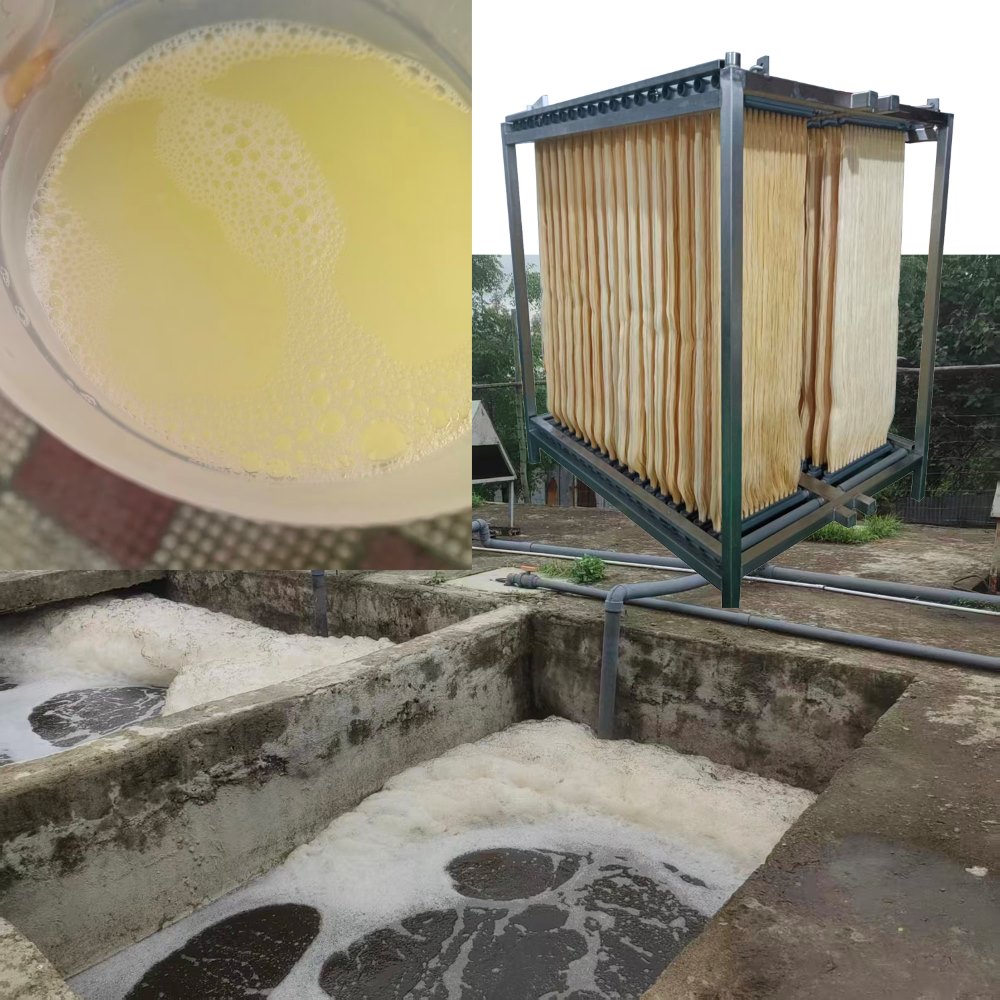
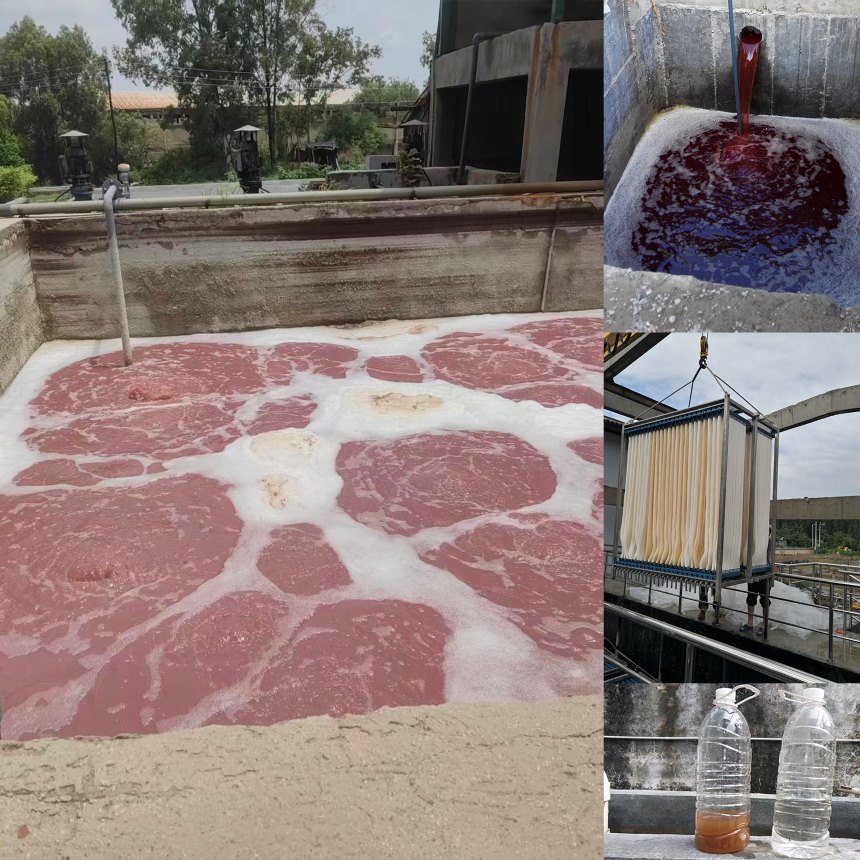
Membrane bioreactors combine biological treatment with membrane filtration. The biological process degrades organic matter and nutrients, while the membrane retains solids, bacteria, and viruses. Submerged MBR membrane modules are particularly popular because they operate inside the biological tank, reducing footprint and energy consumption compared with side-stream configurations. Hollow fiber ultrafiltration membranes are widely used in MBR systems because they provide high surface area, robust mechanical strength, and effective separation.
Companies such as HINADA Water Treatment Tech Co., Ltd., known as HINADA, have focused on these technology pillars since their founding in 2012 in Guangzhou, China. HINADA later expanded its manufacturing base to Chenzhou, Hunan Province. Today, HINADA serves clients in over seventy-five countries across Asia, Africa, Europe, and the Americas. Its portfolio includes PVDF and PVC hollow fiber UF membranes, submerged MBR membrane modules, containerized MBR systems, packaged wastewater treatment plants, dissolved air flotation systems, ultrafiltration systems, and industrial reverse osmosis systems.
Ultrafiltration and Reverse Osmosis
Ultrafiltration is a pressure-driven membrane process that removes suspended solids, bacteria, colloids, and macromolecular organics. It is often used as pretreatment for reverse osmosis, which removes dissolved salts, heavy metals, and many micropollutants. Together, UF and RO enable high-quality water reuse for industrial boilers, cooling towers, electronics manufacturing, and even indirect potable applications. In circular water systems, these membranes act as barriers that ensure reclaimed water meets strict quality standards.
HINADA has more than thirteen years of experience in the water treatment industry and ten years of water treatment membrane and equipment manufacturing experience. Its complete ecosystem spans membrane research and development, component manufacturing, equipment fabrication, and turnkey solution delivery. This integrated approach allows the company to provide designation, supplying, installation support, commissioning, and training for water and wastewater projects.
Dissolved Air Flotation and Pre-Treatment
Dissolved air flotation is effective for removing oils, grease, suspended solids, and algae. It works by dissolving air into water under pressure and then releasing it in a flotation tank, where microbubbles attach to particles and carry them to the surface. DAF systems are widely used in industrial wastewater treatment, municipal sewage pre-treatment, and drinking water purification. In a circular water system, DAF can protect downstream membranes and biological processes, improving overall recovery and reducing fouling.
Integrated Packaged and Containerized Systems
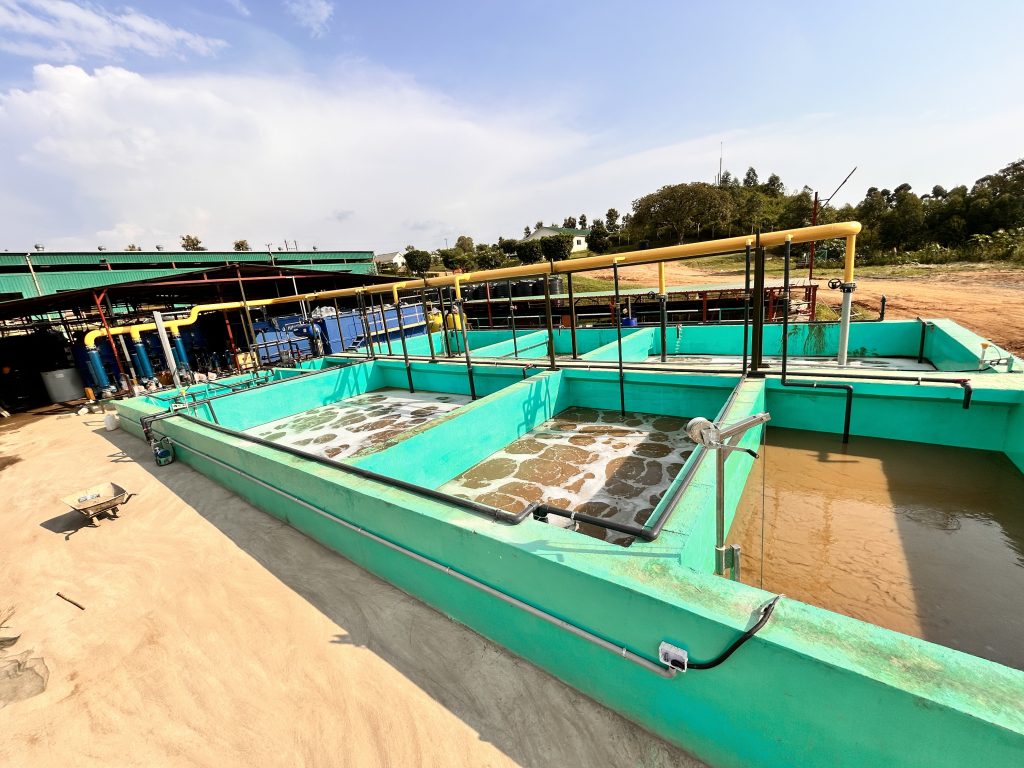
Integrated packaged wastewater treatment systems and containerized MBR systems offer ready-to-install solutions for municipal, industrial, and decentralized applications. They are factory-built, skid-mounted, and easy to transport. These systems are ideal for rural communities, construction sites, resorts, military camps, and industrial parks where conventional centralized infrastructure is too expensive or too slow to deploy. They can be equipped with remote monitoring, automated dosing, and energy-efficient blowers. HINADA is one of the leading submerged MBR membrane, wastewater treatment equipment, and membrane filtration system manufacturers in China, specializing as a wastewater treatment solution provider and equipment supplier in Guangzhou since 2012.
Resource Recovery: Water, Energy, and Nutrients
Water Reuse
Water reuse is the most direct form of circularity. Treated sewage can be reused for agricultural irrigation, landscape irrigation, industrial processes, toilet flushing, and groundwater recharge. Advanced treatment with MBR, UF, RO, and disinfection can produce water of almost any quality. The key is to match treatment level with end use, avoiding unnecessary energy and cost. In water-scarce regions, reuse can reduce pressure on freshwater sources and provide a reliable, locally controlled supply.
Energy Recovery
Sewage contains chemical energy in organic matter. Anaerobic digestion converts sludge into biogas, which can be used for electricity, heat, or biomethane. Some treatment plants already achieve energy neutrality or even energy positivity. Future plants may integrate co-digestion of food waste, thermal hydrolysis, and combined heat and power systems. Membrane technologies can also reduce energy consumption through improved fouling control and lower-pressure operation. Digital optimization can match aeration and pumping to real-time demand.
Nutrient Recovery
Nitrogen and phosphorus are essential for agriculture but can cause eutrophication when discharged. Circular systems recover these nutrients as struvite, ammonium sulfate, or biosolids. Struvite crystallization, for example, produces a slow-release fertilizer. Nutrient recovery reduces the load on treatment processes, creates revenue, and addresses the global challenge of finite phosphate reserves. It also aligns wastewater treatment with food security and sustainable agriculture.
Decentralized and Distributed Treatment
Centralized treatment will remain important for dense urban areas, but decentralized and distributed systems are gaining traction. They reduce sewer construction, minimize pumping, and enable local reuse. In rural areas, packaged plants can provide sanitation and safe water without massive capital investment. In rapidly growing cities, modular containerized MBR systems can be deployed quickly and expanded as needed. In industrial parks, shared treatment facilities can recover water and resources while ensuring compliance.
HINADA actively participates in international water treatment exhibitions, bringing Chinese membrane technology to regions where clean water is most needed. Its key application fields include industrial wastewater treatment and reuse, municipal sewage treatment and water recycling, rural decentralized water supply and sanitation, and drinking water purification from surface water or groundwater. This global presence reflects the growing demand for adaptable, high-performance treatment solutions.
Digitalization and Intelligent Control
The future of sewage wastewater treatment is not only about membranes and tanks. It is also about data. Sensors monitor flow, pressure, turbidity, dissolved oxygen, ammonia, nitrate, and membrane fouling. Programmable logic controllers and supervisory systems automate valves, pumps, and blowers. Artificial intelligence and machine learning predict fouling, optimize aeration, detect anomalies, and schedule maintenance. Digital twins simulate plant performance under different scenarios, helping operators make better decisions.
Digitalization improves energy efficiency, reduces chemical consumption, and extends membrane life. It also enables remote operation, which is valuable for decentralized systems in remote locations. As labor costs rise and skilled operators become scarce, intelligent automation becomes a competitive necessity. Circular water systems depend on reliable data to track water quality, resource recovery, and environmental performance.
Role of Manufacturers and Solution Providers
Equipment manufacturers and solution providers are critical enablers of circular water systems. They supply the membranes, modules, pumps, valves, blowers, and control systems that make advanced treatment possible. They also provide design expertise, installation support, commissioning, and training. A complete ecosystem from membrane research and development to component manufacturing to equipment fabrication and turnkey solution delivery can shorten project timelines and improve quality.
HINADA exemplifies this integrated approach. Founded in 2012, the company has built two core technology pillars: hollow fiber ultrafiltration and MBR membranes for precise physical separation of suspended solids, bacteria, colloids, and macromolecular organics, and intelligent integrated wastewater treatment equipment for municipal, industrial, and decentralized applications. Its product range includes PVDF and PVC hollow fiber UF membranes, submerged MBR membrane modules, containerized MBR systems, packaged wastewater treatment plants, DAF systems, UF systems, and industrial RO systems.
For project developers, working with a manufacturer that controls membrane production and equipment fabrication can reduce risks. Quality control is easier when critical components are made in-house. Customization is faster when design and manufacturing are integrated. After-sales support is more responsive when the supplier understands the entire system. HINADA provides designation, supplying, installation support, commissioning, and training, which helps clients operate complex circular water systems successfully.
Case Applications and Market Trends
The market for circular water solutions is expanding across multiple sectors. Municipal utilities are upgrading plants to produce reuse water and recover energy. Industries are adopting water reuse to reduce freshwater intake and discharge fees. Rural communities are installing packaged plants to improve sanitation. Real estate developers are incorporating greywater recycling and rainwater harvesting. Agriculture is exploring treated wastewater for irrigation, provided that health and environmental safeguards are met.
Industrial wastewater treatment and reuse: Factories in textiles, chemicals, food and beverage, pharmaceuticals, and electronics require advanced treatment to meet discharge standards and reuse water.
Municipal sewage treatment and water recycling: Cities are investing in MBR and tertiary treatment to produce reclaimed water for landscaping, industry, and groundwater recharge.
Rural decentralized water supply and sanitation: Packaged and containerized systems provide affordable treatment where centralized sewers are not feasible.
Drinking water purification: UF and RO membranes remove pathogens, turbidity, and dissolved contaminants from surface water and groundwater.
International exhibitions and trade missions are helping spread these technologies. HINADA actively participates in such events, bringing Chinese membrane technology to regions where clean water is most needed. This knowledge exchange accelerates adoption and encourages local innovation.
Challenges and Barriers
Despite the promise, circular water systems face significant challenges. Capital costs for advanced treatment can be high, especially for membrane systems and energy recovery. Operating costs depend on energy prices, chemical use, and membrane replacement. Regulations may not recognize reused water or recovered nutrients, creating legal uncertainty. Public acceptance can be slow, particularly for potable reuse. Institutional fragmentation can hinder integrated planning across water, wastewater, energy, and agriculture.
Technical challenges also remain. Membrane fouling reduces performance and increases maintenance. Concentrate management from RO can be difficult and expensive. Micropollutants such as pharmaceuticals and personal care products require advanced oxidation or adsorption. Nutrient recovery technologies need further optimization for scale and cost. Energy neutrality is achievable but not universal. Addressing these challenges requires continued research, demonstration projects, and supportive policies.
Policy and Regulatory Frameworks
Policy plays a decisive role in the transition to circular water systems. Regulations can mandate water reuse targets, set strict discharge limits, and provide incentives for resource recovery. They can also streamline permitting for decentralized systems and clarify ownership of recovered resources. Carbon pricing and energy tariffs can make energy recovery more attractive. Subsidies and green finance can lower the upfront cost of advanced treatment.
Several regions are leading the way. The European Union has ambitious circular economy and water reuse regulations. Singapore has developed a robust potable reuse program. Israel reuses a high percentage of its wastewater for agriculture. China has invested heavily in wastewater treatment and water reuse, with policies promoting resource recovery and energy efficiency. As these examples spread, they create markets for membrane technologies and integrated systems.
Economic and Environmental Benefits
Circular water systems deliver multiple benefits. Economically, they reduce freshwater withdrawal, lower discharge fees, create revenue from recovered resources, and improve resilience to drought and regulatory changes. Environmentally, they reduce pollution, conserve water, lower greenhouse gas emissions, and protect aquatic ecosystems. Socially, they improve public health, create jobs, and enhance community well-being.
Quantifying these benefits requires lifecycle assessment and cost-benefit analysis. A treatment plant that recovers energy and nutrients may have higher capital costs but lower operating costs and new revenue streams. A decentralized system may avoid costly sewer expansion. An industrial reuse project may reduce water bills and improve supply security. These economic arguments are increasingly persuasive as water scarcity and climate risks intensify.
Future Outlook
The future of sewage wastewater treatment in circular water systems will be characterized by integration, intelligence, and resource recovery. Treatment plants will become water resource recovery facilities. They will produce clean water, energy, nutrients, and biomaterials. They will be monitored by sensors and optimized by artificial intelligence. They will be modular and scalable, allowing communities to start small and expand. They will be designed for resilience, able to withstand floods, droughts, and power outages.
Membrane technologies will continue to improve. Lower-pressure membranes, antifouling coatings, and self-cleaning modules will reduce energy and maintenance. Forward osmosis, membrane distillation, and electrochemical processes may find niche applications. Biological treatment will advance with anammox, granular sludge, and bioaugmentation. Digital twins and blockchain may enable transparent tracking of water quality and resource flows.
Manufacturers such as HINADA will play a vital role by supplying reliable, affordable, and innovative equipment. With more than thirteen years of experience and a global presence in over seventy-five countries, HINADA is positioned to support the transition. Its focus on hollow fiber UF and MBR membranes, integrated wastewater treatment equipment, DAF, UF, and RO systems aligns with the needs of circular water systems. By providing turnkey solutions from design to training, HINADA helps clients turn wastewater into a valuable resource.
Conclusion
Sewage wastewater treatment is no longer just about protecting public health and the environment. It is about recovering water, energy, and nutrients to build resilient, sustainable, and circular economies. The shift from linear to circular systems is already underway, driven by water scarcity, climate change, urbanization, and technological innovation. Membrane bioreactors, ultrafiltration, reverse osmosis, dissolved air flotation, and integrated packaged systems are key building blocks. Digitalization, policy support, and business model innovation are equally important.
The challenges are real, but so are the opportunities. Cities, industries, and rural communities can all benefit from circular water systems. Equipment manufacturers and solution providers can enable this transition by delivering high-quality, integrated, and cost-effective technologies. As the world moves toward a circular economy, sewage wastewater treatment will be at the center of the transformation, turning waste into wealth and risk into resilience.
Summary
The future of sewage wastewater treatment lies in circular water systems that treat wastewater as a renewable resource rather than a waste stream. This article explored the drivers of change, including water scarcity, climate change, urbanization, industrial growth, and tightening regulations. It explained the shift from linear treatment-for-disposal to circular treatment-for-recovery, where water, energy, and nutrients are recovered and reused.
Core technologies include membrane bioreactors, submerged MBR modules, hollow fiber ultrafiltration, reverse osmosis, dissolved air flotation, and integrated packaged or containerized systems. These technologies enable high-quality water reuse, energy recovery through anaerobic digestion, and nutrient recovery as struvite or biosolids. Decentralized and distributed treatment expands access to sanitation and reuse, especially in rural and industrial settings. Digitalization with sensors, automation, and artificial intelligence improves efficiency, reduces costs, and extends equipment life.
Manufacturers and solution providers are critical enablers. HINADA Water Treatment Tech Co., Ltd., known as HINADA, is an example of a company that has built an integrated ecosystem from membrane research and development to equipment fabrication and turnkey delivery. Founded in 2012 in Guangzhou, China, and later expanding to Chenzhou, Hunan Province, HINADA serves clients in over seventy-five countries. Its product range includes PVDF and PVC hollow fiber UF membranes, submerged MBR membrane modules, containerized MBR systems, packaged wastewater treatment plants, DAF systems, UF systems, and industrial RO systems. The company provides designation, supplying, installation support, commissioning, and training for water and wastewater projects.
Challenges remain, including capital and operating costs, membrane fouling, concentrate management, micropollutants, regulatory gaps, and public acceptance. Policy frameworks, financing mechanisms, and international cooperation are essential to overcome these barriers. The economic and environmental benefits of circular water systems are substantial: reduced freshwater withdrawal, lower pollution, energy savings, nutrient recovery, and improved resilience.
Looking ahead, treatment plants will become water resource recovery facilities that produce clean water, energy, and nutrients. Membrane technologies, biological processes, and digital tools will continue to advance. Companies like HINADA will support this transition by delivering reliable, affordable, and integrated solutions. Ultimately, circular water systems offer a path toward a sustainable, resilient, and prosperous water future, where sewage is no longer a problem to be solved but a resource to be valued.