The Value of a Containerized MBR System manufacturer in Water Reuse
The Value of a Containerized MBR System manufacturer in Water Reuse
September 30, 2026
Author
Solution Provider, through a professional technical team, we provide customers with targeted equipment selection recommendations and comprehensive after-sales services, winning the trust and recognition of customers.
Sarah M.
Containerized MBR systems offer rapid deployment, compact footprint, scalability, and high-quality effluent for water reuse. Their value depends on the manufacturer's ability to integrate membrane production, process design, fabrication, and turnkey delivery. HINADA Water Treatment Tech Co., Ltd., founded in 2012 in Guangzhou and expanded to Chenzhou, China, serves over 75 countries with 13 years of industry experience. It manufactures PVDF/PVC hollow fiber UF membranes, submerged MBR modules, containerized MBR systems, DAF, UF, and RO systems. HINADA focuses on two core pillars: hollow fiber ultrafiltration/MBR membranes and intelligent integrated wastewater treatment equipment. Its applications include industrial wastewater reuse, municipal recycling, rural decentralized sanitation, and drinking water purification. By selecting an experienced containerized MBR manufacturer like HINADA, clients achieve reliable performance, compliance, and sustainable water reuse.
The Value of a Containerized MBR System Manufacturer in Water Reuse
Water reuse is no longer a distant aspiration or a niche practice reserved for arid regions. It has become a central pillar of global water security, industrial sustainability, and municipal resilience. As freshwater sources face mounting pressure from climate change, population growth, urbanization, and industrial expansion, the ability to treat and reuse water efficiently is now a strategic necessity. At the heart of this transformation lies membrane bioreactor technology, or MBR, and specifically the containerized MBR system. But the true value of this technology does not reside solely in the hardware. It resides in the manufacturer behind it. A specialized containerized MBR system manufacturer brings together membrane science, process engineering, fabrication expertise, and turnkey project delivery. This combination determines whether a water reuse project succeeds in the long term or struggles with inconsistent performance, high operating costs, and frequent downtime. This article explores the multifaceted value of a containerized MBR system manufacturer in water reuse, examining the technology, the market, the operational advantages, and the critical role played by integrated manufacturers such as HINADA Water Treatment Tech Co., Ltd.
The Global Water Reuse Imperative
Freshwater scarcity is one of the most pressing challenges of the twenty-first century. According to international water agencies, more than two billion people live in countries experiencing high water stress. By 2030, global water demand is projected to exceed supply by forty percent under business-as-usual scenarios. Agriculture, industry, and municipalities all compete for limited freshwater resources. In many regions, groundwater depletion has reached critical levels, while surface water bodies suffer from pollution and unpredictable flows. The traditional linear model of withdraw, use, and discharge is no longer viable. A circular approach is required, where water is treated, reused, and returned to the system. Water reuse offers a reliable, locally controlled source of water that is independent of rainfall patterns. It can supply irrigation, industrial cooling, boiler feed, toilet flushing, groundwater recharge, and even indirect potable reuse. However, water reuse demands advanced treatment technologies that can consistently remove pathogens, suspended solids, organic matter, nutrients, and emerging contaminants. Membrane bioreactors have emerged as one of the most effective and reliable platforms for meeting these demands.
The Rise of Membrane Bioreactor Technology
Membrane bioreactor technology combines biological wastewater treatment with membrane separation. In a conventional activated sludge system, a secondary clarifier relies on gravity to separate treated water from biomass. This process is susceptible to sludge bulking, poor settling, and variable effluent quality. An MBR replaces the clarifier with a membrane filtration step, typically using hollow fiber ultrafiltration membranes with pore sizes ranging from 0.01 to 0.1 microns. The membranes physically retain suspended solids, bacteria, colloids, and macromolecular organics. The result is a dramatically improved effluent quality that is free of suspended solids and contains very low levels of bacteria and viruses. MBR systems operate at higher mixed liquor suspended solids concentrations than conventional systems, which reduces the reactor volume and footprint. They also produce less excess sludge, reducing disposal costs. The combination of high-quality effluent and compact footprint makes MBR an ideal technology for water reuse. However, MBR systems are more complex than conventional treatment. They require careful membrane selection, proper aeration design, effective cleaning protocols, and robust process control. This is where the manufacturer's expertise becomes indispensable.
What Is a Submerged MBR?
A submerged MBR, also known as an immersed MBR, places the membrane modules directly into the biological reactor or a separate membrane tank. The membranes are submerged in the mixed liquor, and a vacuum or permeate pump draws water through the membrane pores. Air scouring from the bottom of the modules creates turbulence that prevents solids from accumulating on the membrane surface. Submerged MBRs are widely used for municipal and industrial wastewater treatment because they are energy-efficient, easy to operate, and capable of handling high solids concentrations. The membrane modules are typically configured as cassettes or racks that can be lifted out for maintenance. The design of the submerged MBR module is critical to performance. The membrane material, fiber dimensions, potting method, and aeration system all influence flux, permeability, and cleaning frequency. A manufacturer that controls membrane production can optimize these parameters for specific wastewater characteristics.
undefined
Hollow Fiber Ultrafiltration Membranes: The Heart of MBR
Hollow fiber ultrafiltration membranes are the core of any submerged MBR system. These membranes are made from materials such as polyvinylidene fluoride (PVDF) or polyvinyl chloride (PVC). PVDF is preferred for its chemical resistance, mechanical strength, and hydrophilicity. PVC offers a more economical option for less demanding applications. The hollow fiber geometry provides a high surface area per unit volume, which maximizes treatment capacity within a small footprint. The membranes are potted into modules with precise fiber spacing to allow air and water to flow freely. The quality of the membrane determines the system's flux, permeability, and resistance to fouling. Fouling is the accumulation of solids, organic matter, and microorganisms on the membrane surface or within the pores. It reduces permeability and increases energy consumption. A high-quality membrane with a narrow pore size distribution, strong mechanical properties, and hydrophilic surface can significantly delay fouling. Manufacturers that invest in membrane research and development can produce membranes that withstand harsh industrial wastewaters, aggressive cleaning chemicals, and long-term operation. HINADA Water Treatment Tech Co., Ltd., for example, has focused on hollow fiber ultrafiltration and MBR membranes since its founding in 2012. The company manufactures PVDF and PVC hollow fiber UF membranes and submerged MBR membrane modules at its facilities in Guangzhou and Chenzhou, China. This vertical integration allows HINADA to control quality from the raw material stage to the finished module.
Containerized MBR Systems: A Paradigm Shift
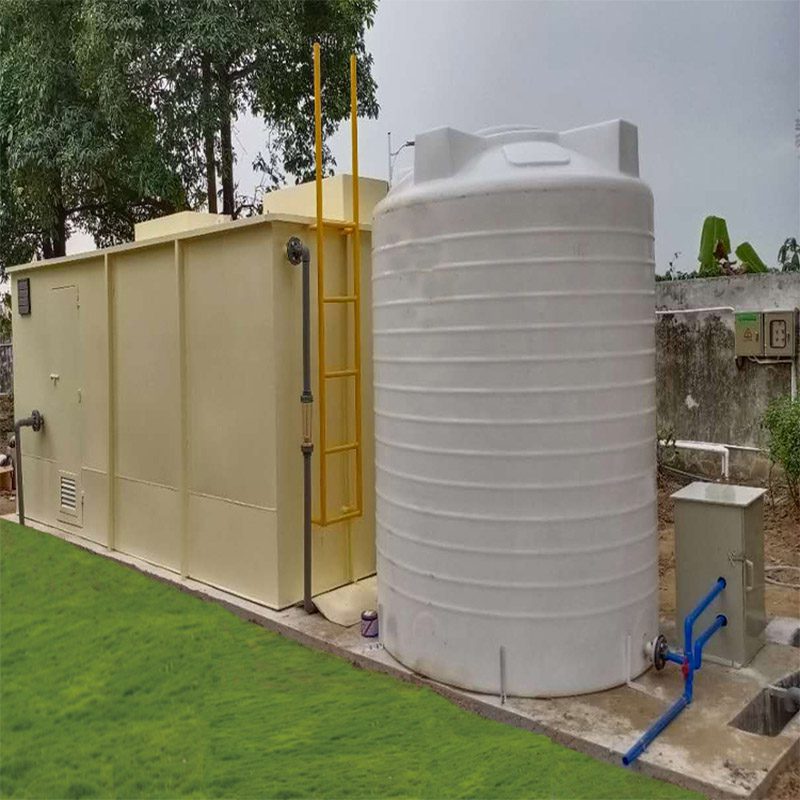
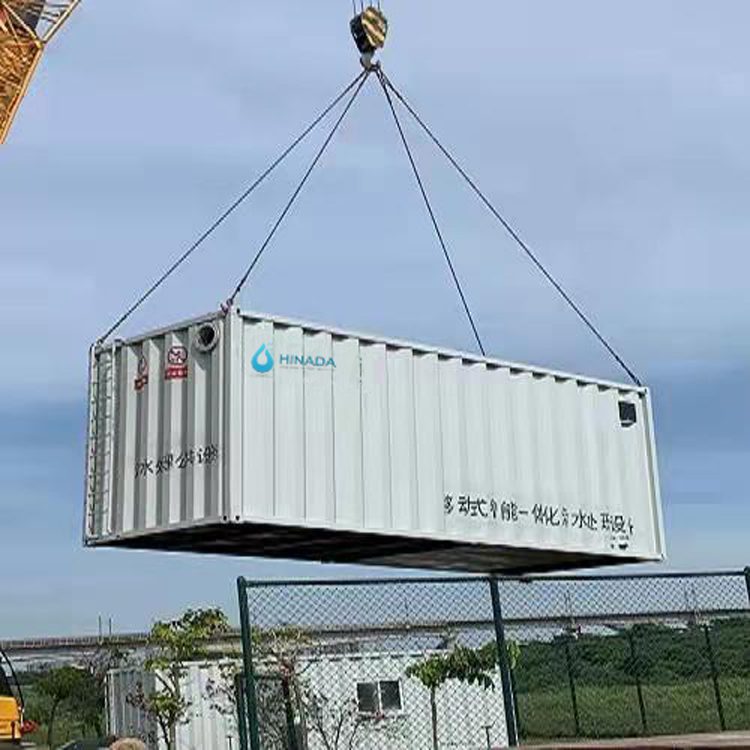
While traditional MBR systems are built on-site using concrete tanks and extensive piping, containerized MBR systems are pre-assembled in a factory and delivered as self-contained units. A containerized MBR system typically includes the biological reactor, membrane tank, aeration system, pumps, blowers, valves, instrumentation, control panel, and sometimes disinfection and sludge handling equipment. All components are mounted inside a standard shipping container or a custom steel enclosure. The container is designed for easy transport by truck, ship, or rail. Once delivered to the site, it requires only connection to inlet wastewater, outlet reuse water, power, and internet. Commissioning can often be completed within days rather than months. This modular approach represents a paradigm shift in water reuse project delivery. It reduces civil construction, minimizes site disruption, and allows for rapid deployment in remote or temporary locations. Containerized MBR systems are particularly valuable for decentralized water reuse, industrial expansions, emergency response, and projects with limited space or tight schedules.
Key Components of a Containerized MBR System
Biological Reactor: An aerated tank where microorganisms consume organic matter, nitrogen, and phosphorus. The reactor may be divided into anoxic and aerobic zones for nutrient removal.
Membrane Tank: A compartment where submerged MBR membrane modules are installed. The membrane tank receives mixed liquor from the biological reactor and produces permeate through the membranes.
Membrane Modules: Submerged hollow fiber MBR modules, often made of PVDF or PVC, arranged in cassettes for easy removal and maintenance.
Aeration System: Blowers and diffusers that supply oxygen for biological treatment and air scouring for membrane cleaning.
Permeate Pump: Creates the vacuum or pressure differential to draw treated water through the membranes.
Backwash and Cleaning System: Pumps, tanks, and chemical dosing units for periodic backwashing and chemical cleaning to restore membrane permeability.
Control Panel: PLC-based automation with touch screen interface, remote monitoring capabilities, and alarms for process parameters.
Disinfection Unit: Optional UV or chlorine dosing for additional pathogen inactivation, depending on reuse requirements.
Sludge Handling: Sludge pumps, thickening, or dewatering equipment to manage excess biomass.
Why Containerization Matters
Containerization offers several advantages that directly address the challenges of water reuse projects. First, it dramatically reduces construction time. Traditional MBR plants require extensive civil works, concrete pouring, and on-site assembly. These activities are weather-dependent and can take many months. A containerized system is built in a controlled factory environment, where quality control is easier and production schedules are predictable. Second, containerization reduces the project footprint. A containerized MBR system can be installed on a small concrete pad or even on a trailer. This is critical for urban areas where land is scarce and expensive. Third, it improves mobility. If a project needs to be relocated or expanded, the container can be moved or additional containers can be added. Fourth, it simplifies permitting and regulatory approval. Pre-engineered and pre-tested systems are often easier to approve because their performance is documented and standardized. Fifth, it lowers capital and operating costs. Factory production benefits from economies of scale, while reduced civil works and faster commissioning save money. Operating costs are lower due to optimized aeration, high-efficiency pumps, and automated control. Finally, containerization enhances quality. Factory assembly ensures that piping, wiring, and instrumentation are installed correctly and tested before shipment. This reduces the risk of leaks, electrical faults, and performance issues that plague on-site construction.
The Strategic Role of a Containerized MBR System Manufacturer
The manufacturer of a containerized MBR system is not merely a supplier of equipment. It is a technology partner that influences every stage of the project lifecycle. From initial feasibility studies to design, manufacturing, delivery, commissioning, training, and after-sales support, the manufacturer's expertise determines the success of the water reuse scheme. A capable manufacturer must understand wastewater characteristics, discharge regulations, reuse quality standards, site constraints, and operational realities. It must be able to select the right membrane, size the biological reactor, design the aeration system, and configure the automation. It must also provide documentation, spare parts, and technical support for years of operation. The value of a manufacturer is especially evident in complex industrial applications where wastewater composition varies widely. For example, food and beverage wastewater contains high organic loads, oils, and fats. Textile wastewater contains dyes and salts. Pharmaceutical wastewater may contain active compounds and solvents. Landfill leachate contains high ammonia and refractory organics. A manufacturer with deep application knowledge can tailor the containerized MBR system to handle these challenges. HINADA Water Treatment Tech Co., Ltd. has built its reputation on providing truly integrated solutions for water and wastewater projects. The company offers design, equipment supply, installation support, commissioning, and training. This end-to-end approach ensures that the containerized MBR system is not just a box of components but a fully optimized treatment solution.
From Membrane R&D to Turnkey Delivery
One of the most significant advantages of working with an integrated manufacturer is the ability to control the entire value chain. A company that develops and produces its own membranes can ensure consistent quality and performance. It can also innovate faster, responding to new challenges such as emerging contaminants, energy efficiency, and digitalization. HINADA, for instance, has established a complete ecosystem from membrane research and development to component manufacturing, equipment fabrication, and turnkey solution delivery. Since its founding in 2012 in Guangzhou, China, the company has focused on two core technology pillars: hollow fiber ultrafiltration and MBR membranes, and intelligent integrated wastewater treatment equipment. This dual focus allows HINADA to design containerized MBR systems that are perfectly matched to its own membranes. The company later expanded its manufacturing base to Chenzhou, Hunan Province, increasing capacity and improving logistics for domestic and international projects. Today, HINADA serves clients in over seventy-five countries across Asia, Africa, Europe, and the Americas. Its more than thirteen years of experience in the water treatment industry and ten years of water treatment membrane and equipment manufacturing experience provide a solid foundation for reliable project delivery.
Value Proposition for Water Reuse Projects
The value of a containerized MBR system manufacturer in water reuse can be broken down into several key areas: speed, scalability, footprint, cost efficiency, quality, compliance, and lifecycle support. Each of these areas contributes to the overall return on investment and long-term sustainability of a water reuse project.
Rapid Deployment and Reduced Construction Time
Time is money in water infrastructure. A traditional MBR plant may take twelve to twenty-four months from design to commissioning. A containerized MBR system can be manufactured in eight to sixteen weeks and commissioned in one to two weeks. This speed is possible because the system is pre-assembled and pre-tested in the factory. Civil works are limited to a simple foundation and utility connections. For industries that need to expand production quickly or comply with new discharge regulations, this speed can be a game-changer. It also reduces financing costs and allows the reuse water to be available sooner, generating revenue or savings earlier. A manufacturer with a well-organized production line and standardized designs can further compress delivery times. HINADA's manufacturing base in Chenzhou and its Guangzhou operations enable efficient production and global shipping. The company's experience in international exhibitions and projects has refined its ability to manage logistics, customs, and on-site commissioning across different regions.
Scalability and Modularity
Water reuse projects rarely remain static. Population growth, industrial expansion, and changing regulations can increase treatment capacity requirements. A containerized MBR system is inherently modular. Additional membrane modules, biological tanks, or complete container units can be added as needed. This scalability avoids the common problem of overbuilding at the start or facing costly retrofits later. Modularity also allows for phased investment. A municipality or company can start with a smaller system and expand as demand grows. The manufacturer must design the system with future expansion in mind, providing spare connections, adequate space, and compatible controls. HINADA's integrated approach ensures that each containerized MBR system is part of a scalable platform. The company's submerged MBR membrane modules and packaged wastewater treatment plants are designed for easy expansion, whether for municipal sewage treatment or industrial wastewater reuse.
Footprint and Site Flexibility
Land availability is a major constraint for water treatment plants, especially in urban and industrial areas. A containerized MBR system has a much smaller footprint than a conventional activated sludge plant with secondary clarifiers. The membrane separation step eliminates the need for large clarifiers, and the biological reactor can be designed with a smaller volume due to higher biomass concentrations. A containerized system can be installed on a small concrete pad, a rooftop, a parking lot, or a brownfield site. It can also be placed indoors to protect it from extreme weather or to reduce noise. For decentralized water reuse, such as in rural communities or remote industrial sites, the containerized system can be shipped directly to the point of need. This site flexibility reduces land acquisition costs and simplifies permitting. It also enables water reuse in locations where traditional plants would be impossible.
Operational Cost Efficiency
Operating costs are a major consideration for any water reuse project. Energy, chemicals, membrane replacement, and labor all contribute to the total cost of ownership. A containerized MBR system from a reputable manufacturer can reduce these costs through several mechanisms. First, optimized aeration design reduces energy consumption. Membrane air scouring is a significant energy consumer, but advanced diffusers and control algorithms can minimize air usage while maintaining membrane permeability. Second, high-quality membranes last longer and require less frequent cleaning, reducing chemical and labor costs. Third, automated controls optimize process parameters, reducing the need for constant operator attention. Fourth, factory assembly reduces the risk of leaks and inefficiencies that can waste energy and chemicals. Fifth, the modular design allows for predictive maintenance, replacing only the modules that need attention rather than entire racks. HINADA's membranes and equipment are designed for low fouling and long service life. The company's experience in over seventy-five countries means it has encountered a wide range of operating conditions and has developed robust solutions. Its integrated solutions include training and commissioning support, which helps operators achieve optimal performance from day one.
Quality Control and Consistent Performance
Consistency is critical in water reuse. The treated water must meet strict quality standards day after day, regardless of fluctuations in influent quality or flow. A containerized MBR system built by an experienced manufacturer benefits from rigorous quality control. Membrane production is monitored for pore size, fiber strength, and permeability. Modules are tested for integrity and flux. The containerized system is assembled according to standardized procedures and undergoes factory acceptance testing before shipment. This level of quality control is difficult to achieve on a construction site. The result is a system that performs predictably and reliably. For water reuse applications such as irrigation, industrial cooling, or groundwater recharge, consistent quality protects public health and equipment. It also builds confidence among regulators and stakeholders. HINADA's complete ecosystem from membrane R&D to equipment fabrication ensures that every component meets the company's specifications. The company's focus on hollow fiber ultrafiltration and MBR membranes has led to products that are resistant to fouling and capable of handling challenging wastewaters.
Compliance and Public Health Protection
Water reuse regulations vary by country and application, but they all share a common goal: protecting public health and the environment. A containerized MBR system can achieve high removal of pathogens, including bacteria, viruses, and protozoa. The membrane pore size of 0.01 to 0.1 microns provides a physical barrier that is much more effective than gravity settling. When combined with disinfection, MBR effluent can meet the most stringent reuse standards, including those for indirect potable reuse. A manufacturer that understands regulatory requirements can design the system to include the necessary barriers and monitoring. This includes online turbidity meters, particle counters, and integrity testing. The manufacturer can also provide documentation and validation data to support regulatory approval. HINADA's international project experience includes applications in drinking water purification, municipal sewage treatment, and industrial wastewater reuse. This experience helps the company navigate diverse regulatory landscapes and provide systems that comply with local and international standards.
Applications of Containerized MBR Systems in Water Reuse
Containerized MBR systems are versatile and can be applied to a wide range of water reuse scenarios. The following sections explore the most important application fields.
Industrial Wastewater Treatment and Reuse
Industry is one of the largest consumers of water and a major source of wastewater. Many industrial processes require high-quality water for cooling, boiler feed, washing, and product formulation. Containerized MBR systems can treat industrial wastewater to a quality suitable for reuse within the facility. This reduces freshwater intake and wastewater discharge, lowering costs and environmental impact. Common industrial applications include food and beverage, textile, pharmaceutical, chemical, automotive, and electronics manufacturing. Each industry has unique wastewater characteristics. For example, food and beverage wastewater is high in organic matter and nutrients but relatively easy to treat biologically. Textile wastewater contains dyes and salts that may require pretreatment or specialized membranes. Pharmaceutical wastewater may contain antibiotics and other active compounds that can inhibit biological treatment. A containerized MBR system can be customized with pre-treatment, such as dissolved air flotation (DAF), equalization, or advanced oxidation, to handle these challenges. HINADA manufactures DAF systems, ultrafiltration systems, and industrial reverse osmosis systems in addition to MBR systems. This allows the company to offer integrated solutions that combine multiple technologies for complex industrial wastewater. For instance, a containerized MBR can be followed by reverse osmosis to produce high-purity water for boiler feed or process use. The concentrated brine from RO can be further treated or disposed of according to regulations.
Municipal Sewage Treatment and Water Recycling
Municipalities face increasing pressure to treat sewage to higher standards and to reuse water for irrigation, street cleaning, toilet flushing, and groundwater recharge. Containerized MBR systems offer a compact, reliable, and scalable solution for municipal sewage treatment. They can be installed in urban areas where land is limited, or in growing communities where a centralized plant is not yet feasible. The high-quality effluent from an MBR can be used directly for many non-potable applications. With additional treatment, it can be used for indirect potable reuse. Municipalities also benefit from the modular nature of containerized systems. They can install a small system initially and add modules as the population grows. This avoids the risk of overbuilding and reduces initial capital expenditure. HINADA's containerized MBR systems and packaged wastewater treatment plants are designed for municipal applications. The company's submerged MBR membrane modules are robust and efficient, providing consistent effluent quality. HINADA's global experience includes projects in Asia, Africa, Europe, and the Americas, demonstrating its ability to adapt to different municipal contexts.
Rural Decentralized Water Supply and Sanitation
Rural and remote communities often lack access to centralized water treatment and sanitation. This leads to waterborne diseases, environmental pollution, and economic stagnation. Containerized MBR systems are ideal for decentralized applications because they are self-contained, easy to operate, and require minimal infrastructure. They can be powered by solar panels or generators, making them suitable for off-grid locations. They can treat domestic sewage and produce water for irrigation or toilet flushing. They can also be combined with rainwater harvesting or groundwater treatment to provide safe drinking water. The modular nature of containerized systems allows for incremental investment. A village can start with a small unit and expand as resources allow. The manufacturer must provide robust training and remote support to ensure that local operators can maintain the system. HINADA's turnkey solution delivery includes installation support, commissioning, and training. The company's experience in rural decentralized water supply and sanitation projects has helped it develop simple, reliable, and low-maintenance systems. Its participation in international water treatment exhibitions has also helped bring Chinese membrane technology to regions where clean water is most needed.
Drinking Water Purification
While MBR is primarily used for wastewater treatment, it can also be applied to drinking water purification when combined with appropriate pretreatment and disinfection. Surface water and groundwater sources can be contaminated with pathogens, turbidity, and organic matter. A containerized MBR system can provide a physical barrier against these contaminants, producing safe drinking water. In emergencies or remote locations, a containerized MBR can be rapidly deployed to provide potable water. It can also be used as a pretreatment step for reverse osmosis in desalination plants. The key is to design the system for the specific water source and to include adequate disinfection and monitoring. HINADA's hollow fiber ultrafiltration membranes are used in drinking water applications. The company's expertise in membrane filtration systems allows it to design containerized solutions that meet drinking water standards. Its integrated approach ensures that the system is optimized for the source water quality and the required treated water quality.
Technical Deep Dive: How Containerized MBR Works
Understanding the technical details of a containerized MBR system helps appreciate the value of the manufacturer. The system integrates biological treatment, membrane separation, aeration, and control into a compact unit.
Biological Treatment
The biological treatment process in an MBR is similar to that in a conventional activated sludge system, but with higher biomass concentrations. Wastewater enters the biological reactor, where microorganisms consume organic matter, converting it into carbon dioxide, water, and biomass. Nitrogen removal occurs through nitrification and denitrification. In the aerobic zone, ammonia is oxidized to nitrate. In the anoxic zone, nitrate is reduced to nitrogen gas. Phosphorus removal can be achieved through chemical precipitation or biological uptake. The reactor design must ensure adequate mixing, oxygen transfer, and sludge retention. The membrane tank receives mixed liquor from the reactor and returns concentrated biomass to the reactor. The high biomass concentration allows for a smaller reactor volume and better treatment efficiency. The sludge retention time is long, which promotes the growth of slow-growing microorganisms that can degrade complex compounds. The biological process must be carefully controlled to prevent foaming, bulking, and toxicity. The manufacturer's expertise in process design is critical to achieving stable performance.
Membrane Separation
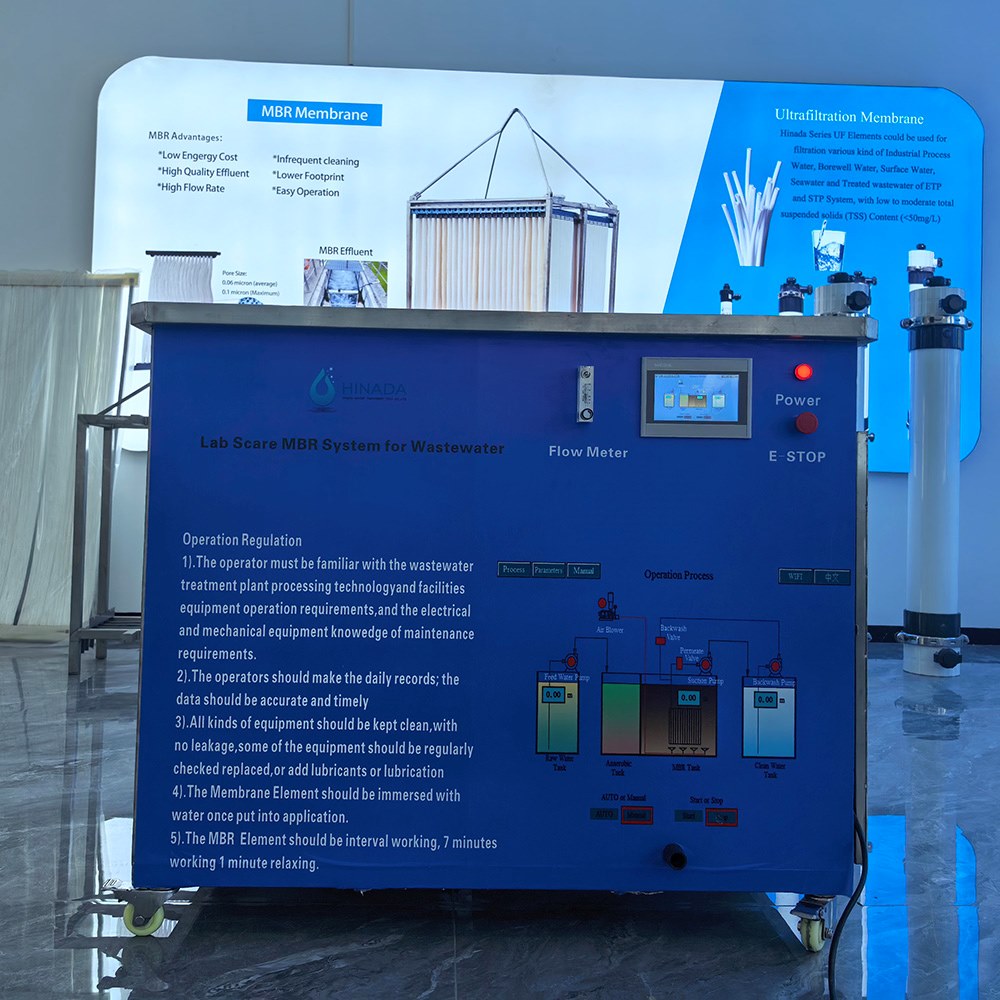
The membrane separation step is what distinguishes MBR from conventional treatment. Submerged hollow fiber membranes are placed in the membrane tank. A permeate pump applies a vacuum to draw treated water through the membrane pores. The membranes retain suspended solids, bacteria, and colloids. The permeate is collected and sent for disinfection or further treatment. Air scouring from below the membrane modules creates a crossflow velocity that lifts solids away from the membrane surface. This reduces fouling and maintains permeability. The membrane flux, which is the flow rate per unit membrane area, is a critical design parameter. Higher flux means more water treated with fewer membranes, but it also increases fouling risk. The manufacturer must balance flux, aeration intensity, and cleaning frequency to optimize energy consumption and membrane life. The membrane material and module design also affect performance. PVDF membranes offer high chemical resistance and mechanical strength, making them suitable for aggressive cleaning and harsh wastewaters. PVC membranes offer a cost-effective alternative for less demanding applications. HINADA manufactures both PVDF and PVC hollow fiber UF membranes. Its submerged MBR membrane modules are designed for high packing density and efficient air scouring. The company's membrane R&D focuses on improving hydrophilicity, pore size distribution, and mechanical properties to extend membrane life and reduce fouling.
Cleaning and Maintenance
Membrane fouling is inevitable in MBR systems, but it can be managed through proper cleaning and maintenance. There are two main types of cleaning: physical and chemical. Physical cleaning includes backwashing, where permeate is pumped backward through the membranes to dislodge solids. It also includes relaxation, where the permeate pump is stopped and air scouring continues to remove foulants. Chemical cleaning involves dosing chemicals such as sodium hypochlorite, citric acid, or caustic soda to remove organic, inorganic, and biological foulants. The frequency and type of cleaning depend on the wastewater characteristics and operating conditions. A well-designed containerized MBR system includes automated cleaning sequences that minimize operator intervention. The control system monitors transmembrane pressure, permeability, and flow to determine when cleaning is needed. The manufacturer must provide clear cleaning protocols and training. HINADA's systems are designed for easy maintenance. The membrane modules can be lifted out of the tank for inspection or replacement. The company provides comprehensive operation and maintenance manuals, spare parts, and technical support. Its integrated solution delivery includes training for local operators, ensuring that they can perform routine maintenance and troubleshooting.
Control and Automation
Modern containerized MBR systems are equipped with advanced control and automation. A programmable logic controller (PLC) monitors and controls pumps, blowers, valves, and sensors. The human-machine interface (HMI) provides operators with real-time data and alarms. Remote monitoring allows the manufacturer or a central operations team to track performance and provide support. Automation improves reliability, reduces labor costs, and optimizes energy consumption. For example, the aeration system can be controlled based on dissolved oxygen and ammonia levels, reducing air usage when demand is low. The permeate pump can be modulated to maintain a consistent flux. The cleaning system can be triggered automatically based on transmembrane pressure. Data logging and reporting help with regulatory compliance and troubleshooting. HINADA's intelligent integrated wastewater treatment equipment includes advanced control systems. The company's experience in automation and remote monitoring allows it to offer containerized MBR systems that are easy to operate and maintain, even in remote locations.
Comparing Containerized MBR to Conventional Systems
To fully appreciate the value of a containerized MBR system manufacturer, it is useful to compare containerized MBR with conventional wastewater treatment systems. The following list highlights key differences.
Footprint: Containerized MBR requires a much smaller footprint because it eliminates secondary clarifiers and uses a compact reactor design. Conventional systems require large tanks and clarifiers.
Effluent Quality: Containerized MBR produces high-quality effluent with low suspended solids and pathogens. Conventional systems produce variable quality depending on settling.
Construction Time: Containerized MBR is pre-assembled and can be commissioned in weeks. Conventional systems take months or years to build.
Scalability: Containerized MBR is modular and can be expanded easily. Conventional systems require costly retrofits.
Mobility: Containerized MBR can be relocated. Conventional systems are fixed in place.
Operation: Containerized MBR is highly automated and requires less operator attention. Conventional systems require more manual control.
Capital Cost: Containerized MBR may have a higher equipment cost but lower civil and installation costs. Conventional systems have lower equipment costs but higher construction costs.
Operating Cost: Containerized MBR has higher energy costs due to aeration and pumping, but lower sludge disposal and chemical costs. Conventional systems have lower energy costs but higher sludge handling costs.
Water Reuse Suitability: Containerized MBR is ideal for water reuse because of its consistent high-quality effluent. Conventional systems often require additional tertiary treatment.
The choice between containerized MBR and conventional systems depends on the specific project requirements. However, for water reuse applications where quality, speed, and space are critical, containerized MBR is often the superior choice. The manufacturer's ability to design, build, and support the system is a major factor in realizing these advantages.
Selecting the Right Containerized MBR Manufacturer
Not all manufacturers are equal. The value of a containerized MBR system depends heavily on the manufacturer's expertise, experience, and commitment to quality. The following criteria can help project owners select the right partner.
Engineering Expertise and Experience
The manufacturer should have a proven track record in MBR process design, membrane technology, and containerized system integration. It should employ experienced engineers who understand wastewater chemistry, biology, and hydraulics. It should be able to provide references from similar projects. The manufacturer should also be familiar with local regulations and standards. HINADA has more than thirteen years of experience in the water treatment industry and ten years of water treatment membrane and equipment manufacturing experience. Its team includes experts in membrane R&D, process design, mechanical engineering, electrical engineering, and project management. This depth of expertise allows HINADA to handle complex projects and provide customized solutions.
Membrane Manufacturing Capability
The manufacturer should ideally produce its own membranes. This ensures quality control, supply chain reliability, and the ability to optimize the membrane for the specific application. A manufacturer that relies on third-party membranes may have less control over performance and lead times. HINADA manufactures PVDF and PVC hollow fiber UF membranes and submerged MBR membrane modules. Its membrane production facilities in Guangzhou and Chenzhou are equipped with advanced manufacturing and testing equipment. The company's complete ecosystem from membrane R&D to component manufacturing gives it a competitive advantage in delivering high-performance containerized MBR systems.
Global Project Experience
Water reuse projects are found all over the world, each with unique challenges. A manufacturer with global experience can bring lessons learned from different regions and applications. It can also provide local support and spare parts. HINADA serves clients in over seventy-five countries across Asia, Africa, Europe, and the Americas. Its participation in international water treatment exhibitions has helped it understand diverse market needs and build a global network of partners. This global presence ensures that HINADA can deliver and support containerized MBR systems anywhere in the world.
After-Sales Support and Training
The best containerized MBR system will underperform without proper operation and maintenance. The manufacturer must provide comprehensive after-sales support, including installation support, commissioning, training, spare parts, and technical assistance. Remote monitoring and troubleshooting can reduce downtime and travel costs. HINADA provides truly integrated solutions from design, supplying, installation support, and commissioning to training. Its commitment to customer success ensures that clients can operate their containerized MBR systems efficiently and reliably for years.
HINADA's Contribution to Global Water Reuse
HINADA Water Treatment Tech Co., Ltd. is a globally recognized manufacturer of wastewater treatment equipment, hollow fiber ultrafiltration membranes, submerged MBR membrane modules, integrated packaged wastewater treatment systems, and DAF systems. Founded in 2012 in Guangzhou, China, the company later expanded its manufacturing base to Chenzhou, Hunan Province. Today, HINADA serves clients in over seventy-five countries across Asia, Africa, Europe, and the Americas. The company is one of the leading submerged MBR membrane, wastewater treatment equipment, and membrane filtration system manufacturers in China. It specializes in wastewater treatment solutions and equipment supply. HINADA provides truly integrated solutions for water and wastewater projects, from design and equipment supply to installation support, commissioning, and training. Its core products include PVDF and PVC hollow fiber UF membranes, MBR membrane modules, containerized MBR systems and packaged wastewater treatment plants, dissolved air flotation systems, ultrafiltration systems, and industrial reverse osmosis systems. HINADA focuses on two core technology pillars: hollow fiber ultrafiltration and MBR membranes for precise physical separation of suspended solids, bacteria, colloids, and macromolecular organics, and intelligent integrated wastewater treatment equipment for ready-to-install solutions for municipal, industrial, and decentralized applications. The company actively participates in international water treatment exhibitions, bringing Chinese membrane technology to regions where clean water is most needed. Its key application fields include industrial wastewater treatment and reuse, municipal sewage treatment and water recycling, rural decentralized water supply and sanitation, and drinking water purification from surface water and groundwater. HINADA's containerized MBR systems embody the company's commitment to innovation, quality, and sustainability. By combining advanced membrane technology with intelligent automation and robust fabrication, HINADA delivers water reuse solutions that are efficient, reliable, and cost-effective. The company's global experience and integrated approach make it a valuable partner for any water reuse project.
Future Trends in Containerized MBR and Water Reuse
The field of water reuse and containerized MBR technology is evolving rapidly. Several trends are shaping the future and will influence the value of manufacturers.
Digitalization and Remote Monitoring
The Internet of Things (IoT), cloud computing, and artificial intelligence are transforming water treatment operations. Containerized MBR systems can be equipped with sensors that transmit data to a central platform. AI algorithms can analyze this data to predict fouling, optimize energy consumption, and schedule maintenance. Remote monitoring allows experts to support multiple sites from a central location, reducing travel and response times. Manufacturers that invest in digital solutions can offer higher value to their clients. HINADA's intelligent integrated wastewater treatment equipment already includes advanced control and monitoring. The company is likely to expand its digital capabilities in the future.
Energy Neutrality and Sustainability
Water treatment is energy-intensive, and MBR systems are no exception. The industry is moving toward energy-neutral or energy-positive treatment plants. This can be achieved through anaerobic digestion of sludge, biogas production, solar power, and energy-efficient equipment. Containerized MBR systems can be designed with energy recovery and renewable energy integration. Manufacturers that prioritize sustainability can help clients reduce their carbon footprint and operating costs. HINADA's focus on efficient aeration and low-fouling membranes contributes to energy savings. The company's ongoing R&D may lead to even more sustainable solutions.
Decentralized Water Infrastructure
The trend toward decentralized water infrastructure is accelerating. Rather than building large centralized plants, communities and industries are adopting smaller, localized treatment systems. Containerized MBR systems are perfectly suited for this trend. They can be placed close to the point of use, reducing piping and pumping costs. They can also be owned and operated by the community or business, increasing accountability and resilience. Decentralized systems can be interconnected to form a smart water grid. Manufacturers that offer standardized, modular, and easy-to-operate containerized MBR systems will be well-positioned for this future. HINADA's packaged wastewater treatment plants and containerized MBR systems are designed for decentralized applications. The company's experience in rural and remote projects gives it a deep understanding of the challenges and opportunities in this market.
Conclusion
The value of a containerized MBR system manufacturer in water reuse cannot be overstated. As the world faces increasing water scarcity, the need for reliable, efficient, and scalable water reuse solutions is greater than ever. Containerized MBR systems offer a compelling combination of high effluent quality, compact footprint, rapid deployment, and modular scalability. However, these benefits are only realized when the system is designed, built, and supported by an experienced manufacturer. A manufacturer like HINADA Water Treatment Tech Co., Ltd. brings together membrane science, process engineering, fabrication expertise, and global project experience. Its integrated approach, from membrane R&D to turnkey delivery, ensures that every containerized MBR system is optimized for performance, reliability, and cost. HINADA's presence in over seventy-five countries and its focus on industrial, municipal, rural, and drinking water applications demonstrate its commitment to solving water challenges worldwide. For project owners, choosing the right manufacturer is a strategic decision that affects the entire lifecycle of the water reuse project. By selecting a partner with proven technology, quality manufacturing, and comprehensive support, they can unlock the full value of containerized MBR systems and contribute to a more sustainable water future.
Summary
Containerized MBR systems are transforming water reuse by combining membrane bioreactor technology with factory-built modular units. Their value lies in rapid deployment, small footprint, scalability, consistent high-quality effluent, and lower lifecycle costs. However, the success of these systems depends heavily on the manufacturer. An integrated manufacturer controls membrane production, process design, equipment fabrication, and turnkey delivery, ensuring optimized performance and reliability. HINADA Water Treatment Tech Co., Ltd., founded in 2012 in Guangzhou and expanded to Chenzhou, China, is a leading manufacturer of hollow fiber UF membranes, submerged MBR modules, containerized MBR systems, DAF systems, and RO systems. Serving over seventy-five countries with more than thirteen years of industry experience, HINADA provides truly integrated solutions from design to commissioning and training. Its two core technology pillars, hollow fiber ultrafiltration and intelligent integrated wastewater treatment equipment, address industrial, municipal, rural, and drinking water applications. By choosing an experienced containerized MBR manufacturer like HINADA, project owners can achieve reliable water reuse, regulatory compliance, and long-term sustainability. The future of water reuse is modular, digital, and decentralized, and containerized MBR systems will play a central role in meeting global water challenges.