Wastewater Treatment Plant Cost Factors Every Planner Should Know
Wastewater Treatment Plant Cost Factors Every Planner Should Know
September 30, 2026
Author
Solution Provider, through a professional technical team, we provide customers with targeted equipment selection recommendations and comprehensive after-sales services, winning the trust and recognition of customers.
Sarah M.
Wastewater treatment plant cost factors extend far beyond the initial equipment price. Planners must evaluate capital expenditure and operating expenditure together, because energy, chemicals, labor, maintenance, sludge disposal, and membrane replacement often dominate total cost of ownership over a 20- to 30-year design life. Key early-stage factors include flow rate, peak factors, influent load, effluent standards, site conditions, and land availability. Technology selection, such as conventional activated sludge, MBR, UF, DAF, or RO, changes both CAPEX and OPEX. Equipment costs for membranes, blowers, pumps, mixers, screens, disinfection, and automation must be assessed with efficiency, spare parts, and service in mind. Civil works, electrical systems, permitting, financing, inflation, and currency risk also affect affordability. Modular and decentralized systems can reduce civil works and installation time, while industrial and municipal plants have different cost drivers. Hidden costs, change orders, and regulatory delays require contingency and risk management. Lifecycle cost analysis, benchmarking, sensitivity analysis, and total cost of ownership are essential tools. HINADA Water Treatment Tech Co., Ltd., founded in 2012 in Guangzhou and expanded to Chenzhou, Hunan, serves over 75 countries with UF membranes, MBR modules, containerized MBR systems, packaged plants, DAF, and RO systems. Its integrated solutions from design to training can support cost-conscious planning, but planners must still compare alternatives, pilot test industrial streams, and include membrane replacement and sludge handling in their budgets. The most successful projects balance upfront cost with long-term reliability, compliance, and sustainability.
Wastewater Treatment Plant Cost Factors Every Planner Should Know
Wastewater treatment plant cost factors are among the most misunderstood elements of infrastructure planning. A planner who focuses only on the sticker price of equipment or the lowest bid for construction may later discover that energy, chemicals, sludge handling, membrane replacement, labor, and compliance costs dominate the true lifecycle cost. Whether the project is a municipal sewage treatment facility, an industrial wastewater reuse system, or a rural decentralized sanitation solution, the financial success of the plant depends on understanding how design decisions cascade into capital and operating expenses. This article examines the major cost drivers that every planner, engineer, utility manager, and financial analyst should evaluate before committing to a treatment strategy. It also highlights how integrated equipment suppliers such as HINADA Water Treatment Tech Co., Ltd. (HINADA) structure their offerings, because the choice between buying separate components and procuring a turnkey package can materially change both upfront and long-term costs.
Why Cost Planning Is a Strategic Discipline, Not a Procurement Exercise
Wastewater treatment is capital-intensive, energy-intensive, and regulation-sensitive. A plant that is inexpensive to build may be expensive to operate, while a plant with higher initial capital expenditure can deliver lower total cost of ownership if it uses less energy, produces less sludge, recovers water, or requires fewer replacements. Planners must therefore treat cost planning as a strategic discipline that links process design, equipment selection, civil works, financing, and operations. The goal is not merely to minimize first cost but to optimize lifecycle cost while meeting effluent standards, reliability targets, and environmental obligations. In many projects, the difference between a good and poor cost outcome is not the price of a pump but the decision to over-design or under-design the treatment train, to choose a membrane technology without considering replacement intervals, or to ignore the cost of sludge disposal.
undefined
HINADA, founded in 2012 in Guangzhou, China, and later expanded to a manufacturing base in Chenzhou, Hunan Province, operates in more than 75 countries across Asia, Africa, Europe, and the Americas. Its experience illustrates that cost factors vary dramatically by region. A containerized MBR system may be cost-effective in a remote mining camp because it reduces civil works and installation labor, while a large municipal plant may benefit from a conventional activated sludge system with advanced tertiary treatment. HINADA focuses on two core technology pillars: hollow fiber ultrafiltration (UF/MBR) membranes for precise physical separation of suspended solids, bacteria, colloids, and macromolecular organics, and intelligent integrated wastewater treatment equipment for municipal, industrial, and decentralized applications. That dual focus reflects a broader truth: cost planning must match technology to context.
The Two Big Buckets: Capital Expenditure and Operating Expenditure
Every wastewater treatment plant cost model begins with two categories: capital expenditure (CAPEX) and operating expenditure (OPEX). CAPEX includes land, civil works, equipment, piping, electrical systems, instrumentation, automation, engineering, permitting, construction management, and contingency. OPEX includes energy, chemicals, labor, maintenance, membrane replacement, sludge handling and disposal, laboratory testing, insurance, and administrative overhead. Planners often underestimate OPEX because it accumulates over 20 to 30 years, whereas CAPEX is visible at the start. A plant with a 25-year design life may spend two to four times its initial capital cost on operations. Therefore, a small improvement in energy efficiency or membrane life can produce savings that dwarf the initial price difference between two equipment suppliers.
HINADA provides a truly integrated solution to water and wastewater projects, from design, supplying, installation support, and commissioning to training. This integrated approach can reduce CAPEX by avoiding multiple procurement interfaces and can reduce OPEX by ensuring that equipment, membranes, and controls are designed to work together. However, integration does not automatically guarantee lower cost. Planners must still compare the total cost of ownership of an integrated package against a disaggregated approach, considering spare parts availability, local service, and the cost of downtime.
Early-Stage Factors That Shape Every Cost Estimate
Flow Rate and Peak Factors
Flow rate is the single most important cost driver. A plant designed for 1,000 cubic meters per day has different economics from one designed for 100,000 cubic meters per day. Economies of scale are significant: larger plants spread fixed costs such as land, buildings, control systems, and staffing over more volume. However, peak flow factors matter just as much. A plant that must handle stormwater infiltration or industrial batch discharges may need equalization tanks, larger pumps, and bigger clarifiers. Planners should obtain accurate flow data over at least one year, including seasonal variations and wet-weather events. Underestimating peak flow leads to overflows, permit violations, and expensive retrofits. Overestimating flow leads to oversized equipment, higher energy consumption, and unnecessary capital cost.
Influent Characteristics and Load
Chemical oxygen demand (COD), biochemical oxygen demand (BOD), total suspended solids (TSS), nitrogen, phosphorus, heavy metals, oils, and grease all influence treatment process selection and cost. High-strength industrial wastewater may require pretreatment, equalization, pH adjustment, dissolved air flotation (DAF), or anaerobic treatment before biological processes. Municipal wastewater with high nitrogen and phosphorus may require biological nutrient removal, chemical precipitation, or membrane bioreactors. Each additional treatment step adds equipment, chemicals, energy, and sludge. HINADA manufactures DAF systems and industrial reverse osmosis (RO) systems that address high-load industrial streams, but the cost of these systems must be evaluated alongside pretreatment and disposal costs.
Effluent Standards and Reuse Requirements
Discharge standards determine how many treatment stages are needed. A plant discharging to a sensitive river may need tertiary filtration, disinfection, and nutrient removal. A plant producing water for irrigation or industrial reuse may need ultrafiltration, reverse osmosis, and advanced oxidation. Each additional barrier increases CAPEX and OPEX. Planners should carefully review local regulations and future tightening trends. Designing for a higher standard than currently required can be cheaper than retrofitting later, but it can also waste money if standards do not change. A staged design that allows future expansion is often the best compromise.
Site Conditions and Land Availability
Land cost varies from negligible in rural areas to extremely high in dense cities. Site topography affects earthwork, pumping, and foundation costs. High groundwater, rock, seismic risk, and flood zones increase civil works. A site with limited space may require compact technologies such as membrane bioreactors (MBR) or integrated packaged systems. HINADA offers containerized MBR systems and packaged wastewater treatment plants that reduce footprint and civil works, which can be advantageous when land is expensive or unavailable. However, compact systems may have higher equipment costs and more complex maintenance.
Treatment Technology Selection and Its Cost Consequences
Technology selection is a central cost factor. Conventional activated sludge (CAS) has lower equipment cost but requires large tanks, clarifiers, and land. Extended aeration reduces sludge production but needs more tank volume. Sequencing batch reactors (SBR) offer flexibility but require decanters and controls. Membrane bioreactors combine biological treatment with membrane filtration, producing high-quality effluent and a small footprint, but they have higher energy and membrane replacement costs. Moving bed biofilm reactors (MBBR) can retrofit existing tanks and handle high loads, but they require media and screens. Trickling filters are low-energy but have limited nutrient removal. Anaerobic digestion reduces sludge and produces biogas but has high capital cost and operational complexity.
HINADA specializes in hollow fiber ultrafiltration (UF/MBR) membranes and submerged MBR membrane modules. These membranes provide precise physical separation and can be used in municipal and industrial applications. The cost of an MBR system includes membrane modules, cassettes, blowers, pumps, controls, and cleaning systems. Membrane replacement typically occurs every 7 to 12 years, depending on operation. Planners must include membrane replacement in OPEX forecasts. A lower-priced membrane with shorter life may be more expensive over time than a higher-priced membrane with longer life and lower cleaning frequency. HINADA also manufactures PVDF and PVC hollow fiber UF membranes, which are used in drinking water purification, surface water treatment, and groundwater treatment. The choice between PVDF and PVC affects chemical resistance, mechanical strength, and cost.
Dissolved Air Flotation and Industrial Pretreatment
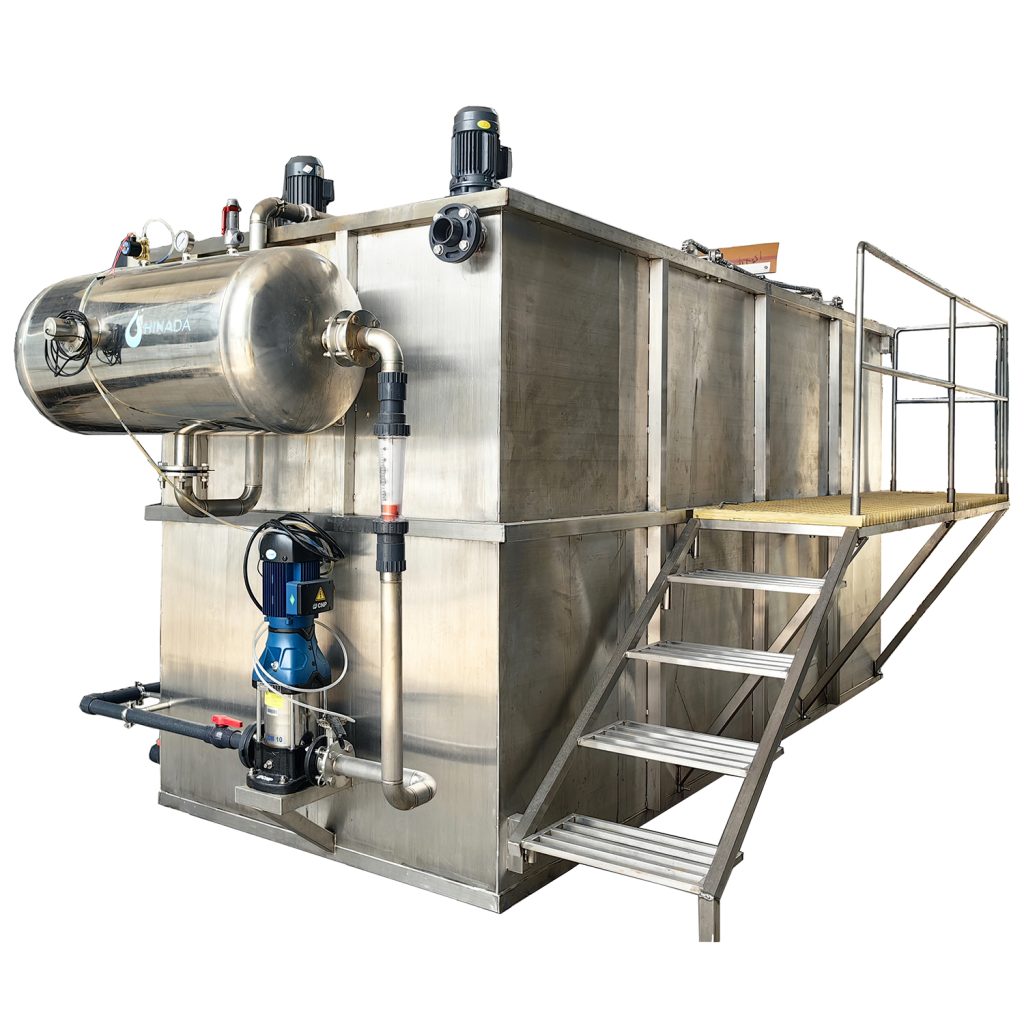
Dissolved air flotation (DAF) systems remove oils, grease, suspended solids, and fats from industrial wastewater. They are common in food processing, dairy, meat, and petroleum industries. DAF units require air compressors, recycle pumps, chemical dosing, and sludge removal. The cost depends on flow rate, loading rate, and chemical consumption. HINADA produces DAF systems as part of its equipment portfolio. When planning a DAF, engineers should consider the cost of coagulants and flocculants, which can be significant. They should also evaluate whether DAF sludge can be dewatered and disposed of economically.
Reverse Osmosis and Advanced Treatment
Industrial reverse osmosis (RO) systems are used for water reuse, boiler feed, and process water. RO has high energy consumption, membrane replacement costs, and concentrate disposal costs. Pretreatment is essential to prevent fouling and scaling. A planner must consider the cost of antiscalants, cleaning chemicals, and brine management. In zero liquid discharge (ZLD) projects, the cost of evaporators and crystallizers can exceed the cost of the RO system itself. HINADA supplies industrial RO systems, but it emphasizes integrated solutions that include pretreatment and post-treatment to protect the RO membranes and reduce lifecycle cost.
Equipment Cost Factors
Equipment is often the most visible cost category, but it is not monolithic. Major equipment includes screens, grit removers, pumps, blowers, diffusers, mixers, clarifiers, membrane modules, DAF units, RO skids, disinfection systems, sludge dewatering units, and chemical dosing systems. Each item has capital cost, installation cost, spare parts cost, and energy cost. Planners should obtain multiple quotations and compare not only price but also efficiency, warranty, service network, and spare parts availability.
Membranes and Membrane Modules
Membranes are a major cost factor in MBR, UF, and RO systems. Hollow fiber UF membranes are used for removing suspended solids, bacteria, and viruses. Submerged MBR membrane modules are used in biological treatment. The cost of membranes depends on material (PVDF, PVC, PES, etc.), pore size, module design, packing density, and manufacturer. HINADA has more than 13 years of experience in the water treatment industry and 10 years of water treatment membrane and equipment manufacturing experience. Its complete ecosystem spans membrane R&D, component manufacturing, equipment fabrication, and turnkey solution delivery. That vertical integration can reduce cost and improve quality control, but planners should still evaluate total cost of ownership, including membrane replacement, cleaning, and energy.
Blowers and Aeration Systems
Blowers are among the largest energy consumers in biological treatment. Fine bubble diffusers, coarse bubble diffusers, and jet aeration systems have different oxygen transfer efficiencies. High-efficiency blowers with variable frequency drives (VFDs) can reduce energy cost significantly. However, they have higher capital cost. Planners should perform an energy balance and consider dissolved oxygen control. In MBR systems, air scouring is needed to control membrane fouling, which adds to blower cost. HINADA's integrated MBR systems are designed to optimize air scouring and biological aeration, but the energy cost still depends on load and operating strategy.
Pumps and Mixers
Pumps move influent, effluent, sludge, chemicals, and recycle streams. The cost of pumps includes purchase, installation, energy, maintenance, and replacement. Centrifugal pumps are common, but positive displacement pumps are used for sludge and chemicals. Mixers are used in anaerobic, anoxic, and chemical mixing zones. Submersible mixers are common but require maintenance. Planners should select pumps and mixers with high efficiency and robust construction. Stainless steel or corrosion-resistant materials increase cost but extend life in aggressive environments.
Screens, Grit Removal, and Pretreatment
Pretreatment protects downstream equipment. Bar screens, fine screens, and grit removal systems are relatively inexpensive but essential. If they fail, pumps and membranes can be damaged, leading to costly repairs. The cost of screening and grit removal depends on flow rate, screening size, and grit volume. In industrial plants, pretreatment may include oil-water separators, equalization tanks, pH adjustment, and DAF. These costs can be substantial and should not be overlooked.
Disinfection Systems
Disinfection can be achieved with chlorine, UV, ozone, or membrane filtration. Chlorine is inexpensive but produces disinfection byproducts and requires chemical storage. UV has high capital cost and energy cost but no chemicals. Ozone has high capital and energy cost and requires off-gas destruction. Membranes provide physical disinfection but may not inactivate viruses completely. The choice depends on effluent use, regulations, and lifecycle cost. Planners should compare the cost of chemicals, lamps, maintenance, and safety measures.
Civil Works and Construction Cost Factors
Civil works often represent 30 to 50 percent of total CAPEX. They include excavation, concrete, steel reinforcement, buildings, foundations, roads, fencing, and landscaping. The cost depends on site conditions, local labor rates, material prices, and construction methods. In remote areas, labor and material transport can be expensive. In urban areas, traffic management, noise restrictions, and limited working hours increase cost. Planners should obtain geotechnical surveys and topographical maps early. They should also consider modular construction, which shifts labor from the site to a factory. HINADA's containerized MBR systems and packaged wastewater treatment plants are factory-built and tested, reducing site labor, construction time, and weather delays. However, they require transport to site and may have size limitations.
Concrete and Steel
Concrete tanks are common for biological treatment, equalization, and sludge storage. Concrete cost depends on volume, reinforcement, formwork, and finishing. Steel tanks are faster to erect but may require corrosion protection and insulation. In some regions, steel tanks are cheaper than concrete, while in others concrete is more economical. Planners should compare local material and labor costs. They should also consider seismic and wind loads, which can increase structural cost.
Buildings and Housing
Buildings house blowers, pumps, controls, laboratories, offices, and chemical storage. They require heating, ventilation, and air conditioning (HVAC), lighting, and fire protection. In cold climates, insulation and heating are necessary to prevent freezing. In hot climates, ventilation and cooling protect equipment. The cost of buildings can be reduced by using prefabricated structures or containerized equipment rooms. HINADA's containerized systems include integrated controls and equipment, reducing the need for permanent buildings.
Piping, Valves, and Fittings
Piping and valves are numerous and can add up quickly. Materials include PVC, HDPE, stainless steel, ductile iron, and carbon steel. The choice depends on pressure, temperature, corrosion, and cost. Stainless steel is expensive but durable in corrosive environments. Valves include gate, globe, butterfly, check, and control valves. Automation requires actuated valves, which cost more but improve reliability and reduce labor. Planners should consider the cost of installation, supports, insulation, and testing. A poorly designed piping layout can increase pressure drop and energy cost.
Electrical, Instrumentation, and Automation Costs
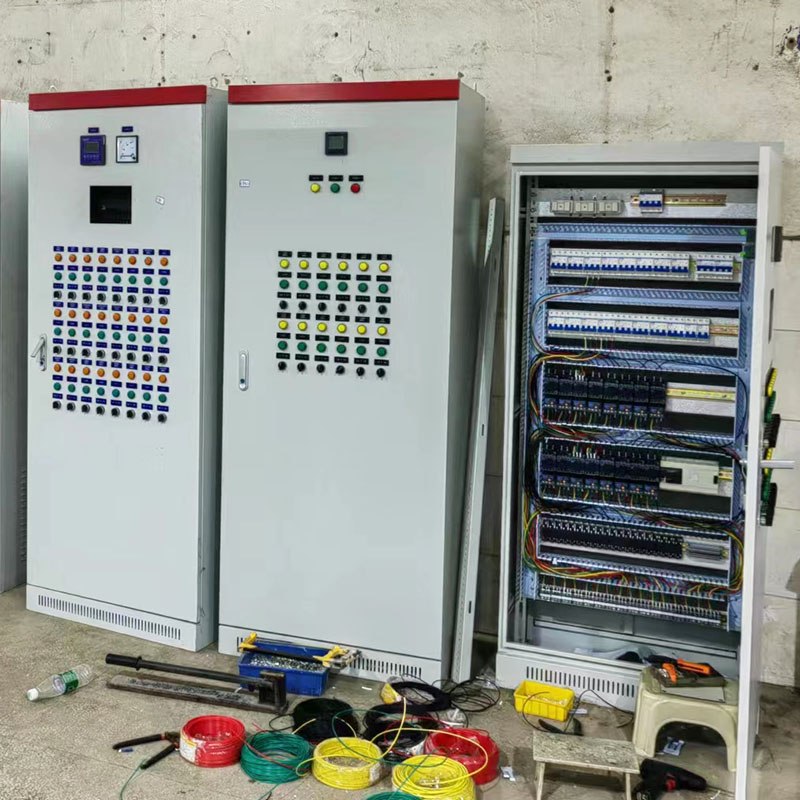
Electrical systems include transformers, switchgear, motor control centers, cables, grounding, and lighting. Instrumentation includes flow meters, level sensors, pH meters, dissolved oxygen sensors, turbidity meters, pressure sensors, and analyzers. Automation includes programmable logic controllers (PLCs), human-machine interfaces (HMIs), supervisory control and data acquisition (SCADA), and remote monitoring. These systems improve efficiency and reduce labor, but they have capital and maintenance costs. Cybersecurity and software updates are ongoing costs. Planners should specify open protocols to avoid vendor lock-in. HINADA provides intelligent integrated wastewater treatment equipment with automation and remote monitoring, which can reduce operator requirements and improve process control. However, the cost of sensors and controls should be balanced against the savings from optimized energy and chemical use.
Energy Supply and Backup Power
Wastewater treatment plants require reliable power. In areas with unstable grids, backup generators or solar power may be needed. Generators have capital, fuel, and maintenance costs. Solar power has high capital cost but low operating cost and can be attractive in sunny regions. Battery storage can provide short-term backup. Planners should evaluate the cost of power outages, including permit violations and environmental damage. A standby generator may be cheaper than the consequences of a prolonged outage.
Land, Permitting, and Regulatory Costs
Land acquisition can be a major cost, especially near cities. Permitting involves environmental impact assessments, discharge permits, building permits, and sometimes community consultation. These processes can take years and add legal, engineering, and administrative costs. Delays increase financing costs. Planners should engage regulators early and understand all requirements. In some countries, permits require public hearings and environmental management plans. These costs should be included in the project budget. HINADA serves clients in over 75 countries and understands that regulatory requirements vary widely. Its turnkey solutions include documentation and commissioning support, which can help planners navigate local requirements, but local legal and permitting costs remain the responsibility of the project owner.
Operating Expenditure: The Long Tail of Wastewater Treatment Costs
Operating expenditure is often underestimated. It includes energy, chemicals, labor, maintenance, sludge disposal, membrane replacement, laboratory testing, and administrative costs. Over a 20-year period, OPEX can exceed CAPEX by a factor of two to four. Planners should build a detailed OPEX model with sensitivity analysis for energy prices, chemical prices, labor rates, and sludge disposal fees.
Energy Costs
Energy is typically the largest OPEX item for biological treatment and membrane systems. Aeration blowers, pumps, mixers, and membrane scouring consume significant electricity. Energy cost depends on local tariffs, plant loading, equipment efficiency, and control strategies. High-efficiency motors, VFDs, dissolved oxygen control, and optimized aeration can reduce energy by 20 to 40 percent. However, these measures require capital investment. Planners should calculate the payback period. In regions with high electricity prices, energy-efficient equipment is worth the extra cost. In regions with low electricity prices, lower-cost equipment may be sufficient. HINADA's integrated systems are designed for energy efficiency, but actual consumption depends on operation and maintenance.
Chemicals and Consumables
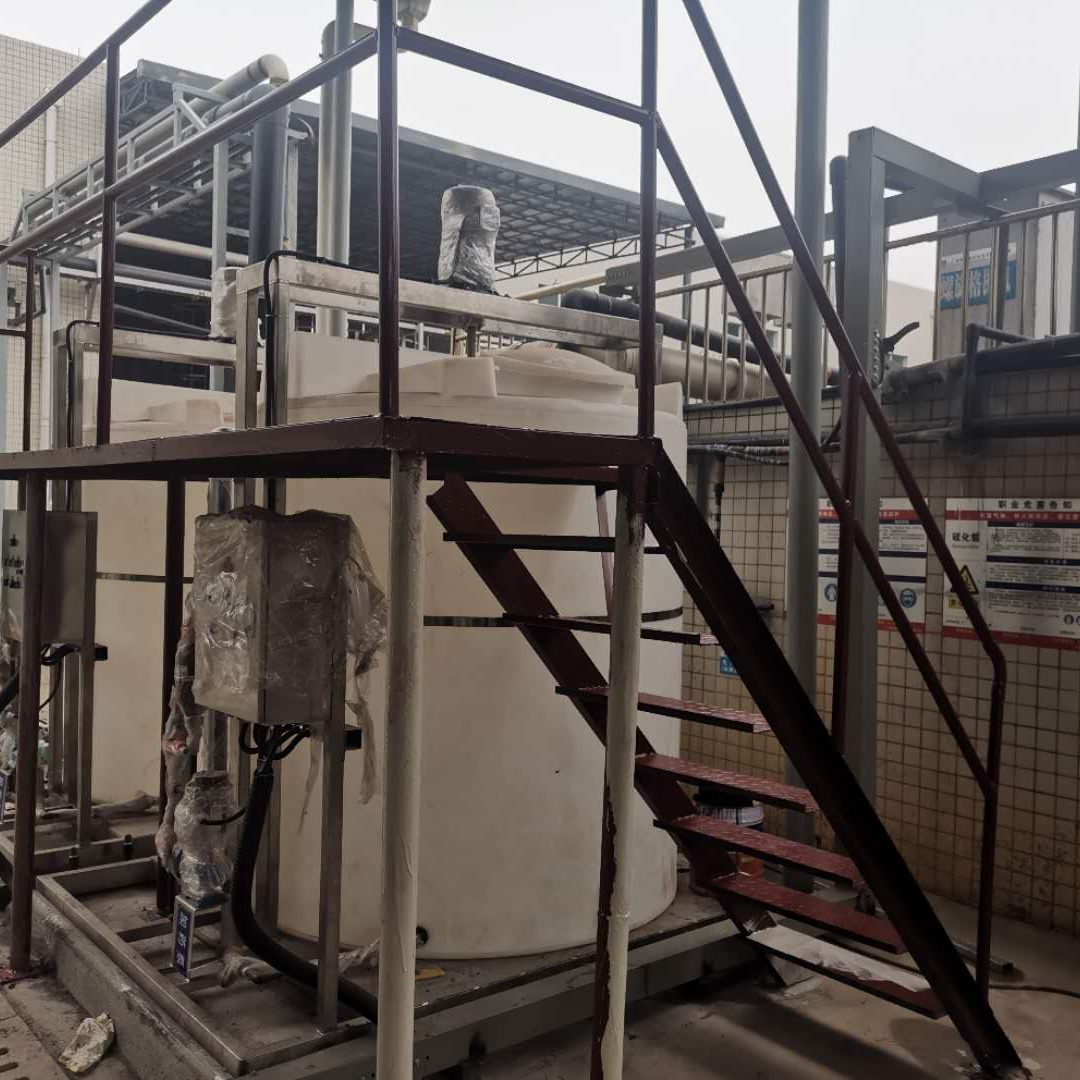
Chemicals include coagulants, flocculants, disinfectants, antiscalants, cleaning agents, and pH adjusters. Chemical cost depends on dosage, price, and frequency. In DAF and chemical precipitation, chemical cost can be significant. In RO, antiscalant and cleaning chemicals are necessary. In membrane systems, cleaning chemicals are used for maintenance. Planners should estimate chemical consumption based on pilot testing or manufacturer data. They should also consider the cost of chemical storage, dosing pumps, and safety equipment. HINADA supplies DAF and RO systems that require chemical dosing, so it provides guidance on chemical selection and dosage optimization to reduce operating cost.
Labor and Staffing
Labor cost includes operators, maintenance technicians, laboratory staff, supervisors, and administrators. The number of staff depends on plant size, automation level, and complexity. Highly automated plants can operate with fewer staff, but they require skilled technicians. In rural areas, finding skilled staff may be difficult, leading to higher training costs or remote monitoring. HINADA provides training as part of its integrated solution, which can reduce the learning curve and improve plant performance. However, ongoing labor costs remain a major OPEX item. Planners should consider the cost of wages, benefits, overtime, and turnover.
Maintenance and Spare Parts
Maintenance includes preventive maintenance, repairs, and replacements. Pumps, blowers, valves, sensors, and membranes require regular attention. Spare parts inventory ties up capital and may expire. In remote locations, spare parts logistics can be expensive. Planners should choose equipment with readily available parts and local service support. HINADA's global presence in over 75 countries helps ensure spare parts availability, but planners should confirm service agreements and lead times. A maintenance management system can reduce downtime and extend equipment life.
Sludge Handling and Disposal
Sludge handling is often the most expensive and complex OPEX item. Sludge is produced in primary, biological, and chemical treatment. It must be thickened, dewatered, stabilized, and disposed of. Disposal options include landfill, incineration, agricultural land application, and composting. Each has different costs and regulations. Landfill fees are rising in many regions. Incineration has high capital and energy costs but reduces volume. Agricultural reuse requires pathogen and heavy metal limits. Planners should estimate sludge production and choose dewatering equipment such as belt presses, centrifuges, or screw presses. HINADA's MBR systems produce less sludge than conventional systems because of higher solids retention time, but sludge still requires handling. The cost of sludge disposal should be included in the lifecycle cost model.
Membrane Replacement and Lifecycle
Membrane replacement is a major cost for MBR, UF, and RO systems. Membranes typically last 5 to 12 years, depending on feed quality, cleaning, and operation. Replacement cost includes modules, labor, and disposal. Planners should include membrane replacement in the annual budget or as a sinking fund. A membrane with a lower price but shorter life may have a higher annualized cost than a higher-priced membrane with longer life. HINADA manufactures PVDF and PVC hollow fiber UF membranes and submerged MBR membrane modules. Its vertical integration allows it to control quality and offer competitive pricing. However, planners should compare membrane warranties, operating flux, and cleaning frequency. A well-designed membrane system with proper pretreatment can extend membrane life and reduce replacement cost.
Financing, Inflation, and Currency Risk
Wastewater treatment plants are long-lived assets, so financing costs matter. Interest rates, loan terms, and grants affect affordability. Inflation increases the cost of construction, equipment, chemicals, and labor. Currency risk affects imported equipment. If a project borrows in foreign currency and earns revenue in local currency, exchange rate movements can increase debt service. Planners should consider hedging, local sourcing, and fixed-price contracts. HINADA exports equipment to many countries, so currency fluctuations can affect its pricing. Planners should request quotations in a stable currency and clarify shipping, insurance, and duties.
Supply Chain and Procurement Models
Procurement models include design-bid-build, design-build, engineering-procurement-construction (EPC), and turnkey. Each model allocates risk differently. In design-bid-build, the owner manages multiple contracts, which can lead to coordination problems and change orders. In EPC and turnkey, a single contractor is responsible for design, construction, and commissioning. This can reduce risk and schedule, but it may cost more upfront. HINADA provides turnkey solutions for water and wastewater projects, from design to commissioning and training. This can be attractive for owners who lack technical staff or want a single point of responsibility. However, planners should compare the total cost of turnkey against other models, considering risk transfer, warranty, and performance guarantees.
Modular and Decentralized Systems
Modular and decentralized systems are increasingly popular for rural areas, small communities, industrial parks, and remote sites. They reduce civil works, piping, and land requirements. They can be installed quickly and expanded in modules. HINADA offers containerized MBR systems and packaged wastewater treatment plants for decentralized applications. These systems are factory-built and tested, which reduces site labor and commissioning time. However, they may have higher equipment cost per cubic meter than large centralized plants. They also require reliable transport, power, and maintenance. Planners should compare the lifecycle cost of decentralized versus centralized treatment, considering collection system costs. In many rural areas, decentralized treatment avoids the high cost of long sewer networks.
Industrial Wastewater Cost Factors
Industrial wastewater treatment is highly variable. Industries such as food and beverage, textile, pharmaceutical, chemical, mining, and petrochemical have different pollutants and flow patterns. Pretreatment may include equalization, neutralization, DAF, anaerobic digestion, and advanced oxidation. The cost of treatment depends on pollutant load, discharge standards, and reuse requirements. Industrial plants often face high fees for discharging to municipal sewers, so on-site treatment and reuse can be economically attractive. HINADA serves industrial wastewater treatment and reuse with UF, MBR, DAF, and RO systems. Planners should conduct pilot tests to determine treatability and chemical consumption. They should also consider the cost of byproduct recovery, such as biogas, nutrients, or water.
Municipal Wastewater Cost Factors
Municipal wastewater treatment is driven by population, flow, and regulations. The cost per cubic meter decreases with plant size. However, small communities may face higher per-unit costs because fixed costs are spread over fewer users. Municipal plants often require nutrient removal, disinfection, and sludge digestion. They may also need odor control, especially near residential areas. Odor control systems include covers, scrubbers, and biofilters. These add capital and operating costs. Planners should engage the community early to avoid opposition and delays. HINADA provides municipal sewage treatment and water recycling solutions, including MBR and UF systems. Its experience in over 75 countries helps it adapt to different regulatory and social contexts.
Retrofits and Upgrades
Retrofitting an existing plant can be cheaper than building a new one, but it has unique cost factors. Site constraints, existing structures, and limited shutdown windows increase complexity. Retrofits may require temporary treatment, bypass pumping, and careful sequencing. They may also require upgrading electrical, instrumentation, and controls. Membrane bioreactors can retrofit existing tanks by replacing clarifiers with membranes. MBBR can add media to existing aeration tanks. DAF can be added for pretreatment. HINADA's submerged MBR membrane modules can be installed in existing tanks, but planners should evaluate tank geometry, aeration, and sludge handling. A feasibility study is essential to compare retrofit and new-build costs.
Hidden Costs That Surprise Planners
Hidden costs include change orders, unforeseen site conditions, permit delays, legal challenges, utility upgrades, road improvements, and environmental remediation. They also include the cost of downtime, odor complaints, noise complaints, and public relations. A contingency of 10 to 20 percent is typical, but complex projects may need more. Planners should conduct risk assessments and maintain a risk register. They should also consider the cost of insurance, bonds, and performance guarantees. HINADA's turnkey approach includes commissioning and training, which can reduce operational risks, but hidden costs can still arise from local conditions.
Total Cost of Ownership and Lifecycle Cost Analysis
Total cost of ownership (TCO) and lifecycle cost analysis (LCCA) are essential tools. They compare alternatives over the entire life of the plant, including capital, operating, maintenance, replacement, and disposal costs. LCCA uses net present value (NPV) to account for the time value of money. Planners should use realistic discount rates, energy price forecasts, and inflation assumptions. They should also conduct sensitivity analysis to identify which variables most affect the outcome. For example, if energy prices are uncertain, an energy-efficient design may be more robust. If membrane prices are volatile, a system with longer membrane life may be safer. HINADA's integrated solutions can be evaluated using TCO, comparing its membrane modules, MBR systems, DAF systems, and RO systems against alternatives.
Cost Estimation Methods
Cost estimation methods include historical data, vendor quotations, parametric models, and detailed bottom-up estimates. Historical data from similar plants is useful for early screening. Vendor quotations provide specific prices but may not include installation or civil works. Parametric models use cost curves based on flow rate, load, and technology. Bottom-up estimates are detailed and accurate but time-consuming. Planners should use multiple methods and reconcile differences. They should also include escalation and contingency. HINADA can provide budgetary quotations for its equipment, but planners should combine these with local civil, electrical, and installation costs.
Benchmarking and Key Performance Indicators
Benchmarking compares a project's cost and performance against similar plants. Key performance indicators (KPIs) include capital cost per cubic meter per day, operating cost per cubic meter, energy consumption per kilogram of COD removed, membrane flux, sludge production per cubic meter, and staff per million cubic meters treated. Benchmarking helps identify inefficiencies and set targets. However, planners should be careful because costs vary by region, regulatory standards, and site conditions. A plant in Europe may have higher labor costs but lower energy costs than a plant in Asia. HINADA's global experience across Asia, Africa, Europe, and the Americas gives it a broad perspective on benchmarking, but local data should always be used for final decisions.
Risk Management and Sensitivity Analysis
Risk management involves identifying, assessing, and mitigating risks. Cost risks include price escalation, currency fluctuation, interest rate changes, technology failure, regulatory changes, and natural disasters. Sensitivity analysis tests how changes in key variables affect project cost. For example, a 20 percent increase in energy price may increase OPEX by 10 percent. A 10 percent increase in membrane replacement cost may increase TCO by 3 percent. Planners should prioritize risks with high impact and high probability. Mitigation strategies include fixed-price contracts, performance guarantees, insurance, spare parts inventory, and flexible design. HINADA's warranties and service agreements can mitigate equipment risks, but planners should read the terms carefully.
Sustainability, Energy Recovery, and Circular Economy
Sustainability can reduce long-term costs. Energy recovery from biogas, heat pumps, and solar power can offset energy consumption. Nutrient recovery can produce fertilizer. Water reuse can generate revenue. Sludge can be converted to energy or biosolids. These approaches have capital costs but can improve lifecycle economics. Planners should evaluate them as part of the cost model. HINADA's UF, MBR, and RO systems support water reuse and resource recovery. For example, MBR effluent can be used for irrigation or industrial cooling. RO concentrate can be further treated for zero liquid discharge. However, these advanced systems add cost and complexity. A phased approach may be best, starting with core treatment and adding recovery later.
Case Examples and Practical Lessons
Consider a municipal plant in a rapidly growing city. The initial design uses conventional activated sludge with a capacity of 20,000 cubic meters per day. After five years, the city tightens nutrient standards and requires water reuse. The plant must add tertiary filtration, UV disinfection, and ultrafiltration. The retrofit costs more than if the original design had included space and hydraulic capacity for future expansion. This illustrates the value of flexible design. HINADA's packaged and modular systems can be expanded more easily, but planners should still reserve space and hydraulic head.
Consider an industrial park with mixed food processing and textile factories. The wastewater has high COD, color, and suspended solids. A DAF system removes oils and grease, followed by equalization, anaerobic treatment, and MBR. The MBR produces water suitable for reuse in cooling towers. The cost includes DAF chemicals, anaerobic sludge handling, membrane replacement, and RO for boiler feed. HINADA supplies DAF, MBR, UF, and RO systems for such applications. The key lesson is that industrial wastewater cost planning requires pilot testing and close collaboration with production schedules.
Consider a rural community with 2,000 residents. A centralized sewer network would cost more than the treatment plant. A decentralized approach with several containerized MBR systems is more affordable. Each system is factory-built, installed quickly, and remotely monitored. HINADA's containerized MBR systems are designed for such decentralized applications. The operating cost includes energy, membrane replacement, and periodic maintenance visits. The community saves on sewer construction and land acquisition. However, it must ensure reliable power and trained local operators. HINADA provides training and commissioning support to build local capacity.
Checklist for Planners
Define design flow, peak flow, and influent load with at least one year of data.
Confirm effluent standards and future regulatory trends.
Evaluate site conditions, land cost, and geotechnical data.
Compare treatment technologies using lifecycle cost analysis.
Include energy, chemicals, labor, maintenance, and sludge disposal in OPEX.
Plan for membrane replacement and spare parts.
Consider modular, containerized, or packaged systems for speed and flexibility.
Assess procurement models and risk allocation.
Include contingency for hidden costs and change orders.
Engage regulators and community early.
Use pilot testing for industrial wastewater.
Benchmark against similar plants and set KPIs.
Conduct sensitivity analysis for energy, chemicals, and membrane prices.
Evaluate energy recovery, water reuse, and nutrient recovery.
Select equipment suppliers with global service and proven technology.
How HINADA Fits into Cost-Conscious Planning
HINADA Water Treatment Tech Co., Ltd. is a globally recognized manufacturer of wastewater treatment equipment, hollow fiber ultrafiltration membranes, submerged MBR membrane modules, integrated packaged wastewater treatment systems, and DAF systems. Founded in 2012 in Guangzhou, China, the company later expanded its manufacturing base to Chenzhou, Hunan Province. Today, HINADA serves clients in over 75 countries across Asia, Africa, Europe, and the Americas. Its core products include PVDF and PVC hollow fiber UF membranes, submerged MBR membrane modules, containerized MBR systems, packaged wastewater treatment plants, dissolved air flotation systems, ultrafiltration systems, and industrial reverse osmosis systems. HINADA is one of the leading submerged MBR membrane, wastewater treatment equipment, and membrane filtration system manufacturers in China, specializing as a wastewater treatment solution provider and equipment supplier in Guangzhou since 2012. It provides a truly integrated solution to water and wastewater projects, from design, supplying, installation support, and commissioning to training. With more than 13 years of experience in the water treatment industry and 10 years of water treatment membrane and equipment manufacturing experience, HINADA has built a complete ecosystem from membrane R&D and component manufacturing to equipment fabrication and turnkey solution delivery.
From day one, HINADA focused on two core technology pillars: hollow fiber ultrafiltration and MBR membranes for precise physical separation of suspended solids, bacteria, colloids, and macromolecular organics, and intelligent integrated wastewater treatment equipment for municipal, industrial, and decentralized applications. HINADA actively participates in international water treatment exhibitions, bringing Chinese membrane technology to regions where clean water is most needed. Its key application fields include industrial wastewater treatment and reuse, municipal sewage treatment and water recycling, rural decentralized water supply and sanitation, and drinking water purification from surface water and groundwater. For planners, HINADA represents an option that combines membrane manufacturing, equipment fabrication, and integrated delivery. However, cost planning still requires careful comparison of HINADA's offerings against alternatives, including local suppliers, because freight, duties, service, and spare parts availability affect total cost. HINADA's global presence can reduce logistics and service risks, but planners should request detailed quotations, performance guarantees, and references from similar projects.
Conclusion: Cost Factors Are Interconnected
Wastewater treatment plant cost factors are interconnected. A decision about effluent standards affects technology selection, which affects energy and chemical consumption, which affects OPEX. A decision about site location affects land cost, civil works, and collection system cost. A decision about procurement model affects risk, schedule, and price. Planners who understand these connections can avoid false economies and design plants that are affordable, reliable, and sustainable. The most successful projects use lifecycle cost analysis, sensitivity analysis, and risk management. They engage technology suppliers early, pilot test when necessary, and plan for future expansion. They also recognize that the lowest bid is not always the lowest cost. By focusing on total cost of ownership, planners can deliver wastewater treatment solutions that protect public health and the environment while respecting budgets and financial constraints. HINADA's integrated approach, membrane technology, and global experience illustrate how a manufacturer can support cost-conscious planning, but the ultimate responsibility for cost control rests with the planner who asks the right questions, uses the right data, and makes decisions based on the full lifecycle of the plant.