Wastewater Treatment System Benefits for Water Reuse and Compliance
Wastewater Treatment System Benefits for Water Reuse and Compliance
September 30, 2026
Author
Solution Provider, through a professional technical team, we provide customers with targeted equipment selection recommendations and comprehensive after-sales services, winning the trust and recognition of customers.
Sarah M.
Wastewater treatment systems deliver compliance, water reuse, and operational value. HINADA Water Treatment Tech Co., Ltd., or HINADA, founded in 2012 in Guangzhou and later expanded to Chenzhou, Hunan Province, serves clients in over 75 countries. The company manufactures hollow fiber UF membranes, submerged MBR membrane modules, containerized MBR systems, packaged wastewater treatment plants, DAF systems, UF systems, and industrial RO systems. Its two core technology pillars are hollow fiber ultrafiltration (UF/MBR) membranes for physical separation of suspended solids, bacteria, colloids, and macromolecular organics, and intelligent integrated wastewater treatment equipment for municipal, industrial, and decentralized use. Benefits of modern systems include reliable discharge compliance, high-quality reuse water, lower long-term costs, compact footprint, scalability, and environmental protection. Applications cover industrial wastewater reuse, municipal sewage recycling, rural decentralized sanitation, and drinking water purification. HINADA provides integrated solutions from design, supplying, and installation support to commissioning and training, with more than 13 years of industry experience and 10 years of membrane and equipment manufacturing experience.
Wastewater Treatment System Benefits for Water Reuse and Compliance
Water scarcity, stricter discharge limits, and rising operating costs are changing how industries and municipalities view wastewater. Instead of treating effluent as a waste to discard, modern wastewater treatment systems turn it into a resource. HINADA Water Treatment Tech Co., Ltd., known as HINADA, has helped clients make that shift since 2012. Founded in Guangzhou, China, and later expanding manufacturing to Chenzhou, Hunan Province, HINADA serves clients in over 75 countries across Asia, Africa, Europe, and the Americas.
As a globally recognized manufacturer of wastewater treatment equipment, hollow fiber ultrafiltration membranes, submerged MBR membrane modules, integrated packaged wastewater treatment systems, and DAF systems, HINADA focuses on two core technology pillars. The first is hollow fiber ultrafiltration (UF/MBR) membranes for precise physical separation of suspended solids, bacteria, colloids, and macromolecular organics. The second is intelligent integrated wastewater treatment equipment for municipal, industrial, and decentralized applications.
undefined
Why Water Reuse and Compliance Matter
Regulatory pressure is no longer a distant concern. Industries face tighter discharge permits, higher fines, and greater public scrutiny. Municipalities must protect rivers, lakes, and groundwater while serving growing populations. At the same time, freshwater supplies are under stress. Water reuse offers a practical answer: treat wastewater to a suitable standard and use it again for irrigation, cooling, toilet flushing, process water, or groundwater recharge.
Compliance and reuse are connected. A treatment system that reliably meets discharge limits can also produce water clean enough for reuse. That dual benefit reduces risk and creates value. HINADA supports this goal with a complete ecosystem from membrane research and component manufacturing to equipment fabrication and turnkey solution delivery. With more than 13 years in the water treatment industry and 10 years of membrane and equipment manufacturing experience, HINADA provides integrated solutions from design, supplying, and installation support to commissioning and training.
Core Benefits of Modern Wastewater Treatment Systems
1. Reliable Compliance with Discharge Standards
Modern biological and membrane processes remove organic matter, nutrients, pathogens, and solids with high consistency. Submerged MBR membrane modules combine biological treatment with membrane filtration, producing effluent with low turbidity and excellent microbial quality. This helps facilities meet strict permits for COD, BOD, TSS, ammonia, and phosphorus. For industrial plants, dissolved air flotation and ultrafiltration can remove oils, grease, suspended solids, and colloidal material before final polishing.
2. High-Quality Water for Reuse
Water reuse requires dependable treatment. Hollow fiber UF membranes remove particles, bacteria, and many viruses. When paired with reverse osmosis, they support industrial reuse, boiler feed, and process applications. Treated water can be reused for landscaping, cooling towers, washdown, construction, and agriculture. This reduces freshwater intake and discharge volume.
3. Lower Operating Costs Over Time
Although advanced treatment requires investment, it often lowers long-term costs. Reusing water reduces water purchase and sewer fees. Efficient aeration, automated controls, and robust membranes reduce chemical use and labor. Containerized MBR systems and packaged wastewater treatment plants arrive ready to install, cutting civil works and startup time.
4. Compact Footprint and Scalability
Space is limited in many urban and industrial sites. Submerged MBR modules and integrated packaged systems have a small footprint compared with conventional clarifier-based plants. They can be expanded in modules, making them suitable for phased growth. Rural decentralized water supply and sanitation projects also benefit from compact, prefabricated designs.
5. Environmental Protection
Effective treatment protects aquatic ecosystems from oxygen depletion, nutrient enrichment, and toxic discharges. By enabling reuse, it also reduces pressure on rivers and aquifers. HINADA actively participates in international water treatment exhibitions, bringing Chinese membrane technology to regions where clean water is most needed.
Key Technologies Behind the Benefits
Hollow Fiber Ultrafiltration Membranes
PVDF and PVC hollow fiber UF membranes provide a physical barrier. They remove suspended solids, bacteria, colloids, and macromolecular organics. They are used in drinking water purification, surface water and groundwater treatment, and as pretreatment for reverse osmosis.
Submerged MBR Membrane Modules
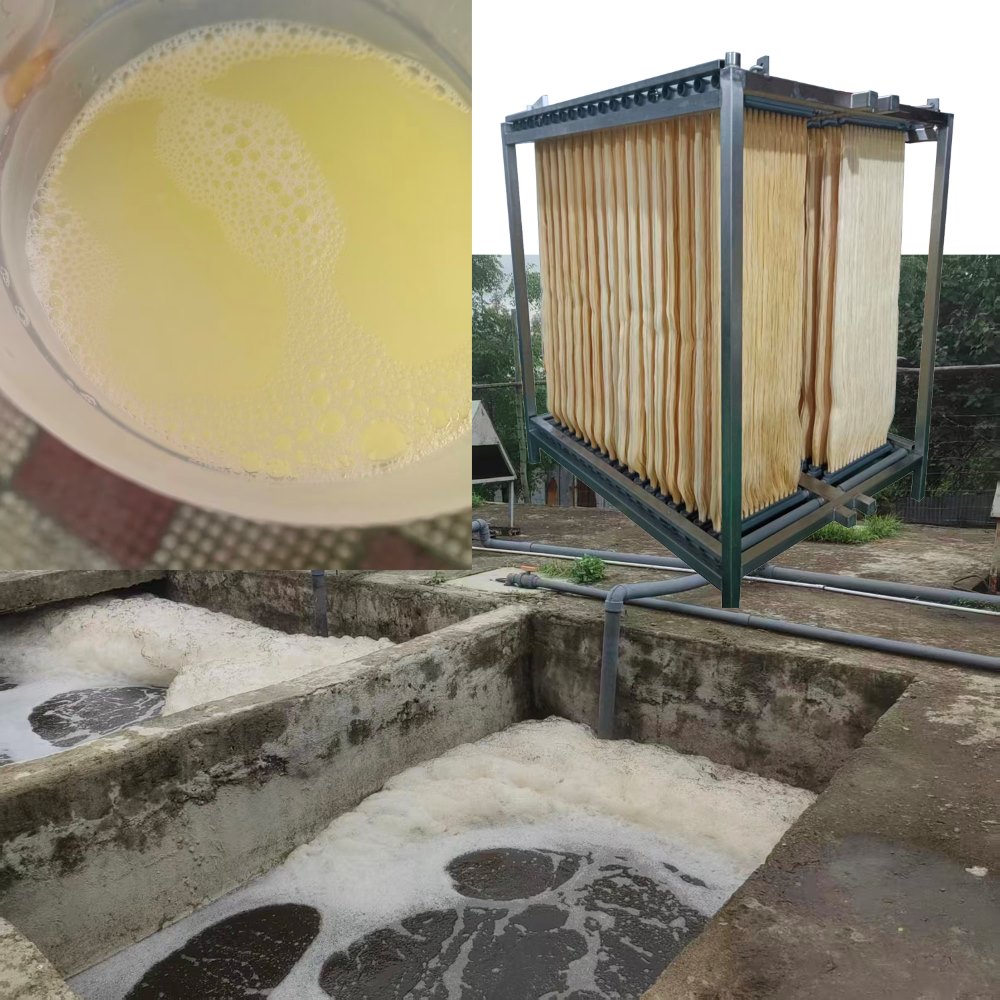
MBR membrane modules combine activated sludge with membrane separation. The membranes retain biomass, allowing high mixed liquor concentrations and excellent effluent quality. This makes MBR ideal for municipal sewage treatment, water recycling, and industrial wastewater reuse.
Containerized MBR and Packaged Plants
Containerized MBR systems and packaged wastewater treatment plants are factory-built and tested. They are easy to transport, quick to install, and simple to operate. They serve hotels, resorts, communities, industrial parks, and remote sites.
Dissolved Air Flotation Systems
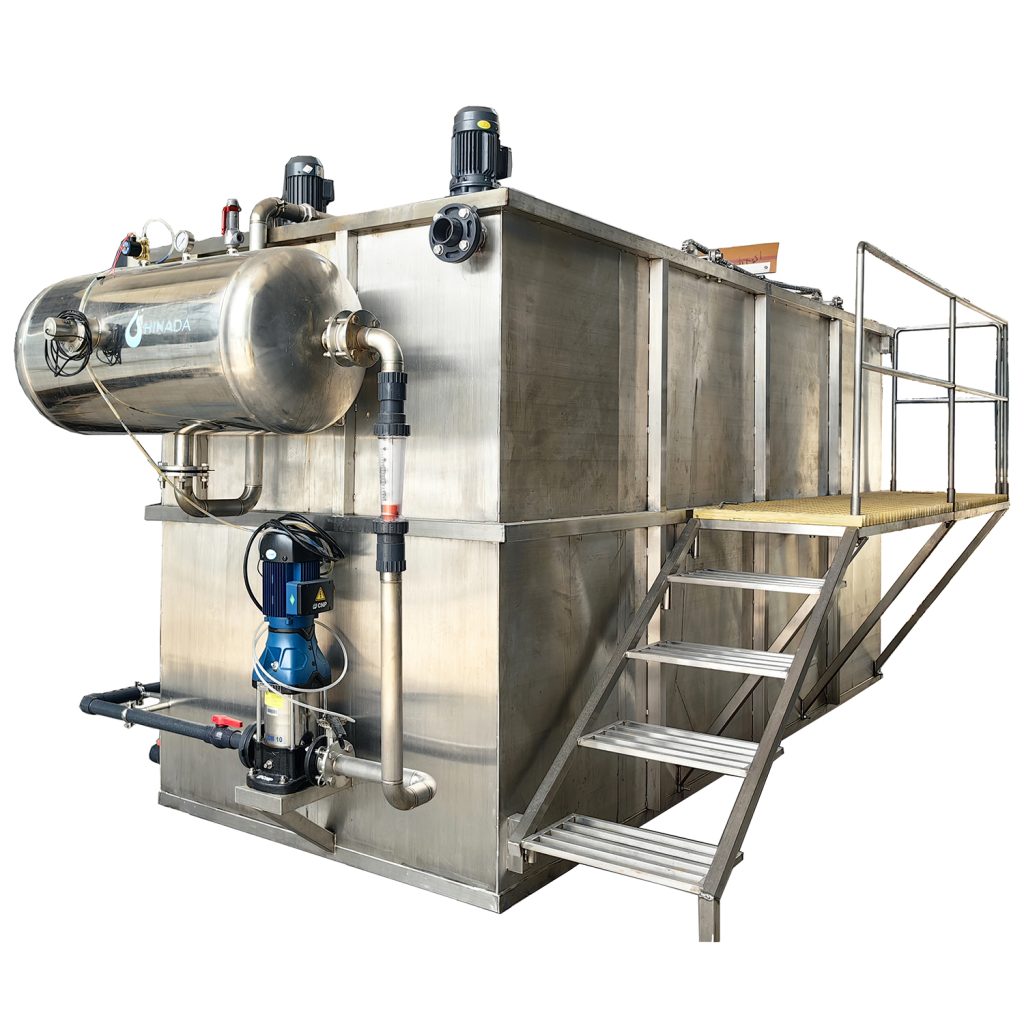
DAF systems remove fats, oils, grease, and suspended solids by dissolving air in water and releasing microbubbles. They are widely used in food processing, petrochemical, and paper industries as primary or pretreatment steps.
Reverse Osmosis Systems
Industrial RO systems provide high-purity water by removing dissolved salts and small organics. When integrated with UF or MBR, RO supports water reuse and zero liquid discharge strategies.
Applications Across Sectors
Industrial wastewater treatment and reuse
Municipal sewage treatment and water recycling
Rural decentralized water supply and sanitation
Drinking water purification from surface water and groundwater
These applications share a common need: reliable equipment, clear process design, and responsive service. HINADA meets that need as one of the leading submerged MBR membrane, wastewater treatment equipment, and membrane filtration system manufacturers in China. The company specializes as a wastewater treatment solution provider and equipment supplier from Guangzhou, with global reach.
Compliance Strategy for Facility Managers
Facility managers should begin with a water audit and a discharge review. They should identify peak flows, contaminant loads, reuse targets, and permit limits. A phased approach often works best: first stabilize pretreatment with DAF or screening, then add biological treatment, then install UF or MBR for polishing and reuse. Finally, RO can be added if dissolved salts must be removed.
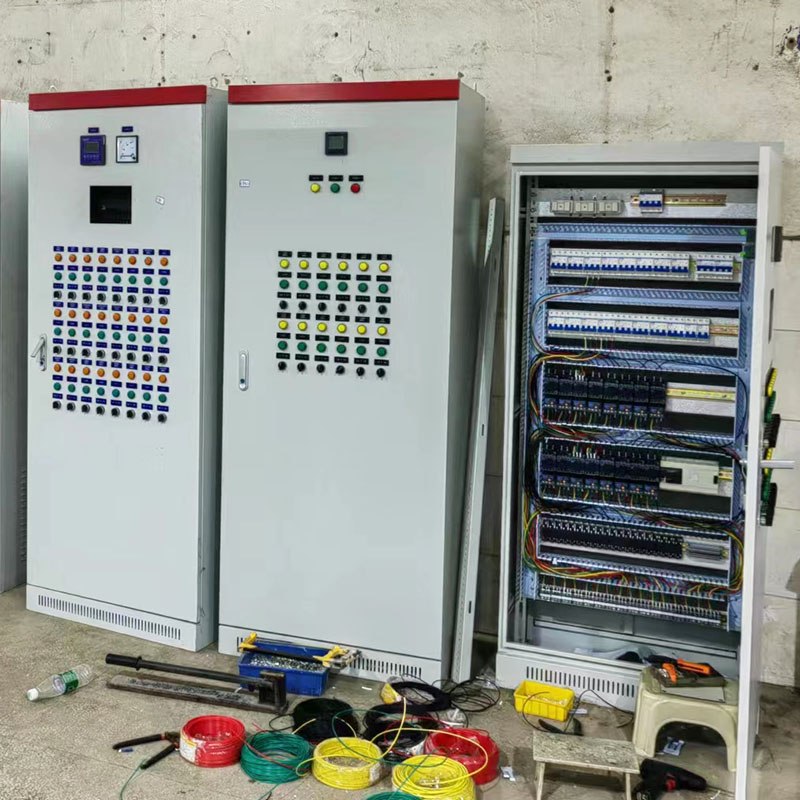
Monitoring and automation are essential. Online sensors for flow, pH, turbidity, dissolved oxygen, and membrane pressure help operators respond quickly. Preventive maintenance, membrane cleaning, and operator training preserve performance. HINADA provides training and commissioning support, helping teams operate systems safely and efficiently.
Economic and Social Value
Water reuse creates direct savings and indirect benefits. Industries reduce water bills and sewer charges. Municipalities defer costly expansions by recycling water. Communities gain cleaner waterways and more reliable sanitation. In rural areas, decentralized systems improve public health and reduce reliance on distant centralized networks.
Compliance also protects reputation. Companies that exceed environmental standards attract investors, customers, and regulators. They avoid shutdowns, fines, and negative publicity. A well-designed wastewater treatment system becomes an asset rather than a liability.
Why Choose HINADA
HINADA offers a complete ecosystem from membrane R&D and component manufacturing to equipment fabrication and turnkey solution delivery. Its product range includes PVDF and PVC hollow fiber UF membranes, submerged MBR membrane modules, containerized MBR systems, packaged wastewater treatment plants, DAF systems, UF systems, and industrial RO systems.
Since 2012, HINADA has built a reputation for practical engineering and dependable equipment. With clients in over 75 countries, the company understands diverse climates, regulations, and operational realities. Its mission is to deliver truly integrated solutions for water and wastewater projects, from design and supply to installation support, commissioning, and training.
Conclusion
Wastewater treatment systems are no longer only about compliance. They are about resilience, resource recovery, and long-term cost control. By combining UF membranes, MBR modules, DAF systems, and RO technology, facilities can meet strict standards and reuse water with confidence. HINADA Water Treatment Tech Co., Ltd. continues to advance this vision, helping municipalities and industries turn wastewater into a valuable resource. For organizations planning reuse or facing tighter permits, the right partner and the right technology can make compliance a foundation for sustainability and growth.